
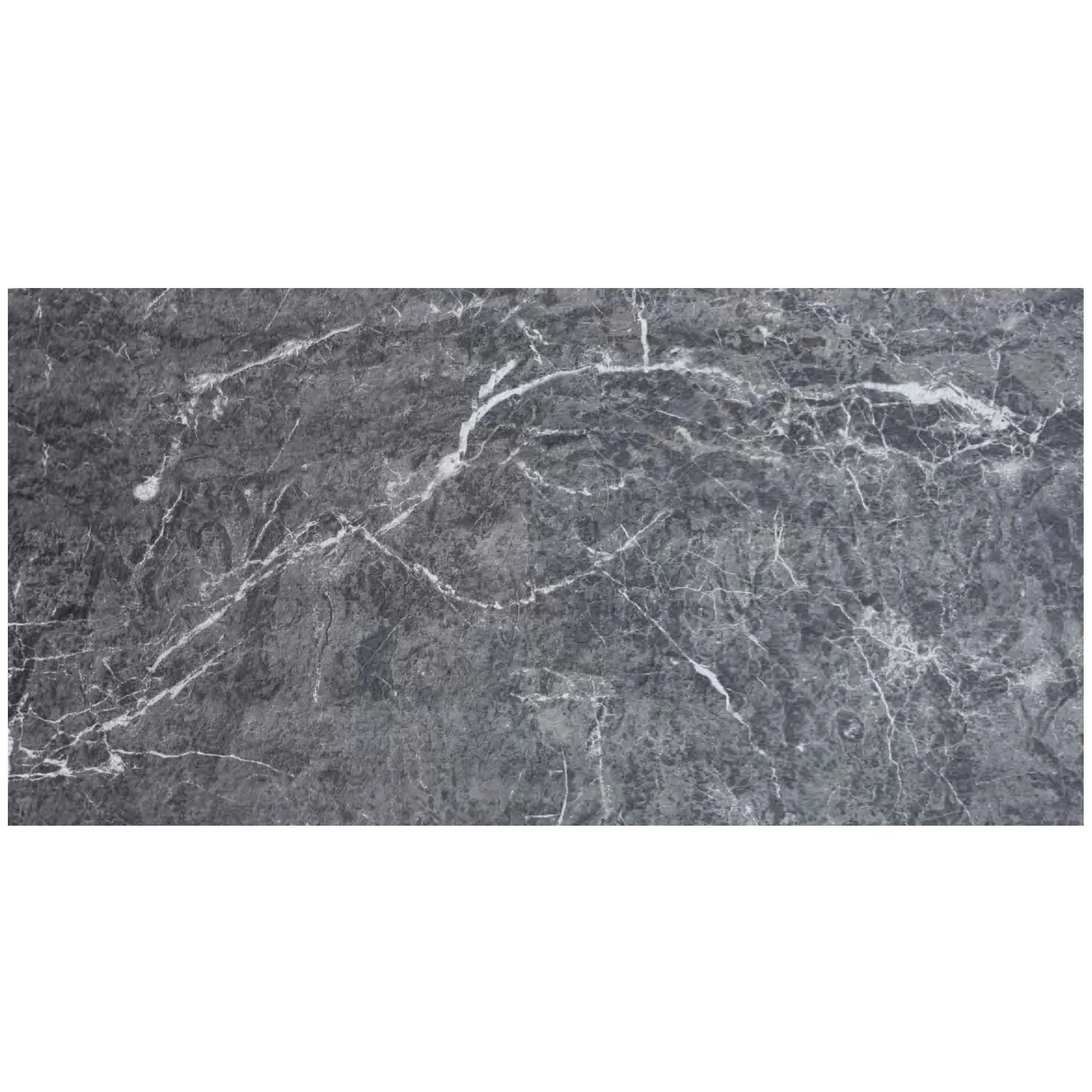
Think about the last time you stepped into a space that made you pause—maybe a boutique hotel lobby, a high-end restaurant, or even a friend's newly renovated home. Chances are, the materials used played a big role in that moment of awe. Stone, in particular, has a way of grounding a room while adding layers of sophistication. But here's the thing: not all stones are created equal, and when it comes to deep, dramatic blacks, few can hold a candle to Granite Nero Margiua. Yet, for designers and architects, the real magic isn't just in choosing this striking stone—it's in mastering its color variations and learning how to custom-match it with other materials to create spaces that feel intentional and harmonious. That's where this guide comes in. We're diving into everything you need to know about Granite Nero Margiua's color palette, how it interacts with light and space, and how to pair it seamlessly with MCM products like flexible stone and big slab boards to bring your vision to life.
Before we get into color variations, let's start with the basics: what exactly is Granite Nero Margiua? At its core, it's a type of granite quarried from select regions known for producing high-quality, dark-colored stone. What sets it apart, though, is its unique composition. Unlike some black granites that lean toward charcoal or gray, Nero Margiua is a true, inky black—think the night sky on a moonless evening—with subtle flecks of silver or gold that catch the light. These "sparkles" (technically called phenocrysts) are what give the stone its depth; without them, it might feel flat, but with them, it becomes dynamic, shifting in appearance as the light changes throughout the day.
But here's the first lesson in color variation: not all Nero Margiua is identical. Quarry location, extraction depth, and even the specific block within a quarry can lead to slight differences in tone and flecking. For example, stone from the northern section of a quarry might have more pronounced silver veining, while a block from the south could lean into warmer gold undertones. This isn't a flaw—it's part of the stone's natural charm. However, for large-scale projects where consistency is key (like a 50,000-square-foot office complex), these variations can become a challenge. That's where MCM's expertise shines. Through careful selection and processing, MCM minimizes these inconsistencies, ensuring that even big slab installations feel cohesive. Still, understanding these natural variations is the first step in mastering custom matching.
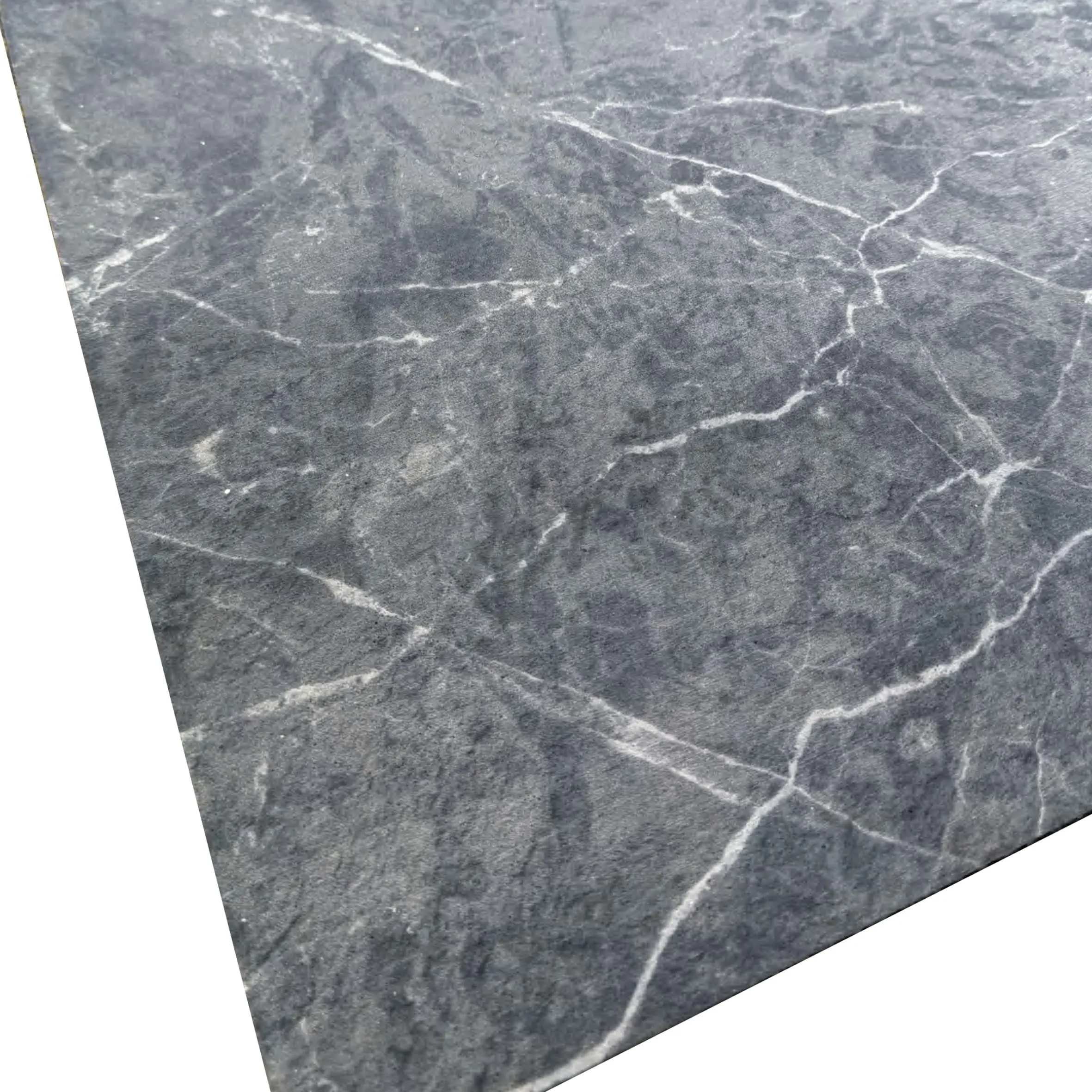
Let's dispel a common myth: "black" stone isn't a single color. In fact, when you start examining Nero Margiua up close, you'll notice a spectrum of undertones and nuances that can drastically change how it reads in a space. Let's break them down:
This is the "standard" variation most people picture when they hear "Nero Margiua." It's a rich, jet-black base with fine, scattered silver flecks that are subtle enough not to overwhelm but noticeable enough to add texture. This version works beautifully in both modern and traditional settings. In a minimalist bathroom with white fixtures, it adds drama without feeling heavy; in a classic library with dark wood bookshelves, it enhances the room's cozy, timeless vibe. The silver flecks here are key—they reflect light, preventing the stone from absorbing too much brightness and making small spaces feel cramped.
For spaces that need a touch of warmth, seek out Nero Margiua with gold or bronze flecks. These stones have the same deep black base but with warmer metallic accents, which can soften the stone's intensity. Imagine this in a restaurant with warm lighting: the gold flecks would catch the glow of pendant lights, creating a welcoming, intimate atmosphere. It pairs exceptionally well with materials like brass hardware or wood tones, as the gold undertones bridge the gap between the stone's cool black and the warmth of natural materials. Pro tip: This variation can look drastically different under cool LED lighting versus warm incandescent bulbs, so always test samples in the actual space before finalizing.
While most Nero Margiua is polished to a high shine (which amplifies its depth and flecks), a matte finish is gaining popularity for its understated, industrial-chic appeal. In this variation, the black base takes on a soft, velvety texture, and the flecks become less pronounced—more like a gentle dusting than a sparkle. Matte Nero Margiua is perfect for spaces where you want the stone to recede slightly, letting other elements (like bold art or vibrant furniture) take center stage. It's also a practical choice for high-traffic areas, as matte finishes are more forgiving when it comes to showing fingerprints or water spots compared to polished surfaces.
Every now and then, a block of Nero Margiua will emerge with thicker, more defined veining—think thin, winding lines of gray or even charcoal that cut through the black base. This variation is for the bold designer. It adds movement and personality, making it ideal for accent walls or statement pieces (like a kitchen island countertop). The key here is balance: too much veining can make a space feel busy, so pair it with simpler materials. For example, a veined Nero Margiua accent wall in a living room would complement MCM's fair-faced concrete flooring, which has a smooth, uniform texture that lets the stone's veins shine without competition.
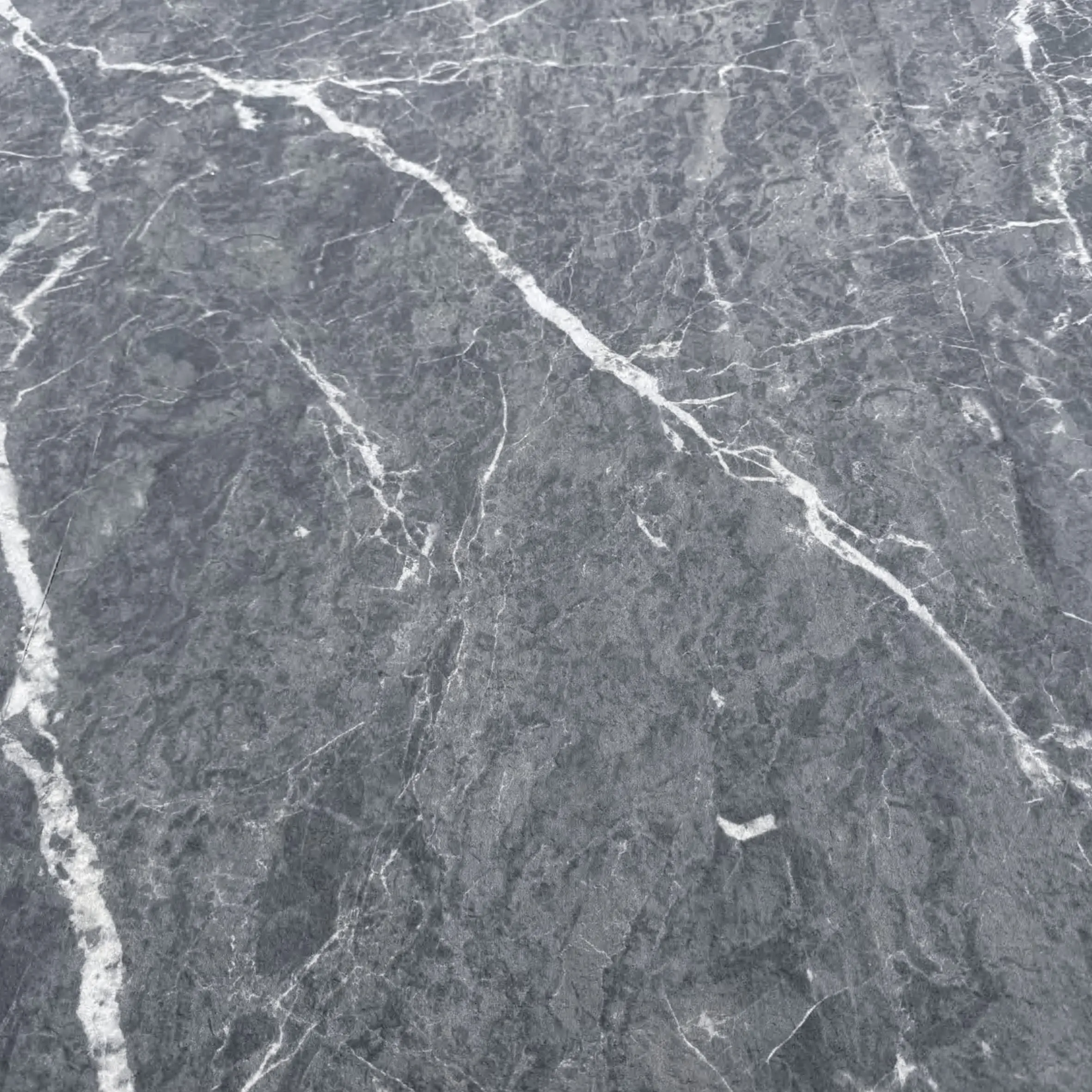
Choosing Nero Margiua is just the first step. The real skill lies in pairing it with other materials to create a cohesive look. MCM offers a range of products designed to work in harmony with natural stones, and two, in particular, stand out for their compatibility with Nero Margiua: MCM flexible stone and MCM big slab board series. Let's explore how to use them together.
One of the biggest challenges with dark stones like Nero Margiua is avoiding a "flat" look—spaces that feel one-note or lacking in texture. That's where MCM flexible stone comes in. Unlike rigid traditional stone, MCM flexible stone is thin, lightweight, and, as the name suggests, flexible, making it ideal for curved surfaces or intricate designs. But how does it pair with Nero Margiua? Let's take an example: imagine designing a restaurant where the main dining area features polished Nero Margiua flooring. To add depth, you could use MCM flexible stone in a complementary finish (like a rough-hewn "rock cut" texture) on the walls. The contrast in texture—smooth floor vs. tactile wall—adds interest, but because the flexible stone can be custom-colored to match Nero Margiua's undertones, the space still feels unified.
For instance, if you're using Nero Margiua with silver flecks on the floor, opt for MCM flexible stone in a "lunar peak black" finish. Lunar peak black is a dark stone with a slightly more textured surface and subtle gray undertones, which echo the silver flecks in the Nero Margiua without being identical. The result? A space that feels layered but not disjointed. And because MCM flexible stone is so versatile, you could even use it to create custom accents—like a curved bar front or a feature wall with geometric patterns—all while keeping the color palette consistent.
For large-scale projects—think hotel lobbies, corporate headquarters, or shopping malls—continuity is everything. Smaller stone tiles with visible grout lines can break up the flow of a space, making it feel choppy. MCM's big slab board series solves this problem by offering Nero Margiua (and other stones) in oversized slabs, often up to 1200x2400mm. These large formats create a seamless, expansive look that's both modern and luxurious. But here's the catch: when working with big slabs, color consistency becomes even more critical. A slight variation in tone between two adjacent slabs can be glaringly obvious when they're 8 feet long.
MCM's solution? Meticulous quality control. Each slab in the big slab board series is selected from the same quarry block and processed under controlled conditions to ensure minimal color variation. This means you can cover an entire wall or floor with Nero Margiua slabs, and the result will feel like a single, continuous piece of stone. Pair this with MCM flexible stone in a matching or complementary tone for accent areas (like a reception desk front or a feature niche), and you've got a space that feels both grand and intentional.
For designers leaning into an industrial or minimalist aesthetic, fair-faced concrete is a natural companion to Nero Margiua. Fair-faced concrete—also known as "architectural concrete"—has a raw, unpolished finish that celebrates its natural texture, with subtle variations in color and small air bubbles that add character. When paired with Nero Margiua, it creates a striking contrast: the stone's depth and flecks vs. the concrete's understated, neutral palette. For example, a commercial office might use Nero Margiua for the elevator lobby walls (polished, to add drama) and fair-faced concrete for the corridor flooring (matte, to keep the focus on the stone). The key here is to balance the two materials' visual weights: use Nero Margiua sparingly in spaces dominated by concrete, or vice versa, to avoid overwhelming the eye.
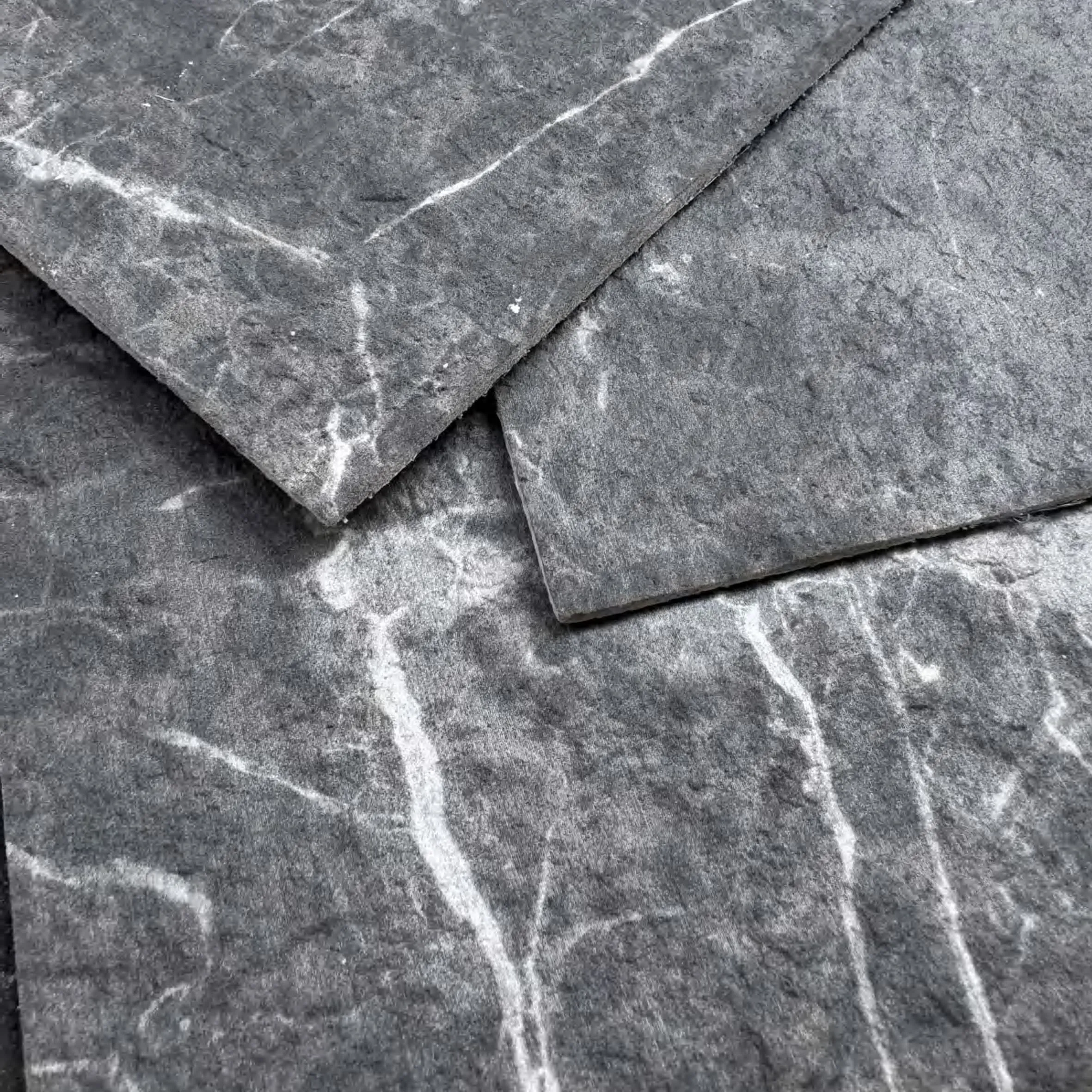
Let's face it: with so many dark stones on the market, it can be hard to keep them straight. Is Nero Margiua the same as lunar peak black? How does it differ from fair-faced concrete in terms of color depth? To help you make informed choices, here's a quick comparison of Nero Margiua with three similar materials you might consider:
| Material | Color Depth | Undertones/Flecks | Finish Options | Best For | Compatibility with MCM Flexible Stone |
|---|---|---|---|---|---|
| Granite Nero Margiua | Deep, inky black | Silver, gold, or gray flecks; occasional veining | Polished, matte, honed, leathered | High-end interiors, statement walls, countertops | Excellent—pair with lunar peak black or rock cut stone flexible finishes |
| Lunar Peak Black (MCM) | Dark gray-black (slightly lighter than Nero Margiua) | Subtle gray undertones; minimal flecking | Matte, rough-hewn, brushed | Industrial spaces, outdoor cladding, accent walls | Ideal for texture contrast with polished Nero Margiua |
| Fair-Faced Concrete (MCM) | Light to medium gray (neutral) | None—uniform color with natural texture | Raw, sandblasted, troweled | Minimalist interiors, flooring, large-scale walls | Great for balancing Nero Margiua's drama with simplicity |
| Polished Concrete (MCM) | Medium gray (with sheen) | Subtle metallic flecks (depending on aggregate) | High-gloss polished | Modern commercial spaces, retail floors | Use sparingly—high sheen can compete with Nero Margiua's sparkle |
Now that you understand Nero Margiua's variations and how to pair it with MCM products, let's dive into some practical tips to ensure your projects go smoothly. These are lessons learned from designers who've worked with this stone extensively—hard-earned wisdom that can save you time, money, and headaches.
This might seem obvious, but you'd be surprised how many designers skip this step. Nero Margiua's appearance changes dramatically under different lighting conditions: warm incandescent light can make gold flecks pop, while cool LED light might emphasize silver undertones. Natural light is even trickier—morning sun (cool) vs. afternoon sun (warm) can make the same stone look different. Order at least 3-5 samples from MCM, and tape them up in the actual space at different times of day. Better yet, leave them up for a week to see how they evolve with the light. It's a small step that can prevent costly mistakes later.
Dark stones like Nero Margiua can make small spaces feel cozy—or cramped, if overused. In a tiny bathroom, for example, using Nero Margiua on both the floors and walls might make the room feel closed in. Instead, use it sparingly: maybe a Nero Margiua accent wall with MCM's lime stone (beige) tiles on the floor. The beige will lighten the space, while the Nero Margiua adds a focal point. Conversely, in large, open spaces (like a hotel ballroom), don't be afraid to go bold—use Nero Margiua on the floors with MCM big slab boards for a seamless, luxurious look that fills the space without feeling overwhelming.
Let's get real: dark stones show dust, fingerprints, and water spots more easily than lighter ones. If you're specifying Nero Margiua for a high-traffic area (like a restaurant kitchen or a busy office lobby), opt for a honed or matte finish instead of polished. These finishes are more forgiving when it comes to daily wear and tear. You should also talk to MCM about sealers—while granite is naturally durable, a good sealer can help repel stains and make cleaning easier. For example, a polished Nero Margiua countertop in a café would benefit from a high-quality sealer to protect against coffee spills and scratches.
Texture is just as important as color when it comes to creating interest. Don't be afraid to mix finishes of the same stone. For example, use polished Nero Margiua on the countertops and a leathered (semi-matte, textured) finish on the backsplash. The contrast in texture will add depth without requiring you to introduce new colors. Pair this with MCM flexible stone in a complementary texture—say, a rough "rock cut" finish on the accent wall—and you've got a space that feels layered and intentional.
Nero Margiua is a neutral, but that doesn't mean your space has to be monochromatic. Use accent colors to lift the darkness and add personality. For example, in a living room with Nero Margiua flooring and MCM's lunar peak black walls, add throw pillows in deep emerald green or burnt orange. These warm tones will pop against the black, creating a space that feels inviting rather than stark. Just remember: a little goes a long way. Stick to 1-2 accent colors to avoid clashing.
MCM's in-house design team has years of experience working with Nero Margiua and other stones. Don't wait until you've finalized your plans to reach out—bring them in early. They can help you select the right variation of Nero Margiua, recommend complementary MCM products, and even provide digital renderings to show how the materials will look together. It's like having a second set of expert eyes on your project, and it can save you from costly do-overs down the line.
To put all this into context, let's walk through a hypothetical (but realistic) case study. Imagine a client wants a home office that feels both professional and inspiring—a space where they can focus but also feel creative. They've fallen in love with Nero Margiua but aren't sure how to use it without making the room feel dark or cold. Here's how we'd approach it:
The Space: A 200-square-foot room with a large window facing south (plenty of natural light) and a small built-in desk area.
The Goal: Use Nero Margiua to add sophistication, but keep the space light and airy enough for productivity.
The Plan:
The result? A space that feels polished and professional, thanks to the Nero Margiua, but warm and inviting, thanks to the beige walls and natural accents. The MCM flexible stone on the accent wall adds just enough texture to keep the eye moving, while the big slab flooring makes the small room feel larger than it is. It's a balance of drama and practicality—exactly what the client wanted.
Granite Nero Margiua isn't just a stone—it's a canvas. Its deep black base and varied flecks offer endless possibilities for customization, and when paired with MCM's flexible stone and big slab boards, it becomes a tool for creating spaces that are both timeless and uniquely yours. The key is to understand its color variations, test how it interacts with light and other materials, and don't be afraid to experiment with texture and contrast.
At the end of the day, design is about storytelling. Nero Margiua's rich, dramatic presence can tell a story of luxury and sophistication, while its ability to pair with industrial materials like fair-faced concrete can tell a story of modernity and edge. Whatever story you're trying to tell, MCM's products are designed to help you tell it—one custom-matched stone at a time. So go ahead: embrace the darkness, play with the flecks, and create spaces that make people pause and say, "Wow."
Recommend Products












