
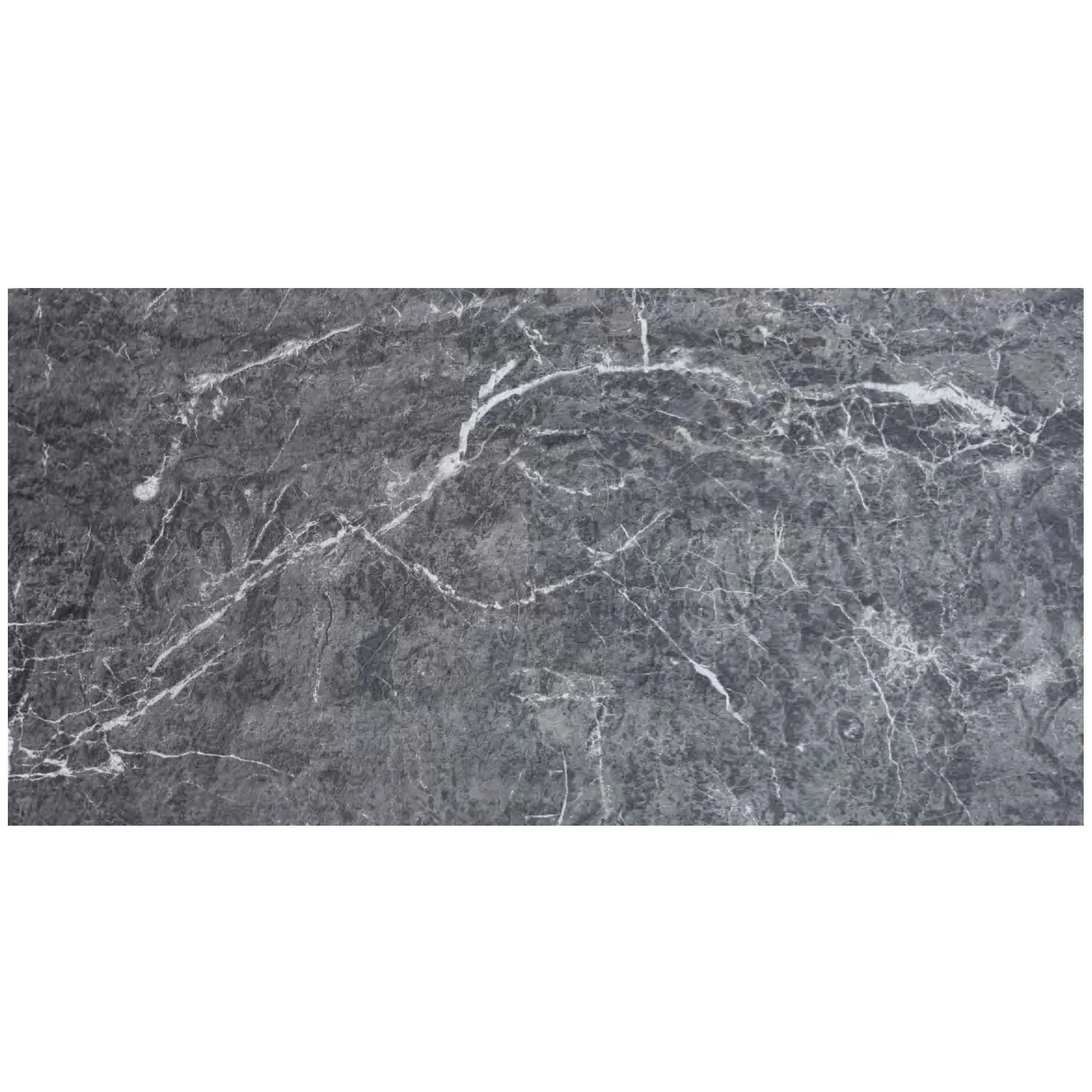
Architecture is more than just walls and roofs—it's a language. Every material choice, from the texture of a facade to the sheen of a countertop, tells a story about the space it defines. In 2025, that story is being rewritten with a focus on materials that blend bold aesthetics, practicality, and sustainability. Among the stars of this narrative is Granite Nero Margiua, a material that's quickly becoming the go-to for architects and designers aiming to craft spaces that feel both timeless and cutting-edge. But what makes this granite variant stand out in a crowded market? And how is MCM (Modified Composite Material) elevating its potential through innovations like the MCM big slab board series and MCM flexible stone? Let's dive in.
First, let's talk about the material itself. Granite Nero Margiua isn't new, but its popularity has surged in recent years, and 2025 is shaping up to be its breakout moment. What's driving this? Start with its appearance: a deep, inky black base swirled with subtle veins of charcoal and graphite, giving it a depth that feels both dramatic and refined. It's not just "black granite"—it's a texture-rich surface that catches light differently throughout the day, shifting from matte elegance in morning glow to a soft shimmer under evening lights.
But aesthetics alone don't fuel trends. Designers are drawn to Nero Margiua for its versatility. It pairs seamlessly with warm woods, crisp whites, and even bold pops of color, making it a chameleon in both minimalist and maximalist spaces. In a post-pandemic world where homeowners and businesses alike crave spaces that feel grounding yet uplifting, Nero Margiua strikes that balance. It's sturdy, reliable, and timeless, yet its modern edge keeps it from feeling outdated.
Durability is another key factor. Traditional granite is known for standing up to scratches, heat, and wear, but Nero Margiua takes it a step further with a dense composition that resists staining and fading. For high-traffic areas like hotel lobbies, restaurant floors, or busy family kitchens, that's a game-changer. No more fretting over spills or daily wear—this is a material built to last decades, not just years.
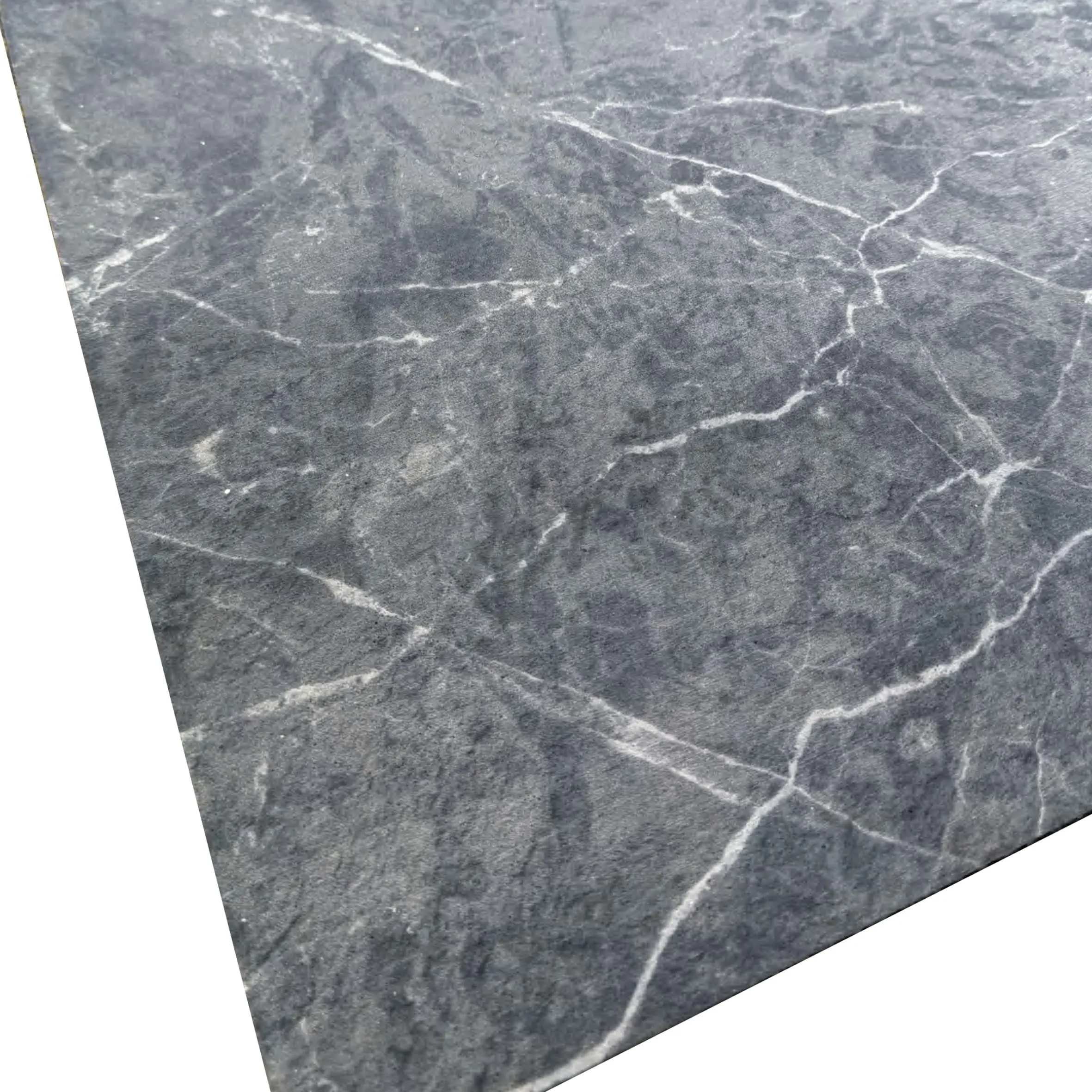
Enter MCM, a brand that's been revolutionizing building materials by reimagining how traditional stones and composites are engineered. Their MCM big slab board series is a perfect example of this innovation, and it's why Nero Margiua is suddenly more accessible and adaptable than ever before.
Think about traditional granite slabs: heavy, often limited in size (typically 3-4 feet wide), and tricky to install without multiple seams. For large-scale projects—a commercial lobby wall, a sprawling kitchen backsplash, or a statement staircase—those seams can break the visual flow, turning a sleek design into a patchwork of pieces. MCM's big slab boards solve this by offering Nero Margiua in oversized formats, often up to 10 feet in length and 5 feet in width. Fewer seams mean a cleaner, more cohesive look, and that's a big win for designers aiming for that "wow" factor.
But size isn't the only advantage. MCM's big slabs are also lighter than their traditional counterparts. Traditional granite can weigh upwards of 18 pounds per square foot; MCM's engineered version clocks in at around 8-10 pounds, making installation faster, safer, and less labor-intensive. This isn't just a convenience for contractors—it opens up possibilities for applications that were once off-limits. Imagine a floating Nero Margiua accent wall in a high-rise apartment, or a curved in a boutique café—projects that would have been structurally challenging with heavy stone are now feasible, thanks to MCM's lightweight innovation.
Cost efficiency plays a role too. While high-quality natural granite can be pricey, MCM's big slabs reduce waste (no more cutting small pieces from large blocks) and lower installation costs (fewer workers needed, less time on-site). For businesses and homeowners watching budgets, this makes Nero Margiua a more accessible luxury—no longer reserved for high-end hotels or million-dollar homes.
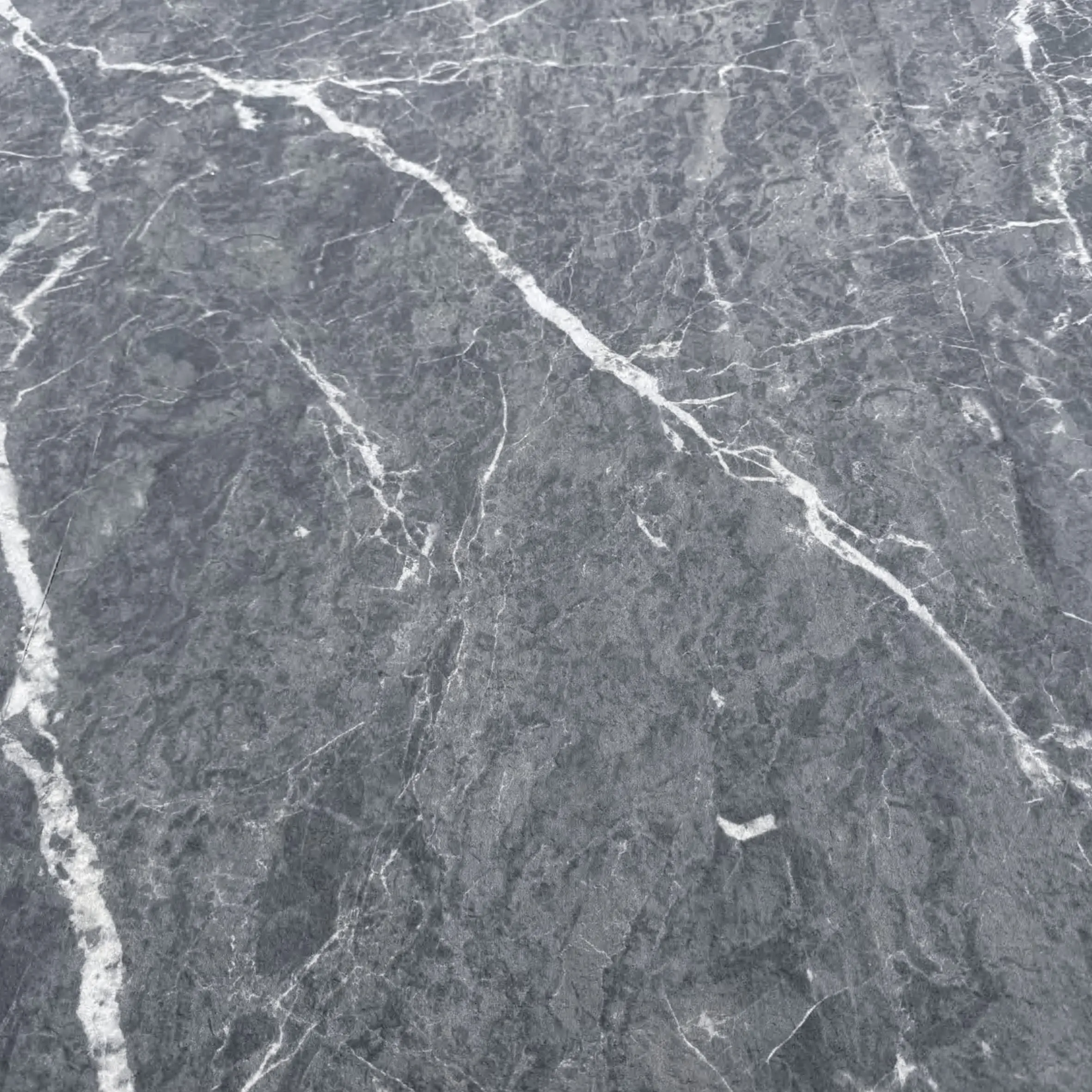
If big slabs address size and weight, MCM flexible stone technology tackles another design challenge: adaptability. Traditional granite is rigid; it bends, it breaks, it doesn't conform to curves or unconventional shapes. MCM flexible stone changes that by engineering Nero Margiua into thin, bendable sheets that can wrap around columns, curve over archways, or even be applied to uneven surfaces.
How does it work? MCM combines natural stone particles with a high-strength, flexible polymer backing, creating a material that retains Nero Margiua's authentic texture and appearance but adds a level of malleability unheard of in natural stone. Suddenly, a circular fireplace surround in Nero Margiua isn't a custom fabrication nightmare—it's a standard installation. A curved feature wall in a museum? Easy. Even furniture pieces, like a rounded coffee table top or a curved headboard, can now sport that signature Nero Margiua look without sacrificing durability.
Sustainability is another bonus here. MCM's flexible stone production uses less water and energy than traditional quarrying and cutting, and it often incorporates recycled stone dust from other projects, reducing waste. For architects and builders aiming for LEED certification or other green building standards, this is a significant plus. Nero Margiua, already a long-lasting material, becomes even more eco-friendly when paired with MCM's sustainable manufacturing practices.
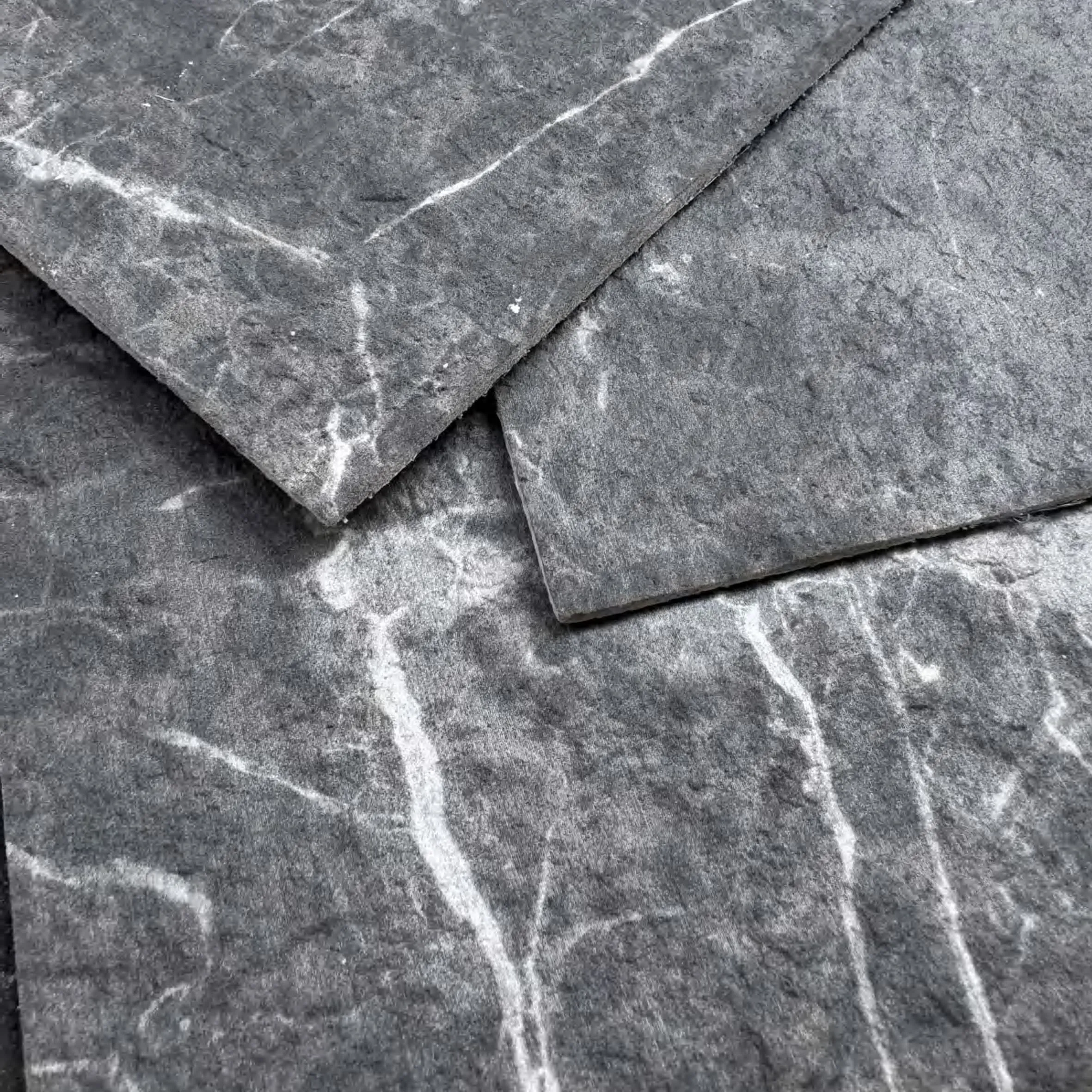
Let's get concrete—literally. Where are we seeing MCM's Nero Margiua making waves in real-world projects? Start with residential design. Homeowners are moving beyond basic white kitchens, and Nero Margiua countertops with MCM big slabs are becoming a status symbol. Imagine a kitchen with floor-to-ceiling cabinetry in warm oak, paired with a 10-foot Nero Margiua island that spans the room—no seams, just a smooth, continuous surface that anchors the space. Add a waterfall edge (made possible by MCM's lightweight slabs) and suddenly the kitchen feels like a high-end restaurant without losing its homey warmth.
Commercial spaces are leaning into Nero Margiua's drama. Boutique hotels are using MCM flexible stone to wrap columns in the lobby, creating a sense of grandeur without the weight of traditional stone. Retail stores, too, are embracing it—high-end fashion brands, for example, use Nero Margiua walls as backdrops for clothing displays, letting the merchandise pop against the dark, neutral surface. Even coworking spaces are getting in on the trend, using Nero Margiua accent walls in meeting rooms to signal professionalism and creativity.
Public architecture isn't left out either. Municipal projects, like libraries and transit hubs, are choosing MCM's Nero Margiua big slabs for their durability and low maintenance. A subway station wall, for instance, needs to withstand constant foot traffic, graffiti, and environmental wear—Nero Margiua's resistance to staining and scratching makes it ideal, while its sleek look elevates the commuter experience from utilitarian to almost luxurious.
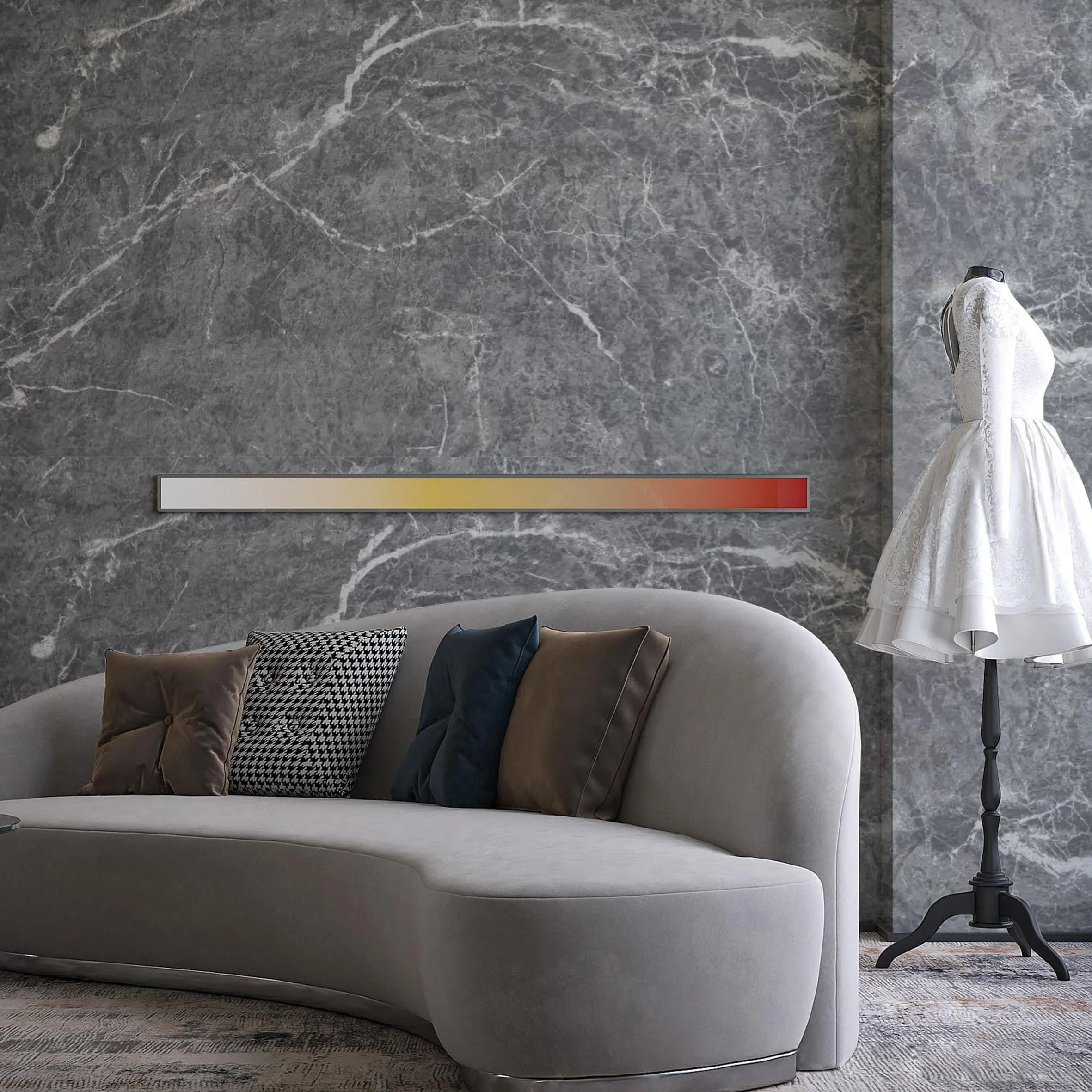
Still on the fence about whether MCM's take on Nero Margiua is worth the switch? Let's break it down with a side-by-side comparison:
| Feature | Traditional Granite Nero Margiua | MCM-Enhanced Granite Nero Margiua (Big Slab/Flexible Stone) | |
|---|---|---|---|
| Weight | 18-20 lbs per sq ft (heavy, requires reinforced structures) | 8-10 lbs per sq ft (lightweight, adaptable to most structures) | |
| Slab Size | Typically 3-4 ft wide, 6-8 ft long (many seams in large projects) | Up to 10 ft wide, 12 ft long (minimal seams, cohesive look) | |
| Installation | Requires 3-4 workers, specialized equipment, longer timelines | 2-person crew, standard tools, faster installation (50% less time) | |
| Flexibility | Rigid, cannot bend; limited to flat surfaces | Bendable (up to 90-degree curves with flexible stone); adapts to shapes | |
| Sustainability | High water/energy use in quarrying; significant waste from cutting | Recycled stone content; lower energy production; minimal waste | |
| Cost Over Time | Higher upfront installation costs; potential for repairs (seam damage) | Lower installation costs; fewer repairs needed; longer lifespan |
While Nero Margiua is stealing the spotlight, 2025's design trends are all about balance—and that means pairing bold materials with softer complements. Enter MCM's lunar peak silvery, a light, ethereal stone that's the perfect counterpoint to Nero Margiua's drama. Lunar peak silvery features a pale, silvery-gray base with subtle metallic flecks that catch the light, evoking moonlight on water. When used alongside Nero Margiua, it creates a striking contrast: dark and light, bold and delicate, grounded and airy.
Architects are using this pairing in creative ways. Imagine a commercial lobby with a floor-to-ceiling Nero Margiua feature wall, flanked by columns wrapped in lunar peak silvery flexible stone. The effect is both grand and inviting—like walking into a space that's equal parts strength and grace. In residential bathrooms, homeowners are combining Nero Margiua shower walls (MCM big slabs, of course) with lunar peak silvery vanities, creating a spa-like atmosphere that feels luxurious yet calming.
This isn't just about aesthetics, though. Lunar peak silvery shares Nero Margiua's durability and sustainability credentials, making the pair a practical choice for high-use spaces. And because both are available through MCM's innovative series, designers can mix and match big slabs and flexible stone to create custom looks without compromising on quality or cost.
As we look beyond 2025, one thing is clear: materials will continue to drive architectural innovation, and MCM is at the forefront of that movement. Granite Nero Margiua, with its blend of beauty and brawn, is just the beginning. MCM's commitment to engineering materials that are stronger, lighter, and more sustainable means we'll see even more possibilities in the years to come—think 3D-printed stone composites, self-healing surfaces, and materials that actively purify the air.
For now, though, 2025 belongs to Granite Nero Margiua and MCM's big slab and flexible stone technologies. They're not just changing how we build—they're changing how we experience spaces. Whether you're designing a home, a business, or a public landmark, the right material can turn a structure into a story. And with MCM's Granite Nero Margiua, that story is one of strength, beauty, and progress.
So, here's to 2025: a year where architecture doesn't just shelter us, but inspires us—one Nero Margiua slab, one flexible stone curve, and one MCM innovation at a time.
Recommend Products












