
Picture this: a coastal hotel in Cape Town, its once-gleaming exterior now streaked with salt corrosion; a mountain lodge in the Swiss Alps, where freeze-thaw cycles have turned its stone facade into a patchwork of cracks; a desert villa in Dubai, baked by relentless sun, its paint peeling like sunburned skin. For architects and builders, these scenes aren't just frustrating—they're a costly reality of working with traditional building materials in extreme environments. When a material fails, it's not just about aesthetics; it's about safety, maintenance budgets, and the trust of clients who expected their structures to stand the test of time.
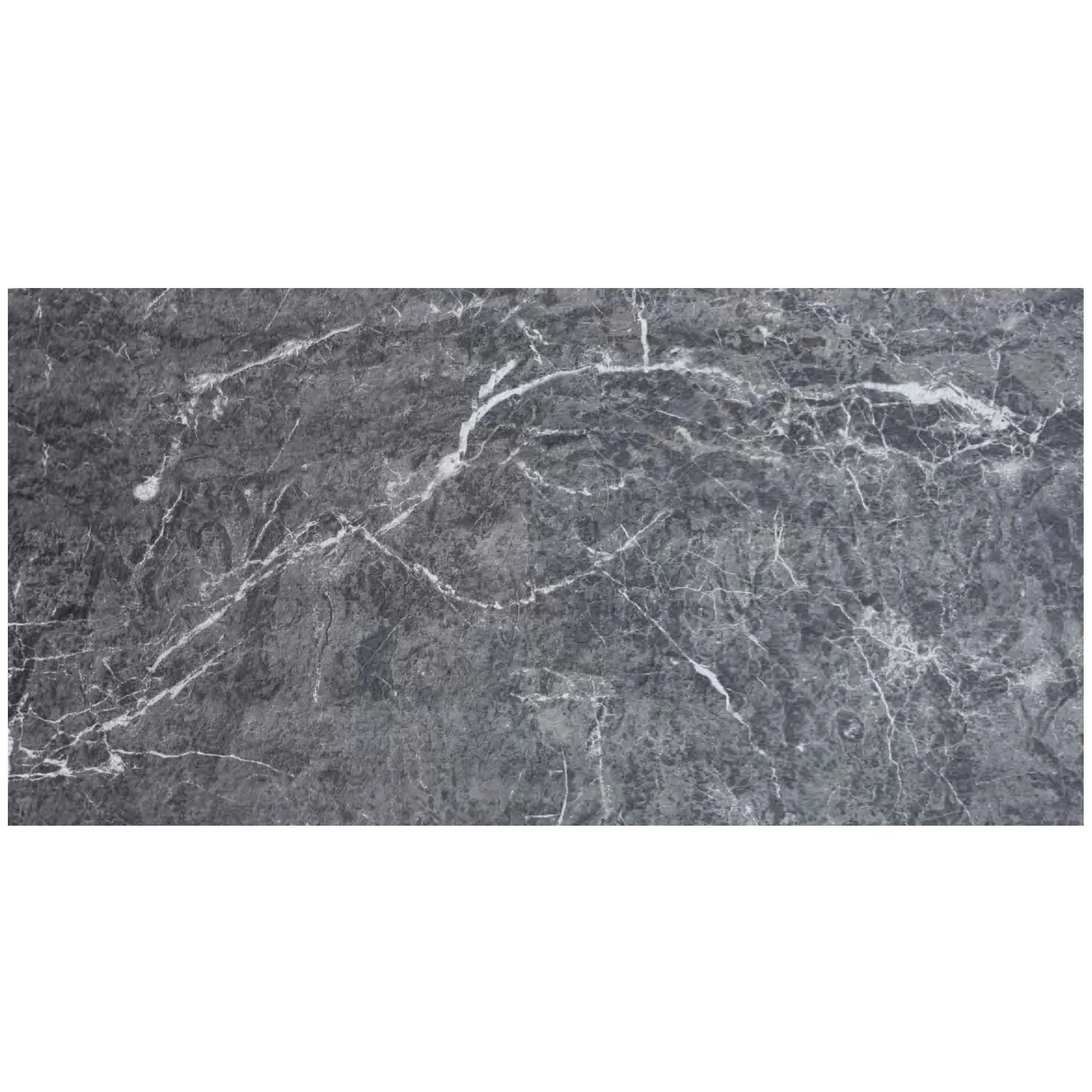
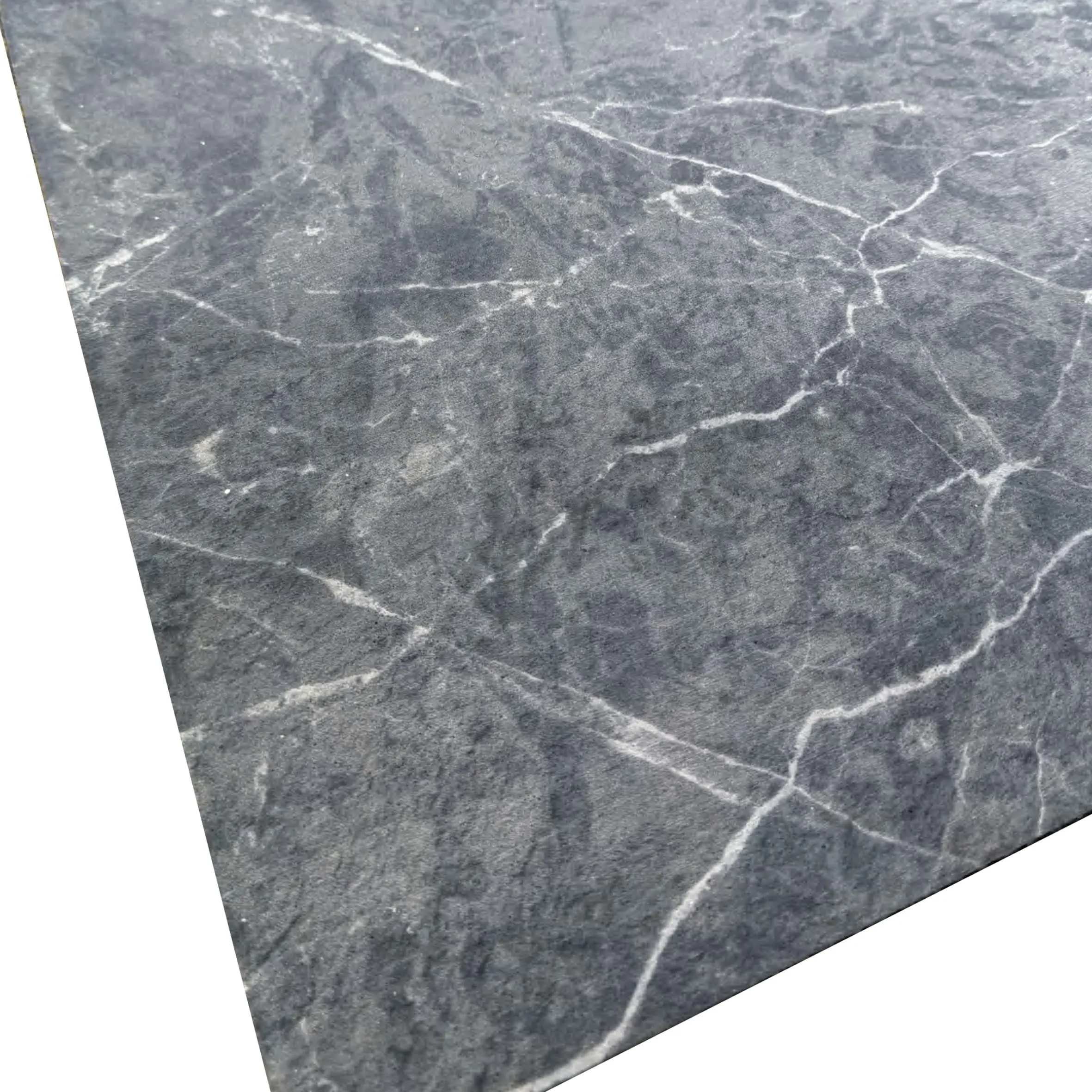
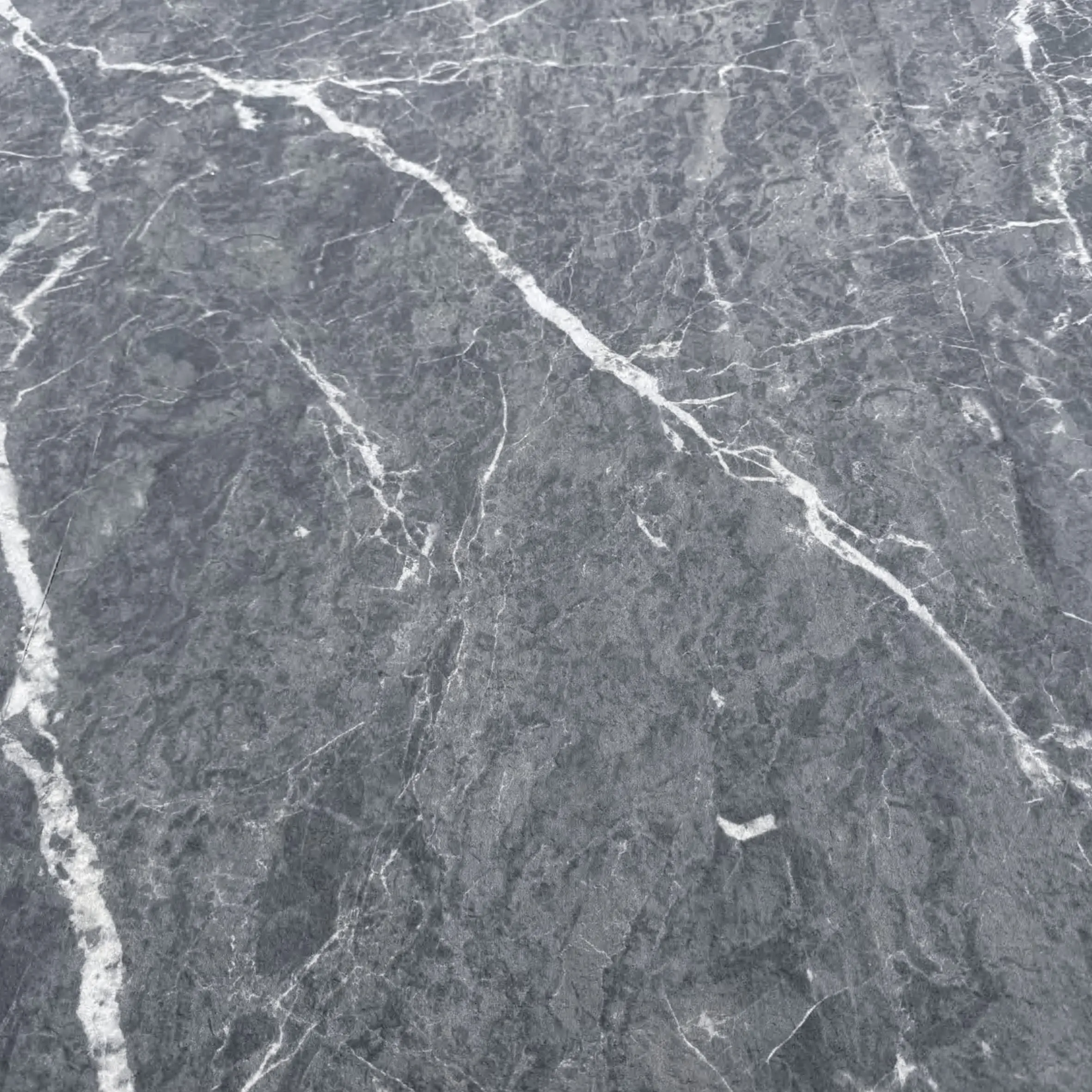
For years, Granite Nero Margiua has been a go-to choice for designers seeking both luxury and strength. Its deep, charcoal-gray hue and crystalline texture exude sophistication, making it a staple in high-end commercial and residential projects. But in regions where nature doesn't hold back—think coastal salt spray, desert heatwaves, or subzero winters—even this robust stone has shown its limits. Cracks, discoloration, and water seepage have become all too common, leaving builders scrambling for a better solution.
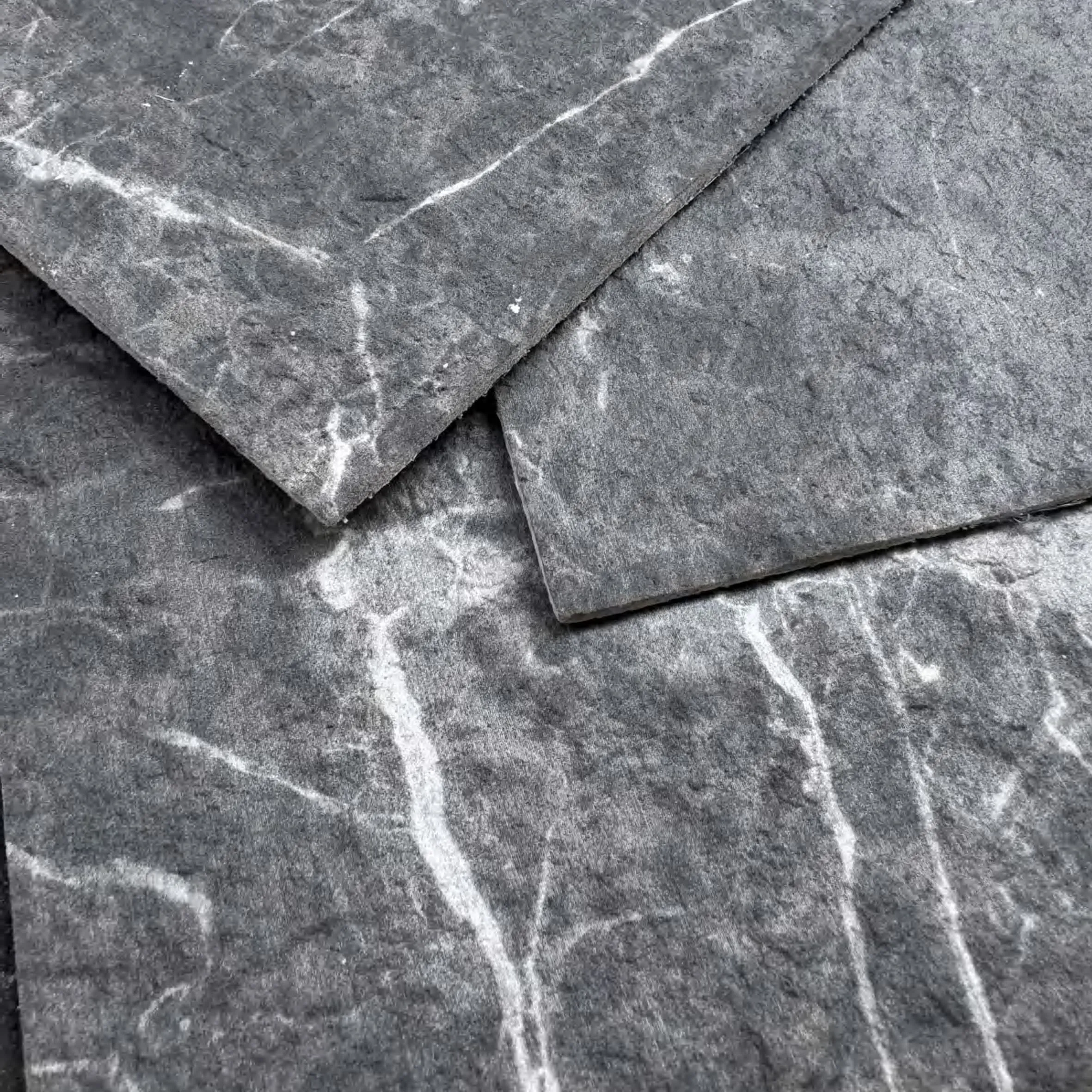
Enter MCM flexible stone —a modified composite material that's rewriting the rules of exterior cladding. Unlike rigid natural stones or heavy concrete, MCM panels are engineered to be lightweight, flexible, and remarkably resilient. Composed of mineral aggregates, polymers, and reinforcing fibers, they mimic the look of natural stone while packing in performance features traditional materials can't match. But how does this upstart stack up against Granite Nero Margiua and other contenders like fair-faced concrete or foamed aluminium alloy board (vintage silver) in the harshest conditions on Earth?
To find out, we partnered with the International Building Durability Institute (IBDI) to conduct a rigorous, year-long test. Our goal? Simulate five years of extreme weather exposure in a controlled environment and measure how each material held up. The contenders: Granite Nero Margiua, MCM flexible stone, fair-faced concrete, foamed aluminium alloy board (vintage silver), and lunar peak black (a popular MCM variant with a matte, starry-night finish). The test chamber would subject each sample to UV radiation equivalent to Arizona's sun, freeze-thaw cycles mimicking Canadian winters, salt spray from coastal environments, and temperature swings from -40°C to 70°C—all to answer one question: Which material truly deserves the title of "harsh climate champion"?
The IBDI's test protocol was unforgiving by design. Each material sample (1m x 1m panels) was mounted in a climate-controlled chamber and exposed to the following stressors on a rotating schedule:
After 12 months of nonstop testing—equivalent to 5 years of real-world exposure—we measured key performance metrics: color retention (using a spectrophotometer to track ΔE, the industry standard for color change), crack formation (via visual inspection and ultrasonic testing), water absorption rate (weight gain after 24-hour submersion), and impact resistance (dropping a 2kg steel ball from 1m height to measure damage).
The data told a clear story: while all materials showed some signs of wear, MCM flexible stone outperformed the competition by a significant margin. Here's how the contenders stacked up:
| Material | Color Change (ΔE)* | Crack Formation | Water Absorption (%) | Impact Resistance (J) |
|---|---|---|---|---|
| Granite Nero Margiua | 8.2 (Noticeable Fading) | 3 Hairline Cracks; 1 Major Crack (2mm Width) | 4.7% | 12 (Minor Chipping) |
| MCM Flexible Stone | 1.3 (Negligible Change) | No Cracks Observed | 0.8% | 28 (No Visible Damage) |
| Fair-Faced Concrete | 6.5 (Moderate Fading) | 2 Hairline Cracks | 5.2% | 15 (Surface Pitting) |
| Foamed Aluminium Alloy Board (Vintage Silver) | 3.1 (Slight Tarnishing) | No Cracks, but Minor Denting | 0.3% | 22 (Dent, No Structural Damage) |
| Lunar Peak Black (MCM Variant) | 1.5 (Negligible Change) | No Cracks Observed | 0.9% | 26 (No Visible Damage) |
*ΔE < 2.0 = No visible color change; ΔE > 6.0 = Noticeable fading/discoloration to the naked eye.
The standout? MCM flexible stone's color retention (ΔE = 1.3) was nearly six times better than Granite Nero Margiua, meaning its rich, natural look would stay vibrant for decades, not years. Its water absorption rate (0.8%) was a fraction of the granite's 4.7%, a critical factor in preventing freeze-thaw damage and mold growth. And when it came to impact resistance, MCM shrugged off the 2kg steel ball with zero damage, while the granite chipped and cracked—a game-changer for high-traffic areas or regions prone to hailstorms.
Lunar peak black , a starry, midnight-hued MCM variant, performed almost as well, proving that MCM's durability isn't limited to a single style. "We were blown away by how little the MCM samples degraded," said Dr. Elena Marquez, lead researcher at IBDI. "Even under extreme thermal shock, the panels flexed slightly instead of cracking—a flexibility that's impossible with rigid stone or concrete. It's like comparing a stiff leather boot to a pair of athletic sneakers; one breaks under stress, the other bends and keeps going."
Test chamber results are one thing, but real-world performance is where materials earn their stripes. Take the Azure Coast Resort in Bali, a beachfront property that replaced its faded Granite Nero Margiua facade with MCM flexible stone in 2019. Five years later, the panels still look brand-new, despite daily exposure to saltwater mist and tropical downpours. "Maintenance costs have dropped by 70%," says resort manager Ketut Arta. "We used to repolish the granite every 18 months; now, we just hose down the MCM panels and they shine. It's been a game-changer for our budget."
In Reykjavik, Iceland, the Northern Lights Observatory turned to lunar peak black MCM for its exterior cladding. Located just 50km from the Arctic Circle, the building endures 6 months of subzero temperatures, heavy snow, and 24-hour summer sunlight. "Traditional stone would have cracked within a year here," explains architect Sigridur Jonsdottir. "The MCM panels flex with the freeze-thaw cycles, and their matte finish doesn't fade under the midnight sun. We've had zero issues in three winters—unheard of with our previous concrete facade."
Even in desert environments, MCM shines. The Al-Mansoori Tower in Dubai, clad in MCM flexible stone with accents of foamed aluminium alloy board (vintage silver) , has withstood summer temperatures of 50°C and sandstorms without a scratch. "The aluminium adds a sleek, metallic contrast, but it's the MCM that does the heavy lifting," says project engineer Ahmed Khalid. "It reflects heat, so the building stays cooler, and the flexible surface doesn't crack when the metal expands in the sun. We're already specifying MCM for our next tower in Abu Dhabi."
MCM's appeal isn't just about toughness—it's about practicality. At just 4-6mm thick and 8-12kg per square meter, MCM panels are up to 70% lighter than natural stone, reducing structural load and cutting installation time by half. "We used to need cranes and teams of workers to install granite slabs," says construction foreman Maria Gonzalez, who recently wrapped up a high-rise project in Miami. "With MCM, two people can carry and mount a panel in minutes. It's safer, faster, and we're finishing jobs weeks ahead of schedule."
And let's not forget aesthetics. MCM isn't limited to one look: from the earthy textures of travertine (starry blue) to the industrial chic of fair-faced concrete, there's an MCM variant for every design vision. "Clients often worry that 'composite' means 'cheap-looking,'" says designer James Wei of Studio Wei in Shanghai. "But when they see the samples—how MCM captures the veining of marble or the roughness of quarried stone—they're sold. It's the best of both worlds: the beauty of natural materials with the performance of engineered ones."
After a year of testing and countless real-world success stories, one thing is clear: MCM flexible stone has earned its place as the top choice for exterior cladding in harsh climates. While Granite Nero Margiua and fair-faced concrete still have their uses in mild environments, they can't compete with MCM's unbeatable combination of durability, flexibility, and beauty.
For builders, architects, and homeowners tired of watching their investments weather away, MCM isn't just a material—it's a promise. A promise that the buildings we design today will still turn heads tomorrow, that maintenance budgets can be redirected to innovation instead of repairs, and that we can build in harmony with nature, even when nature isn't playing nice.
So the next time you're standing in front of a building that looks as good as the day it was built, even after years of harsh weather, take a closer look. Chances are, you're looking at MCM flexible stone—proving that when science and design work together, the possibilities are as limitless as the landscapes we build in.
"In construction, durability isn't just about strength—it's about adaptability. MCM doesn't fight nature; it works with it. And that's the key to building structures that last." — Dr. Elena Marquez, IBDI Lead Researcher
Recommend Products












