
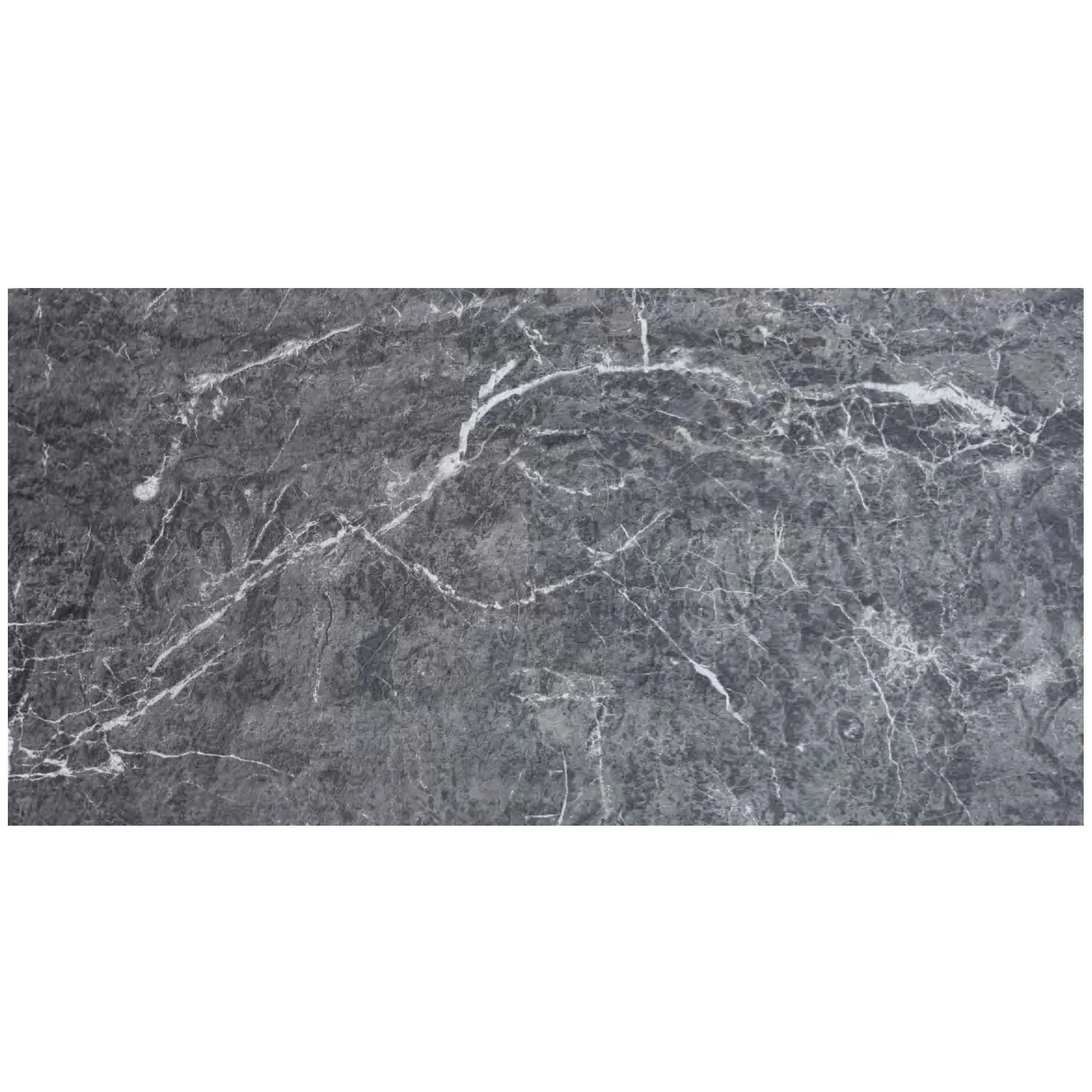
Let's start with a moment many of us can relate to: standing in awe of a building clad in rich, dark stone. Its surface catches the light, revealing flecks of silver and gray that tell a story of time and nature. For decades, materials like Granite Nero Margiua have been the gold standard for this kind of timeless beauty. Architects specify it for luxury hotels, homeowners dream of it for their kitchen countertops, and developers swear by its durability. But here's the thing we don't always see when we admire that stone: the cost it extracts from our planet.
Today, the construction industry is at a crossroads. We crave beauty and longevity, but we also know—deep down—that our choices today shape the world our children will inherit. Quarrying Granite Nero Margiua, like many natural stones, leaves behind scars on the earth: deforested landscapes, depleted water sources, and carbon emissions that linger in the atmosphere for centuries. It's a paradox that weighs on every designer, builder, and homeowner who cares about both aesthetics and the environment.
Fortunately, there's a new chapter being written in sustainable construction, and it's led by innovative materials known as Modified Composite Materials (MCM). These aren't just "eco-friendly alternatives"—they're reimagined solutions that honor our love for natural beauty while respecting the planet. In this article, we'll dive into the environmental impact of Granite Nero Margiua, explore why the status quo isn't working, and introduce you to MCM materials that are changing the game: from the flexibility of mcm flexible stone to the grandeur of mcm big slab board series, and the sleek efficiency of foamed aluminium alloy board. Let's uncover how these materials aren't just building better structures—they're building a better future.
Granite Nero Margiua is more than a stone; it's a legacy. Formed over millions of years by the slow cooling of magma, its density and strength make it ideal for high-traffic areas and harsh climates. But that legacy comes with a steep environmental price tag—one that's often overlooked in the rush to meet project deadlines and budget constraints.
Quarrying Granite Nero Margiua starts with clearing vast swaths of land. Forests are cut down, ecosystems disrupted, and wildlife displaced to access the stone beneath. In regions where Nero Margiua is abundant—like parts of Italy, Brazil, and India—mining operations can span acres, leaving behind craters that take decades (if ever) to regenerate. Even "responsible" quarries, which follow regulations, can't undo the loss of biodiversity. A single quarry can destroy habitats for endangered species, disrupt local water tables, and pollute soil with chemicals used to extract and process the stone.
Then there's the human cost. Traditional stone mining is labor-intensive, often requiring workers to operate heavy machinery in dusty, noisy conditions. While modern safety standards have improved, the industry still grapples with issues like long hours, exposure to silica dust (linked to lung disease), and the economic impact on local communities when quarries deplete resources and move on.
Granite is heavy—really heavy. A single slab of Nero Margiua can weigh over 500 pounds. Transporting that slab from a quarry in Brazil to a construction site in New York City? That's a lot of fuel burned and a lot of carbon dioxide released. According to the U.S. Environmental Protection Agency, transportation alone accounts for 29% of global greenhouse gas emissions, and heavy materials like natural stone are a significant contributor.
But the emissions don't stop there. Cutting and finishing Granite Nero Margiua requires energy-intensive machinery: diamond-tipped saws, polishers, and grinders that run on fossil fuels. The process also generates massive amounts of waste. For every ton of usable stone, quarries produce up to 3 tons of waste rock and sludge, which often ends up in landfills or is dumped into nearby waterways, contaminating ecosystems.
Granite Nero Margiua is marketed as "forever stone," but in reality, buildings evolve. A kitchen renovation might replace a countertop after 15 years; a commercial building might rebrand and reclad its exterior after 20. When that happens, the stone isn't recycled—it's hauled to a landfill, where it sits for centuries, never decomposing. Unlike wood or metal, natural stone can't be melted down or repurposed easily. Its "durability" becomes a curse when it outlives its use, contributing to the 600 million tons of construction waste generated globally each year.
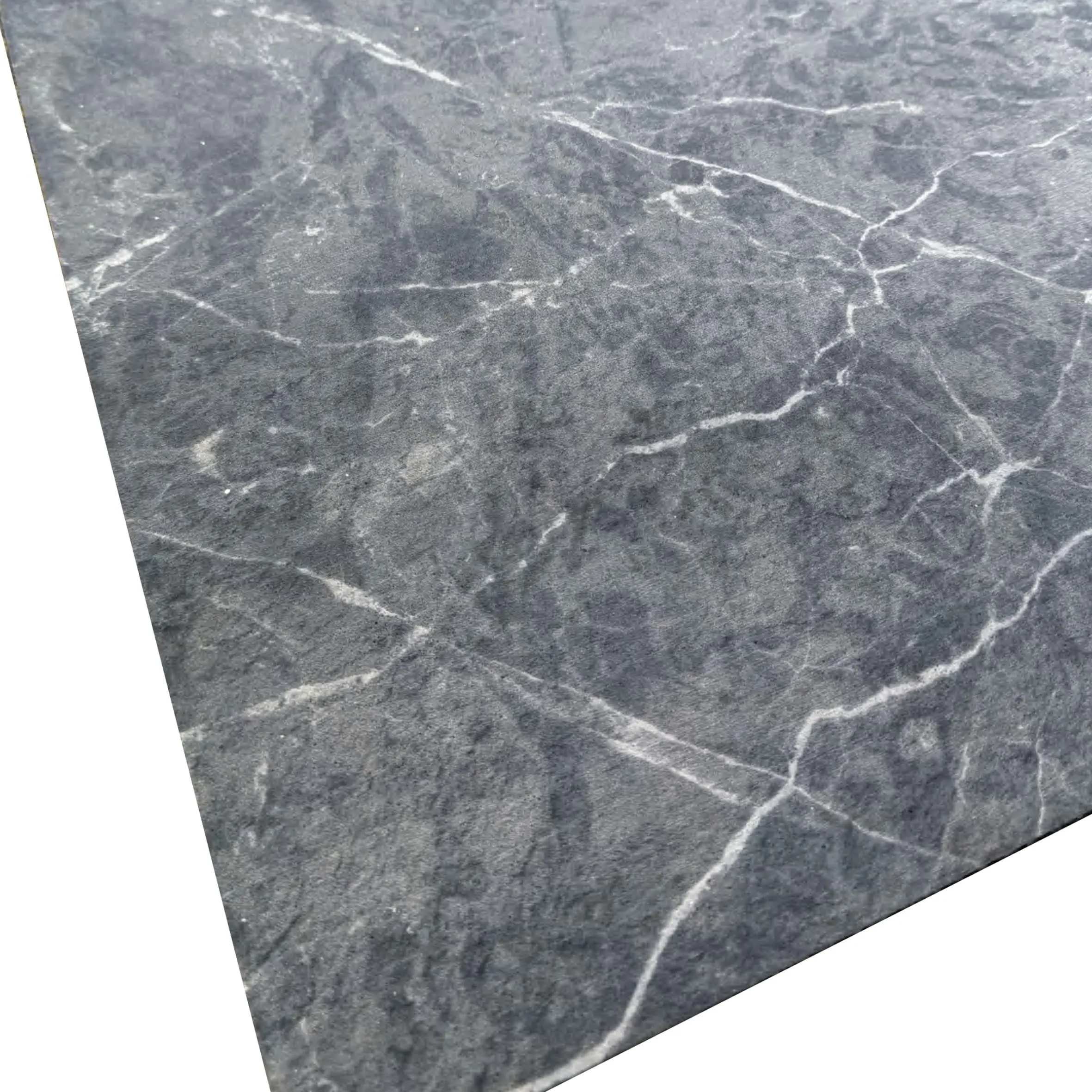
Enter Modified Composite Materials (MCM)—a category of cladding and surfacing solutions designed to mimic the beauty of natural stone, metal, and wood, but with a fraction of the environmental impact. MCM isn't a single material; it's a family of products engineered to be lightweight, durable, and eco-friendly. Think of it as nature's beauty, reimagined through science and sustainability.
At the heart of MCM is a simple idea: why extract and transport tons of stone when we can create a material that looks and performs like stone, but weighs 70-80% less? MCM products are typically made from a core of recycled polymers or minerals, reinforced with fibers, and finished with a thin layer that mimics the texture and color of natural materials. This design reduces raw material use, cuts transportation emissions, and minimizes waste—all without sacrificing aesthetics or longevity.
Let's take a closer look at five MCM stars that are replacing Granite Nero Margiua and other natural stones in sustainable building projects worldwide.
If Granite Nero Margiua is rigid and unforgiving, mcm flexible stone is its opposite—and that's a good thing. Imagine a cladding material that can curve around columns, wrap over uneven surfaces, and even be installed vertically or horizontally with minimal cutting. That's mcm flexible stone. Made from a blend of natural minerals and recycled resins, it's thin (often less than 3mm thick) and lightweight, yet surprisingly tough. It resists scratches, moisture, and UV rays, making it ideal for both interior and exterior use.
The environmental benefits? Let's start with waste. Traditional stone cladding requires precise cutting to fit corners and edges, often resulting in 20-30% waste per project. mcm flexible stone, on the other hand, can be trimmed with standard tools, and its flexibility means fewer cracks and breakages during installation. One project in California, which used mcm flexible stone for a hotel facade, reported a 65% reduction in waste compared to natural stone—saving money and keeping tons of material out of landfills.
Transportation is another win. A truckload of mcm flexible stone can cover the same area as 10 truckloads of Granite Nero Margiua, cutting fuel use and emissions dramatically. And because it's lightweight, installation requires fewer workers and less heavy machinery, reducing on-site energy consumption.
For projects that demand the grandeur of large-format stone—think airport terminals, convention centers, or luxury retail spaces—the mcm big slab board series is a game-changer. These panels come in sizes up to 12 feet by 6 feet, mimicking the look of massive natural stone slabs without the environmental cost.
Granite Nero Margiua big slabs are not only heavy but also prone to cracking during transport and installation. To avoid breakage, quarries often limit slab sizes, resulting in more joints and seams in the final design. mcm big slab boards, by contrast, are lightweight and strong, allowing for seamless, expansive surfaces that enhance aesthetics while reducing material use. Fewer joints mean less grout, less maintenance, and a cleaner, more modern look—all while using 90% less raw material than natural stone.
Take the example of a recent office building in Chicago. The design called for a sleek, monolithic facade that would stand out in the city skyline. Originally specified with Granite Nero Margiua, the project team switched to mcm big slab board series after learning about the environmental impact. The result? A building that looks just as striking, with a carbon footprint reduced by 40% and a construction timeline shortened by two months (thanks to faster installation).
For designers who love the industrial-chic look of metal but want to avoid the high cost and weight of traditional aluminum or steel, foamed aluminium alloy board is a revelation. Available in finishes like vintage silver, vintage gold, and gold, these boards mimic the luster of metal cladding but are up to 75% lighter.
Foamed aluminium is made by injecting gas into molten aluminum, creating a cellular structure that's strong yet lightweight. The process uses recycled aluminum (up to 80% post-consumer content), reducing the energy needed to mine and refine new ore. Aluminum recycling saves 95% of the energy required to produce new aluminum, making foamed aluminium alloy board one of the most energy-efficient cladding options on the market.
Unlike Granite Nero Margiua, which fades over time when exposed to the elements, foamed aluminium alloy board is resistant to corrosion, UV rays, and temperature fluctuations. It's also 100% recyclable at the end of its life, closing the loop on sustainability. A restaurant in Seattle recently used vintage silver foamed aluminium alloy board for its exterior, and the owner, Marcus, couldn't be happier: "We wanted that industrial, warehouse vibe, but we also wanted to be eco-conscious. The panels look incredible, and we saved money on transportation and installation. Plus, knowing they can be recycled someday? That's peace of mind."
Concrete has a reputation for being dull and utilitarian, but fair-faced concrete is changing that. Also known as "architectural concrete," it's finished to expose its natural texture and color, creating a warm, organic look that rivals the depth of natural stone. And unlike traditional concrete (which is carbon-intensive to produce), modern fair-faced concrete often incorporates recycled aggregates, fly ash (a byproduct of coal combustion), and low-carbon cement, reducing its environmental impact by up to 30%.
When compared to Granite Nero Margiua, fair-faced concrete shines in sustainability. It's locally sourced (reducing transportation emissions), requires minimal processing, and can be poured on-site, eliminating the need for heavy slab transport. It's also incredibly durable—able to withstand harsh weather, fire, and time—without the extraction costs of natural stone.
A community center in Portland, Oregon, chose fair-faced concrete for its interior walls and exterior cladding. The designers wanted a material that felt "grounded" and connected to the region's industrial heritage. "Fair-faced concrete gave us that raw, honest texture we loved, but with a fraction of the environmental impact of stone," says James, the lead architect. "Plus, it's low-maintenance—no sealing or polishing required. The building ages gracefully, just like natural stone, but without the guilt."
For projects that demand a touch of the extraordinary, the lunar peak series—with its silvery, golden, and black finishes—offers a look inspired by the moon's rugged surface. These MCM panels combine the durability of composite materials with a texture that's both otherworldly and inviting, making them perfect for feature walls, accent pieces, or statement facades.
What sets the lunar peak series apart is its commitment to sustainability. The panels are made from 60% recycled materials, including post-industrial plastics and minerals, and their manufacturing process uses 50% less energy than traditional stone production. They're also lightweight and easy to install, reducing labor and transportation costs.
A boutique hotel in Bali recently used lunar peak silvery panels for its lobby ceiling, creating a shimmering, starry effect that guests rave about. "We wanted something that felt luxurious but also aligned with our eco-tourism values," says the hotel's owner, Mia. "The lunar peak panels look like they were carved from the moon, but they're actually helping us reduce our carbon footprint. Our guests love the story behind them—how beauty and sustainability can coexist."
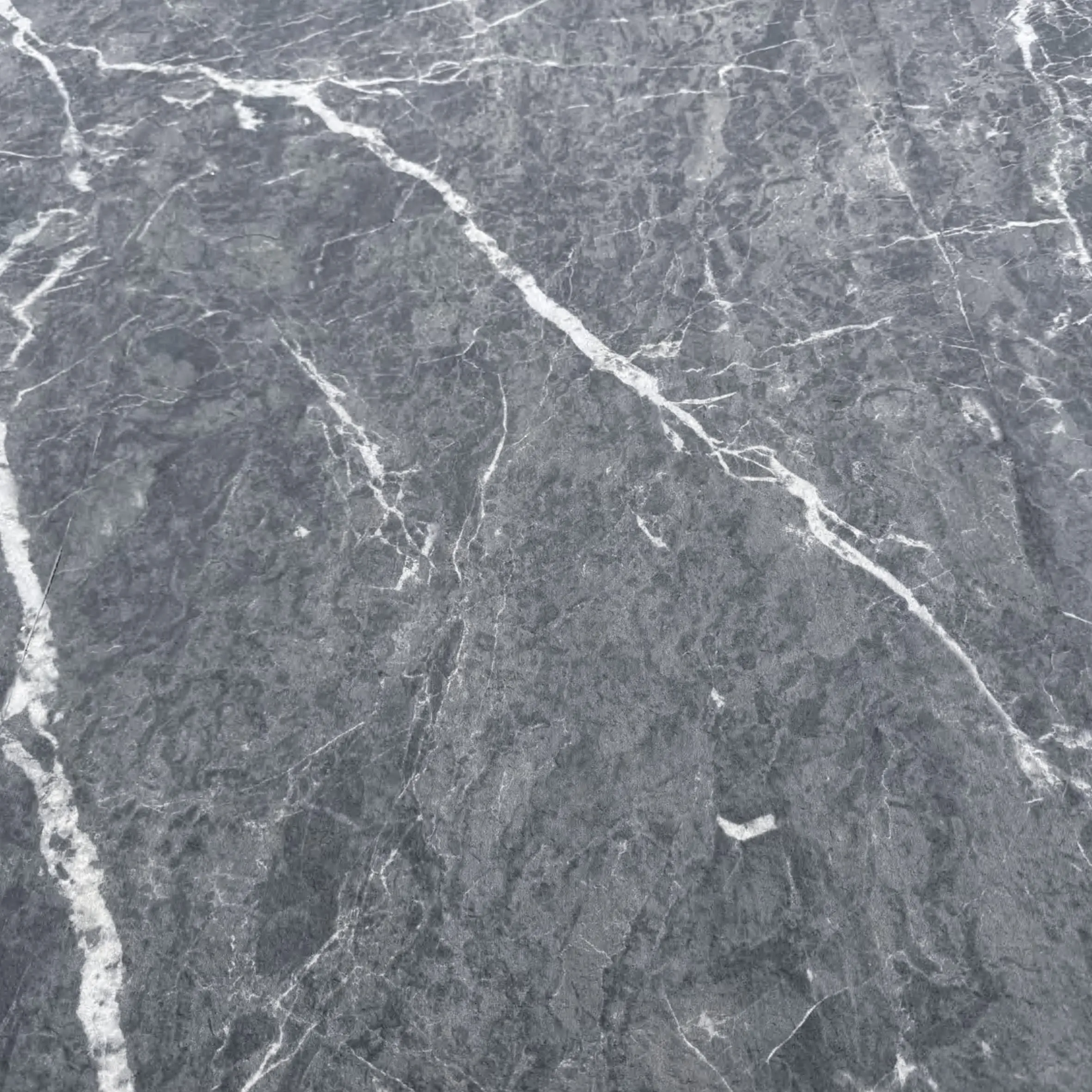
| Environmental Factor | Granite Nero Margiua | MCM Materials (e.g., Flexible Stone, Big Slab, Foamed Aluminium) |
|---|---|---|
| Mining/Extraction | Requires large-scale quarrying; destroys habitats, depletes water, generates waste rock. | Uses recycled materials and sustainable manufacturing; minimal land disruption. |
| Carbon Footprint | High emissions from mining, transportation (heavy weight), and processing. | 70-90% lower emissions due to lightweight design, recycled materials, and local production. |
| Waste Generation | 3 tons of waste per 1 ton of usable stone; non-biodegradable, ends up in landfills. | 10-15% waste during production; panels are recyclable at end of life. |
| Durability & Maintenance | Durable but requires sealing/polishing; prone to cracking during transport/installation. | Equally durable; resistant to moisture, UV rays, and impact; low maintenance. |
| Aesthetic Versatility | Limited by natural variation; large slabs prone to seams. | Customizable colors, textures, and sizes; seamless designs possible. |
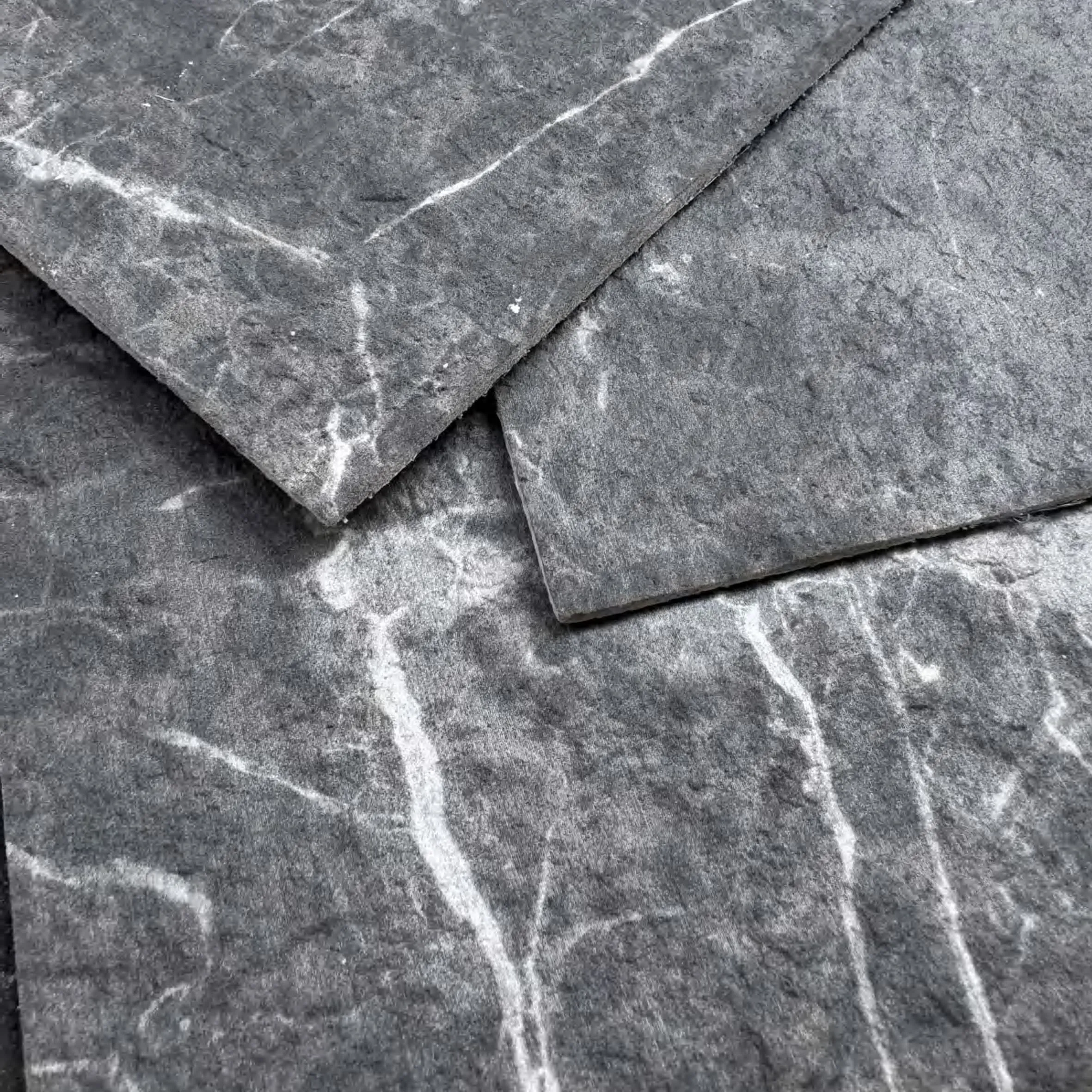
Sustainability in construction isn't just a buzzword—it's a responsibility. As the world grapples with climate change, resource depletion, and biodiversity loss, every choice we make as designers, builders, and homeowners matters. MCM materials like mcm flexible stone, mcm big slab board series, and foamed aluminium alloy board aren't just "alternatives" to Granite Nero Margiua—they're a reimagining of what's possible when we prioritize both beauty and the planet.
What makes MCM truly revolutionary is that it doesn't ask us to sacrifice aesthetics for sustainability. Whether you love the warmth of wood, the sleekness of metal, or the depth of natural stone, there's an MCM product that can replicate that look—often with better performance and lower cost. It's a win-win: buildings that inspire, communities that thrive, and a planet that breathes easier.
So the next time you're admiring a building's facade or choosing materials for a project, remember: beauty doesn't have to come at the expense of the earth. With MCM, we can build structures that tell stories—not just of human ingenuity, but of our commitment to protecting the planet we call home. After all, the most timeless designs are the ones that leave a legacy of sustainability, not scars.
As we move forward, let's build with intention. Let's choose materials that honor the past, celebrate the present, and safeguard the future. With MCM, that future is already here—and it's more beautiful than we ever imagined.
Recommend Products












