
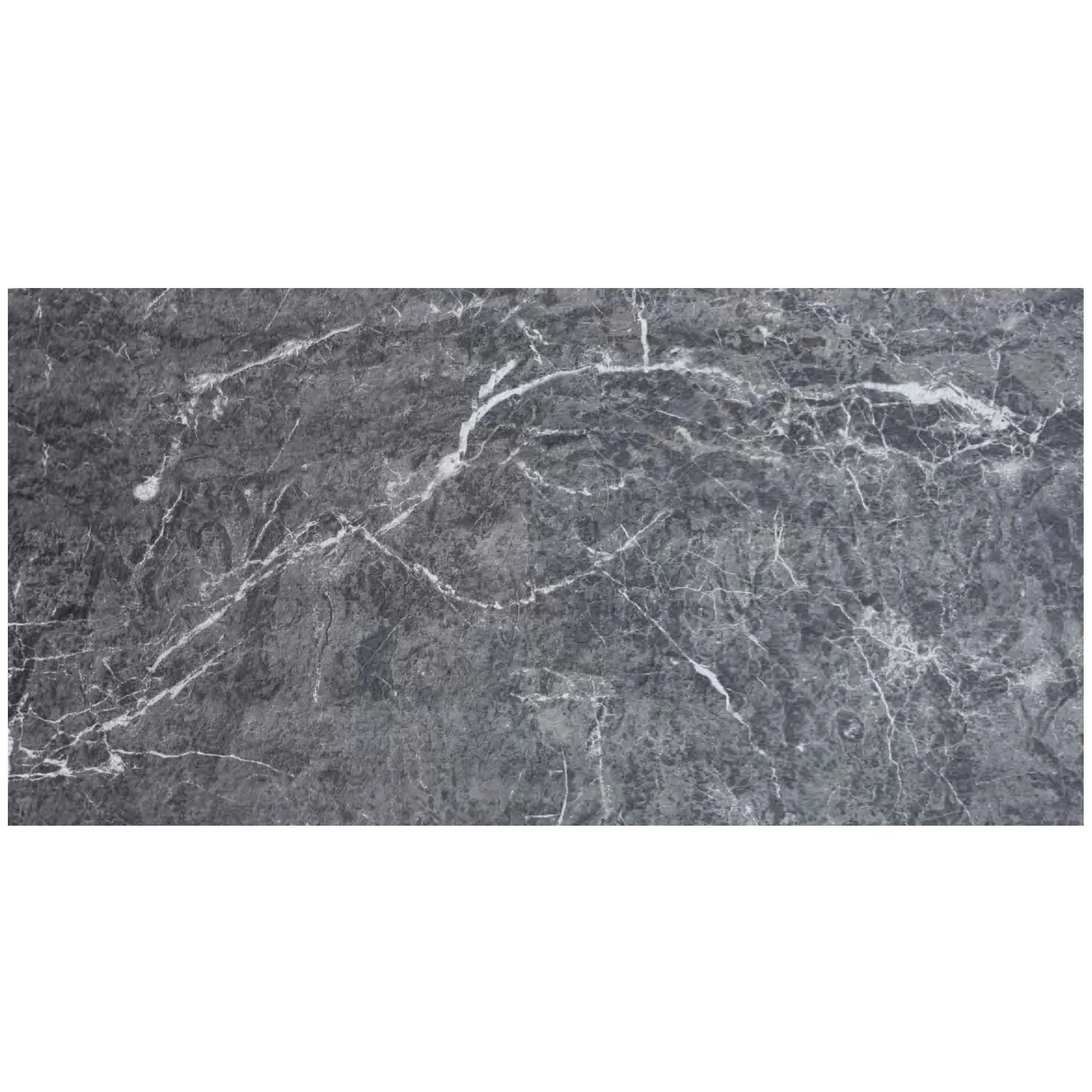
In the quiet hum of a hospital corridor, where every surface tells a story of care, the choice of building materials matters more than we might think. For patients recovering from illness, staff working long shifts, and visitors navigating stressful days, the environment isn't just a backdrop—it's a silent partner in healing. Among the many elements that shape this environment, surface materials stand out as unsung heroes (or potential villains) in the fight against infection, the promotion of calm, and the maintenance of daily operations. Today, we're diving into one material that's making waves in healthcare design: Granite Nero Margiua. More than just a pretty face, this stone is redefining what it means to prioritize hygiene without sacrificing beauty in spaces where health is everything.
Walk into any healthcare facility, and your eyes will trace a landscape of surfaces: walls that line patient rooms, countertops in nursing stations, floors that stretch from ER entrances to recovery wards, and even the tabletops in waiting areas where families rest their hands. What you might not realize is that each of these surfaces is a battleground. According to the World Health Organization, healthcare-associated infections (HAIs) affect millions of patients annually, with contaminated surfaces playing a significant role in their spread. Bacteria like Staphylococcus aureus and E. coli can linger on porous materials for days, waiting to transfer to a patient's skin, a nurse's uniform, or a visitor's hand.
But it's not just about infection control. The right materials can reduce stress, too. Studies show that natural textures and warm tones in healthcare spaces lower anxiety levels in patients, leading to faster recovery times. Meanwhile, durable, easy-to-clean surfaces reduce the workload on already stretched staff, ensuring that cleaning protocols are followed consistently. In short, the materials we choose for healthcare environments do triple duty: they protect, they heal, and they support the people who keep the lights on.
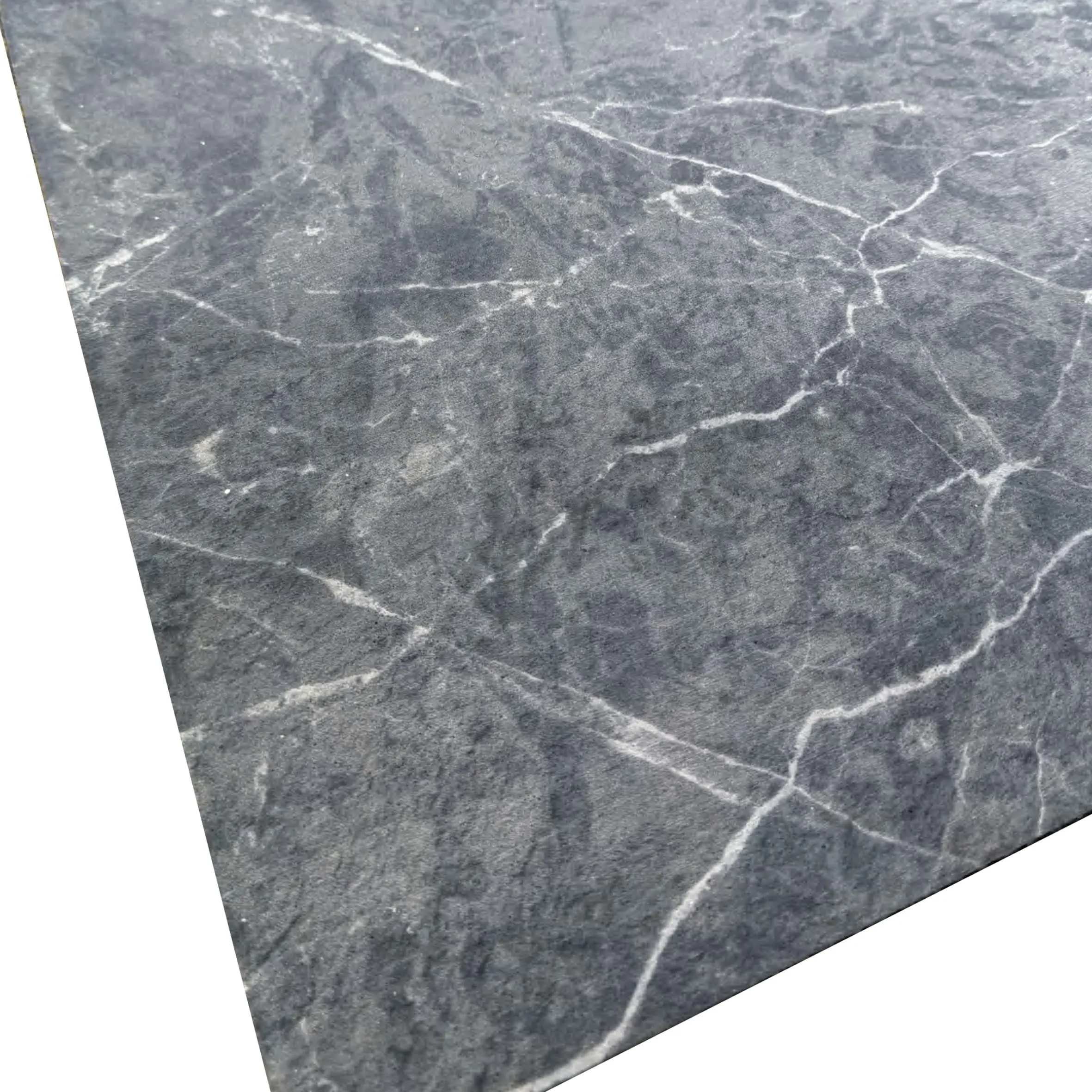
At first glance, Granite Nero Margiua might seem like it belongs in a high-end hotel lobby or a luxury home—not a busy hospital. Its deep, velvety black base is flecked with subtle silver and white mineral deposits, creating a pattern that feels both timeless and alive. But beneath this striking exterior lies a composition that's tailor-made for the demands of healthcare. Quarried from select sites known for their dense, uniform granite, Nero Margiua is a type of igneous rock formed from slowly cooling magma, resulting in a structure that's inherently non-porous and incredibly hard.
Unlike marble, which is calcium-based and prone to etching, or limestone, which can absorb liquids, Granite Nero Margiua's crystalline structure resists penetration. This isn't just a coincidence of geology—it's a feature that makes it uniquely suited for spaces where spills, stains, and constant cleaning are part of the daily routine. But what truly sets it apart in healthcare isn't just its physical toughness; it's how that toughness intersects with hygiene, aesthetics, and practicality.
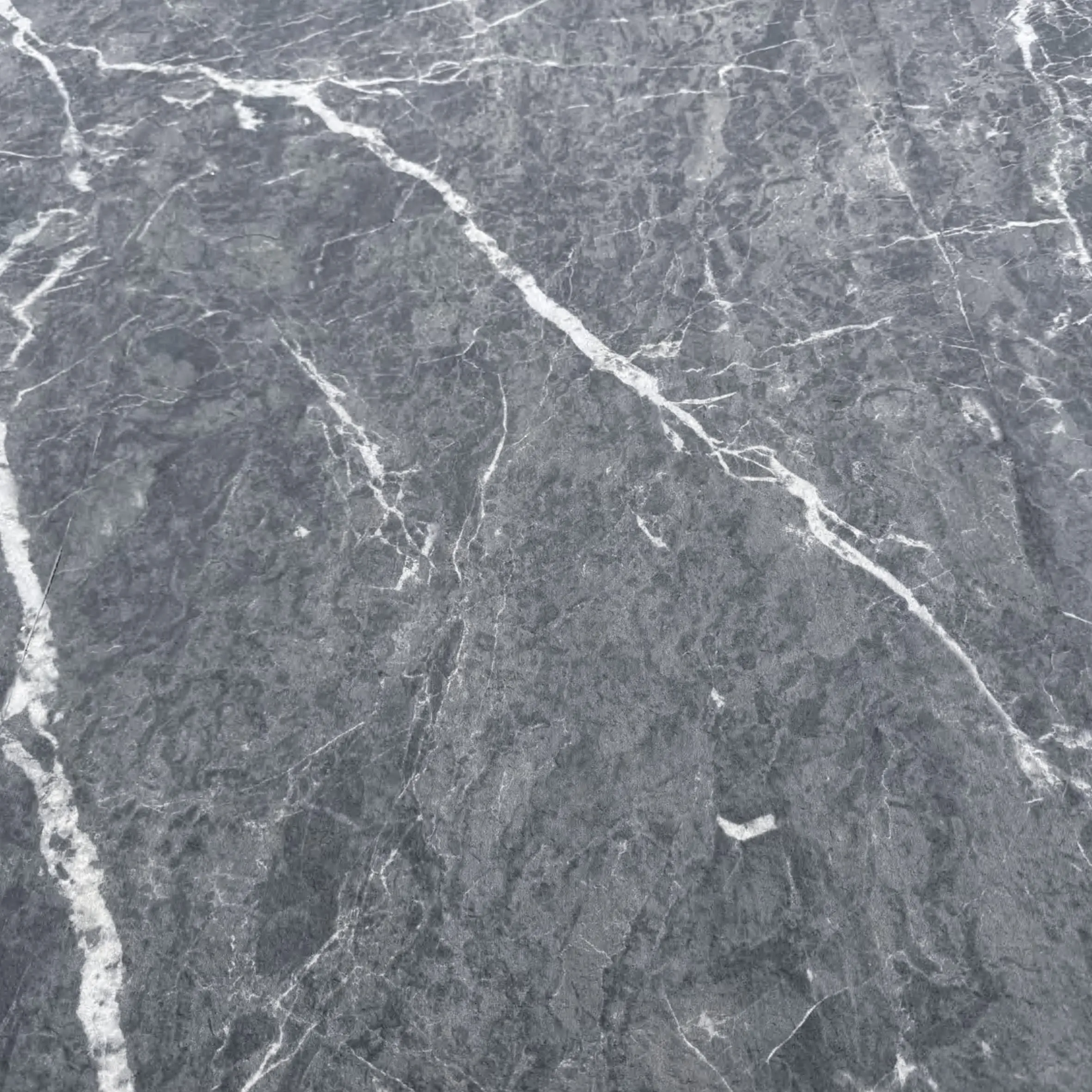
Imagine a surface with tiny, invisible pores—like a sponge with microscopic holes. These pores are magnets for moisture, dirt, and bacteria, creating breeding grounds that even the most thorough cleaning can't fully eliminate. Now, picture Granite Nero Margiua: its surface is so dense that liquids bead up and roll off, rather than seeping in. This non-porous quality is its first line of defense against HAIs. In laboratory tests, Granite Nero Margiua has shown to harbor up to 90% fewer bacteria than porous materials like standard concrete or untreated wood after exposure to common pathogens. For healthcare facilities, this isn't just a statistic—it's a daily safeguard.
Take, for example, a pediatric ward where juice spills, sticky fingers, and runny noses are par for the course. A countertop made of Granite Nero Margiua can be wiped clean with a disinfectant wipe in seconds, leaving no residue or moisture behind. Compare that to a porous surface, which might require scrubbing with harsh chemicals to reach hidden bacteria—time that nurses and janitors simply don't have. In busy environments, speed and efficiency in cleaning directly translate to safer spaces.
Healthcare cleaning protocols are rigorous, and for good reason. Surfaces are regularly treated with powerful disinfectants, including bleach, hydrogen peroxide, and quaternary ammonium compounds, to kill viruses and bacteria. The problem? Many materials break down under this chemical assault. Paint chips, sealants wear off, and some stones etch or discolor, creating new crevices for microbes to hide. Granite Nero Margiua, however, stands up to these treatments. Its dense structure and mineral composition make it resistant to chemical degradation, ensuring that even after years of daily cleaning, its surface remains smooth and impermeable.
This resistance isn't just about longevity—it's about maintaining hygiene over time. A material that fades or cracks under cleaning becomes a liability, requiring frequent repairs or replacement. Granite Nero Margiua's ability to withstand harsh chemicals means that facilities can stick to their infection control protocols without worrying about damaging their surfaces, creating a consistent, reliable barrier against pathogens.
In healthcare settings, surfaces take a beating. Stretchers roll over floors, IV poles scrape against walls, and heavy equipment is moved daily. Even minor damage—a small chip in a countertop, a scratch on a wall—can create new niches for bacteria to thrive. Granite Nero Margiua's Mohs hardness rating of 6-7 (on a scale of 1-10, where diamond is 10) puts it in the "very hard" category, meaning it's highly resistant to scratches and chips. Unlike softer materials like fair-faced concrete, which can develop cracks over time, Nero Margiua maintains its integrity even under heavy use.
Consider a busy operating room, where stainless steel instruments and heavy surgical equipment are constantly set down and moved. A Granite Nero Margiua work surface can withstand the impact without showing signs of wear, eliminating the need for frequent repairs. This durability isn't just about aesthetics; it's about reducing downtime. When a surface needs to be replaced or repaired, that area of the facility may be out of commission, disrupting patient care. With Nero Margiua, facilities can count on surfaces that last for decades, minimizing interruptions and long-term costs.
Healthcare facilities are tightly controlled environments, with temperature and humidity levels regulated to keep patients comfortable and equipment functioning. However, sudden temperature changes—like when a cold window meets warm indoor air—can cause condensation to form on surfaces. This moisture is a breeding ground for mold and mildew, which not only pose health risks but also damage materials over time. Granite Nero Margiua's thermal stability helps mitigate this issue.
Its dense composition means it heats and cools slowly, reducing the likelihood of condensation forming on its surface. In areas like patient bathrooms or laboratory spaces, where humidity levels can fluctuate, this stability is a hidden benefit. By minimizing moisture buildup, Nero Margiua helps keep surfaces dry and inhospitable to mold, further supporting the facility's hygiene goals.
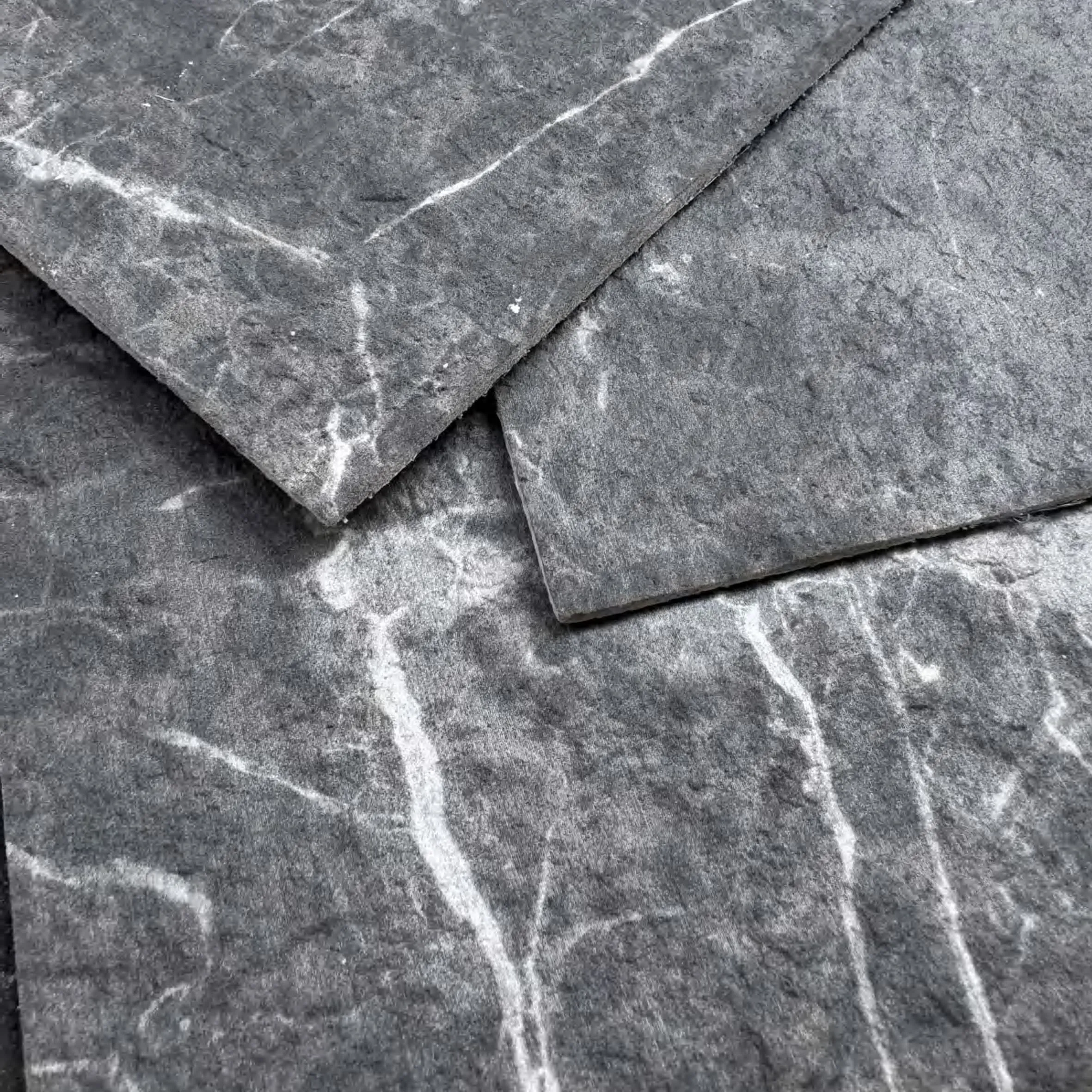
To truly appreciate Granite Nero Margiua's value, it helps to see how it compares to other common materials used in healthcare design. Below is a breakdown of key factors—porosity, antimicrobial resistance, cleaning ease, durability, and aesthetics—for Nero Margiua and three alternatives: fair-faced concrete, polish concrete, and MCM flexible stone.
| Material | Porosity | Antimicrobial Resistance | Cleaning Ease | Durability | Aesthetic Versatility |
|---|---|---|---|---|---|
| Granite Nero Margiua | Non-porous; liquids bead on surface | High; resists bacterial growth due to non-porous nature | Excellent; wipes clean with standard disinfectants | Very high; resistant to scratches, chips, and chemical damage | High; rich black with silver flecks, suits modern and classic designs |
| Fair-Faced Concrete | Moderately porous; requires sealing | Low to moderate; porous surface harbors bacteria without sealing | Moderate; may require scrubbing to remove stains | High; but prone to cracking over time | Moderate; industrial look, limited color options |
| Polish Concrete | Less porous than standard concrete; still requires periodic sealing | Moderate; better than fair-faced but not as resistant as granite | Good; smooth surface but can stain if not sealed | High; but susceptible to etching from acidic cleaners | Moderate; sleek, modern, but limited texture |
| MCM Flexible Stone | Varies by product; some are non-porous, others may be semi-porous | Moderate to high; depends on coating and porosity | Good; lightweight and easy to clean, but may scratch | Moderate; flexible but less durable than natural granite | High; wide range of colors and textures |
As the table shows, Granite Nero Margiua outperforms many alternatives in key areas that matter most for healthcare: porosity, antimicrobial resistance, and durability. While materials like MCM flexible stone offer versatility, they can't match the long-term reliability of natural granite. Fair-faced and polish concrete, though durable, require ongoing maintenance (like sealing) to keep them hygienic—maintenance that adds up in terms of time and cost over the life of a facility.
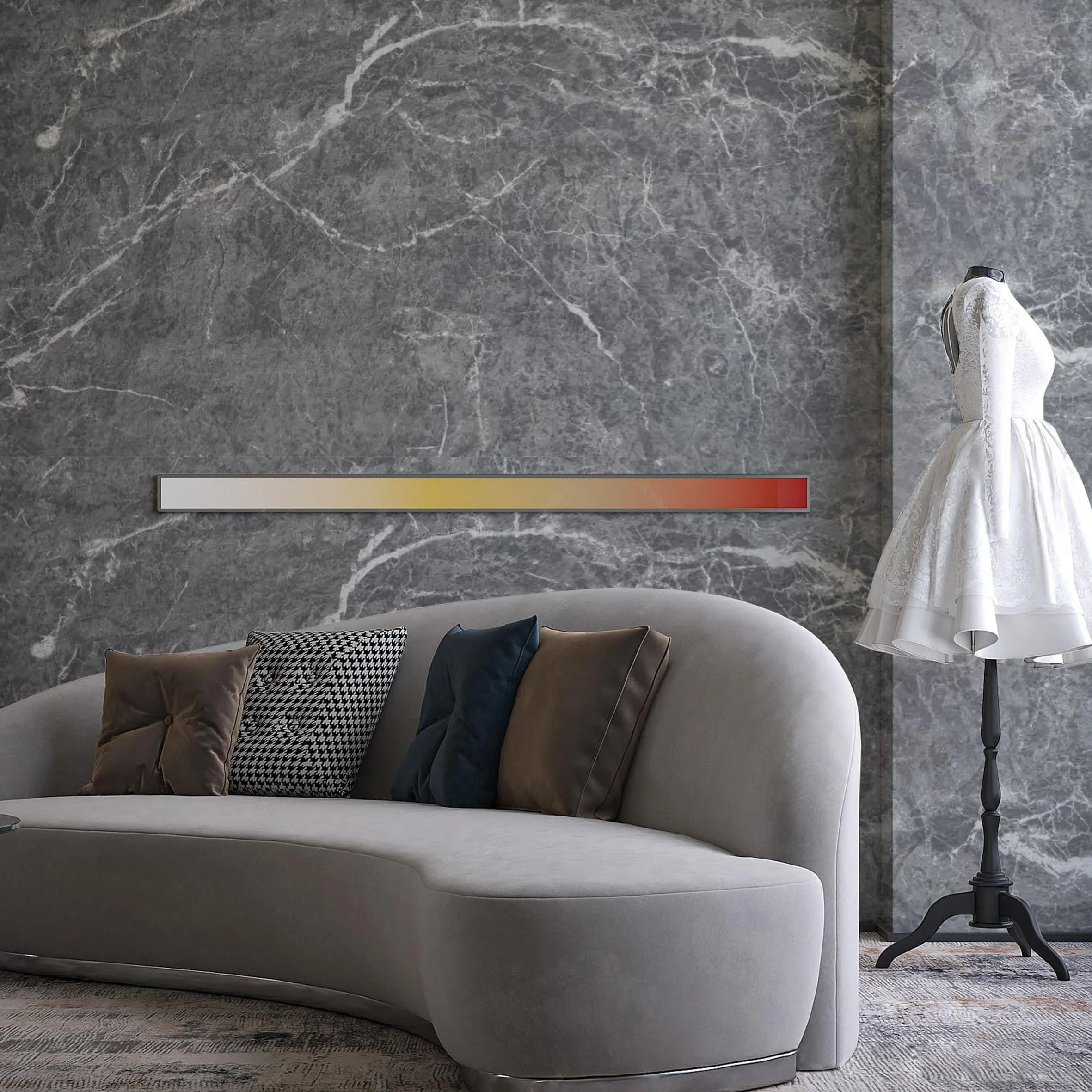
For all its benefits, a material is only as good as its practicality in real-world settings. Healthcare facilities can't afford lengthy installation timelines or materials that are difficult to customize. Fortunately, Granite Nero Margiua checks these boxes, too. While natural stone is often associated with heaviness, Nero Margiua is surprisingly manageable, thanks to advances in quarrying and cutting technology. Thin-slice options (as thin as 1cm) are available, reducing weight without compromising strength—a boon for wall cladding and overhead applications.
Installation teams appreciate its uniformity, too. Unlike some natural stones that vary widely in color or pattern, Granite Nero Margiua has consistent veining and density, making it easier to plan layouts and minimize waste. For healthcare projects with tight deadlines—like a new wing opening or a renovation of an existing unit—this predictability is invaluable. And because it's a natural material, it can be cut to fit almost any space, from curved reception desks to custom-sized wall panels, allowing designers to maintain both functionality and aesthetic cohesion.
Today's healthcare facilities aren't just focused on patient health—they're also committed to environmental health. Sustainability has become a core part of design, with LEED certification and green building standards guiding material choices. Granite Nero Margiua aligns with these goals in several ways. First, it's a natural resource, quarried from the earth with minimal processing. Unlike synthetic materials that rely on fossil fuels or emit harmful VOCs (volatile organic compounds) during production, Nero Margiua has a low carbon footprint and off-gasses nothing, contributing to better indoor air quality—critical for patients with respiratory issues.
Second, its longevity means less frequent replacement. A Granite Nero Margiua surface installed today could still be in use 50 years from now, reducing the need for new materials and the waste associated with demolition and disposal. And when it does reach the end of its life, granite is 100% recyclable, often crushed and reused as aggregate in construction projects. For healthcare facilities aiming to reduce their environmental impact, these factors make Nero Margiua a responsible choice that aligns with both patient well-being and planetary health.
To put theory into practice, let's look at a few real-world examples of healthcare facilities that have embraced Granite Nero Margiua. The first is a children's hospital in Chicago, which renovated its emergency department in 2023. The design team chose Nero Margiua for the check-in counters and treatment room surfaces, citing its durability and ease of cleaning as top priorities. "In the ER, we needed something that could handle constant spills—from juice to blood to disinfectants—and still look good," says Maria Gonzalez, the hospital's facilities director. "Nero Margiua has exceeded our expectations. We've had it for over a year, and the surfaces still look brand new, even with hundreds of little hands touching them every day."
Another example is a cancer treatment center in Seattle, where Nero Margiua was used in patient exam rooms and infusion areas. "Our patients spend hours here, often feeling anxious or unwell," explains Dr. James Park, the center's medical director. "We wanted a space that felt calm and reassuring, not clinical. The Nero Margiua walls have this warm, grounding quality—like bringing a piece of the natural world inside. And from a practical standpoint, we've noticed a drop in surface-related infections since the renovation. I truly believe the materials we chose play a role in that."
While we've focused heavily on hygiene, it's impossible to overstate the importance of aesthetics in healthcare design. A sterile, cold environment can increase patient anxiety, slow recovery, and even affect staff morale. Granite Nero Margiua's beauty is more than skin-deep; it's a tool for creating spaces that feel human. Its rich black color is surprisingly versatile—paired with warm wood accents, it creates a cozy, residential vibe in patient rooms. Against white walls and chrome fixtures, it adds a touch of sophistication to public areas like lobbies and cafeterias.
The stone's natural variation—no two slabs are exactly alike—adds visual interest without overwhelming the senses. In a world of cookie-cutter healthcare design, this uniqueness helps facilities feel less institutional and more personal. Patients often comment on how "un-hospital-like" spaces with Nero Margiua feel, a small but powerful detail that can ease the stress of a hospital stay.
As healthcare design continues to evolve, the demand for materials that balance hygiene, durability, aesthetics, and sustainability will only grow. Granite Nero Margiua is well-positioned to lead this charge, but it's also inspiring innovation in other materials. Manufacturers of MCM flexible stone, for example, are developing new non-porous coatings inspired by natural granite's properties. Meanwhile, researchers are exploring ways to enhance granite's antimicrobial properties even further, potentially adding embedded silver ions or other treatments to boost its infection-fighting capabilities.
But even as technology advances, the fundamental appeal of natural materials like Granite Nero Margiua remains. In a world increasingly dominated by synthetic products, there's a timeless comfort in knowing that the surfaces surrounding us are rooted in the earth—strong, reliable, and inherently designed to stand the test of time.
In healthcare, every decision is a reflection of care—for patients, for staff, for the community. The choice to use Granite Nero Margiua is no exception. It's a material that doesn't just meet the demands of infection control and daily wear; it elevates the entire healthcare experience, creating spaces that heal, protect, and inspire. As we continue to prioritize health in all its forms—physical, emotional, and environmental—materials like Nero Margiua will play an increasingly vital role in shaping the future of healthcare design. After all, when it comes to caring for others, the details matter. And in the world of surface materials, few details are as impactful as the choice to invest in something that's built to last, built to protect, and built to bring a little bit of beauty into the places where we need it most.
Recommend Products












