
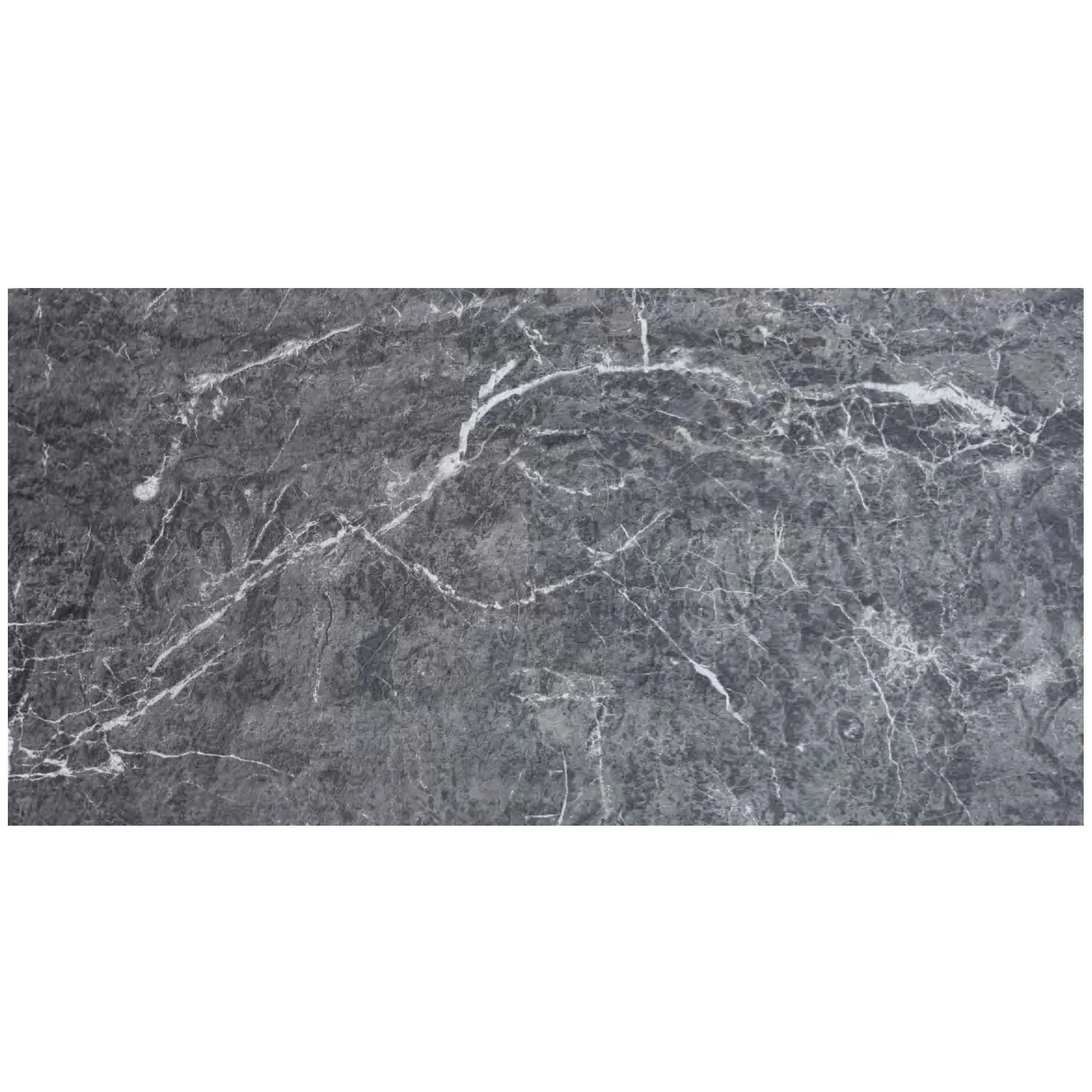
In the world of global construction, where every project aims to leave a lasting mark, the choice of building materials speaks volumes. Architects, developers, and contractors aren't just looking for materials that meet technical specs—they want stories. Stories of durability that stands up to harsh climates, of aesthetics that blend local culture with global trends, and of sustainability that respects the planet. It's in this context that Granite Nero Margiua has emerged as more than just a stone; it's a statement. But as demand for this striking, deep-black granite with subtle white veining grows across continents, so do the challenges of working with traditional stone slabs. Enter MCM solutions—modified composite material panels that are redefining how we build, one project at a time.
Ask any architect about their dream material for a high-end facade or luxury interior, and Granite Nero Margiua often tops the list. Its name, evoking images of sleek elegance, hints at its appeal: a rich, jet-black base interlaced with delicate white veins that catch the light, creating depth and movement. It's the kind of stone that transforms a space from "nice" to "unforgettable"—whether it's cladding a skyscraper in Dubai, accenting a boutique hotel in Paris, or defining the lobby of a tech headquarters in Singapore.
But its beauty isn't skin-deep. Traditional Granite Nero Margiua is prized for its density (around 2.7 g/cm³), making it resistant to scratches, heat, and water. In coastal projects, where salt air can corrode lesser materials, its low porosity is a game-changer. In urban settings, its ability to hide dust and wear means buildings stay looking fresh for decades. No wonder it's become a staple in projects aiming for LEED certification or BREEAM excellence—its longevity reduces the need for frequent replacements, a key sustainability win.
Yet, for all its strengths, traditional Granite Nero Margiua slabs come with a caveat: they're heavy. Really heavy. A standard 20mm-thick slab weighs roughly 54 kg per square meter. For international projects, this translates to sky-high shipping costs, logistical headaches (think cranes, specialized transport), and installation delays. In regions with strict load-bearing regulations—like historic city centers or seismic zones—traditional slabs can even limit design possibilities. It's a classic problem: the material everyone wants, but few can easily work with on a global scale.
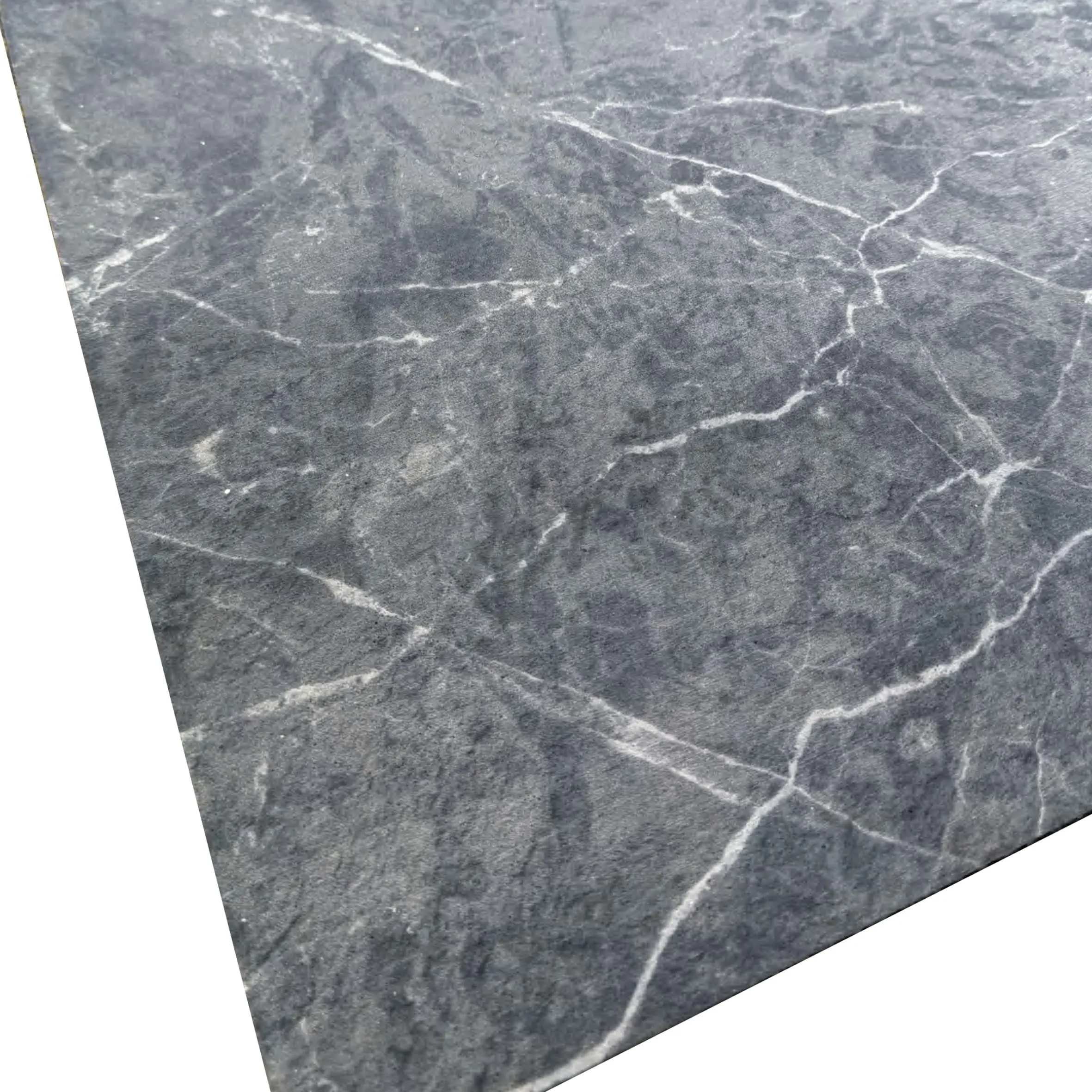
MCM, or modified composite material, isn't new, but its application to premium stones like Granite Nero Margiua is where the magic happens. Imagine taking the aesthetic of natural Granite Nero Margiua and compressing it into a panel that's 70-80% lighter than traditional slabs, yet just as durable. That's MCM in a nutshell. These panels are crafted by bonding a thin layer of natural stone (often 1-3mm) to a lightweight, flexible backing—usually a mix of polymers and fiberglass. The result? A material that the stone's authentic look and feel but adds a level of versatility traditional slabs can't match.
Let's break down why this matters for international projects. First, transport . A container that might hold 100 sqm of traditional Granite Nero Margiua slabs can carry 500+ sqm of MCM panels. That's a 5x increase in efficiency, slashing shipping costs and reducing carbon emissions from fewer trips. For a project in Sydney sourcing materials from Europe, or a hotel in Riyadh importing from Asia, this isn't just a cost-saver—it's a timeline-saver. No more waiting weeks for custom crates or stressing over port delays for oversized loads.
Then there's installation . Traditional slabs require heavy machinery, specialized labor, and careful handling to avoid breakage (which, let's be honest, still happens more often than we'd like). MCM panels, on the other hand, weigh in at just 12-15 kg per square meter—light enough for two workers to carry and install by hand. In tight urban spaces where cranes can't maneuver, or on high-rise rooftops with weight restrictions, this flexibility is revolutionary. It's why contractors in Tokyo, London, and São Paulo are switching to MCM: projects that once took months now wrap up in weeks, with fewer headaches and lower labor costs.
And let's not forget durability . Skeptics often ask: "If it's lighter, is it weaker?" The answer is a resounding no. MCM panels are engineered to withstand extreme temperatures (from the freezing winters of Moscow to the scorching summers of Dubai), heavy rain, and even impact. The polymer backing acts as a shock absorber, reducing the risk of cracking during installation or after. In fact, many MCM manufacturers offer warranties of 15-20 years—longer than some traditional stone applications, where wear and tear can show within a decade.
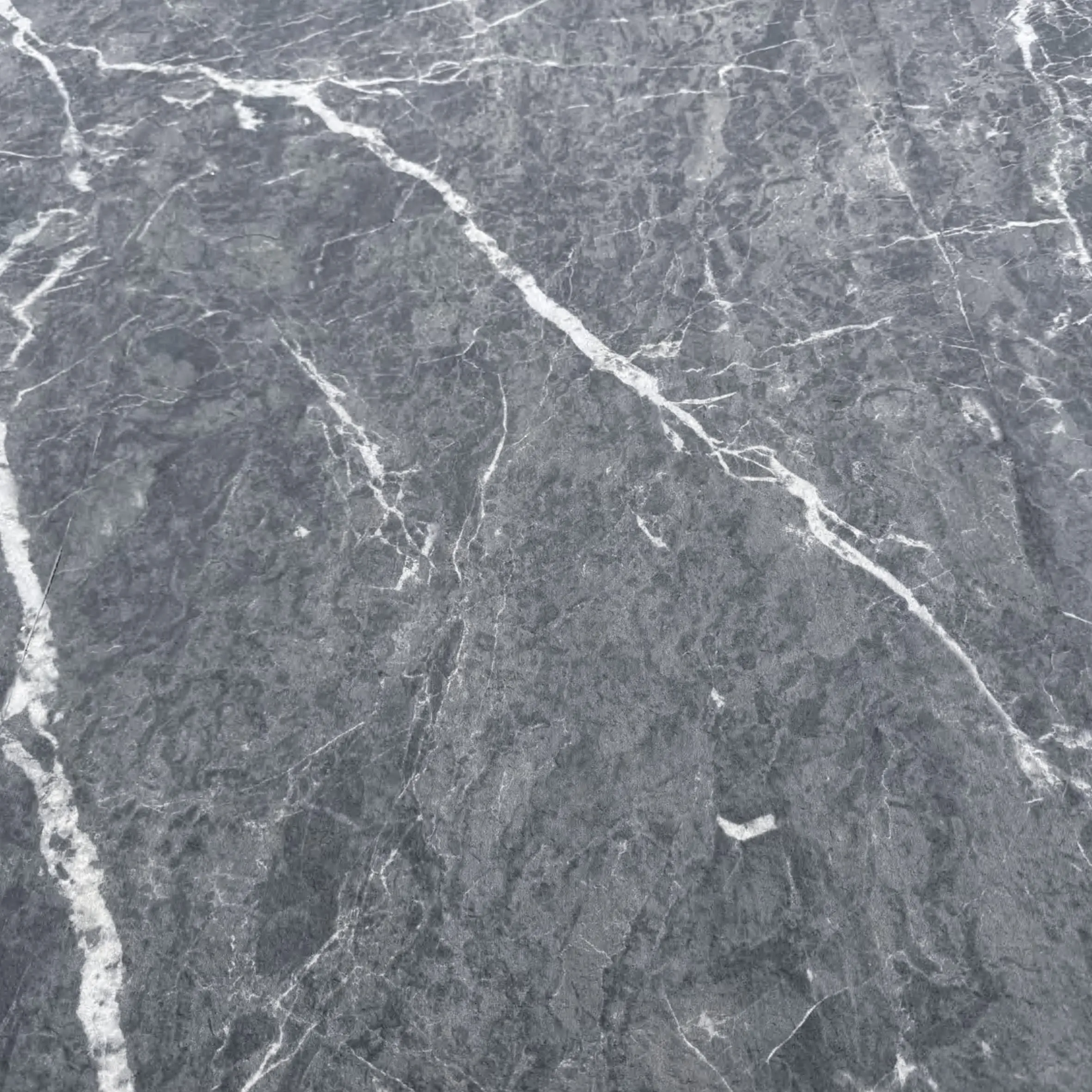
| Feature | Traditional Granite Nero Margiua Slabs | MCM Granite Nero Margiua Panels |
|---|---|---|
| Weight per sqm | 50-60 kg | 12-15 kg |
| Installation Time (per 100 sqm) | 3-4 days (requires machinery) | 1-2 days (hand-installable) |
| Transport Cost (per container) | High (limited sqm per container) | Low (5x more sqm per container) |
| Durability in Harsh Climates | Good, but prone to cracking in seismic zones | Excellent (flexible backing resists cracking) |
| Sustainability | High quarrying impact; high waste during cutting | Low impact (uses 90% less natural stone; recyclable backing) |
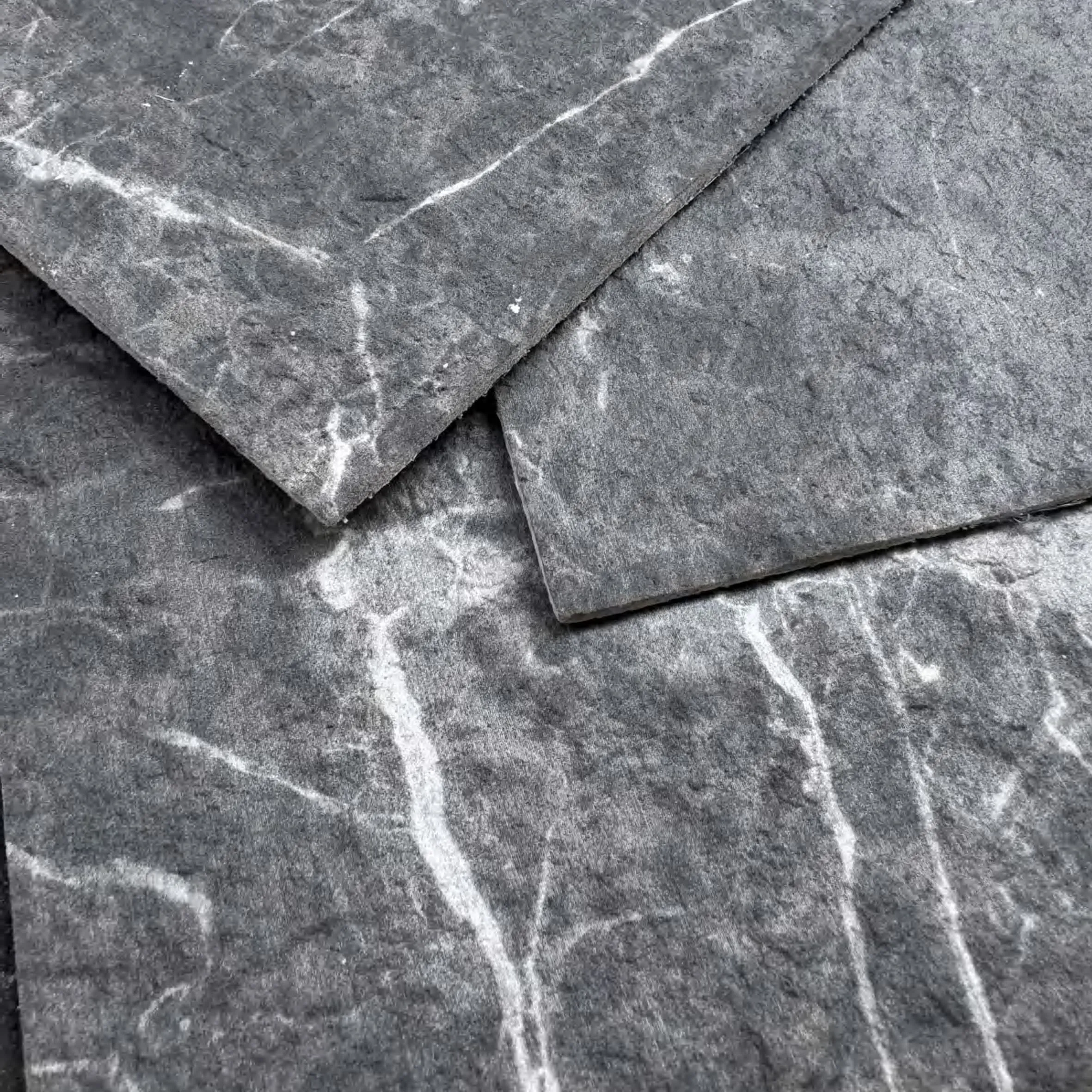
While Granite Nero Margiua is a standout, MCM solutions aren't a one-trick pony. Manufacturers like the MCM Project Board Series and MCM Big Slab Board Series offer a range of options that cater to diverse project needs, ensuring that no design vision is too bold. Take the MCM Big Slab Board Series , for example. These panels come in sizes up to 1200x2400mm—large enough to create seamless facades with minimal joints, perfect for modernist designs that crave clean lines. Imagine a corporate tower in Chicago clad in these massive, glossy Nero Margiua panels; from the street, it reads as a single, imposing slab of stone, yet it was installed in half the time of traditional methods.
Then there's MCM Flexible Stone , a game-changer for curved surfaces. Traditional stone can't bend, but MCM flexible panels can conform to radius walls, domes, or even spiral staircases. Think of a cultural center in Barcelona with a sweeping, curved entrance—clad in Granite Nero Margiua flexible stone, it's a tribute to Gaudí's love of organic forms, made possible by materials that bend without breaking. Or a boutique hotel in Bali, where the lobby features a circular wrapped in Lunar Peak Black MCM panels (a sleek, charcoal-gray cousin to Nero Margiua), creating an intimate, cocoon-like atmosphere.
And for projects that blend multiple aesthetics, MCM's versatility shines. Pair Granite Nero Margiua big slabs with fair-faced concrete MCM panels for an industrial-chic vibe, or mix in wood grain board MCM for warmth. In a recent luxury resort in the Maldives, designers combined Nero Margiua with bamboo mat board MCM, creating spaces that feel both opulent and rooted in local craftsmanship. It's this ability to mix and match that makes MCM a favorite among creatives—no more choosing between "the look we want" and "the material we can work with."
These days, no global project is complete without a sustainability story. Clients, regulators, and even end-users (think hotel guests or office tenants) are asking: "What's this building made of, and how did it get here?" Traditional stone quarrying is resource-intensive, often requiring large-scale excavation and leaving behind scars on landscapes. MCM panels, by contrast, use just a thin veneer of natural stone—meaning 90% less quarrying per square meter. That's a huge win for projects aiming for LEED Gold or BREEAM Outstanding certifications.
But it's not just about reducing stone usage. MCM manufacturers are doubling down on eco-friendly practices: using water-based adhesives, recycling production waste, and even powering factories with renewable energy. Take the foamed aluminium alloy board (vintage silver) line, for example—its lightweight, recyclable core reduces the overall carbon footprint of a project, while its vintage finish adds a touch of industrial charm. When paired with Granite Nero Margiua, it creates a contrast that feels both modern and timeless, all while keeping sustainability at the forefront.
Sustainability also means longevity. A building clad in MCM Granite Nero Margiua panels won't need repainting or replacement for decades, unlike some synthetic cladding materials. In coastal areas, where saltwater can degrade lesser materials, MCM's resistance to corrosion means lower maintenance costs over time. For a university campus in Australia or a hospital in Canada, that's not just good for the planet—it's good for the budget.
Anyone who's worked on an international construction project knows the hurdles: language barriers, varying building codes, and supply chain delays that can derail timelines. MCM manufacturers are addressing this by acting as more than suppliers—they're partners. Take, for example, a recent airport expansion in Doha. The project called for a facade that would reflect Qatar's blend of tradition and modernity, with Granite Nero Margiua as the centerpiece. The challenge? The tight deadline and the need to source materials from multiple countries.
The solution? MCM big slab boards. The manufacturer provided pre-cut panels tailored to the project's exact dimensions, complete with detailed installation guides in Arabic and English. The lightweight panels were shipped in standard containers, avoiding the need for special permits, and installed by local labor with minimal training. The result? The facade was completed two months ahead of schedule, and the client saved over 30% on transport and labor costs. Stories like this are becoming the norm, not the exception, as MCM manufacturers build global networks of distributors, ensuring timely delivery and on-the-ground support wherever a project is located.
Customization is another area where MCM shines. International projects often require materials that reflect local culture or climate. For a resort in the Swiss Alps, MCM manufacturers developed a Granite Nero Margiua panel with a textured finish that mimics the region's mountain stone, improving grip in snowy conditions. For a mall in India, they added UV-resistant coatings to prevent fading in the harsh sun. It's this attention to detail—this willingness to adapt—that makes MCM more than a product; it's a collaborative process.
As we look ahead, the global construction market is only going to get more demanding. Cities will grow denser, climates more unpredictable, and clients more focused on creating spaces that matter. In this landscape, materials like Granite Nero Margiua—with their timeless appeal—will remain in demand, but only if they can keep up with the pace of change. MCM solutions aren't just meeting that demand; they're setting a new standard.
Imagine a world where a boutique hotel in Cape Town can source the same high-quality Granite Nero Margiua panels as a skyscraper in Seoul, with the same reliability and affordability. A world where architects don't have to compromise on their vision because of logistical constraints. That's the world MCM is building—one panel, one project, one story at a time.
At the end of the day, construction isn't just about bricks and stones (or panels). It's about people. The families that will live in those buildings, the workers that will commute to those offices, the travelers that will pass through those airports. When we choose materials that are durable, sustainable, and beautiful, we're not just building structures—we're building legacies. And with Granite Nero Margiua and MCM solutions, those legacies are going to be around for a very long time.
So, to the architects sketching late at night, the contractors juggling a dozen deadlines, and the developers dreaming of skyline-defining projects: the next time you look at a slab of Granite Nero Margiua, see more than stone. See possibility. And let MCM help you turn that possibility into reality—no matter where in the world your project calls home.
Recommend Products












