
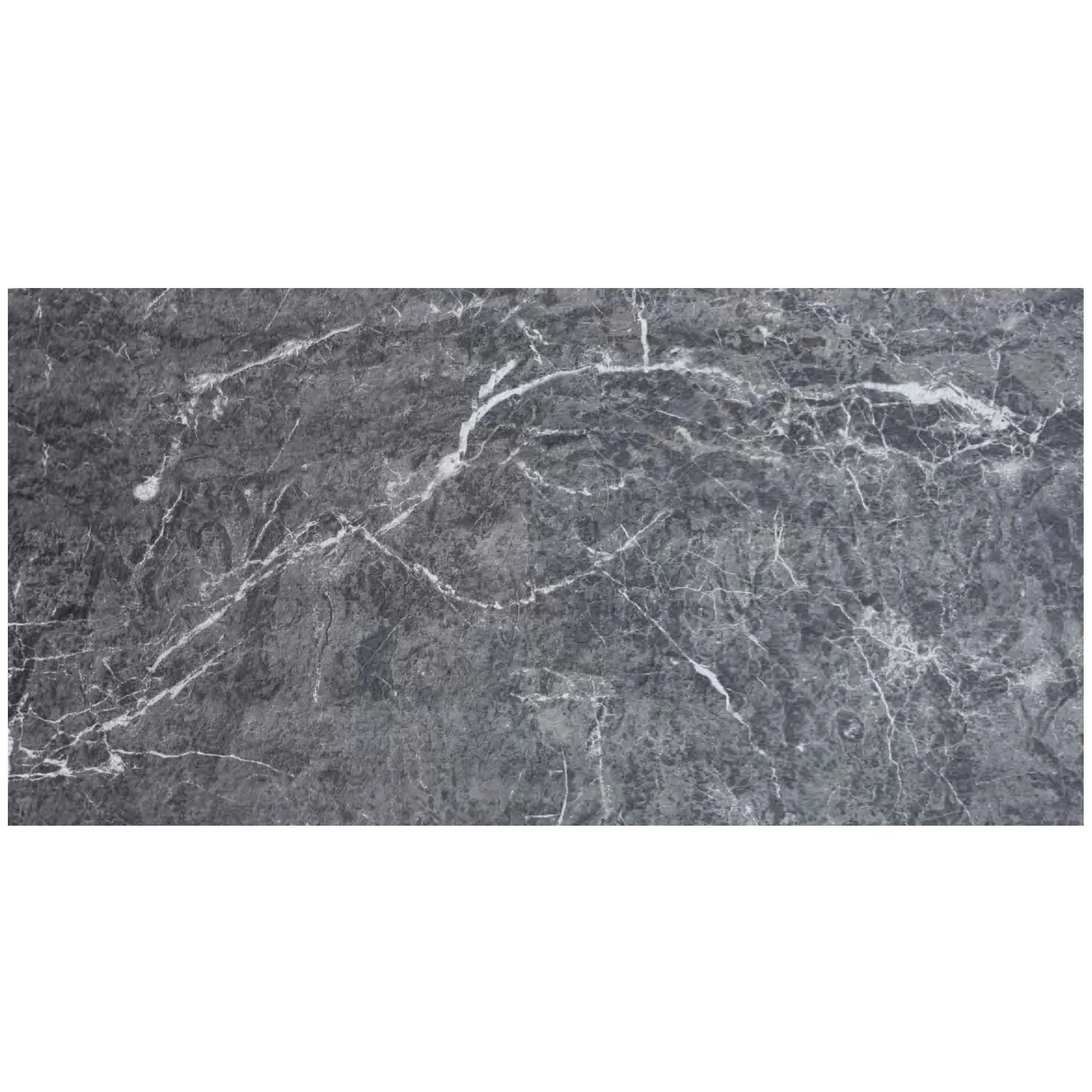
Where Timeless Stone Meets Modern Craftsmanship—Preserving History, One Detail at a Time
Historical restoration is more than construction—it's an act of storytelling. When we step into a centuries-old building, we don't just see walls and arches; we feel the weight of time, the echoes of laughter, and the quiet resilience of those who came before. But to keep those stories alive, we need materials that honor the past while standing up to the present. Enter Granite Nero Margiua: a stone that doesn't just look historic—it feels historic. And when paired with MCM's innovative solutions like flexible stone, it becomes a bridge between eras, ensuring that heritage buildings don't just survive—they thrive.
In this guide, we'll explore why Granite Nero Margiua has become a favorite among restoration experts, how it harmonizes with MCM flexible stone, and how pairing it with materials like fair-faced concrete and Historical Pathfinders Stone can turn a renovation project into a masterpiece of time travel. Because in the end, the best restoration isn't about making old buildings "new"—it's about making them present , so future generations can reach out and touch history.
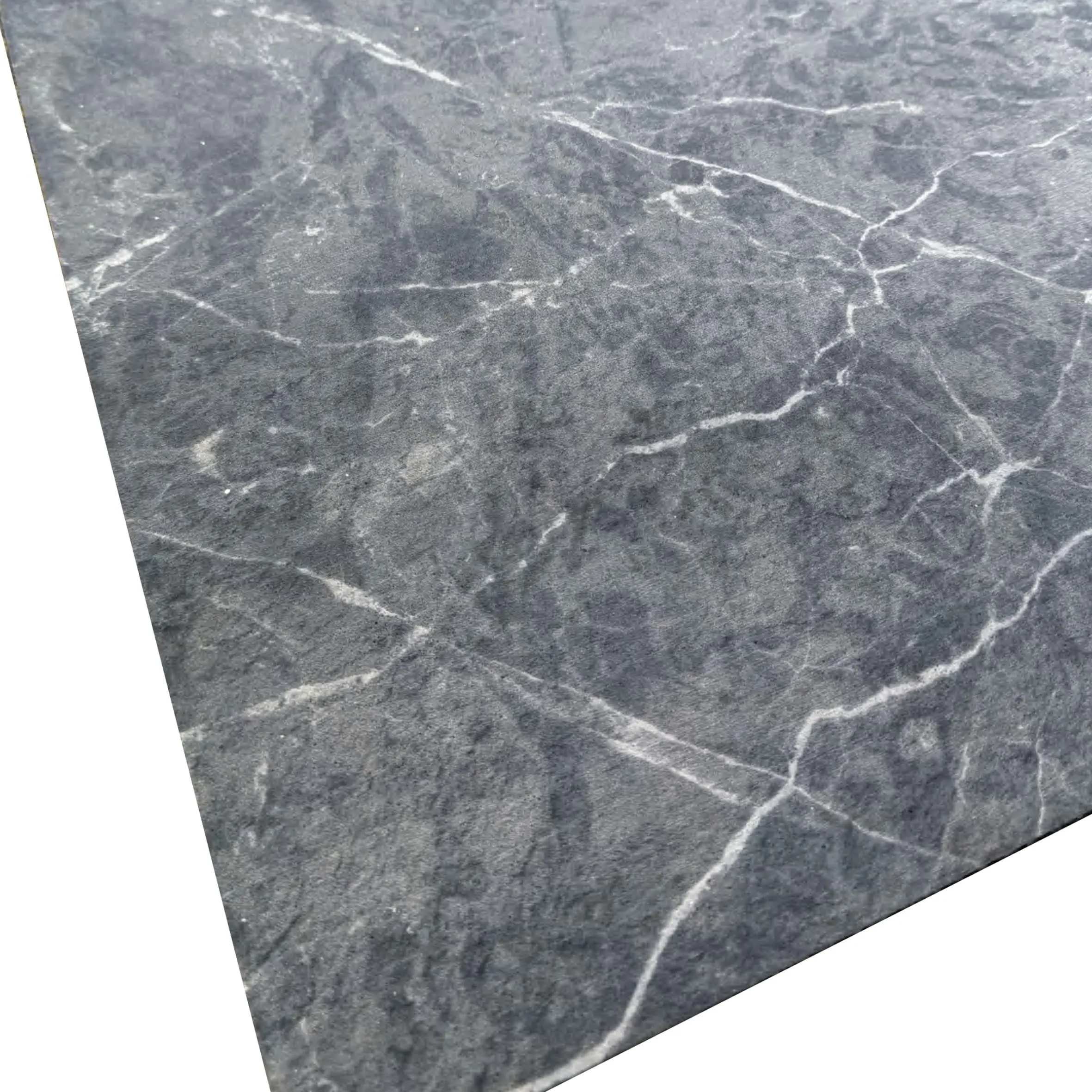
At first glance, Granite Nero Margiua commands attention. Its deep, almost velvety black base is interrupted by delicate veins of silver and charcoal—like a starry night frozen in stone. But its beauty is more than skin deep. Quarried from select sites known for geological stability, this granite boasts a density and durability that makes it ideal for high-traffic, weather-exposed areas—qualities that are non-negotiable in historical restoration. Unlike softer stones that erode under rain, wind, or foot traffic, Nero Margiua stands firm, its color deepening slightly over time rather than fading, as if absorbing the stories of the building it adorns.
But what truly sets it apart is its character . Each slab carries unique mineral deposits—tiny flecks of mica that catch the light, or subtle variations in veining that make no two pieces identical. In restoration work, this "imperfection" is a virtue. It mimics the organic, hand-hewn quality of historic stonework, avoiding the sterile uniformity of mass-produced materials. When used to replace damaged sections of a medieval wall or repair a Renaissance fountain, Nero Margiua doesn't scream "new"—it whispers, "I belong here."
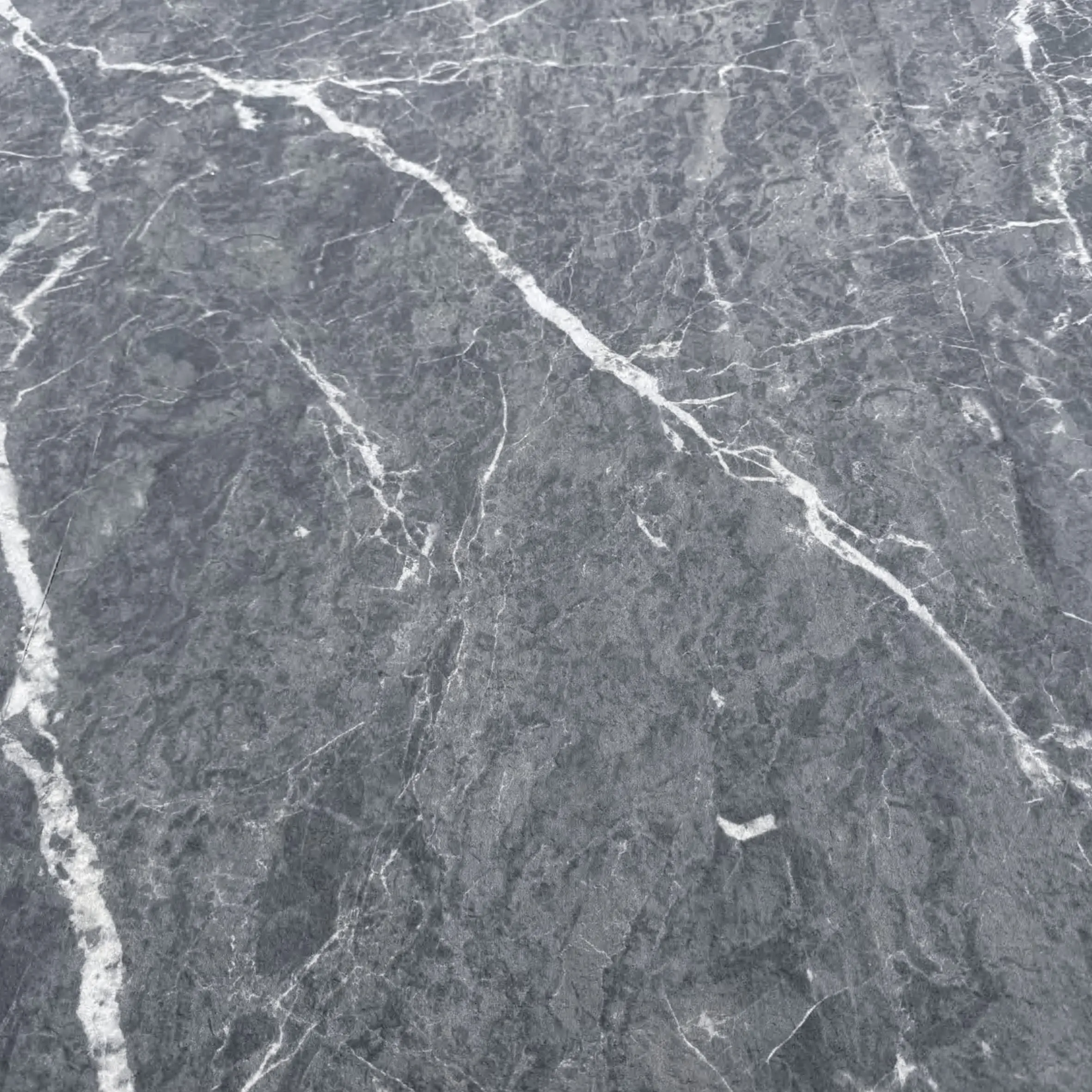
Historical buildings are rarely "perfect" by modern standards. They have uneven walls, curved archways, and intricate carvings that would be impossible to replicate with rigid materials. This is where MCM flexible stone shines. A revolutionary composite material, MCM flexible stone combines the look and texture of natural stone with the flexibility of a thin, lightweight sheet. It bends without breaking, adheres to irregular surfaces, and can be cut to match even the most ornate historical details—all while weighing a fraction of traditional stone.
But why pair it with Granite Nero Margiua? The answer lies in balance. Granite Nero Margiua brings the "bones"—the structural integrity and timeless aesthetic—while MCM flexible stone adds the "flesh"—the ability to preserve delicate features without overburdening aging structures. Imagine restoring a 17th-century chapel with crumbling stone cornices: traditional granite would be too heavy, risking further damage to the weakened walls. MCM flexible stone, however, can be shaped to match the original cornice design, then paired with Nero Margiua accents on the facade. The result? A building that looks untouched by time, but with modern durability hidden in plain sight.
| Feature | Granite Nero Margiua | MCM Flexible Stone | Why They Work Together |
|---|---|---|---|
| Weight | Heavy (2.7-3.0 g/cm³) | Lightweight (0.8-1.2 g/cm³) | Nero Margiua anchors structural elements; MCM reduces load on aging walls. |
| Texture | Coarse, natural grain with mineral flecks | Mimics natural stone texture; customizable to match Nero Margiua's veining | Visual harmony—no jarring differences in look or feel. |
| Durability | Highly resistant to scratches, stains, and weathering | UV-resistant, moisture-proof, and impact-resistant | Long-term protection: Nero Margiua handles wear; MCM shields against environmental damage. |
| Installation | Requires skilled stonemasons for cutting/shaping | Easy to cut, bend, and install with minimal tools | Reduces labor time; allows precise matching of historical details. |
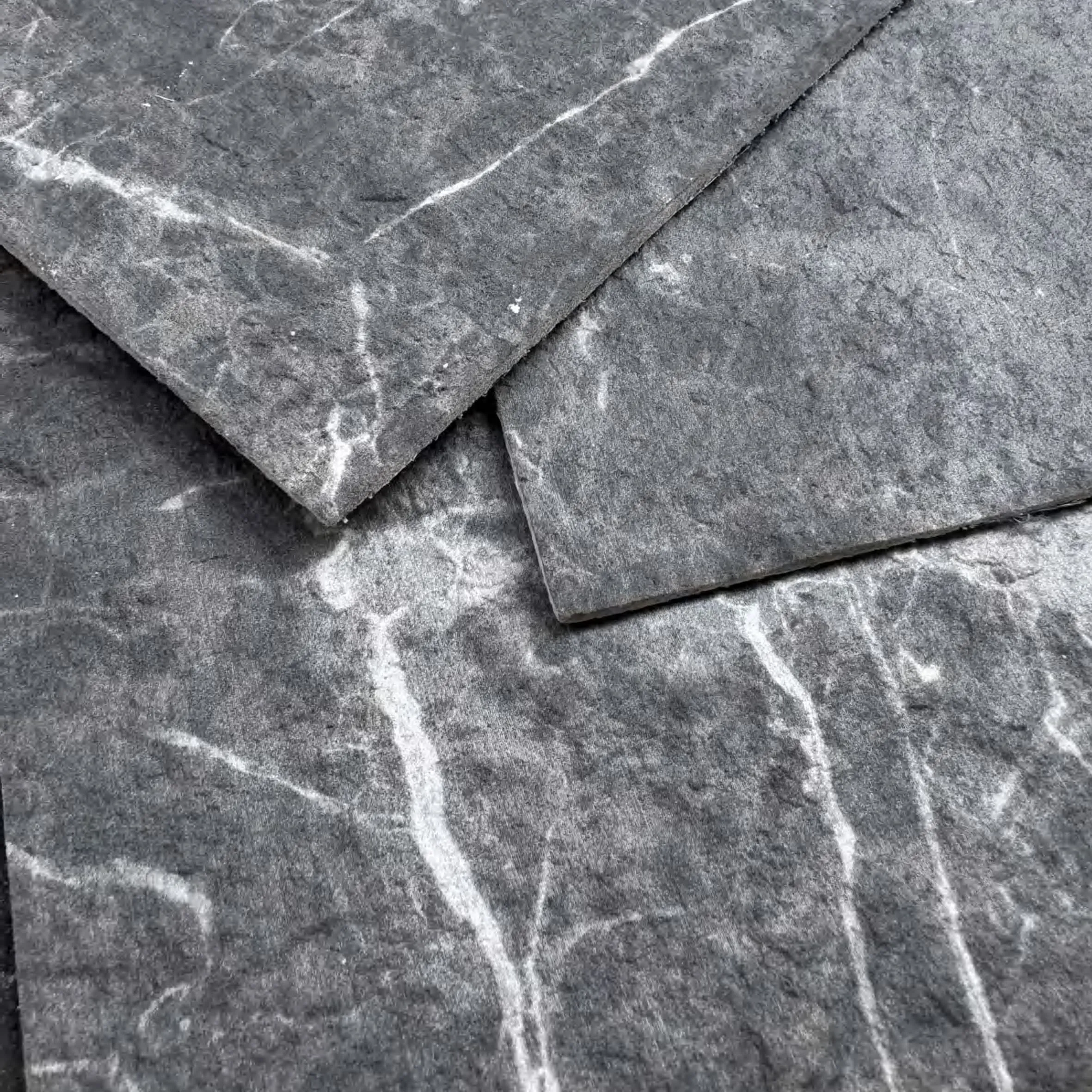
While MCM flexible stone is a standout partner, Granite Nero Margiua's versatility shines when paired with other heritage-friendly materials. Let's explore two key players in historical restoration: fair-faced concrete and Historical Pathfinders Stone.
Fair-faced concrete—with its raw, unpolished finish and subtle gray tones—is a master of understatement. It doesn't compete; it complements. When paired with Granite Nero Margiua, it creates a striking contrast that highlights both materials' strengths. The cool, industrial edge of fair-faced concrete grounds the deep black of Nero Margiua, while the granite's silver veins echo the concrete's subtle color variations. This combination is particularly effective in restoring industrial heritage sites, like old factories or warehouses, where the goal is to honor the building's utilitarian past while adding modern sophistication.
Take, for example, the restoration of a 19th-century textile mill in Manchester. The original brick walls were stabilized with fair-faced concrete, while Nero Margiua was used to replace the worn stone sills and lintels. The result? A space that feels both rugged and refined, where the concrete speaks to the mill's working-class roots and the granite adds a touch of elegance—a reminder that even the most functional buildings deserve beauty.
Historical Pathfinders Stone is more than a material—it's a tribute to regional craftsmanship. Quarried from locations with deep historical ties, it carries the unique geological fingerprint of the area it comes from. When paired with Granite Nero Margiua, it creates a narrative of place. For instance, restoring a medieval castle in Scotland might call for local Historical Pathfinders Stone (with its warm, earthy tones) on the lower walls, symbolizing the land itself, while Nero Margiua accents the battlements and doorways, adding a sense of grandeur fit for royalty.
The key here is balance. Historical Pathfinders Stone brings the "local story," while Nero Margiua brings the "timeless gravitas." Together, they ensure the building feels rooted in its community and its era—a powerful combination for heritage projects aiming to connect past and present.
When it comes to dark stones for historical restoration, Nero Margiua isn't the only option. Let's compare it to two popular alternatives: Lunar Peak Black and traditional slate, to see why it often rises to the top.
| Material | Color/Texture | Durability | Best For | Why Nero Margiua Stands Out |
|---|---|---|---|---|
| Granite Nero Margiua | Deep black with silver/charcoal veins; coarse, natural grain | Exceptional (resistant to acid, frost, and wear) | High-traffic areas, exterior facades, decorative accents | Veining adds depth without distraction; more durable than slate, more character than uniform Lunar Peak Black. |
| Lunar Peak Black | Jet black with minimal veining; smooth, consistent finish | Very good (but less resistant to heavy impact) | Modernist historical buildings, sleek interiors | Nero Margiua offers more organic variation, better suited to ornate historical details. |
| Traditional Slate | Dark gray/black with layered, flaky texture | Good (but prone to chipping and water absorption) | Roofs, low-traffic interiors | Nero Margiua is denser and less porous, making it ideal for exterior walls and high-use surfaces. |
In 2023, the Château de Villiers—a 16th-century French castle with crumbling stonework and water-damaged walls—underwent a massive restoration. The goal was to preserve its historic character while making it safe for public tours. The team turned to Granite Nero Margiua, MCM flexible stone, and fair-faced concrete to bring the castle back to life.
The castle's iconic black stone towers, originally built with local basalt, had deteriorated beyond repair. The team chose Nero Margiua for the tower facades, its deep black and silver veins mirroring the original basalt's look. For the curved staircases and decorative moldings, MCM flexible stone was used to replicate the intricate carvings that had been worn away by time. The lightweight material ensured the ancient stairs wouldn't be overburdened, while its flexibility allowed for precise matching of the original scrollwork and floral motifs.
Inside, fair-faced concrete was used to stabilize the castle's Great Hall, its gray tones complementing the Nero Margiua fireplace surrounds. Historical Pathfinders Stone, quarried from the same region as the original castle stone, was used for the floor, creating a warm, earthy base that balanced the cooler tones of the granite and concrete.
Today, the Château de Villiers stands as a testament to the power of thoughtful material pairing. Visitors often remark that they can't tell where the original stone ends and the new begins—a compliment that speaks to the success of the Granite Nero Margiua and MCM flexible stone partnership. As one restorer put it, "We didn't just fix a castle—we gave it back its voice."
Restoring a historical building is a labor of love, but it's also a science. Here's a quick checklist to ensure Granite Nero Margiua and MCM flexible stone are the right fit for your project:
Historical restoration is an act of love—a promise to the past that its stories won't be forgotten. Granite Nero Margiua, with its timeless beauty and unmatched durability, is more than a material in this promise; it's a partner. When paired with MCM flexible stone, fair-faced concrete, or Historical Pathfinders Stone, it doesn't just repair buildings—it revives them, turning old walls into storytellers and crumbling ruins into living museums.
As we move forward, let's remember that the best restoration projects aren't about making history "new." They're about making it felt . They're about a child running her hand along a Nero Margiua wall and asking, "Who built this?" They're about a traveler pausing at a restored archway and thinking, "I'm part of something bigger."
So choose your materials wisely. Choose Granite Nero Margiua. Choose MCM flexible stone. Choose to honor the past not with replication, but with reverence. Because in the end, the buildings we restore aren't just bricks and stone—they're the keepers of our collective memory. And there's no greater honor than helping them keep that memory alive.
Recommend Products












