
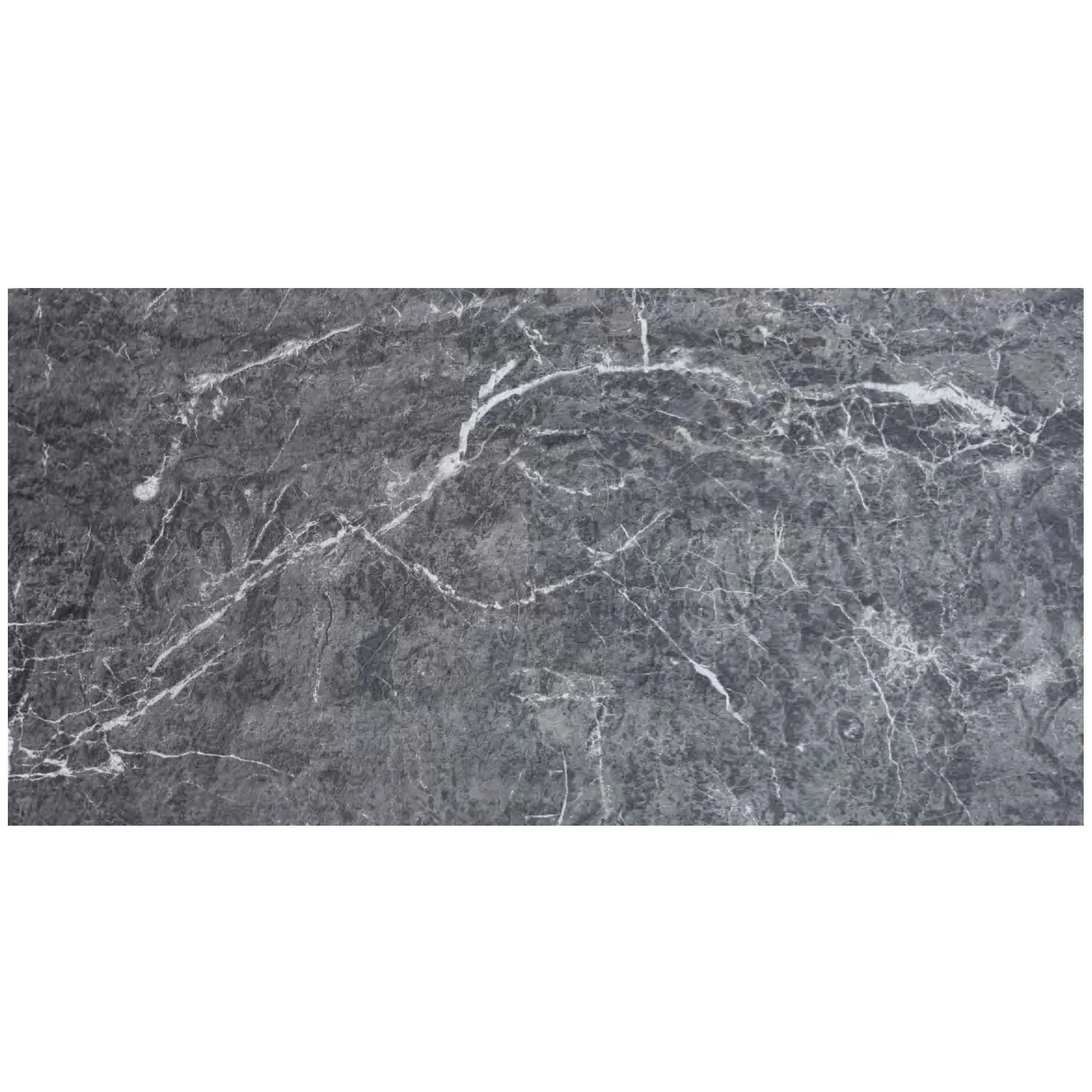
Blending the timeless elegance of natural stone with cutting-edge sustainability, these panels are redefining how we build in the Kingdom.
Saudi Arabia's architectural landscape is a tapestry woven with threads of history and ambition. From the mud-brick fortresses of Diriyah that whisper tales of the past to the gleaming skyscrapers of Riyadh and Jeddah that pierce the desert sky, the Kingdom's built environment has always mirrored its evolution. Today, as Saudi Arabia strides toward its Vision 2030 goals—prioritizing sustainability, cultural preservation, and innovation—architects and developers face a unique challenge: how to honor the country's rich heritage while embracing materials that meet the demands of a modern, eco-conscious world.
Enter Granite Nero Margiua-inspired MCM panels. More than just a building material, they are a bridge between the timeless allure of natural stone and the forward-thinking needs of sustainable construction. In a region where the desert sun tests durability and environmental responsibility is no longer optional, these panels offer a solution that feels both rooted in tradition and ready for the future.
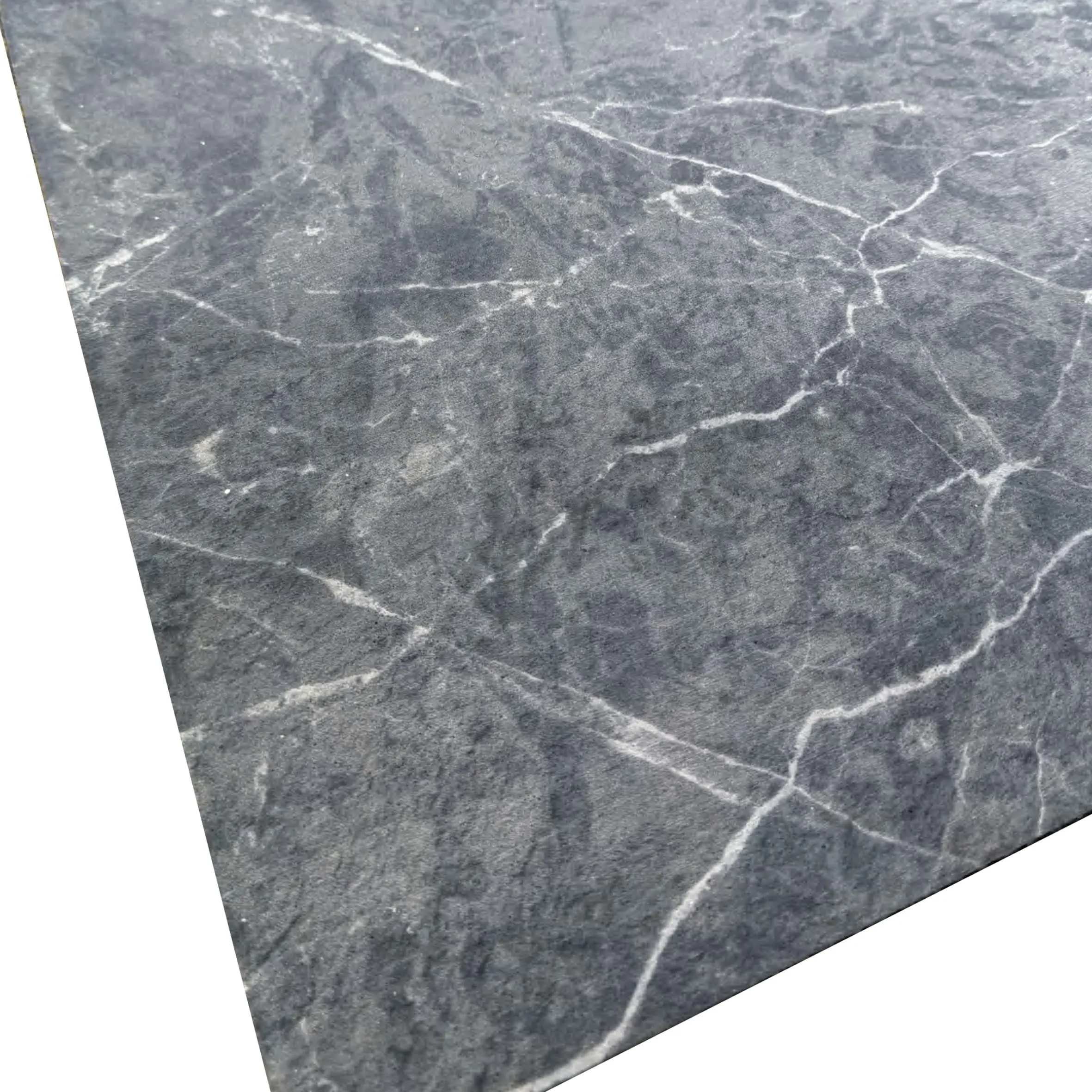
To understand the magic of these MCM panels, we must first pay homage to their inspiration: Granite Nero Margiua. This natural stone, quarried from the earth's depths, is a masterpiece of nature's artistry. Its base is a deep, velvety black—reminiscent of a moonless desert night—flecked with tiny silver and gold mineral deposits that catch the light like scattered starlight. Run your hand over its surface, and you'll feel the subtle texture of centuries of geological formation: smooth yet slightly gritty, cool to the touch, as if holding a piece of the planet's history.
For decades, Granite Nero Margiua has been a symbol of luxury and endurance in architecture. It has clad palaces, adorned luxury hotels, and added gravitas to cultural institutions. But like many natural stones, it comes with trade-offs: its weight makes transportation and installation energy-intensive, and quarrying it can leave a significant environmental footprint. For a Kingdom aiming to reduce carbon emissions and build more efficiently, these challenges have sparked a search for alternatives that capture Nero Margiua's essence without its limitations.
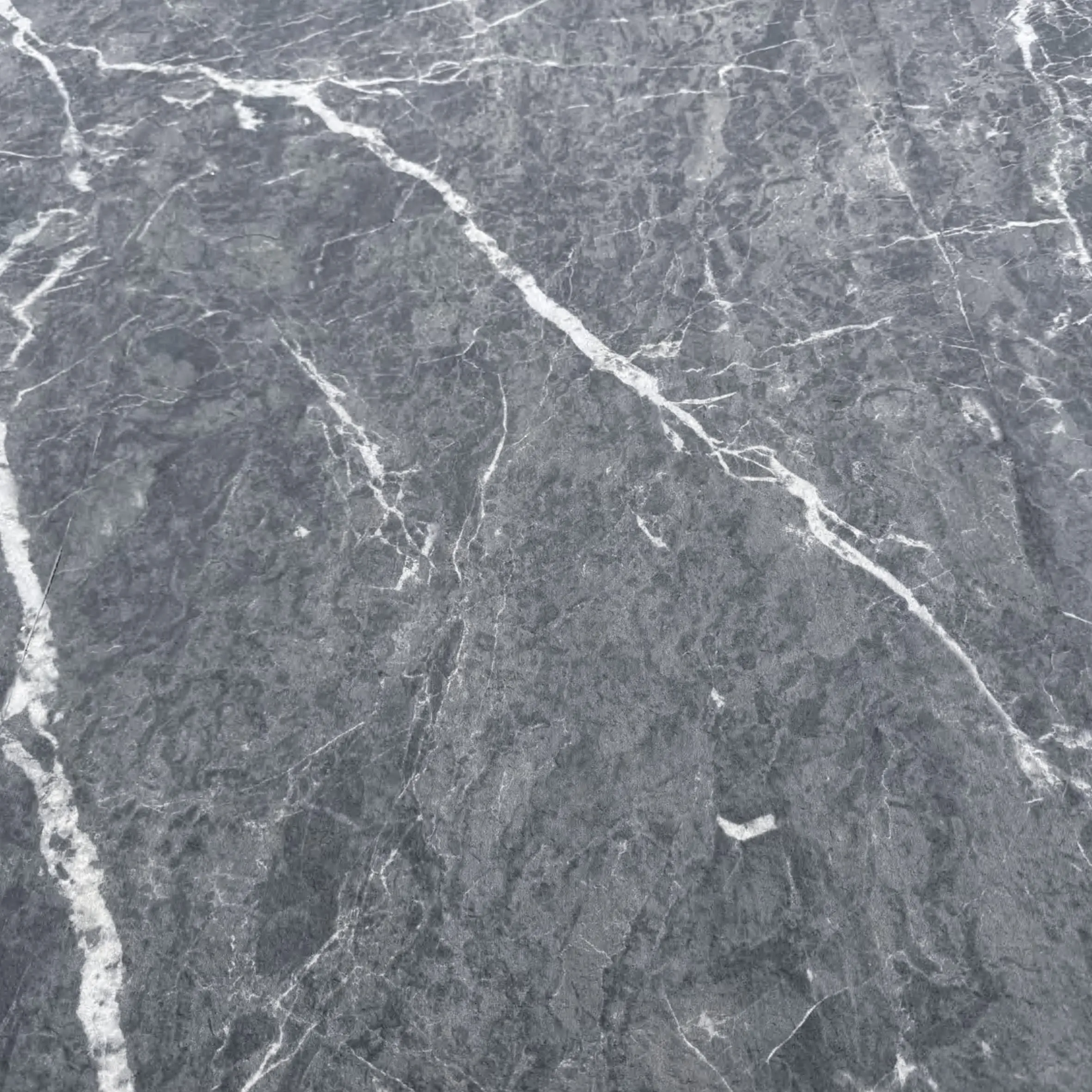
Modified Composite Material (MCM) panels are the answer to that search. Crafted from a blend of natural minerals, polymers, and reinforcing fibers, MCM is engineered to mimic the look and feel of natural stone—without the heaviness, brittleness, or environmental cost. Think of it as nature's beauty, reimagined through human ingenuity. And when it comes to capturing the depth of Granite Nero Margiua, MCM doesn't just imitate—it elevates.
At the heart of MCM's sustainability story is its lightweight nature. Traditional natural stone slabs can weigh upwards of 50 kg per square meter; MCM panels, by contrast, tip the scales at just 4–6 kg per square meter. This drastic reduction in weight translates to lower transportation emissions, simpler installation (requiring less labor and equipment), and reduced stress on building structures—meaning fewer materials are needed for foundations and support systems. For a country as vast as Saudi Arabia, where materials often travel hundreds of kilometers from port to construction site, this lightness is a game-changer for carbon footprints.
But sustainability isn't just about weight. MCM panels are also durable —resistant to the harsh Saudi sun, extreme temperature fluctuations, and even the occasional sandstorm. Unlike natural stone, which can crack or fade over time, MCM maintains its color and texture for decades, reducing the need for frequent replacements. And when the time does come for renovation, many MCM panels are recyclable, closing the loop on their lifecycle. It's a material that doesn't just last—it respects the planet, too.
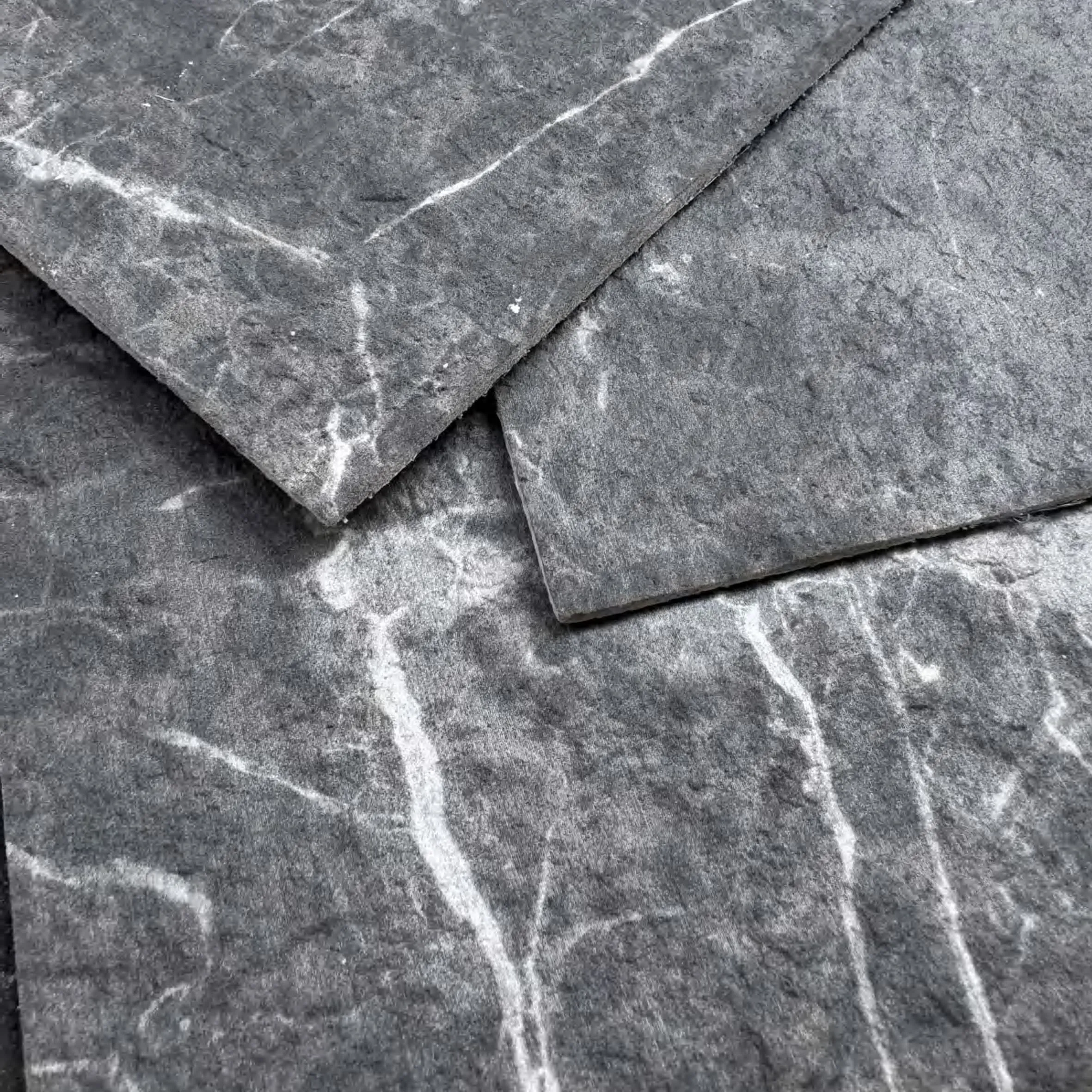
What makes these panels stand out in Saudi Arabia's competitive construction market? It's the perfect storm of aesthetics, functionality, and sustainability. Let's break it down:
Flexibility that Defies Limits: MCM panels are inherently flexible, thanks to their composite structure. This means they can be curved, bent, or shaped to fit the most ambitious architectural designs—whether it's the sweeping arch of a mosque's entrance or the geometric patterns of a modern art gallery. Unlike rigid natural stone, which demands straight lines and uniform surfaces, MCM lets architects dream bigger. Imagine a cultural center in Riyadh with a facade that undulates like desert dunes, each curve clad in the deep black of Nero Margiua, catching the light as the sun sets. That's the flexibility of MCM at work.
Aesthetic Versatility: While these panels draw inspiration from Granite Nero Margiua, they don't stop there. MCM technology allows for a range of finishes and complementary designs, making them easy to pair with other sustainable materials. For example, combine Nero Margiua panels with fair-faced concrete for a raw, industrial-chic look in a commercial plaza, or contrast them with the warm golds of the Lunar Peak golden series for a facade that shimmers like the desert at dawn. The possibilities are as endless as Saudi Arabia's architectural vision.
Low Maintenance, High Impact: In a region where dust and sand are constant companions, low-maintenance materials are a must. Granite Nero Margiua-inspired MCM panels are easy to clean—often requiring nothing more than a quick rinse with water—and their non-porous surface resists staining. This means less time and money spent on upkeep, and more time enjoying the beauty of the design. For busy facility managers and homeowners alike, this is a practical benefit that can't be overstated.
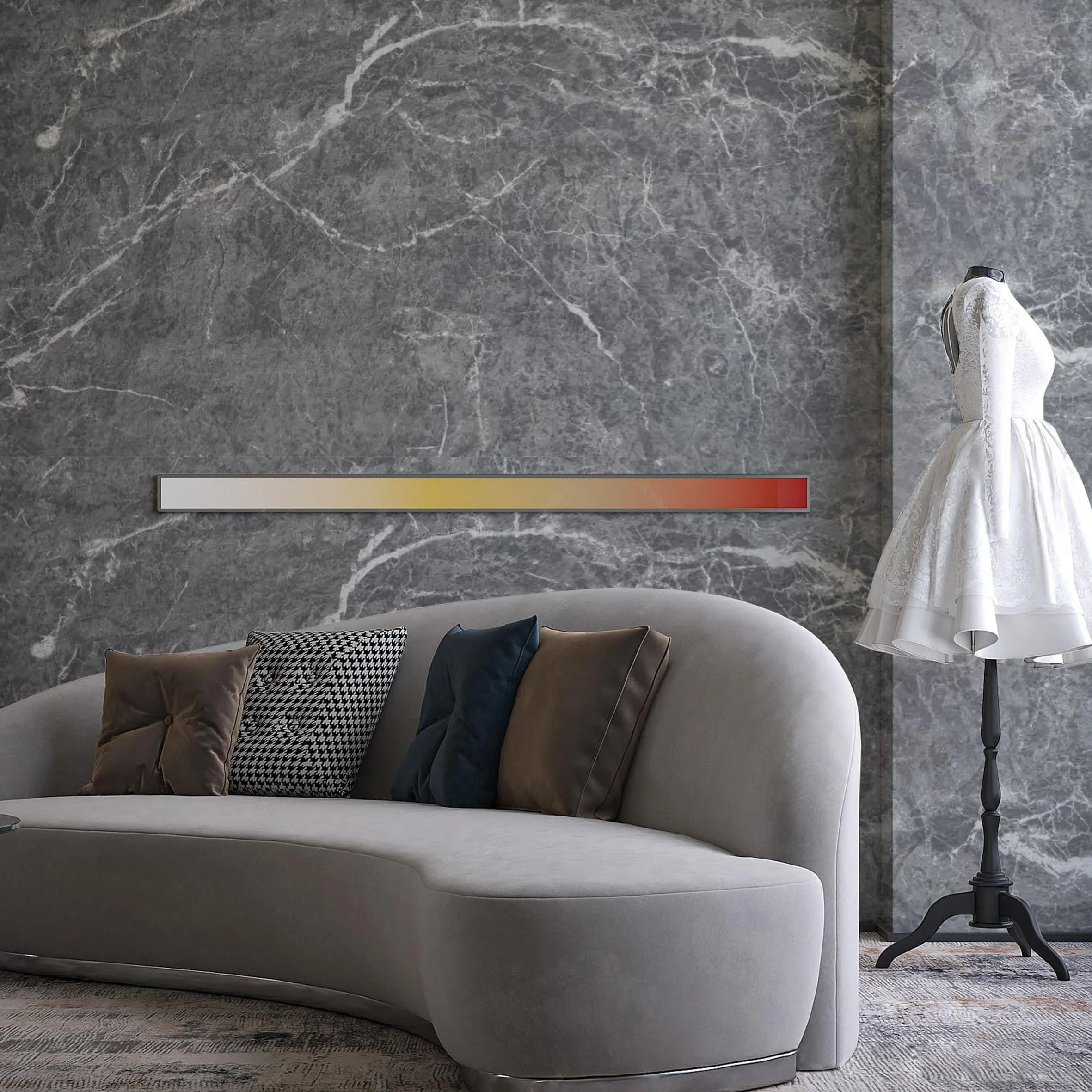
From commercial towers to cultural landmarks, these panels are finding their place in Saudi Arabia's most exciting developments. Let's paint a picture of how they might transform the built environment:
Cultural Centers and Museums: Imagine a new museum in Al-Ula, dedicated to preserving Nabataean heritage. Its exterior, clad in Granite Nero Margiua MCM panels, would echo the dark, weathered stone of the ancient tombs in Madain Saleh, while its lightweight construction would minimize disruption to the fragile desert ecosystem. Inside, walls lined with the same panels could display artifacts under soft lighting, the stone-like texture adding depth to the storytelling.
Commercial Districts: In Jeddah's waterfront development, a luxury hotel might use Nero Margiua panels alongside foamed aluminium alloy board (vintage gold) to create a facade that shifts from deep black to warm gold as the sun moves across the sky. The lightweight panels would reduce the building's overall load, allowing for larger windows and better views of the Red Sea—all while cutting down on energy use during construction.
Residential Communities: For a high-end residential complex in Riyadh, these panels could add a touch of elegance to private villas. Picture a courtyard wall clad in Nero Margiua MCM, where families gather in the evening, the stone-like surface radiating the day's heat slowly, keeping the space cool. The panels' durability would ensure that even with daily use, the courtyard remains as beautiful as the day it was built.
To truly grasp the value of Granite Nero Margiua-inspired MCM panels, let's compare them to traditional building materials commonly used in Saudi Arabia:
| Material | Weight (kg/m²) | Installation Time | Carbon Footprint (per m²) | Expected Lifespan | Maintenance Needs |
|---|---|---|---|---|---|
| Natural Granite Nero Margiua | 45–55 | 3–4 days (per 100 m²) | High (quarrying + heavy transport) | 30–40 years | Regular sealing; prone to cracking |
| Granite Nero Margiua MCM Panels | 4–6 | 1–2 days (per 100 m²) | Low (light transport + efficient production) | 50+ years | Minimal; occasional rinsing |
| Traditional Ceramic Tiles | 15–20 | 2–3 days (per 100 m²) | Medium (firing process energy-intensive) | 15–20 years | Grout sealing; prone to chipping |
| Fair-Faced Concrete | 20–25 | 4–5 days (per 100 m²) | High (cement production emits CO₂) | 40–50 years | Sealing every 5–7 years; stains easily |
The numbers speak for themselves: MCM panels outperform traditional materials in nearly every category, from installation speed to long-term sustainability. For Saudi developers aiming to deliver projects on time, under budget, and in line with Vision 2030's green goals, this comparison is impossible to ignore.
Granite Nero Margiua-inspired MCM panels are more than a trend—they're a glimpse into the future of Saudi architecture. As the Kingdom continues to invest in mega-projects like NEOM, the Red Sea Project, and Qiddiya, the demand for materials that balance beauty, durability, and sustainability will only grow. These panels, with their nod to natural stone and commitment to eco-innovation, are poised to play a starring role in that future.
Imagine a Saudi skyline where every new building tells a story: of respect for the past, of care for the planet, and of pride in innovation. A skyline where the deep blacks of Nero Margiua MCM panels stand alongside the warm golds of Lunar Peak series, the earthy tones of rammed earth board , and the sleek lines of fair-faced concrete—all working together to create spaces that feel both familiar and extraordinary.
At the end of the day, architecture is about more than walls and roofs. It's about creating environments that inspire, connect, and endure. Granite Nero Margiua-inspired MCM panels do just that. They are a material that doesn't just build structures—they build a legacy: one where Saudi Arabia leads the way in sustainable, beautiful, and culturally resonant design.
Recommend Products












