
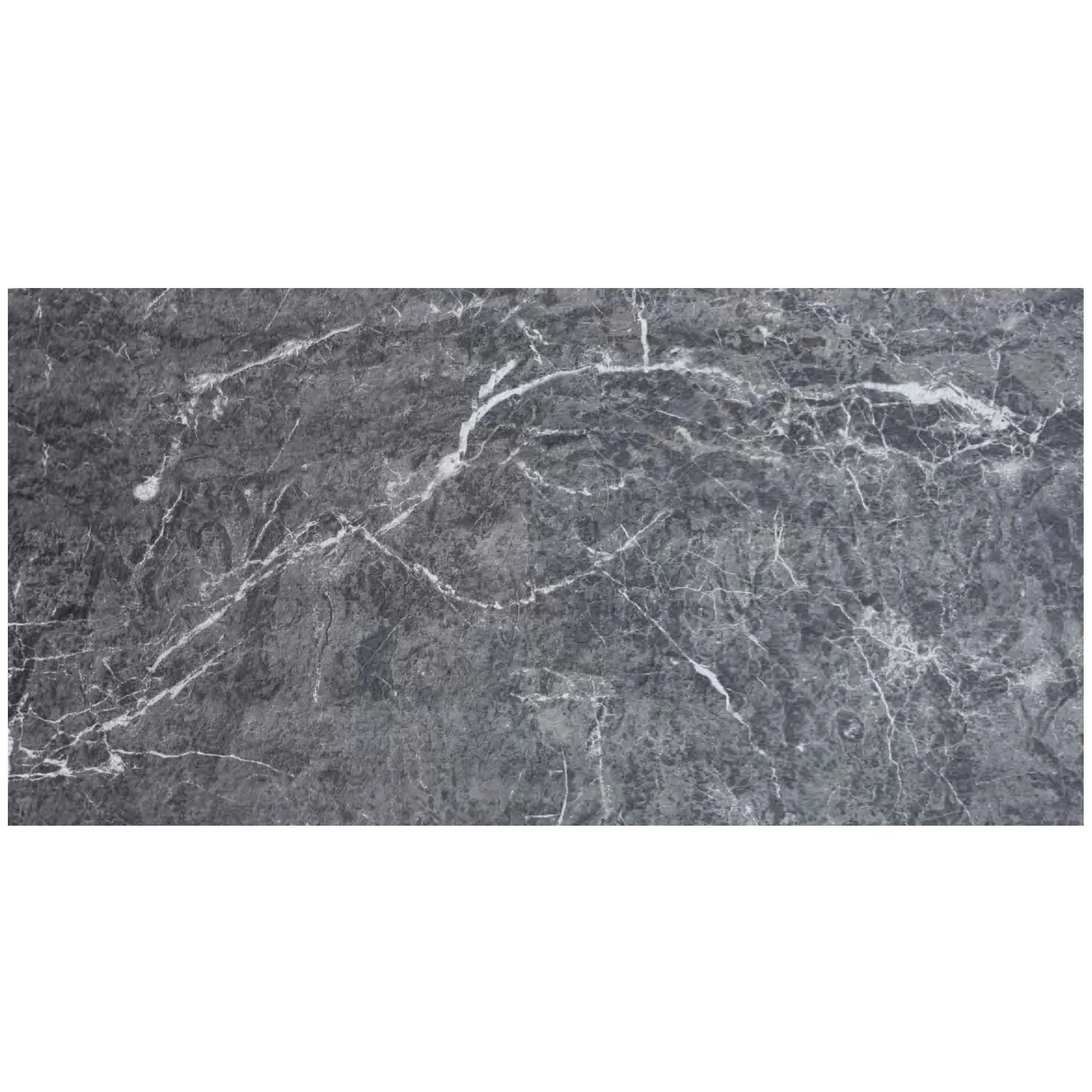
Walk into any high-end hotel lobby, luxury retail store, or upscale residential project, and there's a good chance you'll encounter it: Granite Nero Margiua. With its deep, inky black base swirled with subtle gray veining, this natural stone exudes sophistication. It's the kind of material that makes a statement—quietly luxurious, timeless, and undeniably premium. Architects and designers love it for its ability to elevate spaces, whether used as flooring, wall cladding, or even countertops. Homeowners crave it for the "wow factor" it brings to kitchens and bathrooms. Commercial developers specify it to signal quality and exclusivity. But here's the catch: as stunning as Granite Nero Margiua is, installing it can feel like navigating a minefield of logistical headaches, hidden costs, and frustrating delays. That's where MCM panels step in—and they're changing the game for good.
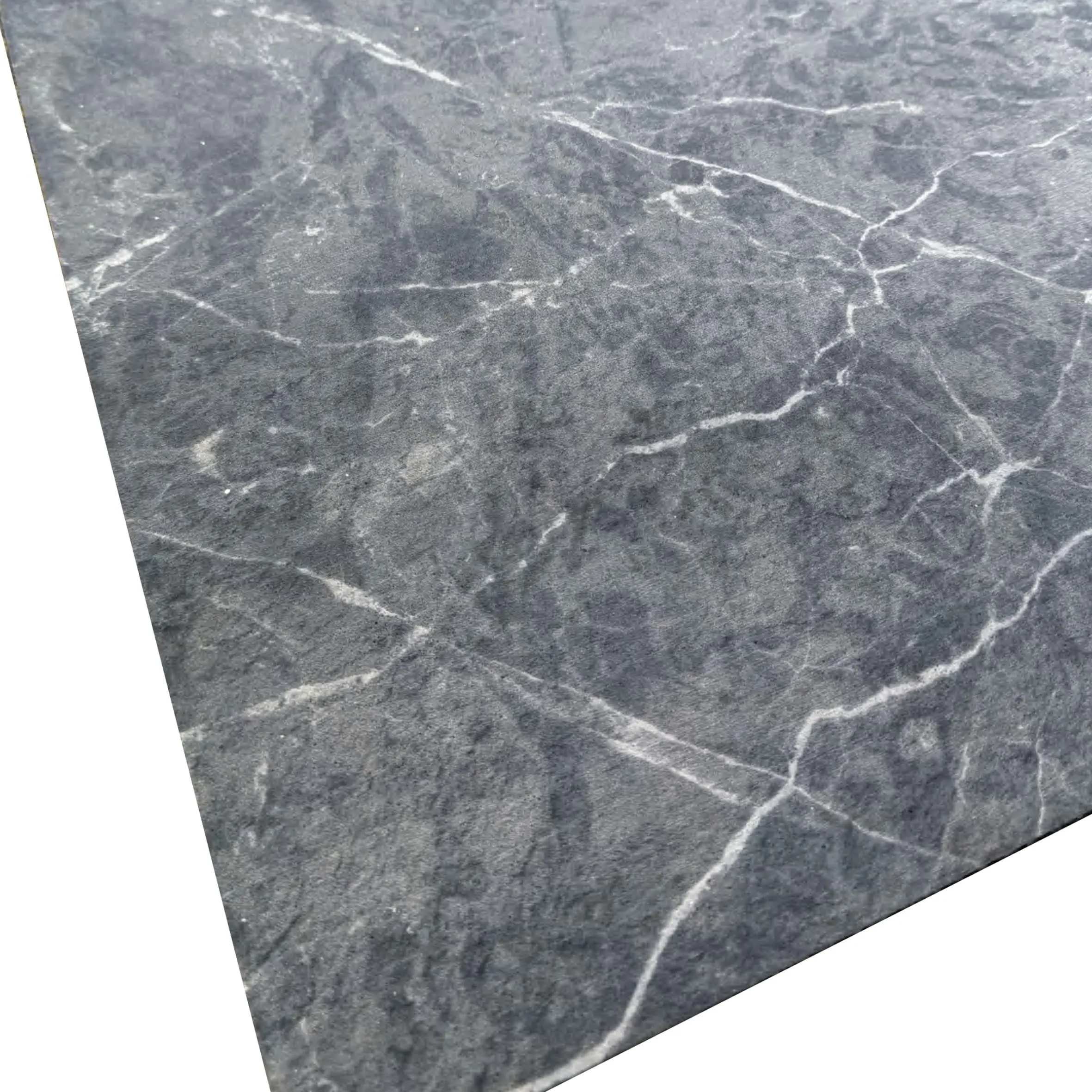
Let's start with the obvious: natural stone is heavy. Really heavy. A single slab of Granite Nero Margiua can weigh upwards of 20–30 kilograms per square meter. Now, imagine hauling that up to the 15th floor of a high-rise for an exterior cladding project, or maneuvering it through narrow doorways in a historic building renovation. The logistics alone are enough to make contractors break out in a sweat. Structural engineers often have to reinforce walls or floors just to support the weight, adding weeks (and thousands of dollars) to project timelines. And if a slab slips during transport or installation? Not only does it risk damaging the material itself, but it also puts workers in danger. Heavy lifting accidents are all too common in stone installation, and Granite Nero Margiua's weight only amplifies that risk.
Then there's fragility. For all its toughness, natural granite is surprisingly brittle, especially when cut into thin slabs or handled roughly. A slight bump during transit, an uneven surface during placement, or even a sudden temperature change can cause cracks, chips, or hairline fractures. And once a slab is damaged? It's often irreparable. Contractors regularly factor in a 10–15% waste rate for natural stone projects, which might not sound like much until you realize that a single Granite Nero Margiua slab can cost hundreds of dollars. Those "oops" moments add up fast, turning a carefully budgeted project into a financial stressor. Worse, if a batch of slabs arrives with hidden defects—like internal fractures or inconsistent veining—you might have to wait weeks for replacements, throwing your timeline off track.
Labor is another pain point. Installing traditional Granite Nero Margiua isn't a job for amateurs. It requires skilled masons who know how to cut, shape, and seal the stone precisely. These experts are in high demand, and their rates reflect that—often $80–$120 per hour. On top of that, the process itself is slow. Each slab needs to be measured, cut on-site (which creates a mountain of dust and debris), leveled, and sealed with specialized products to prevent staining. A small bathroom backsplash might take a day; a large commercial lobby could take weeks. And because the work is so labor-intensive, any delays—like waiting for custom cuts or dealing with unexpected structural issues—ripple through the entire project schedule, increasing labor costs even more.
Customization is also limited. Natural stone is a product of nature, which means no two slabs are identical. While that uniqueness is part of its charm, it becomes a problem when you need a seamless, uniform look across a large area—say, a 50-foot exterior wall or a hotel corridor. Matching veining patterns, color intensity, or slab thickness can feel like hunting for a needle in a haystack. And if you want something beyond the standard rectangular slab—like curved edges, circular accents, or intricate shapes? You're looking at custom fabrication, which adds even more time and expense. Traditional granite just isn't designed for flexibility, leaving designers stuck between their creative vision and the practical limits of the material.
Finally, long-term maintenance can't be ignored. Granite Nero Margiua is porous, which means it absorbs liquids, oils, and stains unless regularly sealed. Think about a restaurant kitchen with spills, a bathroom with moisture, or an exterior wall exposed to rain and pollution. Without quarterly sealing (or more, in high-traffic areas), the stone can develop unsightly discoloration, mold, or mildew. Even with sealing, scratches from heavy furniture or acidic cleaners can dull the surface over time. For busy property managers or homeowners, that ongoing upkeep is a hassle—and another recurring cost they didn't anticipate when choosing the stone for its "low-maintenance" reputation.
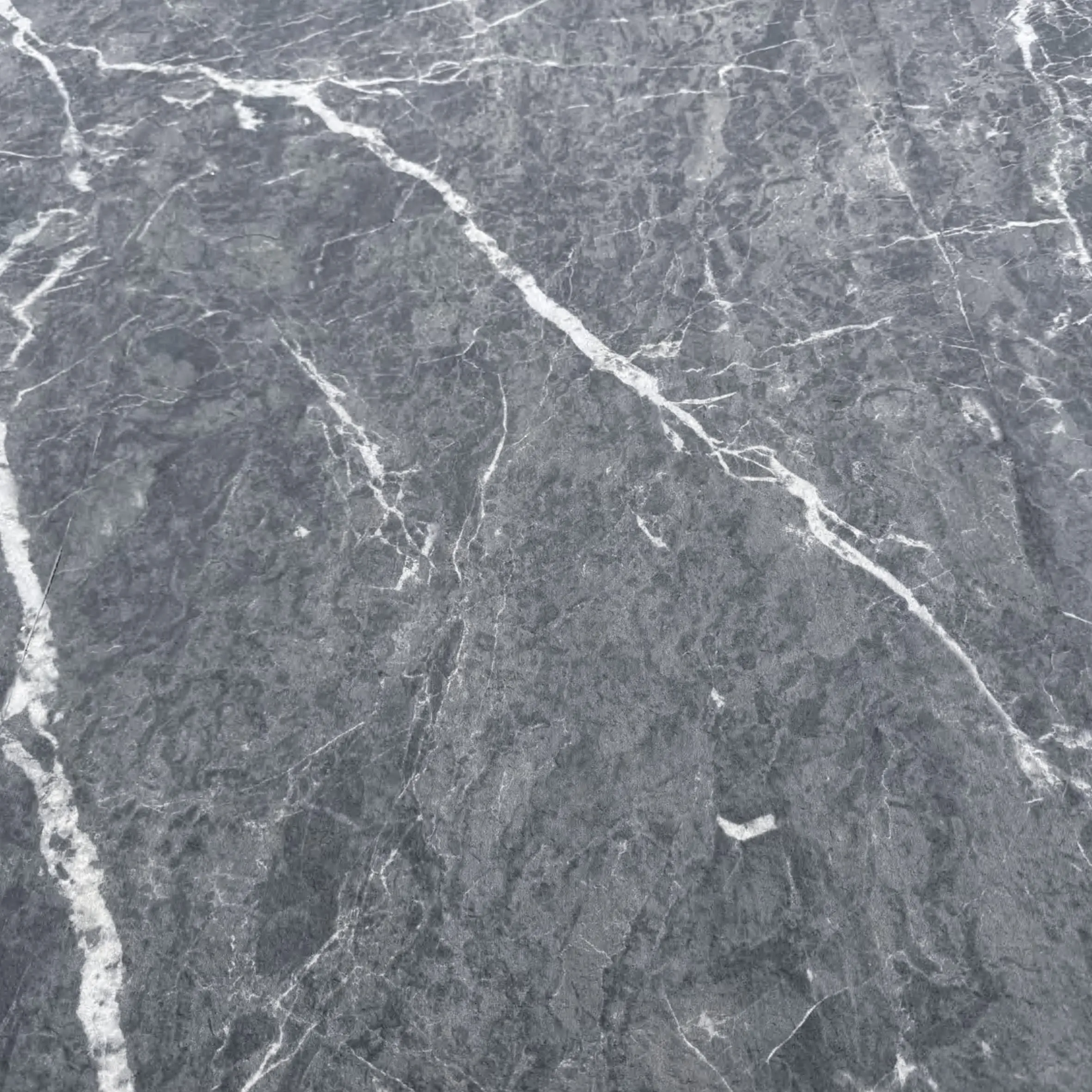
Enter MCM panels—or Modified Composite Material panels—a technology that's been quietly revolutionizing the building materials industry. At their core, MCM panels are engineered to mimic the look and feel of natural stone (or wood, metal, and other materials) but with a fraction of the hassle. They're made by bonding a thin layer of real stone veneer (in this case, Granite Nero Margiua-inspired texture) to a lightweight, flexible composite backing. The result? A material that looks indistinguishable from the real thing but behaves nothing like it. And when it comes to solving Granite Nero Margiua's installation woes, two types of MCM products stand out: MCM flexible stone and MCM big slab board series. Let's break down why they're such a game-changer.
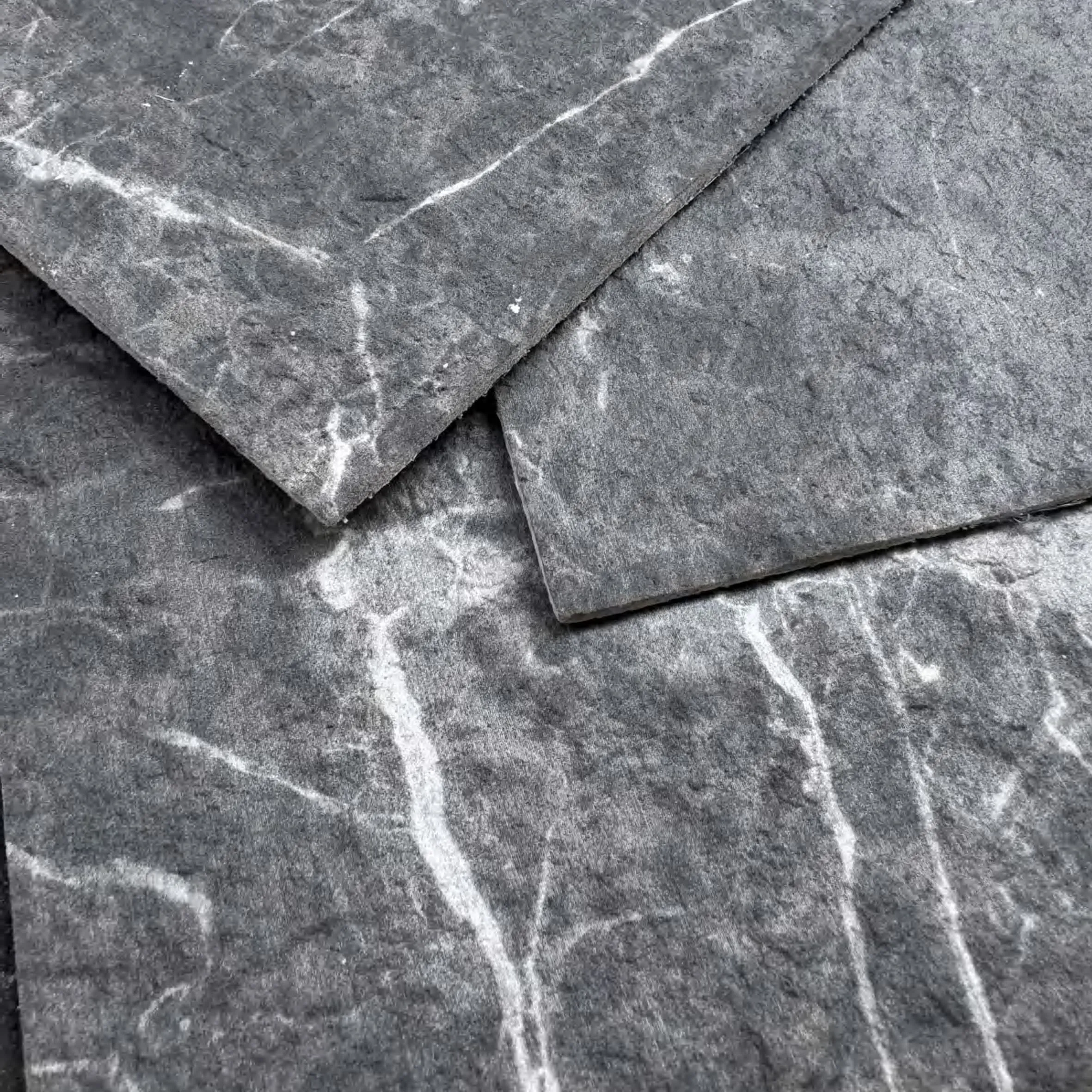
The first thing contractors notice about MCM flexible stone is how light it is. While traditional Granite Nero Margiua clocks in at 20–30 kg per square meter, MCM panels weigh just 3–5 kg per square meter. That's a 70–80% reduction in weight. Suddenly, hauling panels up to the 15th floor isn't a Herculean task—it can be done with a couple of workers and a basic lift. No need for reinforced steel beams or structural engineers to approve load-bearing capacities. Even older buildings, which might crumble under the weight of natural stone, can now sport the Granite Nero Margiua look without risking structural damage. And because they're so light, there's less risk of accidents during installation. Workers don't need heavy lifting gear, and the panels are easy to maneuver into tight spaces—like around corners or through narrow doorways. It's a win for safety, efficiency, and project budgets.
MCM panels are tough. Like, "drop them off a truck and they might still work" tough. The composite backing gives them flexibility, so they can bend slightly without cracking—something traditional granite could never do. That means less waste during transit and installation. Instead of writing off 10–15% of your material as scrap, MCM projects typically see waste rates below 5%. And because the panels are prefabricated in controlled factory conditions, there are no hidden defects. Each panel is inspected for quality before it leaves the facility, so you know exactly what you're getting. No more waiting for replacement slabs or dealing with "surprise" cracks after installation. For contractors, that predictability is priceless—it keeps timelines on track and budgets intact.
Prefabricated MCM panel systems are designed for speed. Unlike traditional granite, which requires on-site cutting, grinding, and sealing, MCM panels arrive ready to install. They come in standard sizes (or custom sizes, if you opt for the MCM big slab board series) with pre-applied adhesive backing or mechanical fastening systems. A team of two contractors can install up to 50 square meters of MCM panels in a day—compared to just 10–15 square meters with traditional granite. That's a 300–400% increase in efficiency. For commercial projects with tight deadlines, that speed translates to lower labor costs and faster project completion. Imagine finishing a hotel lobby's wall cladding in a week instead of a month—your client saves on labor, and you free up your team to take on more work. It's a win-win.
MCM big slab board series takes customization to a whole new level. These panels come in large formats—up to 1200x2400mm—so you can create seamless, uninterrupted surfaces that look like a single slab of Granite Nero Margiua. No more ugly grout lines or mismatched veining. And if you need curves, arches, or unique shapes? MCM flexible stone can handle that too. Its bendable backing allows it to conform to rounded walls, circular columns, or even 3D sculptural elements. Want to add a geometric accent wall with mixed sizes? No problem. The panels can be cut on-site with standard tools (no specialized equipment needed) to fit any design. Designers finally have the freedom to bring their boldest ideas to life without being limited by the rigidity of natural stone.
MCM panels are built for the long haul. Unlike porous natural granite, their composite backing is non-porous, which means they resist stains, mold, and mildew. Spills wipe right off with a damp cloth—no need for harsh chemicals or expensive sealants. And because the stone veneer is bonded to the backing under high pressure, it won't chip, peel, or fade over time. Even in extreme weather—think scorching sun, heavy rain, or freezing temperatures—MCM panels hold up. Exterior installations stay vibrant for decades, and interior surfaces maintain their luster with minimal effort. For property managers, that means lower maintenance costs and happier tenants. For homeowners, it means enjoying the luxury of Granite Nero Margiua without the quarterly sealing chores.
| Factor | Traditional Granite Nero Margiua | MCM Flexible Stone (Big Slab Series) |
|---|---|---|
| Weight per sq m | 20–30 kg | 3–5 kg |
| Installation Time (per sq m) | 2–3 hours (skilled labor) | 20–30 minutes (general labor) |
| Waste Rate | 10–15% | 3–5% |
| Durability | Prone to cracks/chips; brittle | Flexible; impact-resistant; weatherproof |
| Maintenance Needs | Quarterly sealing; stain-prone | No sealing required; easy to clean with water |
| Cost (Material + Labor) | $150–$250 per sq m | $80–$120 per sq m |
| Customization Options | Limited (fixed sizes; hard to curve) | Extensive (big slabs, curves, custom cuts) |
MCM panels aren't just a theoretical improvement—they're already transforming real projects. Take, for example, a recent luxury hotel renovation in Dubai. The design called for a 200-square-meter Granite Nero Margiua feature wall in the lobby, but the building's original structure couldn't support the weight of traditional stone. The contractor suggested MCM big slab board series, and the result was stunning: a seamless, high-gloss black wall with subtle veining that guests swear is real granite. Installation took just 3 days instead of the projected 3 weeks, and the hotel saved over $40,000 in labor and structural reinforcement costs. "We were skeptical at first," admits the project architect, "but once the panels went up, you couldn't tell the difference. And the fact that we didn't have to shut down the lobby for a month? That was a game-changer for guest experience."
Residential projects are benefiting too. A homeowner in Los Angeles wanted to clad their backyard patio with Granite Nero Margiua to match their indoor flooring, but worried about the weight on their wooden deck. MCM flexible stone solved the problem: lightweight enough for the deck to support, durable enough to withstand California's harsh sun and rain, and easy to install over a weekend with the help of a friend. "I love that it looks exactly like the stone in my kitchen, but I don't have to worry about it cracking when we move the grill or kids play on it," the homeowner says. "And cleaning it? Just a hose and a brush—no fancy sealers. Worth every penny."
Even historic renovations are embracing MCM panels. A 1920s office building in Chicago needed exterior updates to meet modern energy codes, but the city's historic preservation board required the facade to retain its original granite appearance. Traditional stone would have required reinforcing the building's aging structure, a costly and time-consuming process. Instead, the contractor used MCM panels with a Granite Nero Margiua finish. The lightweight panels were installed over insulation, improving energy efficiency while preserving the building's historic look. "The board couldn't believe it wasn't real stone," the contractor recalls. "We saved the client $200,000 and finished two months early. MCM panels made the impossible possible."
As the construction industry evolves, the demand for materials that balance beauty, durability, and practicality is only growing. MCM panels check all those boxes—and then some. They're sustainable, too: by using less raw stone and reducing waste, they have a smaller environmental footprint than traditional stone mining and fabrication. And as technology improves, we're seeing even more innovations, like 3D-printed MCM textures and panels with integrated insulation or fire resistance. For architects, contractors, and homeowners, MCM panels represent a shift away from "good enough" natural materials and toward "perfect for the job" engineered solutions.
Granite Nero Margiua will always hold a special place in design for its natural beauty, but there's no denying that MCM panels have redefined what's possible. They let us enjoy the luxury of stone without the stress of installation, the cost of waste, or the hassle of maintenance. Whether you're building a skyscraper, renovating a home, or restoring a historic landmark, MCM flexible stone and MCM big slab board series offer a smarter, faster, and more affordable way to bring your vision to life. The future of building materials isn't just about looking good—it's about working better. And MCM panels are leading the charge.
Recommend Products












