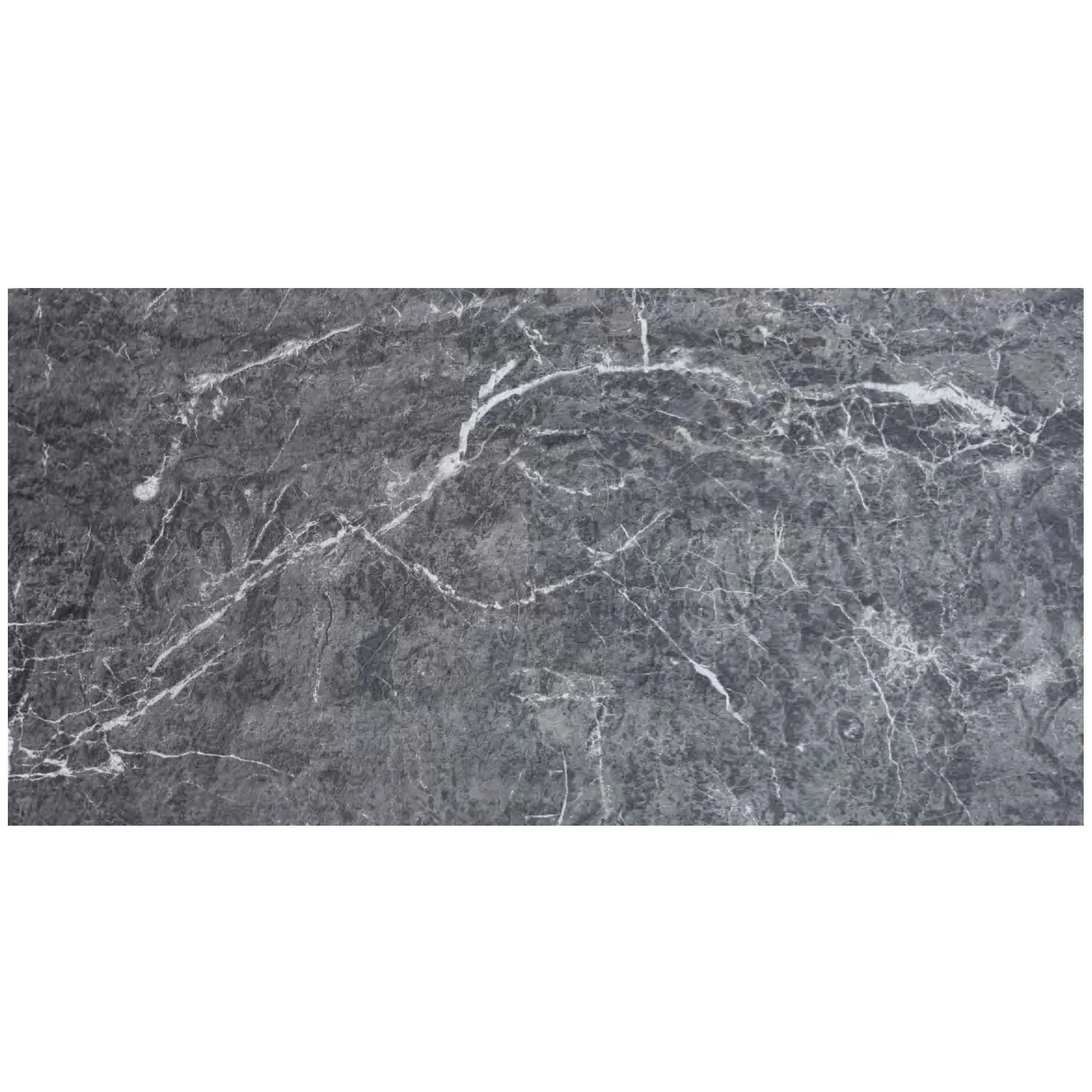
In the world of high-rise architecture, where every inch of design matters and functionality can't be compromised, the choice of facade materials speaks volumes. It's not just about looking good—though that's a big part of it. It's about standing tall against the elements, keeping occupants safe, and making a statement that lasts for decades. Enter Granite Nero Margiua MCM Big Slab Boards: a material that's redefining what modern high-rises can achieve, blending striking aesthetics with unmatched practicality. Let's dive into why this innovative cladding solution is quickly becoming the go-to choice for architects and developers alike.
The Evolution of High-Rise Facades: More Than Just a Pretty Face
High-rise buildings have come a long way from the boxy concrete structures of the mid-20th century. Today, they're symbols of innovation, with sleek lines, dynamic shapes, and facades that tell stories. But with great height comes great responsibility. A 50-story commercial tower isn't just a building—it's a vertical city, home to offices, retail spaces, and sometimes even residences. Its exterior needs to withstand gale-force winds, driving rain, extreme temperatures, and the test of time. And in an era where sustainability is no longer optional, it also needs to be kind to the planet.
For years, architects leaned on traditional materials like natural stone, brick, or
fair-faced concrete. While these have their merits—natural stone, for example, offers timeless beauty—they often come with trade-offs. Natural granite, beloved for its durability and rich texture, is heavy, making it challenging to install on tall buildings without adding excessive weight to the structure. Brick, while charming, can be labor-intensive to lay and prone to water damage over time.
Fair-faced concrete, though modern and industrial-chic, lacks the warmth and depth that many developers crave for commercial spaces aiming to attract tenants and customers.
This is where modified composite materials (MCM) stepped in, and specifically, the
MCM Big Slab Board Series. Designed to mimic the look and feel of natural materials while addressing their limitations, these boards have opened up new possibilities for high-rise design. And within this series,
Granite Nero Margiua stands out as a star player—a material that doesn't just meet the demands of modern architecture but exceeds them.
What Are MCM Big Slab Boards, Anyway?
Before we zoom in on
Granite Nero Margiua, let's take a quick detour to understand the bigger picture: the
MCM Big Slab Board Series. MCM, or modified composite material, is a blend of natural minerals and polymers, engineered to be lightweight, flexible, and incredibly durable. Unlike traditional cladding options, MCM boards are designed to be large—think slabs that can span several feet—reducing the number of seams and creating a more seamless, modern look.
The magic of MCM lies in its composition. By combining natural stone particles (like granite or marble) with a high-performance polymer core, manufacturers create a material that has the aesthetic appeal of natural stone but with added benefits: it's up to 80% lighter than natural stone, resistant to chipping and fading, and easy to install. The Big Slab Board Series takes this a step further by offering larger dimensions, making it ideal for covering expansive surfaces like high-rise facades without sacrificing structural integrity.
Fun fact:
A single MCM big slab can cover up to 15 square feet, compared to traditional stone tiles that might only cover 2-3 square feet. This means fewer joints, less installation time, and a cleaner, more cohesive appearance for your building's exterior.
Now, let's talk about the star of the show:
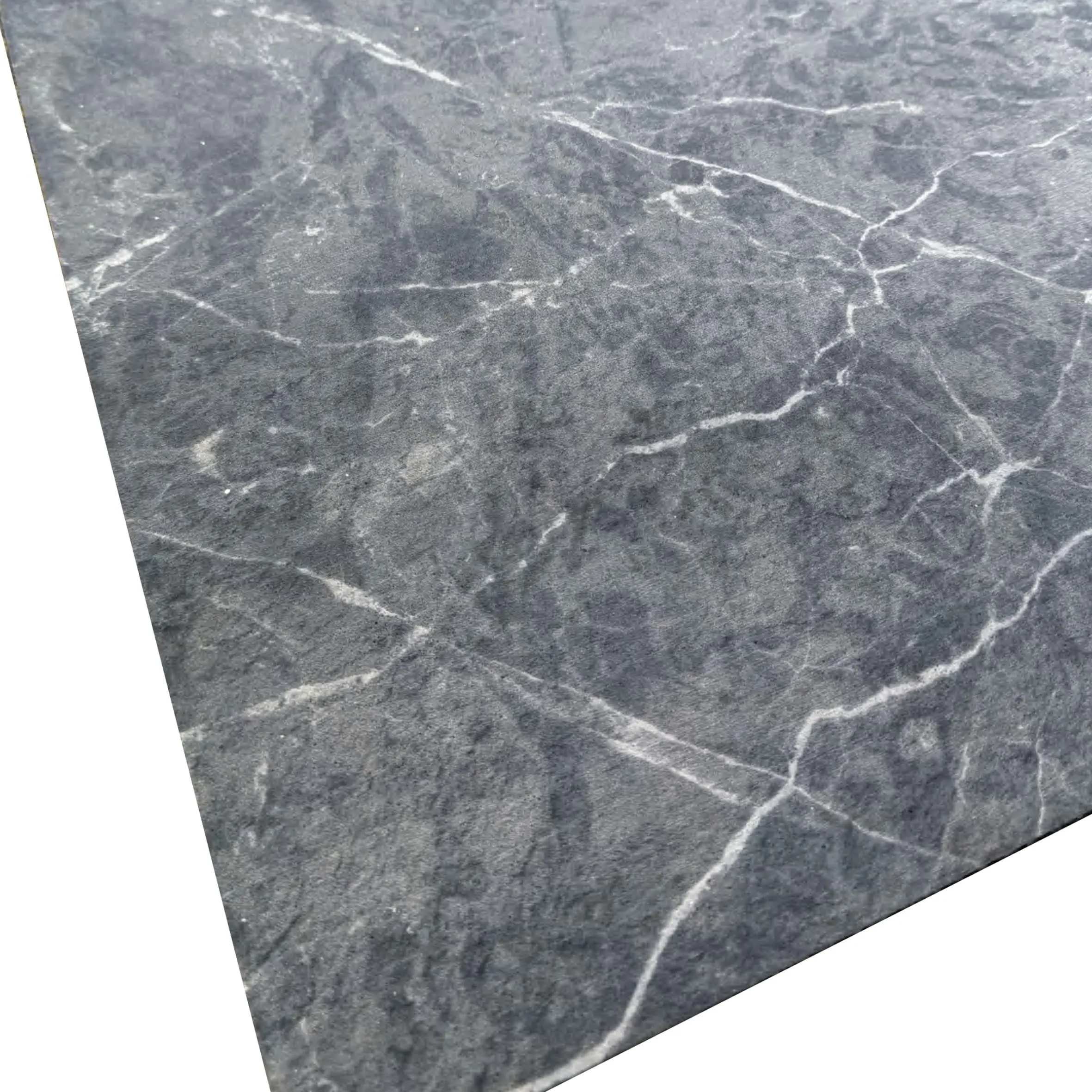
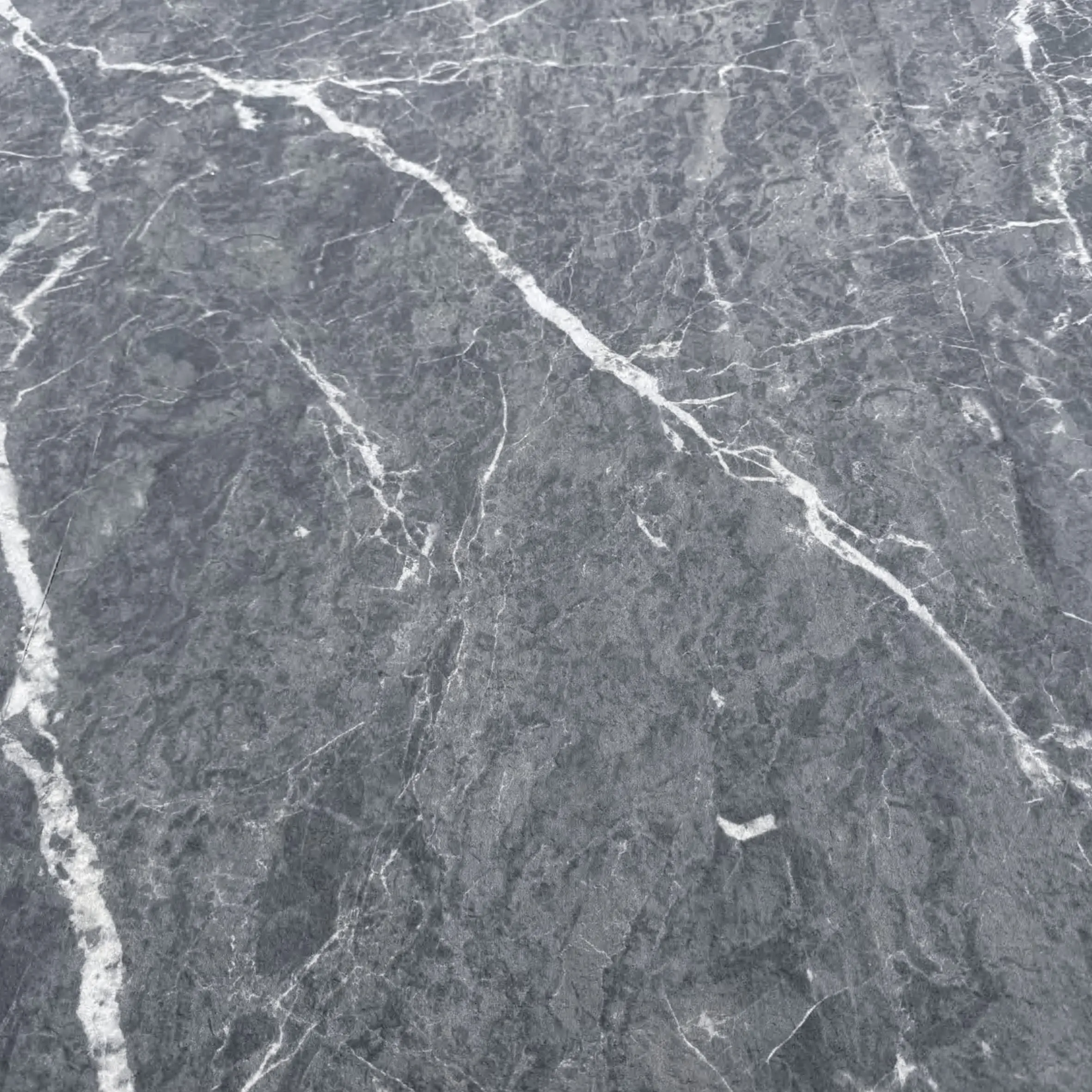
Granite Nero Margiua. Named for its deep, rich black color (Nero means "black" in Italian) and subtle, margiua-inspired veining (think delicate gray and silver streaks that mimic the natural patterns found in high-end granite), this material is a study in sophistication. It's bold without being overwhelming, modern without feeling cold, and versatile enough to complement a range of architectural styles—from minimalist glass towers to industrial-chic mixed-use developments.
What sets
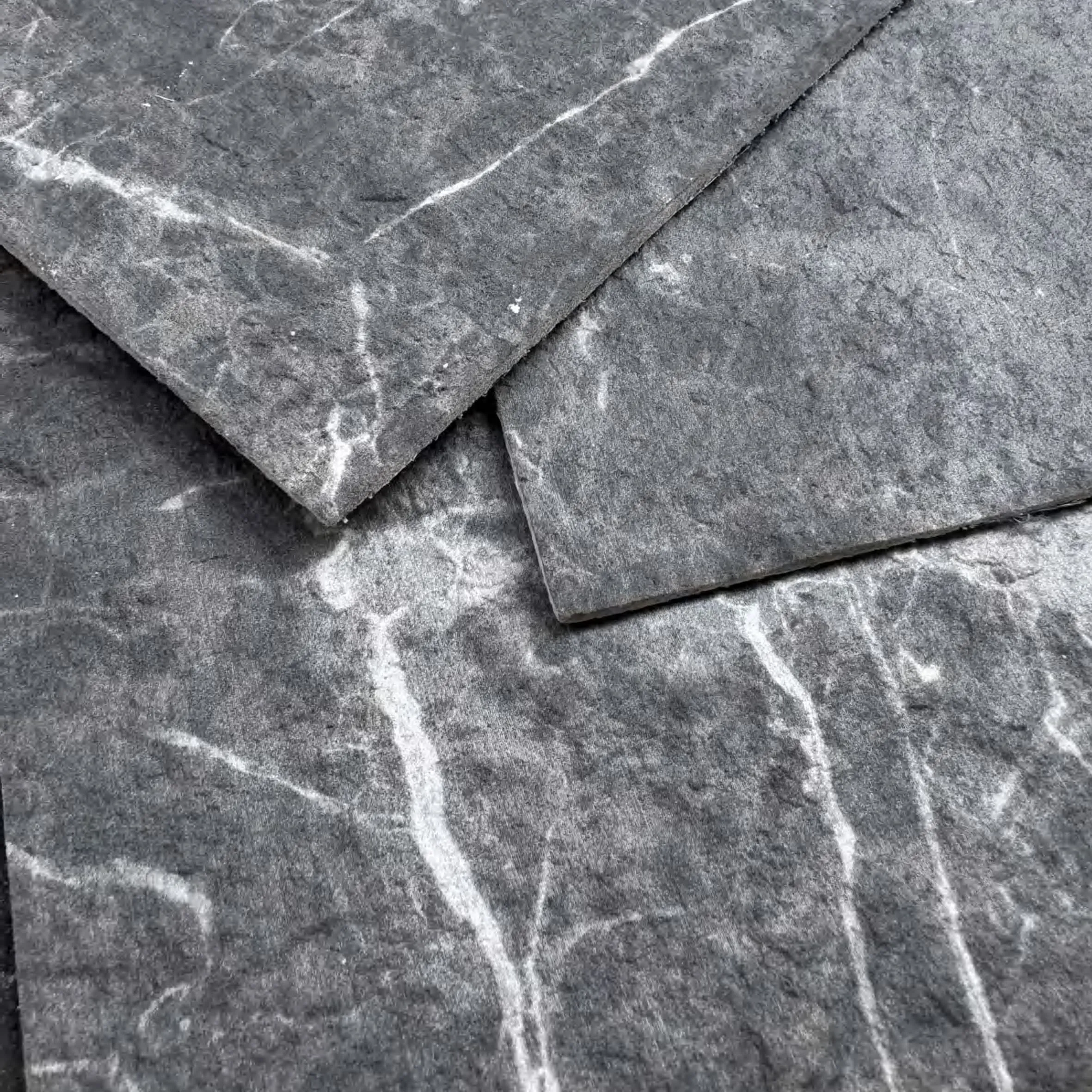
Granite Nero Margiua apart from other black cladding options? For starters, its texture. Unlike flat, uniform black panels, this material has depth. Run your hand over it (if you get the chance), and you'll feel the subtle grain, the slight variation in tone, the way light plays off its surface—just like natural granite, but with a consistency that natural stone can't always deliver. No two slabs are identical, but they're consistent enough to create a cohesive look across a building's facade.
And let's not forget the "MCM advantage." While natural black granite is dense and heavy,
Granite Nero Margiua MCM boards are lightweight, making them easier and safer to transport and install on high-rise buildings. This reduced weight also means less stress on the building's structure, allowing architects more freedom in design—no need to over-engineer the frame to support heavy stone cladding.
So, why is
Granite Nero Margiua particularly well-suited for high-rise commercial buildings? Let's break it down into three key areas: aesthetics, functionality, and sustainability.
Aesthetics: Making a Statement in the Skyline
In commercial real estate, first impressions matter. A building with a striking facade doesn't just attract attention—it attracts tenants, customers, and investors.
Granite Nero Margiua offers a level of sophistication that's hard to match. Its deep black base with silver-gray veining creates a timeless, luxurious look that works for everything from corporate headquarters to upscale shopping centers. Imagine a 40-story tower clad in
Granite Nero Margiua, its facade catching the light at dawn and dusk, shifting from a velvety black to a shimmering, almost metallic finish. It's the kind of building that people stop to take photos of, that becomes a landmark in the city.
And because MCM big slabs are large and seamless, the facade has a clean, unbroken appearance that traditional tile or stone can't replicate. There are no unsightly grout lines or mismatched seams—just a smooth, continuous surface that reads as modern and intentional. For commercial buildings aiming to project professionalism and innovation, this matters.
Functionality: Built to Last, Even at 50 Stories
Beauty is nothing without brains, and
Granite Nero Margiua has plenty of both. Let's start with weight. As mentioned earlier, MCM boards are significantly lighter than natural stone. A typical natural granite slab weighs around 15-20 pounds per square foot, while
Granite Nero Margiua MCM boards weigh in at just 3-5 pounds per square foot. On a high-rise with thousands of square feet of facade, that difference adds up—reducing the load on the building's structure and lowering the risk of stress-related damage over time.
Then there's durability. High-rise buildings are exposed to some of the harshest conditions on the planet: strong winds, heavy rain, UV radiation, and even pollution.
Granite Nero Margiua is engineered to stand up to all of these. Its polymer core makes it resistant to cracking and chipping, even in high winds, while its protective top layer repels water and prevents fading from sunlight. Unlike natural stone, which can absorb moisture and develop stains or mold, MCM boards are non-porous, making them easy to clean and maintain. A quick power wash once a year is usually all it takes to keep the facade looking brand new.
Thermal performance is another key factor. In commercial buildings, energy costs can be a significant expense.
Granite Nero Margiua, like other MCM boards, offers good thermal insulation, helping to keep buildings cool in summer and warm in winter. This not only reduces energy bills but also improves comfort for occupants—a win-win for developers and tenants alike.
Sustainability: Building for the Future
These days, no building material is complete without a sustainability story, and
Granite Nero Margiua delivers here, too. MCM boards are often made with recycled materials, including post-consumer polymers and natural stone waste, reducing the demand for virgin resources. Their lightweight nature also cuts down on transportation emissions—since they're lighter, fewer trucks are needed to transport them to the construction site.
Installation is another area where sustainability shines. Because MCM big slabs are large and lightweight, they require less labor and equipment to install compared to traditional stone. This not only speeds up construction time (which means lower labor costs) but also reduces the carbon footprint associated with the building process. And at the end of the building's life, MCM boards are recyclable, diverting waste from landfills.
Did you know?
Many green building certification programs, like LEED or BREEAM, reward the use of sustainable materials and energy-efficient designs. Choosing Granite Nero Margiua can help developers earn points toward these certifications, making their buildings more attractive to eco-conscious tenants and investors.
How Does Granite Nero Margiua Stack Up Against the Competition?
To really understand why
Granite Nero Margiua is a top choice, let's compare it to some other common facade materials. We'll look at natural granite (the traditional heavyweight),
fair-faced concrete (the industrial favorite), and even another popular MCM option,
Lunar Peak Silvery (a light, metallic-hued alternative).
|
Material
|
Weight (per sq ft)
|
Installation Time
|
Durability
|
Sustainability
|
Aesthetic Versatility
|
|
Granite Nero Margiua (MCM Big Slab)
|
3-5 lbs
|
Fast (large slabs, few seams)
|
Excellent (resistant to chips, fading, moisture)
|
High (recycled materials, recyclable, low transport emissions)
|
High (luxurious black with veining, modern or classic)
|
|
Natural Granite
|
15-20 lbs
|
Slow (heavy, small tiles, many seams)
|
Good (but prone to cracking under stress, porous)
|
Medium (quarrying impacts, heavy transport)
|
High (natural variation, but limited color control)
|
|
Fair-Faced Concrete
|
12-15 lbs
|
Medium (requires formwork, curing time)
|
Good (but prone to staining, lacks texture)
|
Medium (high embodied carbon, limited recyclability)
|
Low (industrial, uniform look)
|
|
Lunar Peak Silvery (MCM Big Slab)
|
3-5 lbs
|
Fast (same as Nero Margiua)
|
Excellent (same MCM durability)
|
High (same MCM sustainability benefits)
|
Medium (metallic silver, modern but less versatile)
|
As the table shows,
Granite Nero Margiua outperforms natural granite in weight, installation time, and sustainability, while offering similar aesthetic appeal. Compared to
fair-faced concrete, it's lighter, more durable, and far more versatile in terms of design. And while
Lunar Peak Silvery (another great MCM option) matches it in functionality,
Granite Nero Margiua's rich, timeless color gives it an edge for commercial buildings aiming for a luxurious, high-end look.
Installation: A Breeze for High-Rise Projects
Let's talk about a topic that might not sound glamorous but is crucial for any construction project: installation. For high-rise buildings, where workers are operating at heights and time is money, the ease of installing cladding can make or break a project's timeline and budget.
Granite Nero Margiua MCM Big Slab Boards shine here. Because they're large (up to 4 feet by 8 feet, in some cases) and lightweight, installers can cover more area in less time. Imagine a crew working on the 30th floor: instead of hauling up dozens of small, heavy natural stone tiles, they're lifting a few large, manageable slabs. This reduces the number of trips up and down the building, lowers the risk of accidents, and cuts down on labor hours.
The installation process itself is also simpler. MCM boards can be cut on-site with standard tools, allowing for precise fitting around windows, corners, and other architectural features. They're typically mounted using a dry hanging system, which means no messy mortar or grout—just mechanical fasteners that secure the slabs to the building's facade. This dry system also allows for some flexibility, which is important in high-rises, where the building can shift slightly due to wind or temperature changes. Natural stone, by contrast, often requires wet installation methods, which are slower and more prone to errors, especially at height.
For developers, this translates to faster project completion, lower labor costs, and fewer delays—a combination that's hard to beat.
To bring this all to life, let's imagine a few scenarios where
Granite Nero Margiua would be the perfect choice:
Scenario 1: A 50-Story Corporate Headquarters in a Major City
The developer wants a building that exudes professionalism and innovation, something that will stand out in a crowded skyline.
Granite Nero Margiua's sleek black facade with silver veining pairs perfectly with floor-to-ceiling glass windows, creating a modern, sophisticated look. Its lightweight nature ensures the building's structure isn't overburdened, and its durability means the facade will look just as good in 20 years as it does on day one.
Scenario 2: A Mixed-Use Development with Retail and Offices
The ground floor features high-end retail spaces, while the upper floors are offices. The developer needs a facade that's both eye-catching (to draw shoppers) and durable (to handle foot traffic and urban pollution).
Granite Nero Margiua's non-porous surface resists stains from graffiti or spills, and its timeless design appeals to both retail brands and corporate tenants.
Scenario 3: A Green-Certified Office Tower Aiming for LEED Platinum
Sustainability is a top priority here.
Granite Nero Margiua's recycled content, energy efficiency, and recyclability help the project earn LEED points. Its lightweight design also reduces the building's overall carbon footprint, from transportation to construction. Plus, its thermal insulation properties lower heating and cooling costs, making it easier for the building to meet energy efficiency targets.
The Future of High-Rise Facades: Why Granite Nero Margiua Is Here to Stay
As architecture continues to evolve, the demand for materials that balance beauty, functionality, and sustainability will only grow. High-rise buildings, in particular, need solutions that can keep up with these demands—and
Granite Nero Margiua is leading the charge.
What makes it future-proof? For one, its versatility. Whether paired with glass, metal, or other cladding materials,
Granite Nero Margiua complements a range of architectural styles, from minimalist to industrial to classic. It's not tied to a single trend, which means buildings clad in it won't look dated in a decade.
For another, its focus on performance. As cities grow taller and weather patterns become more extreme, the need for durable, weather-resistant facades will only increase.
Granite Nero Margiua's ability to withstand high winds, heavy rain, and UV radiation makes it a reliable choice for the long haul.
And finally, its commitment to sustainability. As more governments and developers prioritize green building practices, materials like
Granite Nero Margiua—with their low environmental impact—will become the norm, not the exception.
Conclusion: More Than a Material—A Partner in High-Rise Design
Granite Nero Margiua MCM Big Slab Boards aren't just another cladding option—they're a game-changer for high-rise commercial buildings. They offer the timeless beauty of natural granite without the weight or maintenance headaches. They provide the durability and functionality that tall buildings demand, without sacrificing style. And they align with the sustainability goals that are shaping the future of architecture.
For architects, they're a tool to unleash creativity—allowing for bold, seamless designs that were once impossible with traditional materials. For developers, they're a smart investment—reducing costs, speeding up construction, and adding value to the building. For building owners, they're peace of mind—knowing the facade will look great and perform well for decades to come.
In the end, a building's facade is more than just its "skin"—it's a reflection of its purpose, its values, and its place in the world. With
Granite Nero Margiua, high-rise commercial buildings can wear that skin with pride—strong, beautiful, and ready to stand tall for years to come.