
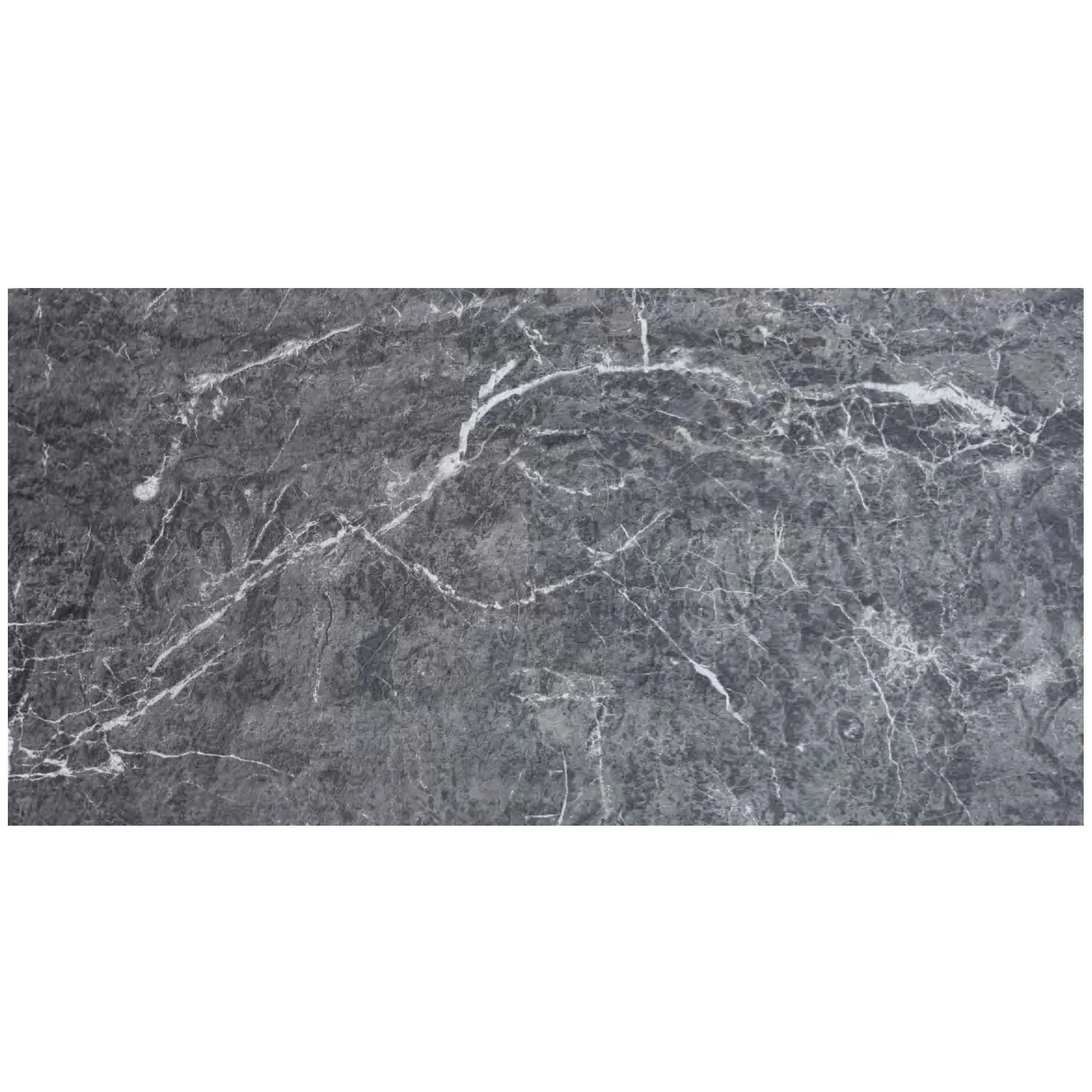
There's a moment that designers, homeowners, and architects alike chase—the instant when a space stops feeling like a collection of materials and starts feeling like a story. More often than not, that story is written in stone. Natural stone, with its millennia of geological history etched into every vein and fleck, has a way of grounding a room, of adding depth that feels both timeless and alive. And among the pantheon of natural stones, few command attention quite like Granite Nero Margiua. Its deep, inky black base, shot through with threads of silver and charcoal, isn't just a surface—it's a mood. It's the quiet luxury of a midnight sky, the understated drama of a storm-cloud horizon. But here's the truth about stories told in natural stone: they've long come with a heavy price—literally and figuratively.
Granite Nero Margiua, like all natural granites, is born of fire and pressure. Formed deep within the Earth's crust, it's prized for its density, durability, and that unmistakeable texture—cool to the touch, with a granular surface that catches light in unexpected ways. But these very qualities that make it desirable also make it difficult. A single slab of natural granite can weigh upwards of 150 kilograms per square meter; installing it often requires reinforced structural support, heavy machinery, and a team of specialists. For high-rise buildings or projects with curved surfaces? Near impossible. Then there's the cost: quarrying, cutting, and transporting these massive slabs drives up budgets, while the material's porosity (yes, even granite isn't impervious) means it stains easily, demanding constant sealing and maintenance to keep that midnight sheen intact.
And let's talk about sustainability. Quarrying natural stone disrupts ecosystems, displaces wildlife, and generates tons of waste—roughly 30% of a quarried block is lost to cutting and shaping. In an era where "green building" isn't just a trend but a responsibility, clinging to traditional stone feels like a step backward. Designers found themselves caught in a paradox: they craved the beauty of Granite Nero Margiua, but not the baggage that came with it. What if there was a way to have the story without the weight?
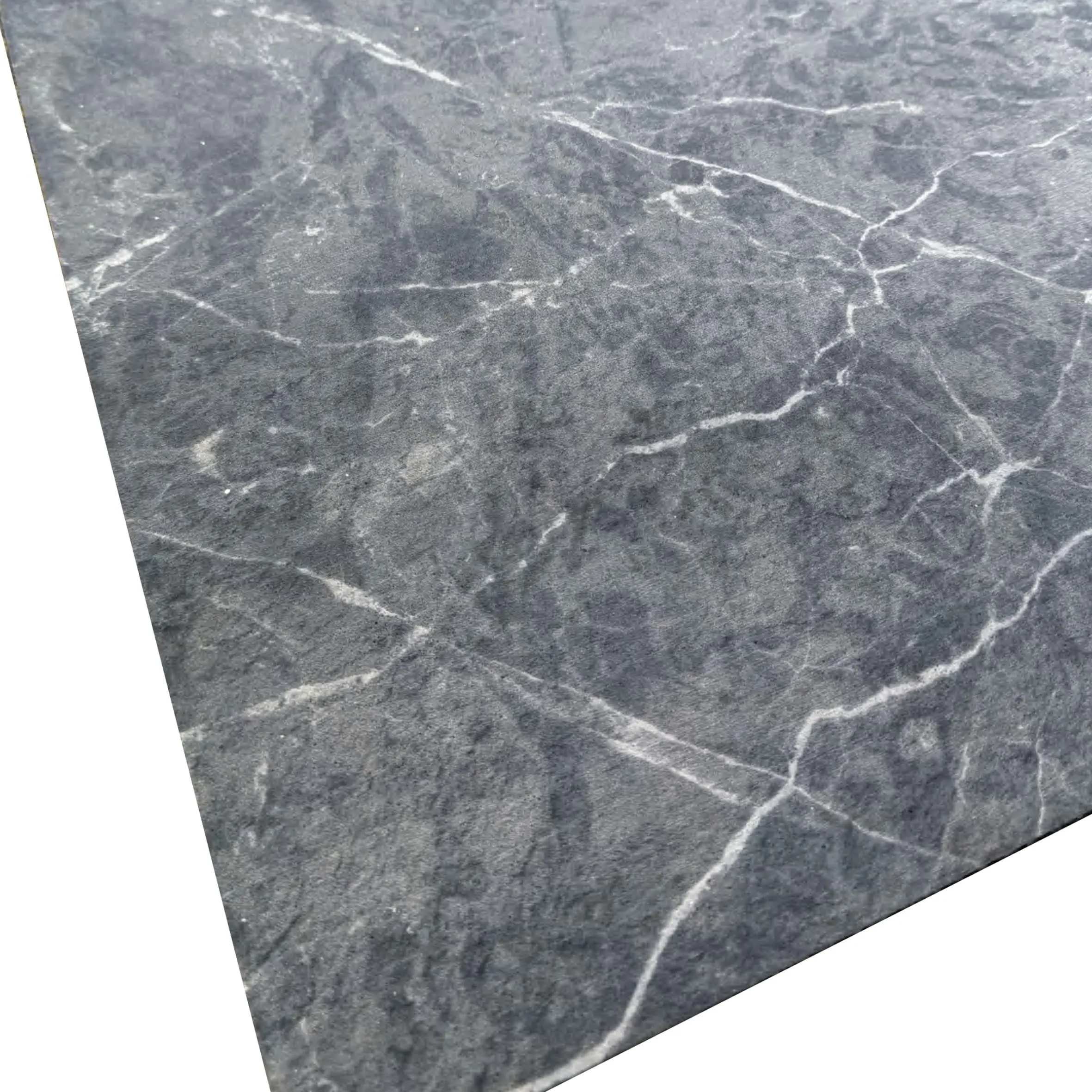
Enter MCM Flexible Stone Technology—a innovation that doesn't just mimic natural stone, but reimagines it. MCM, short for Modified Composite Material, is the result of years of engineering a blend of natural stone powder (recycled from quarry waste, no less), high-performance polymers, and reinforcing fibers. The result? A material that's thin (just 2-4mm thick), lightweight (a mere 3-5 kilograms per square meter), and yet remarkably durable—scratch-resistant, weatherproof, and even fire-retardant. But the real magic? It bends. Not just a little—MCM panels can flex up to 30 degrees, wrapping around columns, curving over arches, or clinging to uneven surfaces that would leave natural stone shattered. Suddenly, the impossible became possible.
At its core, MCM is a love letter to stone. It doesn't seek to replace natural stone; it seeks to honor it—by preserving its beauty while stripping away its limitations. And when it comes to replicating the texture of Granite Nero Margiua, MCM doesn't just "copy" it. It studies it. Obsesses over it. The process starts with high-resolution 3D scanning of a premium slab of natural Granite Nero Margiua, capturing every micron of its surface—from the way light pools in its microscopic pits to the subtle variation in its veining (no two natural stones are identical, and MCM ensures its panels aren't either). That scan is then translated into a mold, where the composite mix is pressed, baked, and finished to mirror the stone's tactile quality. Run your hand over an MCM Granite Nero Margiua panel, and you'll feel the same slight grit, the same coolness, the same depth that makes the natural stone so captivating. It's not just a visual match—it's a sensory one.
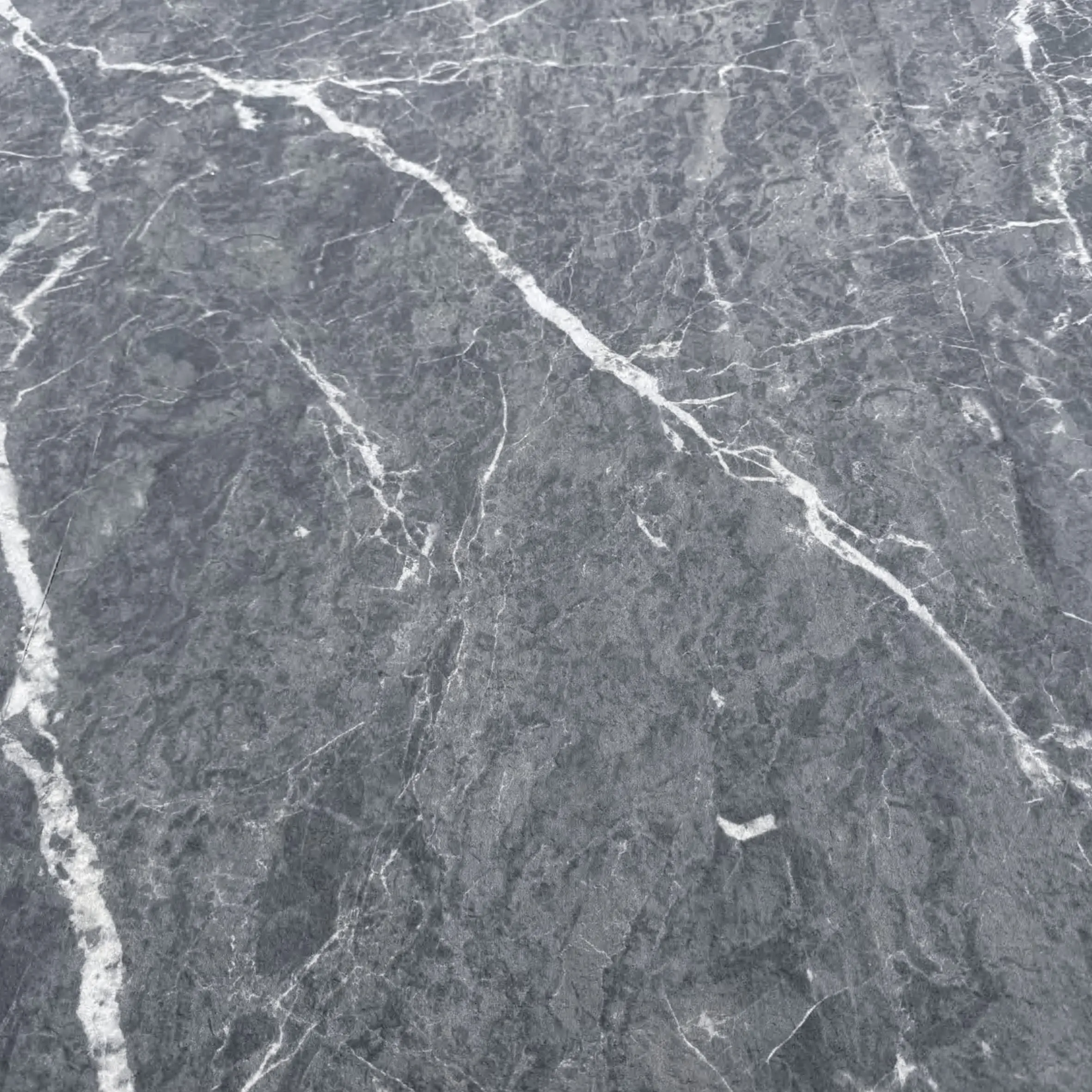
Granite Nero Margiua is just the beginning. MCM's portfolio reads like a stone lover's dream, with lines tailored to every design vision. Take the MCM Big Slab Board Series , for example—panels up to 3 meters in length that create seamless, uninterrupted surfaces, perfect for minimalist living rooms or grand commercial lobbies. Then there's the MCM 3D Printing Series , which uses advanced 3D printing tech to craft custom textures—think geometric patterns, organic ripples, or even replicas of ancient stone carvings—all with the same flexibility and lightness MCM is known for. For large-scale projects, the MCM Project Board Series offers standardized panels with consistent color and texture, ensuring that a hotel chain or office complex maintains its design language across locations.
But MCM doesn't stop at granite. The Lunar Peak collection, for instance, draws inspiration from celestial landscapes: Lunar Peak silvery shimmers with a moon-dust sheen, Lunar Peak golden glows like sunlight on regolith, and Lunar Peak black evokes the inky darkness of space—all with a flexibility that lets them adorn curved facades or accent walls. For those who crave the raw, industrial charm of concrete, fair-faced concrete MCM panels capture that utilitarian beauty without the heaviness of traditional concrete slabs. And let's not forget travertine —a stone beloved for its porous, honeycomb texture. MCM's travertine line includes classics like travertine (beige) and bold innovations like travertine (starry blue) , where tiny metallic flecks mimic a night sky reflected on water.
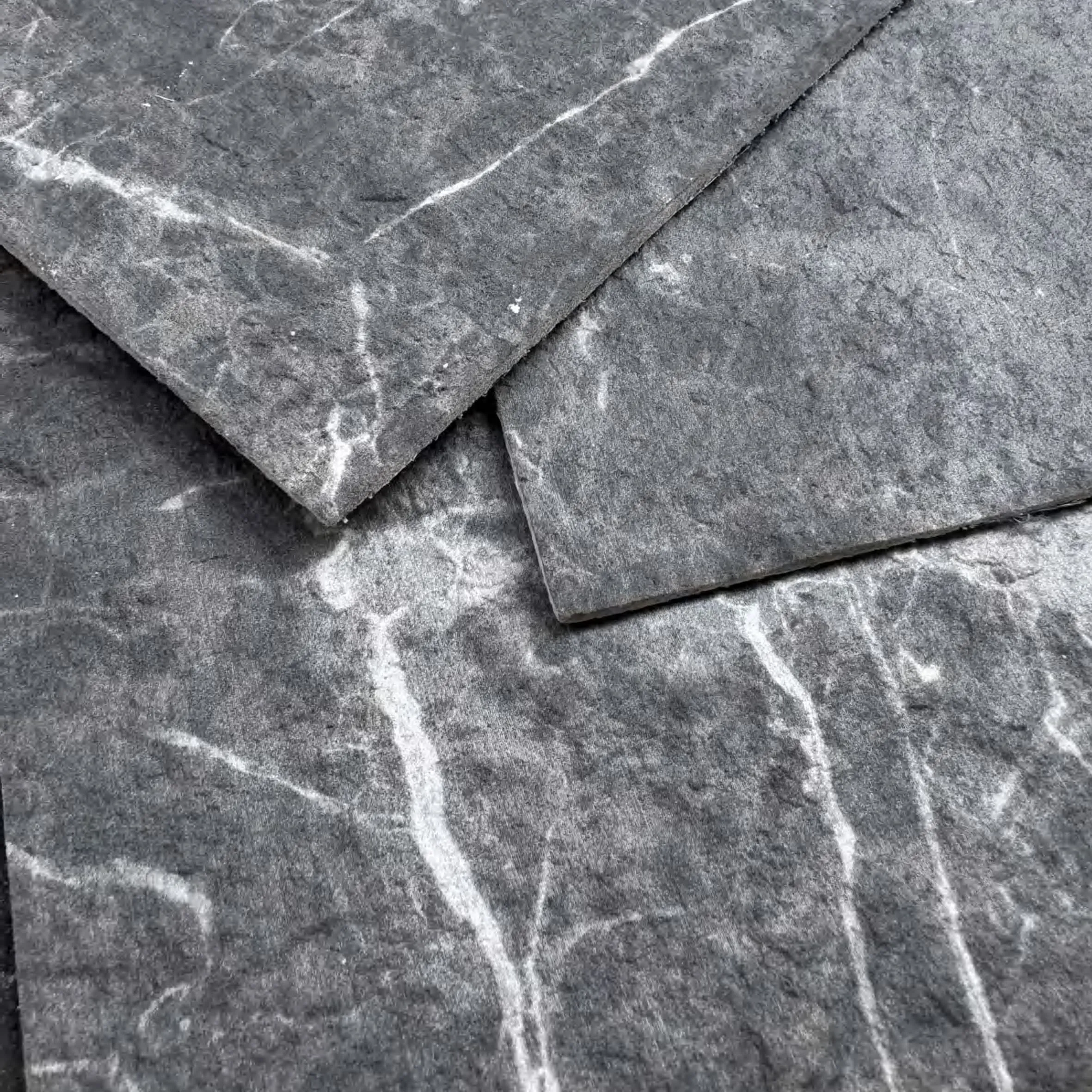
MCM's flexibility isn't just a technical feat—it's a canvas for creativity. Imagine a boutique hotel in Barcelona, where the design brief called for a facade that "feels like a cliff face, but dances with light." The solution? MCM rock cut stone (dark grey) panels, curved and layered to mimic natural stone formations, paired with foamed aluminium alloy board (vintage silver) accents for a modern twist. The result? A building that changes with the sun—warm in the morning, dramatic at dusk—without a single ton of structural reinforcement needed. Or a residential kitchen in Tokyo, where a homeowner wanted the elegance of marble veil white but needed a backsplash that could handle steam, oil, and the chaos of daily cooking. MCM's marble series delivered: a panel that looks like polished Carrara, wipes clean with a cloth, and weighs so little it was installed by two people in an afternoon.
Exteriors, too, have been revolutionized. Coastal homes, once limited to weathered wood or stucco, now sport MCM gobi panel cladding—textured to mimic desert stone, yet resistant to salt spray and high winds. Historic renovations, where preserving architectural integrity is key, use historical pathfinders stone MCM panels to replicate aged stonework without the risk of damaging original structures. Even public spaces are getting in on the action: a museum in Berlin used MCM 3D printing series panels to recreate ancient Mesopotamian reliefs on its exterior, turning the building itself into an exhibit.
| Attribute | Natural Granite Nero Margiua | MCM Flexible Stone (Granite Nero Margiua Texture) |
|---|---|---|
| Weight (kg/m²) | 120-150 | 3-5 |
| Thickness (mm) | 20-30 | 2-4 |
| Installation Requirement | Structural reinforcement, heavy machinery | Basic tools, no reinforcement needed |
| Stain Resistance | Low (requires annual sealing) | High (non-porous, no sealing needed) |
| Sustainability | High quarrying impact, wasteful | Recycled materials, low carbon footprint |
| Cost (Estimated per m²) | $150-$300+ | $50-$80 |
In a world where "green design" is no longer optional, MCM's commitment to sustainability is more than a selling point—it's a responsibility. By using recycled stone powder (up to 70% of its raw material), MCM diverts tons of waste from landfills each year. Its lightweight nature also slashes transportation emissions; a single truck can carry 20 times more MCM panels than natural stone slabs. And because MCM lasts for decades (some panels are warrantied for 25+ years), it reduces the need for frequent replacements, further cutting down on environmental impact. Even the manufacturing process is designed to minimize energy use, with low-temperature curing and water recycling systems. For architects and homeowners who want their spaces to look good and do good, MCM checks every box.
As design trends lean into biophilic design—bringing nature indoors—and adaptive reuse—repurposing old buildings with new materials—MCM is poised to lead the charge. The demand for textures that feel "authentic" but work with modern constraints is growing, and MCM is rising to meet it. New lines are constantly in development: think gradient color rammed earth board , which mimics the layered hues of hand-packed soil, or starmoon stone , with a surface that shimmers like a galaxy. Even classic materials are getting a makeover: wood grain board MCM panels capture the warmth of oak or teak without deforestation, while rust square line stone channels industrial chic with a weathered, oxidized look that's entirely man-made (and won't stain your floors).
At the end of the day, Granite Nero Margiua—whether in natural or MCM form—is more than a material. It's a feeling. It's the quiet confidence of a space that knows its own beauty, without needing to shout. MCM Flexible Stone Technology doesn't just replicate that feeling—it amplifies it. It lets designers dream bigger, builders work smarter, and homeowners love deeper. So the next time you step into a room and feel that familiar pull—the one that makes you pause, run a hand along a wall, and think, "This is perfect"—chances are, you're not just touching stone. You're touching the future.
Recommend Products












