
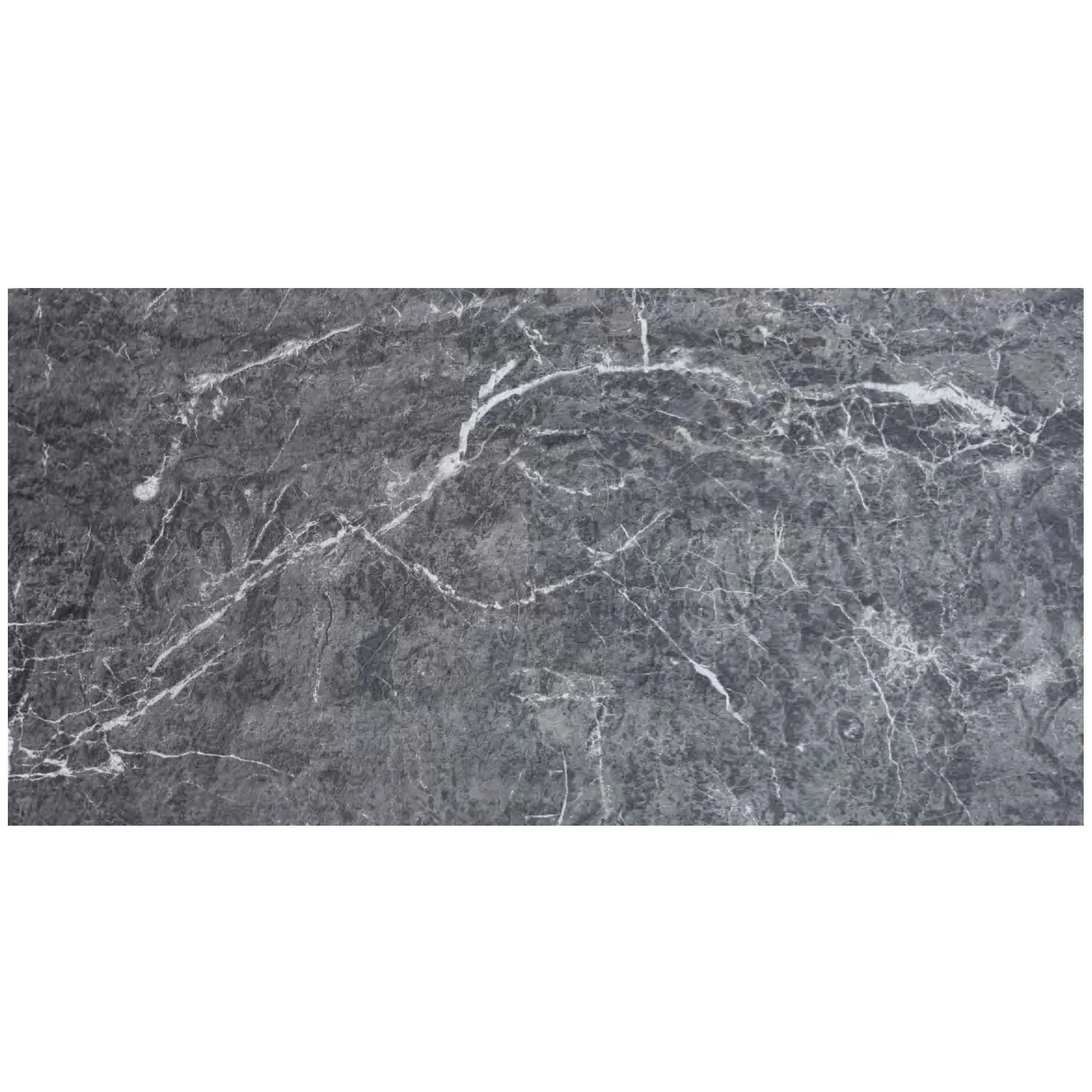
Navigating the age-old debate between classic stone and modern innovation for your next building project
Choosing the right material for a building project is like picking the perfect ingredient for a signature dish—get it right, and the result shines; get it wrong, and even the best design can fall flat. For decades, natural stones like granite have been the gold standard for luxury and durability, with options like Granite Nero Margiua standing out for their timeless appeal. But in recent years, a new contender has emerged: MCM, or Modified Composite Material. Lightweight, versatile, and designed for the demands of modern construction, MCM is challenging traditional norms.
In this article, we're diving deep into the showdown between Granite Nero Margiua—a beloved classic—and MCM, the innovative upstart. We'll break down their costs, durability, eco-friendliness, and practical uses to help you decide which one deserves a spot in your next project. Whether you're an architect, a homeowner, or a contractor, this isn't just a comparison of materials—it's a look at how building trends are evolving, and what that means for the spaces we create.
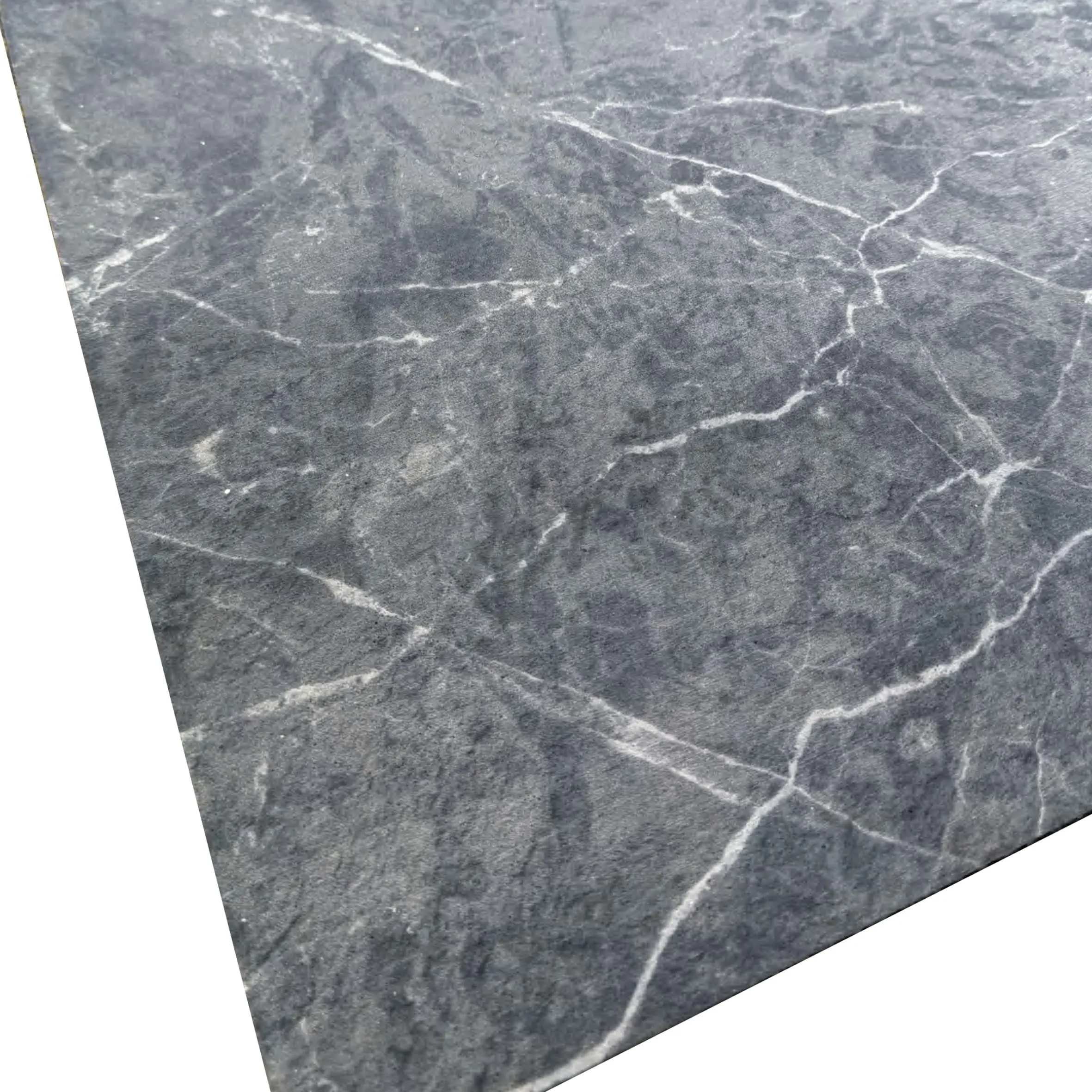
Let's start with the veteran: Granite Nero Margiua. If you've ever walked into a high-end hotel lobby or a luxury kitchen, chances are you've laid eyes on this stone. Originating from quarries in Italy (a country famous for its premium stone), Granite Nero Margiua is a type of black granite known for its deep, rich color and subtle flecks of silver or gold that catch the light. It's like nature's version of a tuxedo—sleek, sophisticated, and always in style.
What makes it so popular? For starters, granite is one of the hardest natural stones on the planet. Nero Margiua, in particular, has a dense composition that resists scratches, heat, and even heavy impacts. That's why it's been a go-to for countertops, flooring, and high-traffic areas for generations. But it's not just about durability; its aesthetic is unmatched. The dark base makes spaces feel elegant, while the metallic veining adds depth without overwhelming the design.
Of course, being a natural stone means it comes with natural limitations. Quarrying granite is labor-intensive—imagine massive machines cutting into mountainsides to extract blocks, then transporting those heavy slabs across the globe. Once on-site, installing Nero Margiua isn't a DIY job either. Its weight (we're talking hundreds of pounds per slab) requires cranes, specialized tools, and a team of experienced installers to avoid cracks or accidents. And while it's tough, it's not indestructible: granite is porous, so it needs regular sealing to prevent stains from spills like wine or oil. Skip that step, and even this tough stone can start to look worn over time.
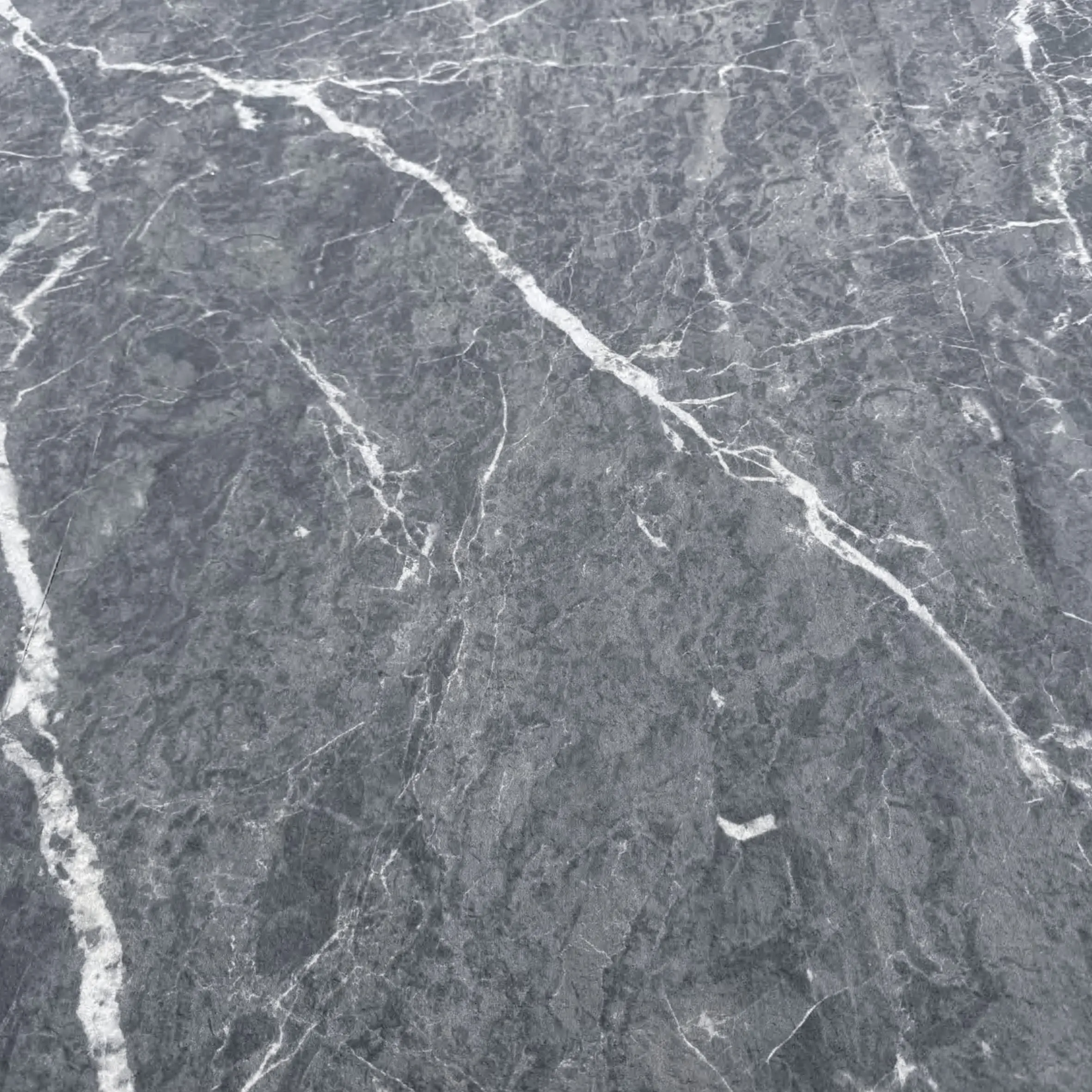
Now, let's meet the new kid on the block: MCM, short for Modified Composite Material. Think of MCM as the Swiss Army knife of building materials—it's designed to combine the best of natural stone, metal, and polymers into something lighter, more flexible, and easier to work with. Unlike Nero Margiua, which comes straight from the earth, MCM is a man-made material crafted in factories, and that manufacturing process is where its magic lies.
At its core, MCM is made by bonding layers of recycled stone particles, resins, and fibers. The result? A panel that's thin (often less than 5mm thick), lightweight (about 1/5 the weight of natural stone), and surprisingly strong. But what really sets MCM apart is its versatility. Take MCM flexible stone , for example—these panels can bend up to 30 degrees without cracking, making them perfect for curved walls or rounded architectural features. Then there's the MCM big slab board series , which offers massive 4x8ft (or larger) panels that minimize seams, giving facades and interiors a sleek, continuous look. And for designers who want to push boundaries, the MCM 3D printing series lets you create custom textures and patterns—from geometric grids to organic waves—that would be impossible to carve into natural stone.
MCM isn't trying to replace natural stone; it's reimagining it. Want the look of Nero Margiua's dark elegance? MCM can mimic that. Craving the warmth of wood or the industrial edge of fair-faced concrete ? MCM does that too, with a fraction of the hassle. It's like having a chameleon in your material toolkit—same great looks, but with superpowers.
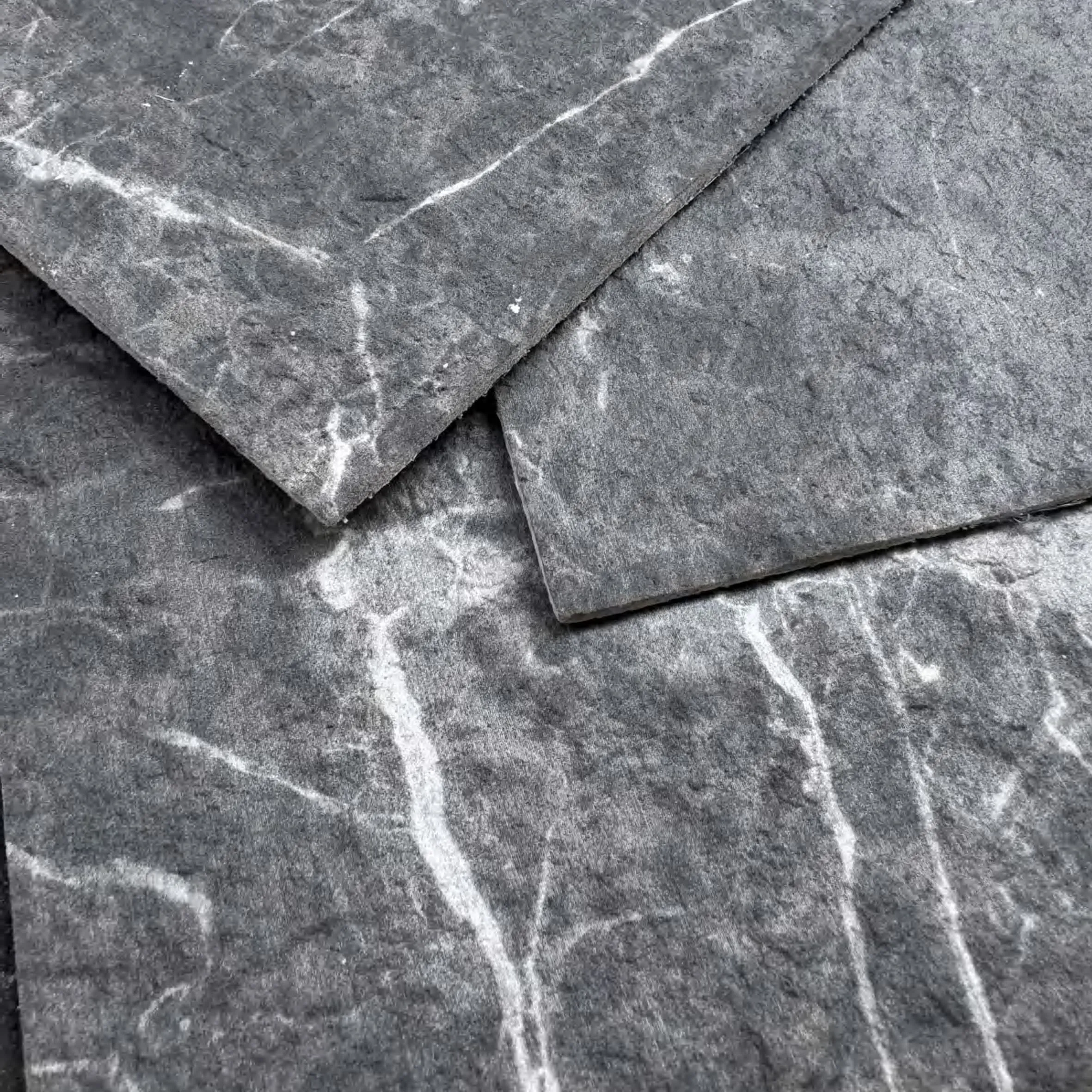
Let's talk numbers—because at the end of the day, budget often drives the decision. Granite Nero Margiua has a reputation for being pricey, but is MCM really the cheaper alternative? Let's break it down step by step, from initial purchase to long-term upkeep.
| Cost Category | Granite Nero Margiua | MCM |
|---|---|---|
| Initial Material Cost | $80–$120 per square foot (varies by quarry and slab size) | $30–$60 per square foot (depending on series and customization) |
| Installation Labor & Equipment | $25–$40 per square foot (requires cranes, diamond saws, and skilled masons) | $10–$15 per square foot (lightweight; can be installed with basic tools and fewer workers) |
| Transportation Costs | High (heavy slabs require specialized trucks; ~$5–$10 per square foot) | Low (lightweight panels; ~$1–$3 per square foot) |
| Maintenance Over 10 Years | $15–$25 per square foot (sealing every 1–2 years, occasional repairs for chips) | $3–$5 per square foot (no sealing needed; easy to clean with soap and water) |
| Total Estimated Cost Over 10 Years | $125–$195 per square foot | $44–$83 per square foot |
The numbers speak for themselves: MCM is roughly 30–50% cheaper than Granite Nero Margiua over a decade. Why the gap? Let's break it down. First, Nero Margiua is a natural resource, and quarries charge a premium for its rarity and labor-intensive extraction. MCM, on the other hand, uses recycled materials and efficient manufacturing, which keeps production costs low. Then there's transportation: a truckload of MCM panels can cover 5x more area than a truckload of granite, slashing fuel costs and emissions. Installation is another big saver—MCM panels are so light that two workers can carry and install them, whereas granite often requires a crew of four or more plus heavy machinery.
Even maintenance adds up. Granite needs annual sealing (a $200–$500 job for a kitchen) and can stain if you're not careful. MCM? Wipe it down with a damp cloth, and it's good to go. For commercial projects or large homes, those savings can add up to tens of thousands of dollars over time.
Granite has a reputation for being "forever stone," and for good reason. Nero Margiua can last 100+ years with proper care—think of ancient Roman structures still standing today. But does MCM, a man-made material, hold up? Let's put them to the test.
Granite Nero Margiua is tough—we're talking 6–7 on the Mohs hardness scale (diamonds are 10). It resists scratches from keys, pots, or even pet claws. drop a heavy pot on it, and chances are the pot will chip before the stone does. MCM, while not as hard (around 5–6 on the Mohs scale), is surprisingly resilient. Its composite structure—layers of stone particles and fibers—absorbs impacts better than solid stone. In lab tests, MCM panels have withstood drops from 6 feet without cracking, making them more than durable enough for most residential and commercial uses.
Here's where MCM starts to pull ahead. Granite is porous, which means liquids can seep in and cause stains if not sealed. Even with sealing, acidic substances like lemon juice or vinegar can etch the surface over time. MCM, on the other hand, is non-porous. Its resin binder creates a waterproof barrier, so spills wipe right off—no sealing required. That makes it ideal for bathrooms, kitchens, or outdoor areas where moisture is a concern.
Natural stone expands and contracts with temperature changes, which can lead to cracks over time—especially in regions with extreme weather. MCM's flexibility helps it handle thermal shifts without breaking. It's also UV-resistant, so colors won't fade in sunlight, and freeze-thaw resistant, making it suitable for cold climates. Granite Nero Margiua can handle weather too, but its weight makes it riskier for exterior facades—if a slab loosens, it becomes a safety hazard. MCM's lightweight design eliminates that risk.
Granite will outlast most buildings if cared for, but MCM isn't far behind. Most manufacturers warranty MCM panels for 15–20 years, and real-world examples show they can last 30+ years with minimal wear. For context, that's longer than the average lifespan of vinyl siding (20–30 years) or even hardwood flooring (25–30 years). So while Nero Margiua might be the marathon runner, MCM is no sprinter—it's in it for the long haul.
In an era where sustainability matters as much as style, the environmental impact of building materials can't be ignored. Let's see how Granite Nero Margiua and MCM stack up when it comes to green credentials.
Quarrying granite is hard on the planet. Massive machines dig into mountains, disrupting ecosystems and causing soil erosion. Processing the stone requires tons of water and energy, and transporting those heavy slabs releases high levels of CO2. Once installed, granite's weight also adds to a building's carbon footprint—heavier structures need more concrete and steel for support, increasing overall energy use during construction.
MCM, by contrast, was built with the environment in mind. Many MCM manufacturers use recycled stone dust, glass, and plastic in their panels, diverting waste from landfills. The production process uses less water and energy than quarrying, and because MCM is lightweight, transporting it emits 70–80% less CO2 than granite. Installing MCM also reduces a building's structural load, which means less concrete and steel are needed—another win for the planet.
It's no wonder MCM is often classified as a green building material . For projects aiming for LEED certification or other sustainability standards, MCM can help earn points for recycled content, reduced energy use, and lower transportation emissions. Granite Nero Margiua, while natural, simply can't compete here—it's a product of a bygone era when environmental impact took a backseat to durability and beauty.
At this point, you might be thinking, "MCM sounds great, but is it right for every project?" Not necessarily. Let's break down the best uses for each material.
So, Granite Nero Margiua vs. MCM—which one wins? The answer depends on your priorities. If you crave the unbeatable elegance and centuries-long durability of natural stone, and budget isn't an issue, Nero Margiua is a classic choice that will never go out of style. But if you want a material that's cost-effective, versatile, eco-friendly, and designed for the demands of modern construction, MCM is the clear front-runner.
Think of it this way: Granite Nero Margiua is like a vintage sports car—beautiful, powerful, but expensive to maintain and not the most practical for daily use. MCM is the electric SUV—sleek, efficient, and packed with features that make life easier, all while being kinder to the planet.
At the end of the day, both materials have their place. But as building trends shift toward sustainability, flexibility, and affordability, MCM is quickly becoming the material of choice for forward-thinking architects and builders. It's not just a trend—it's a glimpse into the future of construction, where beauty and responsibility go hand in hand.
Recommend Products












