
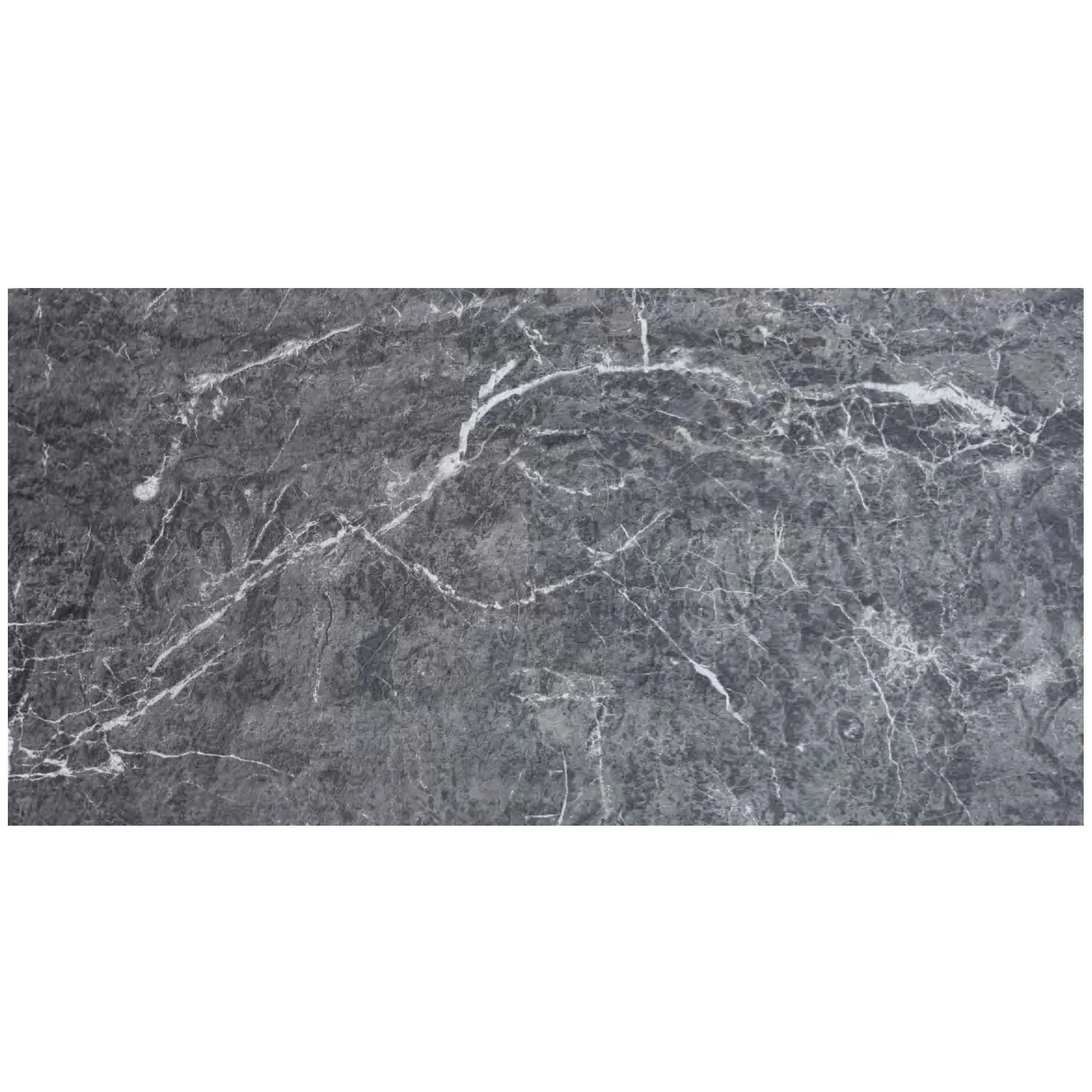
When it comes to commercial projects—whether you're designing a sleek office tower, a bustling retail mall, or a luxury hotel—the materials you choose do more than just cover walls or floors. They set the tone, convey brand identity, and withstand the demands of high traffic, varying weather, and daily wear. Two materials that often land at the top of architects' and project managers' shortlists are Granite Nero Margiua, a timeless natural stone, and MCM Flexible Stone, a modern engineered solution. But how do they stack up? Let's break down their differences, strengths, and ideal use cases to help you make the right call for your next project.
Before diving into the details, let's get clear on what each material is. Granite Nero Margiua is a type of natural granite, prized for its deep black hue and subtle, elegant veining. Quarried from the earth, it's a product of millions of years of geological pressure, making it one of the hardest natural stones available. On the other side, MCM Flexible Stone (short for Modified Composite Material) is an engineered cladding solution. It's made by blending natural stone particles (like marble, granite, or travertine) with high-performance polymers and a fiberglass backing, resulting in a material that's lightweight, flexible, and highly customizable. Think of it as nature meets technology—capturing the look of stone without the bulk.
And while we're at it, let's not forget MCM Big Slab Board Series —a variant of MCM Flexible Stone designed for larger installations. These extra-large panels (often up to 1.2m x 2.4m or more) minimize seams, creating a seamless, modern aesthetic that's perfect for commercial spaces where visual impact matters.
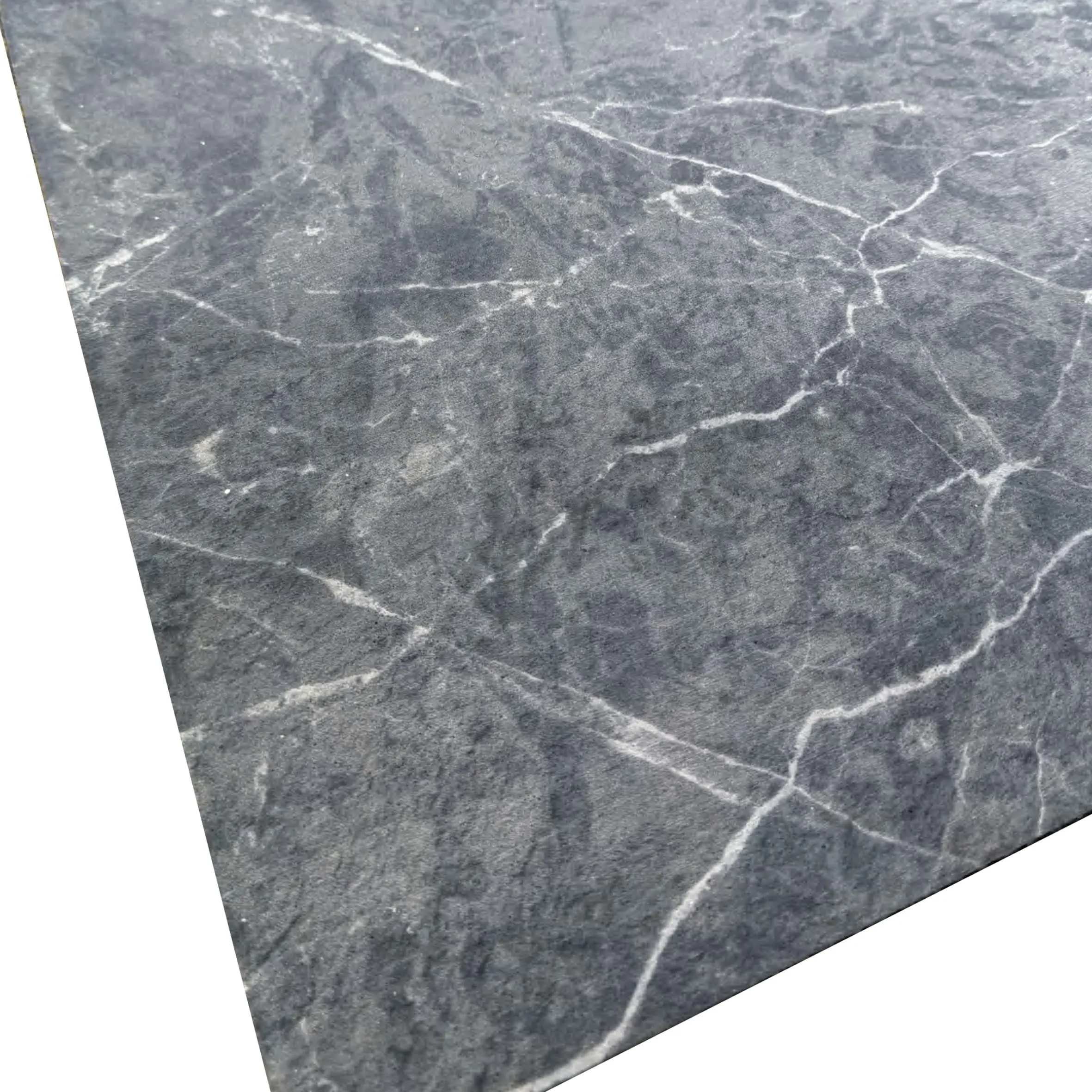
There's a reason natural stones like Granite Nero Margiua have been used in iconic buildings for centuries—they exude luxury. Picture the lobby of a five-star hotel: walls clad in Nero Margiua, its jet-black surface polished to a high sheen, with faint silver or gold veining that catches the light. It's bold, sophisticated, and instantly elevates a space. Because it's natural, no two slabs are identical; each piece has unique variations in veining and texture, adding depth and character. This uniqueness is a selling point for projects aiming for exclusivity—think high-end boutiques, luxury hotels, or corporate headquarters where making a statement is key.
That said, its classic look can feel limiting if your project leans toward a more modern, industrial, or eclectic vibe. While you can opt for a honed (matte) finish instead of polished to soften the look, Nero Margiua's color palette is inherently traditional—deep blacks and subtle neutrals—so it may not pair as seamlessly with bold, vibrant accents or ultra-modern designs.
MCM Flexible Stone, on the other hand, is a chameleon. It's engineered to mimic not just natural stones like granite or travertine, but also materials like wood, metal, or even concrete. Want the look of weathered barnwood for a rustic-chic restaurant? MCM can do that. Craving the sleekness of fair-faced concrete for a minimalist office? MCM has you covered. And because it's manufactured, you get consistency—no unexpected veining or color shifts if you need multiple panels to match.
The MCM Big Slab Board Series takes this versatility a step further. Imagine a retail store with 10-foot-tall walls clad in a single, uninterrupted slab that looks like polished marble—no grout lines, no breaks, just a smooth, flowing surface. That's the power of big slabs. They create a sense of spaciousness and modernity that's hard to achieve with smaller natural stone tiles. Plus, MCM comes in a rainbow of colors and finishes: from muted earth tones to bold metallics, from rough-hewn textures to glossy sheens. It's a designer's dream for projects that want to push boundaries.
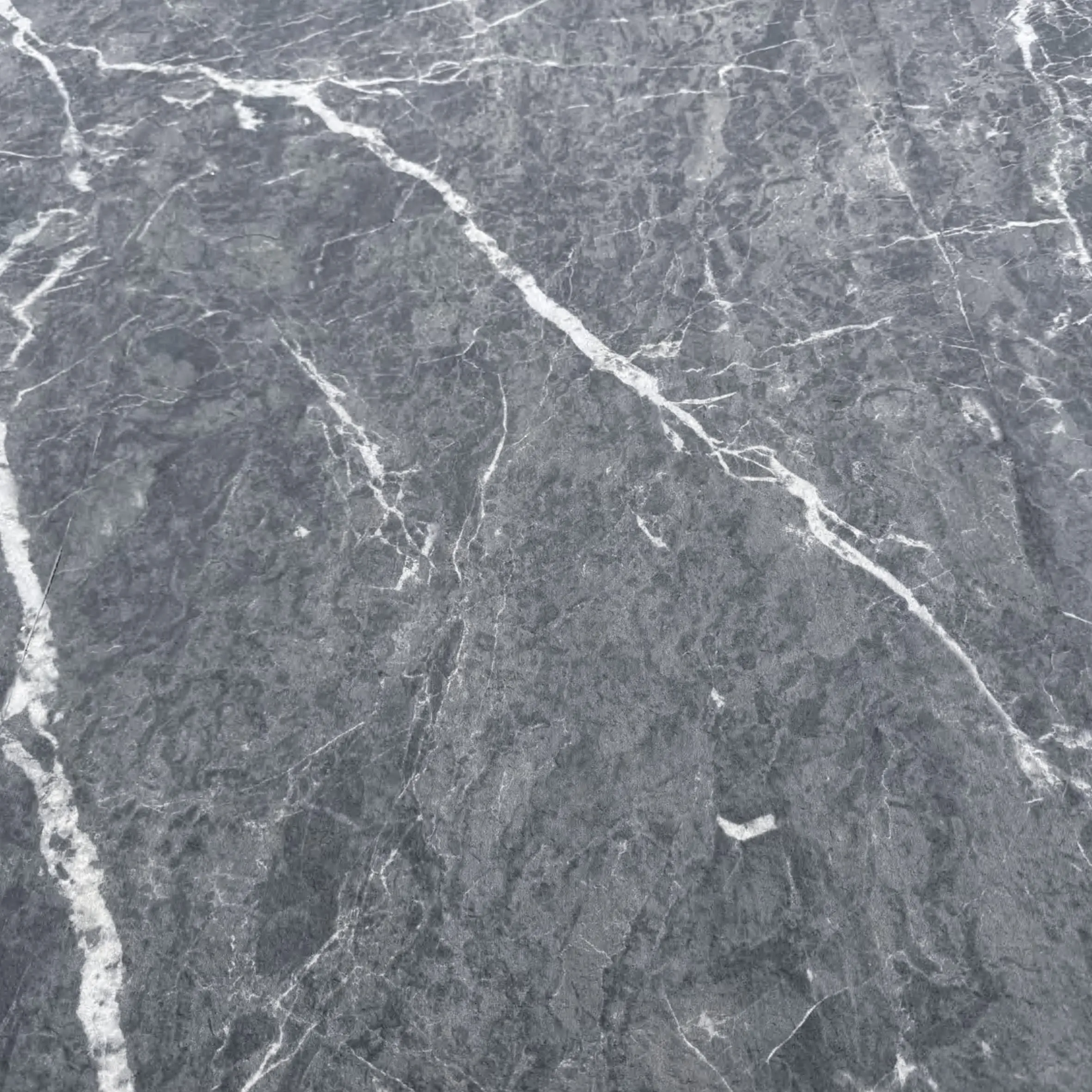
Commercial spaces are tough on materials. Think of a busy airport terminal, where thousands of people walk past walls daily, or a hotel exterior exposed to rain, snow, and UV rays. Durability isn't just a nice-to-have—it's a must.
Granite is one of the hardest natural stones, scoring a 6-7 on the Mohs scale (diamond is a 10). That means Granite Nero Margiua can handle heavy foot traffic, scratches from furniture, and even the occasional coffee spill without showing wear. It's heat-resistant too—so if a hot pan is accidentally placed against a kitchen backsplash (in a restaurant, for example), it won't scorch.
But here's the catch: granite is porous. Over time, liquids like oil or wine can seep into the surface and stain if not sealed properly. For commercial projects, that means regular maintenance—sealing every 1-2 years—to keep it looking fresh. And while it's hard, it's also brittle. A sharp impact (like a heavy object dropping on a floor slab) can cause cracks, which are expensive to repair.
MCM Flexible Stone might look delicate, but it's surprisingly tough. Its fiberglass backing and polymer binding make it flexible, so it can bend slightly without cracking—ideal for buildings that shift over time (like high-rises) or for curved surfaces (think rounded columns in a hotel lobby). It's also non-porous, so stains bead up on the surface and wipe away easily—no sealing required. UV-resistant pigments mean it won't fade in sunlight, even if used for exterior cladding. And because it's lightweight (typically 4-6 kg per square meter, compared to granite's 20-25 kg), it puts less stress on building structures, reducing the risk of long-term damage from weight alone.
For high-moisture areas like swimming pools or spa facilities, MCM is a standout. Unlike natural stone, it won't absorb water or harbor mold, making it easier to keep clean and hygienic. And if a panel does get damaged? It's simple to replace—just remove the old one and stick on a new panel, no need to tear out entire sections like you might with natural stone.
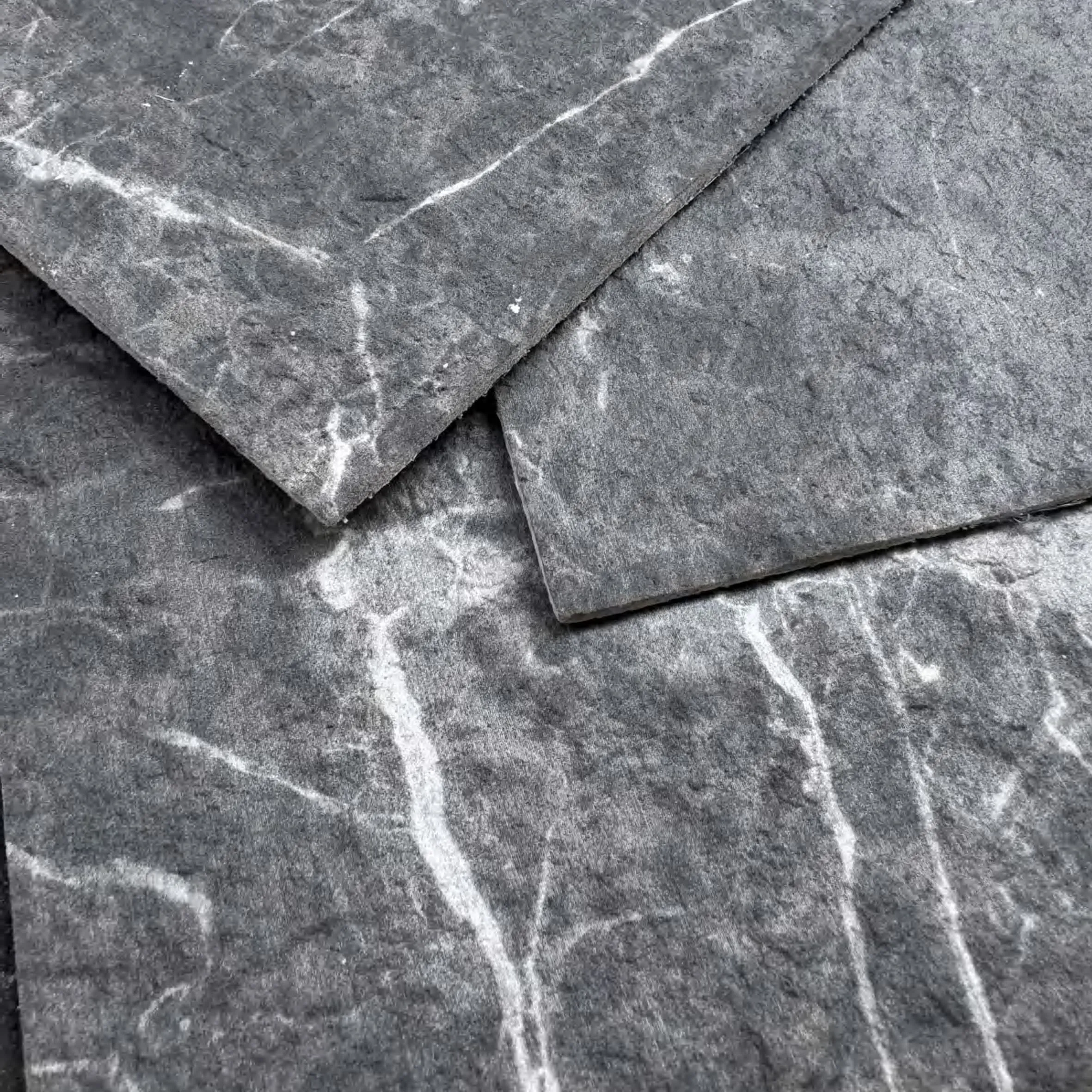
In commercial construction, time is money. A delayed installation can throw off project timelines, increase labor costs, and even push back opening dates. So how do these materials stack up when it comes to getting them on the wall?
Natural granite is heavy—really heavy. A standard 2cm-thick slab can weigh 20-25 kg per square meter. That means installing it requires heavy machinery (cranes, forklifts) to move slabs around the job site, and a team of skilled stonemasons to cut, shape, and secure them. The process is labor-intensive: slabs need to be precisely measured, cut to size with diamond-tipped tools, and anchored to walls with metal brackets or mortar. For large projects, this can take weeks—even months—adding to labor costs and project timelines.
Transportation is another hurdle. Granite slabs are bulky and fragile, so they require specialized shipping (often in crates) to avoid cracking. If your project is in a remote area, those shipping costs can add up fast.
MCM Flexible Stone is a game-changer for installation. At just 4-6 kg per square meter, it's light enough for two people to carry and install by hand—no cranes needed. It cuts easily with standard tools (like a circular saw or utility knife), so on-site adjustments are a breeze. And because it's flexible, it can conform to uneven walls or curved surfaces without breaking.
The MCM Big Slab Board Series takes efficiency even further. Larger panels mean fewer cuts, fewer seams, and faster installation. A team of two can install 100+ square meters in a day, compared to maybe 20-30 square meters with granite. For projects on tight deadlines—like a retail store rushing to open before the holiday season—this speed is a huge advantage. Plus, MCM can be installed over existing surfaces (like old drywall or concrete), eliminating the need for costly demolition.
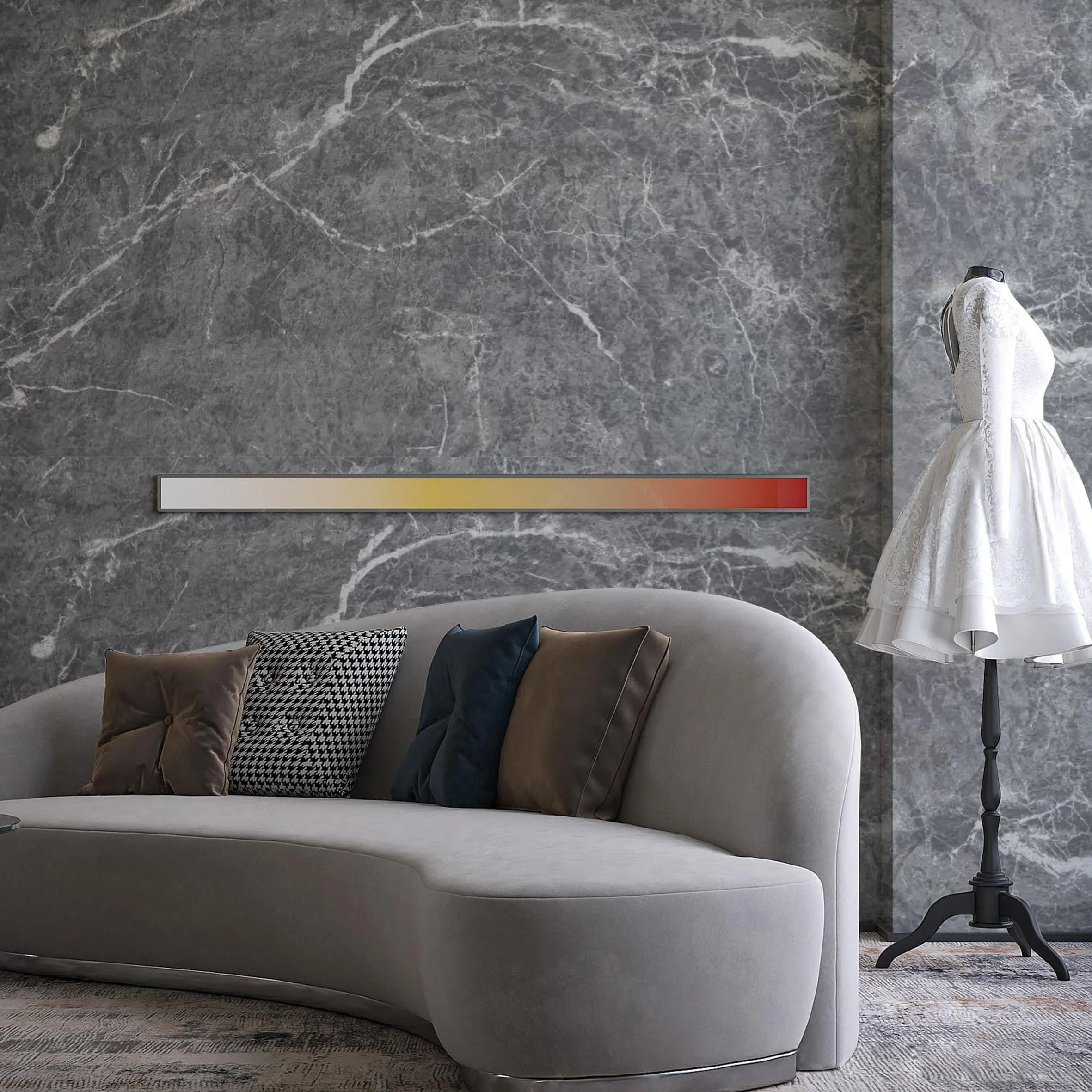
Let's talk numbers. At first glance, Granite Nero Margiua is almost always more expensive than MCM Flexible Stone. Natural stone costs start at around $80-120 per square meter for the material alone, and that's before adding labor ($50-80 per square meter), sealing, and shipping. For a 500-square-meter project, that could mean $65,000-$100,000 or more.
MCM Flexible Stone, on the other hand, starts at $30-50 per square meter for materials, with labor costs around $20-30 per square meter (thanks to faster installation). For the same 500-square-meter project, you're looking at $25,000-$40,000—less than half the cost of granite. And because MCM doesn't need sealing or regular maintenance, the long-term savings add up too. Over 10 years, you might spend $5,000-$10,000 on sealing and repairs for granite, compared to almost nothing for MCM.
Of course, cost isn't everything. If your project's brand relies on the prestige of natural stone, the higher price tag for Granite Nero Margiua might be worth it. But for most commercial projects—especially those with tight budgets—MCM offers better value.
Today's clients and tenants care about sustainability. Let's see how these materials measure up.
Granite is a natural material, which is a plus for sustainability. But quarrying it requires heavy machinery that burns fossil fuels, and transporting it long distances adds to its carbon footprint. Plus, quarrying can disrupt local ecosystems if not done responsibly. Some quarries follow ethical practices (like reforestation after mining), but it's up to you to vet suppliers.
MCM Flexible Stone is often more sustainable by design. Many manufacturers use recycled stone particles (leftover from natural stone processing) in their mixes, reducing waste. The lightweight design also cuts down on transportation emissions—trucks can carry more panels per trip, so fewer trips are needed. And because it's durable and low-maintenance, it has a longer lifespan, reducing the need for replacement.
Some MCM products are even GREENGUARD-certified, meaning they emit low levels of volatile organic compounds (VOCs)—important for indoor air quality in offices or hotels where people spend hours at a time.
| Feature | Granite Nero Margiua | MCM Flexible Stone (Including Big Slab Series) |
|---|---|---|
| Material Type | Natural stone (igneous rock) | Engineered composite (stone particles + polymers + fiberglass) |
| Weight | 20-25 kg/m² | 4-6 kg/m² |
| Aesthetic Options | Deep black with subtle veining; polished or honed finish | Wide range: mimics stone, wood, metal, concrete; various colors/textures; large slab options |
| Durability | Highly scratch/heat-resistant; porous (needs sealing); brittle (prone to cracks) | Scratch/UV/water-resistant; non-porous (no sealing); flexible (resists cracking) |
| Installation Time | Slow (20-30 m²/day per team) | Fast (100+ m²/day per team with Big Slab Series) |
| Total Cost (Material + Labor) | $130-200/m² | $50-80/m² |
| Sustainability | Natural, but high carbon footprint from quarrying/transport | Recycled materials, low transport emissions, long lifespan |
| Best For | Luxury projects (hotels, high-end retail) where budget isn't a constraint | Modern, budget-sensitive projects; large installations; curved surfaces |
The answer depends on your project's priorities:
Choose Granite Nero Margiua if: You want a timeless, luxury look; your budget is flexible; and you're willing to invest in maintenance. It's perfect for high-end hotels, boutique retail, or corporate lobbies where exclusivity is key.
Choose MCM Flexible Stone (especially the Big Slab Series) if: You need a modern, versatile look; you're on a budget or tight timeline; or you're working with curved surfaces or large installations. It's ideal for tech offices, chain retail, airports, or any project where speed, durability, and design flexibility matter most.
At the end of the day, both Granite Nero Margiua and MCM Flexible Stone have their place in commercial design. Natural stone offers unmatched luxury, while MCM brings innovation and practicality to the table. By weighing factors like aesthetics, durability, cost, and installation, you'll be able to choose the material that not only looks great but also performs well for years to come. And if you're still torn? Consider mixing them—use Granite Nero Margiua for accent walls and MCM Big Slab Series for larger surfaces to balance luxury and efficiency. The possibilities are endless.
Recommend Products












