
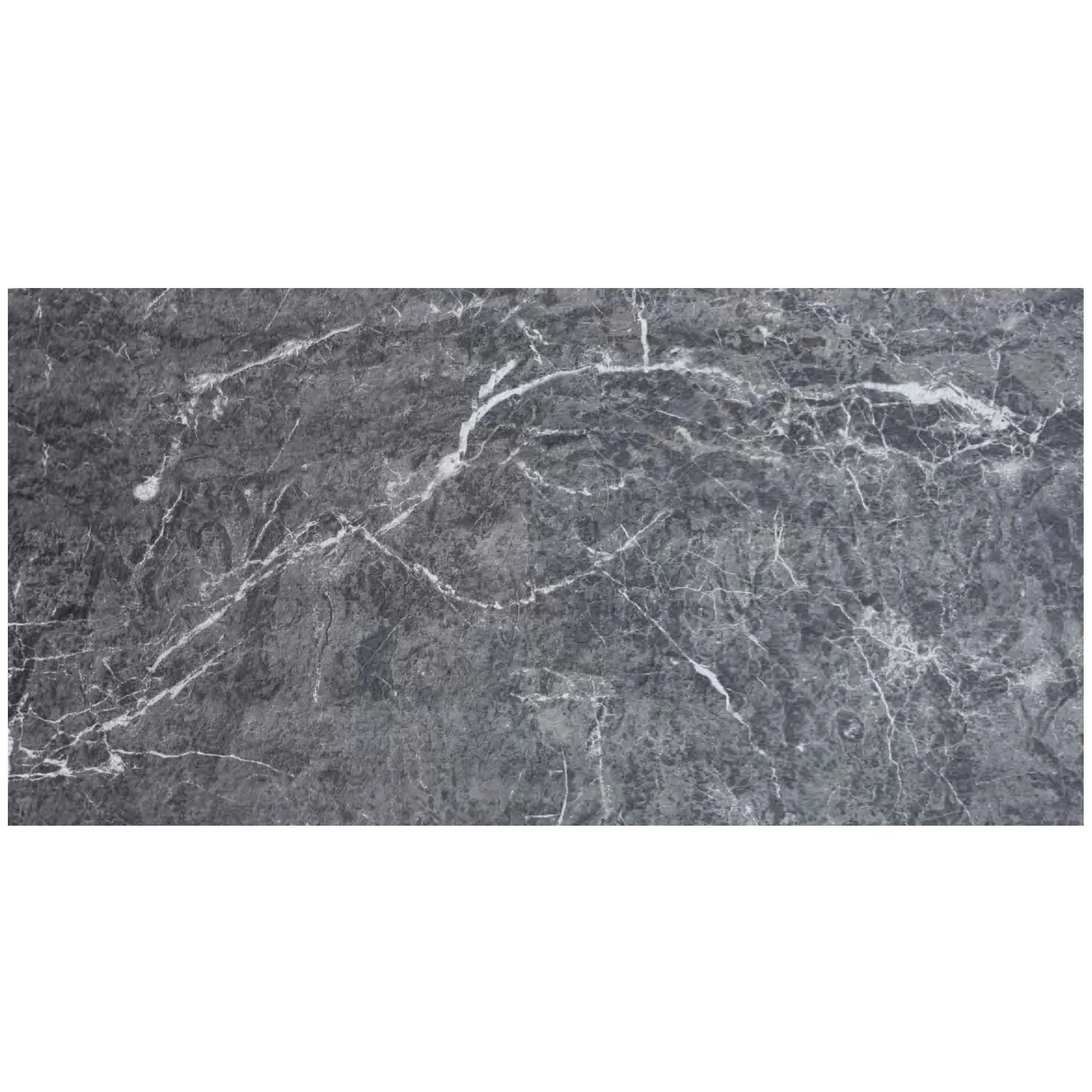
Choosing the right material for your walls, floors, or countertops isn't just about aesthetics—it's about picking a partner that stands by your side through coffee spills, rainy days, and the chaos of daily life. Today, we're diving into two heavyweights: the timeless allure of Granite Nero Margiua and the modern charm of MCM Flexible Stone. Let's chat about which one might be the better match for your space's story.
Picture this: You walk into a room, and the first thing that catches your eye is the wall. Is it the deep, moody elegance of a natural stone that seems to hold centuries of stories? Or is it a material that feels fresh, adaptable, and ready to fit any design dream you throw at it? That's the choice between Granite Nero Margiua and MCM Flexible Stone.
Granite Nero Margiua isn't just stone—it's a statement. Quarried from the earth's depths, this granite is a stunner with its jet-black base swirled with flecks of silver, gold, or even hints of gray, like a starry night sky trapped in rock. Run your hand over it, and you'll feel the cool, solid texture of something that's been shaped by time itself. It's the kind of material that makes a lobby feel grand, a kitchen feel luxurious, and a fireplace mantle feel like the heart of the home.
But here's the thing about natural stone: it's a bit of a diva. It's heavy (we're talking "needs professional installers" heavy), porous (hello, tiny holes that love to trap spills), and while it's tough, it's not invincible. Yet, for those who crave authenticity—the kind of texture that can't be replicated—Granite Nero Margiua is hard to resist.
MCM Flexible Stone, on the other hand, is like that friend who can adapt to any situation. Short for "Modified Composite Material," MCM is a lightweight, flexible alternative to traditional stone. Think of it as natural stone's tech-savvy cousin: it takes the look and feel of stone (or wood, or concrete—you name it) but wraps it in a layer of practicality. Made by bonding stone particles with polymers, it's thin, bendable, and surprisingly tough.
What I love about MCM Flexible Stone is its versatility. Want it to mimic the rough-hewn charm of boulder slab or the sleekness of polish concrete ? No problem. It comes in finishes that nod to classics like travertine (starry blue) or marble interstellar gray , but with a twist: it won't crack if you install it on a curved wall, and it won't require a crane to hang. It's the material for dreamers who refuse to choose between beauty and function.
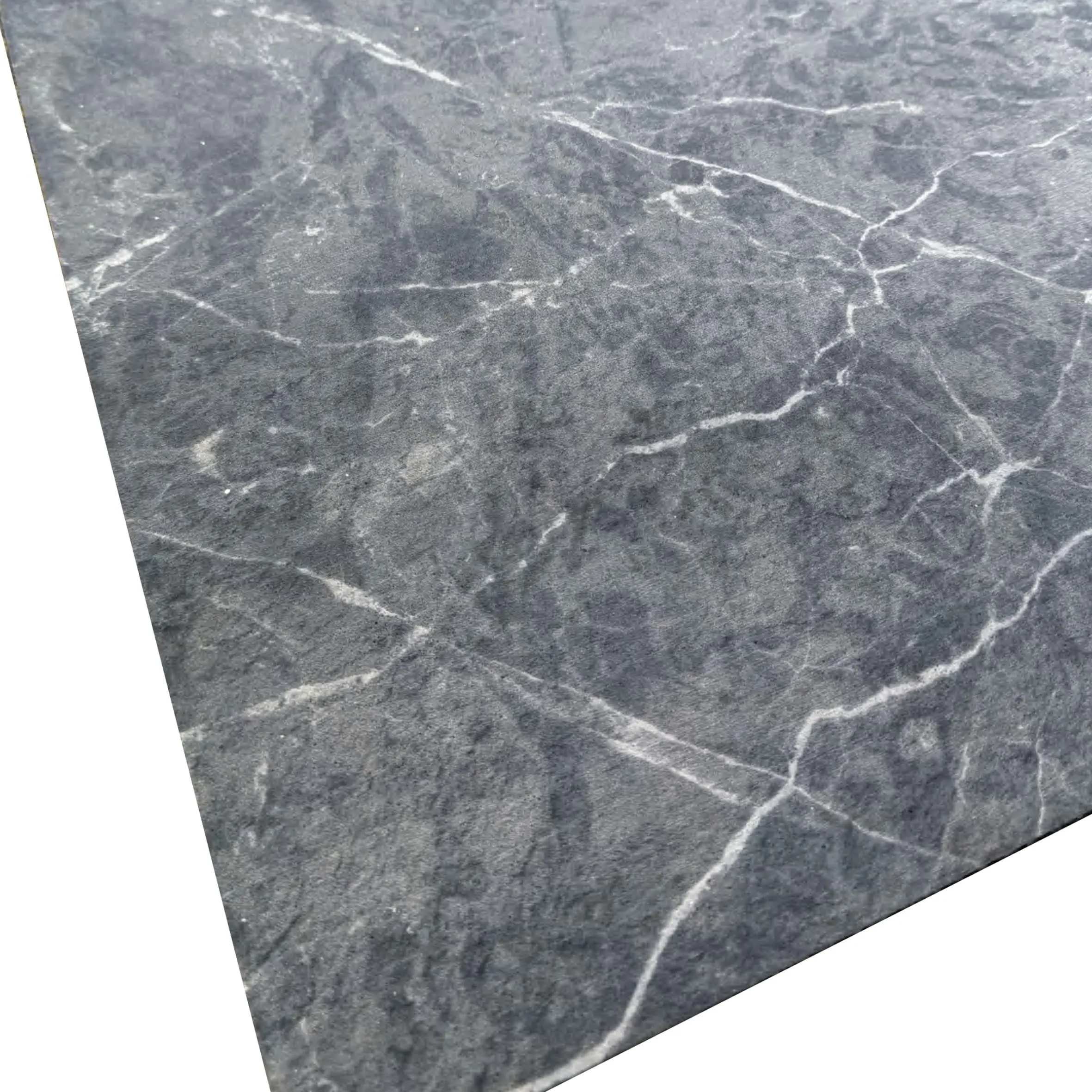
Let's get real: life is messy. A glass of red wine tips over during dinner. A pot of spaghetti sauce bubbles over on the stove. A kid with sticky fingers decides the wall is a canvas. How do our contenders handle these "oops" moments?
Granite is a natural stone, and like all natural stones, it's porous. That means tiny pores dot its surface, just waiting to soak up liquids. Without protection, a spill of olive oil or coffee could seep in, leaving a stubborn stain that's hard to erase. But here's the workaround: sealing. Most Granite Nero Margiua installations come with a sealant that acts like a raincoat, repelling liquids and giving you time to wipe up spills before they set in.
But sealing isn't a one-and-done deal. Depending on how much traffic the surface gets, you'll need to reseal it every 1–3 years. Skip that step, and you might start noticing discoloration or dull spots. For example, in a busy kitchen with daily cooking, Granite Nero Margiua countertops would need extra TLC—maybe even a quick wipe with a pH-neutral cleaner after every use to keep stains at bay.
Real-Life Scenario: Imagine a family kitchen with Granite Nero Margiua countertops. One morning, Dad spills his black coffee and dashes off to work, forgetting to wipe it up. By noon, the coffee has started to stain. With a sealed surface, a little baking soda paste might lift the mark, but if the sealant was old? That stain could become a permanent reminder of that chaotic Monday.
MCM Flexible Stone, on the other hand, was born in the lab to fight stains. Its top layer is often coated with a protective resin or polymer that acts like a shield, making it non-porous and highly resistant to liquids. Spill red wine, soy sauce, or even nail polish remover (though we don't recommend testing that!) and you can usually wipe it away with a damp cloth, no scrubbing required.
Why is that? MCM's composite structure means there are no tiny pores for stains to hide in. It's like comparing a sponge (granite) to a plastic plate (MCM)—one soaks up messes, the other repels them. This makes MCM a star in high-traffic areas like restaurants, kid's playrooms, or busy commercial spaces where spills are just part of the routine.
Real-Life Scenario: A café uses MCM Flexible Stone in a travertine (starry red) finish for its walls. A customer knocks over a latte, and the liquid runs down the wall. The barista grabs a paper towel, wipes it off, and—poof—no trace left. The wall looks as fresh as it did that morning, and the customer doesn't even need to apologize (though they probably should).
If you're someone who hates the idea of constant maintenance, MCM Flexible Stone is the clear winner here. It's like having a material that's always "on guard." But if you're willing to put in the effort to seal and clean regularly, Granite Nero Margiua can hold its own—just don't expect it to be as forgiving as MCM.
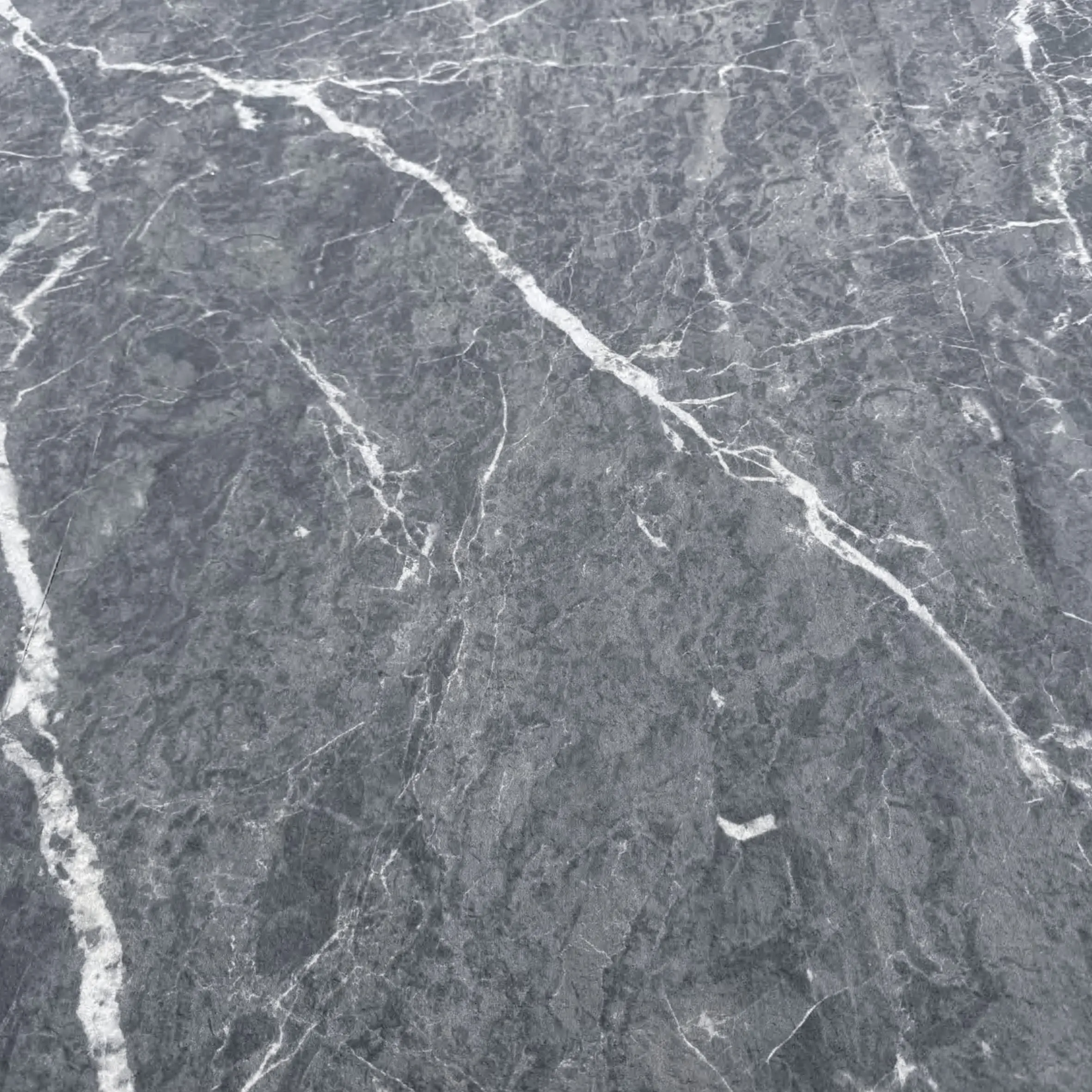
Now, let's talk about the long haul. Will your material still look as good in 5 years? 10 years? 20? Let's break down durability, weather resistance, and that tricky thing called "aging gracefully."
Granite is known for its durability—it's one of the hardest natural stones out there. It can handle heavy foot traffic, kids running around, and even the occasional dropped pot. But it's not indestructible. A sharp impact, like dropping a cast-iron skillet on a Granite Nero Margiua floor, could chip a corner. And while it's resistant to scratches, acidic substances like lemon juice or vinegar can etch its surface over time, leaving dull marks that don't polish out.
Outdoors, Granite Nero Margiua holds up well against rain and sunlight, but freeze-thaw cycles can be rough. If water seeps into those pores (again, sealing helps!), freezes, and expands, it might cause cracks. So, if you're using it for an outdoor patio in a cold climate, extra sealing and drainage are a must.
MCM Flexible Stone is a composite material, which means it's designed to be tough. It's lightweight (so it puts less stress on walls and floors), flexible (so it can bend around curves or uneven surfaces), and impact-resistant. drop a tool on it, and chances are it'll bounce off without a scratch. Its color is also integrated throughout the material, not just painted on, so even if it does get a small scuff, it won't stand out like a sore thumb.
Weather-wise, MCM is a champ. It's UV-resistant, so it won't fade in the sun, and it's impervious to water, making it ideal for outdoor spaces—think gobi panel or lunar peak silvery finishes for a modern patio. It doesn't expand or contract with temperature changes, so no cracks from freeze-thaw cycles. And because it's non-porous, mold and mildew can't take root, which is a huge win for humid bathrooms or coastal homes.
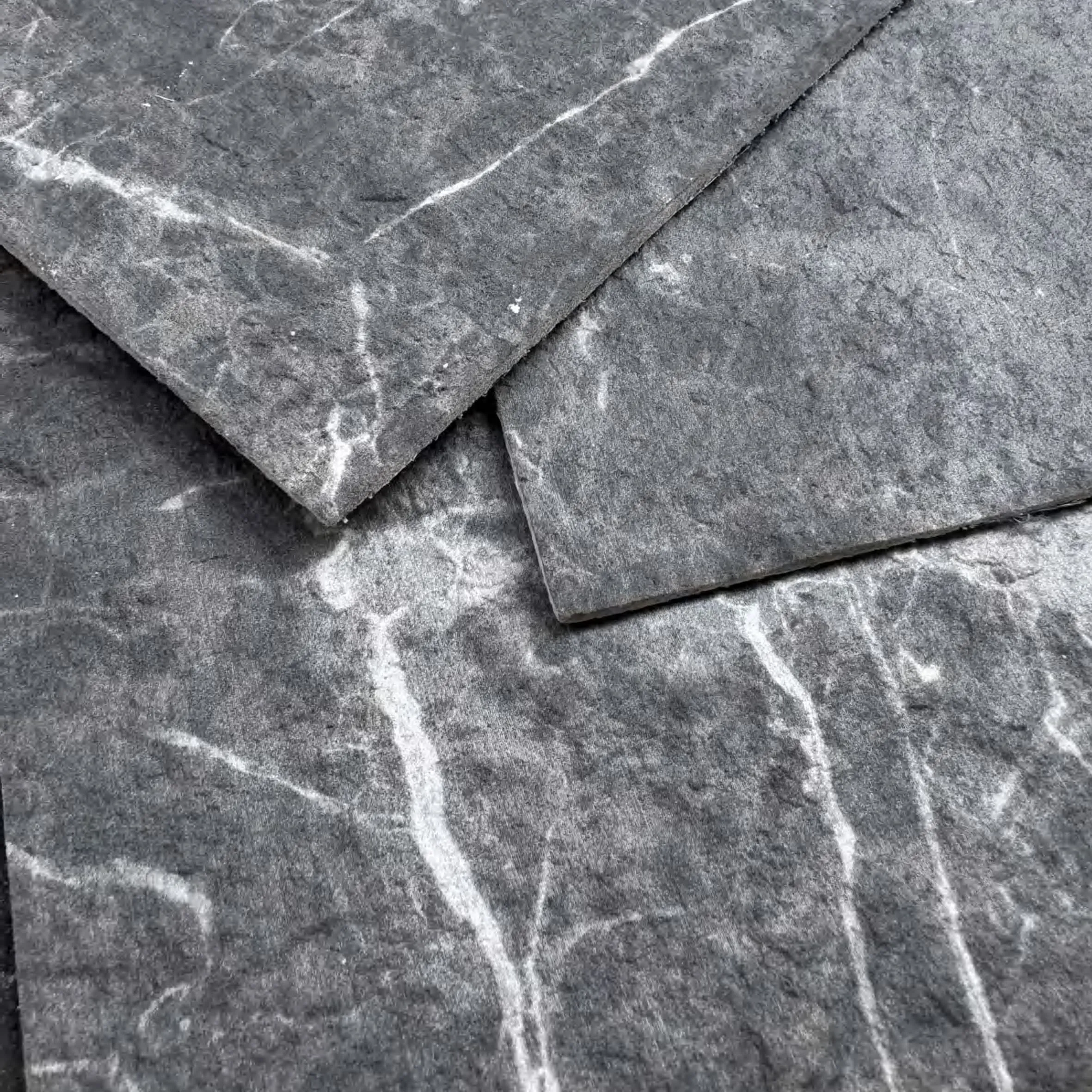
Let's look at some real-world examples to see how these materials perform in action. After all, the best way to get to know someone is to see how they act in their daily life, right?
A high-end hotel in downtown Chicago chose Granite Nero Margiua for its lobby floors and reception desk. The deep black stone with silver veins exudes sophistication, making guests feel like they've stepped into a five-star experience. The hotel staff seals the floors twice a year and uses a gentle stone cleaner daily to keep stains at bay. After 7 years, the floors still look stunning, though there's a small chip near the entrance—"a battle scar from a rolling suitcase," the manager jokes. It adds character, they say.
A cozy café in Portland wanted walls that could handle coffee spills, graffiti from playful customers, and the wear of daily foot traffic. They opted for MCM Flexible Stone in travertine (starry orange) —a warm, inviting shade that feels like a hug. Over three years, the walls have seen it all: milk splatters, marker doodles (easily wiped off with rubbing alcohol), and even a minor flood during a rainstorm. Today, they still look as bright and fresh as opening day, with zero signs of fading or water damage. "We never worry about stains here," the owner laughs. "MCM's got our back."
Some spaces don't pick sides—they blend the best of both worlds. A boutique restaurant in New York used Granite Nero Margiua for its bar top (sealed monthly!) to add that natural stone luxury, then paired it with MCM Flexible Stone in rust square line stone for the walls. The result? A space that feels both timeless and modern, with the bar handling spills (with quick cleanup) and the walls handling the daily wear of busy servers and curious diners.
At the end of the day, the choice between Granite Nero Margiua and MCM Flexible Stone comes down to what matters most to you:
And remember, there are other players in the game too! If you're drawn to modern minimalism, fair-faced concrete or polish concrete might catch your eye. For a metallic twist, foamed aluminium alloy board (vintage silver) adds a sleek, industrial vibe. But for the classic vs. modern debate, Granite Nero Margiua and MCM Flexible Stone are hard to beat.
Whether you fall for the timeless charm of Granite Nero Margiua or the practical magic of MCM Flexible Stone, the most important thing is that your material feels like "you." It should make you smile every time you walk into the room, not stress you out with worries about stains or upkeep.
So, take your time, think about your daily life, and imagine how each material would fit into it. After all, the best spaces aren't just built—they're lived in, loved, and made better by the materials that stand beside them through it all.
Recommend Products












