
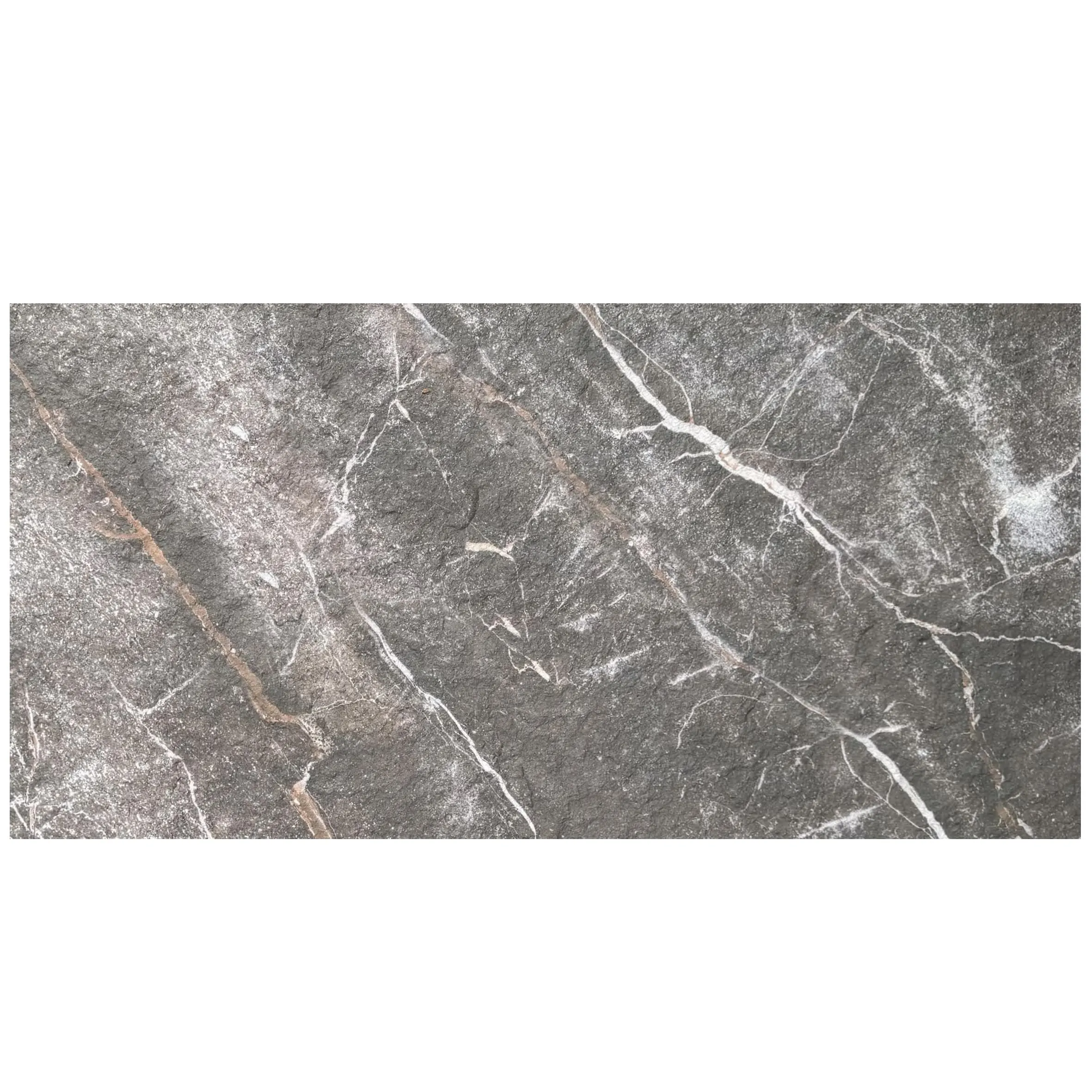
Walk into any great hotel, and the lobby isn't just a room—it's a first chapter. It's the breath a guest takes before checking in, the quiet moment they absorb the space and think, This is where I'm staying . For architects and designers, that first impression is everything. It needs to feel luxurious, welcoming, and true to the hotel's identity. But here's the catch: luxury shouldn't come at the cost of practicality. Enter MCM's Granite Portoro—a material that marries the timeless opulence of natural stone with the efficiency modern hospitality demands. Let's dive into how this stone, and the innovative MCM technology behind it, is redefining what hotel lobbies can be.
If you've ever stood in front of a slab of Granite Portoro, you know it's not just stone—it's drama. Picture deep, velvety black as the backdrop, threaded with veins of gold that catch the light like sunlight through a forest canopy. It's bold without being overwhelming, classic enough to feel timeless yet modern enough to fit a sleek boutique hotel or a grand luxury resort. That contrast—dark and light, bold and refined—is why designers reach for it when they want a lobby to make a statement.
But what really sets Granite Portoro apart is its ability to tell a story. A hotel aiming for old-world elegance might pair it with warm wood accents and crystal chandeliers; a contemporary space could let it stand alone, paired with sharp lines and minimalist furniture. It's versatile, but it never loses that core of luxury. Imagine a business traveler, tired from a long flight, stepping into a lobby where Granite Portoro walls rise gently around them. The chaos of travel fades a little—this space feels intentional, cared for. That's the emotional punch of good design, and Granite Portoro delivers it in spades.
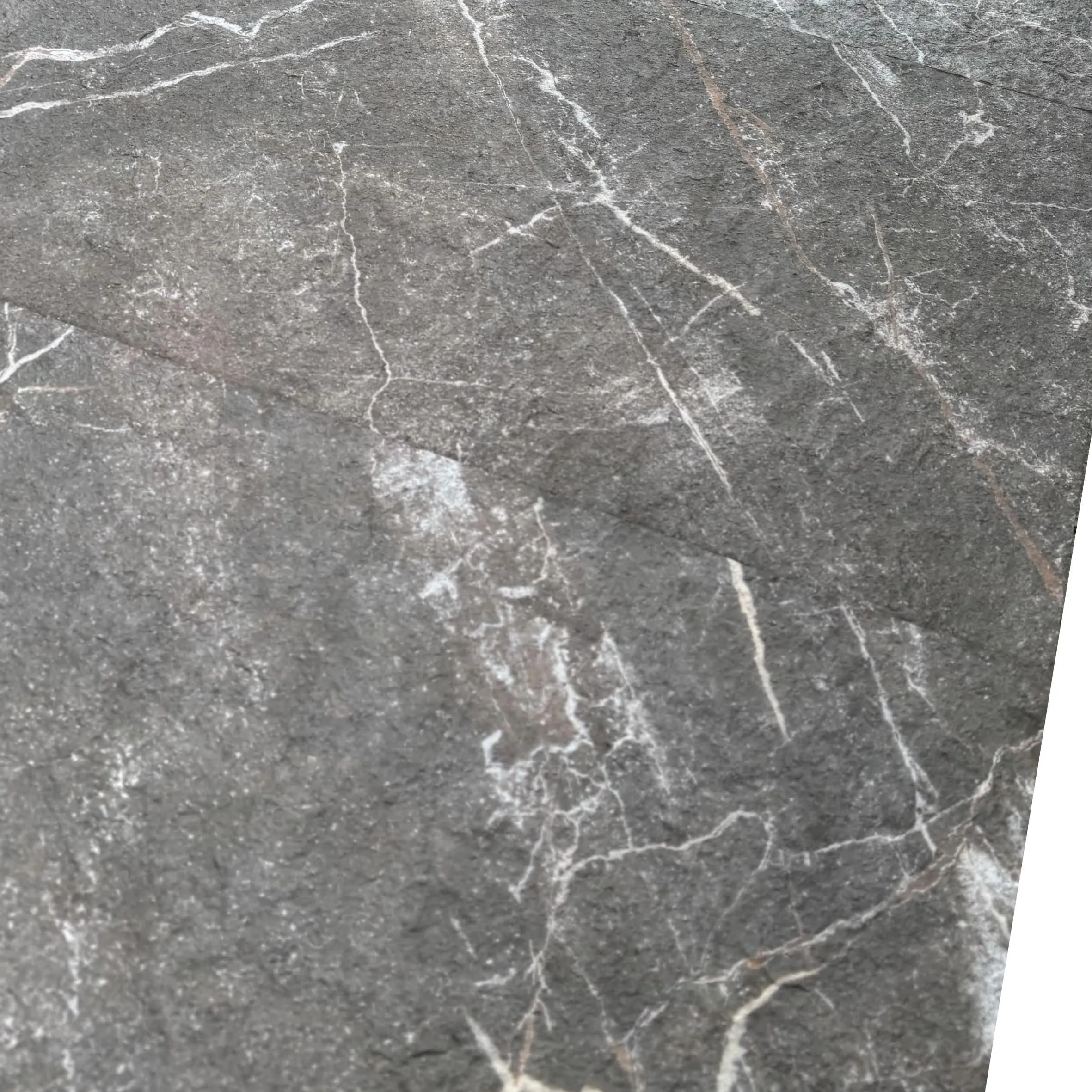
Here's where the magic of MCM (Modified Composite Material) comes in. Traditional natural stone is stunning, but it's heavy—really heavy. Installing thick granite slabs in a lobby often means reinforcing walls, hiring specialized crews, and blowing budgets on transportation. Not exactly efficient, right? MCM changes the game by taking the aesthetic of Granite Portoro and wrapping it in a smarter, lighter package.
MCM Granite Portoro is made by bonding a thin layer of real stone veneer to a lightweight, durable composite backing. The result? A material that looks and feels like solid granite but weighs up to 70% less. Suddenly, those grand lobby walls don't require massive structural support. Installation is faster, too—crews can handle larger panels without heavy machinery, cutting down on labor time and costs. And because it's engineered, it's more resistant to chips, stains, and water damage than raw stone. For a busy hotel lobby, where guests drag suitcases, spill coffee, and lean against walls, that durability isn't just a bonus—it's a necessity.
| Feature | Traditional Granite Slabs | MCM Granite Portoro |
|---|---|---|
| Weight (per sqm) | 50-80 kg | 12-15 kg |
| Installation Time | 3-5 days for a standard lobby wall | 1-2 days for the same area |
| Structural Support Needed | Heavy-duty wall reinforcement | Standard wall construction |
| Stain/Scratch Resistance | Moderate (needs frequent sealing) | High (engineered protective layer) |
| Cost (Material + Labor) | High (transport, labor, reinforcement) | Up to 30% lower (lighter, faster, less waste) |
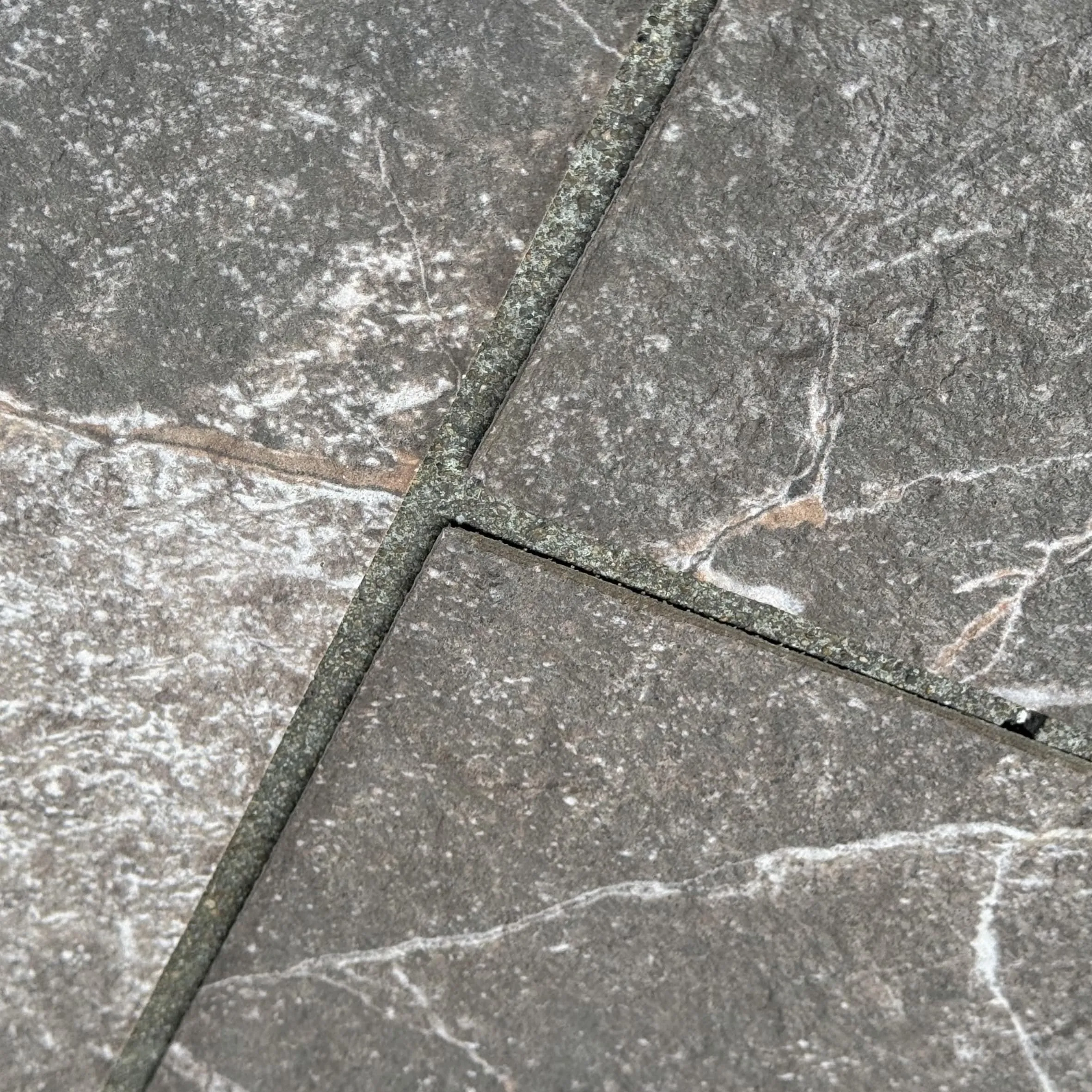
One of the best things about MCM isn't just its efficiency—it's the range. While Granite Portoro is a showstopper, designers love mixing and matching to create a lobby that feels unique. Take Boulder Slab , for example. With its rough-hewn, organic texture, it adds a touch of earthiness that balances Granite Portoro's polish. Imagine a lobby where Granite Portoro lines the reception desk, and Boulder Slab (in vintage gold, maybe) covers an accent wall. The contrast is striking—luxury with a hint of rugged warmth.
Or consider Travertine (starry blue) for a pop of unexpected color. Its soft blue base, dotted with tiny "stars" of mineral deposits, pairs beautifully with Granite Portoro's black and gold. A hotel going for a coastal vibe could use this combo to evoke the night sky over the ocean; a city hotel might use it to add depth to a monochrome palette. And let's not forget Fair-faced concrete —raw, minimalist, and slightly industrial. When paired with Granite Portoro, it creates a "less is more" elegance that feels modern and grounded.
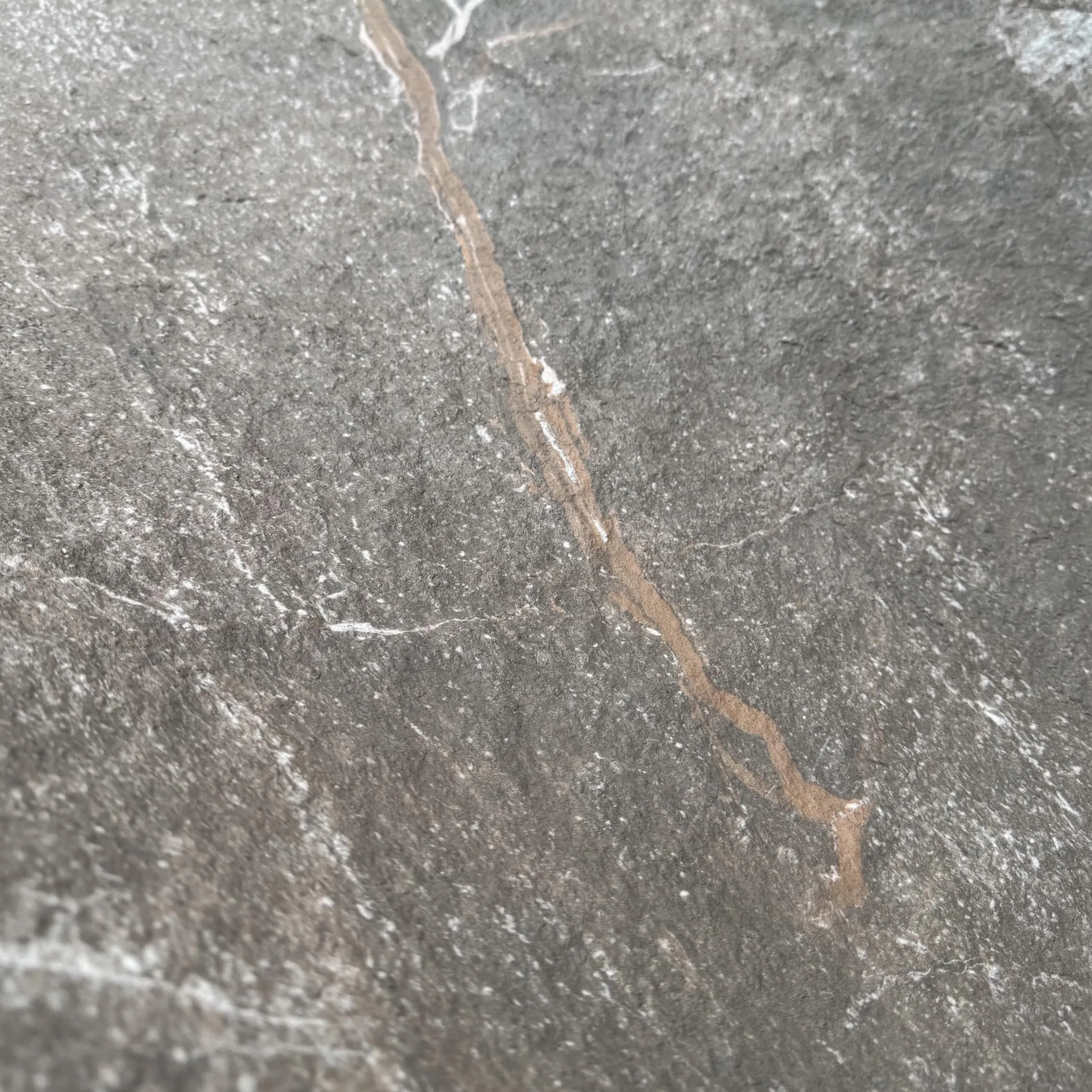
These days, "luxury" isn't just about how something looks—it's about how it's made. MCM materials like Granite Portoro score big here, too. Traditional stone mining is resource-intensive, often leaving large environmental footprints. MCM, on the other hand, uses less raw stone (just a thin veneer) and recycles materials in its composite backing. It also cuts down on transportation emissions because it's lighter—trucks can carry more panels per trip. For hotels aiming for LEED certification or marketing themselves as eco-conscious, that's a huge win.
And let's talk about longevity. A lobby with MCM Granite Portoro isn't just a pretty face—it's built to last. Unlike paint that fades or wallpaper that peels, MCM panels stand up to years of wear and tear. That means less frequent renovations, less waste, and a lower total cost of ownership over time. For hotel owners, that's efficiency that hits the bottom line and the conscience.
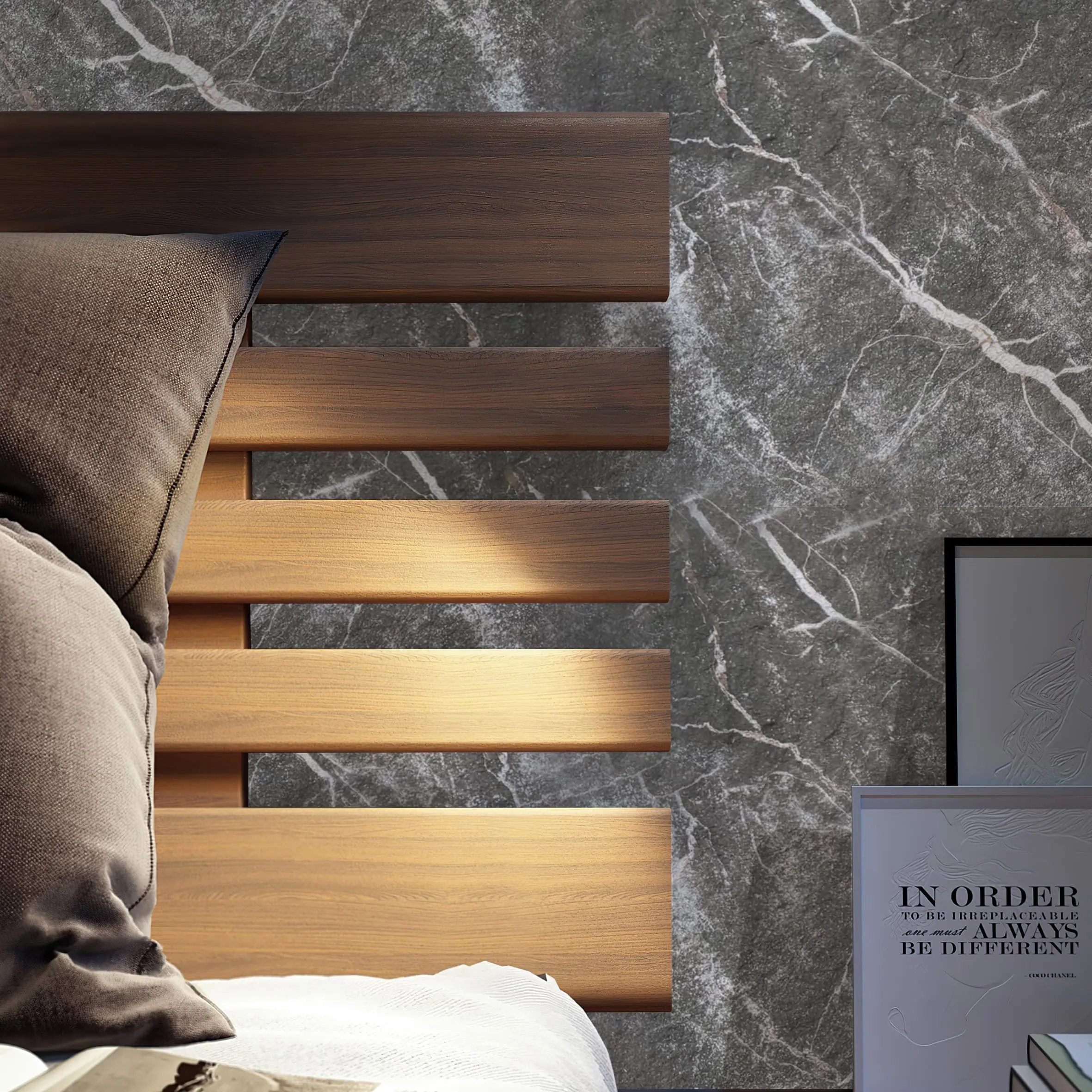
At the end of the day, a hotel lobby isn't just a space—it's a tool. It needs to welcome guests, reflect the brand, and stand up to the chaos of daily life. MCM Granite Portoro gets that. It's luxury that doesn't ask you to choose between beauty and practicality, between making a statement and staying on budget. It's for the designer who wants to create something unforgettable, the engineer who needs to keep the project on track, and the hotel owner who wants guests to walk in and think, "I'm so glad I chose this place."
So the next time you step into a hotel lobby and feel that subtle thrill of "wow," take a closer look. Chances are, it's not just the lighting or the furniture—it's the materials. And if that material is MCM Granite Portoro, you're looking at the future of design: where luxury and efficiency aren't enemies, but partners. After all, the best stories aren't just told—they're built to last.
Recommend Products












