
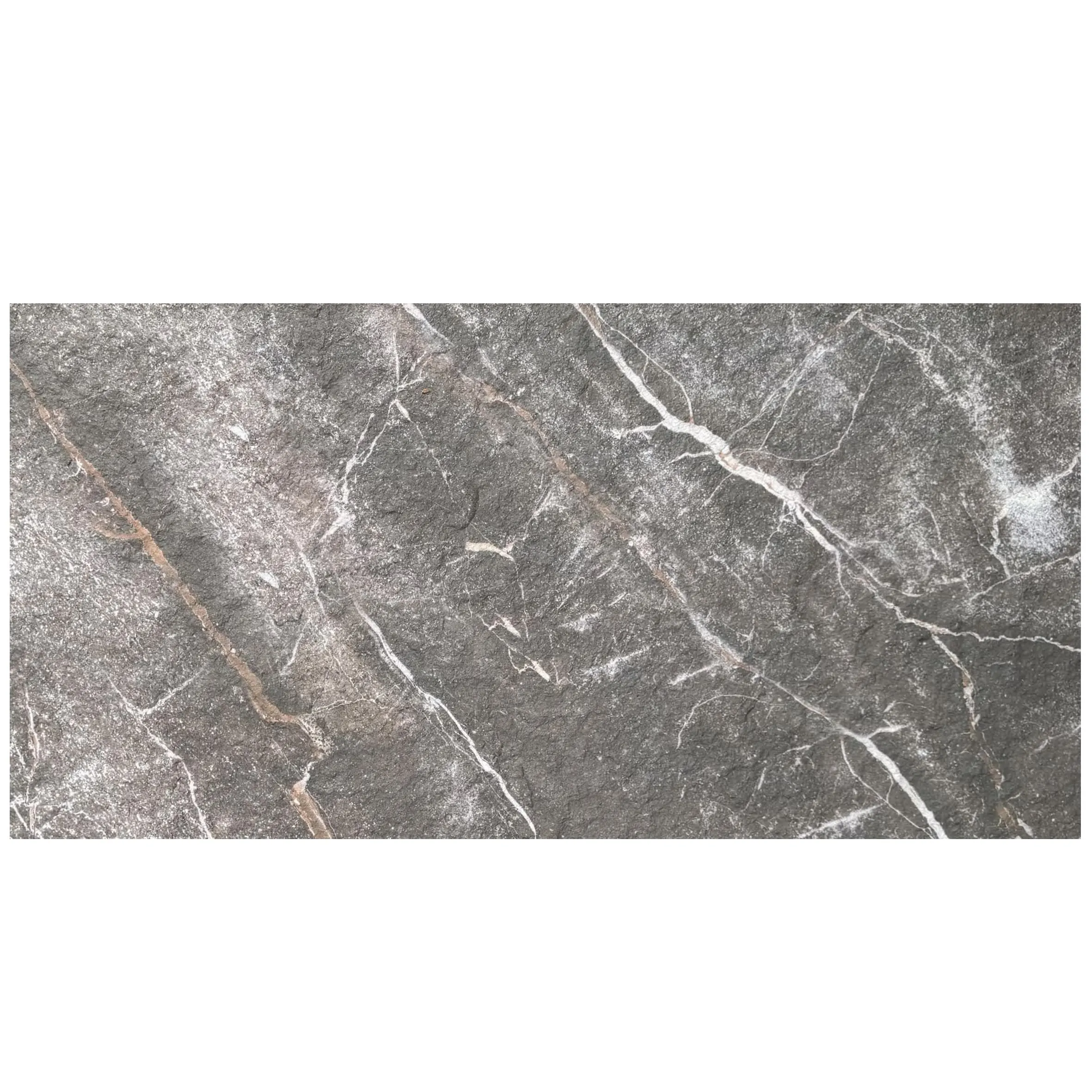
Your outdoor patio isn't just a slab of material—it's where morning coffee meets sunrise, where weekend barbecues turn into laughter-filled nights, and where your kids (or pets) race around on lazy afternoons. It's an extension of your home, and the material you choose shapes not just how it looks, but how it feels to use. If you've started researching patio materials, you've probably stumbled onto two names: Granite Portoro and MCM Pavers. Both have their fans, but which one is right for your space? Let's dive in.
Let's start with the classic. Granite Portoro is a type of natural stone that's been turning heads in luxury design for decades. Picture this: a deep, moody base—think jet black or charcoal grey—swirled with bold veins of gold, cream, or ivory. It's the kind of stone that feels both timeless and opulent, like something you'd find in a high-end hotel lobby or a Mediterranean villa. Miners extract it from quarries (mostly in Italy, where some of the most prized Portoro granite comes from), cut it into slabs, and polish it to a high shine that reflects light beautifully.
But why do people love it for patios? For starters, it's durable . Granite is one of the hardest natural stones on the planet, scoring a 6-7 on the Mohs hardness scale (diamonds are a 10, for reference). That means it can handle heavy foot traffic, kids dropping toys, and even the occasional furniture scrape without scratching easily. It's also heat-resistant, so on those scorching summer days, you won't have to worry about it warping or fading under the sun. And unlike wood, it doesn't rot, and unlike some concrete, it won't crack with freeze-thaw cycles in colder climates. In theory, a well-maintained Granite Portoro patio could last 50 years or more—long enough to pass down to the next generation.
1. It's a Showstopper Let's be real—looks matter. Granite Portoro's dramatic contrast of dark background and metallic veins makes it a focal point. Whether you pair it with modern outdoor furniture in neutral tones or boho-style rugs and potted plants, it elevates the entire space. It's not just a patio material; it's a design statement. Guests will comment on it, and you'll find yourself lingering longer just to admire how the light hits those gold veins at sunset.
2. Unbeatable Longevity Natural stone has been used in construction for centuries, and for good reason. Pyramids, ancient temples, historic courtyards—many of them still stand today, thanks to stone's durability. Granite Portoro is no exception. With proper care, it won't chip, fade, or wear thin over time. Even in harsh weather—heavy rain, snow, salt spray (if you live near the coast)—it holds up better than most man-made materials.
3. Low Day-to-Day Maintenance (Once Sealed) Here's the thing about granite: once it's sealed, it's surprisingly low-maintenance. You can sweep it, hose it down, or even pressure-wash it (on a low setting) without worrying about damage. Spills? Wipe them up quickly, and they'll likely bead right off. It's not as fussy as wood, which needs staining, or some concrete, which can etch with acidic cleaners. For busy homeowners, that's a huge plus.
1. It's Heavy—Like, Really Heavy Natural stone isn't light, and Granite Portoro is no exception. A single slab can weigh 100-200 pounds, depending on thickness. That means you can't just pick it up and lay it yourself. You'll need professional installers with equipment—think forklifts, dollies, and maybe even a crane if you're working on a second-story patio. All that labor adds up, and it also means you need a solid subbase. If your yard has soft soil or drainage issues, you'll have to reinforce the ground first, which adds time and cost.
2. Porosity is a (Fixable) Headache Here's the catch with natural stone: tiny pores. Granite Portoro has them, and they can absorb liquids if left unsealed. Spill red wine, olive oil, or even ketchup on an unsealed slab, and you might end up with a stain that's tough to remove. To avoid this, you'll need to seal your patio every 1-3 years. Sealing isn't hard—you clean the stone, apply the sealant with a roller or sprayer, and let it dry—but it's an ongoing cost (sealant isn't cheap) and a hassle if you forget. Miss a seal, and that "low-maintenance" dream starts to crumble.
3. It's Not Cheap Luxury comes at a price, and Granite Portoro is no exception. Expect to pay $15-$30 per square foot for the stone alone, and that's before installation, sealing, or subbase work. For a 200-square-foot patio, that could easily hit $8,000-$12,000 or more. If you're on a tight budget, this might be a non-starter. And if you ever need to replace a cracked slab? Good luck matching the veins—natural stone is one-of-a-kind, so a replacement might look slightly different, which can bug perfectionists.
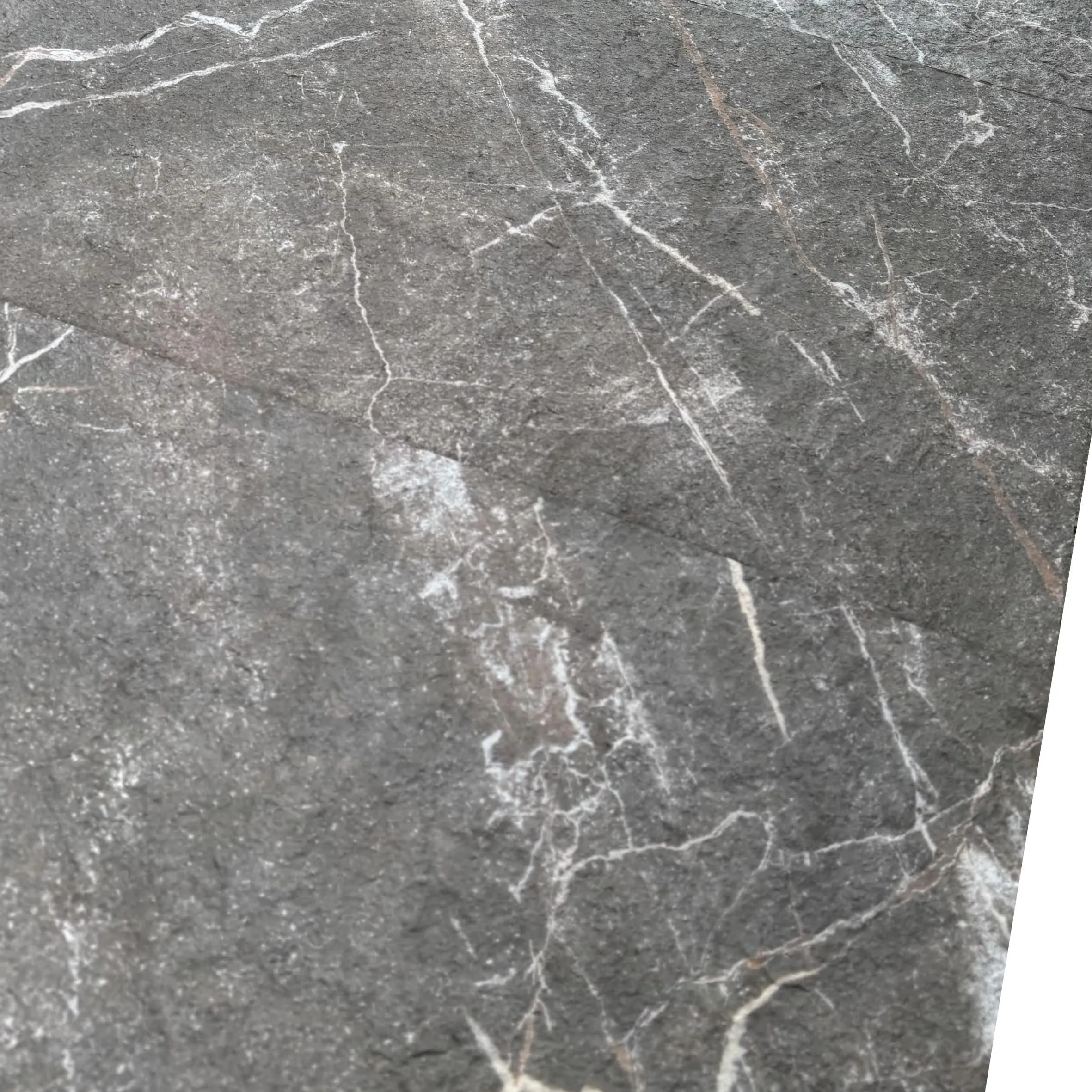
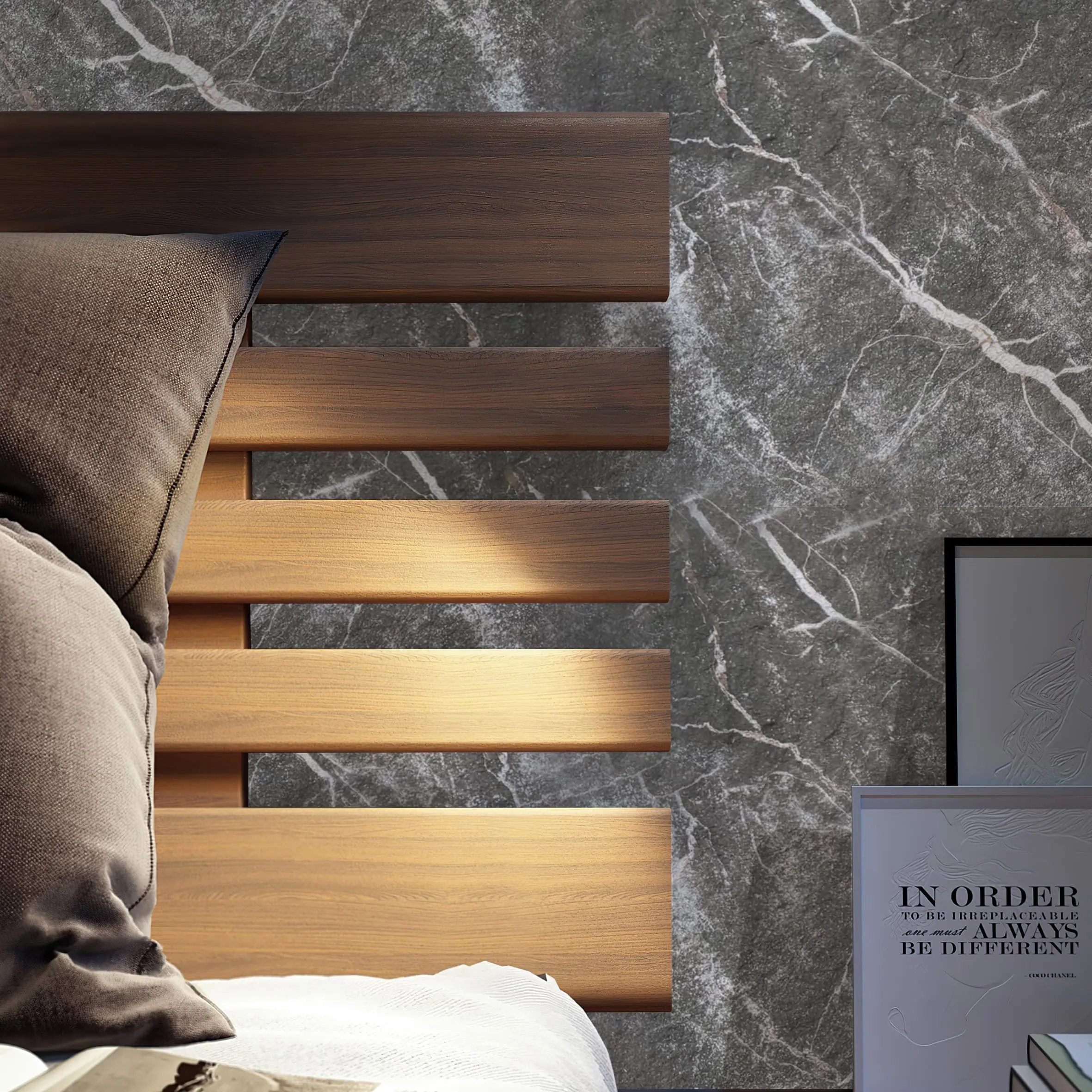
If Granite Portoro is the classic novel, MCM Pavers are the trendy new bestseller. MCM stands for "Modified Composite Material," which is a fancy way of saying they're made from a blend of natural minerals, recycled materials, and polymers. Think of them as stone's more flexible, lightweight cousin. Companies like MCM have spent years perfecting these pavers, and today, they come in everything from the rugged look of boulder slab to the warm texture of wood grain board —and yes, even styles that mimic Granite Portoro itself.
The star of the MCM lineup? MCM flexible stone . Unlike rigid natural stone, this stuff bends. Not like a rubber band, but enough to conform to slight slopes, curves, or uneven ground. That's a game-changer if your yard isn't perfectly flat (let's be real—whose is?). It's also lightweight, often weighing 1/5th of natural stone. And because it's a composite, manufacturers can mold it into almost any shape, color, or texture. Want the look of weathered wood without the rot? They've got wood grain board . Craving the rugged vibe of mountain stone? Check out their boulder slab options. The design possibilities feel endless.
1. Lightweight = Easier (and Cheaper) Installation Remember how Granite Portoro needed a crane? MCM pavers? You could probably carry a few boxes yourself. Their light weight means you don't need a reinforced subbase, and installation is faster. Even DIYers with basic tools can tackle small projects. Professionals will charge less, too—no heavy equipment, no extra labor for lifting. For a 200-square-foot patio, installation costs might be half of what you'd pay for Granite Portoro. That's a big win for budget-conscious homeowners.
2. Flexibility = No More Cracks (Hopefully) Freeze-thaw cycles are the enemy of rigid materials. Water seeps in, freezes, expands, and—crack! MCM flexible stone bends instead of breaking, which is a lifesaver in climates with cold winters or wet springs. It also handles ground movement better. If your yard shifts slightly (hello, tree roots or clay soil), MCM pavers adapt instead of cracking. That means fewer repairs down the line, which saves you money and stress.
3. Design Freedom: It's Like a Paint Palette for Your Patio Natural stone is limited by what the earth gives us. MCM pavers? They're limited only by imagination. Want wood grain board that looks like reclaimed oak? Done. How about boulder slab in a vintage silver finish? Yep. There are even options that mimic marble, concrete, or slate. And because they're man-made, the color and pattern are consistent across every paver. No more "oops, this slab has a weird vein" surprises. For anyone who wants a cohesive, custom look, that's a dream.
4. Low Maintenance, No Sealing Required Unlike Granite Portoro, MCM pavers don't need sealing. Their non-porous surface repels liquids, so spills wipe right up. They're also resistant to UV rays, so they won't fade in the sun, and they don't scratch easily. Cleanup? Sweep, hose down, done. No annual sealing, no special cleaners—just enjoy your patio. For busy families or anyone who hates home maintenance, this is a huge relief.
5. Eco-Friendly Creds Many MCM pavers are made with recycled materials—think crushed stone, glass, or even plastic. And because they're lightweight, transporting them uses less fuel than hauling heavy natural stone. For homeowners who care about sustainability, that's a big plus. You're getting a great patio and doing a small part for the planet. Win-win.
1. "Fake" Stigma (But It's Unfair) Let's get real: some people still think "composite" means "cheap" or "fake." They want the "authenticity" of natural stone, even if it comes with more work. If you're someone who values "real" materials above all else, MCM might feel like a compromise. But here's the thing: modern MCM pavers look incredibly realistic. Run your hand over a wood grain board MCM paver, and you'll feel the texture of real wood. It's not "fake"—it's a smarter alternative.
2. Heat Absorption (But So Does Everything Else) Dark-colored surfaces get hot in the sun—Granite Portoro included. MCM pavers are no exception. If you live in a super sunny area and choose a black or dark grey MCM option, expect the surface to get warm enough that you might want to wear shoes. Lighter colors help, but it's something to keep in mind. That said, Granite Portoro (which is often dark) has the same issue, so it's not a unique flaw.
3. Long-Term Durability: We're Still Learning Natural stone has been around for centuries, so we know it lasts. MCM pavers? They're newer—maybe 20-30 years on the market. Most manufacturers offer warranties (10-25 years), but real-world data on how they hold up after 30+ years is limited. Will they fade over time? Crack in extreme heat? We think they'll hold up, but there's less certainty than with Granite Portoro. If you're planning to stay in your home forever, that might give you pause.
| Factor | Granite Portoro | MCM Pavers (e.g., MCM Flexible Stone, Boulder Slab) |
|---|---|---|
| Cost (Material + Installation) | $25-$50 per square foot (high-end) | $10-$25 per square foot (mid-range) |
| Weight | Heavy (100-200 lbs per slab) | Lightweight (20-50 lbs per panel) |
| Installation Difficulty | Professional-only, needs heavy equipment | DIY-friendly for small projects; pros for large ones |
| Maintenance | Seal every 1-3 years; easy cleaning otherwise | No sealing needed; sweep/hose down |
| Durability | 50+ years with care; prone to cracking if ground shifts | 25+ years (warranteed); flexible, resists cracking |
| Design Options | Limited by natural variation; classic, luxurious look | Endless (wood grain, boulder slab, vintage finishes, etc.) |
| Eco-Friendliness | Natural but energy-heavy to quarry/transport | Often made with recycled materials; lightweight = lower transport emissions |
The answer depends on you . Let's break it down by scenario:
Choose Granite Portoro if… You want a luxury, high-end look that will never go out of style. You're willing to pay more upfront for durability and prestige. You live in a stable climate (no extreme freeze-thaw) and have a solid budget for installation and maintenance. Think: permanent home, classic design taste, and you love the idea of a "heirloom" patio that lasts decades.
Choose MCM Pavers if… You want flexibility in design (hello, wood grain board or boulder slab !) and budget. You're a DIYer or want to save on installation. You live in a climate with freeze-thaw cycles or shifting soil. You care about sustainability, or you might sell your home in 10-15 years and want a patio that appeals to buyers without breaking the bank. MCM pavers are all about practicality without sacrificing style.
Who says you have to choose one? Some homeowners mix materials for a unique look. For example, use Granite Portoro for a small accent area (like a fire pit surround) and MCM wood grain board pavers for the main patio. It's a way to get the luxury of natural stone where it counts and the affordability of MCM everywhere else. Just make sure the colors and textures complement each other—you don't want it to look like a patchwork quilt!
At the end of the day, both Granite Portoro and MCM Pavers can make beautiful patios. Granite Portoro is the grandparent of patio materials—wise, elegant, and built to last. MCM Pavers are the new kid on the block—innovative, adaptable, and ready to keep up with modern life. The "right" choice depends on what matters most to you: luxury vs. practicality, tradition vs. innovation, upfront cost vs. long-term savings. Whichever you pick, remember: the best patio material is the one that lets you enjoy your outdoor space—without stress, without hassle, and with all the good times that make a house a home.
Recommend Products












