
Walk down a street lined with historic buildings—perhaps a row of 19th-century brownstones in Boston, a terracotta-clad arcade in Barcelona, or a weathered stone marketplace in Rome—and you'll feel it immediately: a sense of continuity, of stories embedded in every crack and curve. These structures aren't just bricks and mortar; they're living testaments to the past. But here's the catch: time is not kind to old buildings. Leaky roofs, crumbling facades, and outdated infrastructure turn preservation into a constant battle. Architects and builders today face a unique challenge: how to breathe new life into these heritage sites without erasing the character that makes them irreplaceable. The answer, increasingly, lies in materials that honor history while embracing modern innovation. Enter Granite Portoro—a material that doesn't just mimic the past, but reimagines it for the future.
For decades, historic renovation projects clung rigidly to "authenticity." If a 17th-century church's facade was originally carved from local limestone, architects would source the same stone, even if it meant higher costs, longer lead times, and materials that couldn't withstand today's climate challenges. I once worked with a team restoring a castle in the Scottish Highlands; they insisted on using the same sandstone quarried in the 1600s. Within five years, the new stone was already eroding faster than the original—thanks to harsher rains and saltier air from coastal winds. The lesson? "Authenticity" shouldn't mean sacrificing longevity.
Traditional materials often come with other drawbacks, too. Marble, for all its elegance, stains easily. Limestone weathers quickly. And let's not forget weight: hauling massive blocks of natural stone to a rooftop terrace in a historic district, where cranes can't fit, is a logistical nightmare. These are the hurdles that make even the most passionate preservationists question whether "sticking to the past" is truly the best way to protect it.
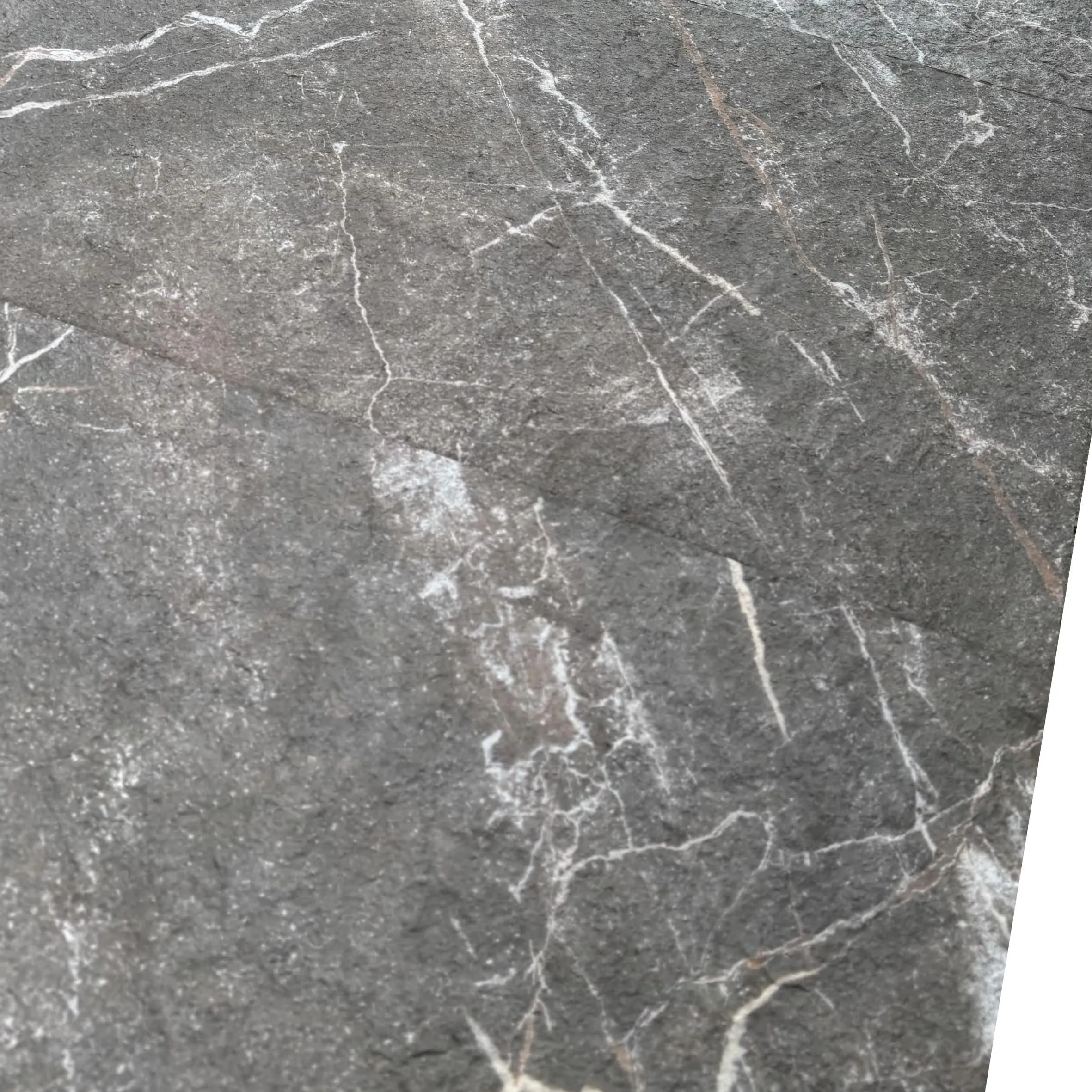
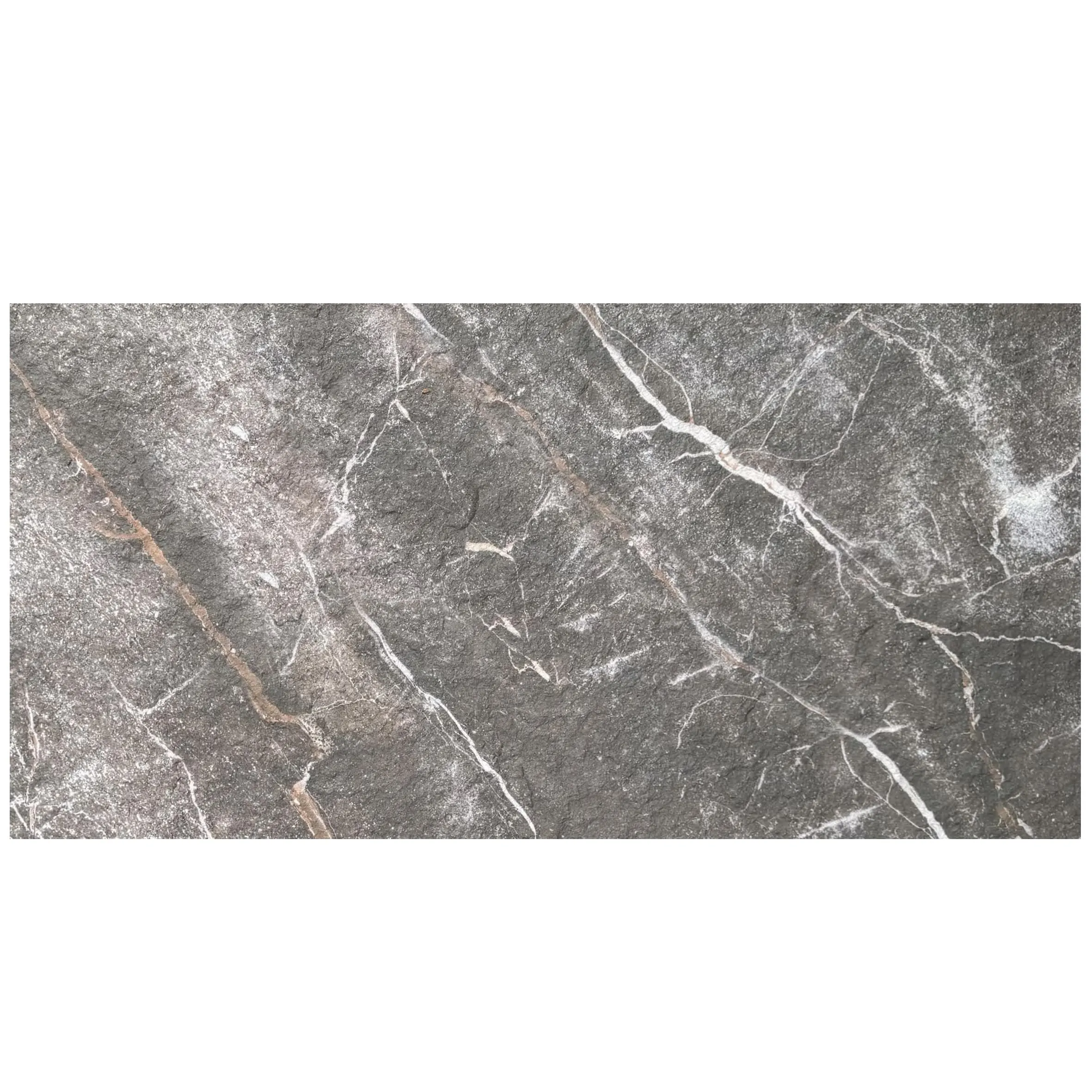
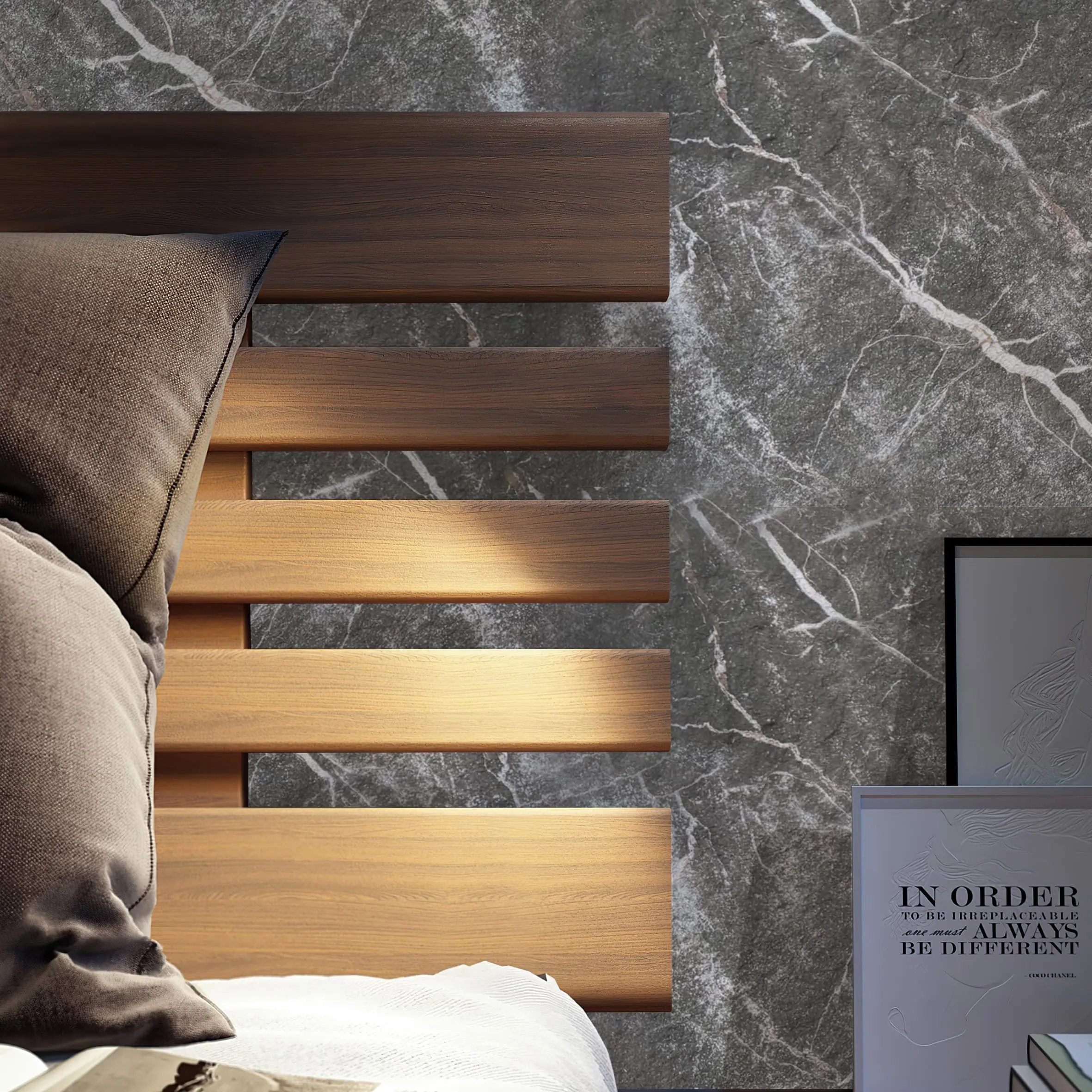
Granite Portoro isn't your average stone. At first glance, it's easy to mistake it for the iconic Portoro marble—a black stone with golden veins that has adorned palaces and cathedrals since the Renaissance. But look closer, and you'll notice the difference: a subtle matte finish that resists fingerprints, a density that repels water, and a flexibility that makes installation a breeze. It's part of the MCM (Modified Composite Material) family, a line of products designed to bridge the gap between heritage aesthetics and 21st-century performance.
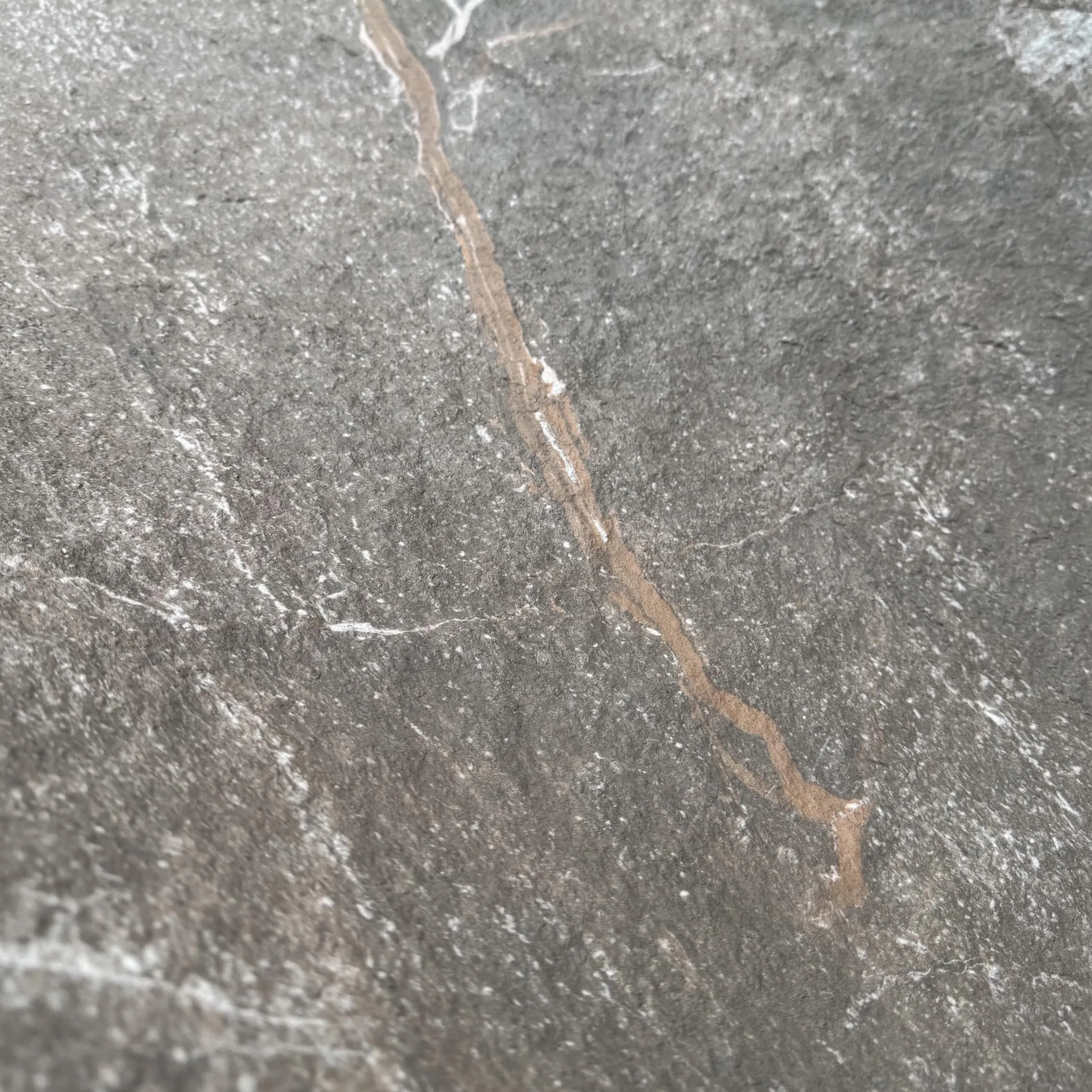
What makes Granite Portoro special? Let's start with its looks. The golden veins aren't just printed on; they're embedded deep into the material, mimicking the natural mineral deposits that give real Portoro its depth. Run your hand over it, and you'll feel the texture of quarried stone, not the plastic-like smoothness of cheap imitations. "It has the soul of the original," says Elena Rossi, a conservation architect who used Granite Portoro to restore a 18th-century opera house in Milan. "But when we pressure-washed the facade after a storm, the veins didn't bleed, the color didn't fade. Traditional Portoro would have required sealing every year. This stuff? It just shrugged it off."
Durability aside, Granite Portoro solves the "weight problem" that plagues historic sites. Traditional Portoro marble weighs around 2700 kg per cubic meter; MCM's Granite Portoro? A mere 800 kg. That's a game-changer for structures with fragile foundations. "We were restoring a town hall in Prague with load-bearing walls that date back to the 1500s," explains structural engineer Martin Novak. "Adding traditional stone cladding would have risked collapse. With Granite Portoro, we cut the weight by two-thirds and still got the grandeur the building deserved."
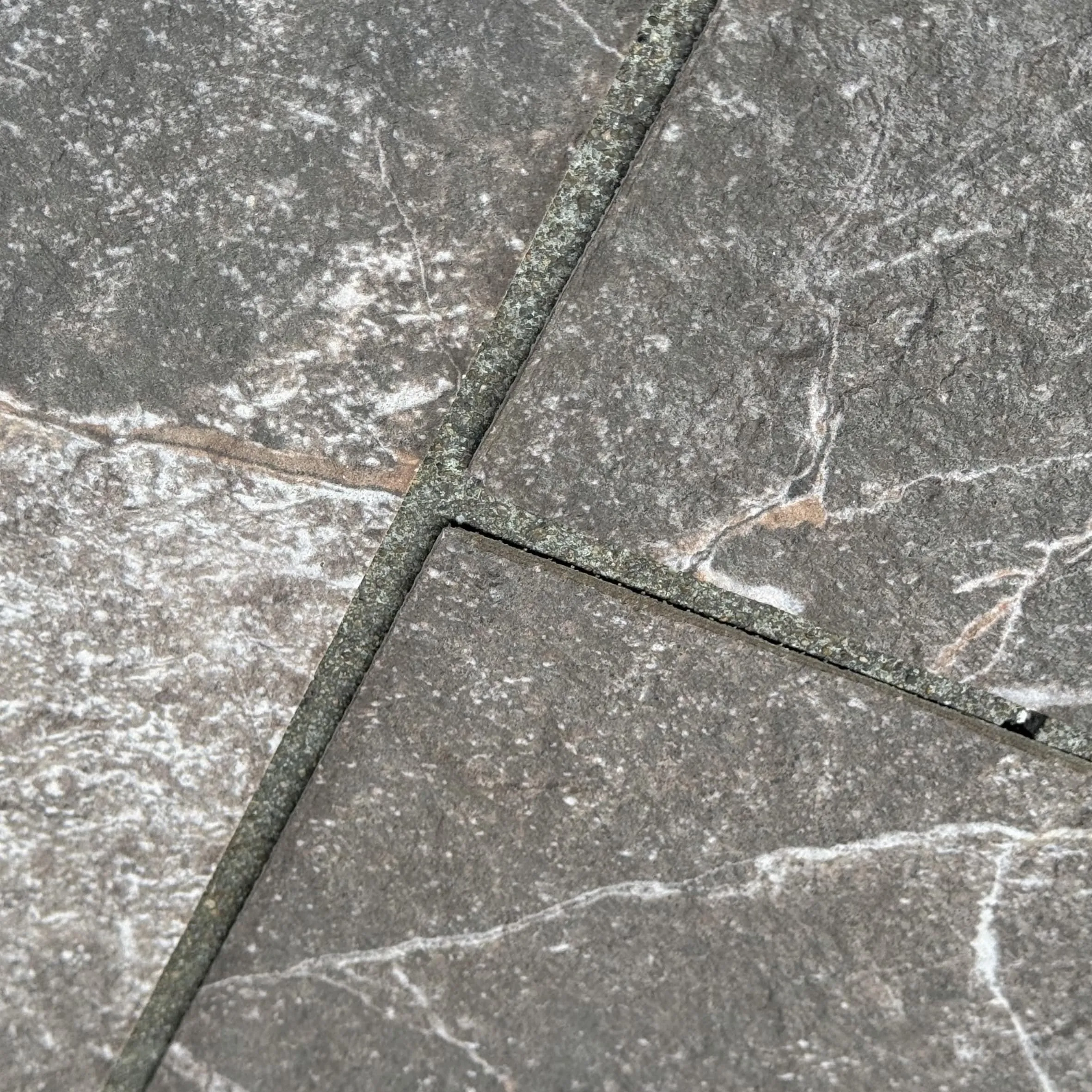
Granite Portoro is a star player, but it's not the only one in the MCM lineup. The brand's strength lies in its ecosystem of materials—each designed to complement historic architecture while adding modern functionality. Take MCM flexible stone , for example. Imagine a curved archway in a medieval monastery: traditional stone would crack under the stress of bending, but MCM flexible stone bends like leather. "We used it to line the interior of a 12th-century tower in Edinburgh," says Rossi. "The original stone was so eroded, we needed to reinforce the walls. Flexible stone wrapped around the curves perfectly, matching the texture of the old masonry. Visitors can't tell where the original ends and the new begins."
Then there's fair-faced concrete —a material that sounds industrial but, in MCM's hands, becomes a chameleon. Stripped of paint and left raw, it takes on the warmth of aged plaster, making it ideal for interior walls in historic homes. "I paired it with Granite Portoro in a Parisian townhouse renovation," notes interior designer Sophie Dubois. "The concrete walls kept the space feeling airy, while the Granite Portoro fireplace added that old-world opulence. It was like mixing a vintage silk scarf with a modern leather jacket—unexpected, but somehow right."
For projects that crave a pop of color without clashing with historic palettes, travertine (starry blue) is a revelation. Its deep blue base, dotted with flecks of gold and silver, evokes night skies over ancient ruins. "We used it in a museum extension in Athens, where the original building was white marble," says Dubois. "The starry blue panels on the new wing mirrored the Aegean Sea, connecting the old and new in a way that felt organic."
And let's not overlook epoch stone —MCM's nod to the weathered, earthy tones of ancient civilizations. With its muted browns and soft texture, it's the perfect companion for Granite Portoro in outdoor spaces. "We built a courtyard in a restored Roman villa using epoch stone for the flooring and Granite Portoro for the columns," says landscape architect Luca Moretti. "The epoch stone looked like it had been trodden on for centuries, while the Granite Portoro columns stood tall and crisp. Together, they told a story of endurance."
| Material | Aesthetic Vibe | Key Benefit for Historic Renovation | Best Paired With |
|---|---|---|---|
| Granite Portoro | Regal, timeless—black with gold veins | Lightweight (800kg/m³) vs. traditional stone (2700kg/m³) | Fair-faced concrete, epoch stone |
| MCM Flexible Stone | Textured, organic—mimics aged limestone/sandstone | Bends to fit curved surfaces (arches, domes) | Travertine (starry blue), wood accents |
| Fair-faced Concrete | Raw, understated—warm gray with subtle grain | Fire-resistant and mold-proof for damp historic interiors | Granite Portoro, linear travertine |
| Travertine (Starry Blue) | Whimsical, celestial—deep blue with metallic flecks | UV-resistant; won't fade in sunlight (ideal for stained glass windows) | Epoch stone, white marble accents |
| Epoch Stone | Earthy, weathered—muted browns and terracottas | Slip-resistant; perfect for historic courtyard pathways | Granite Portoro, gravel omani stone |
To see MCM materials in action, look no further than the Palazzo Vecchio renovation in Florence, Italy. Built in the 14th century, the palace had suffered decades of water damage, with its original Portoro marble facade crumbling and its interior walls riddled with mold. The goal? Restore its grandeur while making it safe for modern use (think: climate control, wheelchair accessibility, and updated electrical systems).
The team turned to Granite Portoro for the exterior cladding. "We matched the original marble's vein pattern by scanning fragments of the old stone," explains project manager Giovanni Conti. "MCM's 3D printing technology let us replicate even the tiniest details—the way the gold veins thin out near the edges, the slight variations in color. From the street, you'd never know it's not the original stone."
Inside, MCM flexible stone lined the curved staircases, where traditional stone would have cracked under the building's subtle shifts. Fair-faced concrete walls replaced rotting plaster in the basement, now converted into a climate-controlled archive. And in the grand ballroom, travertine (starry blue) panels were installed behind the stage, catching the light from the 16th-century chandeliers and casting a soft, starry glow—"a nod to the Renaissance love of astronomy," says Conti.
The result? A palace that feels both ancient and alive. "Before, visitors would comment on how 'sad' the building looked—like a relic," Conti recalls. "Now, they stop and stare at the facade, run their hands over the walls. It's like we gave the palace its pride back."
It's not just about looks. MCM materials address the practical headaches that make historic renovation a slog. Take sustainability: traditional stone quarrying is energy-intensive and generates massive waste. MCM, by contrast, uses recycled stone dust and polymers, cutting carbon emissions by up to 40%. "We're restoring history, so we should protect the planet while we're at it," says Dubois. "MCM lets us do both."
Installation speed is another win. Traditional stone cladding can take months to cut, transport, and install. MCM materials come pre-cut and lightweight, slashing project timelines by half. "On the Palazzo project, we finished the facade in 12 weeks instead of the projected 24," Conti notes. "That meant less disruption to the neighborhood and lower labor costs."
"Historic preservation isn't about freezing time—it's about letting buildings evolve without losing their essence. MCM materials like Granite Portoro don't just preserve the past; they give it permission to thrive in the present." — Elena Rossi, Conservation Architect
As cities grow and heritage sites face new threats—rising sea levels, extreme weather, urban density—materials that blend tradition and innovation will only become more critical. Granite Portoro and its MCM siblings aren't just products; they're a philosophy: that we don't have to choose between honoring the past and embracing the future. They prove that with the right materials, a 500-year-old building can host a tech conference, a medieval castle can become a boutique hotel, and a 19th-century schoolhouse can transform into a community center—all while keeping the stories that make them special intact.
So the next time you walk past a historic building undergoing renovation, take a closer look. If the stone facade glows like it's been polished by time, if the curves feel seamless, if the colors pop without clashing—chances are, you're looking at MCM innovation at work. And somewhere, in the walls, the past and present are having a conversation. Granite Portoro is just the translator.
Recommend Products












