
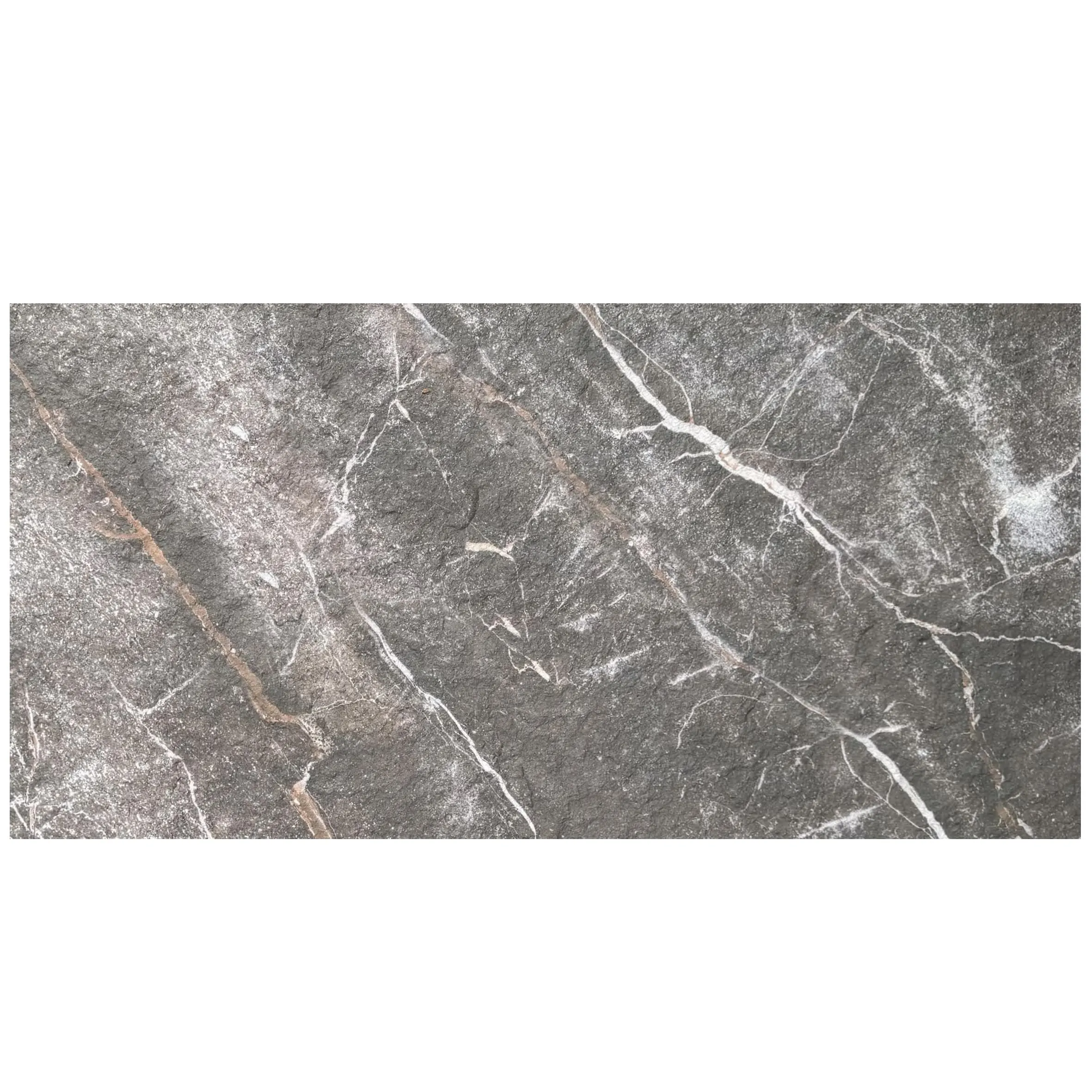
In the sun-drenched cities of the Middle East, where minarets pierce the sky and glass skyscrapers glint like modern-day pyramids, architecture is more than just construction—it's a language. It speaks of empires past, of desert resilience, and of a future where tradition and innovation dance in harmony. Among the materials that have become integral to this dialogue, one stands out for its ability to bridge ancient heritage and contemporary luxury: Granite Portoro. With its deep black base swirled with veins of gold and white, this stone isn't just a choice for builders; it's a storyteller, carrying with it centuries of symbolism and a quiet power that resonates across mosques, palaces, and urban landscapes alike.
To understand Granite Portoro's place in Middle Eastern architecture, one must first appreciate the region's long-standing love affair with stone. From the limestone blocks of the Great Pyramids to the sandstone carvings of Petra, stone has been the backbone of the area's built environment, chosen for its durability against harsh desert climates and its ability to age with grace. Granite, in particular, has long been revered for its strength—so much so that ancient civilizations used it for monuments meant to outlast time. Portoro, a specific type of granite quarried historically in Italy but now sourced globally, adds a layer of opulence to this legacy. Its dramatic contrast of black and gold isn't just visually striking; it mirrors the region's own duality: the stark beauty of the desert night sky (black) and the warmth of the sun (gold), the austerity of nomadic life and the grandeur of royal courts.
In modern contexts, this symbolism has only deepened. Walk through the lobbies of Dubai's luxury hotels or the corridors of Abu Dhabi's cultural centers, and you'll often find Granite Portoro gracing floors, walls, or accent pieces. Architects and designers don't just select it for its aesthetic appeal; they choose it because it means something. The gold veins, for instance, evoke the region's historical role as a crossroads of trade—where caravans carried spices, silk, and gold across vast deserts. The black base, meanwhile, speaks to endurance, a nod to the Bedouin tribes who thrived in unforgiving landscapes. In a region that prides itself on preserving its roots while reaching for the stars, Granite Portoro becomes a tangible metaphor for that balance.
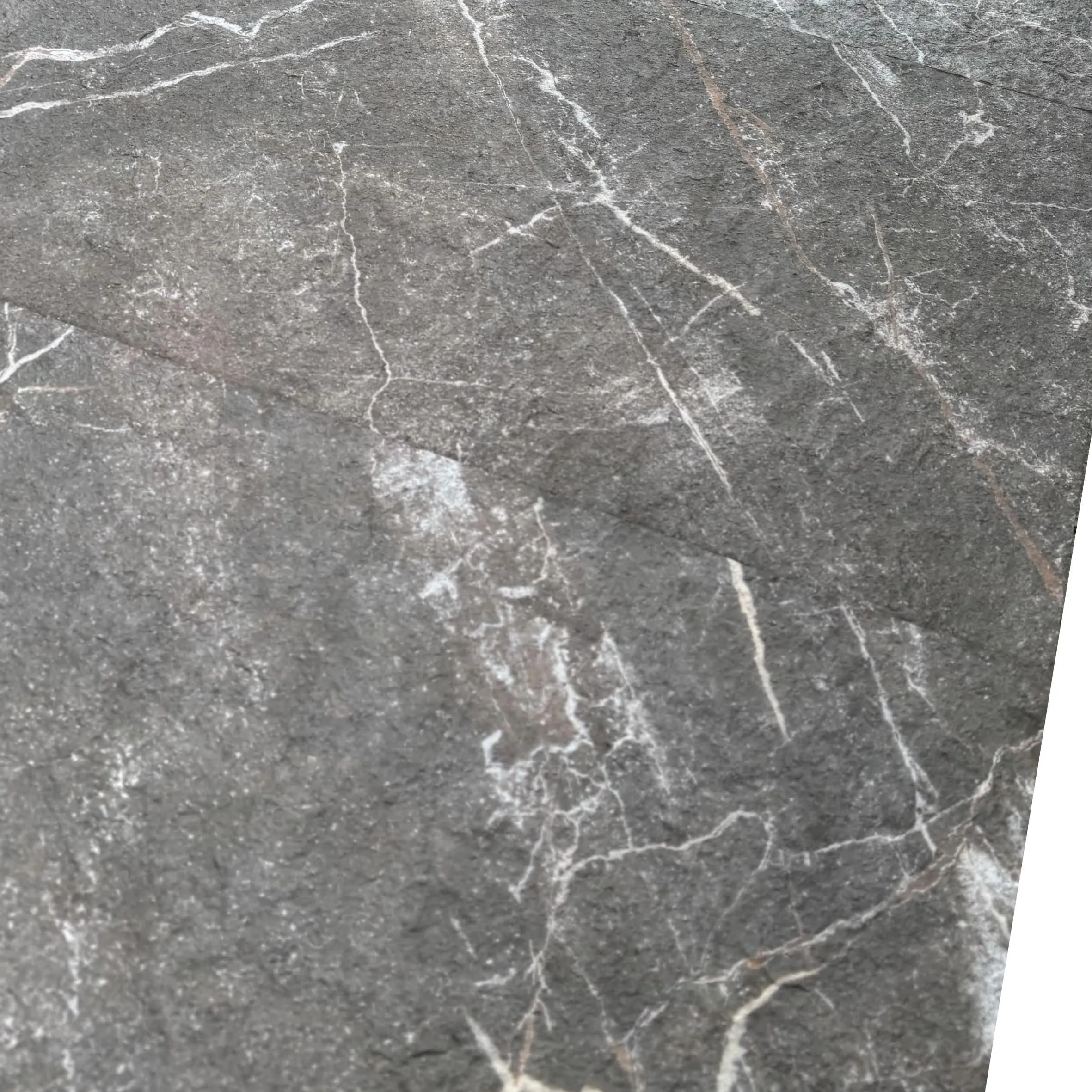
While Portoro granite's name may trace back to Italian quarries, its journey to the Middle East is part of a larger narrative of cultural exchange. For centuries, the region has been a melting pot of ideas, with materials and techniques traveling along the Silk Road and maritime routes. Granite, too, found its way here, used in everything from fortifications to religious sites. In the 20th century, as Middle Eastern cities began their rapid transformation into global hubs, demand for distinctive, high-end materials surged. Portoro, with its bold aesthetic, emerged as a favorite for projects aiming to make a statement—whether a royal palace seeking to honor tradition or a corporate tower asserting modernity.
Take, for example, the Sheikh Zayed Grand Mosque in Abu Dhabi, a masterpiece of contemporary Islamic architecture. While the mosque is famous for its white marble domes and intricate calligraphy, closer inspection reveals subtle uses of dark stone accents that echo Granite Portoro's spirit—materials chosen to ground the ethereal white in a sense of earthy solidity. Similarly, in Doha's Museum of Islamic Art, designed by I.M. Pei, stone plays a central role in creating a dialogue between past and present. Though the museum primarily uses limestone, the principles that make Granite Portoro so compelling are evident: a material that carries history in its grains, yet feels utterly contemporary.
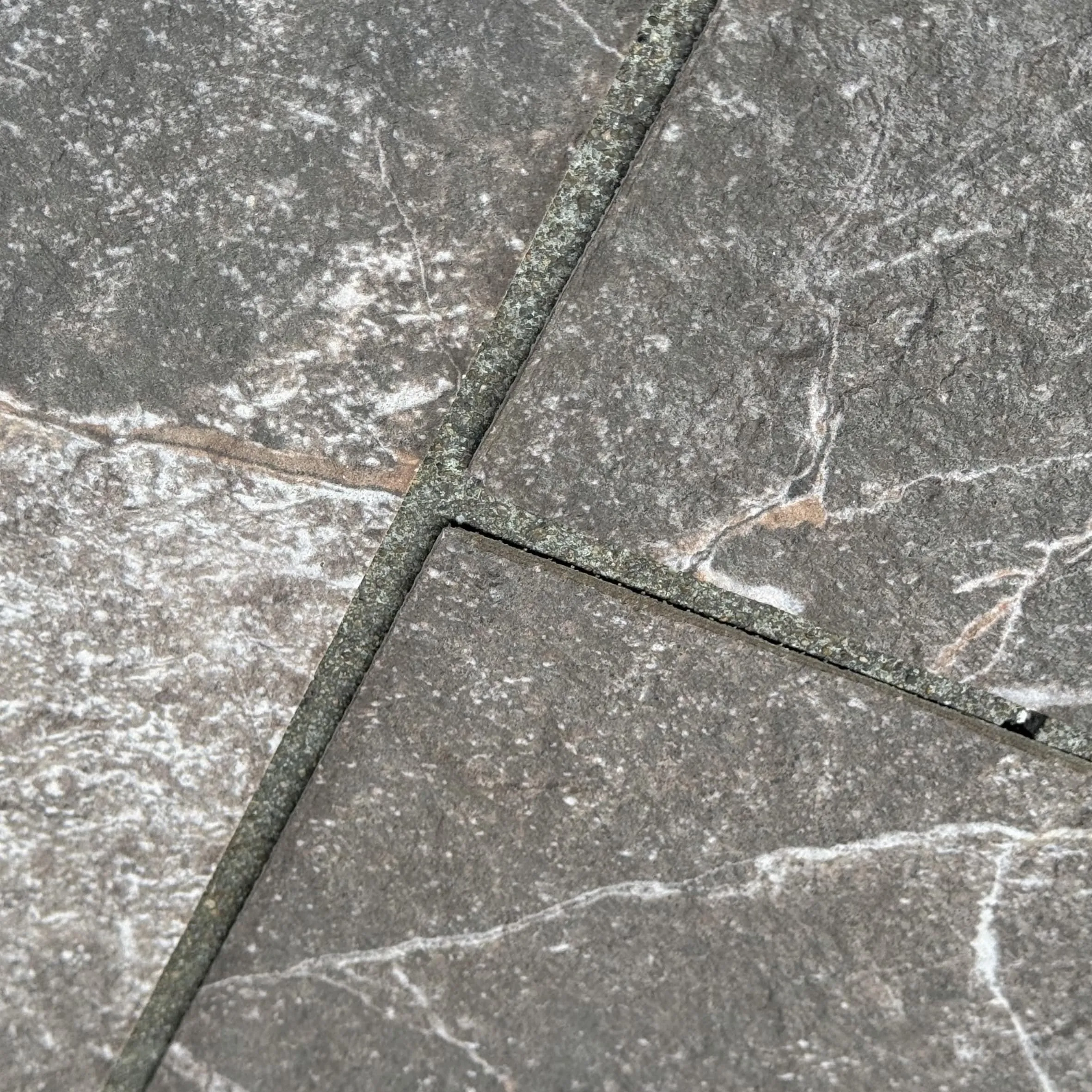
Granite Portoro's versatility is another reason for its popularity. Unlike more delicate stones, it stands up to the region's extreme temperatures—scorching summers and cool winters—without fading or deteriorating. This practicality, paired with its beauty, makes it ideal for both interior and exterior use. In residential settings, it might line the walls of a private villa's courtyard, where its dark surface absorbs heat during the day and releases it gently at night, creating a microclimate of comfort. In commercial spaces, it often adorns reception desks or elevator lobbies, making a first impression of sophistication. Even in religious spaces, it finds a home: some modern mosques use Granite Portoro for mihrabs (prayer niches), the gold veins symbolizing the divine light of faith.
One particularly striking application is in the realm of public art and urban design. In Riyadh's King Abdullah Financial District, a sprawling development that blends business and culture, Granite Portoro has been used in outdoor sculptures and plazas. Here, the stone's bold pattern becomes a canvas for storytelling, with artists incorporating its natural veins into designs that reference traditional geometric patterns or desert landscapes. It's a reminder that in Middle Eastern architecture, even functional elements are opportunities for expression—and Granite Portoro, with its inherent drama, is the perfect medium.
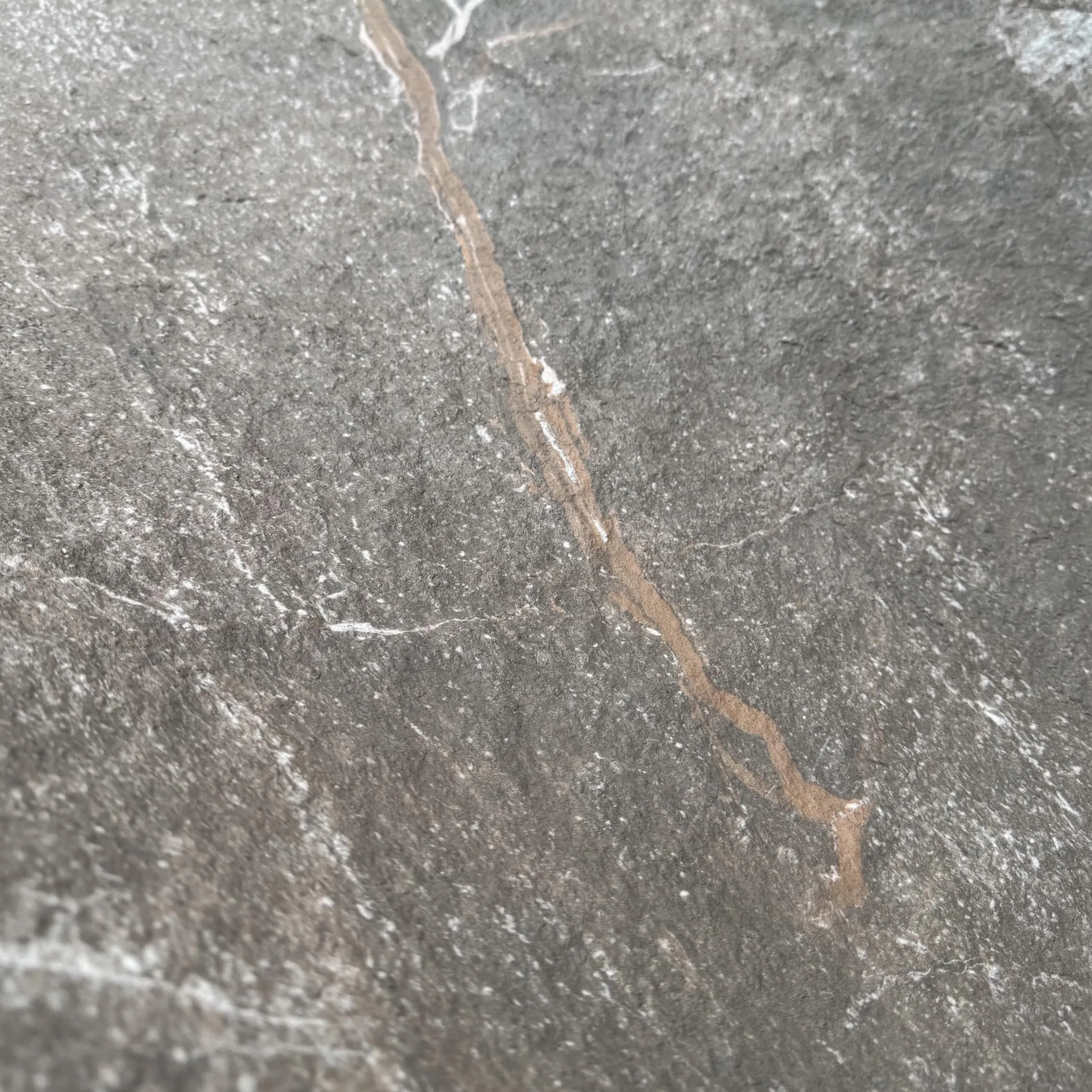
To truly appreciate Granite Portoro's uniqueness, it helps to compare it with other materials shaping Middle Eastern architecture today. Two stand out for their own cultural and aesthetic significance: Fair-faced concrete and Lunar Peak Golden. Each brings something distinct to the table, but Granite Portoro's blend of tradition and luxury sets it apart.
| Material | Aesthetic Traits | Cultural Resonance | Common Applications |
|---|---|---|---|
| Granite Portoro | Deep black base with gold/white veins; high contrast, luxurious | Symbolizes wealth, endurance, and cultural duality (desert night/sun) | Luxury hotels, royal palaces, high-end commercial lobbies |
| Fair-faced concrete | Raw, minimalist gray; industrial yet organic texture | Evokes modernity, simplicity, and a connection to "honest" construction | Contemporary museums, residential towers, public spaces |
| Lunar Peak Golden | Warm golden tones with subtle texture; soft, radiant finish | Reflects the region's sunlit landscapes and celestial symbolism | Mosque interiors, heritage centers, decorative accents |
Fair-faced concrete, for instance, has gained popularity for its "less is more" ethos, favored by architects seeking a modern, understated look. It speaks to a global trend toward minimalism, but lacks the historical weight of Granite Portoro. Lunar Peak Golden, on the other hand, shares Portoro's warm palette but leans into softness, making it ideal for spaces meant to feel inviting and sacred. Granite Portoro, by contrast, commands attention—it's unapologetically bold, making it the choice when a project aims to make a statement about legacy and ambition.
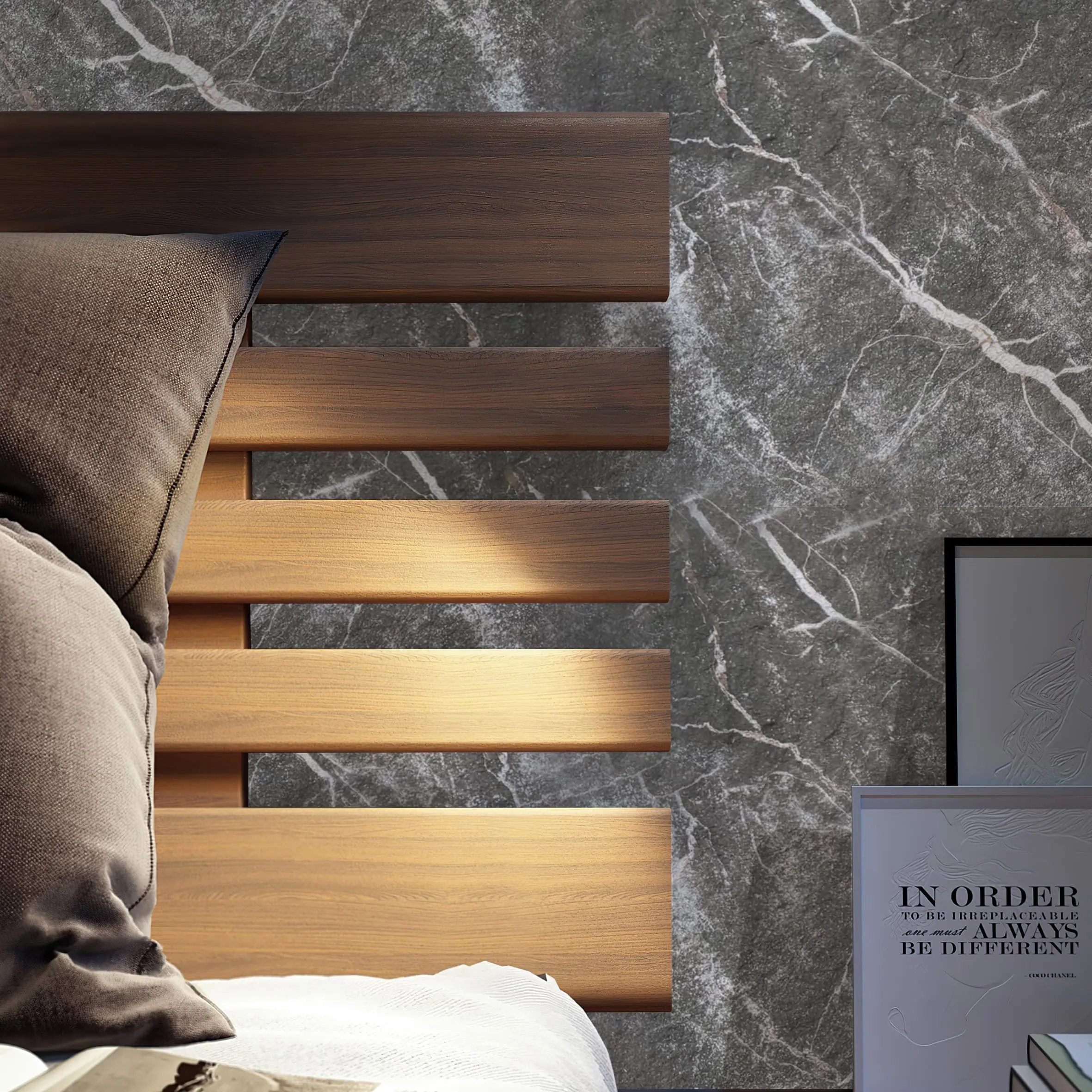
Beyond its visual and symbolic appeal, Granite Portoro's significance in Middle Eastern architecture is amplified by the craftsmanship involved in working with it. Unlike prefabricated materials, natural stone requires skilled artisans to cut, shape, and polish it, a process that harkens back to traditional stonemasonry. In a region where handmade artistry is celebrated—from carpet weaving to metalwork—this human element adds depth to the material. Local workshops, some run by families for generations, take pride in transforming rough Granite Portoro blocks into works of art, ensuring that each piece carries not just the stone's history, but also the hands of the craftspeople who shaped it.
This attention to detail is evident in projects like the Louvre Abu Dhabi, where stone was selected and treated with meticulous care to complement the building's "floating" dome design. While the museum uses a range of materials, including marble and travertine, the occasional use of dark, veined stone (echoing Granite Portoro's aesthetic) serves as a deliberate contrast to the lighter elements, creating a rhythm that guides visitors through the space. It's a reminder that in Middle Eastern architecture, every material choice is intentional, and every stone has a role to play in the larger narrative.
As the Middle East embraces sustainable building practices, questions arise: Can a material like Granite Portoro—often quarried far from the region—align with eco-conscious design? The answer, increasingly, is yes. Innovations in quarrying technology have reduced environmental impact, and architects are finding ways to use Granite Portoro sparingly, as an accent rather than a primary material, to minimize carbon footprints. Additionally, the stone's durability means structures clad in it require less maintenance and replacement over time, making it a sustainable choice in the long run.
Moreover, the region's focus on preserving cultural heritage has led to a renewed interest in materials that tell local stories. While Granite Portoro isn't native to the Middle East, its adoption and adaptation reflect the region's historical role as a curator of global influences. By incorporating it into sustainable designs, architects are not just building for the future; they're ensuring that the stories carried by materials like Granite Portoro continue to be told for generations to come.
In the end, Granite Portoro is more than a building material in Middle Eastern architecture. It's a bridge between eras, a symbol of resilience, and a celebration of beauty that transcends time. Whether gracing the walls of a centuries-old palace or a cutting-edge skyscraper, it carries with it the weight of history and the promise of tomorrow. In a region that has always dared to dream big—where deserts became oases and trading posts became global cities—Granite Portoro stands as a testament to the power of stone to not just build structures, but to build identity.
As the sun sets over cities like Doha, Dubai, or Riyadh, casting golden light on Granite Portoro surfaces, one can almost see the stories etched into its veins: of caravans and kings, of artisans and architects, of a people who have always understood that true luxury lies not just in what is seen, but in what is felt. And in that feeling—in the quiet awe inspired by a stone that is both strong and beautiful—Granite Portoro's cultural significance is secured, not just for today, but for all the tomorrows yet to be built.
Recommend Products












