
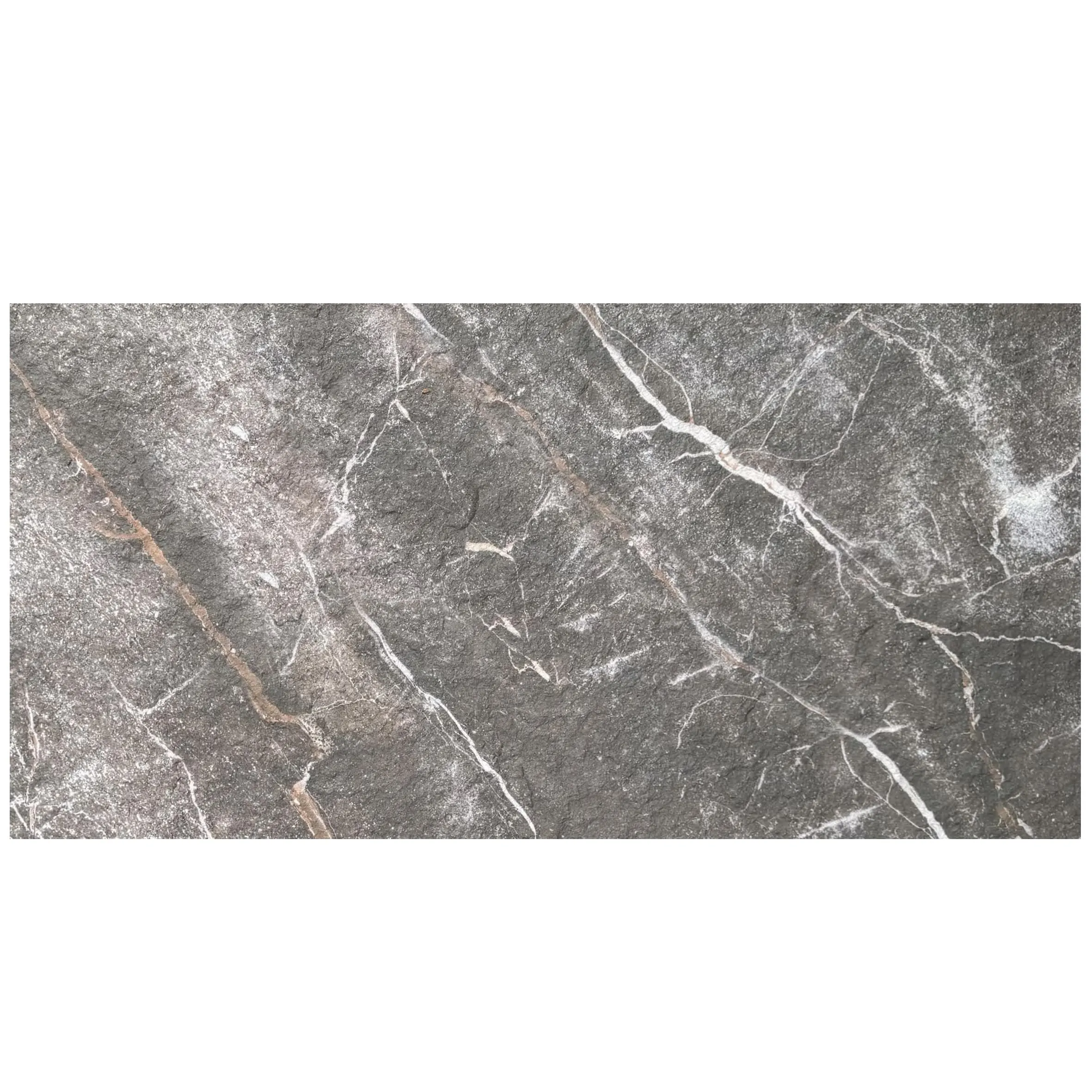
The kitchen is often called the heart of the home—and for good reason. It's where morning coffee is brewed, family meals are prepared, and late-night snacks are shared. But beyond its daily functionality, the kitchen also serves as a canvas for personal style. Among the many design choices homeowners face, the backsplash stands out as a critical element: it protects walls from splatters, ties together cabinetry and countertops, and adds that all-important "wow" factor. Today, we're diving into two popular options that balance form and function: the luxurious Granite Portoro and the innovative MCM backsplashes, with a focus on MCM flexible stone and the MCM big slab board series . Let's explore how these materials stack up, so you can make the best choice for your space.
If you've ever stepped into a high-end kitchen and felt an immediate sense of opulence, there's a good chance Granite Portoro was part of the equation. This natural stone is a showstopper, known for its deep, almost black background swirled with bold gold veins that catch the light like scattered sunlight. Quarried primarily in Italy, it's a type of granite that's been prized for centuries—think grand palaces and luxury hotels. But does its regal reputation make it the right fit for your everyday kitchen?
1. Unmatched Durability: Granite is one of the hardest natural stones, and Portoro is no exception. It can withstand the daily chaos of a kitchen: hot pots set down accidentally, stray knife nicks, and even the occasional dropped dish (though we don't recommend testing that last one). Unlike some man-made materials, it won't scratch easily or fade under UV light, so its beauty stays intact for decades.
2. Heat Resistance That Matters: Let's be real—kitchens get hot. Whether you're simmering a sauce on the stove or placing a boiled kettle on the counter, Granite Portoro laughs off heat. It won't warp, discolor, or melt, making it a practical choice for areas near cooktops. This is a big plus for home chefs who value both safety and style.
3. Aesthetic Appeal That Turns Heads: There's something inherently luxurious about natural stone, and Portoro takes it up a notch. Its dramatic contrast of dark and gold makes it a statement piece. Pair it with white cabinetry for a classic look, or black hardware for a moody, modern vibe—it's versatile enough to complement both traditional and contemporary spaces. No two slabs are identical, so your kitchen backsplash will truly be one-of-a-kind.
1. The Price Tag: Luxury Comes at a Cost: Let's cut to the chase—Granite Portoro isn't cheap. As a premium natural stone, it sits at the higher end of the backsplash budget. From quarrying to transportation to fabrication, every step adds to the cost. If you're working with a tight budget, this might be a dealbreaker. And that's before factoring in installation, which often requires skilled professionals (more on that later).
2. Heavy Lifting (Literally): Natural stone is dense, and Granite Portoro slabs are no lightweight. Installing them requires a sturdy wall structure to support the weight, which can add complexity (and cost) to your renovation. If your kitchen walls are older or not reinforced, you might need to beef them up first—something many homeowners don't anticipate until the project is underway.
3. Maintenance: Sealing and More Sealing: While granite is tough, it's also porous. That means liquids like wine, oil, or tomato sauce can seep in and stain if not wiped up quickly. To prevent this, Granite Portoro needs regular sealing—usually once a year, though some homeowners opt for twice to be safe. It's not a huge chore, but it's an ongoing commitment. Miss a sealing, and you might end up with a permanent reminder of that spaghetti night gone wrong.
4. Fragility During Installation: Despite its durability once in place, Granite Portoro is surprisingly fragile during installation. Slabs can crack or chip if mishandled, which means you need experienced installers who know how to transport and position them carefully. Even then, there's always a risk of waste if a slab breaks—a risk that adds to the overall cost.
Pro Tip: If you love the look of Granite Portoro but are worried about maintenance, ask your installer about "impregnating sealers." These penetrate deeper into the stone, offering longer-lasting protection against stains. They won't make it completely stain-proof, but they'll buy you extra time to wipe up spills.
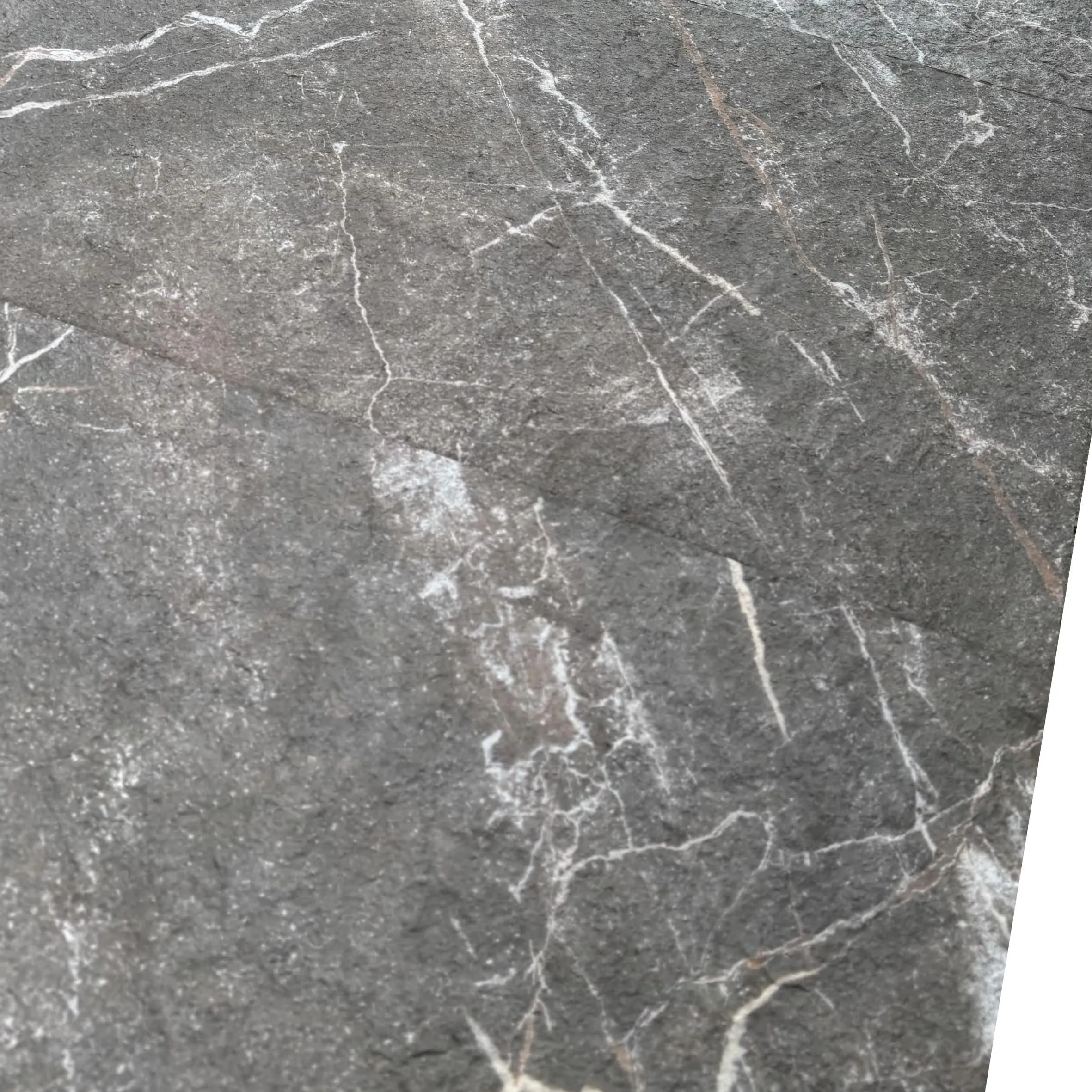
If Granite Portoro is the classic luxury option, MCM (Modified Composite Material) backsplashes are the modern innovators. These materials are engineered to mimic the look of natural stone, wood, or concrete—without the weight, cost, or upkeep. Two standout options from the MCM lineup are MCM flexible stone and the MCM big slab board series . Let's break down what makes them worth considering.
MCM flexible stone is a game-changer for homeowners who want the beauty of natural stone with added practicality. It's made by blending natural stone particles (like marble or granite dust) with polymers, creating a material that's thin, lightweight, and—you guessed it—flexible. This flexibility means it can bend around corners, curve over uneven surfaces, and even be installed in areas where traditional stone would be impossible. Think: backsplashes that wrap around a kitchen island or follow the contour of a custom range hood.
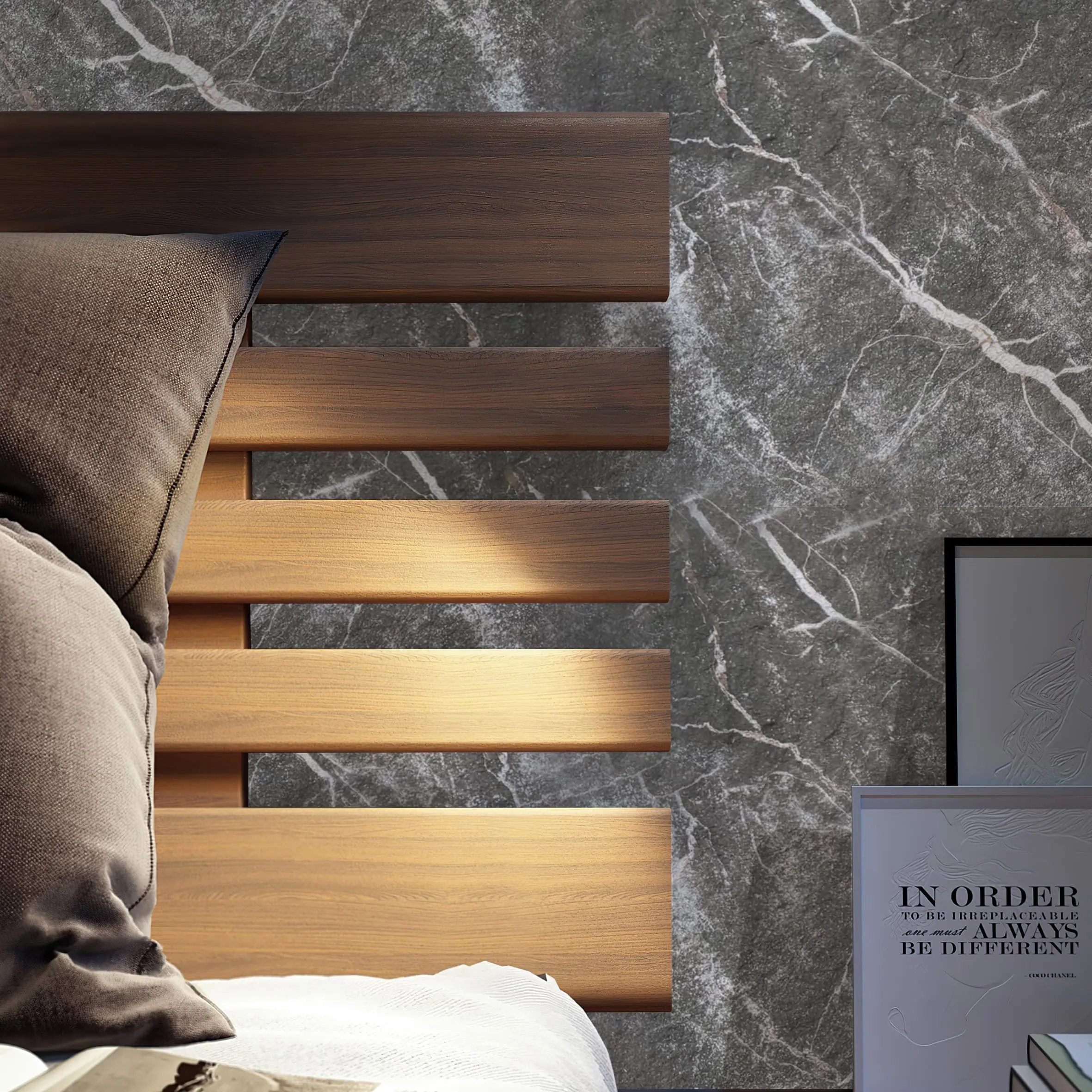
For those who crave a sleek, modern look, the MCM big slab board series is a dream come true. These large-format panels (often 3x5 feet or bigger) minimize grout lines, creating a seamless, almost monolithic appearance. Unlike natural stone slabs, which are heavy and hard to maneuver, MCM big slabs are lightweight enough that two people can handle them—no crane required. They're available in a range of finishes, from fair-faced concrete to travertine (beige) to even metallic hues, making them versatile for any design vision.
1. Lightweight and Easy to Install: This is MCM's biggest selling point. A typical MCM flexible stone sheet weighs just 3-5 pounds per square foot, compared to Granite Portoro's 15-20 pounds. That means no need for reinforced walls, and installation is often faster and cheaper. In fact, some DIY-savvy homeowners tackle MCM backsplashes themselves, though we still recommend a pro for the best results. Either way, labor costs are usually lower than with natural stone.
2. Low Maintenance, High Reward: MCM materials are non-porous (thanks to those polymers), which means no sealing, no staining, and no stress. Spills wipe up with a damp cloth, and daily cleaning is as simple as soap and water. For busy families or anyone who hates extra chores, this is a huge win. Imagine never having to schedule "sealing day" again—sounds pretty great, right?
3. Budget-Friendly Without Sacrificing Style: MCM backsplashes sit solidly in the mid-range budget, making them accessible to more homeowners. While prices vary by style and brand, you'll generally pay less than half of what you would for Granite Portoro. And because they're lightweight, shipping and installation costs are lower too. It's a cost-effective way to get the look of high-end stone without the premium price tag.
4. Versatility in Design: MCM manufacturers have gotten creative, offering everything from the rough texture of fair-faced concrete to the soft warmth of travertine (beige) . The big slab series, in particular, lets you create a seamless look that's hard to achieve with natural stone (which often requires seams between slabs). You can even mix and match styles—say, MCM flexible stone for the backsplash and MCM big slabs for the accent wall—to add depth to your kitchen.
1. Less "Natural" Character: While MCM does a great job mimicking natural materials, it's still man-made. Some homeowners find that it lacks the subtle variations and organic imperfections that make natural stone feel alive. If you're someone who values the uniqueness of a hand-quarried slab, MCM might feel a bit "cookie-cutter" by comparison.
2. Heat Resistance (Within Limits): MCM can handle moderate heat, but it's not as tough as Granite Portoro. Placing a hot pan directly on an MCM backsplash could cause discoloration or warping over time. That said, most people use trivets or hot pads anyway, so this is only a concern if you're prone to setting hot items directly on the wall (we see you, serial pot-leavers).
3. Lifespan Compared to Natural Stone: MCM is durable, but it's not forever. With proper care, it can last 15-20 years, which is impressive—but Granite Portoro, when sealed and maintained, can last a lifetime. If you're planning to stay in your home forever, natural stone might have the edge. But for most homeowners, 15-20 years is more than enough time to enjoy the space before a style update anyway.
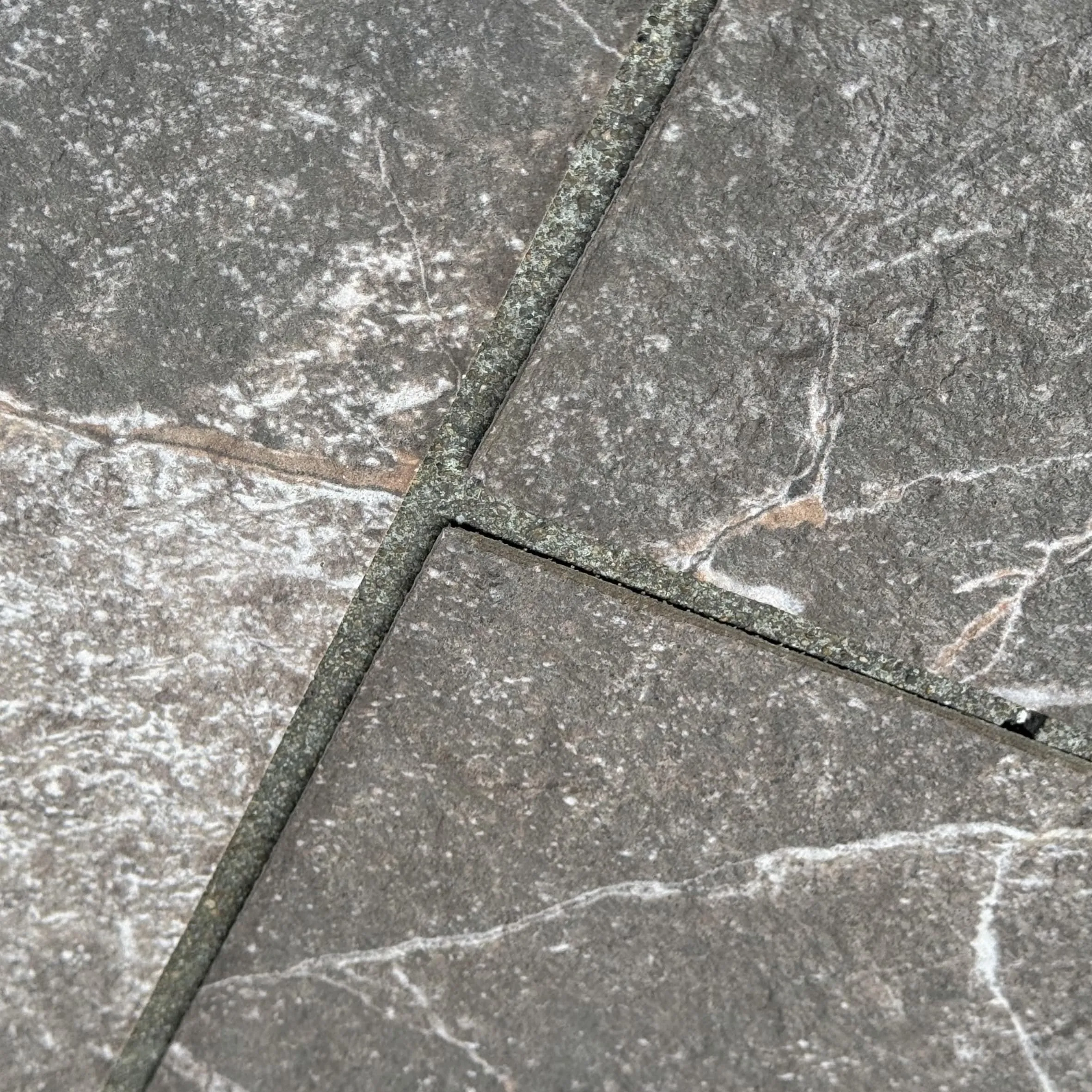
| Feature | Granite Portoro | MCM Flexible Stone (Big Slab Series) |
|---|---|---|
| Material Type | Natural granite (igneous rock) | Engineered composite (stone particles + polymers) |
| Durability | Excellent (scratch, heat, and impact resistant) | Very good (resistant to scratches and impacts; moderate heat resistance) |
| Maintenance | High (seal yearly; wipe spills immediately) | Low (no sealing; wipe with soap and water) |
| Cost | Premium (high material and installation costs) | Mid-range (lower material and labor costs) |
| Aesthetic Appeal | Luxurious, unique veining, organic character | Modern, versatile, seamless (mimics natural materials) |
| Installation Difficulty | High (requires professionals, heavy slabs, wall reinforcement) | Low to moderate (lightweight, flexible, DIY-friendly for some) |
| Weight | Heavy (15-20 lbs/sq ft) | Lightweight (3-5 lbs/sq ft) |
| Lifespan | Lifetime (with proper maintenance) | 15-20 years |
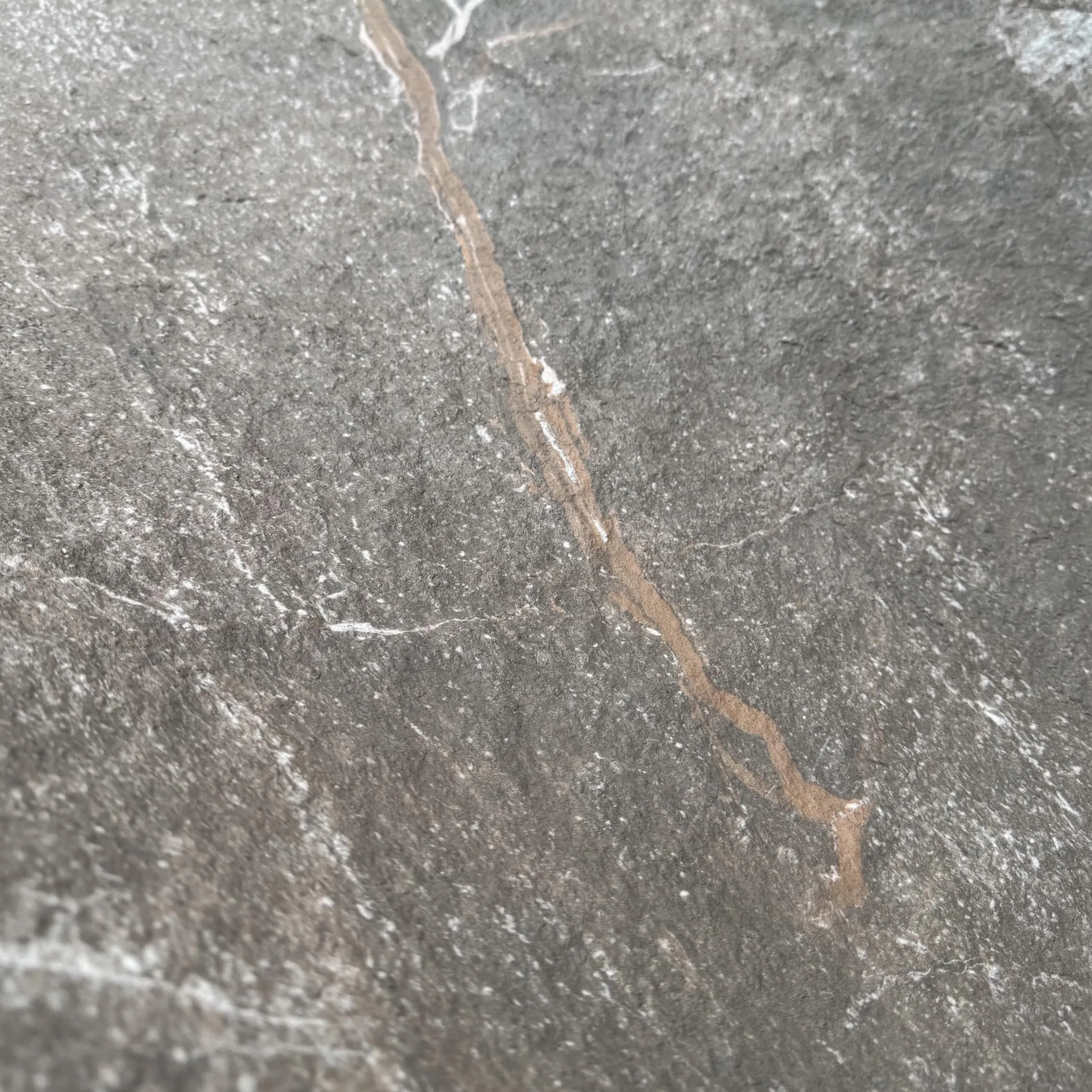
At the end of the day, the choice between Granite Portoro and MCM backsplashes comes down to your priorities, budget, and lifestyle. Let's break it down by scenario:
Choose Granite Portoro if: You crave luxury and are willing to invest in a timeless, natural material. You don't mind the upkeep (sealing, careful cleaning) and have the budget for both the material and professional installation. Your kitchen has sturdy walls, and you want a backsplash that will still look stunning 50 years from now.
Choose MCM (Flexible Stone or Big Slab Series) if: You want a modern, low-maintenance option that won't break the bank. You value versatility and seamless design, and you don't mind that it's man-made. Your kitchen is in a rental or you plan to sell in the next 10-15 years, making a long-term investment less critical. Bonus points if you love the look of fair-faced concrete or travertine (beige) —MCM does these styles exceptionally well.
And hey, there's no rule that says you have to choose one or the other. Some homeowners mix Granite Portoro for the main backsplash with MCM big slabs for the island accent wall, creating a space that feels both luxurious and modern. The key is to pick materials that reflect your personality and work with how you actually use your kitchen.
Whether you lean toward the timeless elegance of Granite Portoro or the innovative flexibility of MCM backsplashes, remember that the best choice is the one that makes you smile every time you walk into your kitchen. After all, this space isn't just about cooking—it's about creating memories. So take your time, weigh the pros and cons, and don't be afraid to get creative. Your dream kitchen is out there—and with options like these, it's closer than you think.
Recommend Products












