
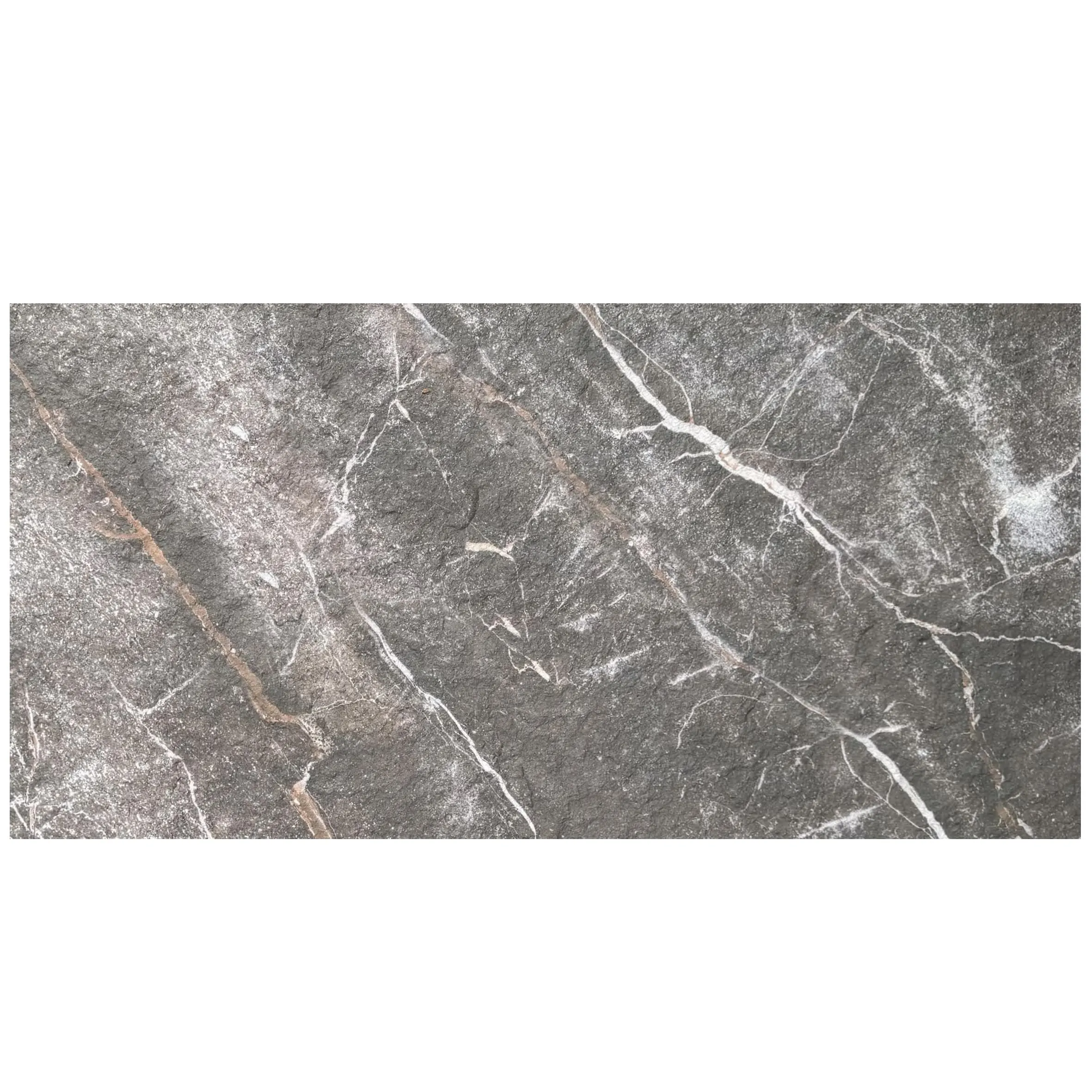
Saudi Arabia's construction sector is in the midst of a transformative era. From the futuristic skylines of NEOM to the bustling commercial hubs of Riyadh, the kingdom is redefining modern architecture at a pace that's capturing global attention. At the heart of this revolution lies a careful selection of materials—ones that blend durability, luxury, and cultural resonance. Among these, Granite Portoro has emerged as a standout choice, admired for its striking aesthetics and ability to elevate spaces from ordinary to extraordinary. But what makes this stone so sought-after? And how does it fit into the evolving trends shaping Saudi Arabia's built environment? Let's dive in.
First, let's get to know Granite Portoro. Originating from quarries in Italy, this natural stone is characterized by its deep black base interlaced with golden veins that shimmer like sunlight on water. Unlike softer marbles or more uniform granites, Portoro has a bold, almost dramatic personality—it doesn't just cover a surface; it makes a statement. "When clients want a material that exudes luxury without feeling ostentatious, Portoro is often the first name that comes up," says Lina Hassan, an architect with a Riyadh-based firm specializing in high-end commercial projects. "Its contrast of dark and gold feels both timeless and modern, which is perfect for Saudi Arabia's mix of traditional values and forward-thinking vision."
But Granite Portoro isn't just about looks. It's a hard, dense stone, resistant to scratches, heat, and wear—qualities that make it ideal for high-traffic areas. In a country where summer temperatures soar above 45°C, durability isn't a luxury; it's a necessity. "We specify Portoro for lobbies, elevator interiors, and even exterior cladding in some cases," explains Hassan. "It holds up against the elements, and its color doesn't fade easily, which is crucial for maintaining that 'brand-new' look in projects designed to stand the test of time."
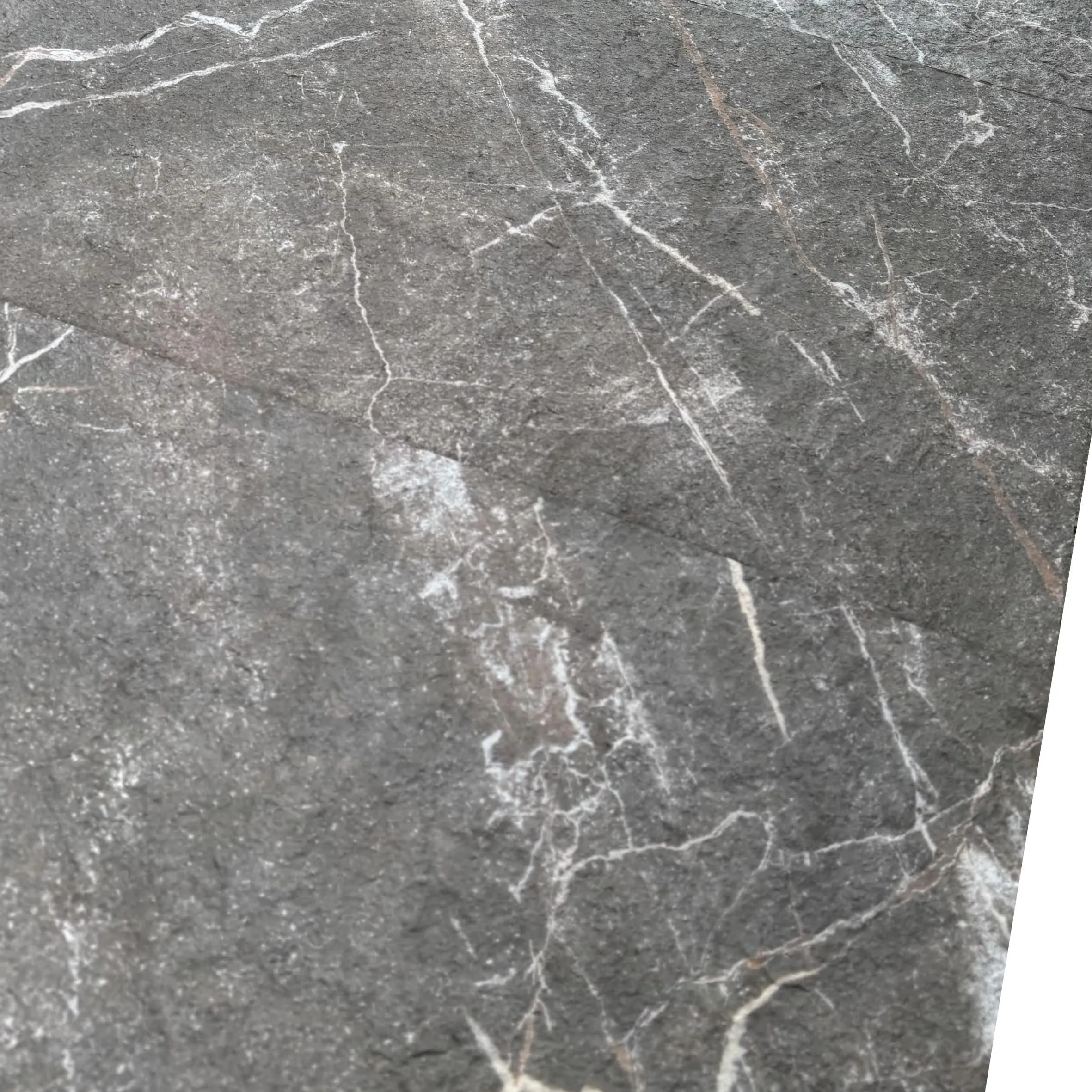
Granite Portoro's popularity in Saudi Arabia isn't accidental. It aligns with three key trends currently shaping the kingdom's construction landscape: the pursuit of luxury, a focus on sustainability, and the demand for materials that tell a story.
Saudi Arabia's luxury construction market has long favored opulence, but today's projects are leaning into "quiet luxury"—a term architects use to describe spaces that feel exclusive through quality materials rather than flashy finishes. Granite Portoro fits this ethos perfectly. "Ten years ago, clients might have wanted gold-plated fixtures or chandeliers dripping with crystals," notes Omar Khalid, a project manager at a leading construction firm in Jeddah. "Now, they're asking for materials that have inherent value. Portoro's natural beauty—those unique veins that no two slabs share—feels more authentic. It's a luxury you can touch, not just see." This shift is evident in recent projects like Riyadh's King Abdullah Financial District (KAFD), where Granite Portoro adorns the reception areas of several flagship office towers, pairing with warm wood accents and soft lighting to create an atmosphere of understated elegance.
While Saudi Arabia is known for its oil wealth, the kingdom is increasingly prioritizing sustainability in construction. "Green building standards like LEED and Estidama are becoming mandatory for large projects, and clients are asking tough questions about where materials come from and their environmental impact," says Dr. Amal Al-Mansoori, an environmental consultant specializing in construction materials. Granite Portoro, when sourced responsibly, checks several sustainability boxes. Unlike synthetic materials that rely on fossil fuels, it's a natural resource, and modern quarrying practices minimize waste. Additionally, its longevity reduces the need for frequent replacements—a key factor in lowering a building's lifecycle carbon footprint. "We recently compared Portoro with polished concrete for a hotel project," Al-Mansoori adds. "While polished concrete has its merits, Portoro's 50+ year lifespan and recyclability at the end of its use gave it the edge for long-term sustainability."
Modern Saudi architecture isn't just about function—it's about narrative. Developers and architects want buildings that reflect the kingdom's heritage, its ambitious future, or both. Granite Portoro, with its blend of Italian craftsmanship and universal appeal, often becomes a tool for this storytelling. "In a recent cultural center project in Dammam, we used Portoro alongside fair-faced concrete ," says Hassan. "The concrete represented Saudi Arabia's industrial growth and modernity, while the Portoro added a touch of global sophistication—symbolizing the kingdom's place on the world stage. It's a material that bridges cultures, which is exactly what many clients want today."
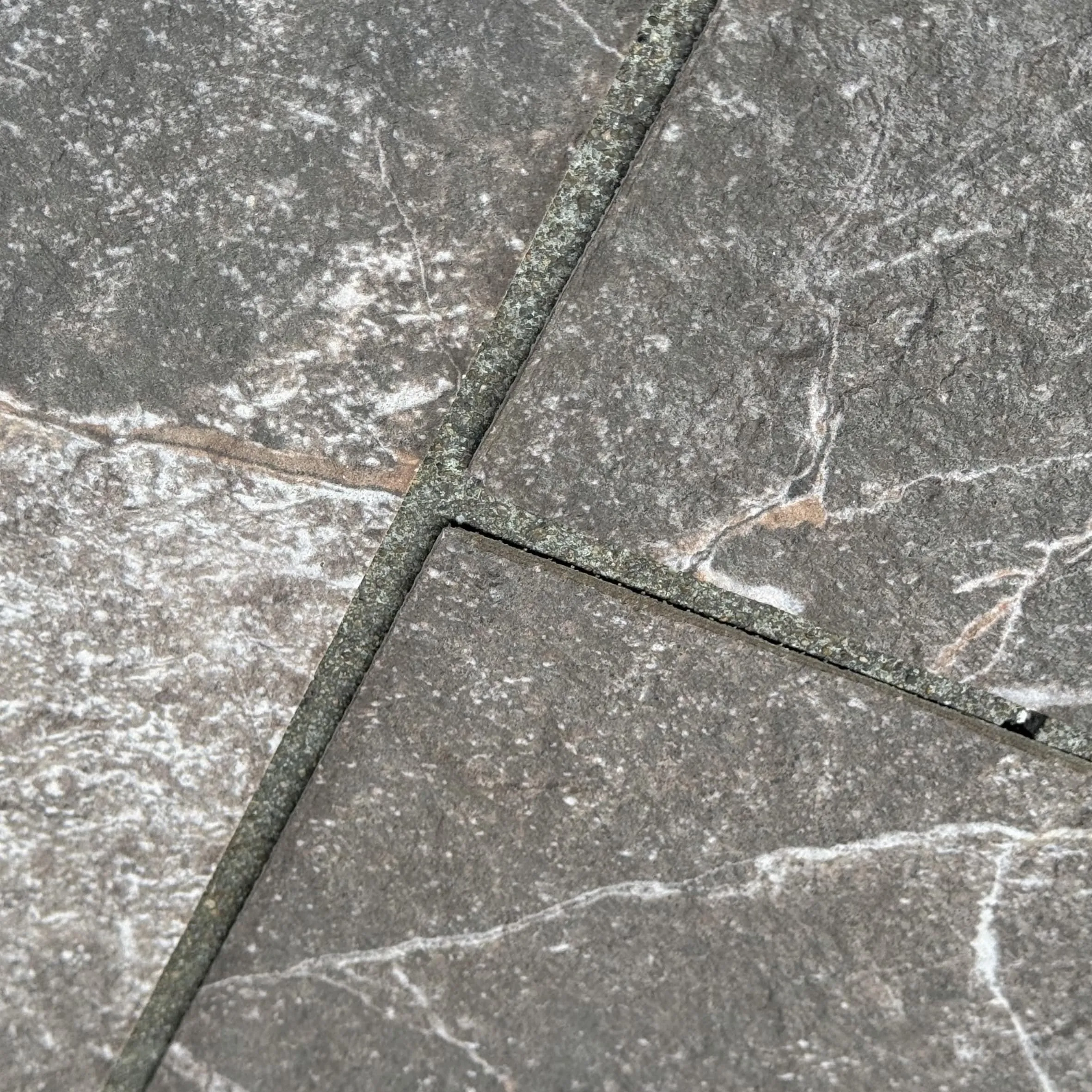
To understand why Granite Portoro is dominating certain niches, it helps to see how it compares to other popular materials in Saudi Arabia. Let's take a look at a few key contenders:
| Material | Key Aesthetic | Durability | Sustainability | Best For |
|---|---|---|---|---|
| Granite Portoro | Black base with golden veins; bold, luxurious | High (resistant to scratches, heat, weathering) | Medium-High (natural, long-lasting, recyclable) | Luxury lobbies, high-end retail, statement facades |
| Fair-Faced Concrete | Raw, industrial, minimalist | High (low maintenance, fire-resistant) | High (locally sourced, energy-efficient production) | Modern offices, cultural centers, public spaces |
| Lunar Peak Golden | Warm golden tones with subtle texture; earthy | Medium (prone to staining if not sealed) | Medium (natural stone, but requires careful sealing) | Residential interiors, hospitality spaces, accent walls |
As the table shows, Granite Portoro excels in balancing luxury and durability—a combination that's hard to match. While fair-faced concrete offers sustainability and industrial chic, it lacks the opulence that clients often desire for flagship projects. Lunar Peak Golden, with its warm, sunlit hues, is popular for residential and hospitality spaces but can't stand up to the heavy use of commercial lobbies or exterior cladding like Portoro can.
One project that exemplifies Granite Portoro's impact is a luxury resort currently under construction in NEOM's coastal zone. Designed to cater to high-net-worth tourists, the resort's lobby features a sweeping Portoro-clad reception desk, paired with mcm flexible stone accent walls. "MCM flexible stone was a game-changer here," says the project's lead designer, Ahmed Zaki. "It's lightweight and easy to install, which helped us create curved, organic shapes behind the desk. The contrast between the rigid, bold Portoro and the soft, textural mcm stone creates a dynamic visual experience—guests walk in and immediately feel like they're in a space that's both grand and intimate."
The resort's spa area also uses Granite Portoro for its steam room walls and flooring. "We needed something that could handle high humidity and frequent cleaning without losing its luster," Zaki explains. "Portoro was the obvious choice. Plus, its dark color creates a sense of calm—perfect for a spa environment." Early feedback from test visitors has been glowing, with many commenting on how the stone "feels expensive but not cold."
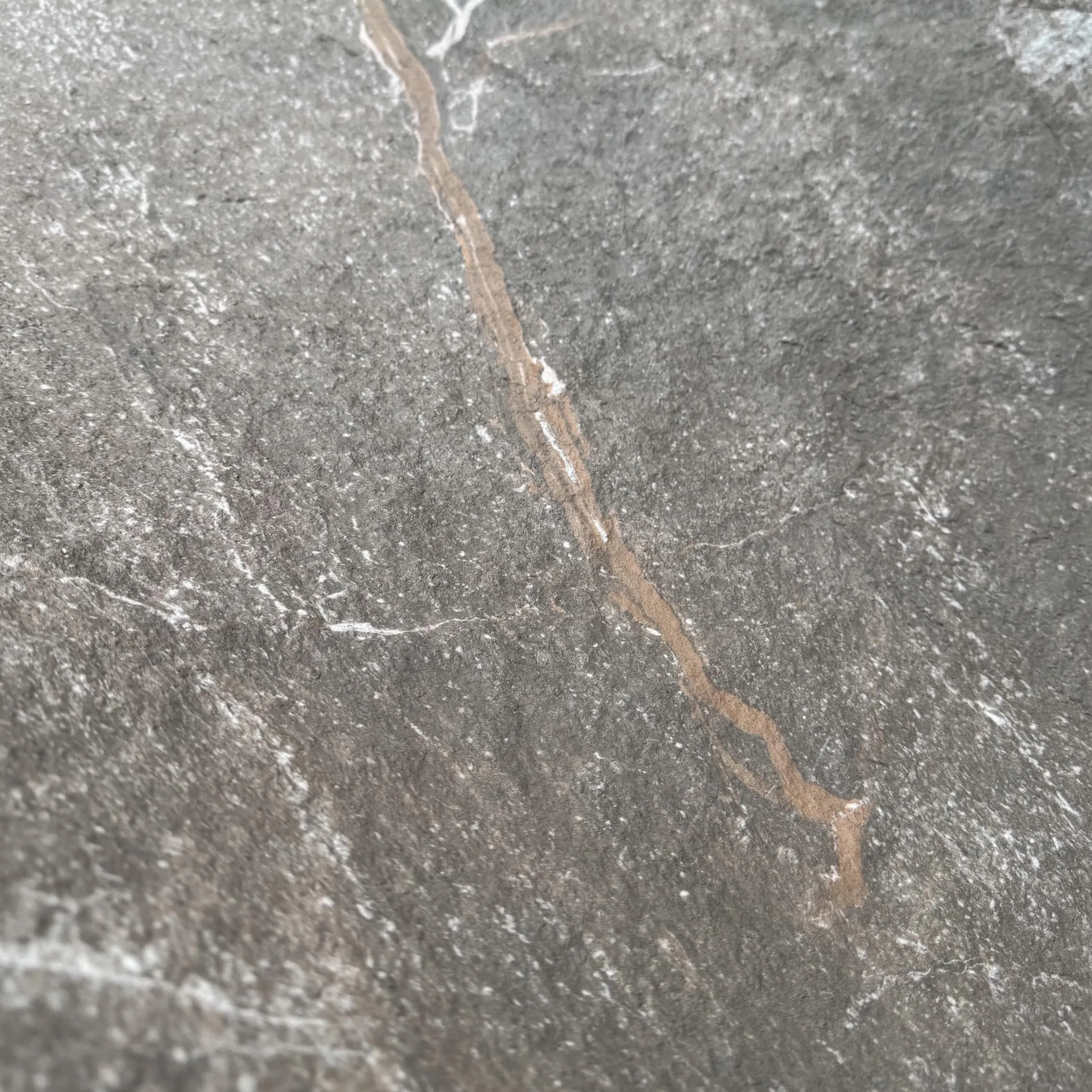
Of course, no material is without its challenges. Granite Portoro's main drawbacks are cost and availability. Sourced primarily from Italy, it can be pricier than locally available stones like limestone or concrete. "We've had clients hesitate when they see the initial quote," Khalid admits. "But we always walk them through the lifecycle cost—how Portoro's durability means less maintenance, fewer replacements, and higher resale value for the building. More often than not, they see the value."
Another challenge is sourcing consistency. Because it's a natural stone, color and veining can vary between slabs, which requires careful planning during installation. "We always order extra slabs and lay them out on-site before cutting to ensure the pattern flows seamlessly," Hassan says. "It adds a bit of time to the process, but the end result is worth it—you don't want a random, bright gold vein disrupting the overall look in a key area."
Looking ahead, the demand for Granite Portoro shows no signs of slowing. With Saudi Arabia's Vision 2030 driving billions of dollars into construction—from smart cities to luxury tourism destinations—architects and developers will continue to seek materials that balance form and function. And as the kingdom's design sensibilities evolve, expect to see Portoro paired with more innovative materials, like 3D-printed concrete accents or sustainable wood composites, to create even more dynamic spaces.
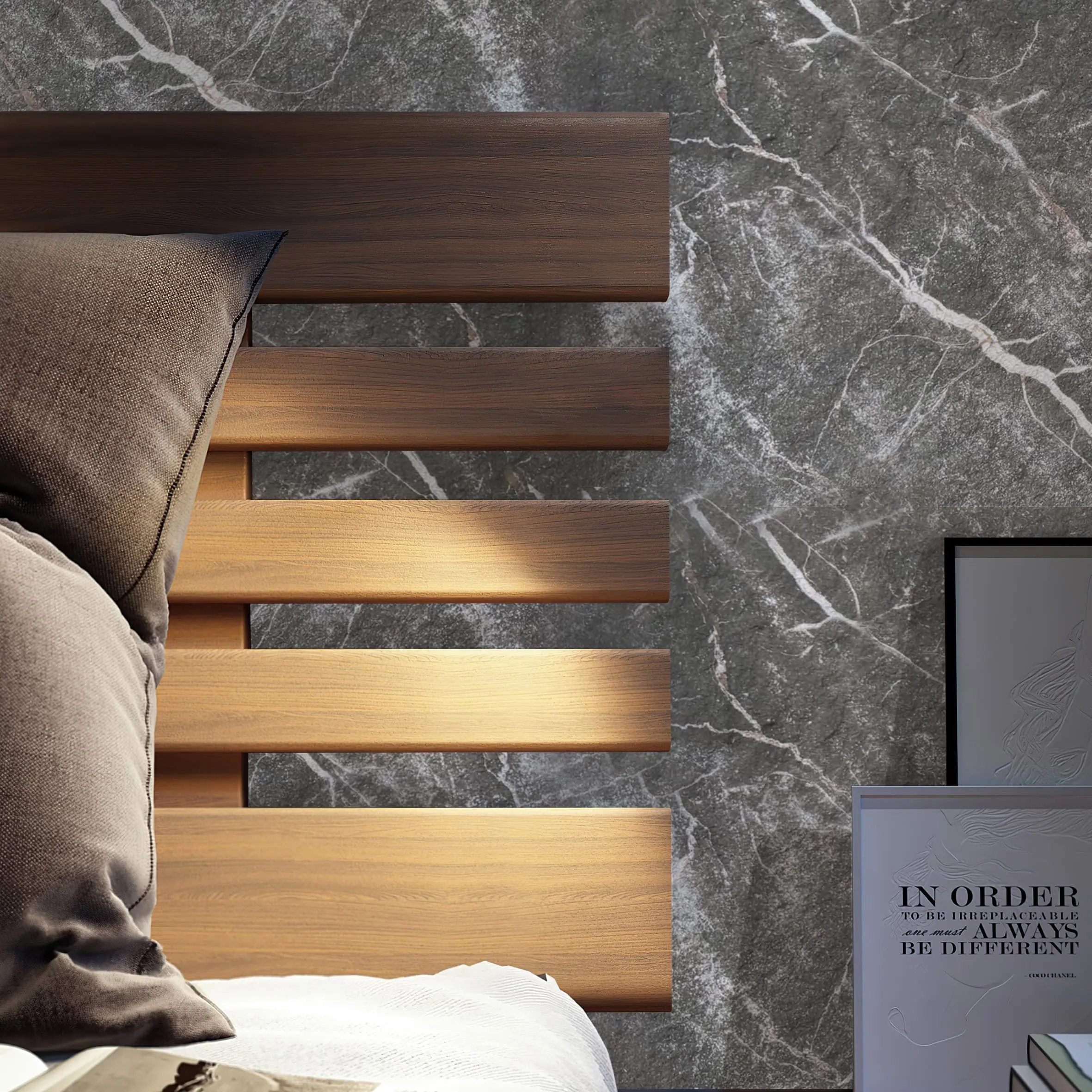
Granite Portoro isn't just a construction material in Saudi Arabia—it's a symbol of the kingdom's aspirations. It represents a desire to build not just for today, but for generations; to create spaces that are both rooted in quality and unafraid to stand out. As one architect put it, "In a country that's building the future, you need materials that feel like they belong to it." For now, and likely for years to come, Granite Portoro is answering that call.
Recommend Products












