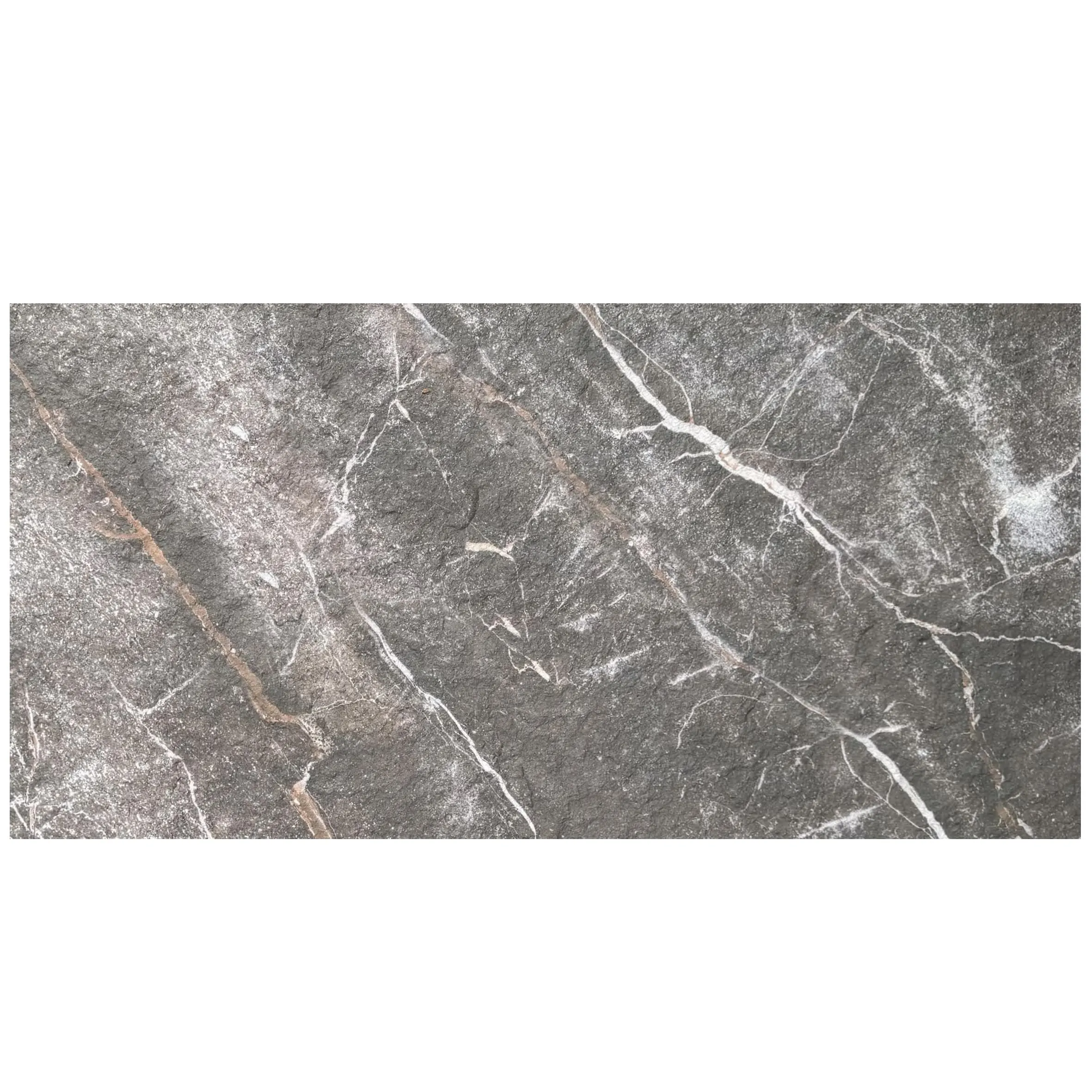
Imagine standing on a construction site, watching crews hustle to meet a tight deadline. The architect's vision is stunning—sleek facades, rich textures, materials that tell a story. But here's the thing no one talks about enough: how long it takes to turn that vision into reality. Installation time isn't just a number on a spreadsheet; it's the difference between finishing a project under budget or over, between keeping a client happy or stressed, between a crew feeling accomplished or burnt out. Today, we're diving into a showdown that matters to everyone from contractors to homeowners: the time-honored elegance of
Granite Portoro versus the cutting-edge efficiency of MCM's Quick-Fit Systems. Spoiler: It's not just about speed—it's about reimagining what "high-quality" really means in construction.
The Timeless Allure of Granite Portoro—But at What Cost?
Let's start with the classic:
Granite Portoro. If you've ever walked into a luxury hotel lobby or a high-end restaurant, you've probably admired it without even knowing the name. With its deep black base swirled with gold veins, it's the material equivalent of a tuxedo—sophisticated, bold, and impossible to ignore. Architects love it for its durability; homeowners covet it for its ability to turn a space into something "timeless." But here's the catch: that timeless beauty often comes with a timeline that feels, well, endless.
Traditional
Granite Portoro installation isn't for the faint of heart. Let's break down the steps, and you'll see why even seasoned contractors sigh when it's on the material list:
Sourcing and Transportation:
First, you have to get the stone.
Granite Portoro is quarried in limited locations, which means shipping it to your site can take weeks. And since each slab weighs upwards of 200-300 kg, you're not just paying for the stone—you're paying for specialized trucks, cranes, and extra labor to unload it without cracking. One wrong move, and that $500 slab becomes a very expensive paperweight.
On-Site Cutting and Shaping:
No two slabs are identical, and no project has perfectly uniform dimensions. That means most of the cutting happens on-site. You'll need diamond-tipped saws, water jets to keep the dust down, and skilled artisans to shape edges, cut holes for fixtures, or create custom patterns. This isn't a quick job—even a small wall might take 2-3 days of cutting alone, and that's not counting the cleanup (granite dust gets everywhere).
Surface Prep: The Foundation of Frustration
Granite Portoro demands a perfectly level surface. If the wall or floor isn't flat, the slabs will crack over time. So crews spend days prepping: applying waterproofing membranes, leveling compounds, and sometimes even reinforcing the structure to support the weight. Miss a spot, and you're looking at water damage or costly repairs down the line.
Fixing: Mortar, Anchors, and Waiting
Once the slabs are cut and the surface is prepped, it's time to stick them on. Traditional methods use thick beds of mortar or epoxy, which need hours (sometimes days) to set. If you're using mechanical anchors, that's more drilling, more measuring, and more chances for error. And forget about rushing—if you stack slabs before the mortar cures, they'll shift, and you'll have to start over.
Finishing and Curing: The Final Wait
After installation, the slabs need to be sealed to prevent staining. Then there's the curing period—mortar can take up to 28 days to reach full strength, meaning the area is off-limits for weeks. For commercial projects, that's weeks of lost revenue. For homeowners, it's weeks of living with a half-finished space.
So, how long does all this take? For a standard 50 sqm wall, you're looking at 2-4 weeks from start to finish. That's if everything goes right. Add in weather delays, material shortages, or a single cracked slab, and suddenly you're pushing a month or more. Beautiful? Absolutely. Efficient? Not so much.
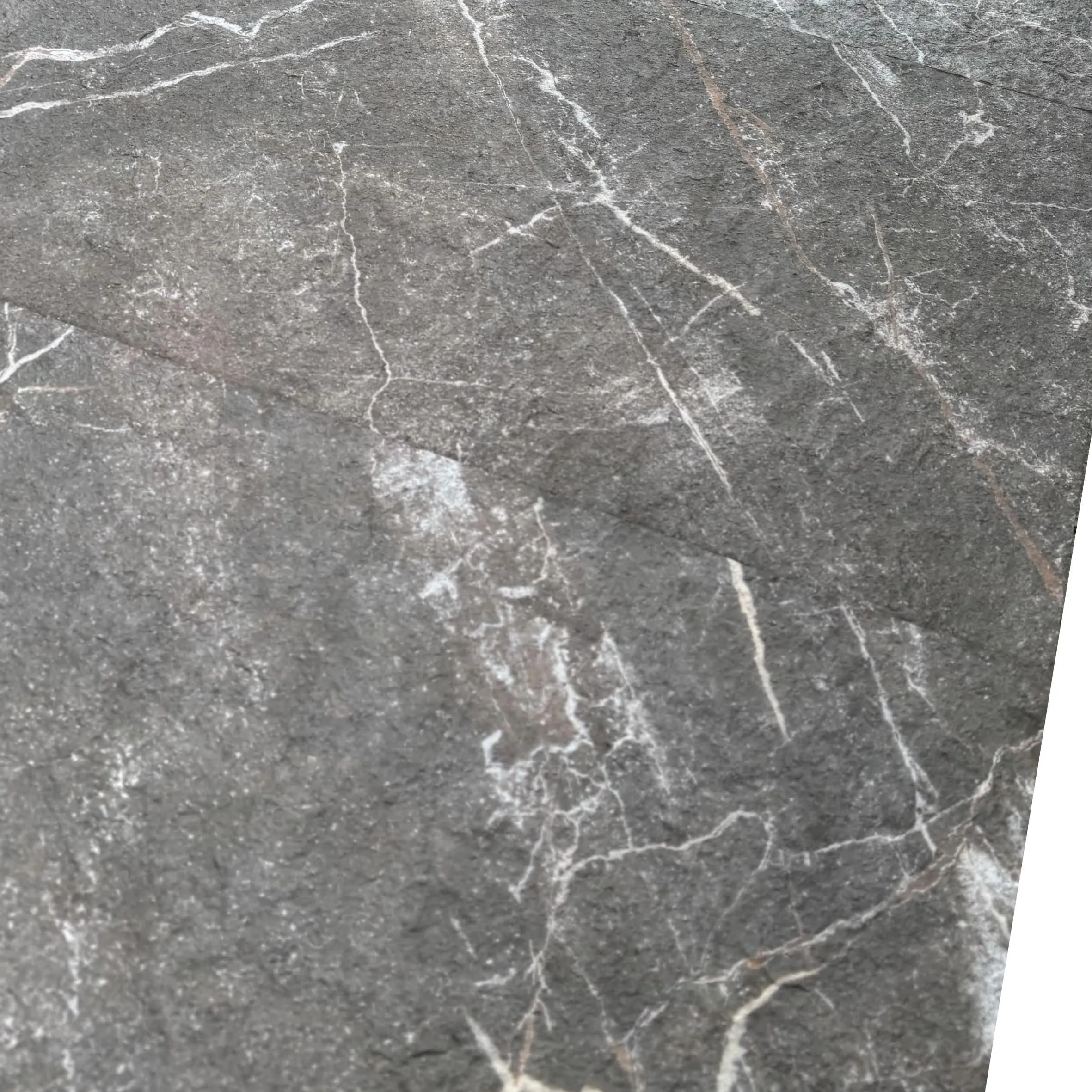
MCM's Quick-Fit Systems: When Innovation Meets Aesthetics
Enter MCM—a name that's been quietly revolutionizing the construction world with a simple question: Why can't building materials be both beautiful and easy to install? Their Quick-Fit Systems, part of a broader lineup that includes flexible stone, big slab board series, and even 3D printing technology, are designed to cut through the chaos of traditional installation without sacrificing an ounce of style. Let's unpack how they do it.
Lightweight by Design: No Cranes Required
The first game-changer? Weight.
MCM flexible stone, for example, weighs just 3-5 kg per sqm—compare that to
Granite Portoro's 25-30 kg. That means two workers can carry a big slab board (up to 3m x 1.2m) with ease, no cranes needed. Suddenly, transporting materials up a narrow staircase or onto a rooftop isn't a logistical nightmare—it's a quick afternoon task.
Precision Engineering: Cut Once, Fit Everywhere
MCM's big slab board series and 3D printing series take the guesswork out of cutting. Most products are pre-fabricated to standard sizes (or custom sizes, if you order ahead) using computer-aided design. That means on-site cutting is minimal—maybe a few snips with a utility knife or a circular saw for edges. No water jets, no diamond saws, no clouds of dust. A crew can prep and cut materials for a 50 sqm wall in a single day.
Quick-Fit Technology: Stick, Lock, Done
Forget mortar and curing times. MCM's Quick-Fit Systems use a combination of high-strength adhesives and interlocking edges. Peel off the backing, apply the adhesive (which sets in minutes, not days), and click the panels into place. Some systems even use magnetic strips or mechanical clips for extra security. It's like building with high-end Lego bricks—except these bricks look like
travertine,
fair-faced concrete, or yes, even a dead ringer for
Granite Portoro.
3D Printing: Customization Without the Wait
MCM's 3D printing series takes this a step further. Need a wall with a unique wave pattern or a mosaic that spells out a logo? 3D printers can create those designs in hours, using lightweight, durable composites that integrate seamlessly with Quick-Fit panels. No more hand-carving or expensive molds—just digital designs turned into physical panels, ready to install.
Finishing: Sealed and Ready to Go
Most MCM products come pre-sealed and pre-finished. No need for extra coats of sealant or days of curing. Once the panels are up, the surface is immediately usable. Wipe it down, and it's ready for foot traffic, furniture, or clients. For a 50 sqm wall, total installation time? 2-3 days. That's not a typo—from unboxing to finished wall in less than a week.
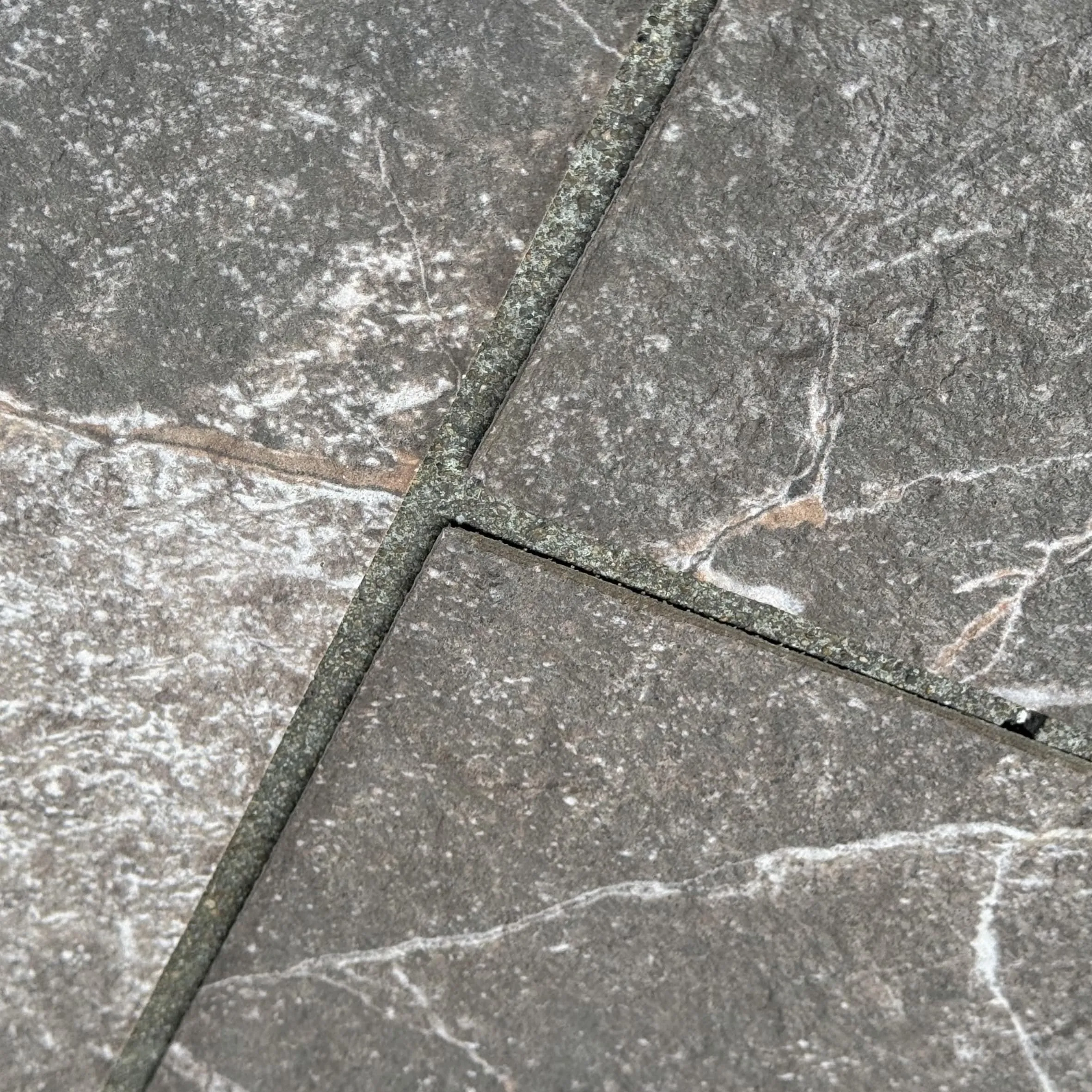
By the Numbers: Granite Portoro vs. MCM Quick-Fit Systems
|
Installation Factor
|
Granite Portoro (Traditional)
|
MCM Quick-Fit Systems
|
|
Material Weight (per sqm)
|
25-30 kg
|
3-5 kg
|
|
On-Site Cutting Time
|
2-3 days (50 sqm wall)
|
2-4 hours (50 sqm wall)
|
|
Adhesive/Curing Time
|
24-48 hours (mortar) + 28 days (full curing)
|
15-30 minutes (adhesive set) + 0 curing wait
|
|
Labor Required
|
4-6 workers (crane operator, cutters, installers)
|
2-3 workers (no special skills needed)
|
|
Total Installation Time (50 sqm wall)
|
14-28 days
|
2-3 days
|
|
Waste Generated
|
15-20% (cutting scraps, broken slabs)
|
Less than 2% (minimal on-site cutting)
|
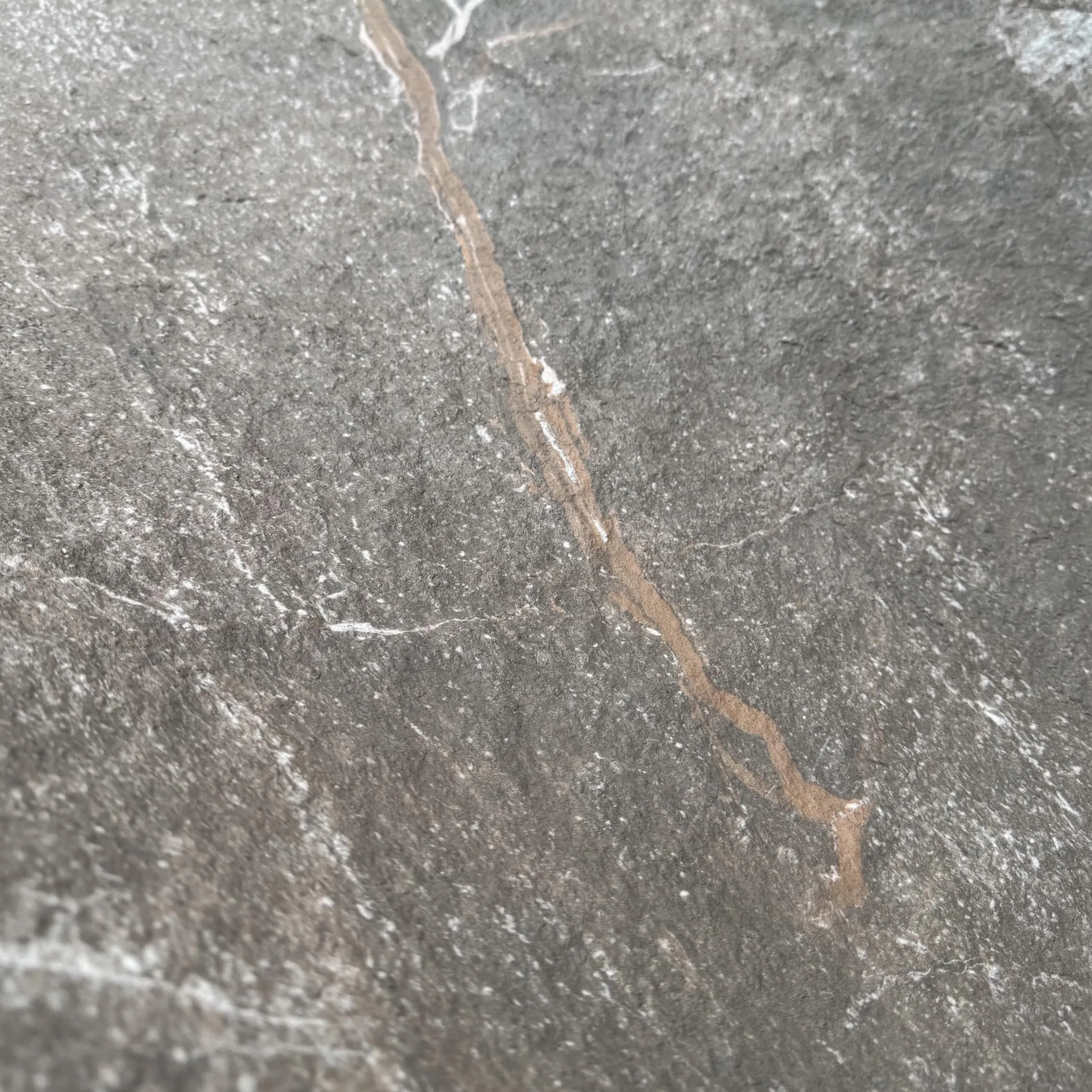
Real-World Impact: When Days replace Weeks
Numbers are one thing—real projects are another. Let's take a hypothetical (but realistic) example: a boutique hotel in downtown Chicago wants to redo its lobby walls with a "luxury stone" look. The design calls for 100 sqm of material, and the deadline is 3 weeks from start to finish.
Case Study: The Chicago Lobby Showdown
Option 1: Granite Portoro
The contractor estimates 4 weeks of work: 1 week for sourcing and delivery, 1 week for cutting and prep, 1 week for installation, and 1 week for curing. But the hotel can't afford to close the lobby for a month—losing $10,000/day in revenue. They're stuck between a beautiful lobby and a financial hit.
Option 2: MCM Quick-Fit Big Slab Board (Vintage Black)
The MCM distributor delivers the panels in 3 days. The crew (2 workers, no crane) starts on Monday: prepping the wall (4 hours), cutting a few panels to fit around the reception desk (2 hours), and installing the first 50 sqm by end of day. Tuesday: install the remaining 50 sqm, add trim, and wipe down. By Wednesday afternoon, the lobby is open—total installation time: 2.5 days. The hotel loses $25,000 instead of $280,000, and guests rave about the "sleek, modern stone walls."
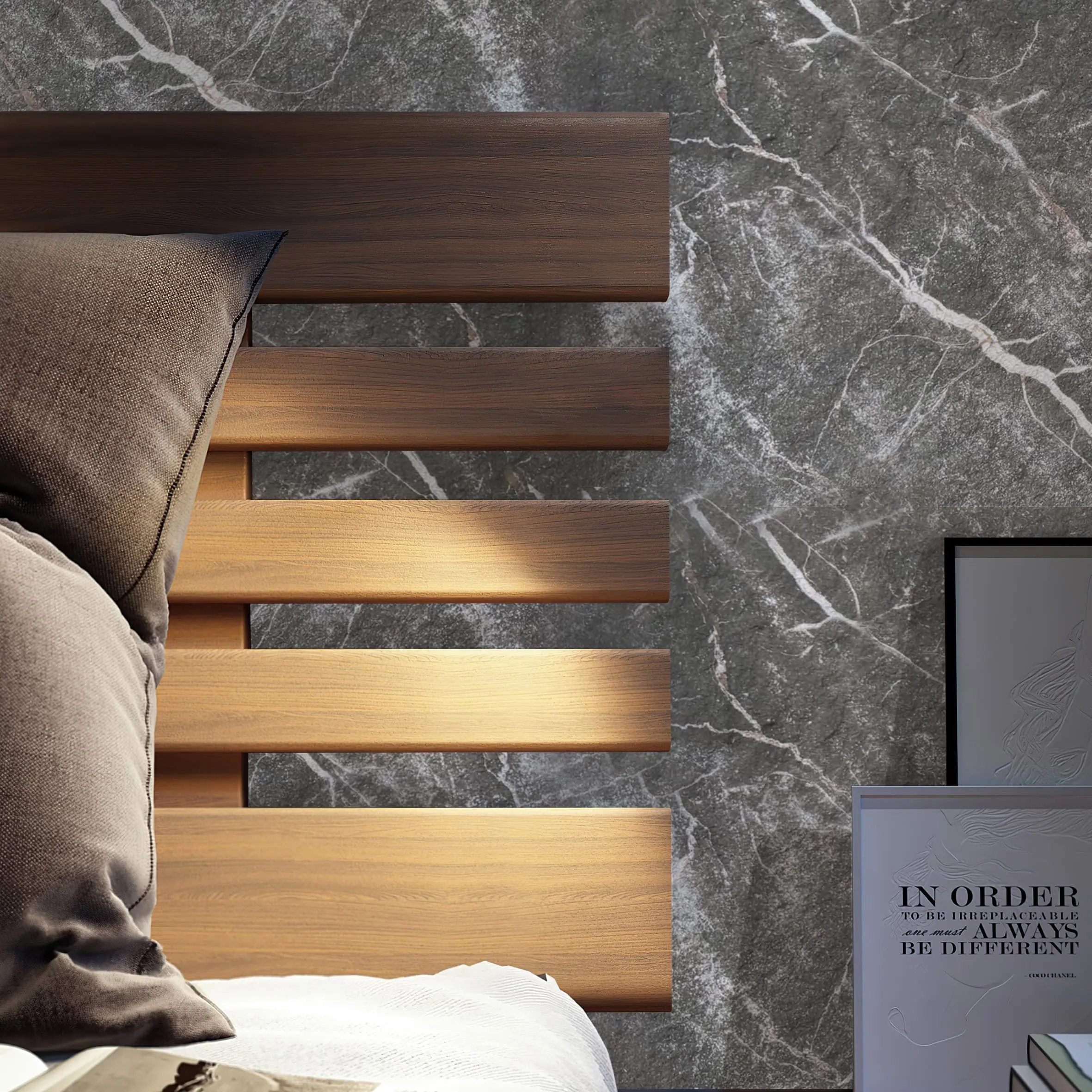
This isn't just about speed—it's about opportunity. MCM's Quick-Fit Systems let contractors take on more projects, homeowners enjoy their spaces faster, and developers meet tight deadlines without cutting corners on design. And here's the kicker: the aesthetic is indistinguishable from the real thing. Run your hand over an
MCM flexible stone panel, and you'll feel the same texture as natural
travertine. Stand back, and you'd swear that "
Granite Portoro" wall is the real deal—except it went up in days, not weeks.
Beyond Time: The Hidden Benefits of MCM's Approach
Installation time is the headline, but the perks of MCM's Quick-Fit Systems go deeper:
Labor Costs: Less Sweat, More Savings
With fewer workers needed and shorter timelines, labor costs drop by 30-50%. For a commercial project, that's tens of thousands of dollars back in the budget. For a homeowner, it's the difference between hiring a crew for a week or a weekend.
Sustainability: Less Waste, Less Carbon
Traditional stone installation generates mountains of waste—cutting scraps, broken slabs, excess mortar. MCM's pre-fabricated panels produce minimal on-site waste, and their lightweight design reduces transportation emissions (fewer trucks, less fuel). Even better, many MCM products use recycled materials, like foamed aluminium alloy or reclaimed stone dust.
Durability: Beauty That Lasts
You might think lightweight means flimsy, but MCM panels are built to withstand the elements. They're water-resistant, fire-retardant, and UV-stable (no fading in sunlight). Some products even come with a 20-year warranty—compare that to natural stone, which can stain or crack if not maintained perfectly.
Design Freedom: Mix, Match, and Make It Yours
MCM's lineup includes everything from
fair-faced concrete to
travertine (starry green) to woven textures. Want a wall that combines "
lunar peak silvery" panels with "
rust mosaic stone" accents? Quick-Fit Systems make it easy to mix materials without complicated transitions. It's design without limits—and without the usual delays.
The Future of Building: Fast Doesn't Have to Mean Fake
Granite Portoro will always have its place. There's something irreplaceable about standing in front of a slab of 100% natural stone, knowing it took millions of years to form. But in a world where time is money and deadlines are non-negotiable, MCM's Quick-Fit Systems offer a smarter alternative. They prove that you can have the beauty of natural materials, the durability of traditional stone, and the efficiency of modern technology—all in one panel.
As construction evolves, the question won't be "How beautiful is this material?" but "How beautiful *and* efficient can it be?" MCM isn't just selling panels—they're selling peace of mind. Peace of mind that your project will finish on time, under budget, and look stunning for decades. And in the end, isn't that the real "timeless" quality we all want?