
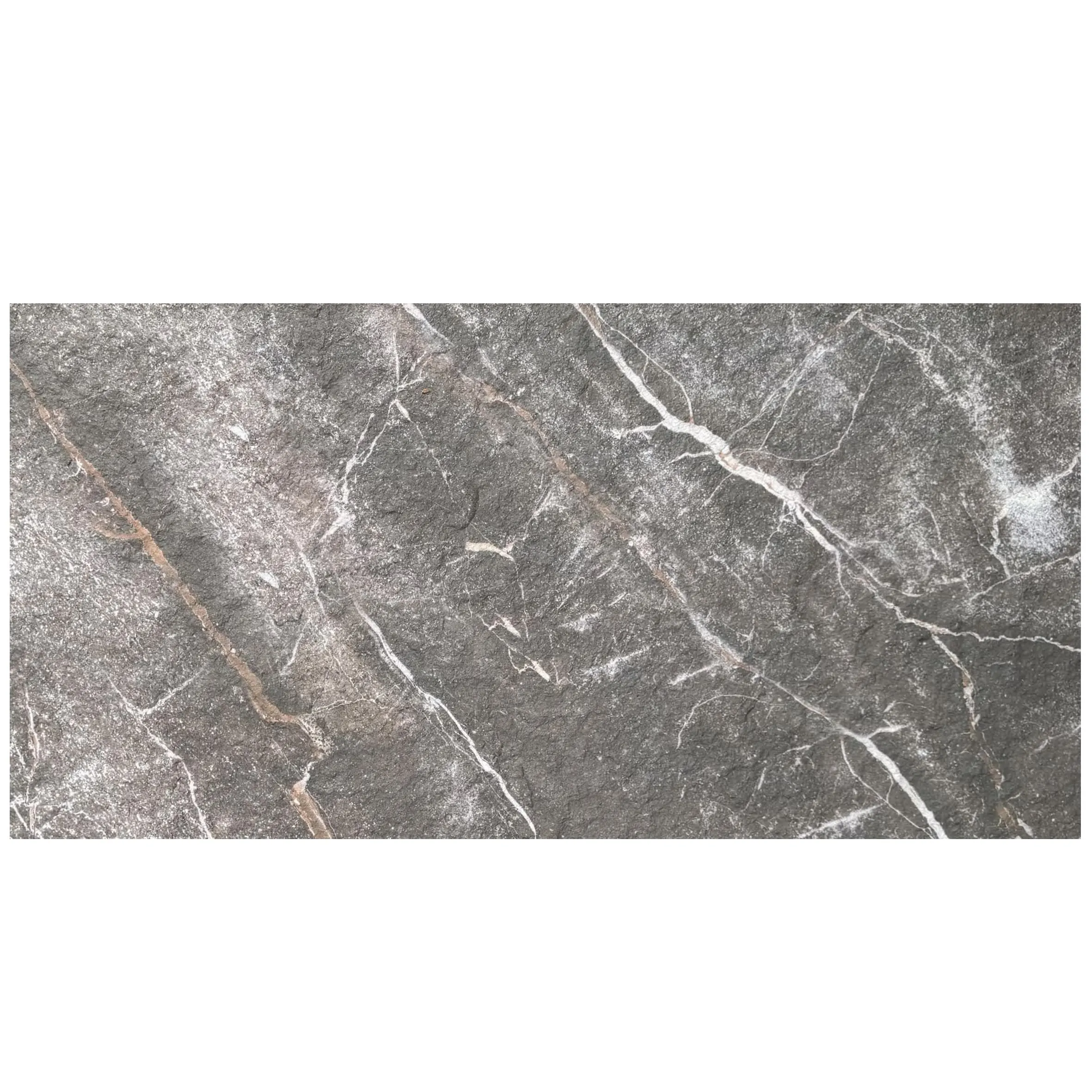
If you've ever stepped into a luxury hotel lobby or flipped through a high-end design magazine, you've probably seen it—the stone that seems to capture sunlight in its very core. I'm talking about Granite Portoro, that iconic black stone swirled with veins of liquid gold. It's the kind of material that makes designers sigh and clients say, "That's the one." But here's the thing: as stunning as Portoro is, it's not exactly easy to work with. Heavy, pricey, and as fragile as a vintage vase, it's left many a creative mind wondering, "Is there a way to get that magic without the hassle?" Enter MCM, and suddenly, the answer feels like a resounding "yes."
Let's start with why we're even talking about Portoro in the first place. Picture this: a slab of deep, inky black stone, cut so smooth it looks like polished obsidian. Then, weaving through it—gold veins. Not just any gold, either—warm, rich, and impossibly detailed, like lightning frozen mid-strike or rivers of liquid sunshine. It's bold, it's elegant, and it turns any space into a statement. No wonder it's been a staple in luxury design for decades, gracing everything from penthouse fireplaces to five-star hotel bar tops.
But here's the catch: natural Granite Portoro is a diva. Quarried primarily in Italy, it's rare, which drives up the cost faster than a sports car. Then there's the weight—we're talking hundreds of pounds per slab, which means you need reinforced structures just to hang it on a wall. And don't get me started on fragility. A single wrong move during installation, and that "liquid gold" vein could crack, turning your dream feature wall into a costly disaster. For smaller projects or spaces with tricky layouts, Portoro often ends up as "the one that got away."
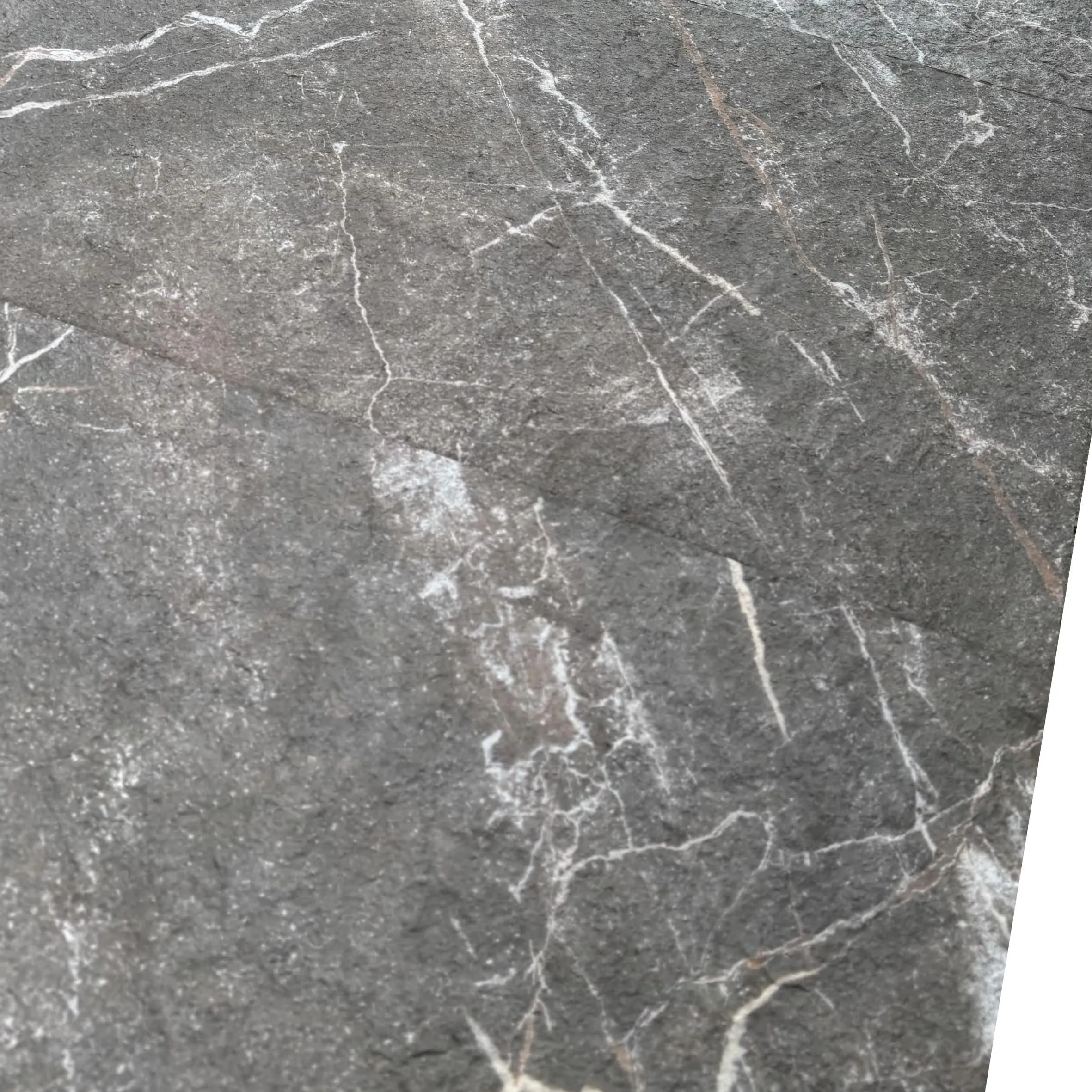
This is where MCM steps in, and honestly? It's like design innovation did a mic drop. MCM, or Modified Composite Material, isn't just another synthetic stone—it's a whole new approach to capturing natural beauty without the natural headaches. At the heart of it is MCM flexible stone , a material that feels like it was designed by someone who actually listens to designers. Think of it as stone, but reimagined: thin (we're talking 3-5mm thick), lightweight (so light you could hang it with basic hardware), and—here's the kicker—flexible. Yep, you can bend it around corners, curve it over arches, or even wrap it around furniture legs. Suddenly, that "impossible" Portoro-inspired accent wall in your curved hallway isn't impossible anymore.
But how does it actually replicate Portoro's iconic gold veins? It starts with technology, but not the cold, clinical kind. MCM uses a blend of natural minerals, high-performance polymers, and a dash of artistic magic. First, designers scan real Granite Portoro slabs to map every nuance of those gold veins—the thickness, the way they twist, even the tiny specks of shimmer that make them look alive. Then, using processes like MCM 3D printing series (because why not add 3D tech to the mix?), they layer the materials to mimic that depth. The result? A surface that doesn't just "look like" Portoro—it feels like it, with the same depth and texture, minus the weight and fragility.
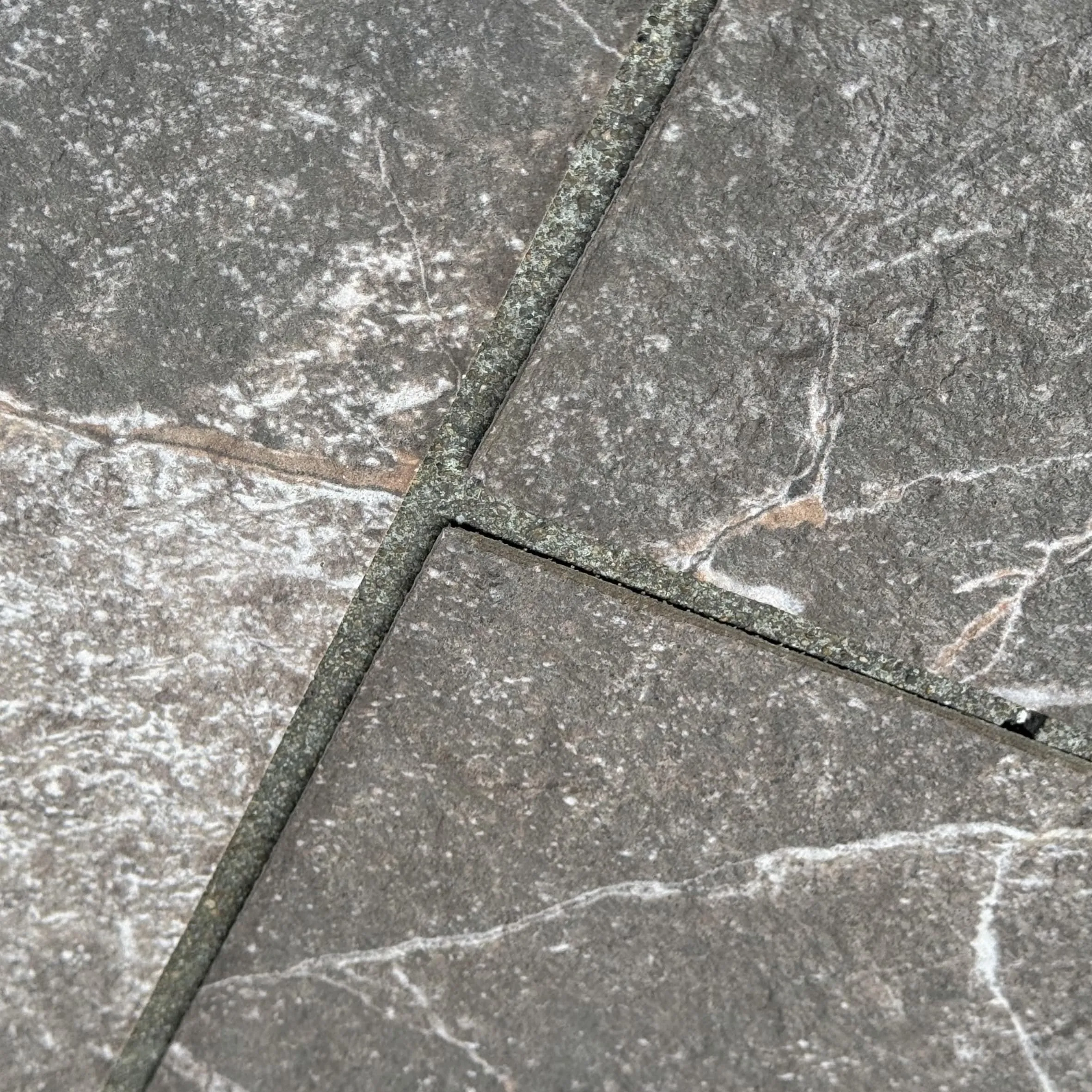
MCM doesn't just stop at "one size fits all." They've got a whole lineup of products that take Portoro's gold-vein vibe and run with it, each adding its own twist. Let's break down a few standouts:
Travertine (Starry Gold): If Portoro is the bold Hollywood starlet, this one's the indie darling with subtle charm. Travertine is known for its porous, organic texture, but MCM's starry gold variant cranks up the drama. Instead of thick, bold veins, you get delicate, star-like flecks of gold scattered across a warm, earthy base—like someone sprinkled stardust over stone. It's perfect if you love Portoro's glamour but want something a little softer, maybe for a bedroom accent wall or a kitchen backsplash that feels luxurious without overwhelming the space.
Lunar Peak Golden: Ever looked at the moon and thought, "I want that glow on my wall"? Lunar Peak Golden might be your answer. This MCM line takes inspiration from celestial textures—think the rough, cratered surface of the moon—paired with veins of rich, metallic gold. It's like Portoro met a meteor shower: the contrast between the matte, textured base and the shiny gold veins is out of this world (pun absolutely intended). I've seen it used in a modern office lobby, and let me tell you—people stop and stare. It's bold, it's futuristic, and it screams "design forward."
Foamed Aluminium Alloy Board (Gold): Okay, this one's a wildcard, but hear me out. Foamed aluminium alloy board (gold) isn't stone at all—it's a lightweight metal composite—but it nails that "gold vein" energy in a totally unexpected way. The alloy has a matte, industrial base (think aged metal with a hint of grit), and the gold accents are added as thin, sleek lines that mimic Portoro's veins. It's edgy, it's modern, and it's perfect for spaces that want luxury with a side of "cool." Imagine it as a backsplash in a loft kitchen, paired with black cabinets and stainless steel appliances—Portoro's elegance, but with a industrial-chic twist.
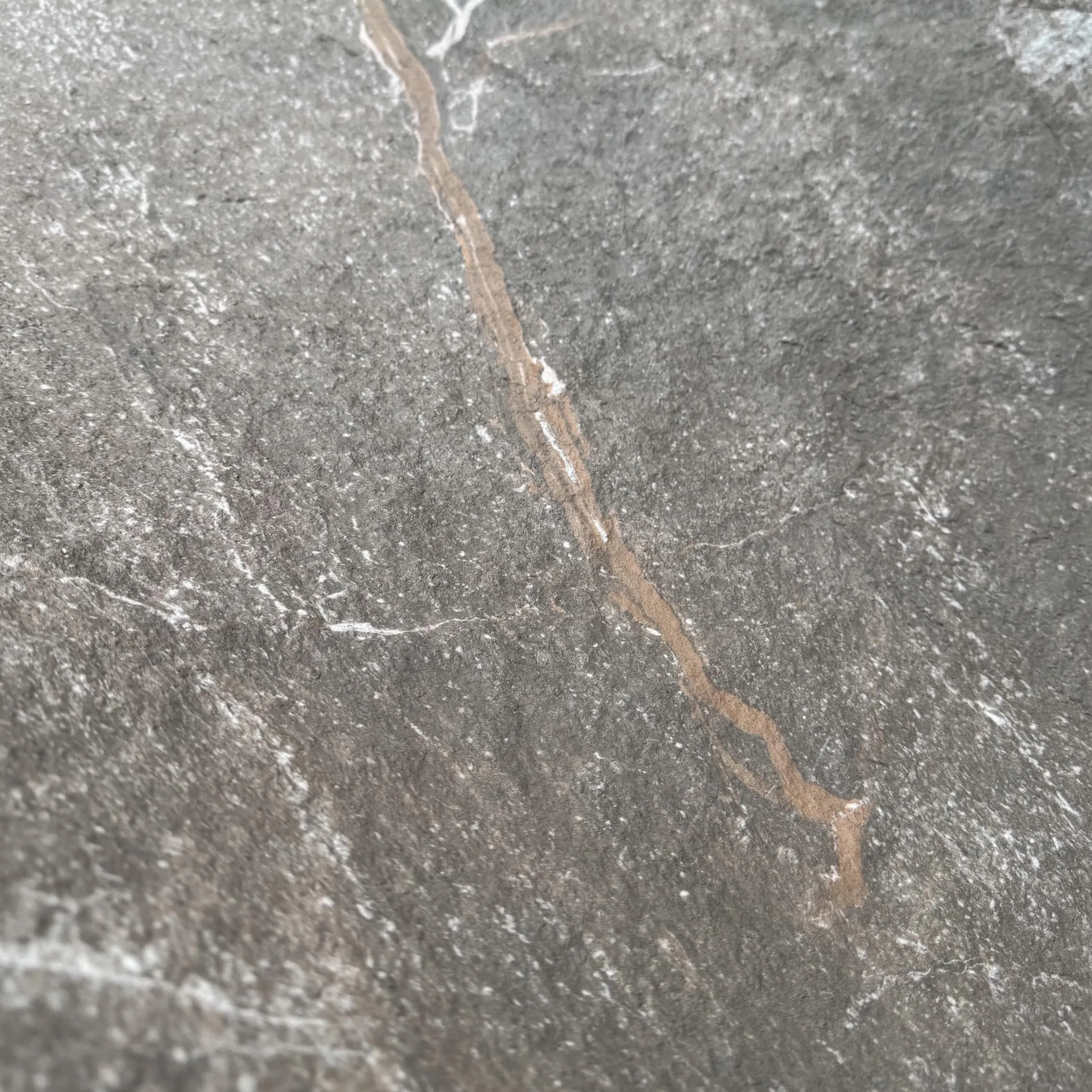
Let's get real: Replication gets a bad rap. People hear "fake stone" and think "cheap knockoff." But MCM isn't about faking—it's about improving . Let's put it this way: If natural Portoro is a classic novel, MCM is the annotated edition with extra chapters and a better binding. Here's why:
Take durability, for example. MCM flexible stone is waterproof, so you can use it in bathrooms or outdoor patios without worrying about mold or water damage. It's also fire-resistant and scratch-proof—good luck scratching it with a kitchen knife (I've tried… for science). And sustainability? MCM uses less water and energy to produce than quarrying natural stone, and since it's lightweight, shipping it has a smaller carbon footprint. It's luxury that doesn't make Mother Nature side-eye you.
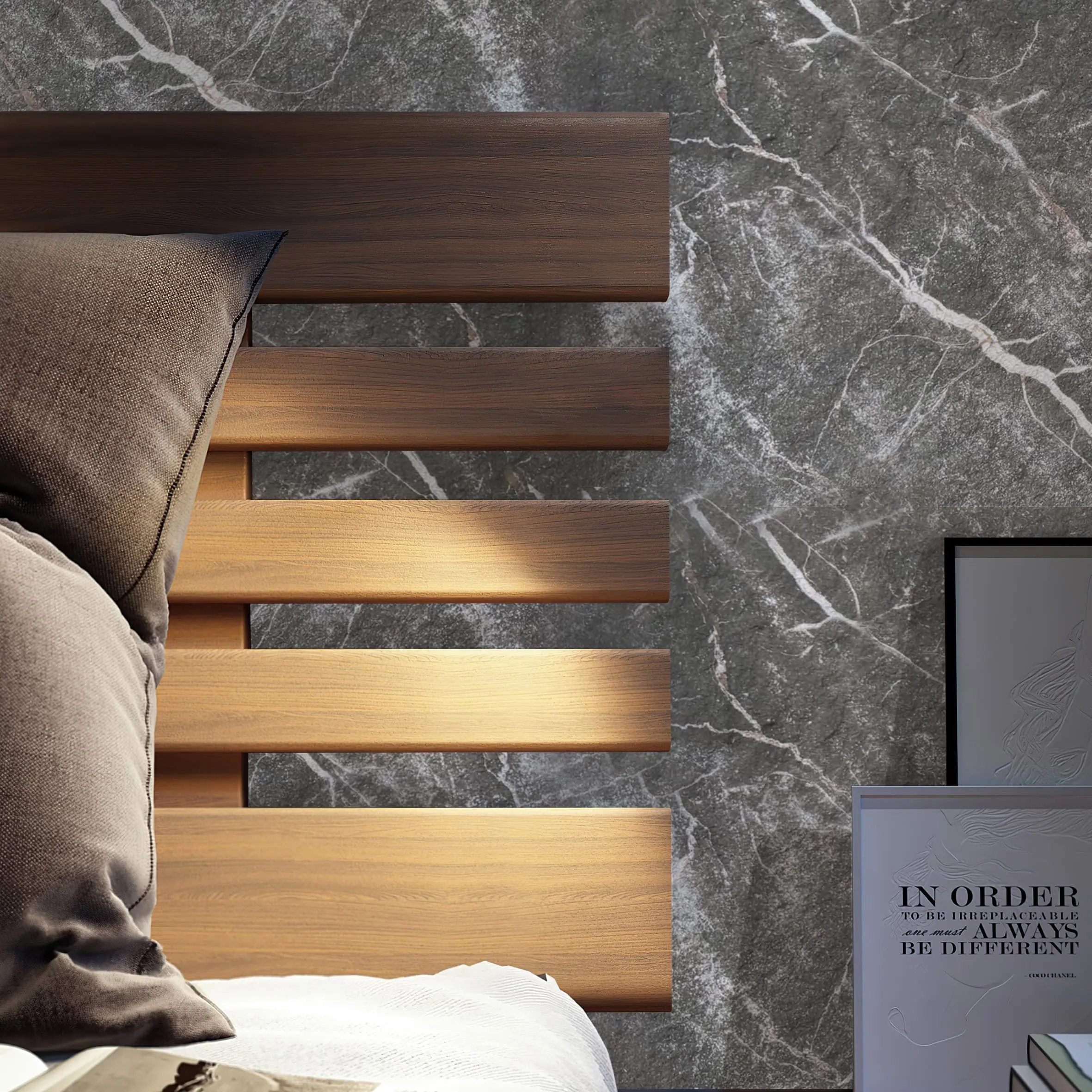
MCM's Portoro-inspired lines aren't just pretty—they're versatile. Let's brainstorm: Ever wanted a Portoro-style backsplash in your tiny kitchen? With MCM, you don't need to reinforce your walls or take out a second mortgage. What about a curved accent wall in your home theater? MCM bends, so that curve is easy. Commercial spaces? Think hotel lobbies with Lunar Peak Golden feature walls that make guests feel like they've stepped into a luxury spaceship, or restaurants using travertine (starry gold) tabletops that catch the candlelight just right.
I recently saw a coffee shop in downtown Portland that used foamed aluminium alloy board (gold) behind the counter. The gold lines popped against the dark wood shelves, and the best part? When they wanted to rebrand last month, they just peeled it off and stuck on a new MCM panel. No demo, no dust, no hassle. That's the kind of flexibility designers (and business owners) dream of.
At the end of the day, MCM isn't just about replicating Granite Portoro's gold veins. It's about opening doors—for designers who want to push boundaries, for homeowners who want luxury on a budget, and for spaces that were once "too small" or "too tricky" for the real thing. It's about making that "wow" factor accessible, without sacrificing quality or style.
So the next time you find yourself staring at a Granite Portoro slab and sighing, remember: MCM's got your back. It's not just a copycat—it's a revolution. And honestly? I can't wait to see where designers take it next. Because if there's one thing better than a gold vein in stone, it's a gold vein that bends, adapts, and makes every space feel like a masterpiece. Now that's something worth getting excited about.
Recommend Products












