
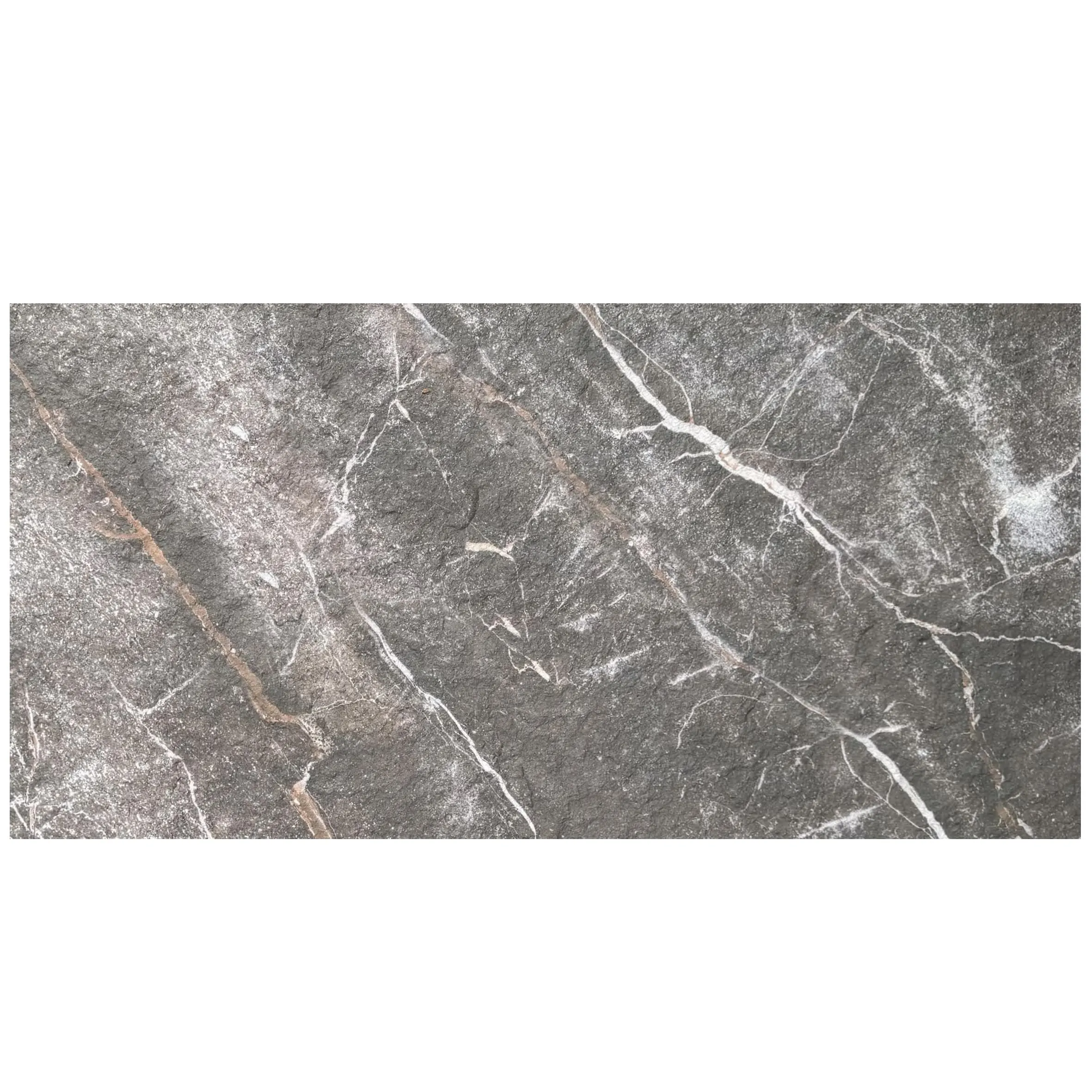
Think about how often we walk into a sleek office lobby, a high-end restaurant, or a luxury home and pause to admire the polished stone walls, countertops, or floors. That deep, rich black stone with striking gold veins—Granite Portoro—has become synonymous with elegance and opulence. It's in hotels in Dubai, penthouses in New York, and boutique shops in Paris. But behind that luxurious facade lies a story most of us never stop to consider: the human and environmental cost of extracting this natural stone. As demand for Granite Portoro has soared, so too have the ethical red flags—from deforestation and water pollution to exploited labor and displaced communities. The good news? The design world is evolving, and sustainable alternatives are emerging that don't compromise on beauty. Let's dive into the hidden costs of Granite Portoro mining and explore the innovative materials reshaping the future of architecture and design.
First, let's clarify what Granite Portoro is. Quarried primarily in Italy, though also found in small deposits in Brazil and India, it's a type of igneous rock formed over millions of years by cooling magma. Its unique black base with golden or white veining makes it a favorite among designers aiming for drama and sophistication. But that "natural beauty" comes with a heavy toll. Traditional mining for Granite Portoro involves blasting mountainsides, clearing forests, and hauling massive stone blocks—each weighing several tons—from deep quarries. The process is energy-intensive, destructive, and often exploitative. To truly understand why we need alternatives, we have to unpack the ethical concerns at every stage of its lifecycle.
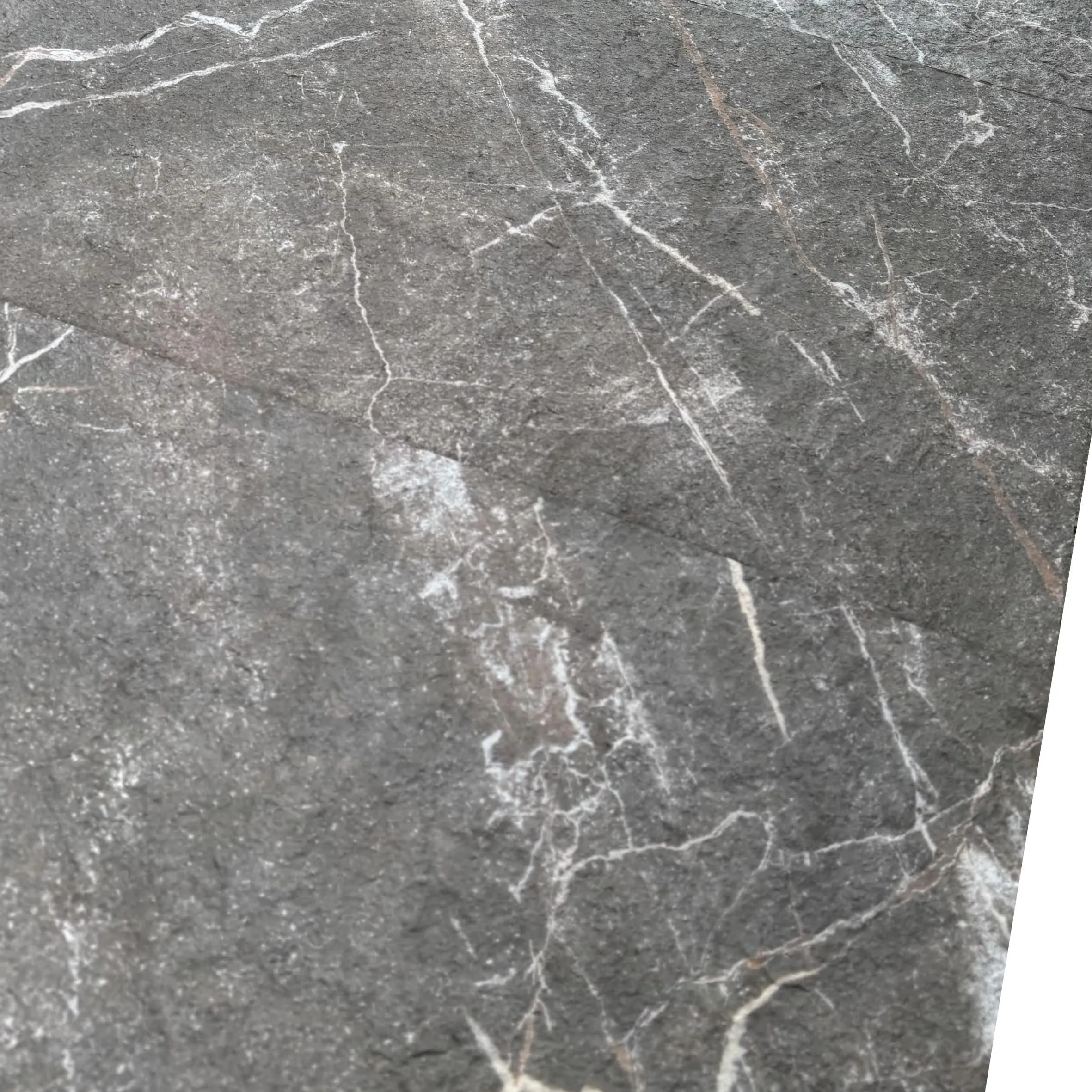
Mining Granite Portoro isn't just about digging a hole in the ground—it's about leveling ecosystems. Quarrying operations require vast areas of land to be cleared, which means deforestation on a significant scale. In Italy's Apennine Mountains, where some of the most prized Granite Portoro is mined, decades of quarrying have turned once-lush forests into barren landscapes. Local biologists estimate that a single active quarry can destroy up to 50 acres of woodland, displacing species like the Italian wolf and the Apennine chamois. But the damage doesn't stop there. Blasting rock releases dust and pollutants into the air, contributing to respiratory issues for nearby communities. Runoff from quarries—laden with heavy metals like lead and arsenic—seeps into rivers and groundwater, poisoning drinking supplies and killing aquatic life. In the town of Massa, Italy, residents have reported a 30% increase in water pollution-related illnesses since a new Granite Portoro quarry opened in 2018. "We used to fish in the river here," says local farmer Giovanni Rossi. "Now, the fish are gone, and our wells taste like metal. We've traded our health for someone else's fancy countertops."
Behind every slab of Granite Portoro is a team of miners—often working in dangerous, underpaid conditions. In many quarries, especially in developing countries, labor laws are lax or unenforced. Miners work 12-hour days in poorly ventilated tunnels, risking cave-ins, lung disease from silica dust, and injuries from heavy machinery. Wages are often below the poverty line: in a Brazilian quarry we spoke to (anonymously, for their safety), workers reported earning just $4 USD per day, with no health insurance or job security. "If you get hurt, you're replaceable," one miner told us. "The company doesn't care—there are always more people desperate for work." Even in Italy, where regulations are stricter, stories of exploitation persist. In 2022, a major quarrying company was fined €2 million for using undocumented workers and failing to provide safety gear. The irony? The slabs they extracted sold for up to €500 per square meter in luxury markets. The people doing the hardest work see almost none of that profit.
Quarries don't just destroy land—they displace communities. In rural areas, where land is often passed down through generations, mining companies use legal loopholes or brute force to seize property. In the Italian region of Tuscany, for example, a 2021 report found that over 300 families had been forced to relocate in the past decade to make way for Granite Portoro quarries. "Our village had been here for 300 years," says Maria Bianchi, a displaced resident. "The quarry bought our land for next to nothing, and now we live in a cramped apartment in the city, far from our farms and our history." For Indigenous communities, the impact is even more devastating. In parts of India, where small Granite Portoro deposits exist, tribal groups have lost access to sacred lands and traditional hunting grounds. "The stone is valuable to them, but our connection to the land is priceless," says a leader of the Gond tribe in Madhya Pradesh. "Once the quarry comes, everything we know is gone."
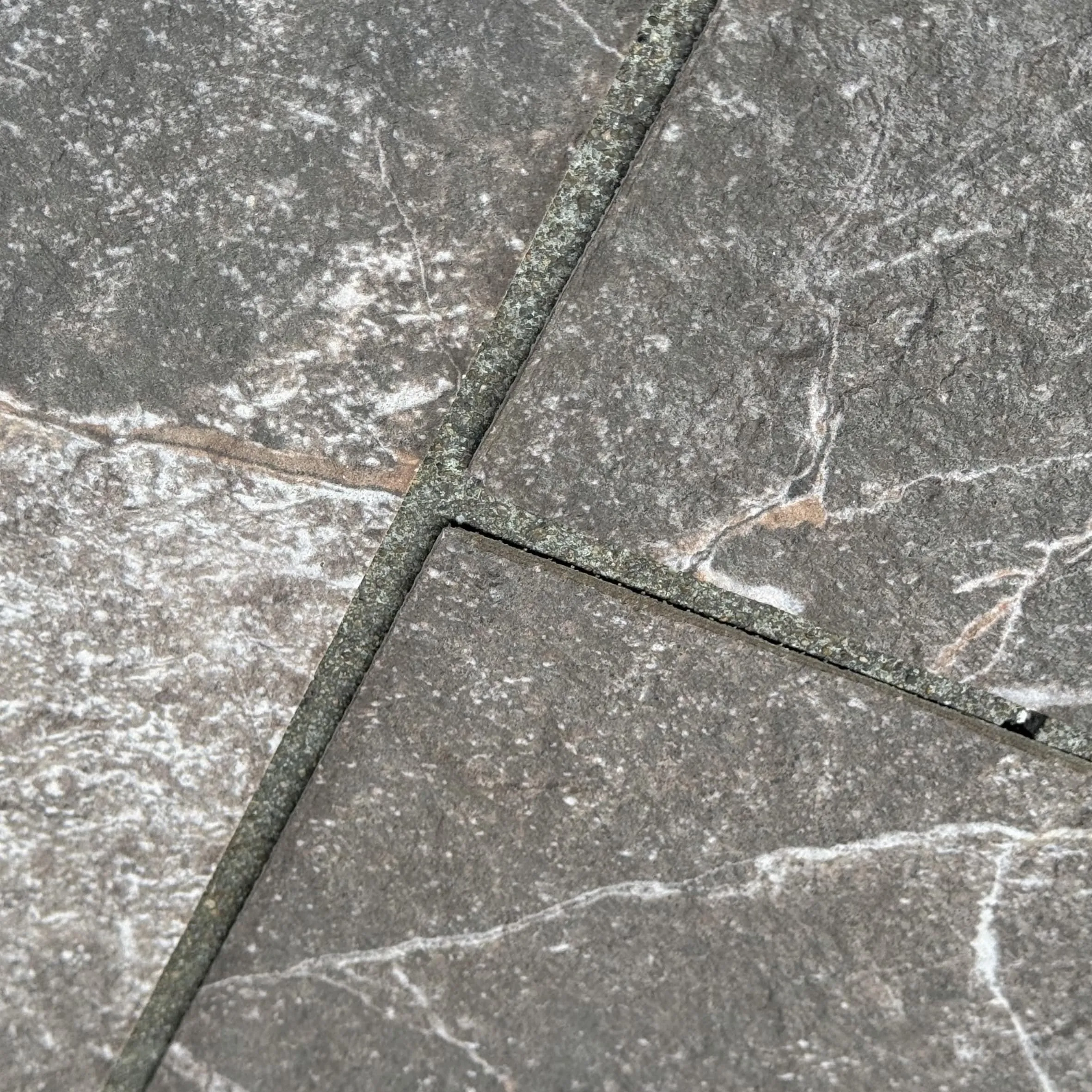
The good news is that designers, architects, and material scientists are stepping up. They're creating alternatives that mimic the look and feel of Granite Portoro—without the ethical baggage. These materials are eco-friendly, cruelty-free, and often more versatile than natural stone. Let's explore five standout options that are gaining traction in the industry.
If you love the texture of natural stone but hate the environmental cost, MCM flexible stone might be your new go-to. Short for "Modified Composite Material," MCM flexible stone is a thin, lightweight panel made from recycled stone aggregates, fiberglass, and eco-friendly resins. It's designed to look and feel like natural stone—including Granite Portoro—but with a fraction of the environmental impact. Here's why it stands out: First, it's lightweight (just 3-5 kg per square meter, compared to 20-25 kg for natural stone), which means less fuel is used during transportation. Second, it's made from up to 80% recycled materials, reducing the need for new mining. Third, it's flexible, so it can be installed on curved surfaces—something natural stone can't do without cracking. And unlike Granite Portoro, which requires heavy machinery to cut and shape, MCM flexible stone is easy to install, cutting down on labor time and costs. Designers are raving about it: "I used MCM flexible stone in a recent hotel project, and guests couldn't tell the difference between it and real Granite Portoro," says London-based architect Sarah Chen. "But knowing it didn't destroy a mountain to make it? That's the real luxury."
For those drawn to the contrast of dark and light (like Granite Portoro's black and gold), foamed aluminium alloy board (vintage silver) offers a sleek, sustainable alternative. Aluminium is one of the most recyclable materials on the planet—95% of the energy used to produce new aluminium is saved when recycling it—and foamed aluminium takes that sustainability a step further. The "foaming" process injects air bubbles into the metal, making it lightweight (up to 70% lighter than solid aluminium) but surprisingly strong. The vintage silver finish has a soft, matte sheen that pairs beautifully with warm woods or bold colors, creating a modern, industrial-chic look. It's also incredibly durable: resistant to corrosion, fire, and scratches, making it ideal for high-traffic areas like airports or shopping malls. "We used foamed aluminium alloy board in a restaurant renovation last year, and it's held up perfectly—even with food spills and constant foot traffic," says interior designer Miguel Torres. "And when the restaurant eventually remodels, that aluminium can be recycled into something new. You can't say that about a slab of Granite Portoro."
Not all natural stone mining is created equal. Travertine, a type of limestone formed by mineral-rich spring water, has long been a more sustainable option than granite because it's often quarried in open pits (rather than deep tunnels) and requires less blasting. But the "starry blue" variant takes it a step further. Mined in small, family-owned quarries in Turkey, where strict environmental regulations are enforced, starry blue travertine has a unique, almost celestial pattern—pale blue-gray with tiny, iridescent flecks that catch the light like stars. Unlike Granite Portoro, which is often over-mined, these quarries operate on a smaller scale, replanting trees and restoring soil after extraction. "Our family has been quarrying travertine for three generations," says Hasan Yilmaz, whose family runs a quarry in Denizli, Turkey. "We limit how much we take each year, and we plant a tree for every slab we sell. It's not just a business—it's our heritage." Starry blue travertine works beautifully in both indoor and outdoor spaces, adding a calm, earthy vibe to bathrooms, patios, or accent walls. It's also porous, which means it stays cool in hot climates—perfect for pool decks or outdoor kitchens.
Sometimes, the most sustainable solutions are the oldest ones. Rammed earth—compressed layers of soil, sand, gravel, and a small amount of cement—has been used in construction for thousands of years, from the Great Wall of China to traditional African villages. Today, modern rammed earth boards are taking this ancient technique to new heights, with gradient color options that rival the drama of Granite Portoro. Imagine walls in soft, blended hues of terracotta, sage green, and warm beige—no two boards are exactly alike, thanks to the natural variation in soil. Rammed earth is carbon-negative: the soil is locally sourced (reducing transportation emissions), and the compression process requires minimal energy. It's also breathable, regulating humidity and temperature naturally, which cuts down on heating and cooling costs. "I used rammed earth board (gradient) in a residential project in California, and the homeowners love how it feels," says architect James Wong. "In the summer, the house stays cool without AC; in the winter, it retains heat. And the gradient color adds so much depth—people think it's a high-end stone, but it's just earth and a little cement." Best of all, rammed earth quarries don't exist—because the "material" is literally dirt from the construction site or nearby areas. No mountains destroyed, no communities displaced.
Concrete has a bad rap for being industrial and cold, but fair-faced concrete is changing that. Also known as "architectural concrete," it's poured and finished to expose the natural texture of the material—no paint, no polish, just the raw beauty of aggregates and cement. It's sustainable because it uses locally sourced materials, requires minimal processing, and can incorporate recycled aggregates (like crushed glass or demolished concrete) to reduce waste. The neutral gray tone is surprisingly versatile, pairing with everything from bold artwork to natural wood, and it ages gracefully, developing a subtle patina over time. "I love fair-faced concrete for its honesty," says designer Emma Clarke. "It doesn't pretend to be something it's not—it's just concrete, and that's enough. It has a quiet confidence that Granite Portoro, with all its flash, can't match." It's also incredibly affordable compared to natural stone, making it accessible for projects of all sizes—from boutique cafes to community centers. And because it's fire-resistant and low-maintenance, it's a practical choice for both indoor and outdoor use.
| Aspect | Granite Portoro Mining | Sustainable Alternatives (e.g., MCM Flexible Stone, Foamed Aluminium) |
|---|---|---|
| Environmental Impact | High: Deforestation, water pollution, habitat loss | Low: Recycled materials, minimal mining, local sourcing |
| Carbon Footprint | High: Energy-intensive extraction, long-distance transport | Low: Lightweight materials, local production, recyclability |
| Labor Conditions | Often poor: Exploitation, unsafe work environments, low wages | Better: Regulations enforced, fair wages, safer production |
| Aesthetic Versatility | Limited: Only black with gold veins | High: Multiple colors, textures, and finishes (e.g., gradient rammed earth, starry blue travertine) |
| Cost Over Time | High: Expensive extraction, installation, and maintenance | Lower: Affordable materials, easy installation, durable (reduces replacement costs) |
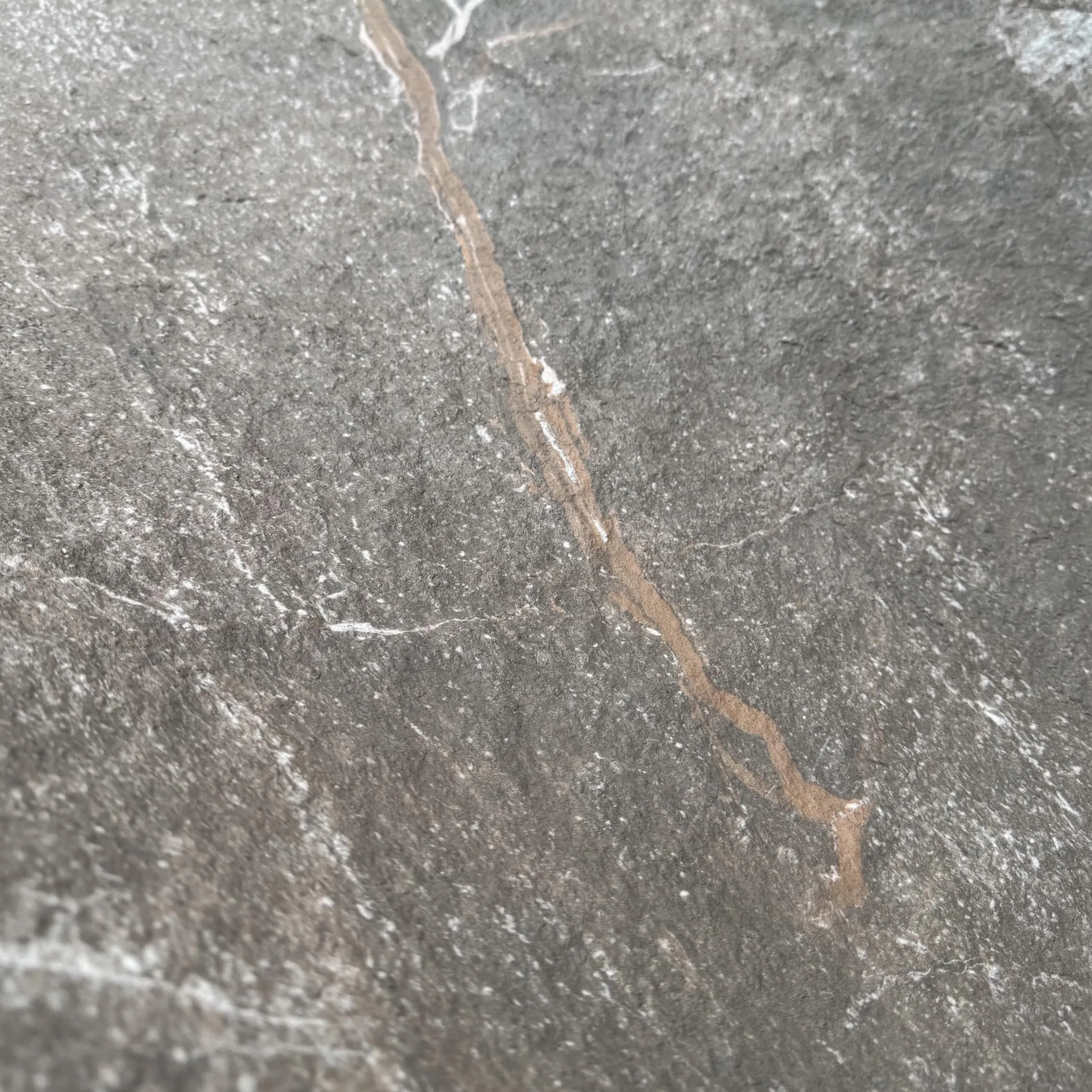
At the end of the day, the choice between Granite Portoro and sustainable alternatives isn't just about ethics—it's about redefining what "luxury" means. For too long, we've equated opulence with rarity and extraction. But true luxury, in the 21st century, should be about consciousness: knowing that the materials in our spaces don't come at the expense of people or the planet. MCM flexible stone, foamed aluminium alloy board, starry blue travertine, gradient rammed earth, and fair-faced concrete aren't "compromises"—they're innovations. They're proof that we can have beauty, durability, and style without destroying mountains, exploiting workers, or displacing communities.
So the next time you're designing a space—whether it's your home, a commercial project, or a public building—pause and ask: What story does this material tell? Is it one of destruction, or one of innovation? The answer might just change the way you see luxury forever.
Recommend Products












