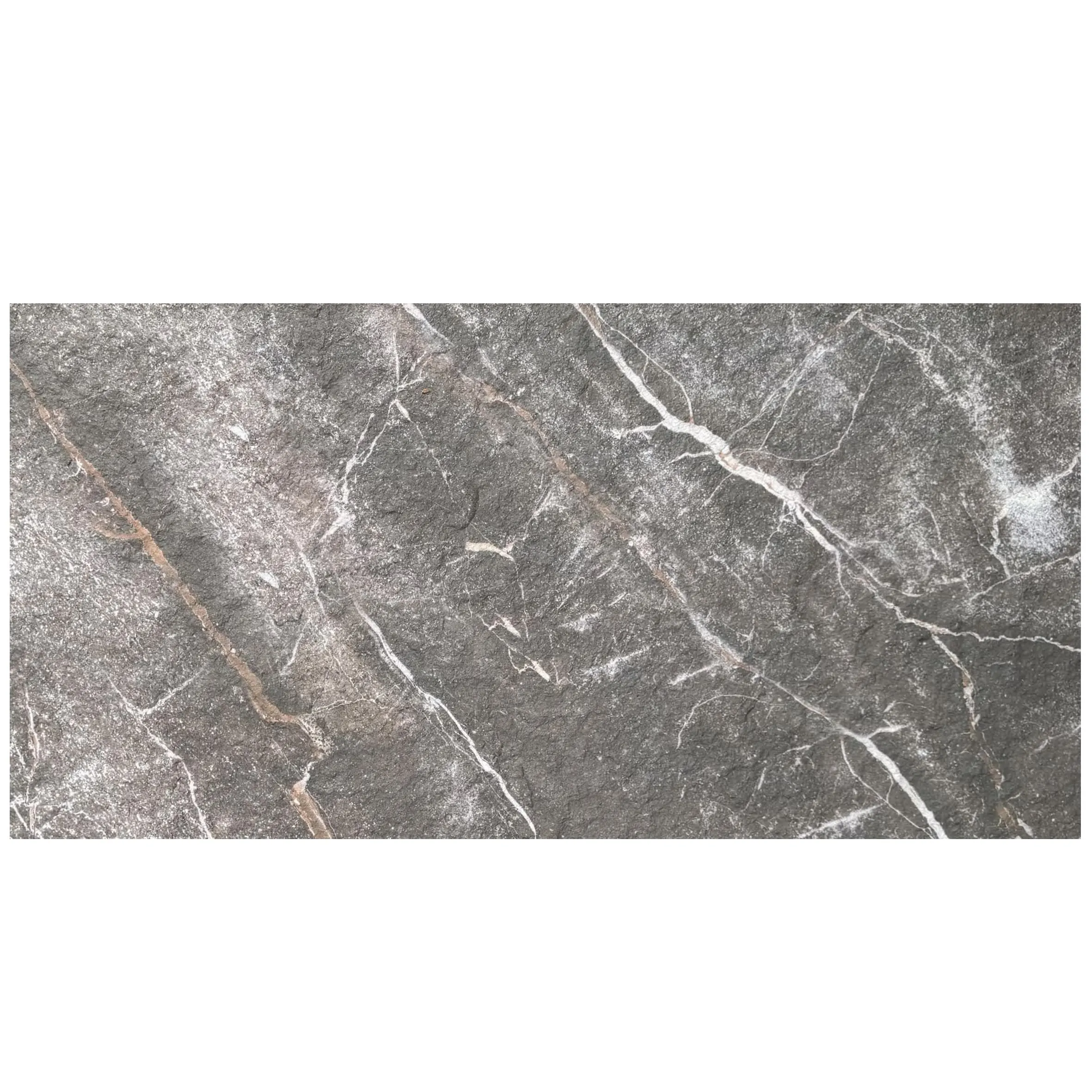
Why Hardness Matters: The Unsung Hero of Building Materials
When you walk into a bustling hotel lobby, run your hand along a restaurant countertop, or gaze up at a skyscraper's facade, you're probably not thinking about "hardness." But that quiet, unassuming property is what keeps those surfaces looking sharp for years—resisting scratches from stray keys, dents from rolling suitcases, and wear from the thousands of footsteps that pass over them. In construction and design, hardness isn't just a technical specification; it's the backbone of durability. It's the difference between a material that fades after a few years and one that stands the test of time.
Today, we're diving into a showdown between two heavyweights in the building materials world:
Granite Portoro
, a classic natural stone known for its robustness, and a lineup of modern
MCM (Modified Composite Material)
options. MCM materials—think
MCM flexible stone
and
MCM big slab board series
—have been turning heads lately for their blend of style, sustainability, and practicality. But how do they measure up when it comes to hardness? Let's break it down, so you can decide which material deserves a spot in your next project.
First, let's get to know our traditional contender:
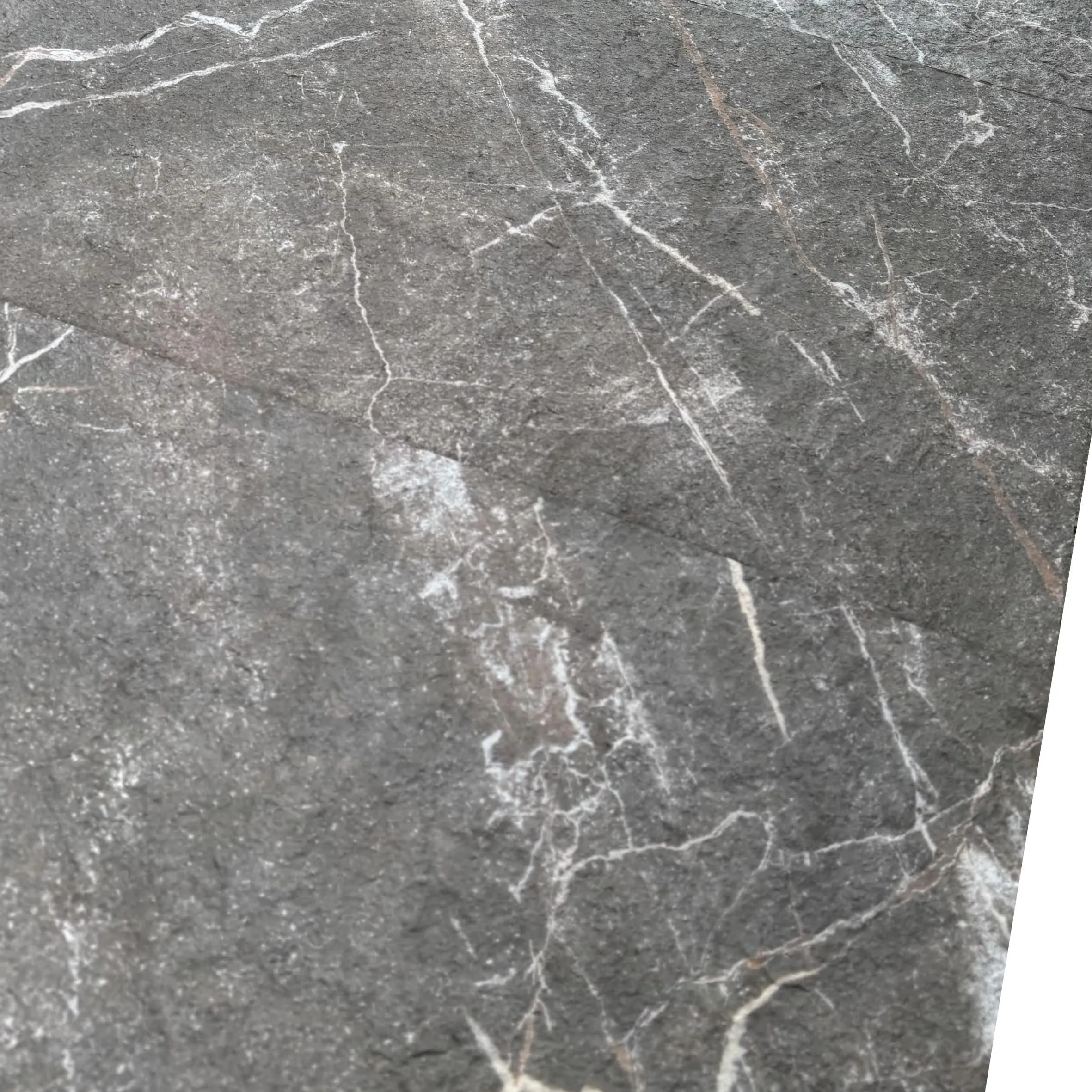
Granite Portoro. If building materials had a hall of fame, this stone would be inducted for its longevity. Quarried from select sites around the world,
Granite Portoro is a type of igneous rock formed deep within the Earth's crust, where slow cooling allows its minerals to crystallize into a dense, interlocking structure. Its signature look—dark, almost black background with striking gold or white veining—has made it a favorite for luxury projects, but its real claim to fame is its toughness.
So, how hard is it? On the Mohs Hardness Scale—a 10-point scale where 1 is talc (softest) and 10 is diamond (hardest)—
Granite Portoro typically scores between 6 and 7. To put that in perspective: your fingernail scratches at 2.5, a copper penny at 3, and a steel knife at 5.5. That means
Granite Portoro can resist scratches from most everyday objects, making it a go-to for high-traffic areas like hotel lobbies, airport terminals, and kitchen countertops. I've seen
Granite Portoro floors in 50-year-old buildings that still look polished, their surfaces barely showing the wear of decades of foot traffic. That's the power of a 6-7 Mohs rating.
But hardness isn't just about scratches.
Granite Portoro's density—around 2.6-2.8 g/cm³—means it's also highly resistant to impact. drop a heavy tool on it, and chances are it'll bounce off without leaving a mark. Its low porosity (when sealed properly) adds to its durability, repelling water, stains, and even some chemicals. It's no wonder architects and designers have relied on it for centuries—this stone doesn't just look good; it works hard.
MCM Materials: The Modern Underdogs Redefining Flexibility
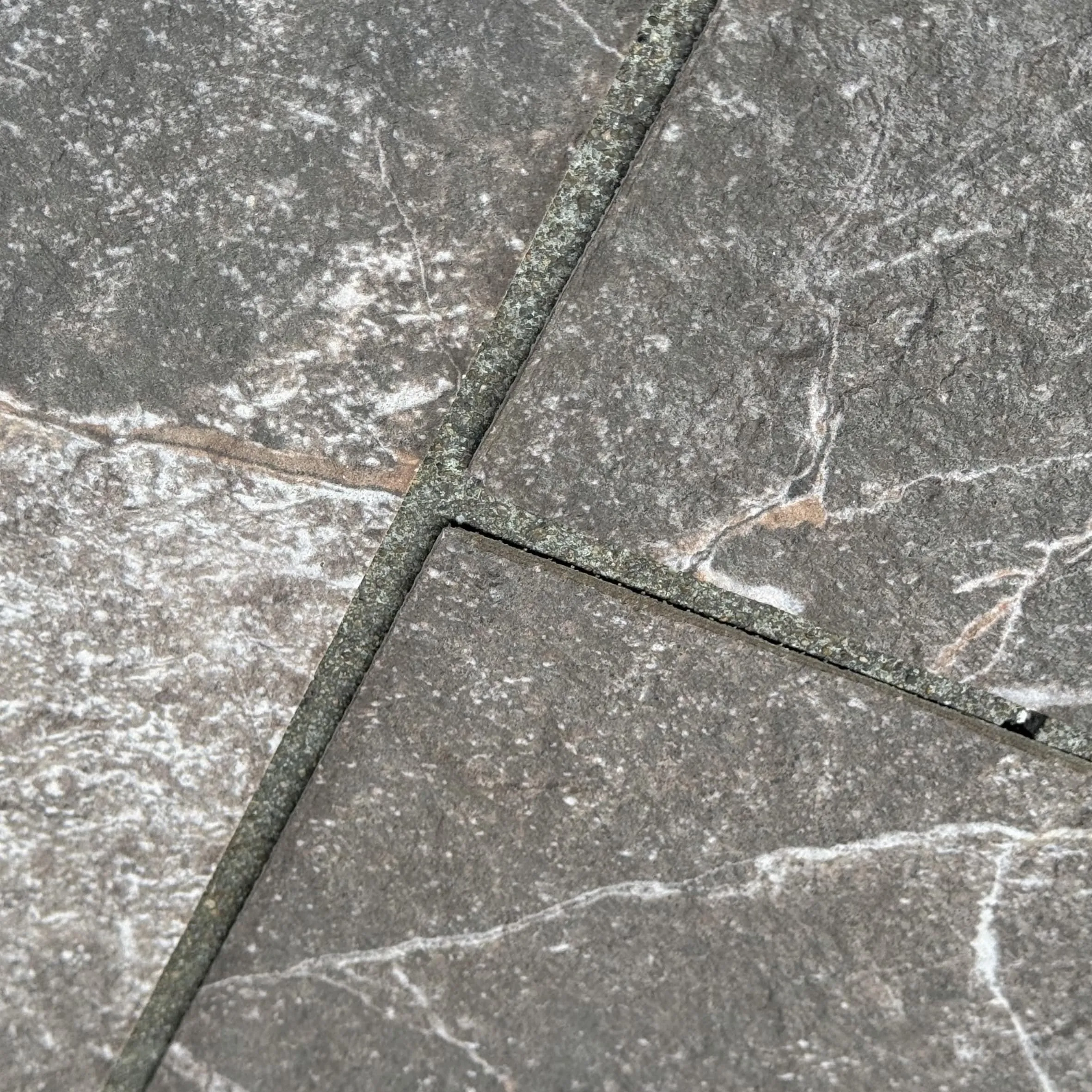
Now, let's shift to the new kids on the block: MCM materials. Short for Modified Composite Material, MCM is a category of engineered materials that blend natural minerals (like stone powder or clay) with polymers to create something entirely new. Think of it as nature and technology teaming up: you get the authentic look of stone or metal, but with superpowers like flexibility, lightness, and easy installation.
Two stars of the MCM family are
MCM flexible stone
and
MCM big slab board series
.
MCM flexible stone is exactly what it sounds like: thin (usually 3-5mm thick), bendable sheets that can wrap around curves, columns, or uneven surfaces—something traditional stone like
Granite Portoro can't dream of doing. The big slab series, on the other hand, comes in larger formats (often 1200x2400mm or bigger), reducing the number of seams in a design and giving facades a sleek, modern look.
But here's the question: with all that flexibility, do MCM materials sacrifice hardness? Let's start with the basics. Most MCM flexible stones have a Mohs hardness rating between 3 and 4. That's softer than
Granite Portoro, sure—but context matters. MCM isn't trying to be a diamond; it's trying to be a practical, adaptable alternative. Its secret weapon isn't brute strength but smart engineering. The polymer binders in MCM add resilience, so even if it scratches, the damage is often less noticeable than on a polished granite surface. Plus, MCM is lightweight—around 3-5 kg/m² compared to
Granite Portoro's 50-60 kg/m²—making it easier to transport, install, and less stressful on building structures.
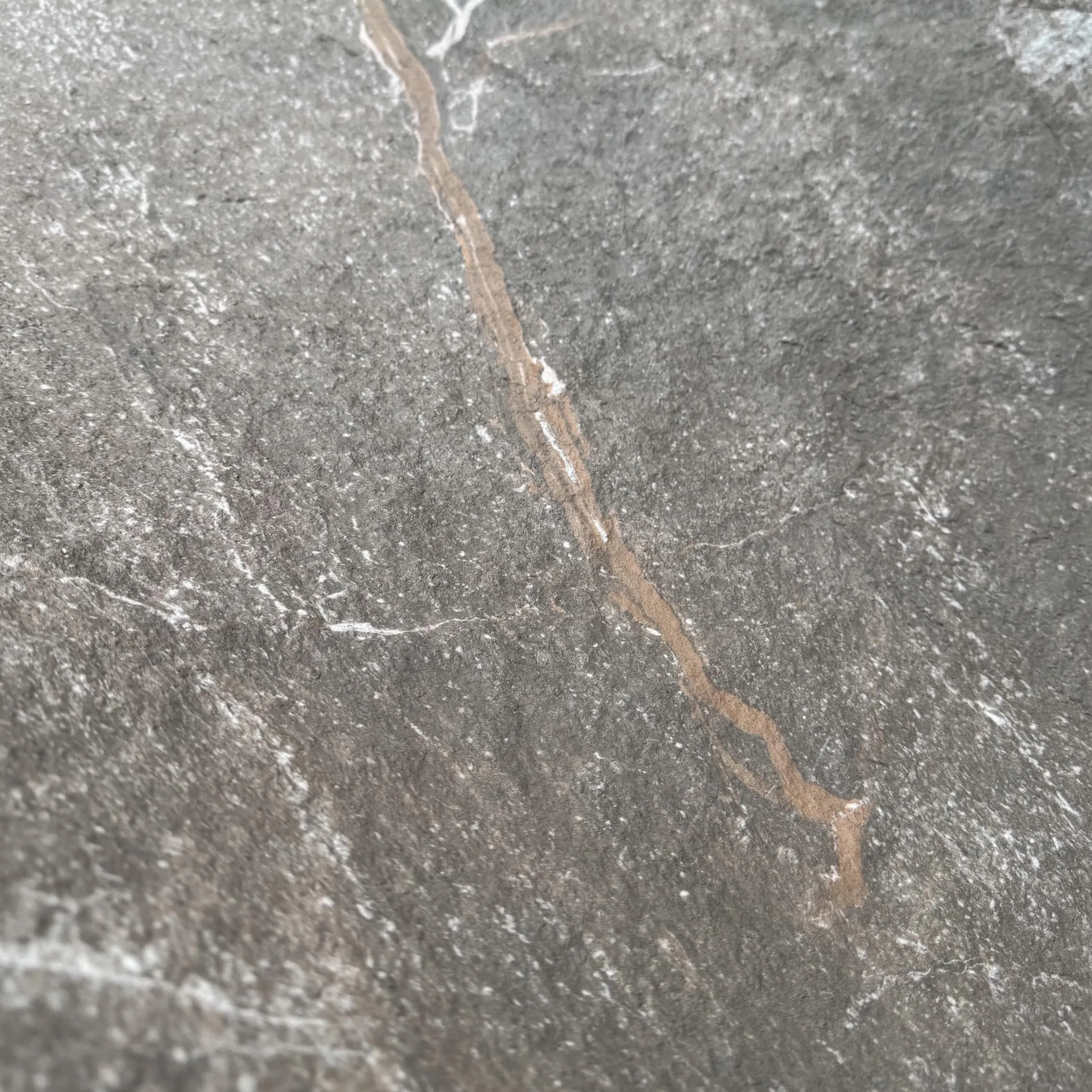
Head-to-Head: Granite Portoro vs. MCM Materials
To really understand how these materials stack up, let's compare
Granite Portoro with three popular MCM options:
MCM flexible stone,
foamed aluminium alloy board (vintage silver)
, and
fair-faced concrete
. We'll look at hardness, durability, and real-world performance to see where each shines.
|
Material
|
Mohs Hardness
|
Density (g/cm³)
|
Weight (kg/m²)
|
Key Durability Traits
|
Best For
|
|
Granite Portoro
|
6-7
|
2.6-2.8
|
50-60
|
Scratch-resistant, impact-resistant, low porosity
|
High-traffic floors, countertops, heavy-duty facades
|
|
MCM Flexible Stone
|
3-4
|
1.2-1.5
|
3-5
|
Flexible, weather-resistant, stain-resistant (coated)
|
Curved surfaces, accent walls, lightweight facades
|
|
Foamed Aluminium Alloy Board (Vintage Silver)
|
2.5-3
|
0.4-0.6
|
2-4
|
Corrosion-resistant, impact-absorbent, lightweight
|
Outdoor cladding, decorative panels, coastal projects
|
|
Fair-Faced Concrete
|
4-5
|
2.3-2.4
|
20-25
|
Fire-resistant, compressive strength, industrial aesthetic
|
Warehouses, art galleries, exposed structural elements
|
Let's unpack each comparison to see what these numbers really mean for your project.
MCM flexible stone's 3-4 Mohs rating means it's softer than
Granite Portoro, but that doesn't make it "weak." I recently visited a boutique hotel where the lobby walls were clad in
MCM flexible stone with a marble-like finish. The designer chose it because the walls curved gently around the reception desk—a shape that would have required cutting and shaping
Granite Portoro into dozens of small, expensive pieces. After two years, the MCM walls still looked brand-new, with only a few minor scuffs near the floor (easily touched up with a matching sealant). The key here is context: walls don't take the same abuse as floors, so MCM's lower hardness wasn't an issue.
Granite Portoro, on the other hand, would have been overkill for those curved walls. Its weight (50-60 kg/m²) would have required reinforced framing, adding cost and complexity. But in the hotel's restaurant, where waitstaff rush around with heavy trays, the countertops are
Granite Portoro. After two years of clattering plates and sharp knives, they're still scratch-free. That's the 6-7 Mohs rating at work—no amount of flexibility can replace that level of scratch resistance in high-impact areas.
Granite Portoro vs. Foamed Aluminium Alloy Board: Weight vs. Corrosion Resistance
Foamed aluminium alloy board (vintage silver) is a standout in the MCM family for its lightweight design and corrosion resistance. With a Mohs hardness of 2.5-3, it's softer than
Granite Portoro—you could scratch it with a copper penny—but its real strength lies in its structure. The foam core makes it shock-absorbent, so it can handle impacts that would chip
Granite Portoro. I worked on a coastal project in Miami where we used foamed aluminium alloy for the exterior cladding. The salt air there eats through steel and even some stones, but after five years, the vintage silver panels still have their metallic sheen, no rust or pitting in sight.
Granite Portoro, while hard, is prone to corrosion in highly saline environments. The minerals in the stone can react with saltwater, leading to discoloration over time. Inland, that's not a problem—but by the ocean? Foamed aluminium alloy wins hands down, even with its lower hardness. Its weight (2-4 kg/m²) also made installation a breeze; we didn't need heavy machinery, just a team of two workers with basic tools.
Granite Portoro would have required cranes and reinforced supports, doubling the installation time and cost.
Fair-faced concrete—raw, uncoated concrete with a natural, textured finish—sits in the middle of the hardness scale at 4-5 Mohs. It's harder than
MCM flexible stone but softer than
Granite Portoro. What it lacks in scratch resistance, it makes up for in compressive strength (around 30-40 MPa) and fire resistance. I visited an art gallery in Berlin where the walls and floors are
fair-faced concrete. The industrial aesthetic is stunning, but you can see wear in high-traffic areas: small scratches from visitors' shoes, faint stains from spilled coffee. The curator told me they seal the floors every two years to keep them looking fresh—a maintenance step
Granite Portoro avoids (it only needs sealing every 5-10 years).
For a museum with marble sculptures and delicate artifacts,
fair-faced concrete's 4-5 Mohs rating is enough. But for a busy shopping mall with thousands of visitors daily?
Granite Portoro's 6-7 Mohs is non-negotiable. I once saw a
Granite Portoro mall floor that hadn't been sealed in eight years, and while it had a few stains, there wasn't a single scratch bigger than a hairline. That's the durability gap in action.
When to Choose Granite Portoro, and When to Go MCM
The million-dollar question: Which material should you pick? It all comes down to your project's priorities. Let's break down the scenarios where each material is the best fit.
Durability is your top priority.
If you're building a space that will see heavy use—think a train station concourse, a commercial kitchen, or a school hallway—
Granite Portoro's 6-7 Mohs hardness is worth the investment. It will outlast most other materials, saving you money on replacements and repairs in the long run.
You want a timeless aesthetic.
There's something about natural stone that never goes out of style.
Granite Portoro's rich veining and depth add a luxury feel that engineered materials can mimic but not quite match. For high-end hotels, luxury homes, or historic renovations, that timelessness is priceless.
Weight and installation costs aren't a concern.
Granite Portoro is heavy, and installing it requires specialized labor and equipment. If your budget and structural design can handle that, go for it.
Choose MCM Materials If…
You need flexibility or lightweight design.
MCM flexible stone can wrap around columns, arches, and curved facades—something
Granite Portoro can't do without expensive custom cutting. The
MCM big slab board series, with its large format, reduces seams for a sleek, modern look, perfect for minimalist designs.
Sustainability matters.
MCM materials often use recycled minerals and require less energy to produce and transport (thanks to their light weight). Foamed aluminium alloy, for example, is 100% recyclable, and
MCM flexible stone uses up to 70% natural stone powder, reducing waste from quarrying.
You're working on a tight timeline.
MCM panels are prefabricated, so installation is fast. A team can clad an entire facade in days, whereas
Granite Portoro might take weeks (or longer, if custom cuts are needed). For commercial projects with strict deadlines, that speed is a game-changer.
The Bottom Line: Hardness Isn't Everything
At the end of the day, hardness is just one piece of the puzzle.
Granite Portoro's 6-7 Mohs rating makes it a champion for durability, but MCM materials like
MCM flexible stone and foamed aluminium alloy board bring flexibility, sustainability, and speed to the table. There's no "better" material—only the right material for your project.
I've worked on projects where we mixed both:
Granite Portoro for the lobby floors (high traffic, high durability) and
MCM big slab board series for the facade (lightweight, modern look). The result? A building that's both tough and beautiful, built to last but designed to impress. That's the magic of understanding material properties—you can blend strengths to create something truly exceptional.
So, whether you're drawn to
Granite Portoro's timeless toughness or MCM's innovative flexibility, remember: hardness is a tool, not a trophy. Use it to make informed choices, and your project will stand strong—for years, and maybe even decades, to come.