
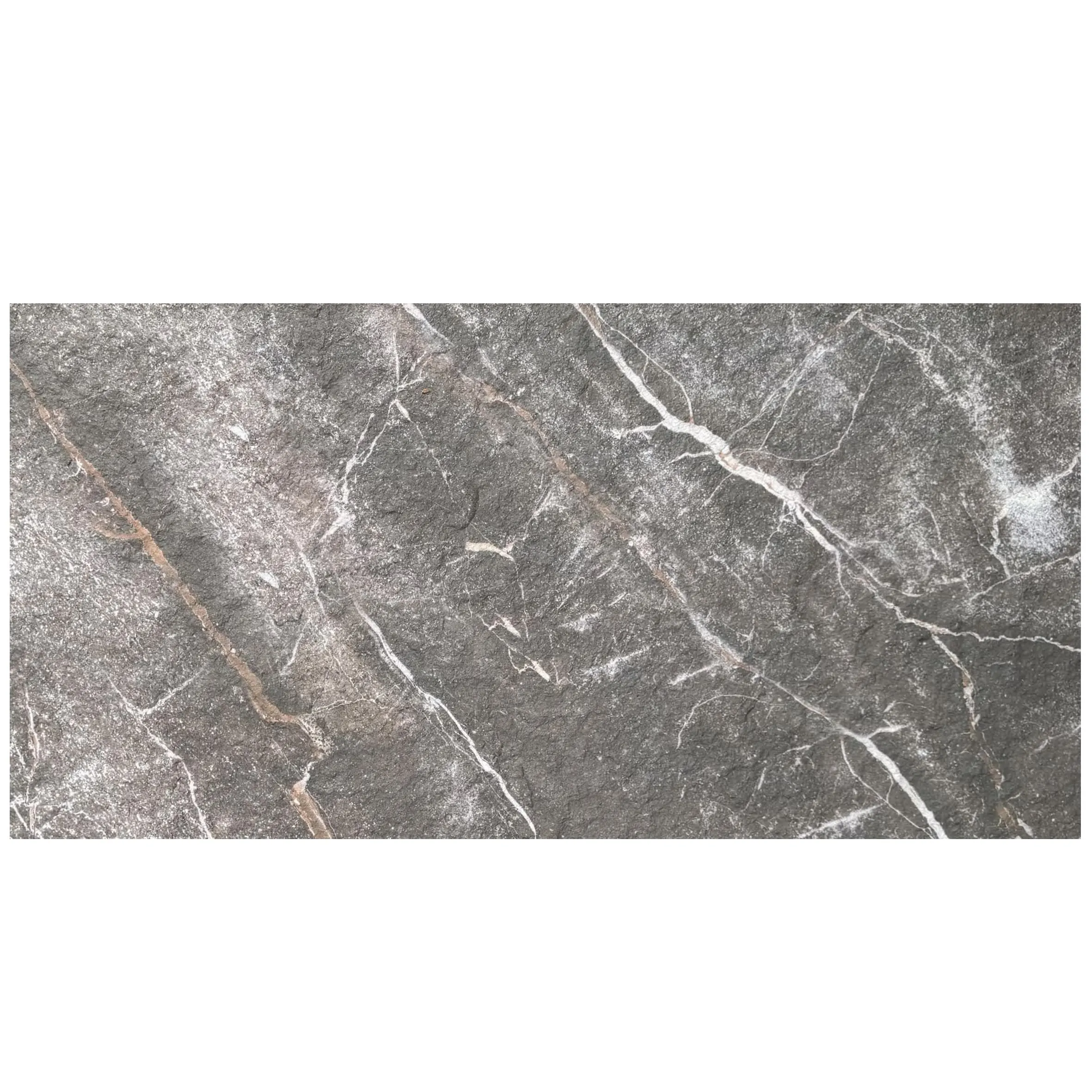
There's a stone that has quietly woven itself into the fabric of human civilization, its dark surface flecked with gold veins like constellations frozen in rock. Granite Portoro isn't just a building material—it's a living chronicle. Run your hand over its surface, and you'll feel the grit of centuries: the chisel marks of Renaissance craftsmen, the weight of imperial palaces, and the sleek touch of 21st-century skyscrapers. What makes this stone so enduring? It's more than its striking appearance; it's the way it bridges eras, speaking both to our reverence for the past and our hunger for innovation.
Picture a quarry in the heart of Tuscany, where sunlight dapples over slabs of Granite Portoro waiting to be shaped. The stone here is a study in contrasts: deep charcoal gray (almost black) as its base, shot through with threads of gold and amber that catch the light like embers. Miners have called it "the night sky stone" for centuries, and it's easy to see why. When polished, those golden flecks seem to glow from within, turning a simple wall into a canvas of shadow and light. But its beauty is more than skin deep. Granite Portoro is tough—resistant to weathering, fire, and the slow creep of time. That durability is why, for millennia, builders have turned to it when they wanted to create something that would outlast generations.
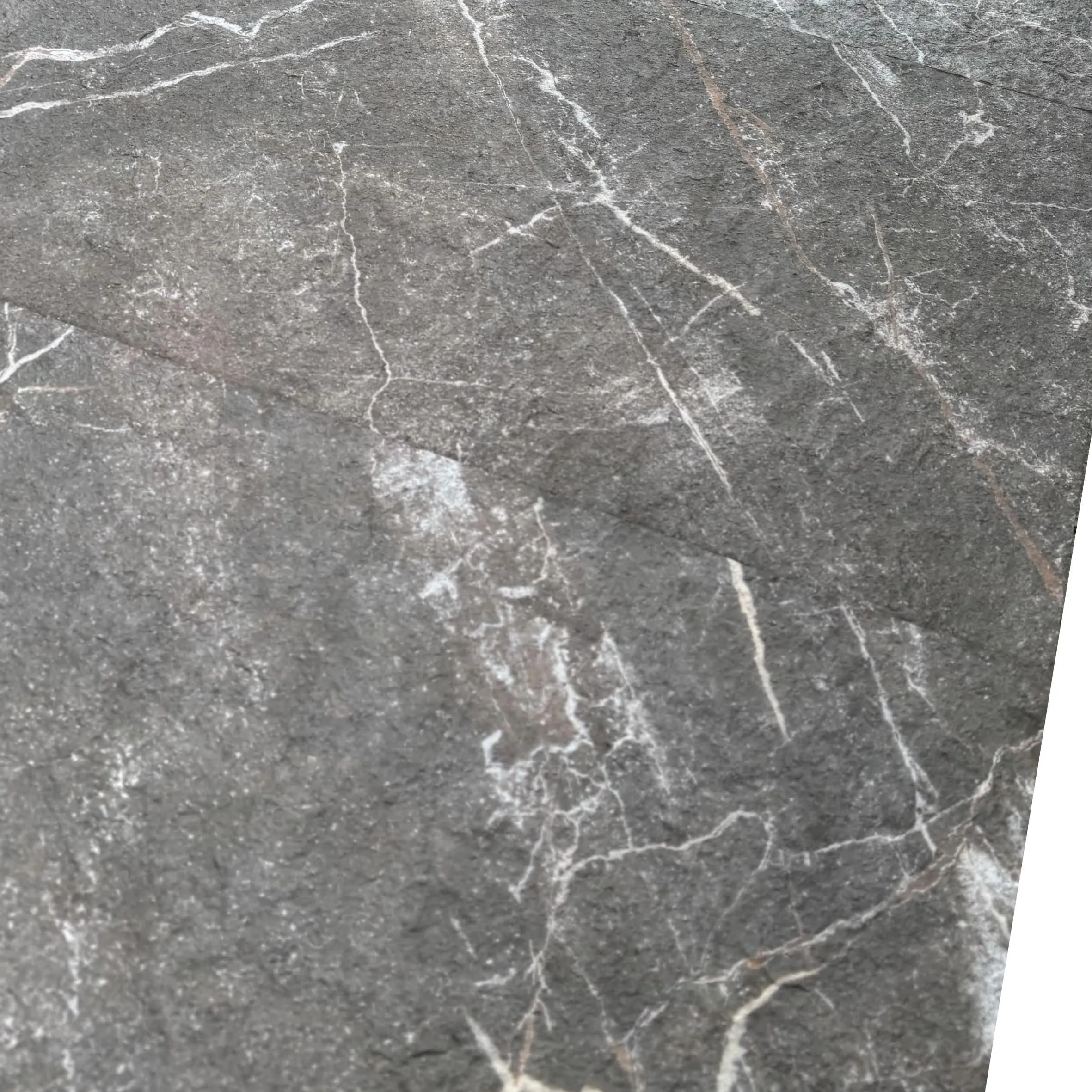
The story of Granite Portoro in history is a tale of ambition. Ancient civilizations didn't just use stone—they chose it to declare power, piety, and permanence. Take the Roman Empire, for example. While marble was the star of the Colosseum, Granite Portoro found its niche in the most sacred spaces: temples dedicated to Jupiter, where its dark hue symbolized the god's dominion over the night sky. Archaeologists in Pompeii have uncovered fragments of Granite Portoro flooring in wealthy villas, its gold veins once glinting under oil lamps, a status symbol for families who wanted to showcase their taste and influence.
Fast forward to the Renaissance, and Granite Portoro became a favorite of architects like Brunelleschi and Michelangelo. In Florence's Duomo, it was used sparingly but strategically: as accents in the Baptistery's doors, where its bold color made the bronze reliefs pop, or as inlays in the cathedral's marble floor, creating geometric patterns that drew the eye upward toward the dome. Craftsmen of the time treated the stone with almost religious reverence. A 15th-century journal from a stonemason in Siena describes spending weeks selecting the perfect slab, "turning it this way and that to catch the light, ensuring the gold veins flow like rivers across the surface." It wasn't just about function—it was about capturing beauty that would make visitors gasp, even centuries later.
Granite Portoro rarely stood alone in these historical projects. Often, it was paired with stones like historical pathfinders stone—a lighter, more earthy material with a rough-hewn texture—to create contrast. In the Palace of Versailles, for instance, the Grand Gallery's flooring alternates between the two: Granite Portoro for the borders, its dark elegance framing panels of historical pathfinders stone, which has a warm, sandy tone that softens the space. It's a masterclass in balance: the opulence of Granite Portoro grounded by the humility of a stone that feels like it was plucked straight from the earth. Together, they tell a story of power and pragmatism, of kings who wanted to be remembered but also understood that true grandeur lies in harmony.
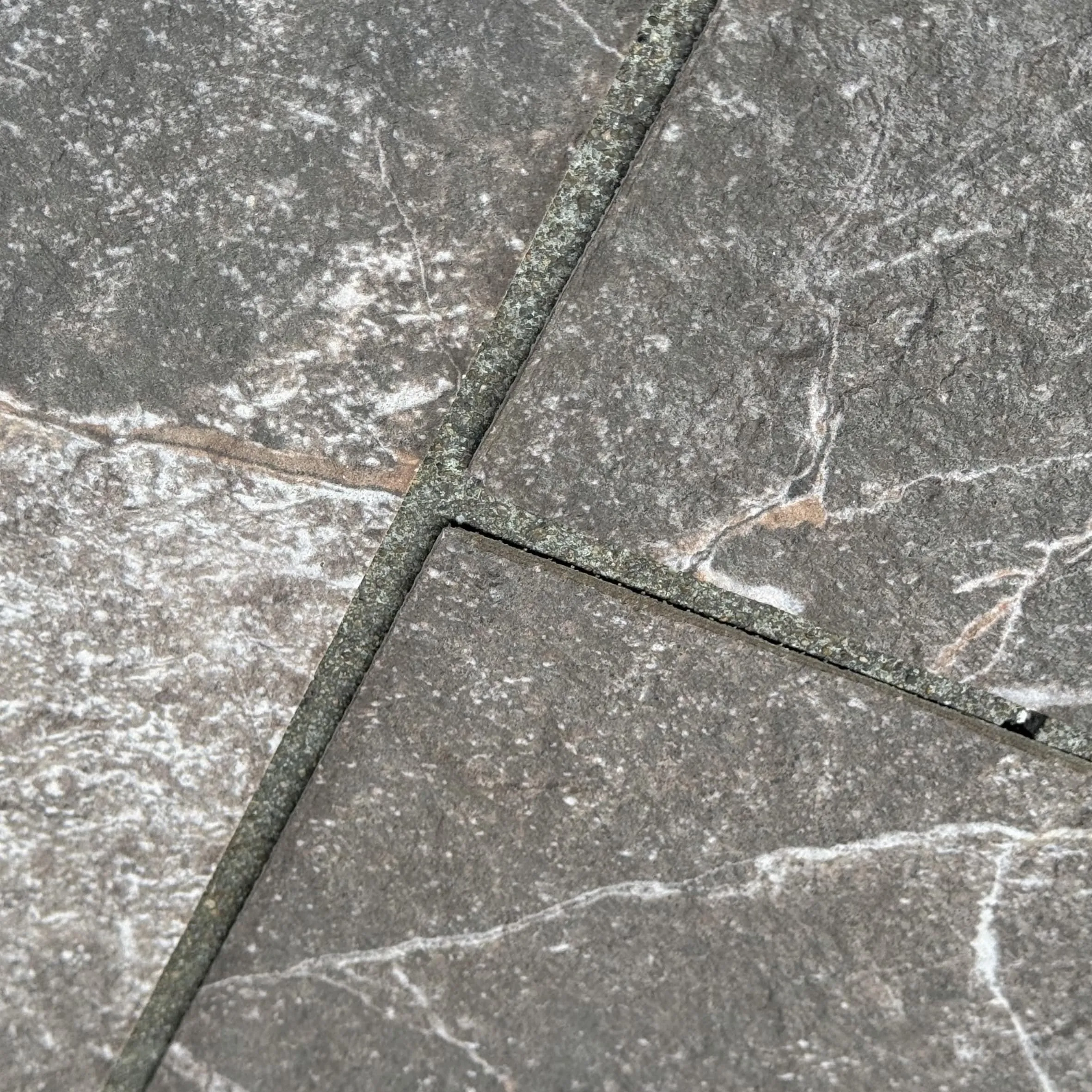
If history saw Granite Portoro as a symbol of tradition, modern architecture has set it free. Today, you'll find it not just in palaces or churches, but in art galleries, luxury hotels, and even tech headquarters. What changed? For one, technology. In the past, moving a single slab of Granite Portoro required teams of oxen and months of planning. Now, cranes lift them with ease, and diamond-tipped saws cut them into precise, thin panels that can clad a skyscraper's facade. Architects have fallen in love with this versatility—suddenly, a stone once confined to floors and columns could become the "skin" of a building, turning a glass tower into something with depth and character.
Take the Azure Museum in Dubai, completed in 2020. Its exterior is a striking mix of Granite Portoro and mcm flexible stone—a lightweight, adaptable material that can mimic the look of natural stone but bend to curved surfaces. The museum's south facade uses large slabs of Granite Portoro, their gold veins catching the desert sun, while the north side features mcm flexible stone in a soft beige, creating a balance between boldness and subtlety. "We wanted the building to feel both ancient and futuristic," says lead architect Amina Hassan. "Granite Portoro gives it that weight of history, but paired with mcm flexible stone, it feels dynamic—like the past and future are dancing together."
Another modern favorite pairing? Granite Portoro with fair-faced concrete. There's something thrilling about the contrast: the stone's polished luxury next to concrete's raw, industrial texture. The Horizon Tower in Singapore is a perfect example. Its lobby features a wall of fair-faced concrete—rough, gray, and unapologetically modern—punctuated by a Granite Portoro reception desk. The effect is dramatic: the concrete feels like a blank canvas, making the stone's gold veins pop like brushstrokes. It's a design choice that speaks to our current moment, where we crave authenticity as much as elegance. "People don't want spaces that feel too 'done' anymore," explains interior designer Raj Patel. "Granite Portoro adds that touch of luxury, but fair-faced concrete keeps it real. It's like wearing a tailored suit with scuffed leather boots—effortlessly cool."
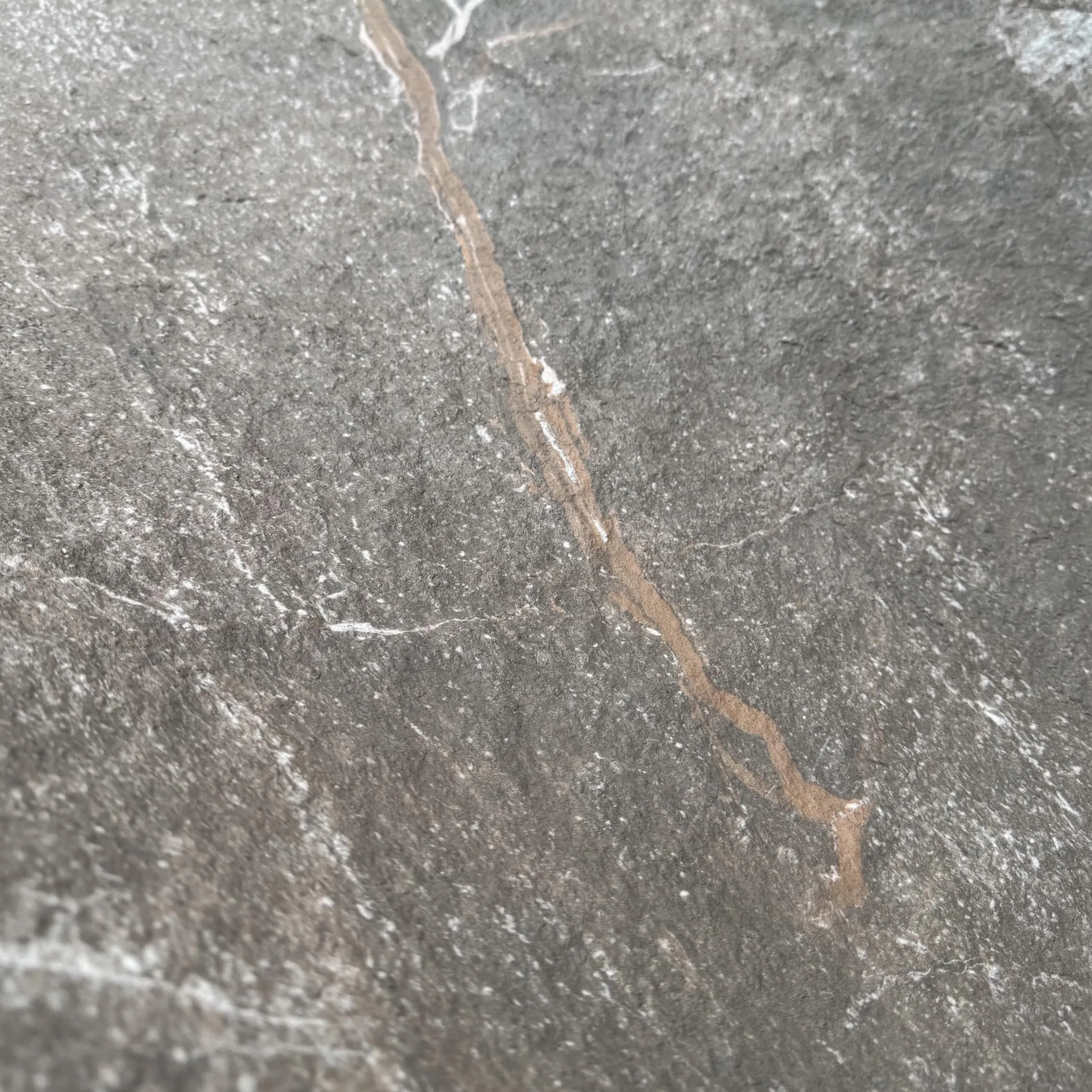
| Aspect | Historical Use (Pre-20th Century) | Modern Use (21st Century) |
|---|---|---|
| Primary Applications | Flooring, altar accents, column bases, and decorative inlays in palaces/cathedrals. | Facade cladding, skyscraper exteriors, museum walls, luxury residential interiors, and statement furniture. |
| Tools & Techniques | Hand chisels, hammers, and basic saws; polishing done with sand and water. | Diamond-tipped saws, laser cutting, 3D scanning for precision fitting; polishing with industrial-grade abrasives. |
| Sustainability Focus | Little concern for environmental impact; quarries often abandoned after use. | Eco-friendly quarrying (water recycling, solar-powered machinery), and reuse of offcuts for smaller projects. |
| Aesthetic Goal | Symbolizing power, piety, or wealth; often paired with lighter stones like historical pathfinders stone for contrast. | Creating visual drama; paired with modern materials like mcm flexible stone or fair-faced concrete for texture. |
| Cultural Significance | Reserved for "eternal" structures (temples, tombs, palaces) to outlast dynasties. | Used to add warmth and history to contemporary spaces, bridging past and future. |
For all its durability, Granite Portoro isn't immune to the challenges of modern building. Quarrying natural stone is resource-intensive, and in a world focused on sustainability, architects and builders are asking tough questions: Is it worth the carbon footprint? Can we use it more responsibly? The answer, it turns out, is yes—but it requires innovation. Take the quarry in northern Italy that supplies Granite Portoro to much of Europe. In the past decade, they've installed solar panels to power their machinery, built water recycling systems to reduce waste, and even started replanting native trees around old quarry sites, turning scars in the landscape into forests. "We used to think of stone as an endless resource," says quarry manager Luca Moretti. "Now we know better. If we want Granite Portoro to be here for another thousand years, we have to treat it like the treasure it is."
Another solution? Pairing Granite Portoro with more sustainable materials. Mcm flexible stone, for example, is made from recycled stone dust and polymers, making it lighter and more eco-friendly than natural stone. By using mcm flexible stone for large, less visible areas and Granite Portoro for accents, architects can cut down on waste without sacrificing beauty. It's a small shift, but a meaningful one—proof that even the oldest materials can adapt to new values.
Looking ahead, the future of Granite Portoro lies in its ability to play well with others. One emerging trend is pairing it with marble interstellar gray—a sleek, contemporary stone with a subtle metallic sheen that looks like it was mined from a distant galaxy. The combination is striking: Granite Portoro's warm gold veins against marble interstellar gray's cool, silvery surface. It's a match made for spaces that want to feel both grounded and forward-thinking, like the new Innovation Hub in Berlin, where walls of marble interstellar gray are interrupted by Granite Portoro panels, creating a visual rhythm that feels both timeless and cutting-edge.
Architects are also experimenting with texture. Instead of always polishing Granite Portoro to a high shine, some are leaving it with a rough, honed finish, letting its natural grain show through. When paired with materials like woven (khaki)—a soft, textile-like cladding—this creates spaces that feel tactile and inviting. Imagine a boutique hotel lobby where a wall of rough-hewn Granite Portoro is softened by woven (khaki) panels, turning a cold stone into something you want to reach out and touch. It's a reminder that stone doesn't have to be "cold" or "imposing"—it can be cozy, too.
Granite Portoro has outlived empires, survived wars, and adapted to revolutions in architecture. It has been chiseled by hand, cut by lasers, and admired by everyone from Roman emperors to Instagram influencers. What's its secret? It's not just the stone itself—it's the way it reflects us. We are a people who honor our past but refuse to be trapped by it, who crave beauty but demand purpose, who build not just for today but for the generations who will stand in our buildings and wonder, "Who made this?"
As we look to the future, Granite Portoro will continue to evolve. It might be paired with new materials we haven't even imagined yet, or used in ways that surprise us—maybe as 3D-printed accents or in sustainable, zero-waste designs. But no matter how it's shaped, it will always carry a piece of history within it: the stories of the hands that carved it, the spaces it has defined, and the dreams of those who chose it. In a world that's always rushing forward, Granite Portoro is a gentle reminder to slow down, look around, and appreciate the beauty that outlasts us all.
So the next time you walk into a building and see that familiar dark stone with gold veins, take a moment to pause. You're not just looking at a wall or a floor—you're looking at a story. And like all great stories, it's far from over.
Recommend Products












