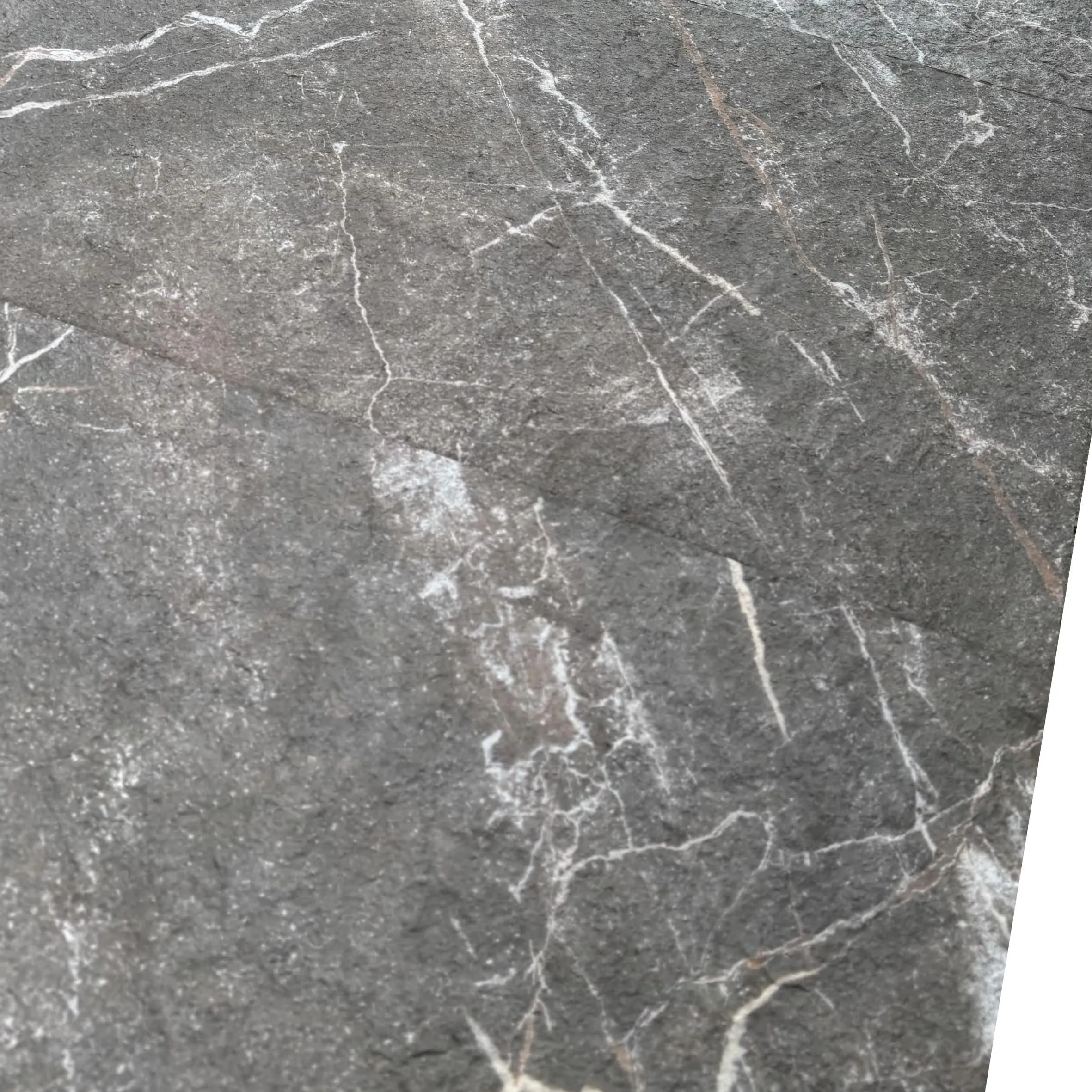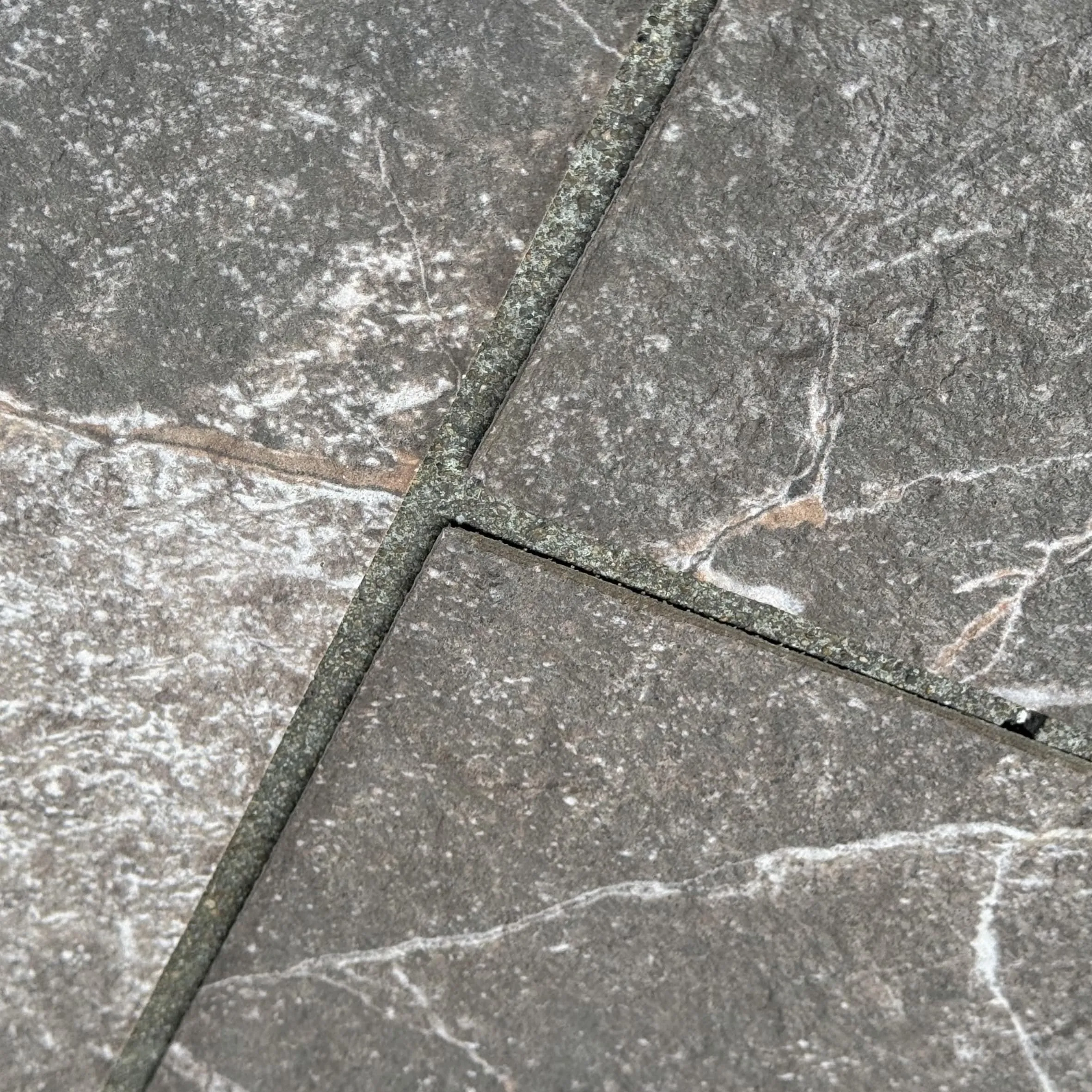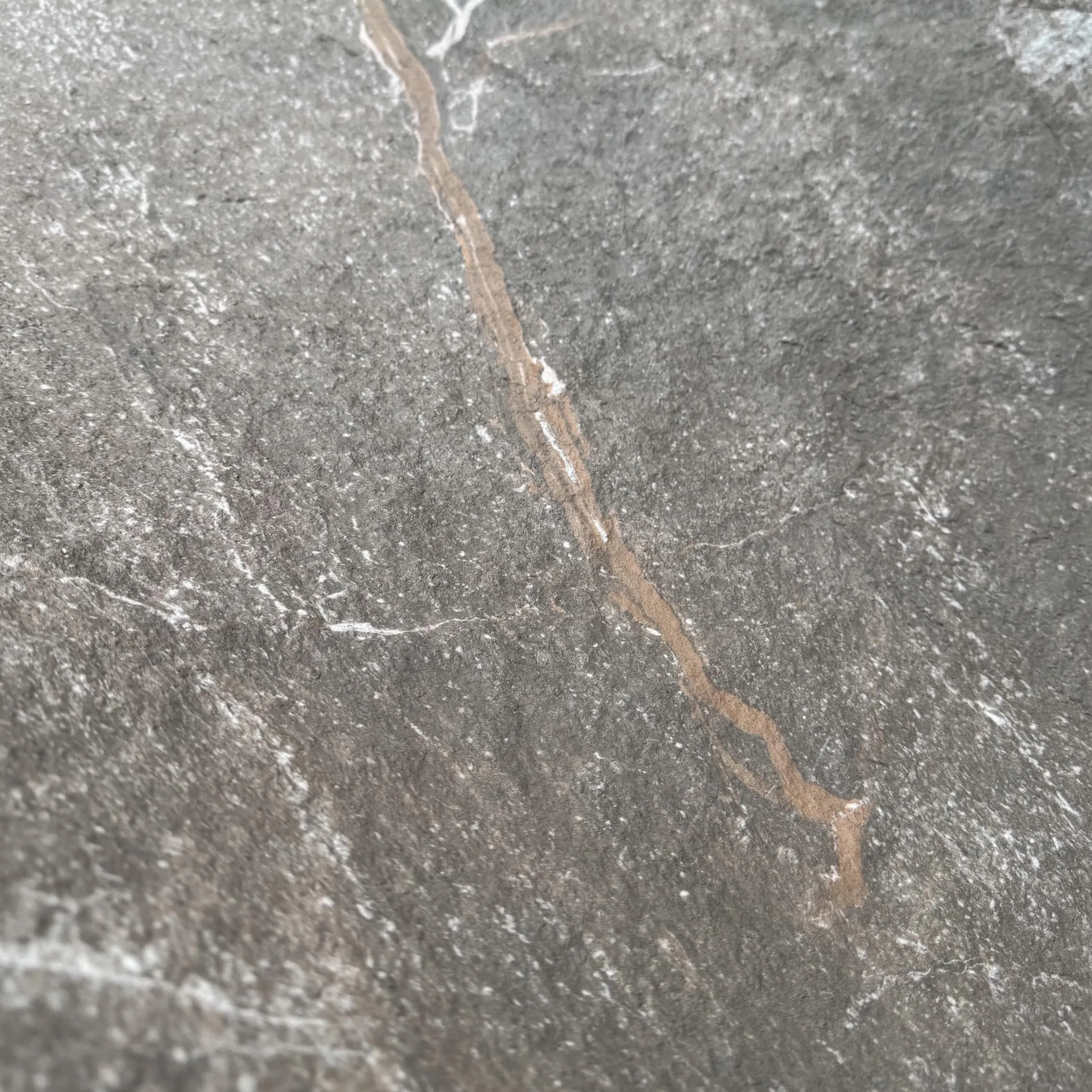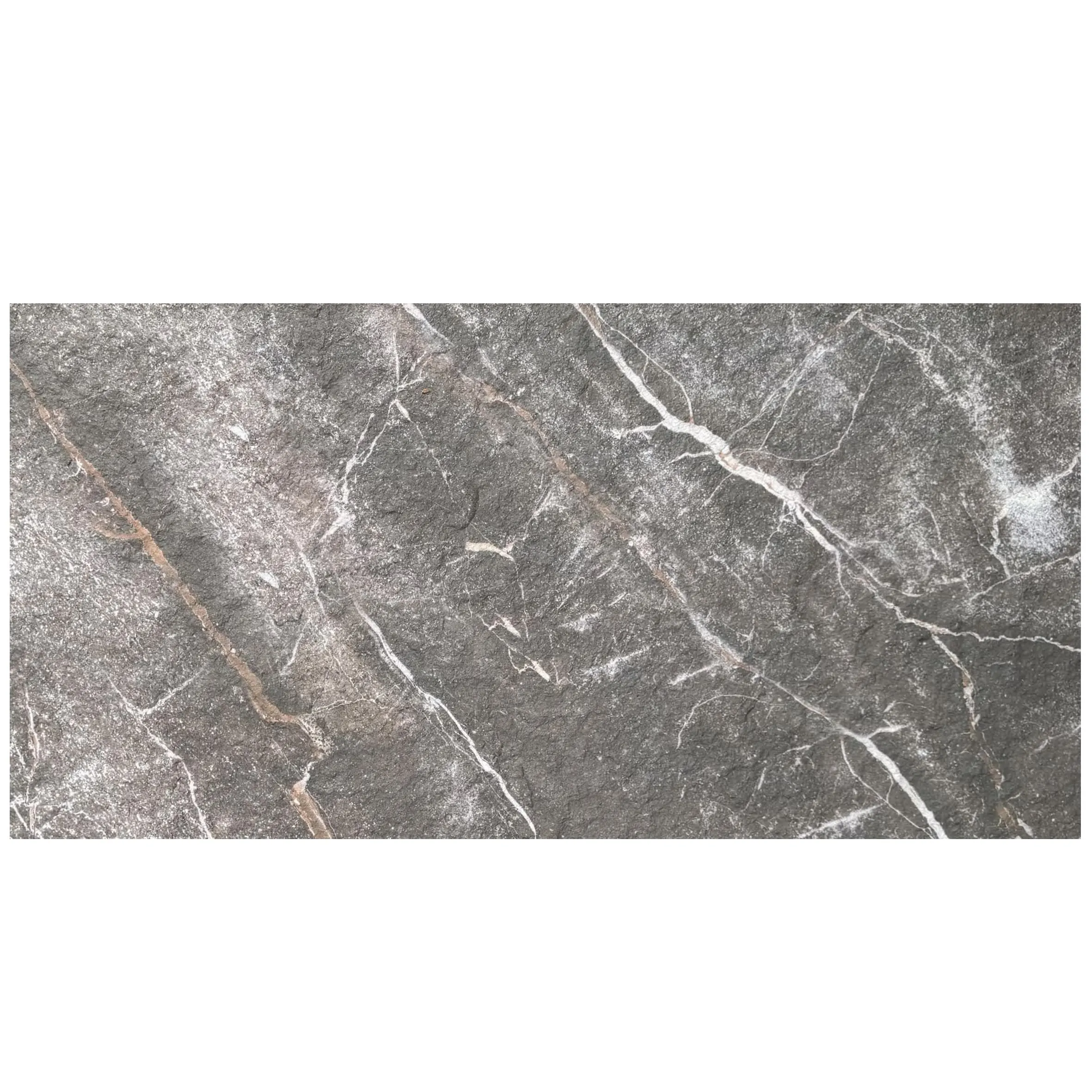
Walk into a high-end hotel lobby or a luxury residential kitchen, and there's a good chance you'll encounter Granite Portoro . This natural stone is celebrated for its dramatic appearance—think deep, velvety black backgrounds swirled with bold gold or copper veins, resembling a starry night sky captured in stone. It's no wonder designers gravitate toward it; Granite Portoro doesn't just cover a surface—it makes a statement. But beneath that striking exterior lies a microscopic world of pores, and those pores tell a story of maintenance challenges.
To understand why porosity matters, let's break it down simply: porosity refers to the tiny, interconnected spaces within a material that act like minuscule sponges. In natural stones like Granite Portoro, these pores form during millions of years of geological formation, as minerals cool, crystallize, and leave gaps between their structures. While granite is generally less porous than marble (thanks to its denser crystalline structure), it's far from impervious. A typical Granite Portoro slab might have a porosity rate of 0.5% to 2%, meaning even a small spill—say, a glass of red wine or a splash of olive oil—can seep into those pores if left unattended.
The consequences of unchecked porosity are all too familiar to anyone who's cared for natural stone. Stains are the most obvious issue: a dropped berry or a leaky coffee cup can leave a permanent mark as pigments bond with the stone's minerals. Water absorption is another concern; in humid climates or areas prone to moisture (like bathrooms or outdoor patios), water can penetrate the surface, leading to mold growth, efflorescence (those white, powdery deposits), or even structural weakening over time. For commercial spaces like restaurants or retail stores, where spills are daily occurrences, this becomes a logistical headache.