
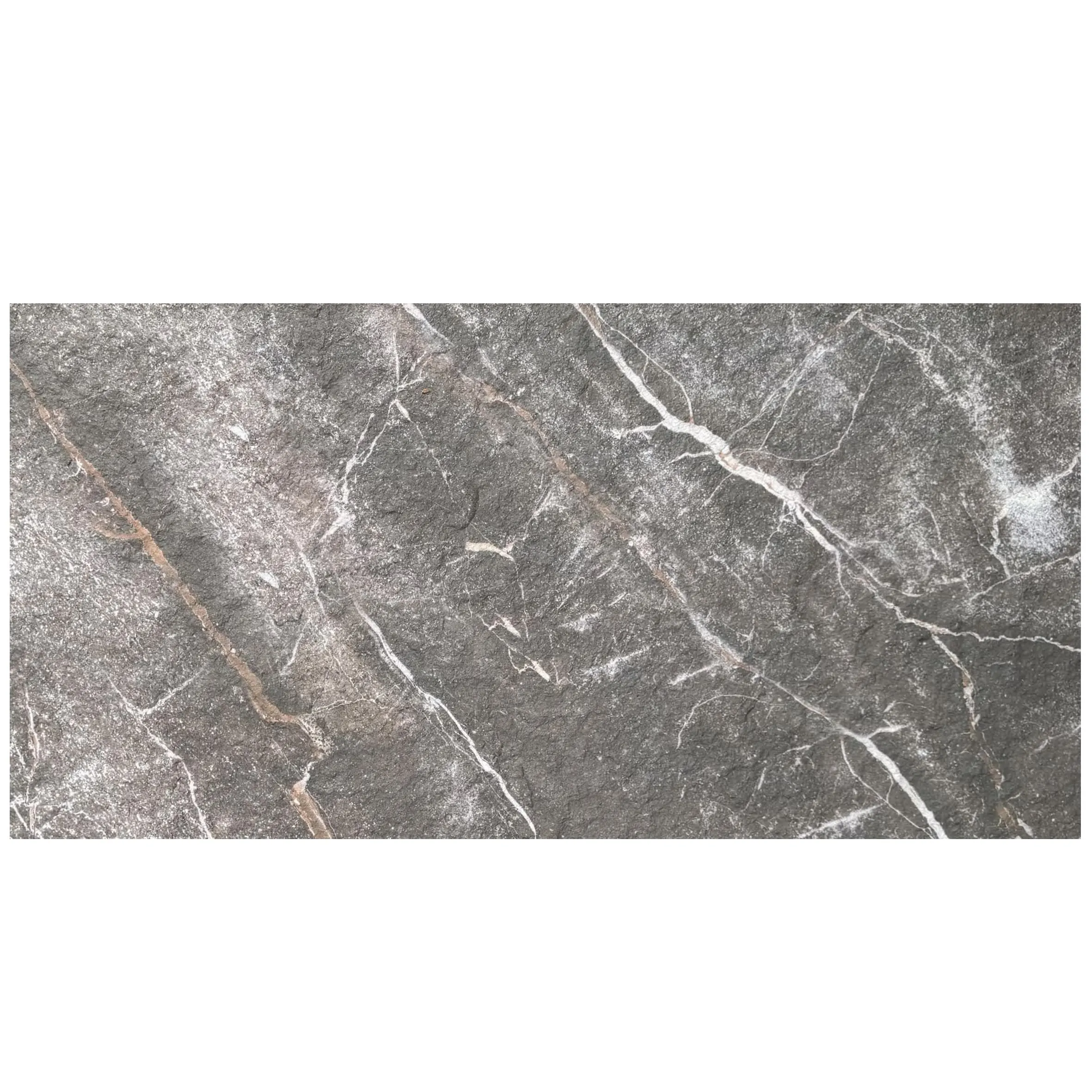
Let's start with a scenario we've all lived through: You're hosting a weekend brunch, and mid-laugh, someone knocks over a glass of red wine. It splatters across your countertop, and for a split second, your heart sinks. Will this stain set? Is your beautiful surface ruined? The answer often comes down to one thing: the material beneath that spill. When it comes to high-traffic, high-spill spaces—kitchens, hotel lobbies, restaurant floors—stain resistance isn't just a "nice-to-have"; it's a make-or-break factor. Today, we're diving into two popular contenders for these tough jobs: the classic Granite Portoro and the innovative COLORIA MCM (think mcm flexible stone and its cutting-edge protective layers). Let's break down how they stack up, not just in labs, but in the messy, wonderful chaos of real life.
If you've ever walked into a high-end hotel bathroom or a luxury kitchen, chances are you've admired Granite Portoro. With its deep, almost black background swirled with gold veins, it's the kind of stone that screams "timeless elegance." But here's the thing about natural stones like granite: they're products of the earth, and that means they come with all the quirks of nature—including how they handle spills.
Granite Portoro is an igneous rock, formed from slowly cooling magma deep underground. Its structure is made up of interlocking mineral crystals—quartz, feldspar, and mica, mostly—which give it that signature hardness (it scores a 6-7 on the Mohs scale, for reference). But hardness doesn't equal stain-proof. Here's the catch: even the densest granites have tiny pores, like microscopic caves, that can trap liquids if left unchecked. Think of it like a sponge—dip it in water, and it soaks up; seal the sponge, and it repels. Granite works similarly: without sealing, those pores become magnets for coffee, oil, and yes, red wine.
Natural granite, including Portoro, is naturally porous . That means if you spill something acidic—like lemon juice, vinegar, or tomato sauce—or something oily, it can seep into those pores and leave a stain. To combat this, most homeowners and designers seal their granite surfaces. Sealing creates a barrier that repels liquids, giving you time to wipe up spills before they set. But here's the trade-off: sealers don't last forever. A good quality sealer might buy you 6-12 months, but in high-traffic areas (we're looking at you, busy family kitchens), you might need to re-seal every 3-6 months. Miss a sealing session, and suddenly that morning's oatmeal spill becomes a permanent reminder.
Another factor? Etching. Granite is resistant to scratches, but acidic substances can actually "etch" the surface—meaning they eat away at the top layer, leaving a dull mark that looks like a stain (even if it's not technically a "stain"). Spill orange juice on unsealed Granite Portoro, and you might end up with a ghostly outline that no amount of scrubbing can fix. For all its beauty, Granite Portoro demands attention: regular cleaning with pH-neutral products, immediate spill wipe-ups, and that ever-looming re-sealing schedule.
Don't get us wrong—Granite Portoro isn't all high maintenance. When properly cared for, it's incredibly durable. It can handle heat (hello, hot pots straight from the stove), heavy impacts (dropped pans, anyone?), and it ages beautifully, developing a patina that many homeowners love. Its natural veining also means no two slabs are identical, adding a unique, organic touch to spaces. For those who prioritize luxury and don't mind putting in the work, it's a classic choice.
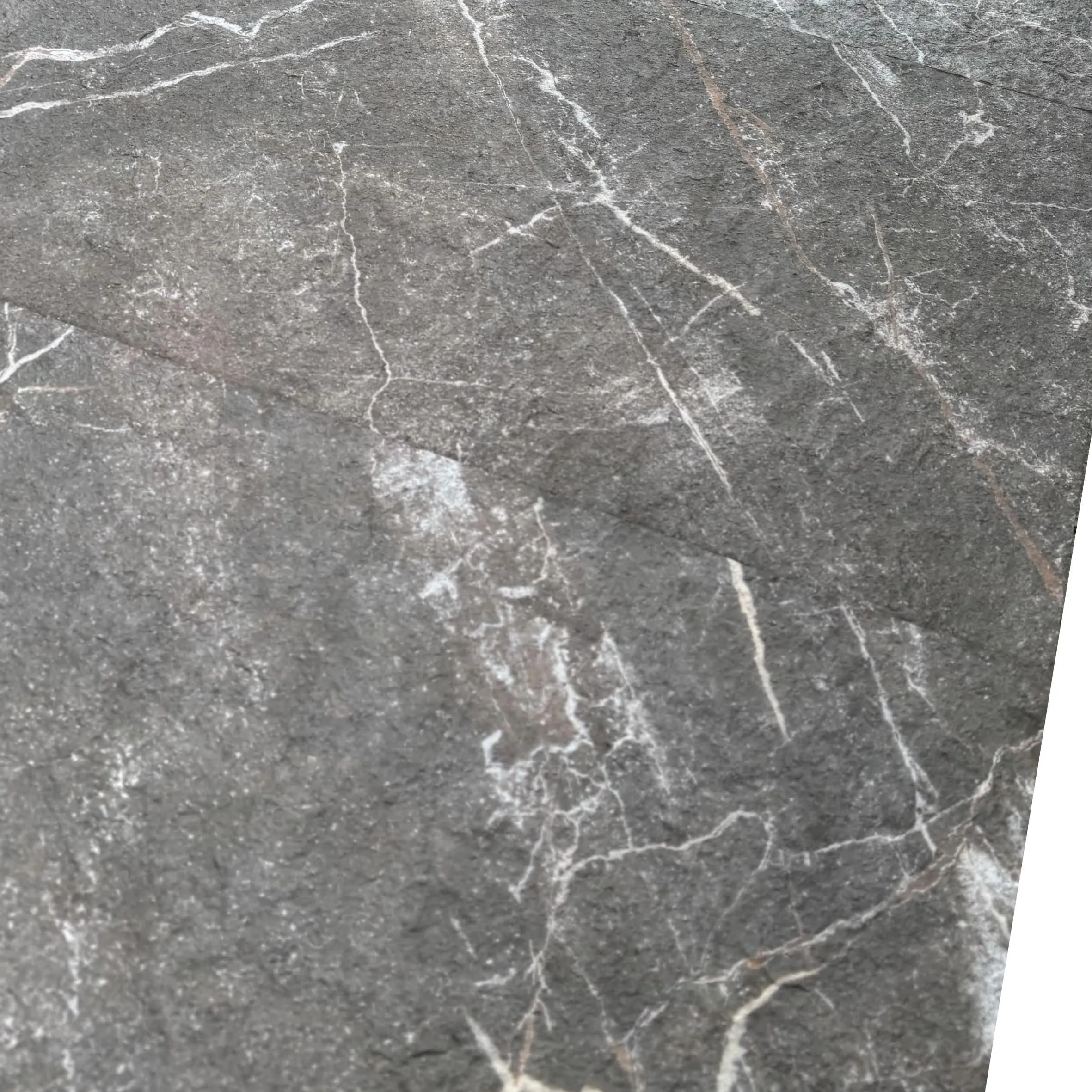
Now, let's shift gears to COLORIA MCM —a name that's been buzzing in design circles, and for good reason. MCM, short for "Modified Composite Material," is a category of engineered materials that blend natural minerals with modern polymers. And at the heart of COLORIA's lineup is mcm flexible stone —a lightweight, adaptable material that's gaining traction for its durability and, yes, impressive stain resistance. But what really sets it apart? Its built-in protective layers .
Imagine taking the best parts of natural stone—its texture, its earthy appeal—and combining them with the benefits of modern engineering: flexibility, lightness, and enhanced performance. That's mcm flexible stone in a nutshell. COLORIA's version typically starts with a base of natural stone particles (think crushed marble or travertine) mixed with a polymer binder. This creates a material that's thin (often 3-5mm thick), lightweight (about 3-5kg per square meter, compared to granite's 20-30kg), and surprisingly flexible—meaning it can bend around curves or uneven surfaces, something natural stone can't do without cracking.
Here's where COLORIA MCM pulls ahead in the stain-resistance game: instead of relying on periodic sealing (like granite), it comes with factory-applied protective layers that are integrated into the material itself. These layers are designed to be non-porous, meaning they don't have those tiny pores that trap liquids. Think of it like a raincoat for your surface—spills bead up and roll off, giving you plenty of time to wipe them away without worry.
But what exactly are these layers made of? While COLORIA keeps some details proprietary, industry insiders hint at a combination of UV-resistant topcoats, acrylic polymers, and sometimes even nano-ceramic coatings. These layers work together to repel not just water and oil, but also harsh chemicals (like cleaning agents) and UV rays (so the color doesn't fade in sunlight). And unlike granite sealers, these layers don't wear off with time—they're part of the material's structure, so you don't need to reapply anything. Ever.
Stain resistance is a big win, but COLORIA MCM's benefits don't stop there. Its flexibility makes it ideal for spaces where natural stone would be too rigid—think curved walls in a boutique hotel, or a backsplash that wraps around a kitchen island. Its light weight also opens doors for high-rise buildings, where heavy materials like granite can add unnecessary load to the structure. And because it's engineered, COLORIA can mimic the look of other stones—like travertine (beige) or even fair-faced concrete—without the porosity that makes those materials prone to staining.
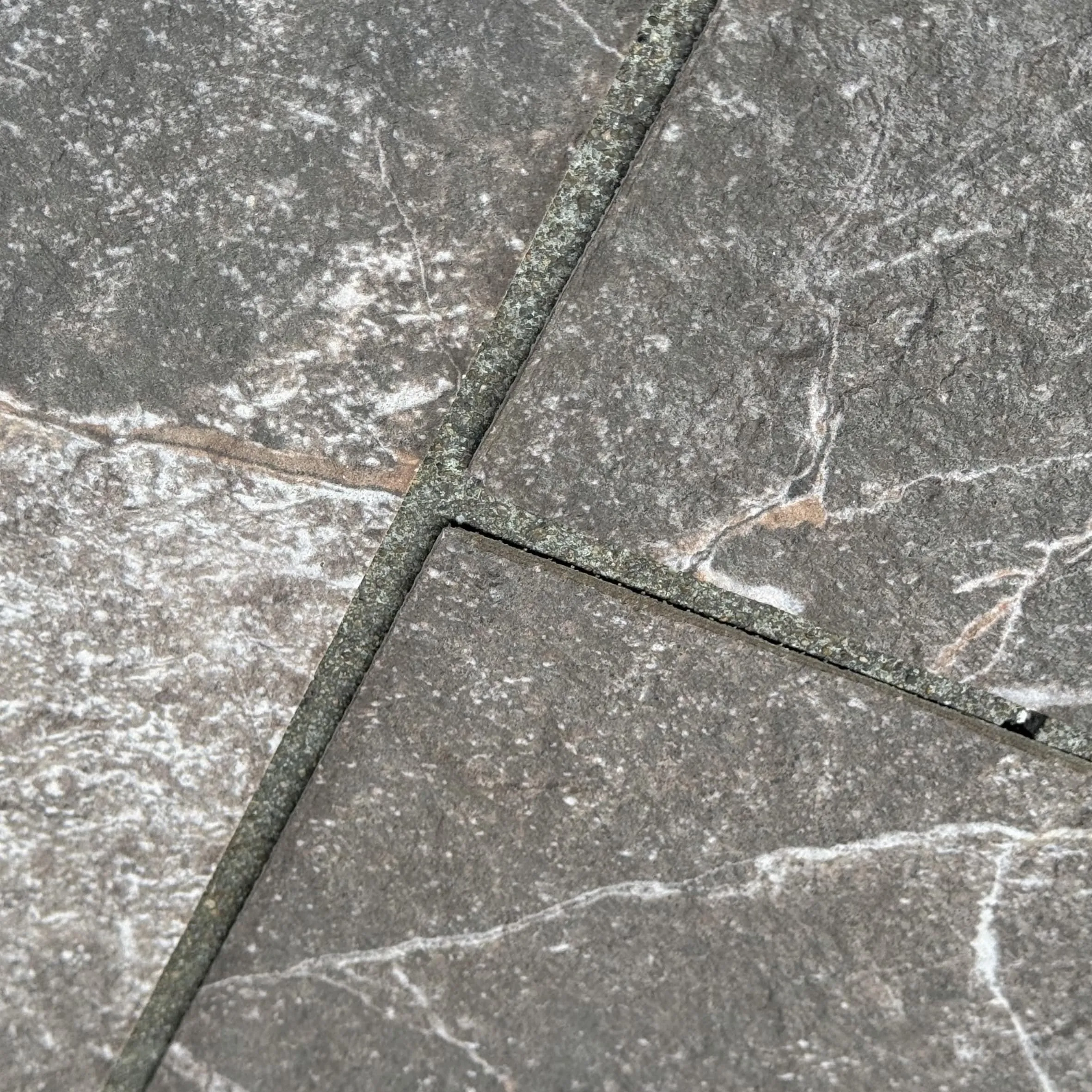
To make this tangible, let's put Granite Portoro and COLORIA MCM (specifically mcm flexible stone) head-to-head in the scenarios that matter most. The table below breaks down their stain resistance, maintenance, and practicality for daily life:
| Factor | Granite Portoro | COLORIA MCM (mcm flexible stone) |
|---|---|---|
| Stain Resistance Mechanism | Relies on periodic sealing (penetrating or topical sealers) to fill pores; natural porosity means risk of staining if unsealed. | Built-in non-porous protective layers (acrylic/polymer/nano-ceramic) that repel liquids; no pores to trap spills. |
| Maintenance Needs | Re-seal every 3-12 months (more often in high-traffic areas); avoid acidic cleaners; immediate spill wipe-ups required. | No sealing needed; clean with mild soap and water; spills can sit for 10-15 minutes without staining. |
| Durability | Highly scratch-resistant (6-7 Mohs scale); can chip or crack if heavy objects are dropped. | Scratch-resistant (5-6 Mohs scale); flexible, so less prone to cracking from impact or surface movement. |
| Installation & Weight | Heavy (20-30kg/sqm); requires professional installation and structural support; limited to flat surfaces. | Lightweight (3-5kg/sqm); DIY-friendly for some projects; flexible for curved/uneven surfaces. |
| Aesthetics | Natural, unique veining; luxurious, high-end look; limited color options (mostly dark with gold veins). | Engineered to mimic natural stones (travertine, fair-faced concrete, etc.); consistent color/pattern; wide range of finishes. |
| Long-Term Cost | Higher upfront cost + ongoing sealer expenses + potential repair costs for chips/etching. | Mid-range upfront cost + no ongoing maintenance expenses + lower installation costs (due to weight). |
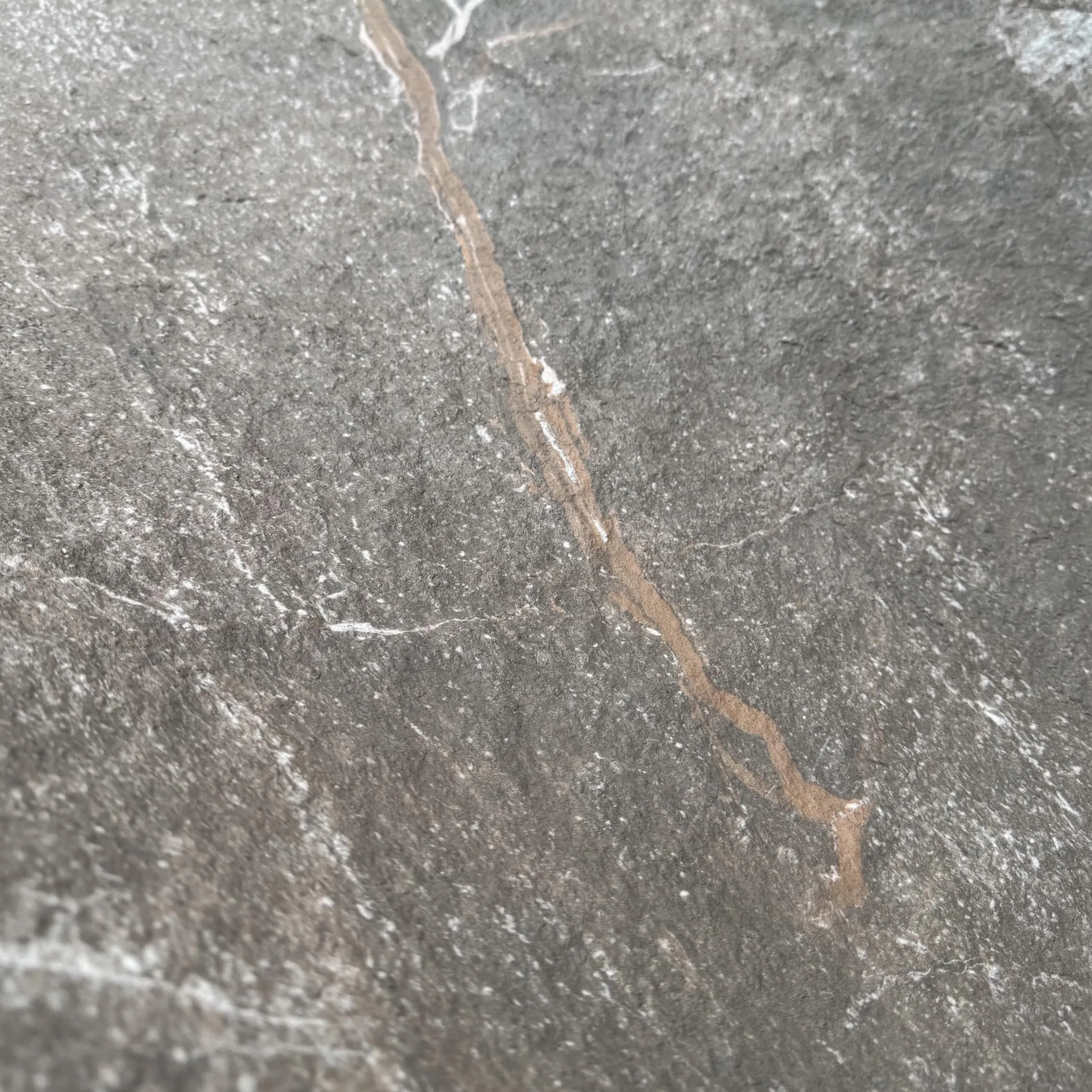
Numbers and tables tell part of the story, but let's hear from people who've lived with both materials. Take Maria, a restaurant owner in Chicago, who switched from Granite Portoro to COLORIA MCM in her dining area three years ago: "With Granite Portoro, we were sealing the floors every four months, and we still had stains from olive oil and wine. Now, with COLORIA's mcm flexible stone, I've seen a server spill an entire tray of sangria, and we wiped it up 10 minutes later—no trace left. It's been a game-changer for our budget and our peace of mind."
On the flip side, David, a homeowner in California, loves his Granite Portoro countertops: "I seal them twice a year, and yeah, I'm careful with citrus, but that natural veining is irreplaceable. It feels like a piece of the earth in my kitchen. For me, the maintenance is worth the luxury."
The takeaway? It depends on your priorities. If "natural luxury" and scratch resistance top your list, and you're willing to keep up with sealing, Granite Portoro delivers. But if you want set-it-and-forget-it stain resistance, flexibility, and lower long-term costs, COLORIA MCM's protective layers make it hard to beat.
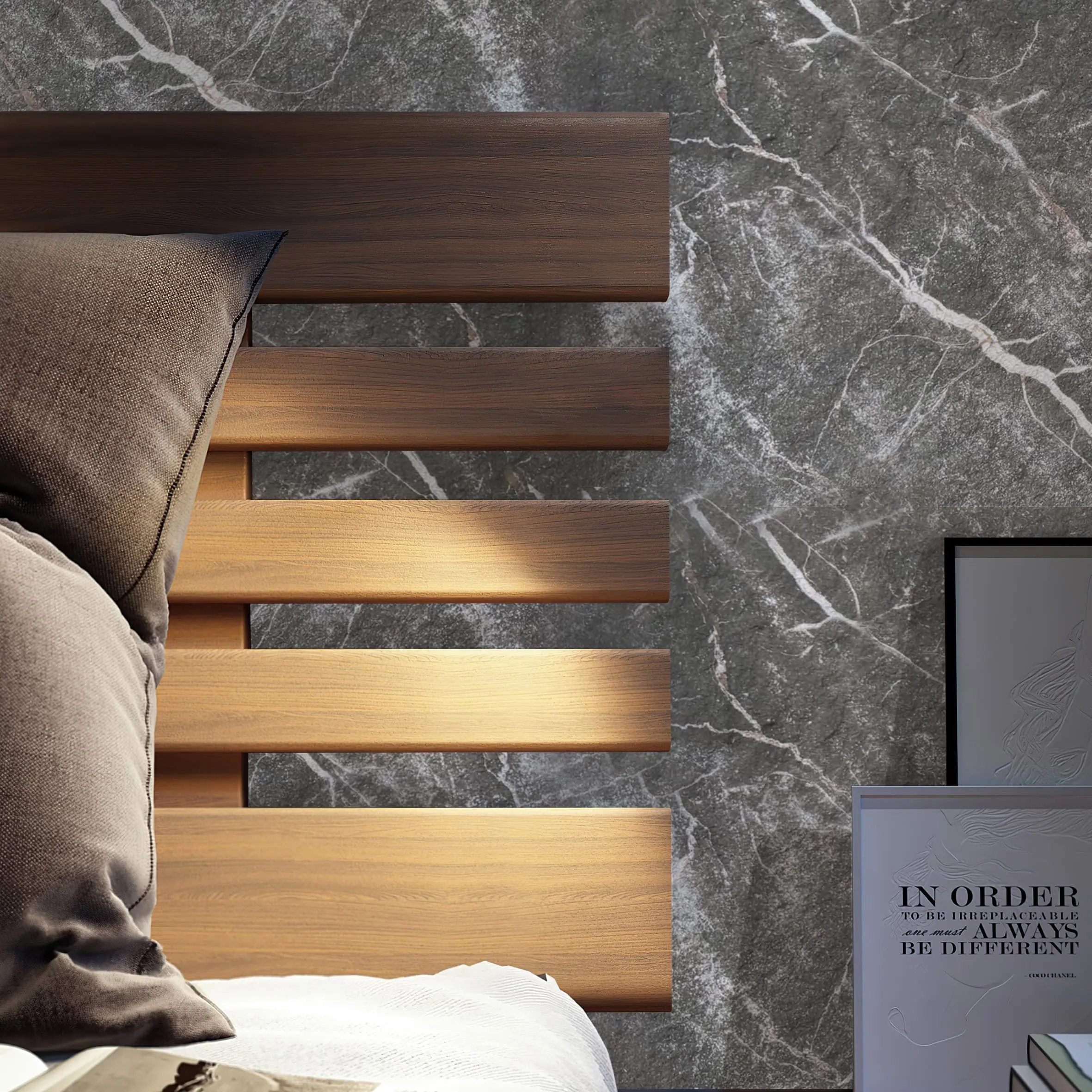
A common pushback we hear about engineered materials like COLORIA MCM is, "Does it feel like plastic? Is it just a cheap imitation?" We get it—natural stone has a tactile, organic feel that's hard to replicate. But modern MCM technology has come a long way. COLORIA's mcm flexible stone uses real stone particles in its core, so it has the texture and weight (albeit lighter) of natural stone. Run your hand over it, and you'll feel the same subtle ridges and variations you'd find in travertine or limestone—without the porosity.
As for "fakeness," think of it this way: Engineered wood has replaced solid hardwood in many homes, not because it's "fake," but because it's more practical for busy families. COLORIA MCM is similar—it's not trying to replace natural stone; it's offering a smarter alternative for spaces where performance matters most.
At the end of the day, the choice between Granite Portoro and COLORIA MCM (with its mcm flexible stone and protective layers) boils down to three questions:
For most of us—busy homeowners, designers balancing aesthetics and practicality, facility managers watching budgets—COLORIA MCM's protective layers offer a compelling package: the look of natural stone, the durability of engineered materials, and stain resistance that stands up to the messiness of daily life. And if you still crave that natural stone look? COLORIA can mimic travertine (beige) , fair-faced concrete, or even Granite Portoro itself—without the upkeep. It's not about choosing "better"; it's about choosing smarter for the life you live.
So, the next time you're faced with that red wine spill? With COLORIA MCM, you'll be reaching for a cloth, not a stain remover. And that, we think, is the real definition of "luxury."
Recommend Products












