
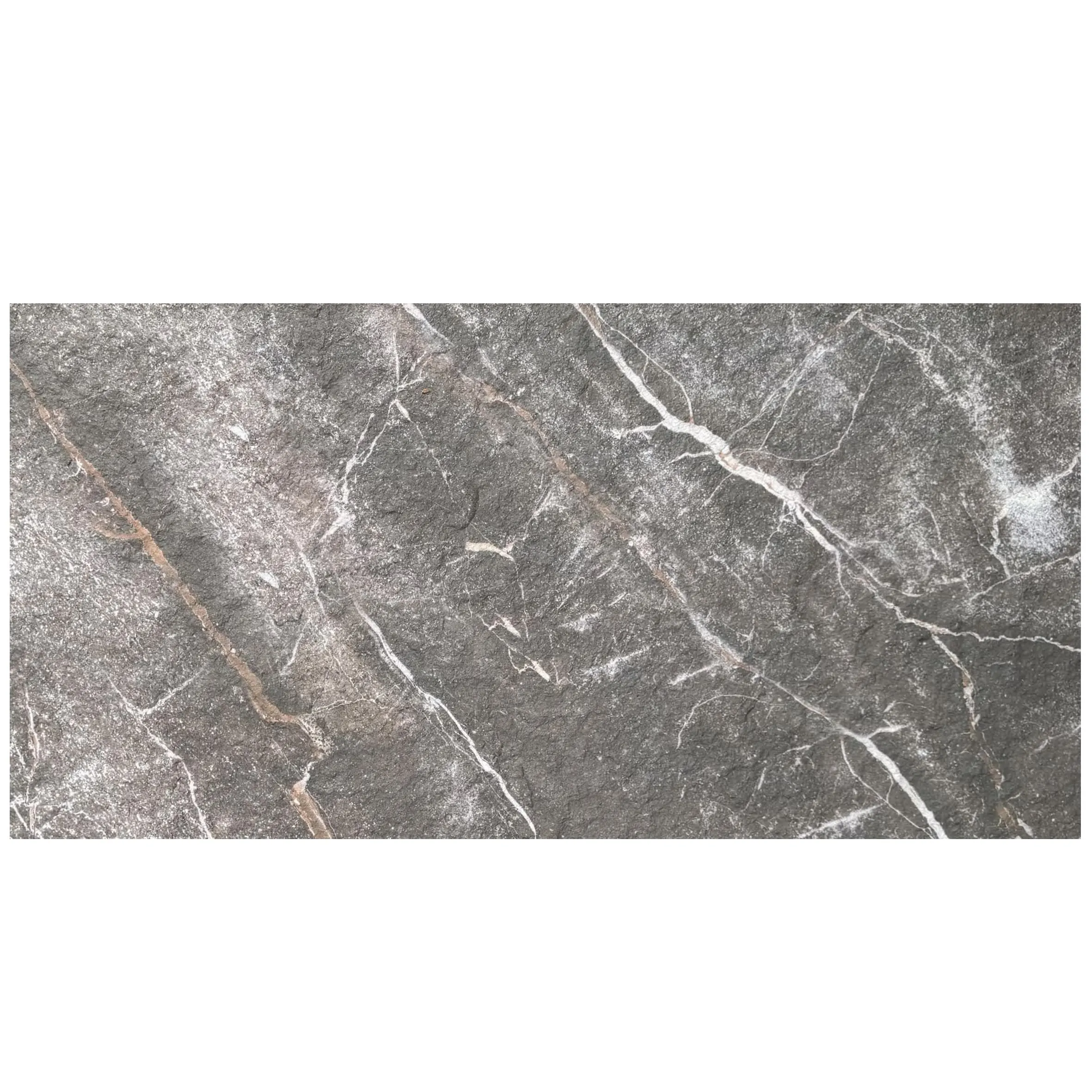
Luxury hospitality design is more than just aesthetics—it's about crafting experiences that linger in memory. From the moment a guest steps into a lobby, the materials surrounding them whisper stories of elegance, tradition, and innovation. Among the stars of this narrative is Granite Portoro, a stone that has adorned palaces, five-star hotels, and iconic spaces for centuries. But in an era where sustainability, flexibility, and bold design meet, a new cast of characters has emerged: MCM (Modified Composite Material) solutions like MCM flexible stone, wood grain board, and fair-faced concrete. Let's explore how Granite Portoro continues to shape luxury hospitality, and how MCM alternatives are redefining what's possible.
Imagine walking into a grand hotel lobby where the walls are draped in a material that feels both ancient and alive. That's Granite Portoro. With its deep, midnight-black base slashed by veins of gold and cream, it's a stone that doesn't just decorate—it commands attention. Quarried from select regions in Italy, Portoro granite has been a symbol of luxury since the Renaissance, when it was used in palaces to signify wealth and power. Today, it remains a top choice for high-end hospitality spaces, from boutique hotel reception desks to Michelin-starred restaurant walls.
What makes Granite Portoro irreplaceable? Its uniqueness. No two slabs are identical; each gold vein tells a geological story millions of years in the making. In hospitality, this exclusivity creates a sense of occasion. Guests don't just stay in a room—they stay in a space wrapped in history. Take, for example, the Portoro Suite at Milan's Grand Hotel Baglioni: its bathroom walls are clad in book-matched Granite Portoro, where the veins flow seamlessly from one slab to the next, creating a mirror-like effect that feels almost theatrical. "It's not just stone," says the hotel's interior designer, Elena Rossi. "It's a statement. Our guests tell us they feel like royalty stepping into that bathroom."
But Granite Portoro isn't without its challenges. Its density makes it heavy—installing large slabs requires structural support, limiting its use in high-rise hotels or historic buildings with weight restrictions. It's also a natural resource, and quarrying it sustainably demands careful management. For modern hospitality brands aiming to balance luxury with eco-consciousness, these factors have opened the door to MCM alternatives.
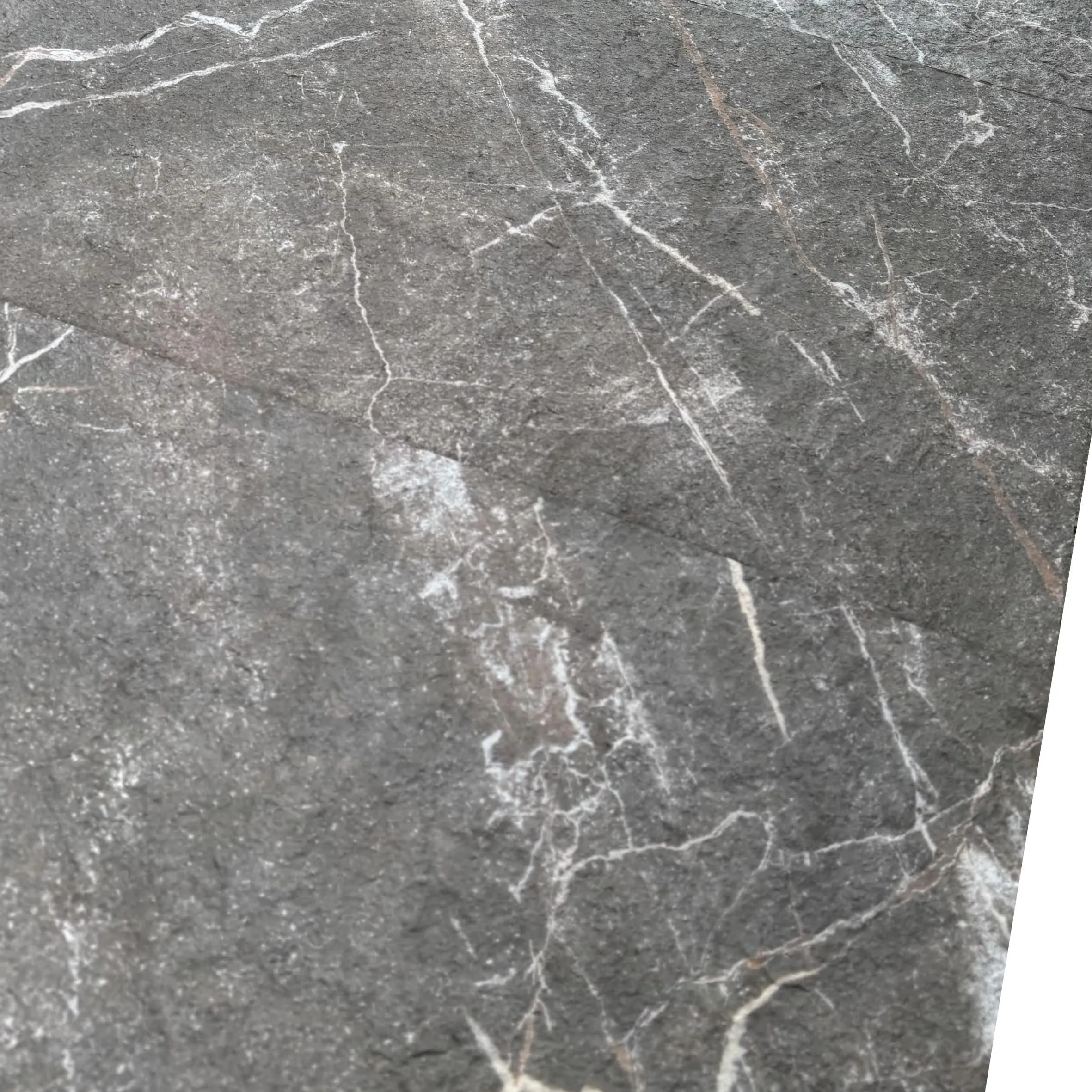
MCM (Modified Composite Material) has revolutionized how designers approach surface materials. By blending natural minerals with advanced polymers, MCM products like MCM flexible stone offer the look and texture of natural stone—without the weight, fragility, or environmental impact. Let's take a closer look at how three MCM alternatives are making waves in luxury hospitality: MCM flexible stone, wood grain board, and fair-faced concrete.
MCM flexible stone is a game-changer for projects where weight and installation speed matter. At just 3-5mm thick, it's up to 80% lighter than natural stone, making it ideal for high-rise lobbies or renovation projects where structural changes are costly. But don't let its lightness fool you—its composite core makes it resistant to impact, moisture, and UV rays, perfect for busy hotel corridors or outdoor terraces.
The Desert Mirage Resort in Dubai is a stunning example. The resort's exterior facade features MCM flexible stone mimicking the look of natural travertine, with a warm, sandy texture that blends seamlessly with the surrounding desert landscape. "We wanted the grandeur of stone without the logistical nightmare of transporting heavy slabs to a remote site," explains the resort's architect, Kareem Hassan. "MCM flexible stone let us clad the entire facade in weeks, not months, and the guests can't tell the difference. They run their hands over it and say, 'This feels like real stone!'"
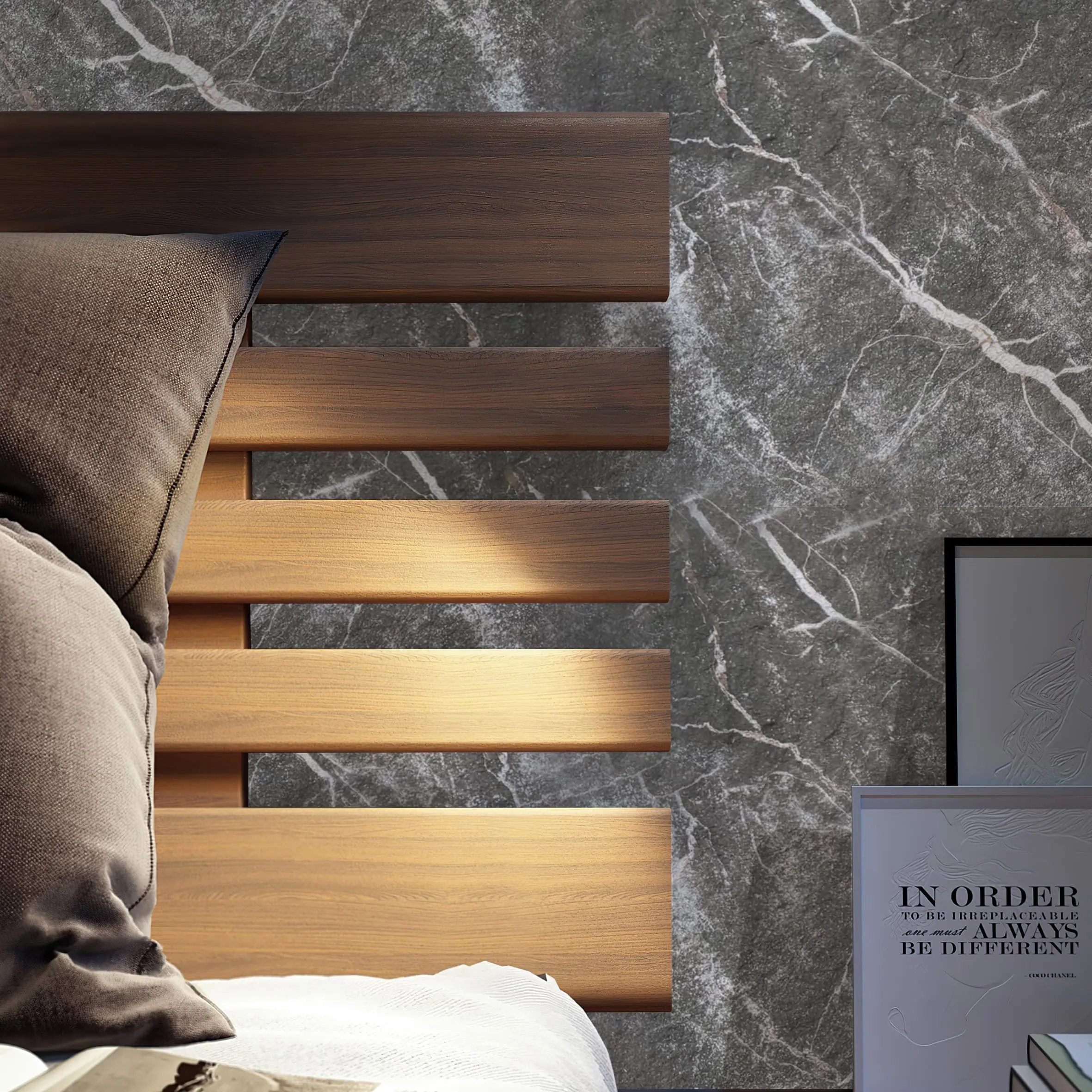
Wood has long been a staple in hospitality design for its ability to create warmth and comfort. But natural wood is prone to warping, rotting, and fading—especially in humid climates or high-traffic areas. Enter wood grain board: an MCM product that replicates the look of oak, teak, or walnut with stunning precision, but with the durability of composite materials.
The Forest Retreat Hotel in Kyoto uses wood grain board extensively in its guest rooms and restaurant. The lobby features a soaring wall of wood grain board in a rich walnut finish, paired with soft lighting that highlights the natural-looking grain. "Japanese design is all about harmony with nature," says the hotel's designer, Yuki Tanaka. "Wood grain board lets us bring that warmth indoors without worrying about maintenance. Even after three years of heavy use, the walls still look brand new—no scratches, no discoloration."
Fair-faced concrete—also known as "architectural concrete"—is another MCM star, prized for its raw, minimalist beauty. Unlike traditional concrete, MCM fair-faced concrete panels are precast with precision, offering a smooth, uniform finish with subtle texture variations that add depth. It's a favorite for luxury hospitality spaces aiming for a modern, industrial-chic vibe.
The Loft Hotel in Berlin, a converted 1920s factory, uses fair-faced concrete panels in its lobby and bar area. The panels' cool gray tone contrasts with brass fixtures and plush velvet seating, creating a space that feels both edgy and inviting. "Concrete can feel cold, but MCM fair-faced concrete has a softness to it," says the hotel's owner, Maria Schmidt. "Guests love the contrast—they'll run their hands over the walls and comment on how it feels 'alive' compared to regular concrete. It's industrial, but not intimidating."
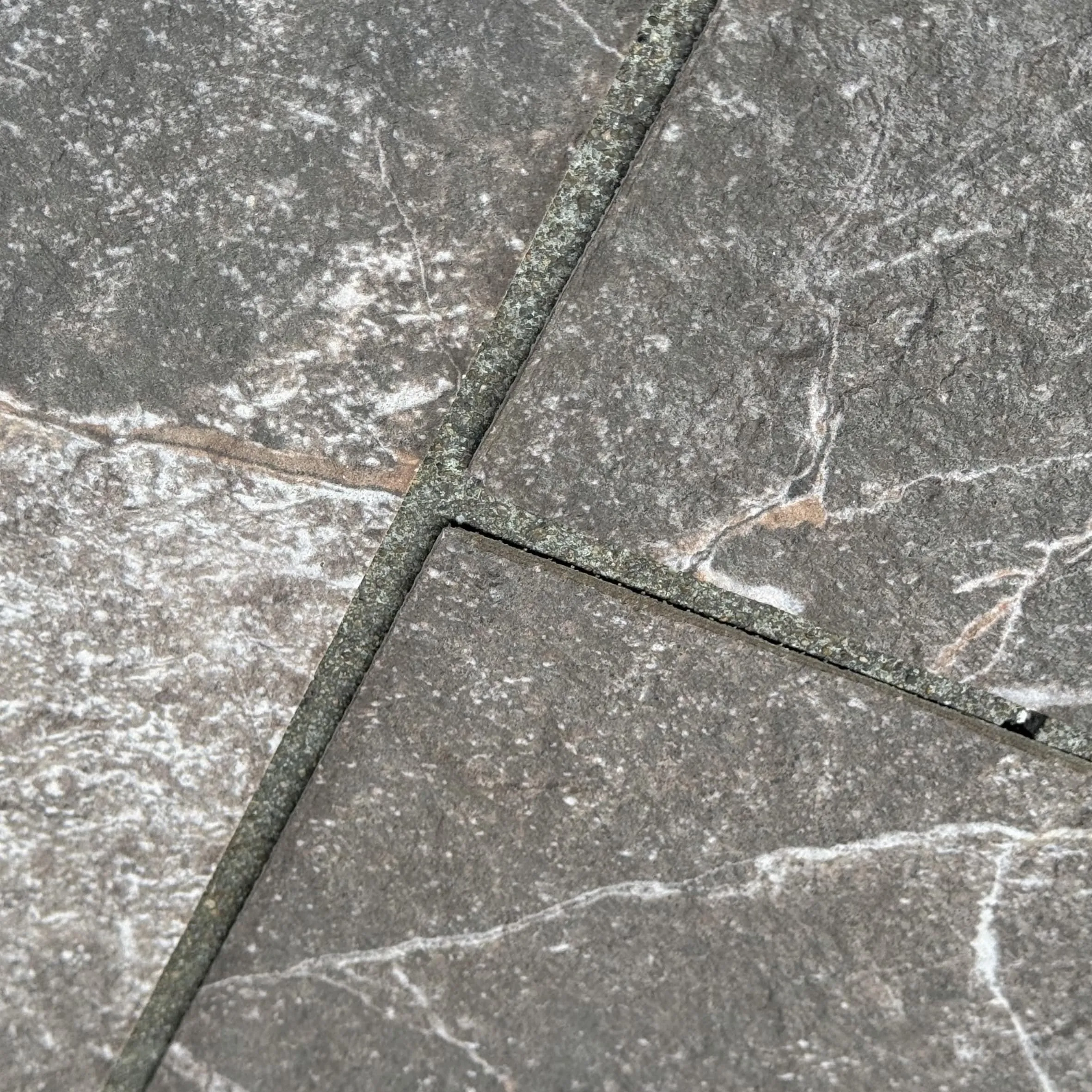
To understand how these materials stack up in real-world hospitality settings, let's compare three projects: one using Granite Portoro, one using MCM flexible stone, and a third blending wood grain board with fair-faced concrete.
| Project | Material | Design Goal | Outcome |
|---|---|---|---|
| The Portoro Suite (Milan, Italy) | Granite Portoro | Create a "royal" bathroom experience with timeless opulence | Guests rate the suite 4.9/5 for "sense of luxury"; 92% mention the stone walls as a highlight |
| Desert Mirage Resort (Dubai, UAE) | MCM Flexible Stone (travertine finish) | Clad exterior facade with desert-inspired texture; reduce installation time | Facade installed 60% faster than natural stone; guest surveys praise "seamless blend with landscape" |
| The Loft Hotel (Berlin, Germany) | Wood Grain Board + Fair-Faced Concrete | Balance industrial heritage with warmth; ensure durability in high-traffic areas | 95% of guests describe the lobby as "inviting yet unique"; zero maintenance issues reported after 3 years |
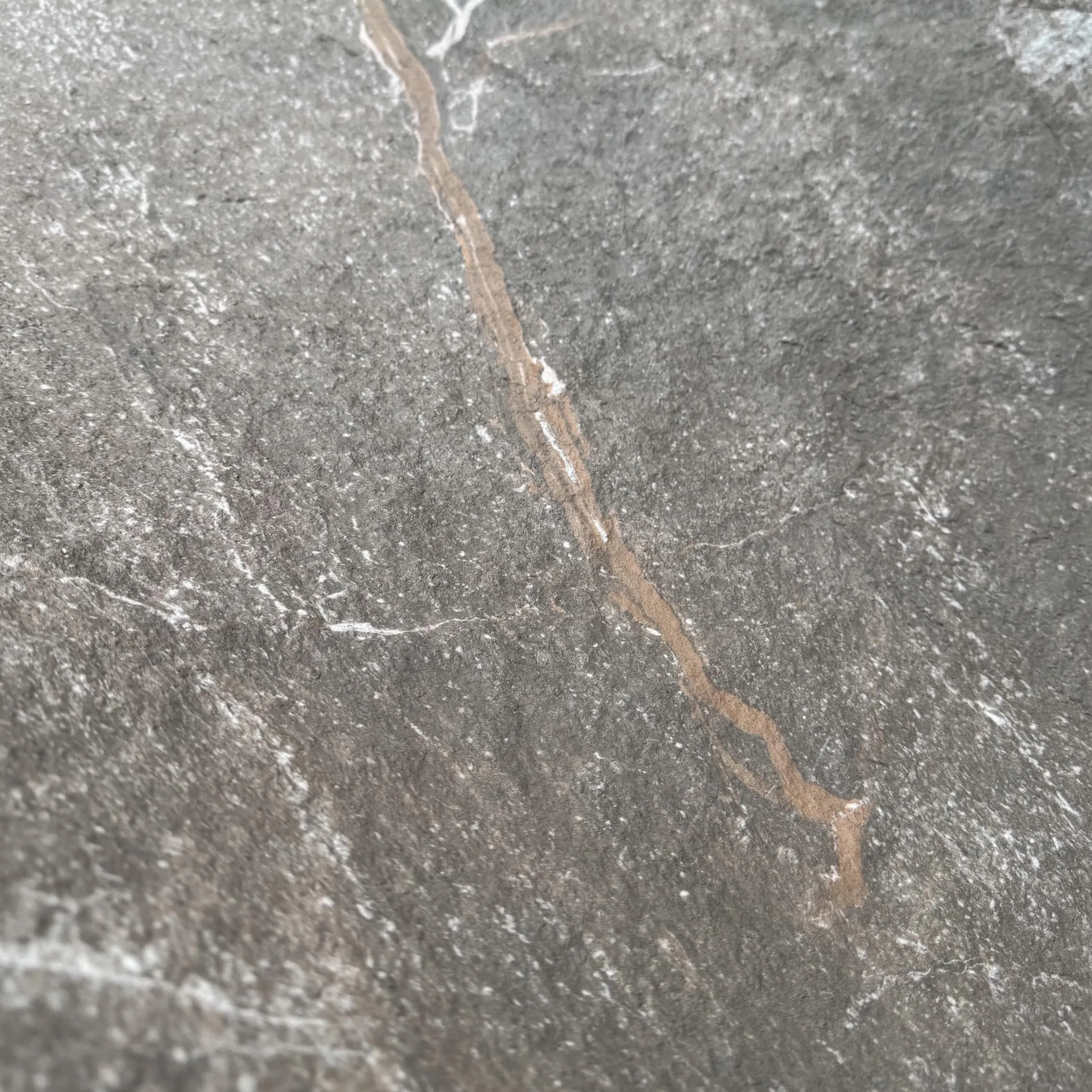
Does MCM signal the end of Granite Portoro in luxury hospitality? Hardly. Instead, it's expanding the designer's toolkit, allowing for more creativity and sustainability without sacrificing beauty. "Granite Portoro will always have a place in projects where nothing but the real thing will do," says Elena Rossi, the Milan designer. "But MCM gives us options—we can use Portoro for a focal wall and MCM flexible stone for adjacent areas, creating a cohesive look without the weight issues."
For example, the new Azure Sky Hotel in Tokyo uses Granite Portoro for its reception desk—a striking, 12-foot-long slab that greets guests as they enter—paired with MCM flexible stone in a matching black-and-gold vein pattern for the surrounding walls. "The desk is the star, but the walls support that star without adding tons of weight," explains the hotel's design director, Hiroshi Tanaka. "Guests can't tell the difference, and we saved on structural costs. It's a win-win."
Sustainability is also driving this balance. Many MCM manufacturers use recycled materials in their products, and since MCM panels are lightweight, transporting them reduces carbon emissions compared to natural stone. For brands like Six Senses or 1 Hotels, which prioritize eco-luxury, MCM flexible stone and wood grain board align with their missions while keeping aesthetics front and center.
At the end of the day, luxury hospitality is about storytelling. Granite Portoro tells a story of tradition, exclusivity, and timeless elegance—a story that will always resonate with guests seeking a "royal" experience. MCM alternatives, meanwhile, tell a story of innovation, sustainability, and design freedom—proving that luxury doesn't have to come with compromise.
Whether it's the gold veins of Granite Portoro in a Milanese suite, the desert-inspired texture of MCM flexible stone in Dubai, or the warm-industrial blend of wood grain board and fair-faced concrete in Berlin, these materials share a common goal: to make guests feel something. And in luxury hospitality, that "something"—that sense of wonder, comfort, or opulence—is what turns a stay into a memory.
So, the next time you step into a luxury hotel lobby, take a moment to touch the walls. Is it Granite Portoro, with its cool, dense weight and ancient story? Or MCM flexible stone, lightweight and innovative, yet just as rich in texture? Either way, it's more than a material—it's part of the experience. And in hospitality, that's everything.
Recommend Products












