
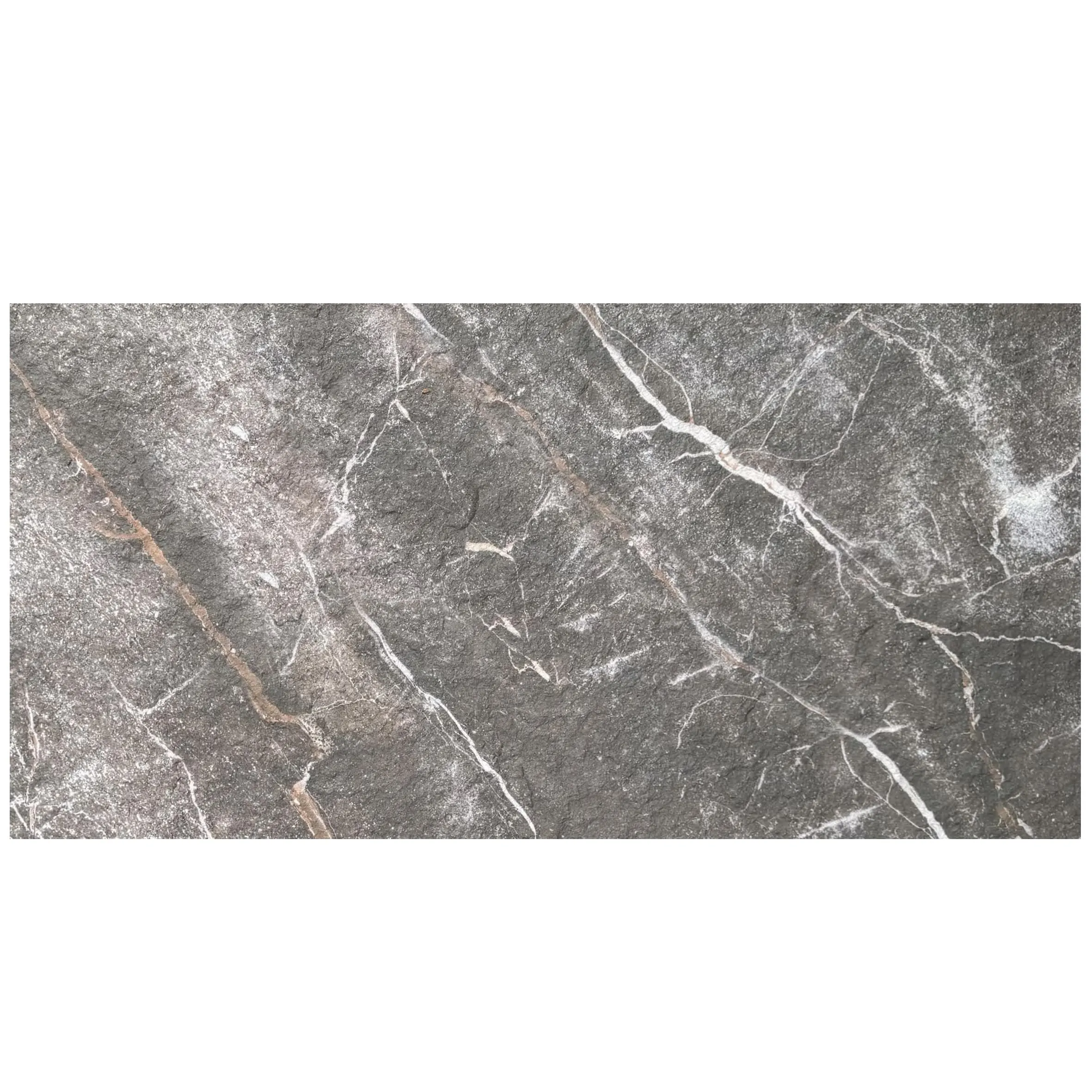
Walk into any modern home or commercial building, and you'll quickly realize that the materials used on walls, floors, and exteriors do more than just look good. They're silent workhorses, influencing everything from how warm your toes feel on a winter morning to how much you pay in energy bills each month. Today, we're diving into a showdown that matters for architects, homeowners, and anyone who cares about comfort and sustainability: the thermal conductivity of Granite Portoro, a classic natural stone, versus the insulating power of modern MCM (Modified Composite Material) solutions like MCM flexible stone and foamed aluminium alloy boards. Let's break down why this comparison isn't just about rocks and composites—it's about building smarter, more efficient spaces.
Before we pit Granite Portoro against MCM materials, let's get clear on the star of the show: thermal conductivity. In simple terms, it's a material's ability to transfer heat. Think of it as a "heat highway" rating—materials with high thermal conductivity (measured in W/m·K, or watts per meter-kelvin) let heat zoom through them like a sports car on an open road, while low-conductivity materials act like a traffic jam, slowing heat down to a crawl.
Why does this matter? Imagine touching a metal spoon and a wooden spoon that've both been in a hot pot. The metal one burns your hand fast (high conductivity), while the wooden one stays cool enough to hold (low conductivity). That same principle applies to your home's walls or floors: a material with low thermal conductivity will keep heat inside during winter and outside during summer, making your space more comfortable and reducing the load on your heater or AC.
For buildings, we usually want materials with lower thermal conductivity (k-value) when insulation is a priority. Natural stones like granite often have higher k-values because their dense, solid structure offers little resistance to heat flow. MCM materials, on the other hand, are engineered to be lightweight and layered, often with air pockets or composite structures that act as heat blockers. Now, let's meet our contenders.
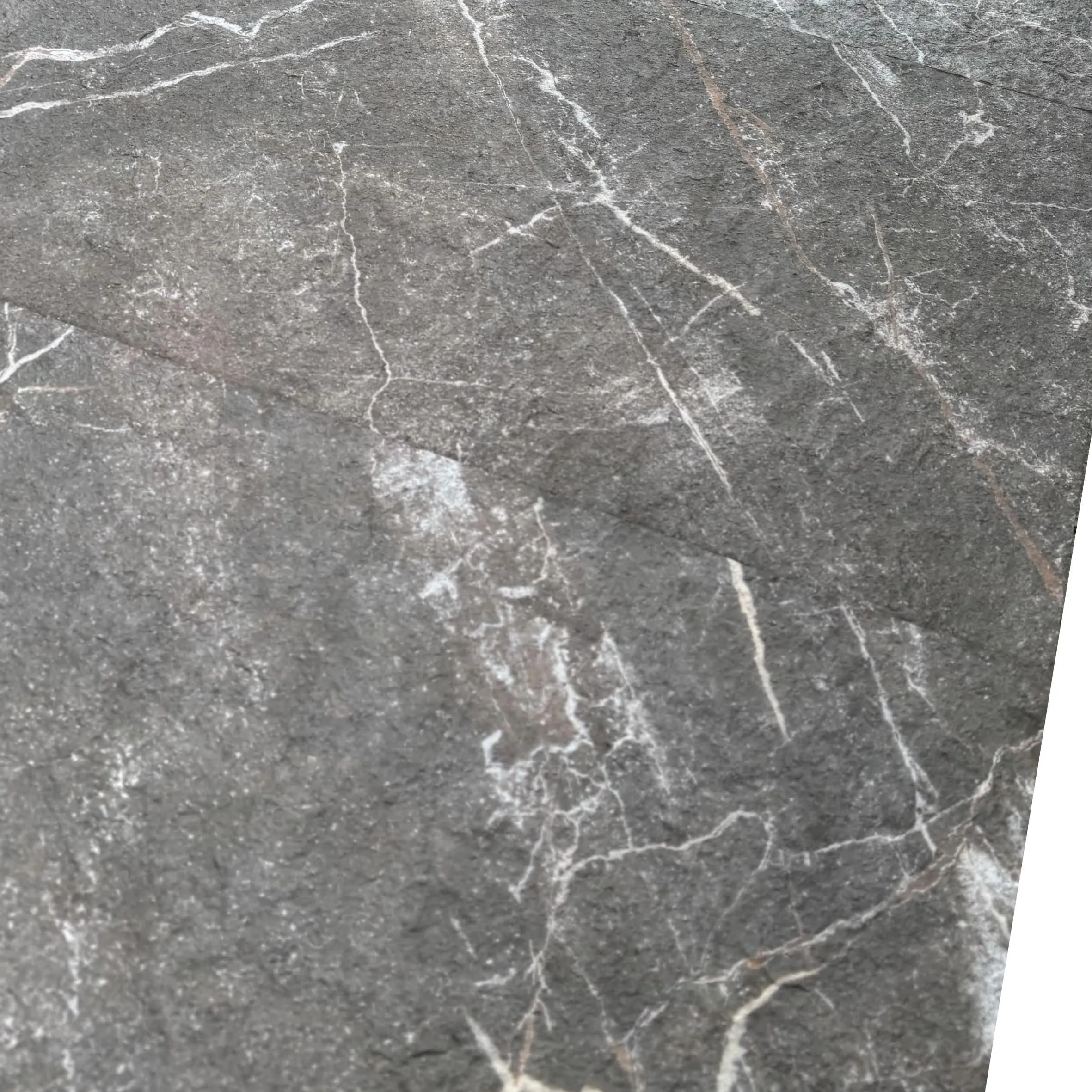
If natural stone had a red carpet moment, Granite Portoro would be front and center. Hailing from quarries in Italy, this dark, luxurious stone is known for its dramatic black background splashed with golden veins—think of it as the tuxedo of building materials. It's been gracing (luxury homes), hotel lobbies, and high-end countertops for decades, and for good reason: it's tough as nails, scratch-resistant, and oozes timeless elegance.
But here's the catch: Granite Portoro, like most natural granites, is a dense, non-porous stone. That density is great for durability, but it's a double-edged sword when it comes to thermal conductivity. Most granites have a k-value between 2.0 and 3.0 W/m·K, which is on the higher side for building materials. What does that mean in real life? If you've ever walked barefoot on a Granite Portoro floor in winter, you know it can feel icy cold—because it's rapidly sucking heat away from your feet. In summer, left in direct sunlight, it'll absorb heat like a sponge and radiate it into the room, making your AC work overtime.
Don't get me wrong—Granite Portoro isn't "bad." Its high conductivity makes it ideal for applications where heat transfer is wanted , like in radiant floor heating systems (where the stone efficiently spreads warmth from pipes below). But in most cases, when we're talking about walls, exterior cladding, or floors in spaces without built-in heating, that same conductivity becomes a liability. It's the material equivalent of wearing a thin cotton shirt in a blizzard—stylish, but not exactly practical for staying cozy.
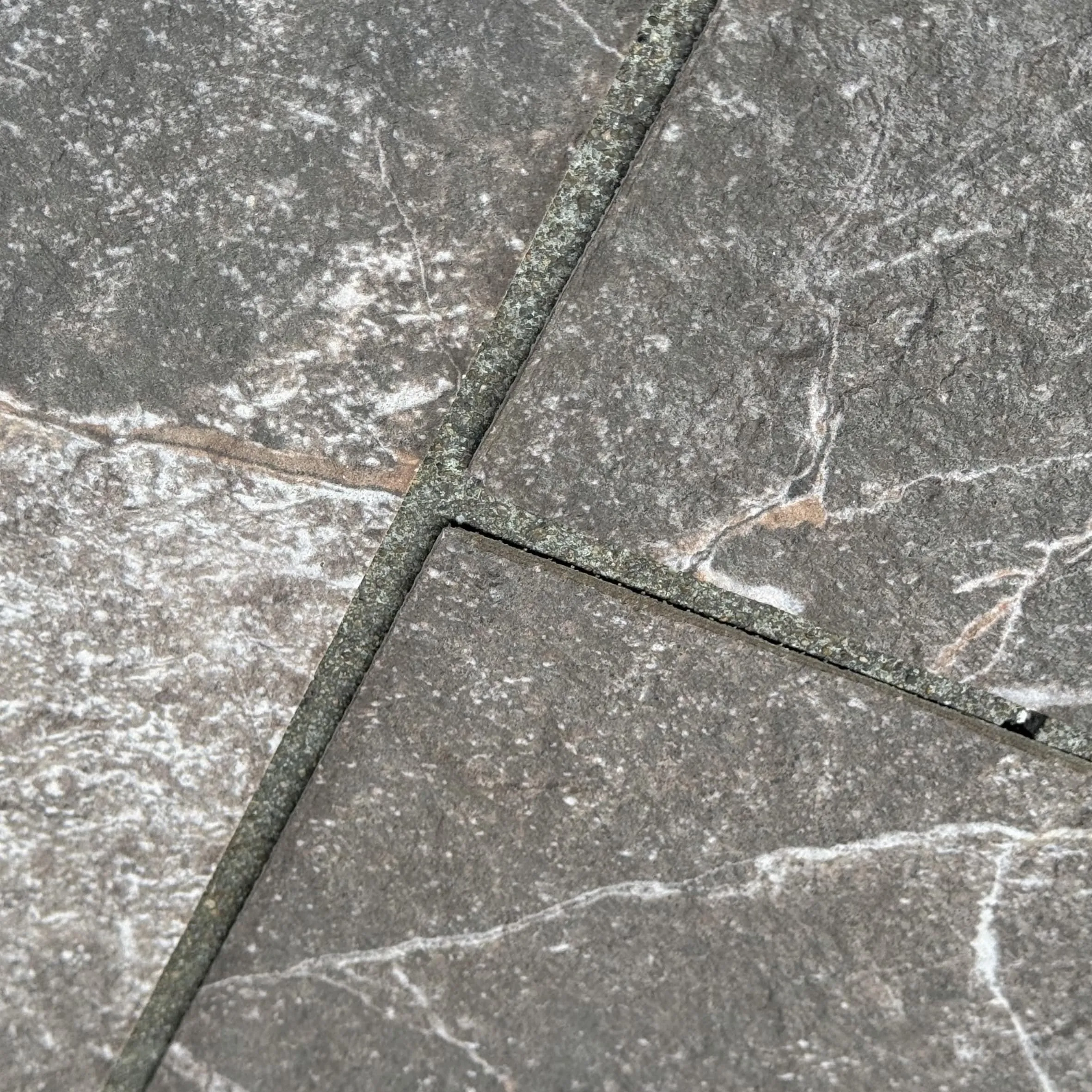
If Granite Portoro is the classic movie star, MCM materials are the up-and-coming indie darlings—innovative, versatile, and designed for the modern world. MCM stands for Modified Composite Material, a category that includes products like MCM flexible stone, foamed aluminium alloy boards, and even fair-faced concrete. What ties them together? They're not mined from the earth—they're engineered in labs and factories to solve specific problems, and one of their biggest claims to fame is insulation .
Let's zoom in on two MCM standouts: MCM flexible stone and foamed aluminium alloy board (vintage silver). These aren't your average building materials—they're lightweight, layered, and packed with features that make Granite Portoro's thermal conductivity look like a relic of the past.
MCM Flexible Stone is a game-changer for anyone who loves the look of natural stone but hates its heat-transferring ways. It's made by bonding thin layers of real stone (like travertine or slate) to a flexible, insulating backing—think of it as stone with a built-in "blanket." This design cuts down on density, and the backing (often made of polymers or fiberglass) acts as a barrier to heat flow. Most MCM flexible stones have a k-value around 0.3 to 0.5 W/m·K— way lower than Granite Portoro's 2.0-3.0. That means in winter, it won't leach heat from your room, and in summer, it'll reflect sunlight instead of absorbing it.
Foamed Aluminium Alloy Board (Vintage Silver) takes insulation a step further. Unlike solid aluminium (which has high conductivity), foamed aluminium is full of tiny air bubbles—like a chocolate bar with air pockets, but for heat resistance. Those bubbles trap air, which is a poor conductor of heat, slowing down thermal transfer. Add to that a vintage silver finish that reflects solar radiation, and you've got a material with a k-value as low as 0.15 W/m·K. To put that in perspective: if Granite Portoro is a heat highway, foamed aluminium is a winding country road with speed bumps.
Even fair-faced concrete , another MCM cousin, gets in on the action. Traditional concrete is dense and conductive, but modern fair-faced concrete (used in MCM panels) often includes lightweight aggregates or air-entraining agents that reduce its k-value to around 0.7-1.0 W/m·K—still better than Granite Portoro, and with the added bonus of a sleek, industrial look.
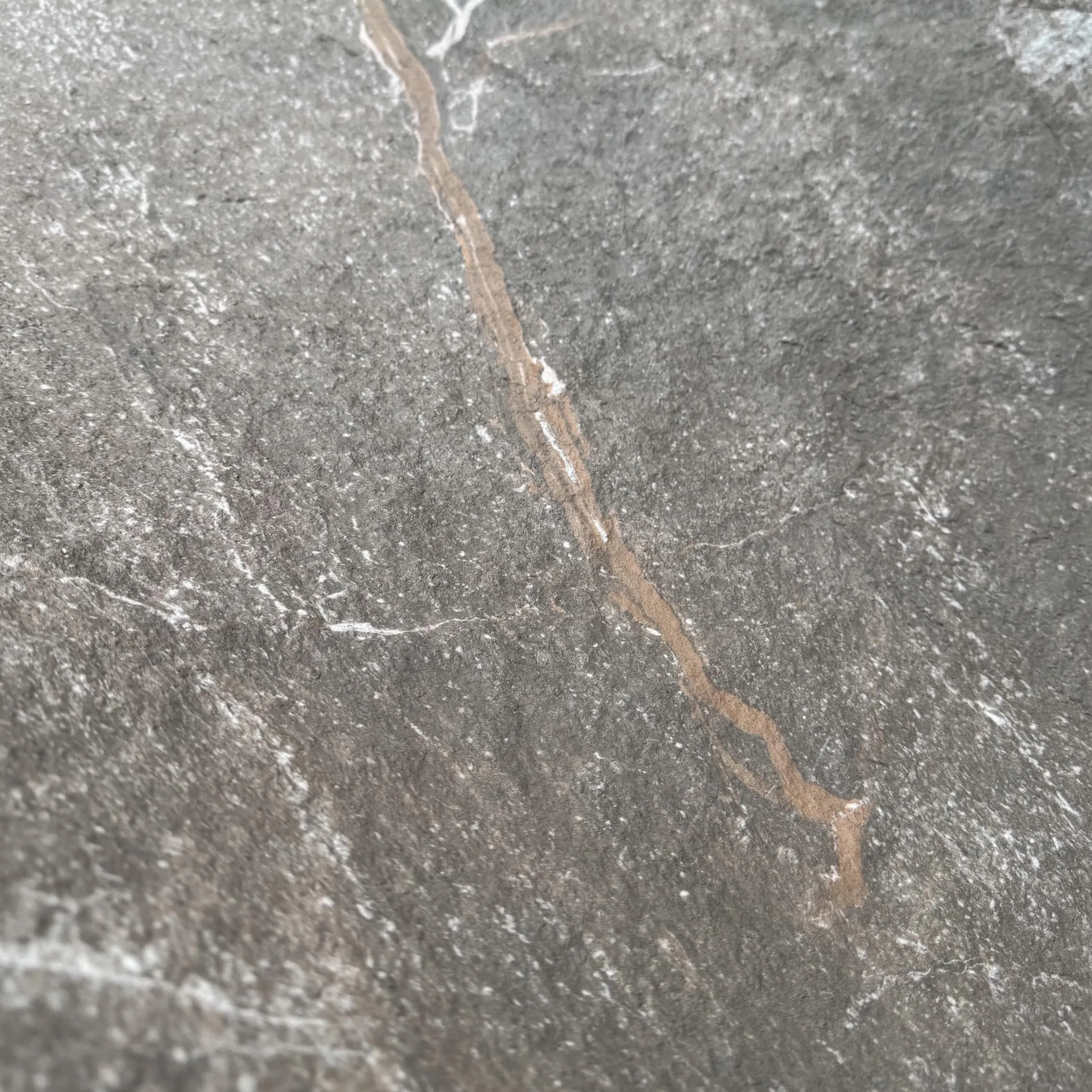
Numbers tell the story best. Let's compare Granite Portoro with MCM flexible stone, foamed aluminium alloy (vintage silver), and fair-faced concrete side by side. This table breaks down their thermal conductivity, density, and real-world impact:
| Material | Thermal Conductivity (k-value, W/m·K) | Density (kg/m³) | Typical Thickness | Insulation Rating (1-10, 10=Best) | Best For |
|---|---|---|---|---|---|
| Granite Portoro | 2.0-3.0 | 2,600-2,800 | 20-30mm (floors), 50-100mm (cladding) | 2/10 | Radiant heating, high-end countertops (with climate control) |
| MCM Flexible Stone | 0.3-0.5 | 800-1,200 | 5-10mm (walls), 10-15mm (floors) | 8/10 | Exterior cladding, accent walls, floors in cold/hot climates |
| Foamed Aluminium Alloy (Vintage Silver) | 0.15-0.25 | 300-500 | 3-8mm (exterior panels) | 9/10 | Exterior facades, sun-exposed walls, energy-efficient buildings |
| Fair-Faced Concrete (MCM) | 0.7-1.0 | 1,800-2,200 | 15-30mm (walls, floors) | 6/10 | Industrial-style interiors, load-bearing walls with moderate insulation |
The takeaway? MCM materials like foamed aluminium alloy and MCM flexible stone blow Granite Portoro out of the water when it comes to insulation. Their lower k-values mean less heat transfer, which translates to more stable indoor temperatures and lower energy use. And since they're lighter (foamed aluminium weighs 1/5th of Granite Portoro!), they're easier to install and put less stress on building structures—win-win.
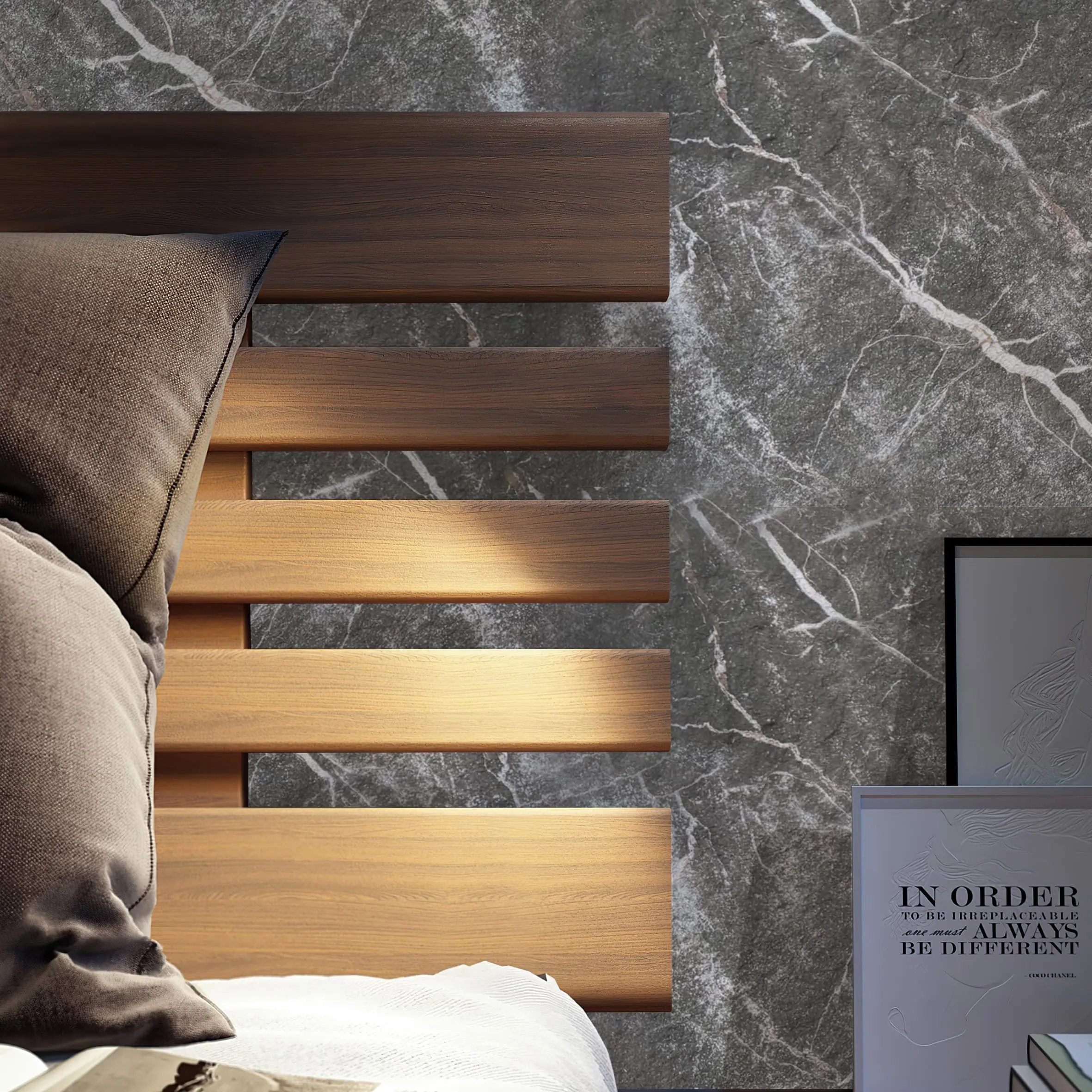
Let's move beyond the lab and into real life. How do these materials perform when the rubber meets the road (or the wall meets the weather)?
In Cold Climates: Imagine two identical homes in Minnesota, one with Granite Portoro exterior cladding and another with MCM flexible stone. In January, when temperatures drop to -10°C, the Granite home's walls will act like heat magnets, pulling warmth from inside and leaking it outside. The homeowners might crank up the heat to 24°C just to stay comfortable. The MCM home, though? Its flexible stone cladding slows heat loss, so the thermostat can stay at 21°C, and the furnace runs 20% less. Over a winter, that's hundreds of dollars saved on heating bills.
In Hot Climates: Now picture a café in Arizona with a Granite Portoro patio versus one with foamed aluminium alloy (vintage silver) cladding. At noon, the sun beats down on both. The Granite patio hits 50°C, making it too hot to walk on barefoot, and the café's AC struggles to keep the interior below 28°C. The foamed aluminium patio? Its vintage silver finish reflects sunlight, so it stays around 35°C, and the cladding keeps heat out, letting the AC chill the space to 25°C with less effort. Customers stay longer, and the café's energy bill drops by 15%.
Commercial Spaces: Think about a high-rise office building in Chicago. If the exterior uses Granite Portoro, the HVAC system has to work overtime to counteract heat gain/loss through the walls. Switch to MCM flexible stone, and suddenly the building uses 25% less energy for heating and cooling—a massive saving for property owners, not to mention a smaller carbon footprint.
You might be thinking, "Okay, MCM materials insulate better, but do they hold up like Granite Portoro?" It's a fair question. Granite Portoro has been around for centuries—there are ancient Roman buildings with granite elements still standing. But MCM materials aren't fragile either. MCM flexible stone is scratch-resistant and water-proof, making it ideal for high-traffic areas. Foamed aluminium alloy boards are dent-resistant and corrosion-proof, even in salty coastal air. And unlike natural stone, MCM materials won't crack or chip easily under temperature changes (no more worrying about freeze-thaw damage!).
Aesthetics? MCM materials have come a long way from the "fake stone" look of the past. MCM flexible stone can mimic the texture of travertine (starry green) or the veining of marble, while foamed aluminium alloy boards come in finishes like vintage gold or vintage black that rival Granite Portoro's luxury. Want the look of Lunar Peak Black stone? There's an MCM version that's lighter, cheaper, and more insulating. It's not about sacrificing beauty for function—it's about having both.
At the end of the day, there's no "one size fits all" answer. If you're designing a high-end kitchen with radiant floor heating, Granite Portoro's conductivity is a plus. But for most walls, exteriors, and floors where insulation matters, MCM materials like MCM flexible stone and foamed aluminium alloy boards are the smarter bet. They're more energy-efficient, easier to work with, and often more affordable in the long run (thanks to lower energy bills).
Granite Portoro will always have a place in design history for its timeless beauty. But as we build for a future where sustainability and efficiency matter more than ever, MCM materials are proving that you don't have to choose between form and function. They're not just insulating—they're redefining what building materials can do.
So, the next time you're picking materials for a project, ask yourself: Do I want a material that looks good, or one that works hard to keep my space comfortable and my planet healthy? With MCM materials, you might just get both.
Recommend Products












