
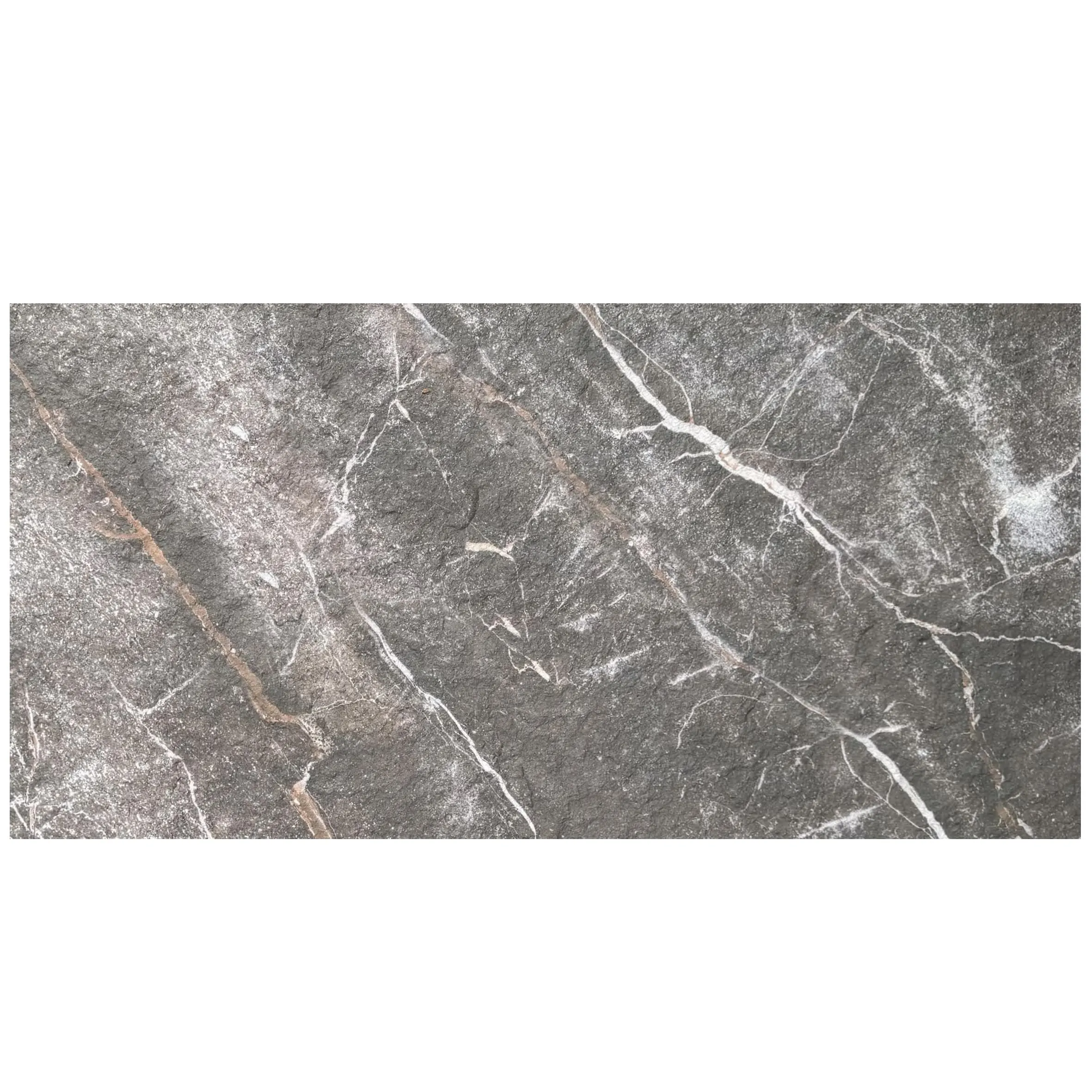
Walk down any city street, and you'll notice a silent battle waging above: the sun's ultraviolet (UV) rays, relentless and invisible, pounding away at building exteriors. Over time, this quiet assault fades colors, cracks surfaces, and turns once-vibrant facades into dull, weathered shadows of their former selves. For architects, builders, and homeowners, choosing materials that can stand up to UV radiation isn't just about aesthetics—it's about protecting investments, reducing maintenance headaches, and ensuring structures remain beautiful for decades. In this showdown, we're pitting a natural heavyweight against an engineered innovator: Granite Portoro , a timeless stone revered for its durability, and MCM flexible stone , a modern composite with cutting-edge coating technology. Let's dive into how these materials stack up when the sun is the harshest critic.
Before we jump into the specifics of Granite Portoro and MCM, let's talk about why UV resistance is non-negotiable for exterior materials. UV rays, particularly the high-energy UVA and UVB wavelengths, break down chemical bonds in materials. For natural stones, this can mean fading minerals or weakening structural integrity. For composites, it might cause polymer degradation or coating failure. The consequences? A building that looks outdated in half the time it should, increased repair costs, and even safety risks if materials become brittle. Think of UV resistance as a material's sunscreen—without it, the "aging process" accelerates dramatically.
But it's not just about durability. Color retention is a huge factor in architectural design. A hotel with a bold red facade or a retail store with a brand-specific blue exterior can't afford to have those hues turn pink or gray after a few summers. UV resistance ensures that the design vision stays intact, preserving the character and identity of a building long after the last brick is laid.
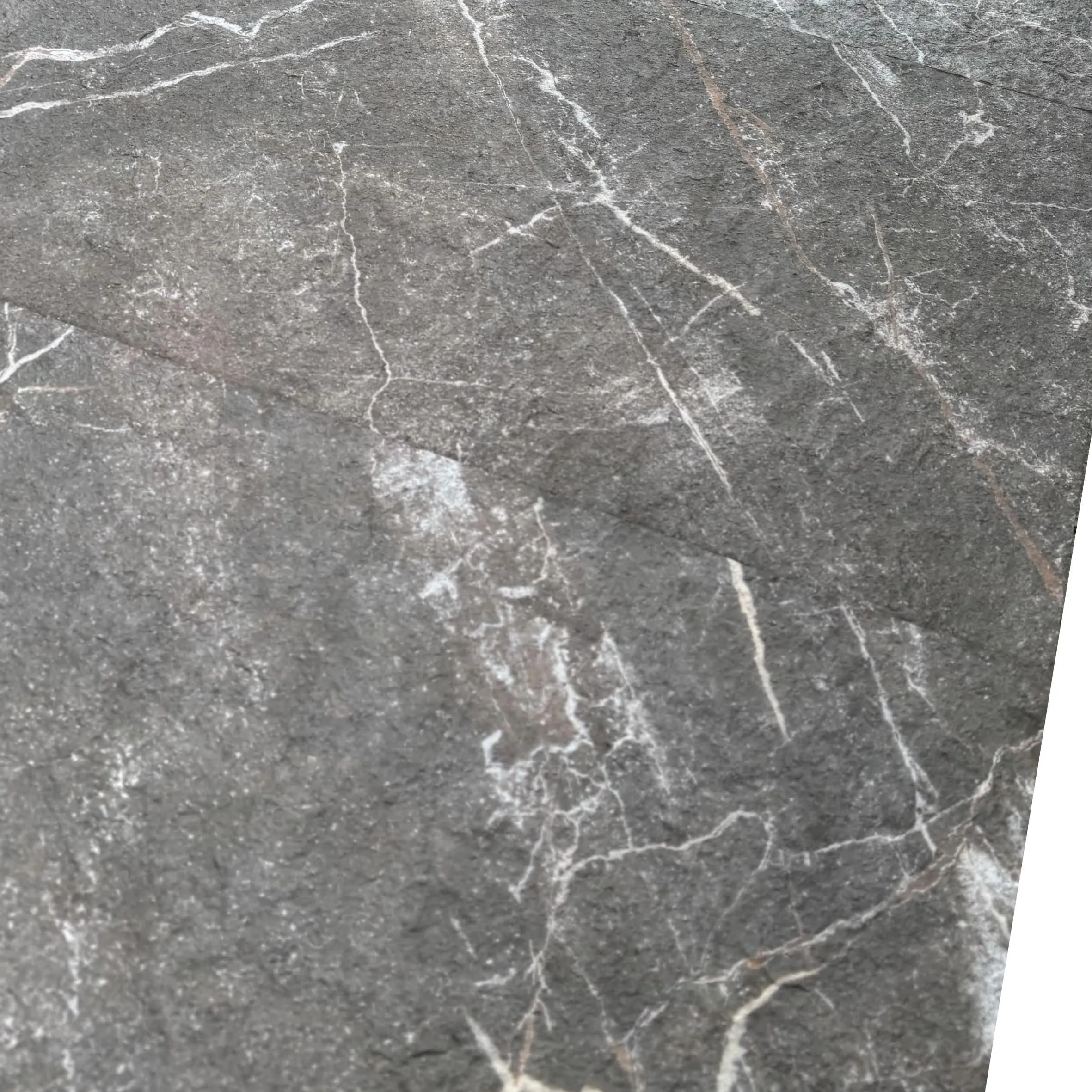
If there's a poster child for natural UV resistance, it's Granite Portoro. Quarried from select sites in Italy, this black granite is flecked with golden veins—a striking combination that has made it a favorite for luxury buildings, monuments, and high-end exteriors for centuries. But its beauty is more than skin deep; its mineral composition is a masterclass in durability.
Granite Portoro is primarily made of quartz (30-40%), feldspar (40-50%), and mica (5-10%). Quartz, in particular, is a UV-resistant rock star—it has a high melting point, low reactivity, and its crystalline structure is incredibly stable under solar radiation. Unlike softer stones like marble, which contain calcium carbonate that can react with UV and moisture, Granite Portoro's dense, low-porosity surface minimizes water absorption (a key accelerant of UV damage) and acts as a natural barrier against rays. In real-world terms, this means a Granite Portoro facade in a sunny climate like Dubai or Arizona might show only subtle fading after 20 years—impressive for a material that doesn't rely on man-made coatings.
But even natural champions have limitations. Granite Portoro is heavy—around 28-30 kg per square meter—making installation labor-intensive and requiring reinforced structural support. Its rigidity also means it can't bend around curved surfaces, limiting design flexibility. And while it resists UV well, its polished finish can dull over time, requiring periodic re-polishing to maintain that signature shine. For historic buildings or projects where "natural authenticity" is paramount, these trade-offs are often worth it. The New York Public Library's Stephen A. Schwarzman Building, for example, features granite exteriors that have weathered over a century of sun, rain, and snow with remarkable grace.
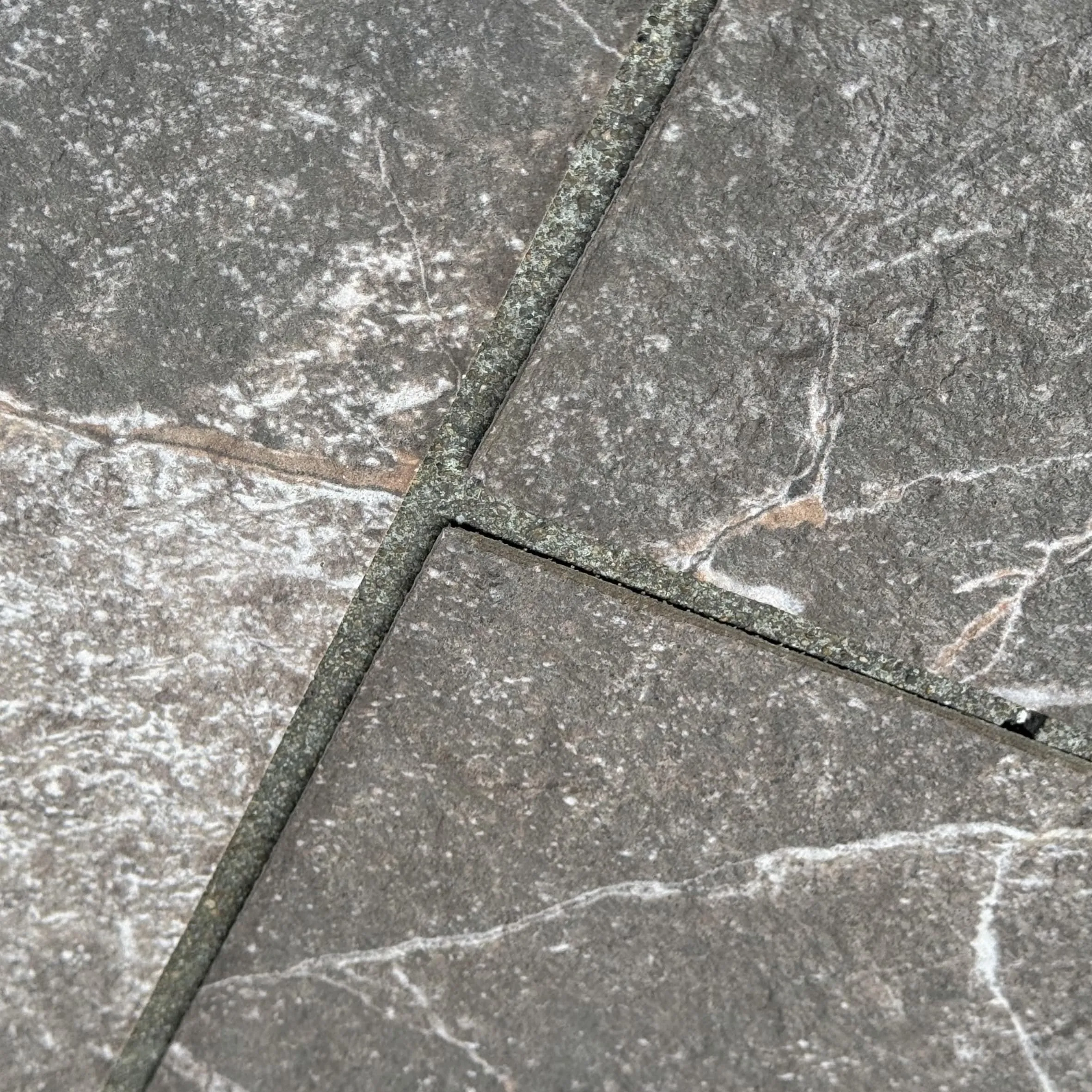
Enter MCM flexible stone —short for Modified Composite Material—a relative newcomer that's shaking up the exterior cladding market. Unlike Granite Portoro, MCM isn't mined from the earth; it's crafted in labs and factories, blending natural stone powder (often from marble or travertine), high-performance polymers, and a fiberglass mesh backing. The result? A material that's lightweight (just 4-6 kg per square meter), flexible enough to wrap around curves, and—thanks to its advanced coatings—surprisingly tough against UV radiation.
The secret weapon here is MCM's coating technology. Most MCM products, especially those in the MCM big slab board series , feature multi-layered topcoats designed specifically to combat UV damage. Let's break it down: the base layer is the composite core (stone powder + polymers), which provides strength. On top, manufacturers add a primer to ensure adhesion, followed by a color layer infused with UV-stable pigments. The final shield? A clear topcoat—often acrylic, polyurethane, or even nano-ceramic—that acts as a force field. These topcoats contain UV absorbers (like benzotriazoles) that soak up harmful rays before they reach the pigment, and hindered amine light stabilizers (HALS) that neutralize free radicals, preventing polymer breakdown. Some brands even add nano-particles that reflect UV radiation, reducing heat absorption and further protecting the material.
The benefits of this engineered approach are clear. MCM flexible stone isn't just UV-resistant—it's UV-smart. Take the MCM big slab board series , which comes in large formats (up to 1200x2400mm). These panels minimize seams, reducing the number of entry points for UV and moisture. And because MCM is flexible, it expands and contracts with temperature changes, avoiding the cracks that can let UV rays penetrate deeper into rigid materials like natural stone. A hotel in Miami using MCM flexible stone on its facade reported zero color fading after five years of intense Florida sun—a claim backed by third-party testing showing color change (ΔE) values below 2, which is imperceptible to the human eye.
To truly understand how these materials perform, let's put them side by side. We'll compare key factors like UV resistance, color retention, maintenance, and practicality—using real-world data and industry standards where possible.
| Property | Granite Portoro | MCM Flexible Stone (with Coating) |
|---|---|---|
| UV Resistance (Years Before Noticeable Fading) | 15-20 years (natural mineral stability) | 20-25 years (coating with UV inhibitors) |
| Color Retention (ΔE Value After 10 Years)* | ΔE ≈ 3-4 (subtle fading, visible to trained eyes) | ΔE < 2 (negligible change, invisible to most observers) |
| Maintenance Requirements | Sealing every 2-3 years; re-polishing every 5-7 years | Occasional pressure washing; no sealing or re-coating needed |
| Weight (kg/m²) | 28-30 kg/m² (requires structural reinforcement) | 4-6 kg/m² (light enough for retrofits) |
| Installation Cost (Relative) | High (heavy lifting, specialized labor) | Moderate (lightweight, faster installation) |
| Environmental Impact (CO2 Footprint) | Higher (quarrying, transportation of heavy stone) | Lower (recycled stone powder, reduced transportation emissions) |
*ΔE (Delta E) is a measure of color difference; values < 2 are generally undetectable to the human eye.
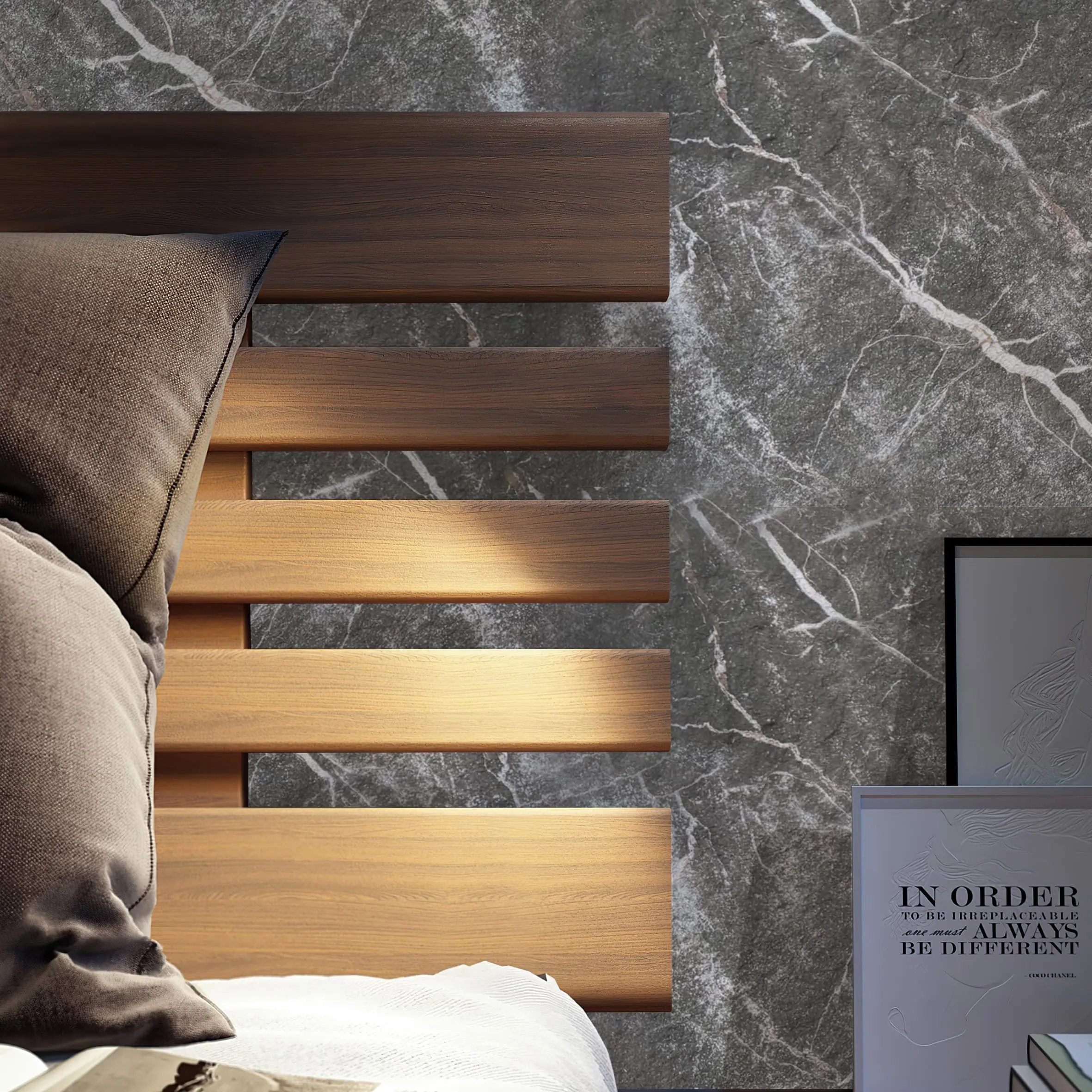
UV resistance is critical, but it's rarely the only factor in material selection. Let's explore how Granite Portoro and MCM stack up in other key areas that matter to architects and builders.
Granite Portoro is tough—there's no denying that. Its density makes it resistant to scratches and impacts, which is why it's often used in high-traffic areas like lobbies. But it's also brittle; a heavy impact (like a falling branch) can chip or crack it, and repairs are difficult due to its natural variation. MCM flexible stone, on the other hand, bends rather than breaks. Its fiberglass mesh backing acts like a safety net, absorbing impacts that would shatter natural stone. This flexibility also helps with thermal expansion: in hot climates, MCM panels expand and contract without warping, whereas Granite Portoro can develop hairline cracks over time due to temperature fluctuations.
Granite Portoro's beauty lies in its natural variation—no two slabs are exactly alike, which adds character. But that variation can be a limitation if a project requires uniform color or pattern. MCM flexible stone, by contrast, offers consistency. Want a facade in a custom shade of "vintage gold"? MCM can deliver that across hundreds of panels. And thanks to its flexibility, MCM works on curved walls, domes, and even 3D-printed architectural elements—a feat Granite Portoro can't match. The foamed aluminium alloy board (vintage gold) is a great example of MCM's design versatility, mimicking the look of metal with the UV protection of composite coatings.
In an era of eco-conscious design, environmental impact matters. Granite Portoro, while natural, has a heavier carbon footprint due to quarrying (which disrupts ecosystems) and transportation (hauling 30kg slabs over long distances). MCM, by contrast, uses recycled stone powder from quarry waste, reducing landfill use, and its lightweight nature cuts transportation emissions by up to 70%. Plus, MCM's longevity means fewer replacements, further lowering its environmental impact over the building's lifecycle.
So, when should you reach for Granite Portoro, and when is MCM flexible stone the better bet? Let's break it down with practical examples:
Historic Renovations: If you're restoring a 19th-century bank or a heritage museum, Granite Portoro's timeless elegance and natural patina make it a perfect fit. Its ability to age gracefully aligns with the building's story, and its durability ensures it will stand another century.
Modern High-Rises: For a sleek, 50-story office tower, MCM big slab board series is a game-changer. Its lightweight design reduces structural load, and large panels mean faster installation (critical for tight construction timelines). Plus, the UV-stable coatings ensure the building's bold, contemporary color stays vibrant for decades.
Coastal Climates: Saltwater and UV rays are a brutal combo. MCM's non-porous coatings resist salt corrosion better than Granite Portoro, which can develop pitting if not sealed regularly. A beachfront hotel in (Sanya) using MCM flexible stone reported no signs of salt damage after three hurricane seasons—impressive, given the harsh conditions.
Budget-Conscious Projects: While MCM has a higher upfront cost than some materials, its low maintenance and long lifespan make it more affordable over time. For schools or community centers with tight budgets, avoiding re-polishing or sealing costs can free up funds for other priorities.
Granite Portoro and MCM flexible stone both excel at UV resistance, but they do it in very different ways. Granite Portoro relies on millions of years of geological luck—its mineral composition is a natural UV shield, perfect for projects that value tradition and natural beauty. MCM, meanwhile, uses human ingenuity: engineered coatings that outperform nature in some metrics, with the added perks of flexibility and sustainability.
So, which one wins? It depends on your priorities. If you want a material that tells a story of the earth's history and ages like fine wine, Granite Portoro is unbeatable. If you need cutting-edge performance, design flexibility, and lower long-term costs, MCM flexible stone (and its advanced coatings) is the way to go. Either way, in the battle against UV rays, both materials are more than up to the challenge—proving that whether you're leaning on nature or science, the sun doesn't stand a chance.
Recommend Products












