
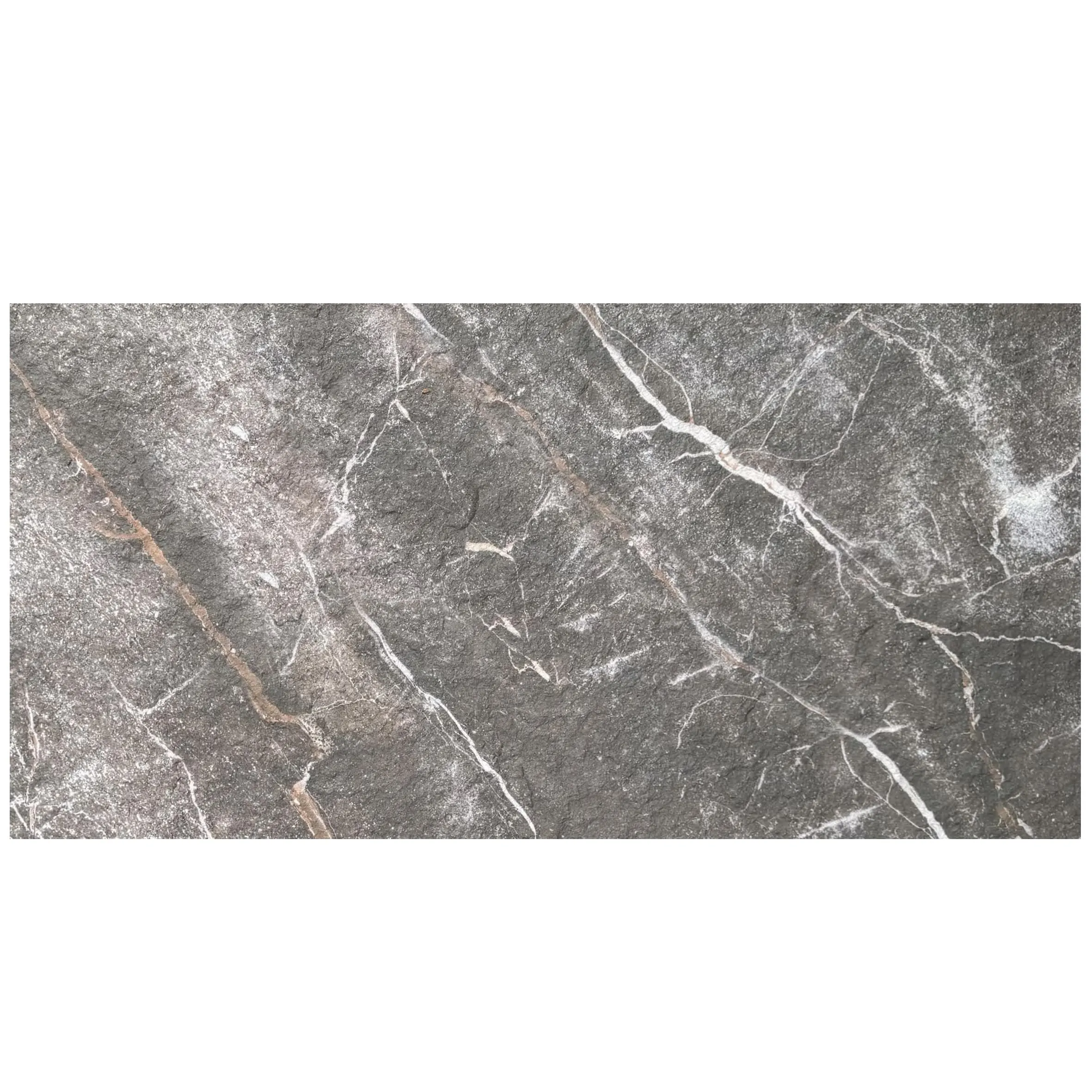
Walk into any high-end hotel, corporate headquarters, or luxury apartment lobby, and the first thing that hits you isn't just the lighting or the furniture—it's the materials. The floor beneath your feet, the walls that frame the space, the reception desk that greets you—these elements work together to tell a story. Is this brand modern and innovative? Timeless and luxurious? Approachable and welcoming? The answer often lies in the stone, concrete, or composites chosen to clothe the space. In commercial design, first impressions aren't just about aesthetics; they're about durability, functionality, and aligning with a brand's identity. Today, we're diving into two heavyweights in the world of lobby materials: the natural elegance of Granite Portoro and the engineered versatility of modern composites, including standout options like MCM's flexible stone and big slab board series. Let's unpack which one deserves a spot in your next lobby design.
Granite Portoro isn't just a stone—it's a statement. Hailing from quarries in Italy (and sometimes Brazil), this natural granite is instantly recognizable for its dramatic contrast: a deep, almost jet-black base swirled with bold veins of gold, cream, or white. It's the kind of material that feels inherently luxurious, like wearing a tailored tuxedo to a gala. What makes it unique? Like all natural stone, every slab is one-of-a-kind. No two pieces will have the exact same veining pattern, which means your lobby floor or feature wall will never feel generic. It's nature's artwork, polished to a high shine that catches light and draws the eye.
But Granite Portoro isn't just about looks. Granite itself is one of the hardest natural stones on Earth, formed over millions of years from cooled magma. That geological history gives it a density and strength that's hard to replicate—qualities that have made it a staple in luxury design for decades. From the lobbies of 1920s Art Deco buildings to modern skyscrapers, it's a material that bridges eras, always feeling timeless.
Engineered stone, often called "quartz" or "composite stone," is the result of human ingenuity meeting natural resources. Unlike Granite Portoro, which is mined and cut from the earth, engineered stone is man-made. It starts with crushed natural stone aggregates—think marble, granite, or even recycled stone dust—bound together with resins (usually polyester or epoxy) and pigments. The mixture is compressed under high pressure and heat, forming slabs that mimic the look of natural stone but with a few key twists.
Brands like MCM have taken this concept further, pushing the boundaries of what engineered stone can do. Take their mcm flexible stone , for example. Traditional stone is rigid, limiting its use to flat surfaces, but MCM's flexible stone bends—yes, bends—allowing designers to create curved walls, rounded reception desks, or organic-shaped accent pieces that would be impossible with natural granite. Then there's the mcm big slab board series , which offers slabs up to 3 meters long. Fewer seams mean a cleaner, more seamless look—perfect for expansive lobby walls or flooring that feels endless. These innovations make engineered stone less of a "natural stone substitute" and more of a category all its own.
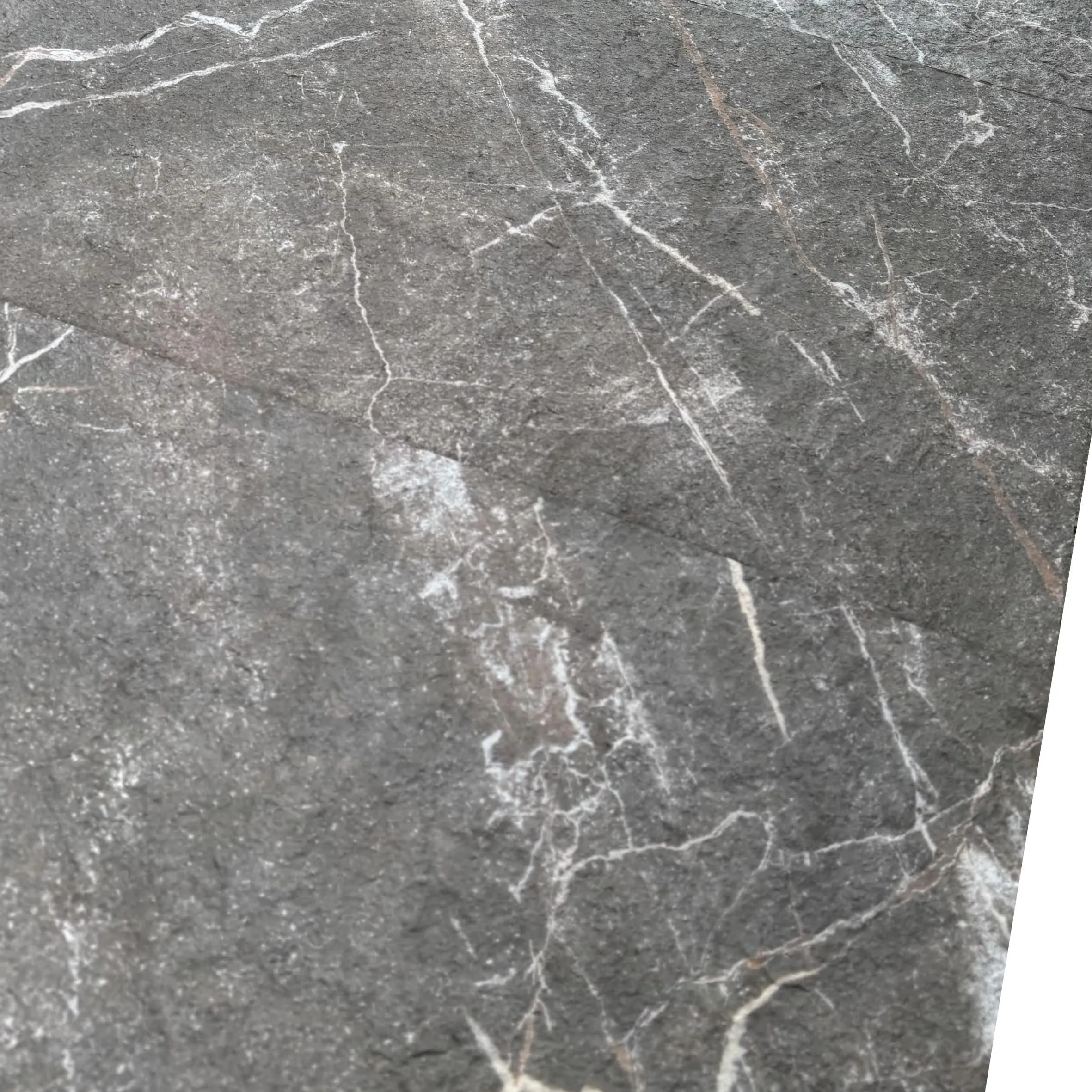
In a lobby, aesthetics set the tone. Granite Portoro is all about drama. Its black background is rich and moody, while the gold veins add warmth and movement—like a starry night sky, but grounded in earth. It's a material that demands attention without feeling overwhelming, making it a favorite for brands aiming for "quiet luxury." Imagine a hotel lobby with Granite Portoro flooring, paired with brass fixtures and warm wood accents—the space feels opulent, established, and slightly mysterious.
But here's the catch: because it's natural, the veining and color intensity can vary. One slab might have thick, bold gold streaks; another might have thinner, more delicate ones. For some designers, this inconsistency is a feature, not a bug—it adds depth and uniqueness. For others, it's a challenge, especially if they're aiming for a uniform look across a large space. You won't get two identical Granite Portoro slabs, and that's part of its charm.
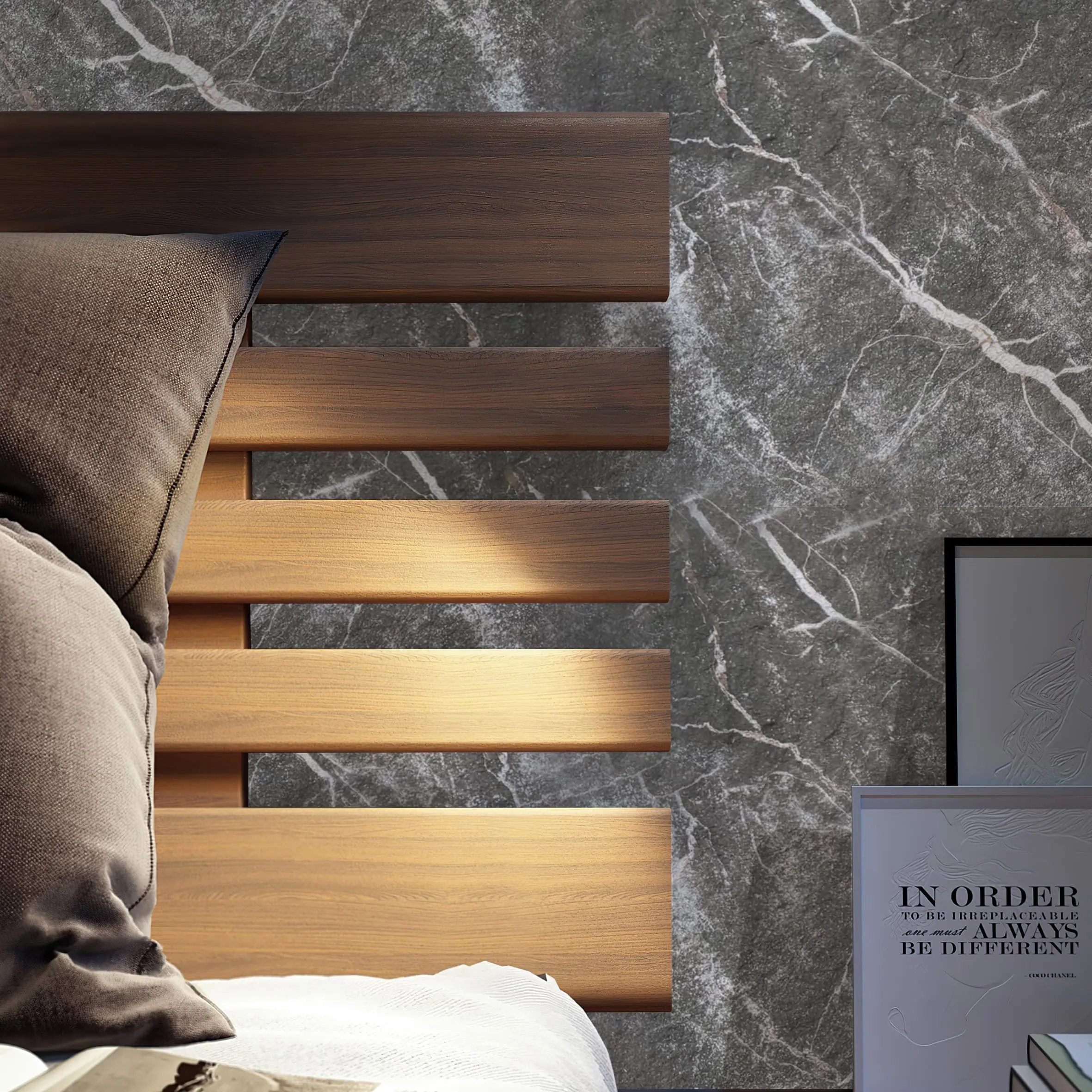
Engineered stone, on the other hand, is all about control. With MCM's offerings, you can pick from a spectrum of colors, patterns, and finishes—from classic marble-like veining to solid hues to even textured surfaces that mimic concrete or wood. The mcm big slab board series , for instance, comes in shades like "lunar peak silvery" or "travertine (vintage gold)," allowing designers to align the material with a brand's color palette perfectly. Want a lobby that feels bright and airy? Opt for a light, neutral engineered stone. Going for industrial chic? Choose a dark, matte finish with subtle texture.
And because it's engineered, the pattern repeats consistently across slabs. No surprises, no mismatched veins—just a uniform look that's ideal for large-scale installations. MCM's flexible stone takes this versatility further. Picture a curved lobby wall clad in a soft, beige engineered stone with subtle linear veining—it feels modern and approachable, without the heaviness of natural stone. Engineered stone doesn't just mimic nature; it lets you reimagine it.
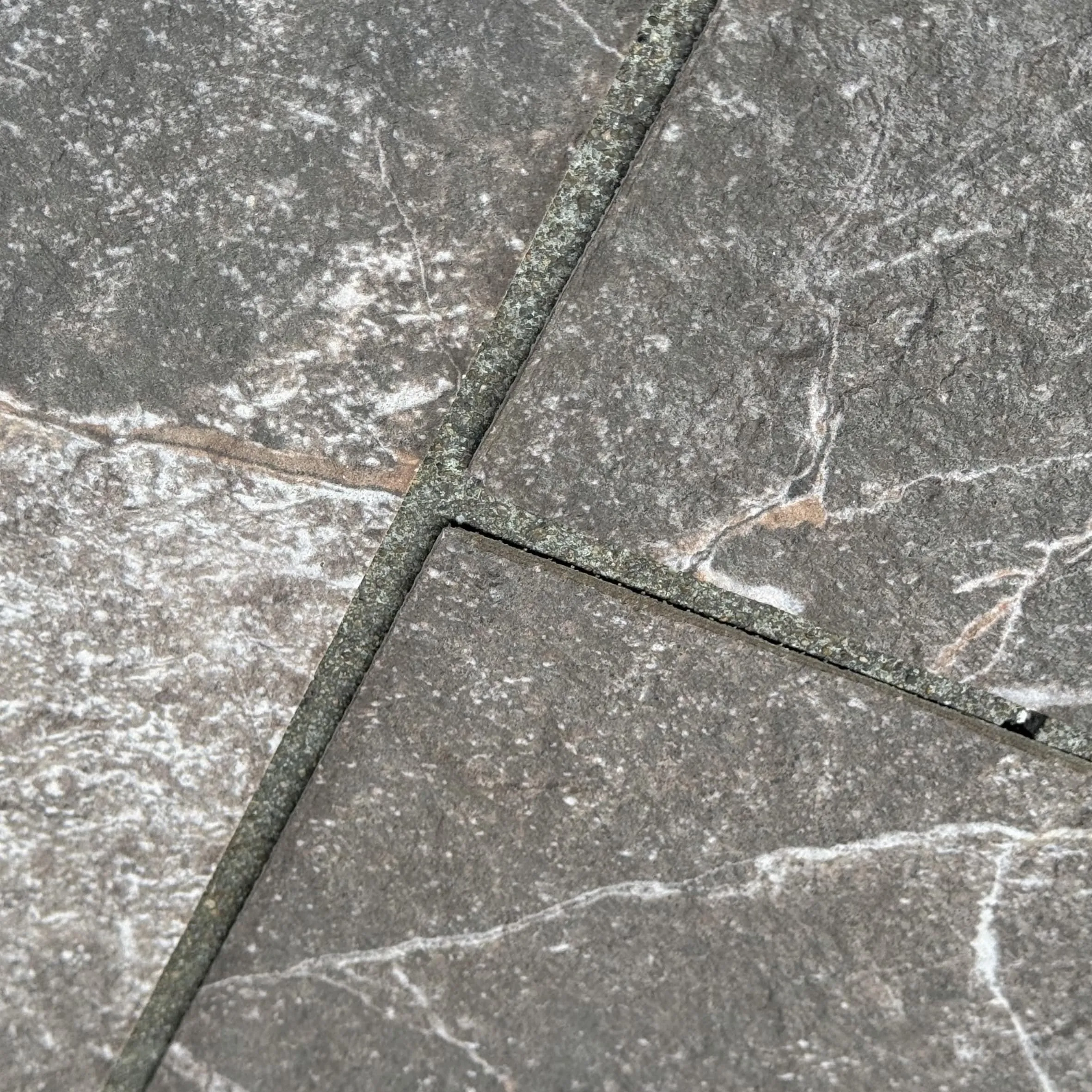
Commercial lobbies aren't just pretty spaces—they're workhorses. Think about the foot traffic: hundreds (sometimes thousands) of people walking through daily, dragging luggage, spilling coffee, dropping keys. Add in furniture scratches, cleaning chemicals, and the occasional rogue shopping cart, and you need a material that can take a beating. Let's see how our contenders stack up.
Granite is one of the hardest natural stones, scoring a 6-7 on the Mohs hardness scale (diamonds are a 10). That means Granite Portoro can handle daily foot traffic without scratching easily—good news for lobby floors. It's also heat-resistant, so a spilled cup of hot coffee or a dropped hair straightener won't leave a mark.
But here's the downside: granite is porous. Those tiny pores can trap liquids, leading to stains if not sealed properly. Red wine, oil, or even fruit juice can seep in, leaving permanent discoloration. In a busy lobby, where spills are inevitable, this means regular sealing—usually once a year, sometimes more depending on traffic. Miss a sealing, and you might end up with a costly stain that's hard to repair.
Engineered stone, thanks to its resin binder, is non-porous. That means liquids bead up on the surface instead of soaking in—no sealing required. A spilled latte on MCM's big slab board? Wipe it up with a cloth, and it's like it never happened. This is a game-changer for high-traffic lobbies where maintenance staff can't be everywhere at once.
When it comes to scratches, engineered stone is also a heavy hitter. Most brands, including MCM, rate their products as scratch-resistant to everyday wear and tear. Keys, heels, or furniture legs are unlikely to leave marks. It's not indestructible—very sharp objects (like a knife dragged across the surface) might scratch it—but for typical lobby use, it holds up remarkably well. Plus, engineered stone is heat-resistant up to around 150°C (300°F), so hot cups or even small appliances won't damage it.
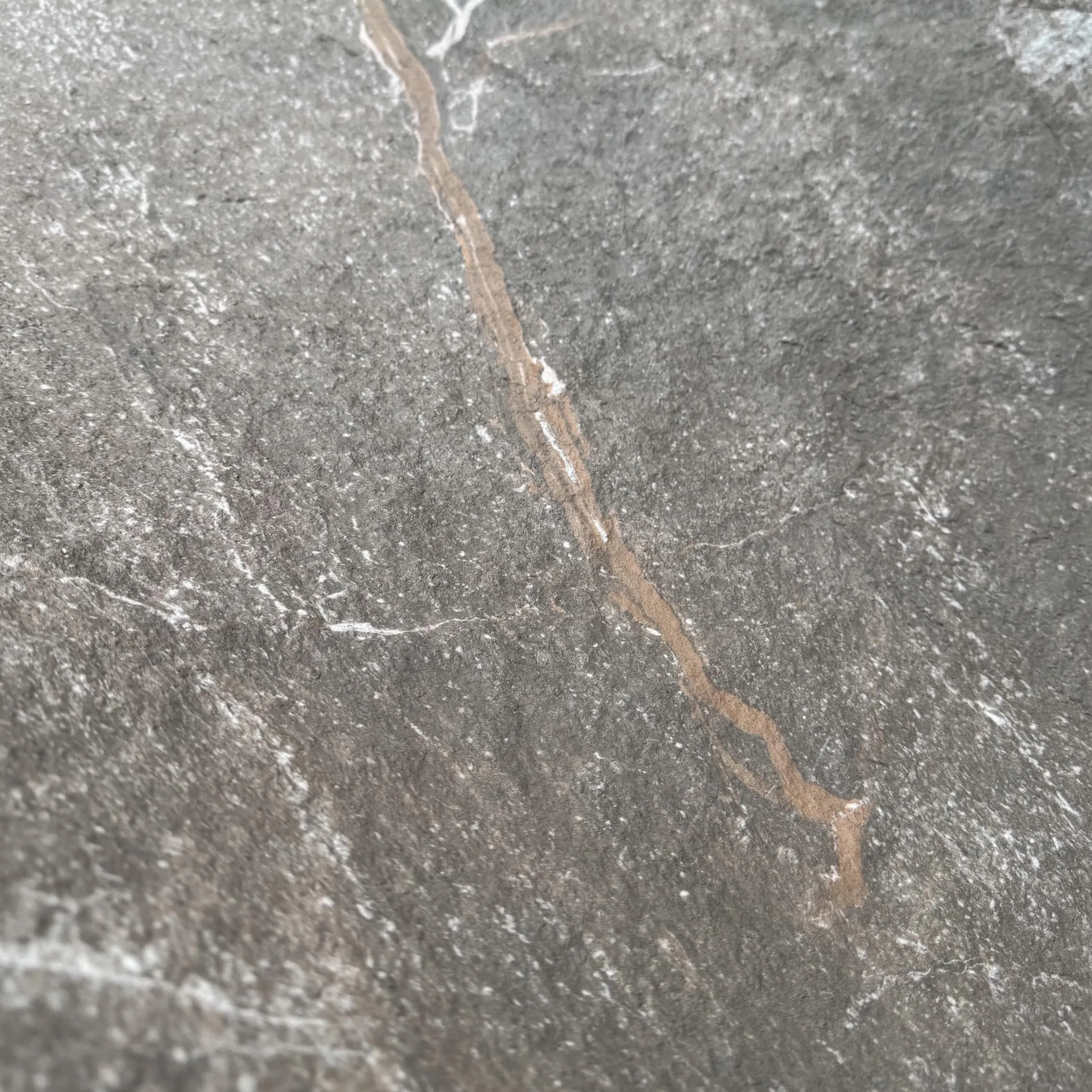
Natural stone is stunning, but it's not low-maintenance. Granite Portoro needs regular sealing to keep stains at bay. The sealing process itself isn't complicated—you apply a sealant, let it sit, then wipe off the excess—but it adds up over time. Professional sealing can cost $1-$3 per square foot, and if you have a large lobby, that's a significant annual expense.
Cleaning is also more involved. You can't use harsh chemicals or acidic cleaners (like vinegar or lemon), as they can eat away at the sealant and etch the stone. Instead, you'll need pH-neutral cleaners specifically designed for natural stone. And if a scratch or chip does occur? Repairing it requires a stone specialist, who will fill the damage with a color-matched epoxy and polish it. It's doable, but it's not a DIY fix, and it can be pricey.
Engineered stone is the's dream (in the best way). No sealing, no special cleaners—just soap and water. A quick wipe with a damp cloth is usually enough to keep it looking fresh. Even tough stains, like ink or makeup, can often be removed with a bit of rubbing alcohol or a non-abrasive cleaner. This simplicity is a huge win for facility managers, who already have enough on their plates.
Repairs are also easier. Small scratches can often be buffed out with a fine-grit sandpaper, and chips can be filled with a resin-based filler that's color-matched to the slab. While you might still want a professional for larger repairs, it's far less intimidating (and less costly) than repairing natural stone. For busy lobbies where downtime is a no-go, this quick turnaround is invaluable.
Let's talk numbers—because in commercial design, budget always plays a role.
Natural stone, especially rare or imported varieties like Granite Portoro, comes with a premium price tag. Expect to pay $80-$150 per square foot for material and installation, depending on the slab quality and complexity of the project. That's significantly higher than most engineered stones, which often start around $50-$100 per square foot.
But remember the long-term costs: sealing, professional cleaning, and potential repairs. Over 10 years, those annual sealing costs and occasional fixes can add up, turning a "premium upfront" material into a "premium forever" investment.
Engineered stone, including MCM's flexible stone and big slab series, is generally more affordable upfront. Prices range from $50-$100 per square foot installed, depending on the brand, thickness, and customization. But the real savings come later: no sealing costs, lower maintenance expenses, and fewer repairs. Over time, engineered stone often ends up being the more cost-effective choice, especially for large lobbies with high traffic.
There's also the installation factor. MCM's flexible stone is lightweight and easy to cut, which reduces labor time and costs. The big slab board series means fewer seams, so installers spend less time aligning pieces and more time getting the job done quickly. In commercial projects, where time is money, faster installation can mean lower labor bills and a quicker path to opening day.
Natural stone has been used for centuries, but that doesn't mean it's always sustainable. Quarrying Granite Portoro involves heavy machinery, which burns fossil fuels and can disrupt local ecosystems. Mines can also generate a lot of waste rock, and transporting large slabs from Italy or Brazil to other parts of the world adds to the carbon footprint.
That said, some quarries are making efforts to reduce their impact—using renewable energy, recycling water, and restoring land after mining. If sustainability is a priority, look for Granite Portoro sourced from quarries with certifications like the Marble Institute of America's (MIA) Sustainability Standard. But even with these efforts, natural stone mining is inherently resource-intensive.
Engineered stone's sustainability depends on the brand. MCM, for example, uses recycled stone aggregates in many of their products, including the big slab board series, which reduces the need for new quarrying. The resin binders do come from petroleum, which is a non-renewable resource, but advancements in bio-based resins are making this less of an issue.
Another plus: engineered stone is often made locally, reducing transportation emissions. And because it's man-made, there's less waste—manufacturers can control the size and shape of slabs to minimize cutoffs. MCM's flexible stone also has a lower carbon footprint than natural stone because it's lighter, meaning less fuel is needed to transport it. For brands aiming for LEED certification or other green building standards, engineered stone can be a strong ally.
| Feature | Granite Portoro | Engineered Stone (e.g., MCM Flexible Stone & Big Slab Series) |
|---|---|---|
| Aesthetic Appeal | Natural, dramatic veining (black with gold); unique slabs; luxury-focused. | Consistent patterns; wide color range; flexible for curved designs; modern versatility. |
| Durability | Hard and scratch-resistant; porous (prone to stains without sealing). | Non-porous (stain-resistant); scratch and heat-resistant; flexible (less prone to cracking). |
| Maintenance | Annual sealing required; pH-neutral cleaners only; professional repairs for damage. | No sealing needed; soap and water cleaning; easy DIY or professional repairs. |
| Cost | High upfront cost ($80-$150/sq ft installed); ongoing sealing and repair expenses. | Moderate upfront cost ($50-$100/sq ft installed); lower long-term maintenance costs. |
| Sustainability | Resource-intensive quarrying; potential for eco-friendly sourcing with certifications. | Recycled materials used; lower transportation emissions; less waste in manufacturing. |
| Best For | Brands aiming for "quiet luxury"; spaces with low-to-moderate traffic; timeless design. | High-traffic lobbies; modern or custom designs (curves, large slabs); budget-conscious projects. |
At the end of the day, the choice between Granite Portoro and engineered stone (like MCM's flexible stone or big slab series) comes down to your priorities. If you're designing a lobby for a luxury hotel or a brand that prides itself on heritage and exclusivity, Granite Portoro's natural drama and timeless appeal might be worth the higher cost and maintenance. It's a material that feels "crafted by nature," and that story resonates with many clients.
But if you're after versatility, durability, and long-term value—especially in a high-traffic space—engineered stone is hard to beat. MCM's innovations, like flexible stone and large slabs, open up design possibilities that natural stone can't match, while the low maintenance and lower cost make it practical for busy facilities. It's a material that works as hard as your lobby does.
And hey—who says you have to choose? Some designers mix the two: Granite Portoro for a statement reception desk, paired with MCM's big slab board series for the flooring. It's a way to get the best of both worlds: natural luxury and engineered performance.
Whichever you pick, remember: the best lobby material isn't just about how it looks—it's about how it makes people feel. Whether it's the timeless elegance of Granite Portoro or the modern versatility of engineered stone, the right choice will turn your lobby from a space people walk through to a space they remember.
Recommend Products












