
High-rise buildings are more than just steel and glass reaching for the clouds—they're statements of human ingenuity, blending structural might with aesthetic grace. For architects and builders, choosing the right exterior cladding is a balancing act: it needs to withstand the elements, support the building's weight, and make the structure feel alive. Two materials often competing for the spotlight in this arena are Granite Portoro, a timeless natural stone, and Flexible Stone, a modern, adaptable innovation. Let's unpack their strengths, weaknesses, and how they stack up when wrapping the skeletons of our tallest structures.
First, let's get to know our two main players. Granite Portoro isn't just any granite—it's a rockstar of the natural stone world. Hailing from quarries in Italy, it's instantly recognizable by its deep black base swirled with bold gold veins, giving it an air of luxury that's made it a favorite for high-end hotels and iconic buildings for decades. It's dense, heavy, and carries the weight of tradition in every slab.
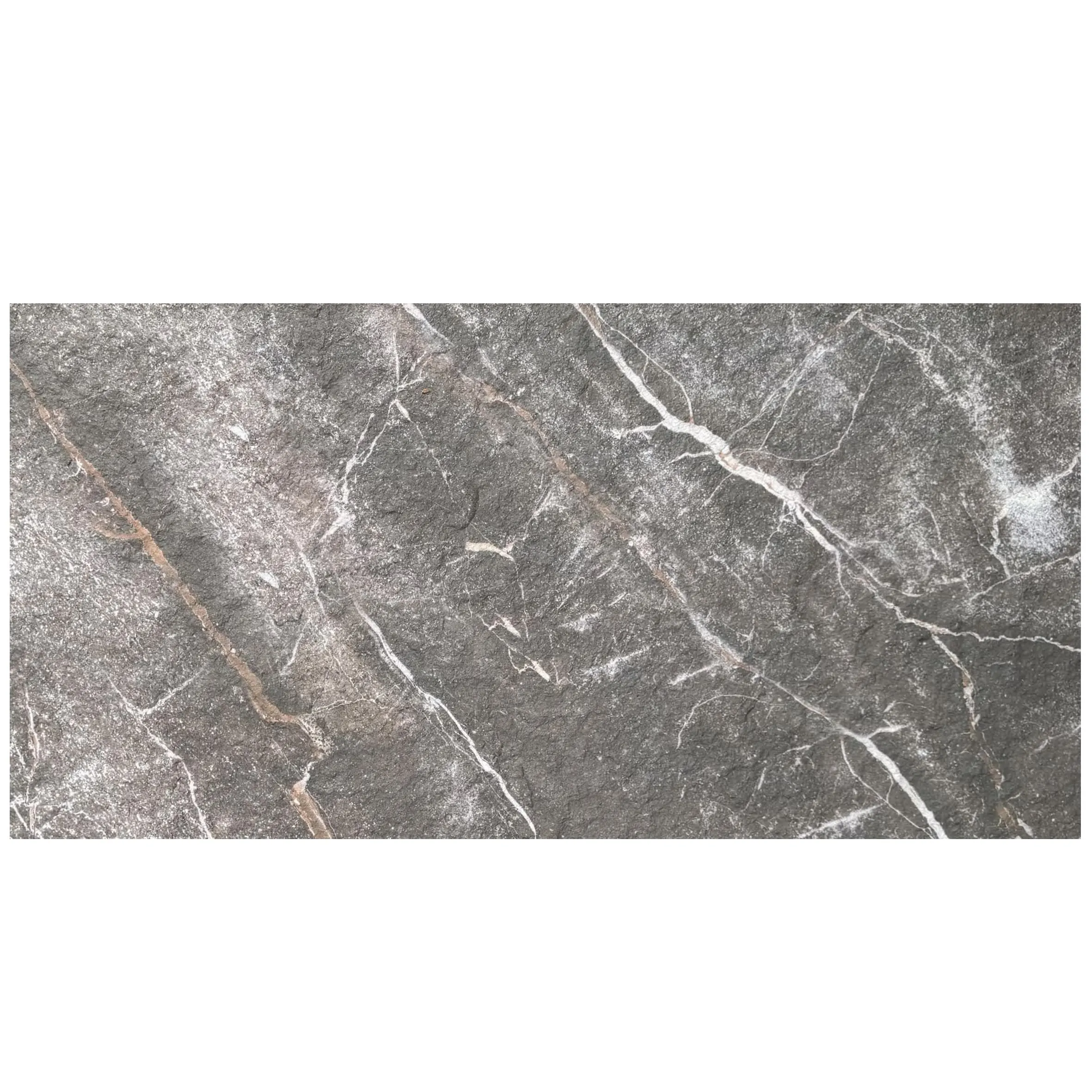
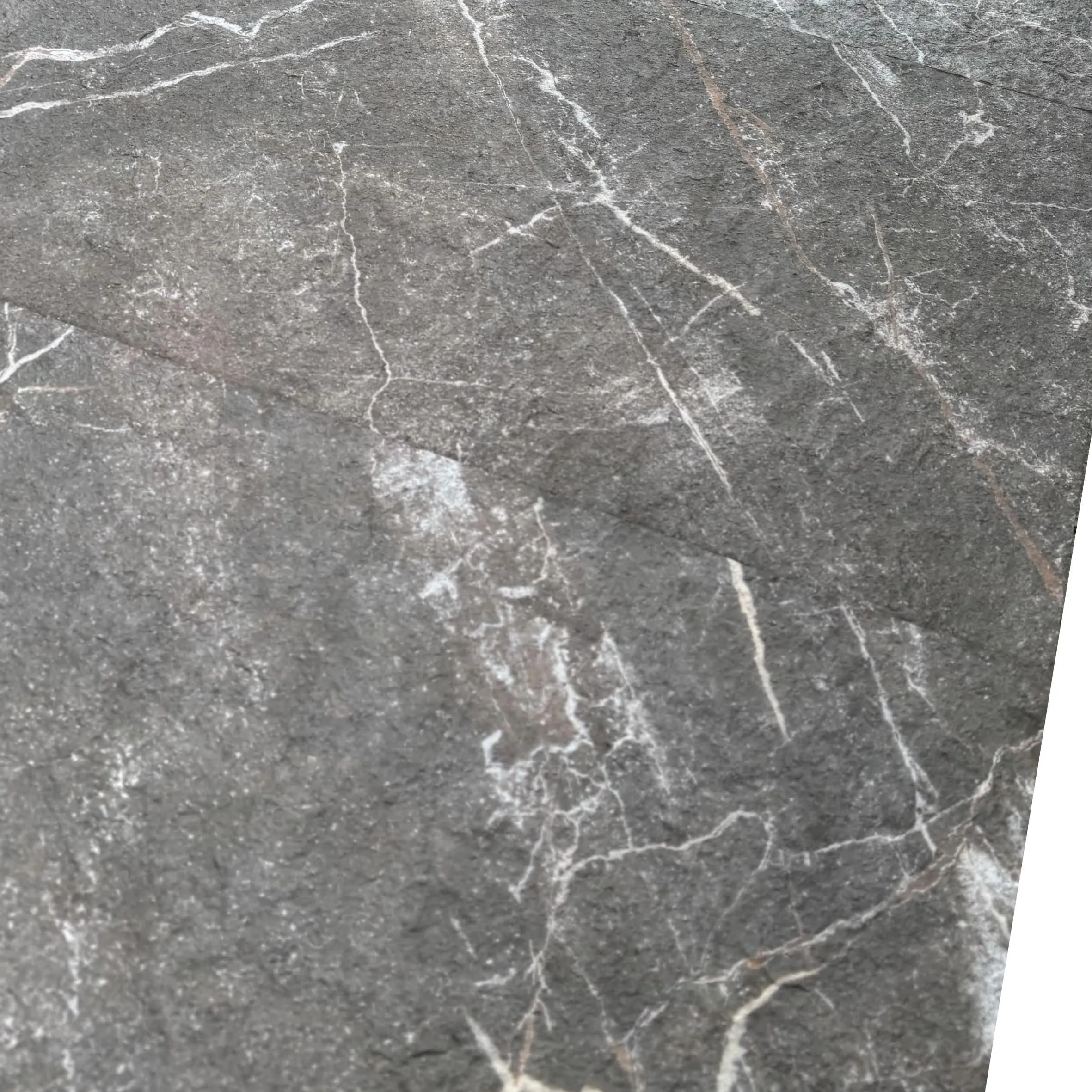
On the other side is Flexible Stone , a relative newcomer but a quick riser. Often part of MCM (Modified Composite Material) product lines—think MCM flexible stone —it's engineered to mimic the look of natural stone but with a twist: flexibility. Made by bonding thin layers of stone particles with polymers, it's lightweight, bendable, and comes in a dizzying array of textures and colors, from rugged boulder slab -inspired finishes to smooth, modern gradients.
In high-rise construction, weight isn't just a number—it's a structural reality. Every kilogram added to the exterior cladding forces engineers to beef up foundations, reinforce steel frames, and sometimes even scale back design ambitions. Here's where the contrast between our two materials hits first.
Granite Portoro is a heavyweight, literally. A typical 2cm-thick slab weighs around 50–60 kg per square meter. Multiply that by thousands of square meters on a 50-story building, and you're talking about hundreds of tons of extra load. That means thicker concrete foundations, stronger support beams, and higher construction costs from the ground up.
Flexible Stone, by comparison, is a featherweight. Thanks to its composite structure, it clocks in at just 8–12 kg per square meter—less than a quarter of Granite Portoro's weight. For builders, that's a game-changer. Lighter cladding reduces stress on the building's core, opens up design possibilities (think cantilevered sections or more intricate facades), and even cuts down on transportation costs, since more panels fit on a truck.
Builder's Take: "We worked on a 42-story residential tower last year where the client initially wanted natural granite. When we ran the numbers on the structural load, switching to Flexible Stone saved us from reinforcing three additional steel columns—and shaved three weeks off the foundation work," recalls Raj Patel, a construction project manager with City Heights Builders.
High-rises face a daily battering: gale-force winds at the top, driving rain, UV rays that fade colors, and temperature swings that make materials expand and contract. So, which material holds its ground better?
Granite Portoro has a reputation for toughness. As a natural stone, it's scratch-resistant, heat-resistant, and doesn't dent easily. Its density also means it's less porous than some stones (like marble), so it resists water absorption—though it still needs periodic sealing to prevent stains from rain or pollution. In ideal conditions, it can last 50+ years with minimal maintenance.
But here's the catch: granite is brittle. While it handles compression well (great for foundations), sudden impacts or structural movement (like a building swaying in the wind) can cause cracks. And those gold veins? They're actually mineral deposits that can weaken the stone in places, making it prone to chipping during installation or extreme weather.
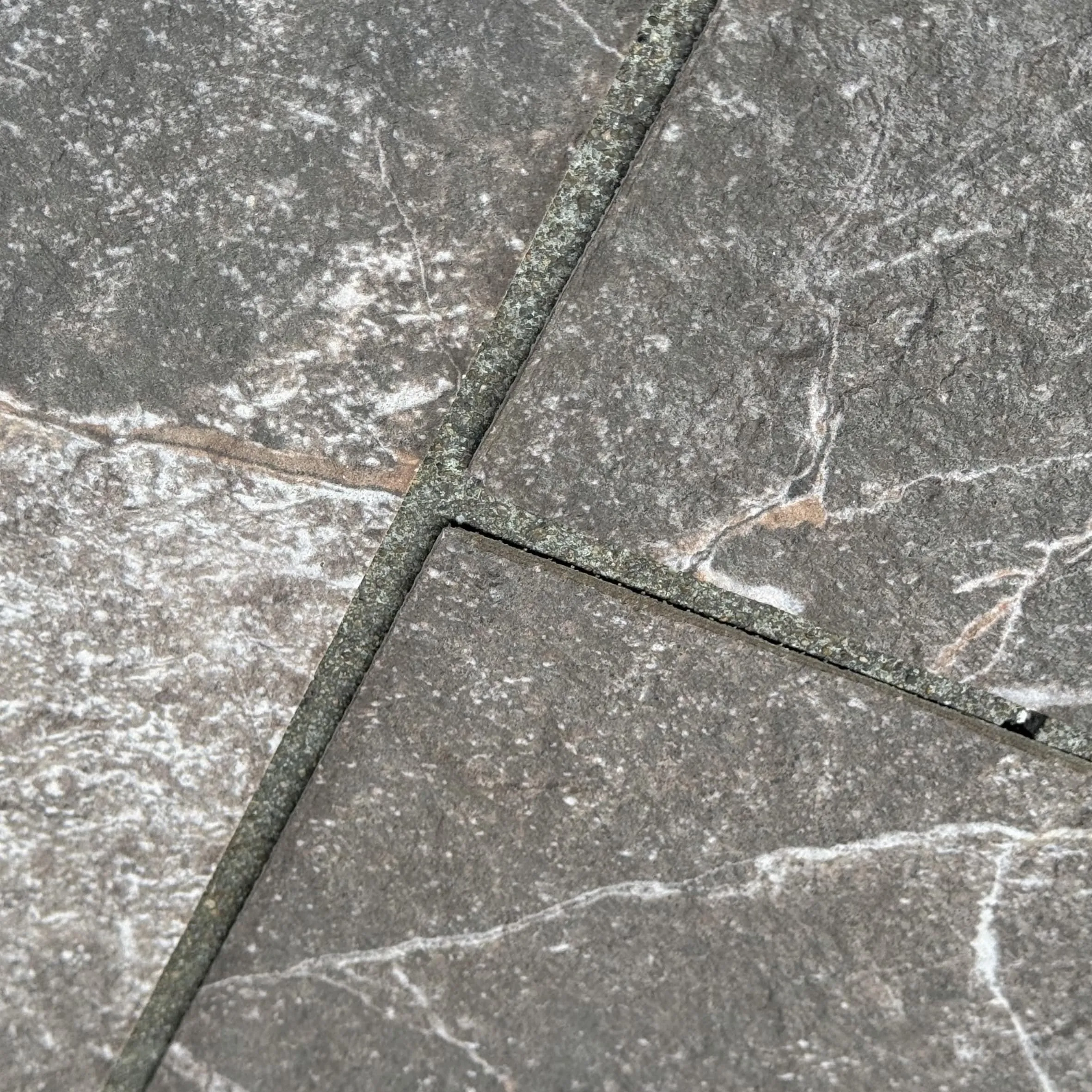
Flexible Stone, true to its name, bends before it breaks. Its polymer binding allows it to flex with a building's natural movement—critical in high-rises, which can sway several inches in strong winds. It's also impact-resistant; a stray construction tool dropped from a scaffold is more likely to bounce off than crack it. Most Flexible Stone products are treated with UV inhibitors and water-resistant coatings, so they fade slower than natural stone and don't need sealing. Lifespan? Manufacturers typically warranty it for 25–30 years, but early adopters report it holding up well beyond that.
For context, consider fair-faced concrete —another common high-rise cladding. It's durable but lacks the aesthetic warmth of stone. Flexible Stone bridges that gap: it has the longevity of concrete but the visual appeal of natural materials.
Installing cladding on a high-rise is no walk in the park. Cranes, scaffolding, and workers dangling from ropes add layers of complexity—and risk. How do Granite Portoro and Flexible Stone stack up here?
Granite Portoro slabs are heavy, unwieldy, and often custom-cut to size. Each slab requires a crane to hoist into place, and a team of 2–3 workers to maneuver it onto the facade. Misalignment can mean starting over, and the weight increases the risk of accidents if a lift fails. On a typical 30-story building, cladding with granite might take 12–16 weeks.
Flexible Stone, by contrast, is a installer's dream. Panels come in large sheets (up to 1.2m x 2.4m) that weigh as little as a bag of cement, so they can be carried by two workers without a crane. They're easy to cut on-site with standard tools, and their flexibility means they can conform to slight irregularities in the building's frame. Installation time? More like 6–8 weeks for that same 30-story building. Faster installation = lower labor costs and earlier project completion.
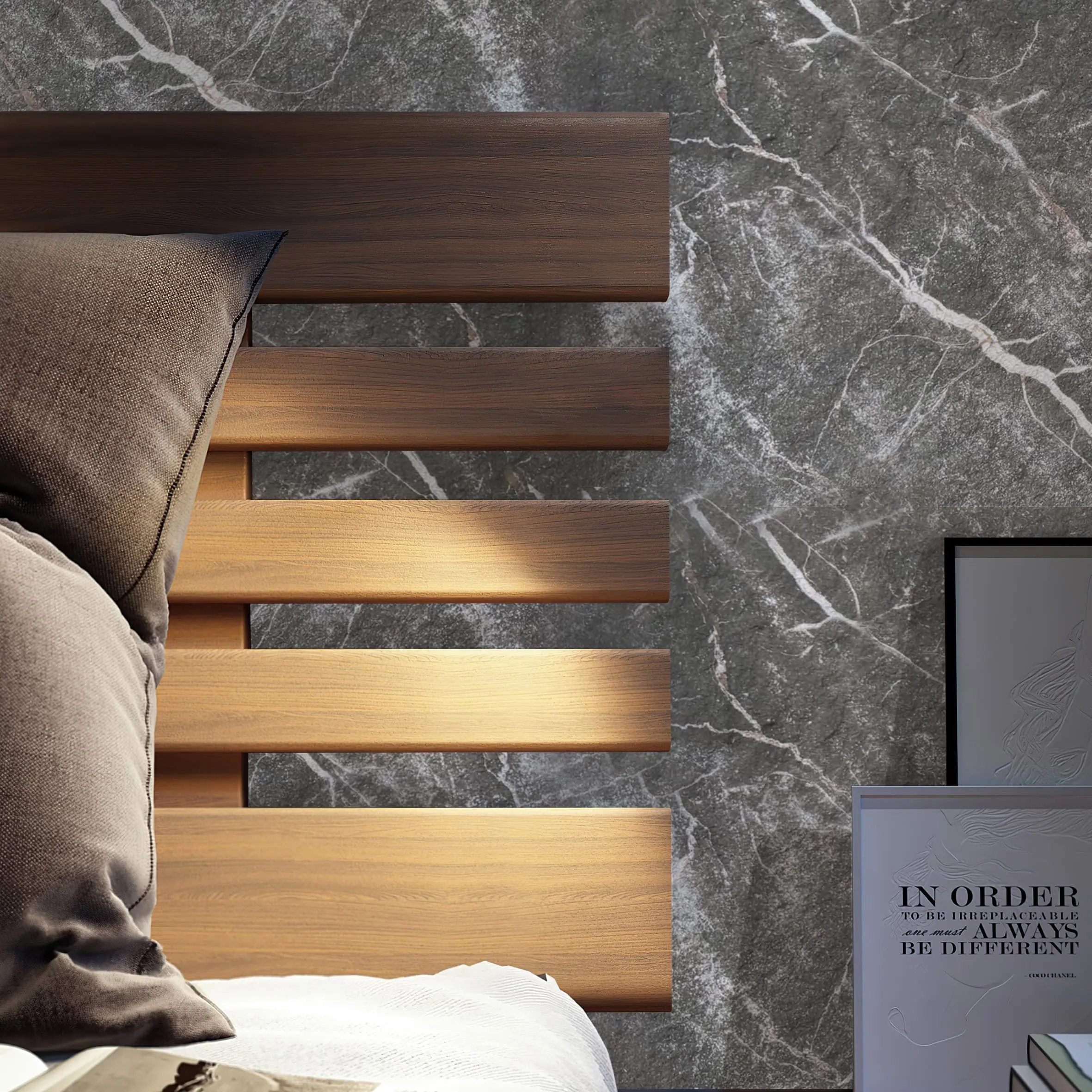
At the end of the day, buildings are meant to be seen. How do these materials shape a high-rise's personality?
Granite Portoro is unapologetically luxurious. Its black-and-gold veins are bold, dramatic, and instantly recognizable. It's the material of choice for buildings that want to say, "We've arrived"—think five-star hotels, corporate headquarters, or cultural landmarks. The downside? It's not for everyone. Its opulence can feel out of place in modern, minimalist designs, and color variation between slabs (a natural stone trait) can make achieving a uniform look tricky.
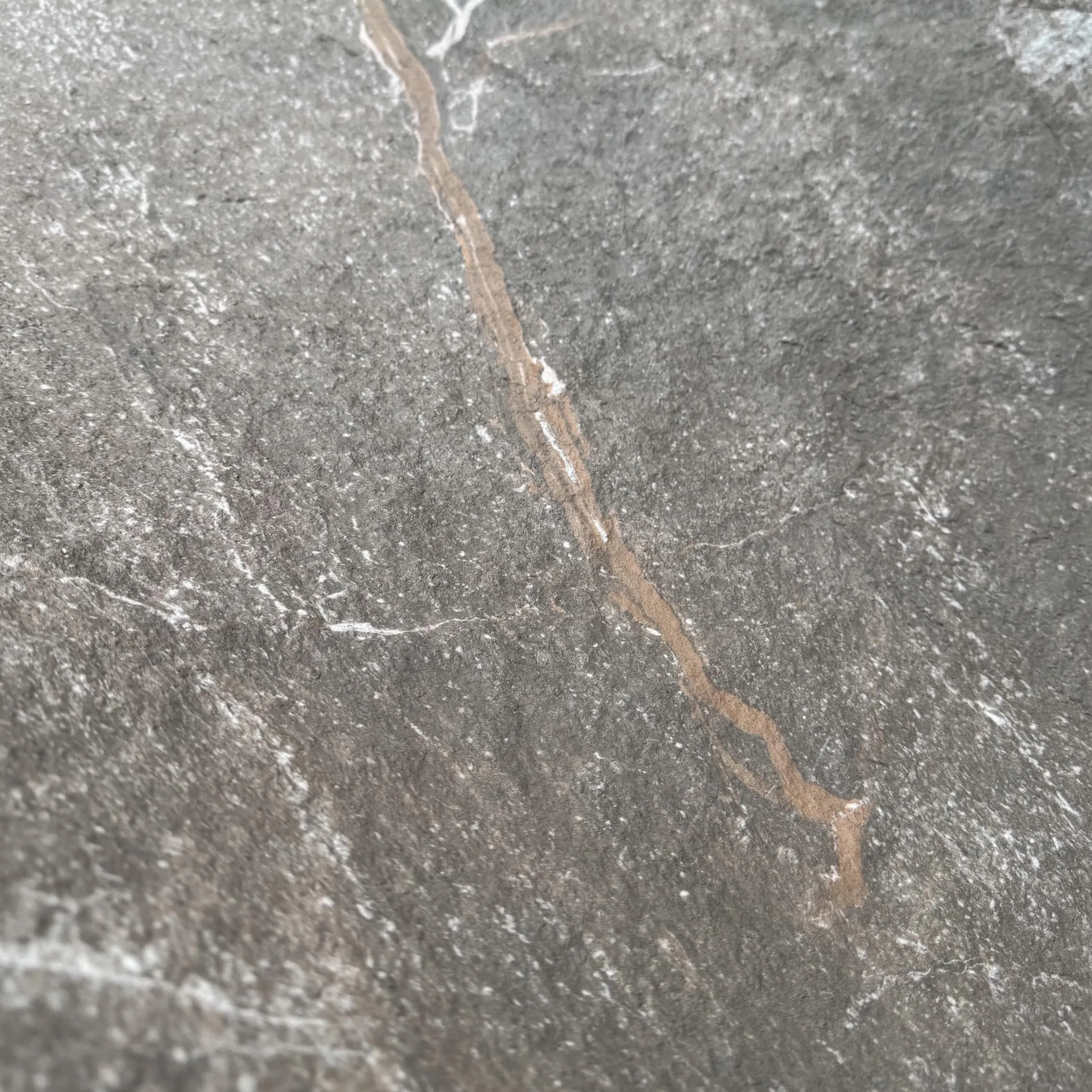
Flexible Stone, on the other hand, is a chameleon. Want the rugged look of boulder slab with vintage silver tones? Done. Prefer the soft, earthy texture of travertine? It can mimic that too. Manufacturers offer hundreds of colors and patterns, from sleek monochromes to stone-like textures with depth. And since it's engineered, each panel is consistent—no surprises with vein placement or color splotches. This versatility makes it a hit with architects designing everything from eco-friendly residential towers to cutting-edge tech campuses.
Architect's Perspective: "I used Granite Portoro for the lobby of the Metro Tower, but for the exterior, Flexible Stone let me create a gradient effect—starting with deep charcoal at the base and fading to a lighter gray at the top—that would've been impossible with natural stone," says Elena Kim, principal architect at Skyline Design Studio. "It turned a boxy building into something that feels dynamic, like it's reaching for the light."
These days, "green building" isn't just a trend—it's a requirement. Let's talk about the environmental footprint of each material.
Granite Portoro's sustainability story is mixed. Quarrying natural stone is energy-intensive, and transporting heavy slabs across the globe (from Italy to, say, Dubai) adds to its carbon footprint. On the plus side, it's 100% natural and recyclable at the end of its life. But overall, it's a resource-heavy choice.
Flexible Stone, being a composite, often uses recycled materials (like stone dust from quarry waste or recycled polymers) in its production. Its lightweight nature also cuts transportation emissions—one truck can carry 10x more Flexible Stone panels than granite slabs. Some brands even use low-VOC adhesives and water-based coatings, making installation healthier for workers. It's not perfect (the polymers are synthetic), but it's generally a more eco-friendly option than traditional natural stone.
| Factor | Granite Portoro | Flexible Stone (MCM) |
|---|---|---|
| Weight (per sq m) | 50–60 kg | 8–12 kg |
| Installation Time (30-story building) | 12–16 weeks | 6–8 weeks |
| Durability (Lifespan) | 50+ years (with sealing) | 25–30 years (warranty) |
| Aesthetic Versatility | Limited (signature black/gold veins) | High (mimics stone, concrete, boulder slab , etc.) |
| Sustainability | High carbon footprint (quarrying/transport) | Lower footprint (recycled materials, lightweight transport) |
| Best For | Luxury, iconic buildings prioritizing tradition | Modern, flexible designs prioritizing efficiency and eco-friendliness |
There's no one-size-fits-all answer, but here's a quick guide:
Choose Granite Portoro if… You're building a landmark structure where luxury and timelessness are non-negotiable, and budget/weight constraints aren't a dealbreaker. Think: a five-star hotel, a museum, or a corporate headquarters aiming for "prestige."
Choose Flexible Stone if… You need a lightweight, versatile, and eco-friendly option that can adapt to your design vision—whether that's a sleek, modern look or a textured, natural feel. It's ideal for residential towers, tech offices, or any project where speed, cost, and sustainability matter.
At the end of the day, both materials have their place. Granite Portoro is the grand old master, steeped in history and luxury. Flexible Stone is the innovative upstart, built for the demands of modern construction. The best projects often blend the two—using natural stone for focal points (like lobbies or accent walls) and Flexible Stone for the bulk of the exterior, creating a building that honors the past while reaching for the future.
Recommend Products












