
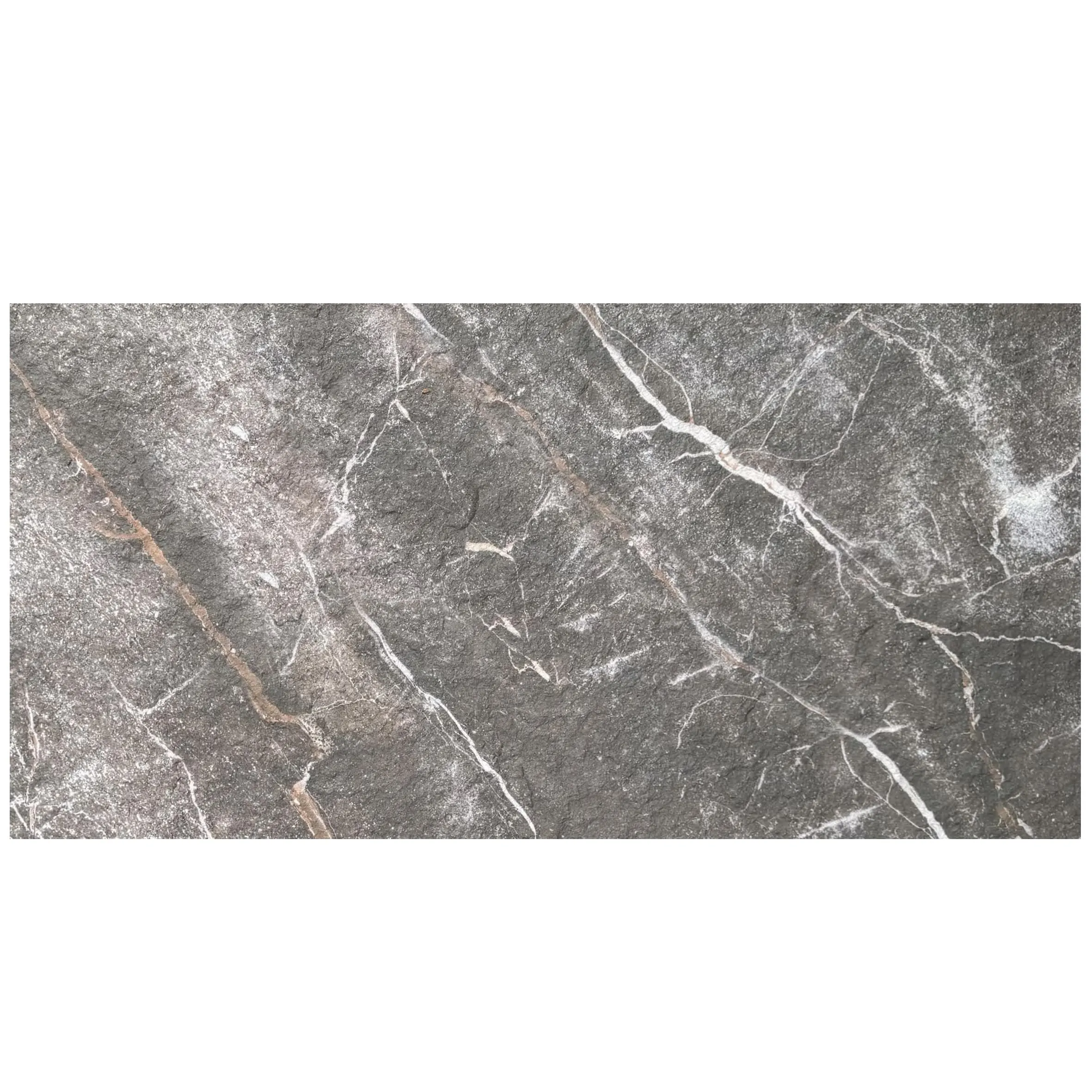
Choosing the right building material is like picking the perfect ingredient for a signature dish—it sets the tone, defines the character, and can make or break the final result. For architects, builders, and even homeowners, the balance between aesthetics, durability, and budget is a constant dance. Today, we're zeroing in on two heavyweights in the construction world: the timeless luxury of Granite Portoro and the innovative flexibility of MCM flexible stone , specifically the game-changing MCM big slab board series . If you've ever wondered whether splurging on natural stone is worth it or if modern composites can deliver the same punch at a fraction of the cost, you're in the right place. Let's dive into a detailed cost breakdown, real-world insights, and what these materials bring to the table beyond just price tags.
First, let's get acquainted with Granite Portoro . If natural stone had a red carpet moment, this would be it. Hailing from quarries in Italy (though similar variants are found in Brazil and India), Portoro is often mistaken for marble, but make no mistake—it's a granite, which means it's harder, denser, and even more durable. What sets it apart? That iconic black base swirled with bold gold veins, a pattern so striking it's been a favorite in luxury spaces for decades. Think grand hotel lobbies, high-end residential foyers, and statement countertops that demand attention.
But here's the thing about natural granite: its beauty comes with a price, and not just the sticker kind. Quarrying Granite Portoro is labor-intensive. Massive blocks are extracted from the earth, cut into slabs, and then polished to a high shine using diamond-tipped tools. Each slab is unique—no two will have the exact same vein pattern—which is part of its allure, but also adds complexity to production. And let's not forget weight: a standard 2cm thick slab can weigh 50-60 kg per square meter. That's a lot of heft, and it impacts everything from transportation to installation.
When contractors quote you a price for Granite Portoro , they're not just selling stone—they're selling a process. Let's break it down step by step:
Raw Material Cost: The base cost of the stone itself. For premium Portoro, this typically ranges from $180 to $220 per square meter. Why the range? Quality matters. Slabs with more consistent gold veining or fewer imperfections (like cracks or discoloration) fetch higher prices. If you're sourcing from Italy, expect to pay the upper end; regional variants might dip lower but lack that authentic Portoro flair.
Fabrication: Once the raw slab is extracted, it needs to be cut to size, edge-finished (think bullnose or beveled edges), and polished. This step adds another $60 to $90 per square meter. Specialized cuts—like curved edges for countertops or custom shapes for cladding—can push this up to $120 per square meter. Remember, natural stone is unforgiving; a single mistake during cutting can ruin an entire slab, so fabricators charge a premium for precision.
Transportation: Moving 50kg slabs isn't cheap. From the quarry to the fabrication facility, then to your project site—each leg of the journey adds cost. If you're in a region far from the source (say, the Middle East or Southeast Asia), expect transportation fees of $30 to $50 per square meter. International shipping, customs duties, and local logistics all play a role here. For example, a project in Dubai importing Granite Portoro from Italy might pay 20-30% more in transport costs than a project in Milan.
Installation: Finally, getting those heavy slabs in place. Installing Granite Portoro isn't a DIY job. It requires skilled masons who can handle the weight without damaging the slab or the substrate. You'll need mortar, sealants, and sometimes additional structural support (like reinforced framing for cladding). Installation costs hover between $100 and $150 per square meter. In high-rise buildings, where cranes or specialized lifting equipment are needed, this can jump to $200 per square meter.
Adding it all up, the total cost for Granite Portoro typically lands between $370 and $510 per square meter. And that's before extras like sealing (to prevent staining) or repairs for any on-site damage. It's a significant investment, but for many, the payoff is that timeless, luxury aesthetic that natural stone alone can provide.
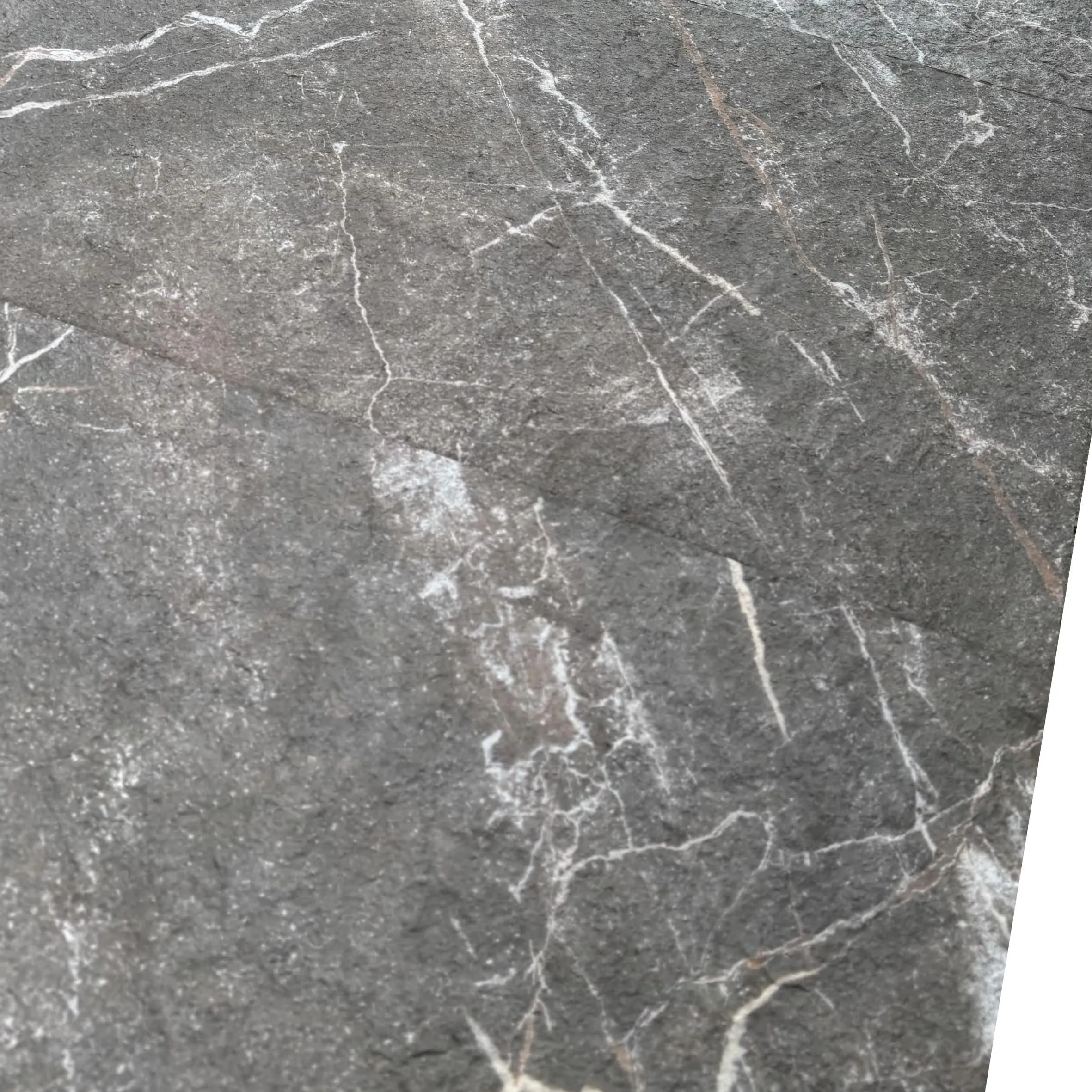
Now, let's shift gears to MCM flexible stone . If Granite Portoro is the classic Hollywood star, MCM is the indie darling—innovative, versatile, and redefining the rules. MCM stands for Modified Composite Material, and it's exactly what it sounds like: a blend of natural stone powder (think marble, granite, or limestone dust), polymers, and a flexible backing (like fiberglass or mesh). The result? A thin, lightweight sheet that looks and feels like natural stone but bends, cuts, and installs with the ease of a vinyl panel.
The MCM big slab board series takes this innovation further. These panels come in larger sizes—often 1200x2400mm or even bigger—meaning fewer seams, faster installation, and a more seamless finish. Whether you're cladding a curved facade, wrapping a column, or covering a large wall, the big slab series eliminates the hassle of piecing together small tiles. And with textures that mimic everything from rough-hewn granite to polished marble, it's no wonder MCM is gaining traction in both commercial and residential projects.
But what really makes MCM flexible stone stand out is its weight: just 3-5 kg per square meter. That's 10 times lighter than Granite Portoro . Suddenly, transportation becomes a breeze, installation requires fewer workers, and structural support is minimal. It's a game-changer for projects where weight is a constraint—like retrofitting old buildings or constructing high-rises where every kilogram counts.
Compared to natural stone, MCM flexible stone is often marketed as a budget-friendly alternative, but let's see if the numbers back that up. Here's how the costs stack up:
Raw Material Cost: MCM is manufactured in factories, not quarries, which streamlines production. The base material cost for the MCM big slab board series ranges from $50 to $70 per square meter. Why the variation? Customization. If you want a specialized texture (like the "starry blue" or "rustic gold" finishes from some brands) or a thicker panel (3mm vs. 2mm), you'll pay more. Standard colors and textures, though, sit comfortably in the $50-60 range.
Fabrication: Since MCM is a composite, fabrication is a breeze. Panels are pre-cut to size in the factory, and edge finishing is done with simple tools (no diamond saws needed). Fabrication costs are minimal—just $15 to $30 per square meter. Even custom cuts for windows or doors add little to the price, making MCM ideal for projects with complex designs.
Transportation: Remember that 3-5 kg per square meter weight? It's a logistics dream. A single truck can carry 10 times more MCM panels than granite slabs, slashing transportation costs. Expect to pay $10 to $20 per square meter for shipping, even for international deliveries. In regions like the UAE or Kuwait, where construction booms demand efficient supply chains, this is a huge advantage.
Installation: Installing MCM is so straightforward that even semi-skilled labor can handle it. The panels are lightweight enough to carry by hand, and they adhere to substrates (like concrete or metal) using specialized adhesives. No heavy lifting equipment, no structural reinforcements—just a trowel and a level. Installation costs range from $40 to $60 per square meter, and with the MCM big slab board series , you'll save even more time (and money) by covering more area per panel.
Adding it all up, the total cost for MCM flexible stone (big slab series) comes in at $115 to $180 per square meter. That's less than half the cost of Granite Portoro —a staggering difference that's hard to ignore.
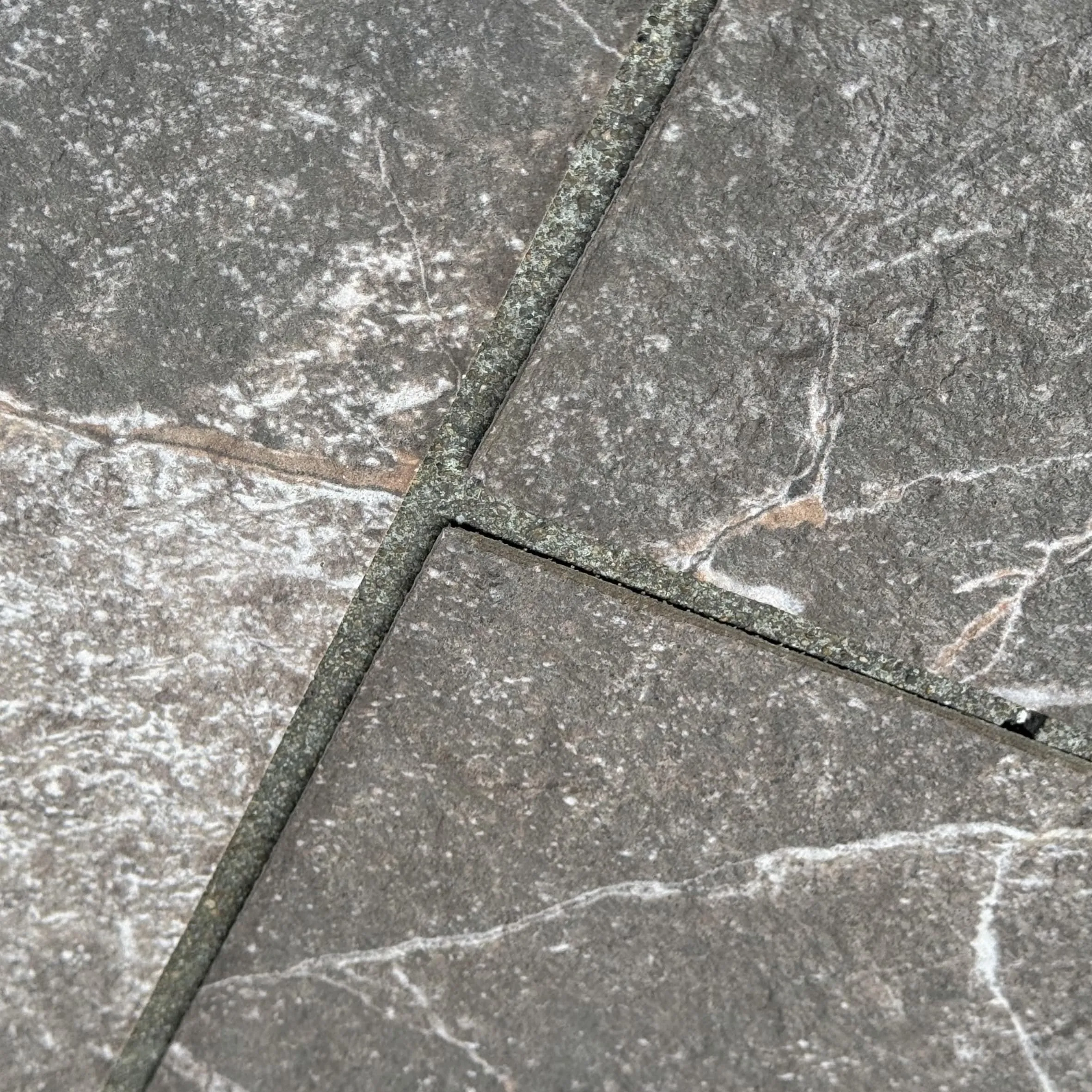
Numbers tell a clearer story than words, so let's put Granite Portoro and MCM flexible stone head-to-head. The table below breaks down their costs per square meter, so you can see exactly where your money goes:
| Cost Component | Granite Portoro | MCM Flexible Stone (Big Slab Series) |
|---|---|---|
| Material Cost | $180 – $220 | $50 – $70 |
| Fabrication | $60 – $90 | $15 – $30 |
| Installation | $100 – $150 | $40 – $60 |
| Transportation | $30 – $50 | $10 – $20 |
| Total Estimated Cost | $370 – $510 | $115 – $180 |
At a glance, MCM flexible stone is the clear winner in upfront cost. But cost alone rarely tells the whole story. Let's dig deeper into the factors that might make you lean one way or the other.
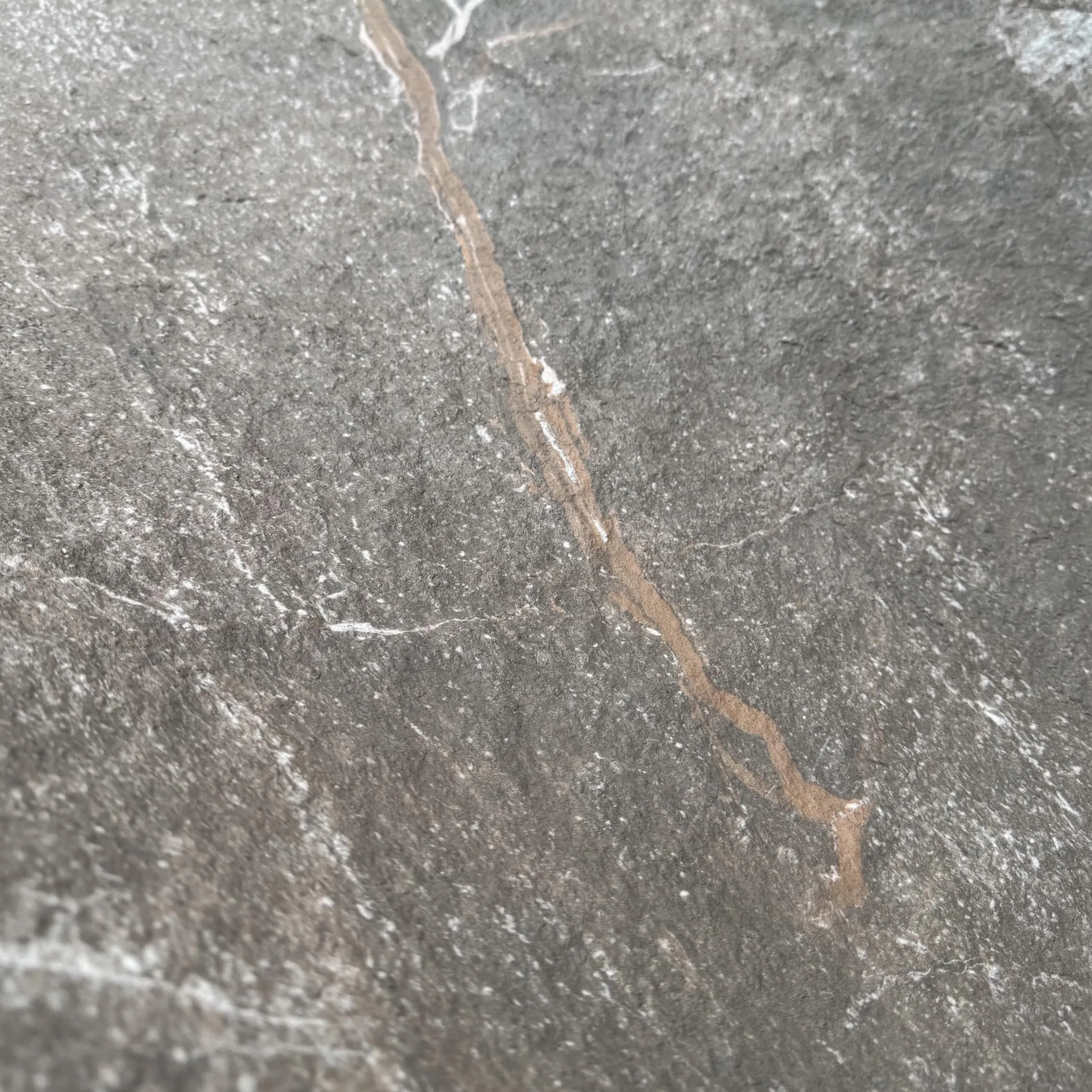
Both materials have wildcards that can swing the final price. For Granite Portoro , location is a big one. If you're in a landlocked country, shipping costs skyrocket. For example, a project in Kuwait might pay $50-60 per square meter just to get Portoro from Italy, whereas a project in Spain (closer to the quarry) might pay $20-30. Then there's finish: a honed (matte) surface is cheaper than a polished one, but let's be real—Portoro's veins shine brightest with a high polish.
For MCM flexible stone , customization is the main variable. Want a MCM big slab board series panel that mimics Granite Portoro 's gold veins? That's possible, but it'll cost extra—maybe $10-15 per square meter for custom printing. Order volume also matters: bulk orders (1000+ square meters) can knock 10-15% off the material cost, which is why commercial projects often get better rates than small residential jobs.
And let's not forget the "hidden" costs. Granite Portoro requires sealing every 3-5 years to prevent stains (costing $15-25 per square meter each time). MCM, on the other hand, is inherently stain-resistant and needs nothing more than a yearly wash with soap and water. Over 20 years, that sealing cost adds up—maybe $100-150 per square meter for granite vs. $0 for MCM. Suddenly, the gap widens even more.
Cost is critical, but context matters. Let's look at two scenarios where each material shines:
The client wants opulence. Think chandeliers, marble floors, and a first impression that screams "five-star." Here, Granite Portoro makes sense. The gold veins complement the lobby's gold accents, and the natural stone's heft adds a sense of permanence and luxury. The budget is high, and the client is willing to pay for that "wow" factor. Total cost? Around $450 per square meter for 200 square meters of cladding—$90,000. But the ROI? A lobby that guests will Instagram, boosting the hotel's brand value.
The client wants modern, durable, and under budget. The building is 10 stories high, and the facade needs to withstand the UAE's harsh sun and sandstorms. MCM flexible stone (big slab series) is the answer. The lightweight panels mean no extra structural support, and the large size (1200x2400mm) cuts installation time by 40%. The texture is chosen to mimic Granite Portoro —close enough to look high-end, but at a fraction of the cost. Total cost? $150 per square meter for 1000 square meters—$150,000. The client saves $300,000 compared to granite, which goes toward other upgrades like energy-efficient windows.
Let's be honest: no material is perfect. Granite Portoro has its perks beyond luxury:
Pros: Unmatched durability (it can last 100+ years with proper care), heat resistance (ideal for kitchens or outdoor spaces), and natural uniqueness (each slab is a one-of-a-kind work of art).
Cons: Heavyweight (requires structural planning), high upfront cost, and limited flexibility (can't bend around curves without breaking).
For MCM flexible stone :
Pros: Lightweight (eases installation and transportation), cost-effective, flexible (bends up to 90 degrees), and low maintenance. The MCM big slab board series also reduces waste—fewer cuts mean less material thrown away.
Cons: Not as heat-resistant as natural granite (avoid direct contact with open flames), and while it mimics stone well, some purists argue it lacks the "soul" of natural stone. It also has a shorter lifespan—around 30-40 years vs. granite's centuries.
So, which is better: Granite Portoro or MCM flexible stone ? The answer depends on what you value most. If budget is no object and you crave the timeless luxury of natural stone, Portoro is worth every penny. It's an investment in beauty and durability that will only appreciate over time.
But if you're balancing cost, versatility, and modern design needs, MCM flexible stone —especially the MCM big slab board series —is a revelation. It delivers the look of natural stone at half the cost, with installation and maintenance benefits that make it a practical choice for large-scale projects. And let's not overlook sustainability: MCM uses recycled stone powder and produces less waste than quarrying, making it a greener option for eco-conscious builders.
At the end of the day, both materials have their place. Granite Portoro is the legacy choice, while MCM is the future-forward one. The next time you're standing in front of a stone-clad wall, take a closer look—you might just be surprised by which one it is. And whether you choose classic or cutting-edge, remember: the best material is the one that aligns with your project's goals, your budget, and the story you want to tell.
Recommend Products












