
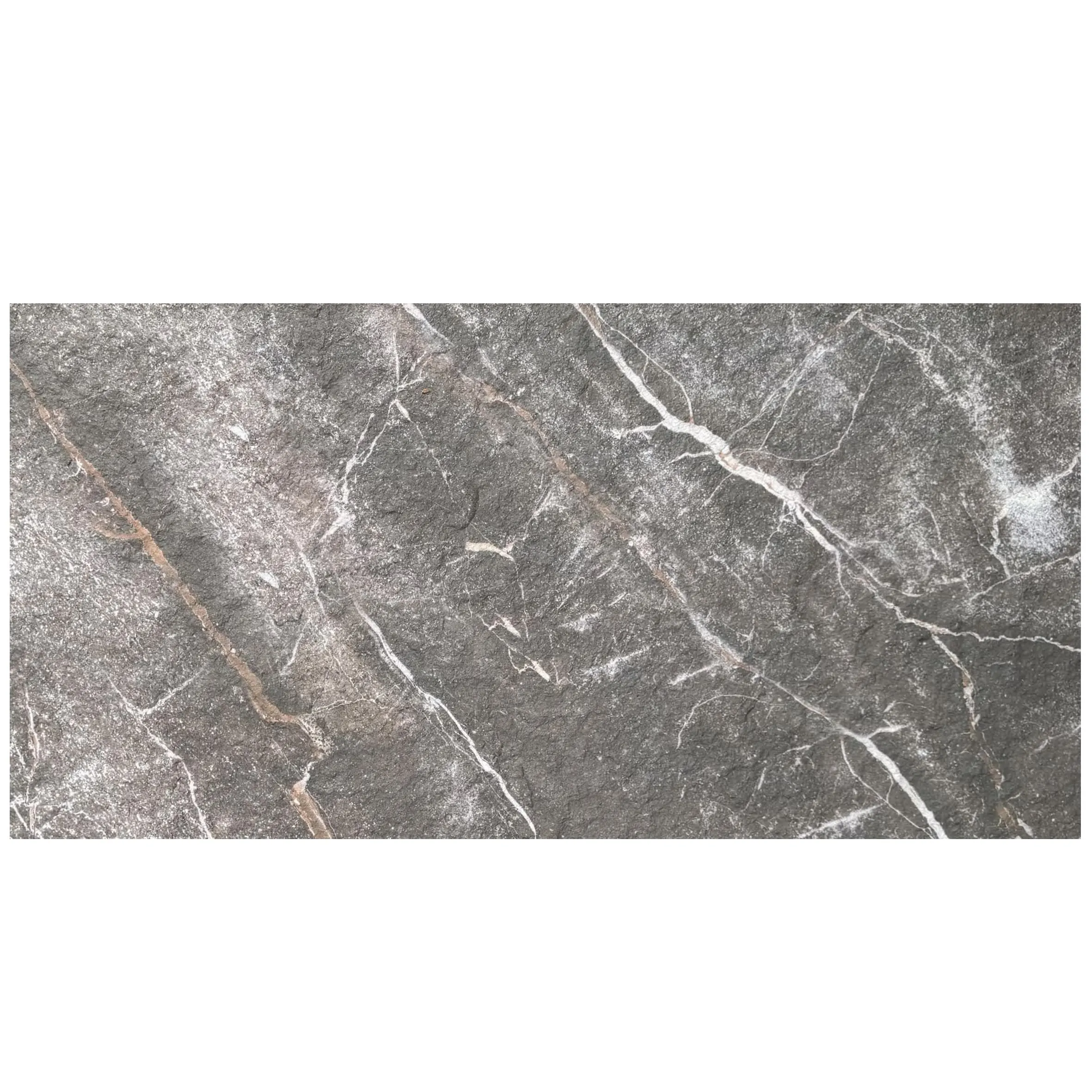
Choosing the right exterior cladding is more than a design decision—it's about crafting a building's identity, balancing durability with beauty, and ensuring it stands the test of time (and weather).
Think of a building's exterior as its first impression. It's what greets passersby, reflects the structure's purpose, and protects the heart of the space from rain, wind, and sun. For architects and designers, selecting cladding is a dance between tradition and innovation—between materials that have stood for centuries and new technologies that redefine what's possible.
Two contenders often rise to the top: Granite Portoro , a bold, natural stone with a legacy of grandeur, and MCM Flexible Stone , a modern composite that bends the rules of what cladding can do. Let's dive into their differences, strengths, and how they shape the buildings we live and work in.
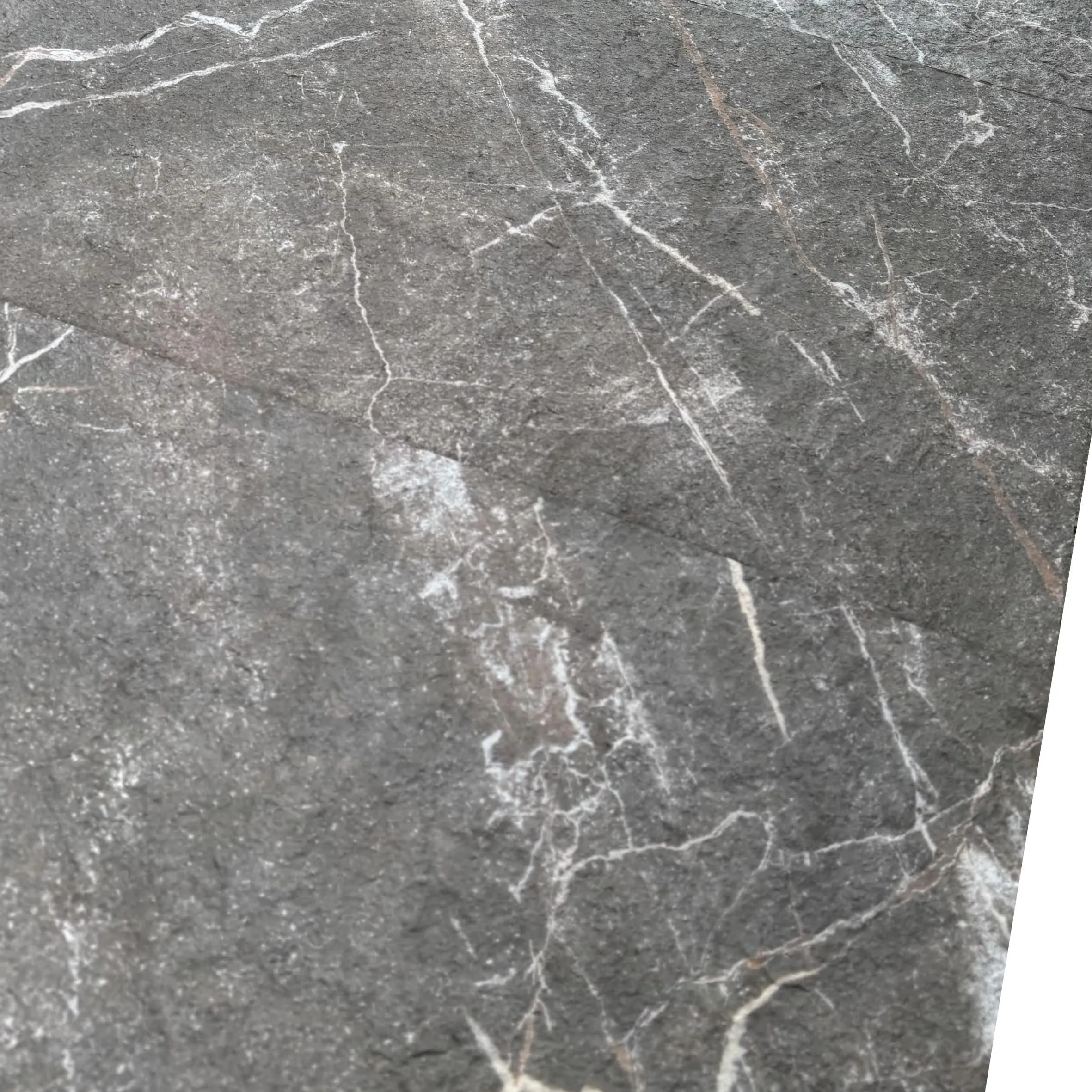
Granite Portoro isn't just a material—it's a story written in stone. Mined from select quarries, primarily in Italy, this natural granite is formed over millions of years as molten rock cools and crystallizes deep within the Earth. Its dense, igneous structure gives it that signature toughness, but it's the stone's appearance that truly turns heads: rich black backgrounds swirled with gold and white veining, like a night sky dusted with starlight. It's the kind of material that feels "permanent," carrying the weight of geological time in every slab.
MCM Flexible Stone, on the other hand, is a product of human ingenuity. Short for "Modified Composite Material," it's engineered in labs and factories, blending natural stone particles (often recycled from quarry waste) with a lightweight, flexible polymer backing. This hybrid approach marries the authentic look of stone with the practicality of modern materials. Imagine taking the texture of travertine (beige) —with its soft, porous charm—or the raw, industrial vibe of fair-faced concrete , and making it bendable, lightweight, and easy to install. That's MCM in a nutshell: nature's beauty, reimagined for the demands of today's construction.
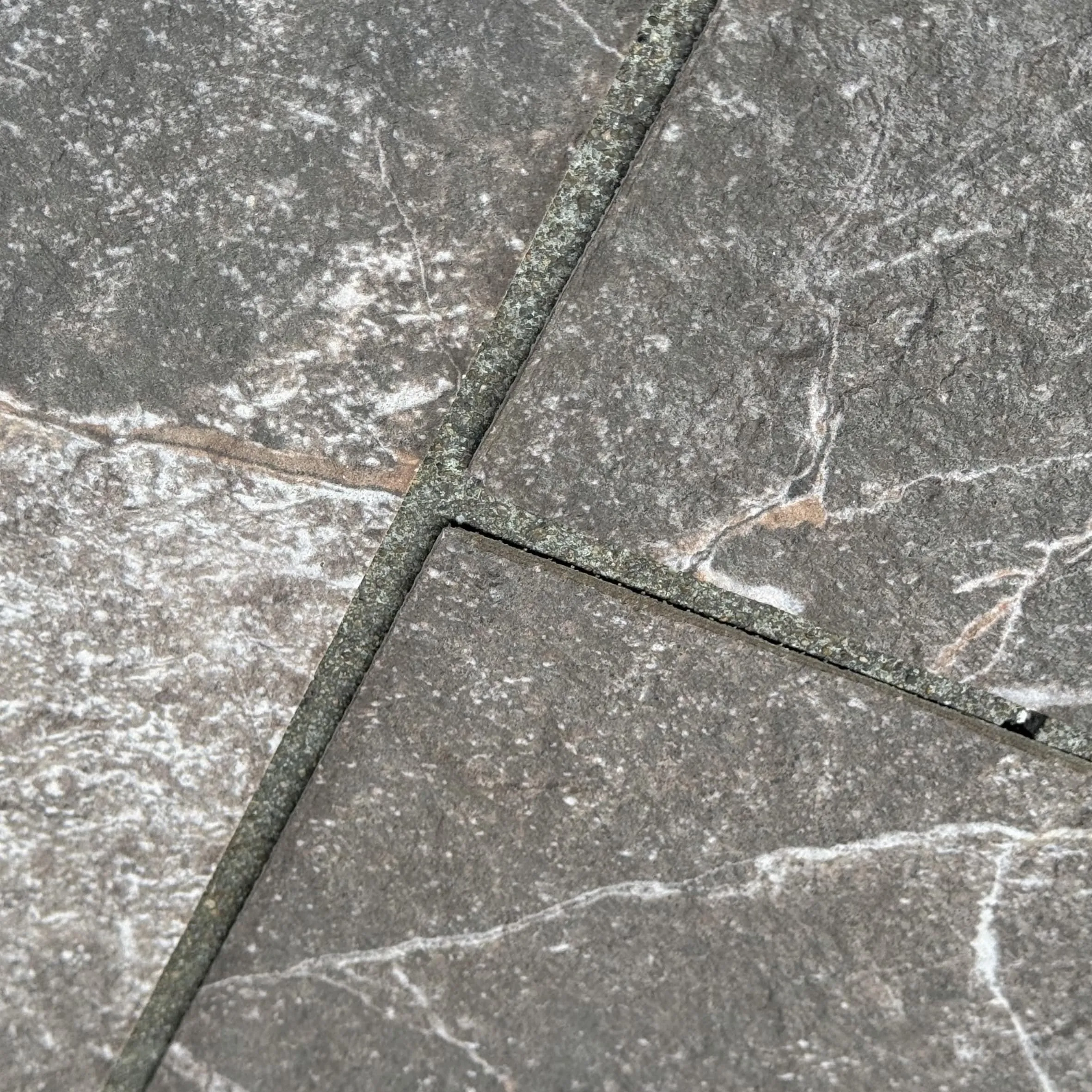
When it comes to looks, Granite Portoro is the definition of "statement piece." Its bold veining and high-gloss finish make it a favorite for luxury projects—think boutique hotels, historic bank facades, or upscale residential buildings where opulence is key. It doesn't just cover a wall; it commands attention, evoking a sense of grandeur that's hard to replicate. But here's the catch: its aesthetic is fixed. You get what the quarry gives you, which means limited color options and vein patterns. For some, that's part of its allure—the uniqueness of each slab, like a fingerprint from the Earth.
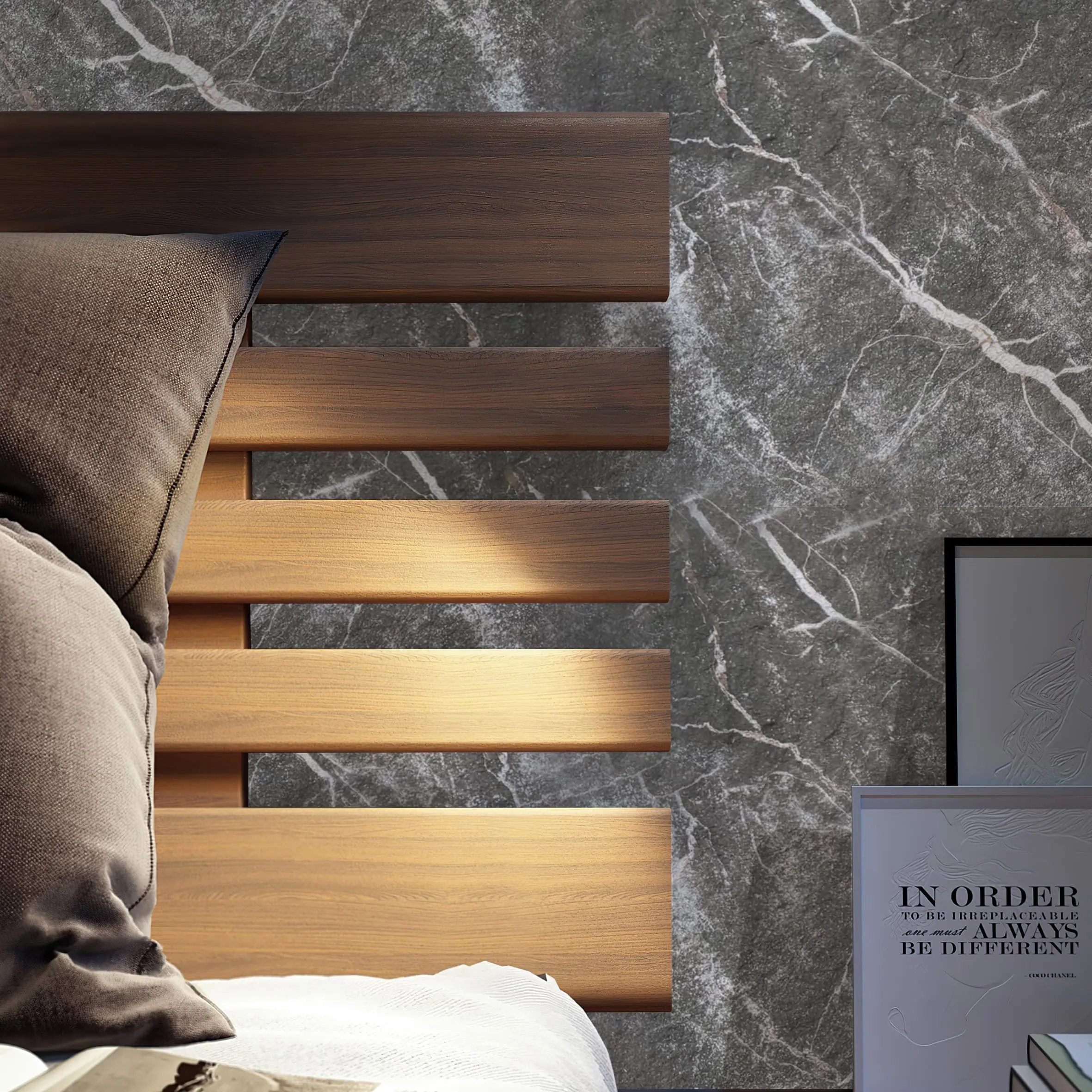
MCM Flexible Stone, by contrast, is a chameleon. Want the warm, earthy tones of travertine (beige) for a Mediterranean-style villa? Done. Craving the sleek, understated look of fair-faced concrete for a minimalist office building? MCM can mimic that too. And it doesn't stop there—manufacturers offer textures ranging from rough-hewn stone to smooth metallic finishes (though we're focusing on stone here). The flexibility extends to size and shape, too: MCM panels can be cut into custom dimensions, curved around corners, or even printed with patterns. It's a designer's dream for projects that want to push boundaries—like a modern art museum with a facade that shifts color depending on the light, or a community center that blends into its natural surroundings with soft, stone-like hues.
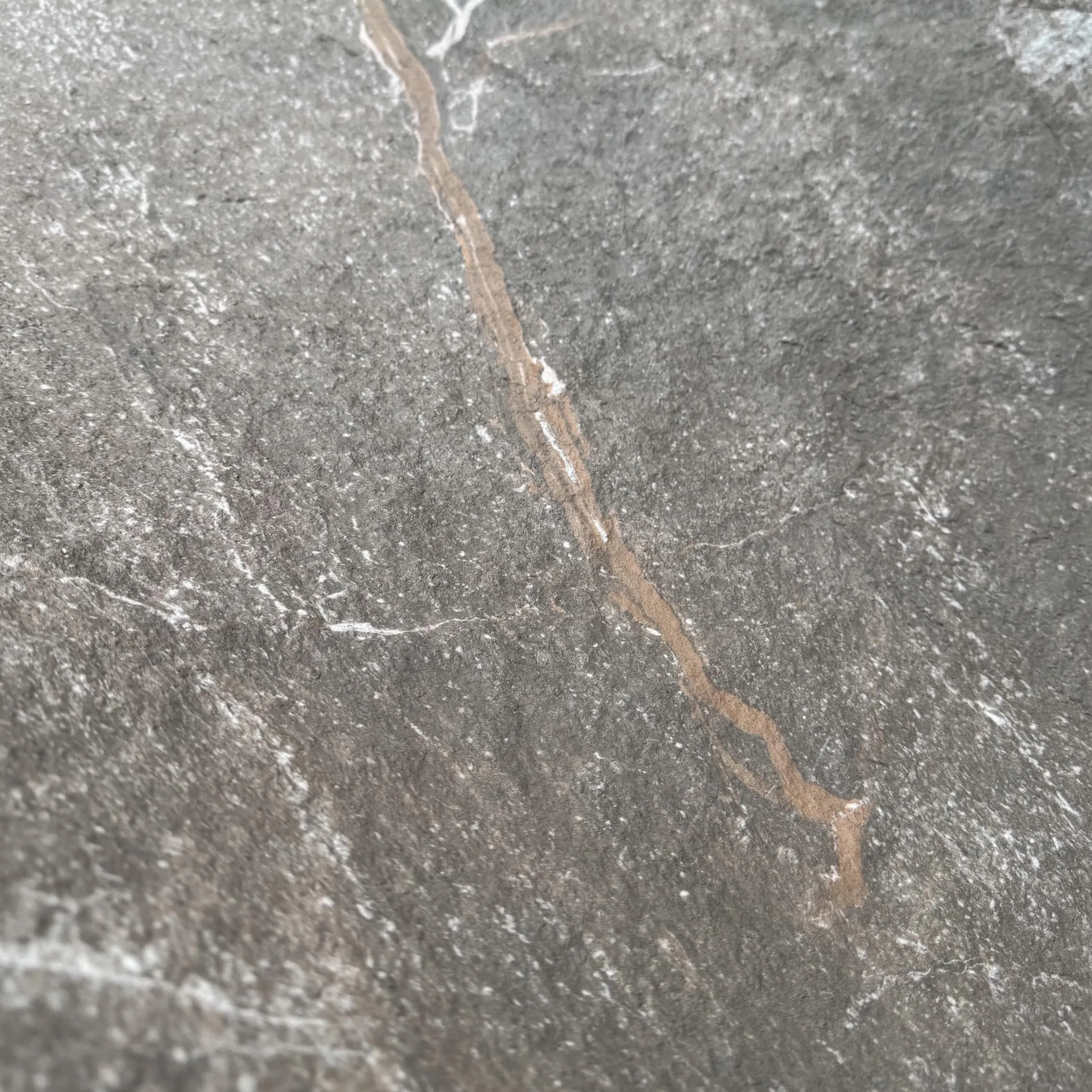
Granite is legendary for its toughness. It's resistant to scratches, heat, and most chemicals, and it can stand up to decades of rain, snow, and UV rays without fading. That's why you'll find it on ancient monuments and historic buildings—its durability is proven. But it's not indestructible. Its density makes it heavy (we're talking 150-200 kg per square meter), which puts stress on a building's structure. If the foundation shifts or the installation is shoddy, granite slabs can crack or detach. It's also porous (yes, even dense granite), meaning it needs regular sealing to prevent stains from oil, graffiti, or pollution—especially in urban areas.
MCM Flexible Stone flips the script on durability. At just 3-5 kg per square meter, it's lightweight enough to be installed on almost any structure without extra support. Its flexibility is its superpower: unlike rigid granite, MCM can absorb impacts (think hailstorms or accidental bumps from construction equipment) without cracking. It's also engineered to be weather-resistant—most panels are UV-stabilized, water-repellent, and mold-resistant, with minimal fading over time. And because it's non-porous, there's no need for sealing. The tradeoff? While it holds up well to daily wear, it might not have the same "lifespan" as granite. Most manufacturers warranty MCM for 15-20 years, compared to granite's potential 50+ years with proper care. But for many projects, 20 years of low-maintenance performance is more than enough—especially when paired with the material's other benefits.
| Feature | Granite Portoro | MCM Flexible Stone |
|---|---|---|
| Material Type | Natural igneous rock | Engineered composite (stone particles + polymer backing) |
| Weight (per sq.m) | 150-200 kg | 3-5 kg |
| Installation Time | Slow (requires heavy machinery, skilled labor) | Fast (lightweight, easy to handle, adhesive or mechanical fixing) |
| Weather Resistance | Excellent (with sealing) | Excellent (no sealing needed) |
| Cost (Material + Labor) | High ($150-300 per sq.m) | Moderate ($50-100 per sq.m) |
Ask any contractor about installing granite, and they'll probably sigh (then charge extra). Granite Portoro's weight means you need cranes, scaffolding, and a team of experienced stonemasons to handle and secure each slab. Even transporting it from quarry to site is a logistical headache—trucks need special permits, and delays are common. Once on-site, installation requires precise measurements and structural reinforcement; a single mistake can lead to costly repairs. It's not just about putting up a wall—it's a construction event.
MCM Flexible Stone is the opposite: it's designed for ease. Carpenters or general contractors can install it with basic tools—no specialized training needed. Panels come in large sheets (often 1.2m x 2.4m) that can be cut with a utility knife, and they attach via adhesive or simple mechanical fasteners. This speed translates to lower labor costs and faster project timelines. For a commercial building with a tight deadline, that's a game-changer. Imagine finishing a facade in weeks instead of months—less disruption to the neighborhood, earlier occupancy, and happier clients.
Let's talk numbers. Granite Portoro isn't cheap. Material costs alone start at $100 per square meter (and can go up to $200+ for premium slabs), plus $50-100 per square meter for installation. Add in transportation, sealing, and structural reinforcements, and you're looking at $150-300 per square meter total. For a large building, that's a significant chunk of the budget. But proponents argue it's an investment: granite's timeless appeal can boost property value, and its long lifespan means fewer replacements over decades.
MCM Flexible Stone is a budget-friendly alternative. Material costs range from $30-70 per square meter, and installation adds just $20-30 per square meter—total $50-100 per square meter. That's 30-50% cheaper than granite. But "cheaper" doesn't mean lower quality; it means smarter engineering. The savings come from reduced material waste, lighter transportation, and faster labor. For projects where budget is tight (like community centers or mid-range commercial buildings), MCM lets you achieve a high-end look without breaking the bank. And with lower maintenance costs (no sealing, minimal repairs), the long-term savings add up.
In an era of eco-conscious construction, sustainability matters. Granite mining has a mixed reputation: quarries can disrupt ecosystems, generate noise and dust pollution, and consume large amounts of water. While some quarries follow responsible practices (reclaiming land post-mining, reducing water use), the process is inherently resource-intensive. On the flip side, granite is a natural, non-toxic material that doesn't off-gas, and its longevity reduces waste over time.
MCM Flexible Stone leans into sustainability. Many manufacturers use recycled stone particles (from quarry waste) and recycled polymers in their panels, reducing the need for new mining. Its lightweight design also cuts down on transportation emissions—trucks can carry more panels per trip, lowering carbon footprints. Plus, MCM production generates less waste than granite cutting (which often discards 30-50% of quarried stone as scrap). For green-building certifications like LEED, MCM can earn points for recycled content and energy efficiency (thanks to its insulating properties).
So, when should you choose Granite Portoro? If you're restoring a historic building and need to match original materials, or designing a luxury project where "natural stone" is non-negotiable for branding (like a five-star hotel), granite makes sense. Its weight and cost are justified by the authenticity and prestige it brings.
MCM Flexible Stone shines in modern, forward-thinking projects. Think of a tech campus wanting a sleek, customizable facade, or a coastal building needing lightweight cladding to withstand high winds. It's also ideal for retrofits—adding a fresh look to an old building without overloading its structure. And with its ability to mimic textures like travertine (beige) or fair-faced concrete , it bridges the gap between natural beauty and modern practicality.
At the end of the day, choosing between Granite Portoro and MCM Flexible Stone isn't just about materials—it's about the story you want your building to tell. Granite speaks to tradition, permanence, and luxury; it's a nod to the past. MCM whispers of innovation, adaptability, and progress; it's a glance toward the future. Both have their place, and neither is "better"—they're just different tools for different visions.
Whether you're drawn to the timeless allure of natural stone or the boundless possibilities of modern composites, the right cladding will do more than protect your building—it will make it memorable. After all, the best buildings don't just exist—they connect with people, and that connection starts with the very first thing we see: their skin.
Recommend Products












