
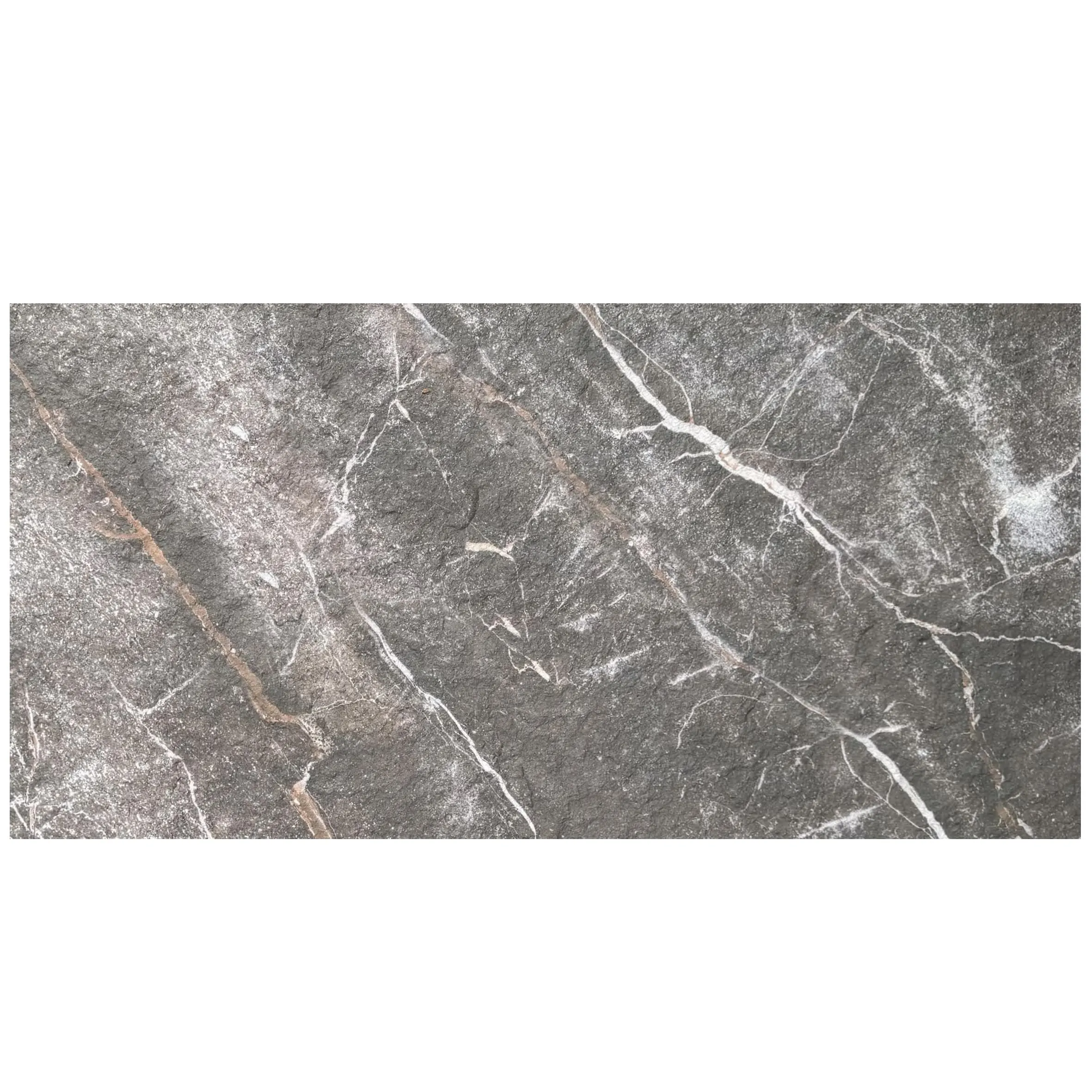
In the world of architecture and interior design, the choice of material is more than just a practical decision—it's a creative declaration. Every surface, from a hotel lobby wall to a residential backsplash, tells a story, and the right material can turn a space from ordinary to unforgettable. For decades, natural stones like Granite Portoro have reigned as symbols of luxury and permanence. But in recent years, a new contender has emerged: MCM (Modified Composite Material), with innovations like MCM flexible stone and the MCM project board series. Today, we're diving deep into these two materials to answer a critical question for designers and homeowners alike: Which one truly offers better design flexibility?
Let's start with the classic. Granite Portoro is a name that evokes images of grandeur—think black marble-like stone swirled with bold, golden veins. Quarried primarily in Italy, this natural stone has been a staple in high-end design for centuries, gracing the floors of palaces, the countertops of luxury kitchens, and the facades of iconic buildings. Its appeal lies in its dramatic contrast: the deep, inky black base provides a sense of sophistication, while the gold veining adds warmth and movement, making each slab uniquely striking.
But what about its design flexibility? Granite Portoro is undeniably durable—resistant to scratches, heat, and stains, which is why it's long been favored for high-traffic areas. However, its strengths also come with limitations. As a natural stone, each slab is heavy (often weighing hundreds of pounds), which restricts where it can be used. Installing it on vertical surfaces or in large quantities requires structural reinforcement, limiting its application in projects where weight is a concern, like high-rise exteriors or floating shelves.
Texture and color are another area where Granite Portoro plays by its own rules. While its veining pattern is beautiful, it's fixed: you can't customize the intensity of the gold veins, the shade of the black base, or the overall texture. Want a matte finish instead of polished? That's possible, but it won't change the fundamental character of the stone. For designers seeking a one-of-a-kind look, Granite Portoro offers consistency but little room for experimentation.
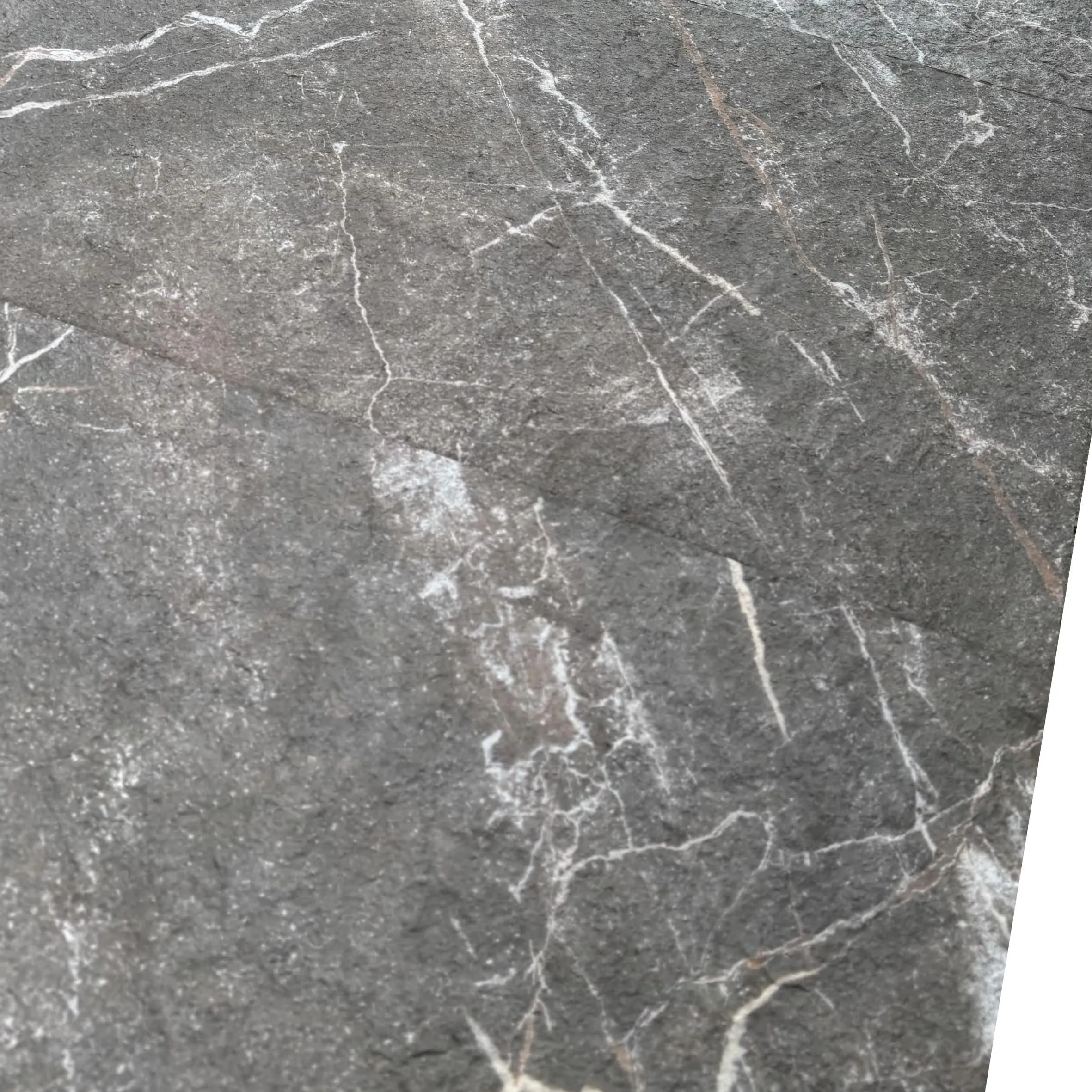
Now, enter MCM—short for Modified Composite Material—a category that includes innovations like MCM flexible stone and the MCM project board series. Unlike Granite Portoro, MCM isn't a single natural stone but a engineered material crafted from a blend of natural minerals (like stone powder or fibers) and polymers, designed to mimic the look of natural stone, wood, or metal while overcoming their limitations. Think of it as nature's beauty, reimagined with modern technology.
Let's start with MCM flexible stone, a standout in the category. As the name suggests, it's flexible—bendable even at sharp angles—making it ideal for curved surfaces, accent walls, or custom furniture pieces that demand a soft, flowing shape. Unlike rigid natural stone, MCM flexible stone can be cut into intricate patterns, wrapped around columns, or even formed into 3D art pieces, giving designers the freedom to push boundaries.
The MCM project board series takes this versatility further. These boards come in a staggering array of textures, colors, and finishes, far beyond what traditional stone can offer. Want a surface that looks like travertine but with a "starry" twist? There's travertine (starry green), with tiny, glittering specks that catch the light like a night sky. Prefer something more organic? Wave panels or semicircle boards add dimensionality, while options like lunar peak silvery or lunar peak golden mimic the iridescence of moonlit rock. Even industrial aesthetics are covered: fair-faced concrete, foamed aluminium alloy board (vintage silver), and rust square line stone offer raw, edgy textures that pair perfectly with modern minimalism.
But MCM's flexibility isn't just about looks—it's about practicality, too. Weighing a fraction of natural stone (often less than 5kg per square meter), MCM panels are easy to transport and install, reducing labor costs and structural requirements. They're also lightweight enough to be used in unconventional spaces: imagine a ceiling clad in MCM's bamboo mat board for a tropical vibe, or a kitchen backsplash made of travertine (starry blue) that adds a pop of color without weighing down the wall.
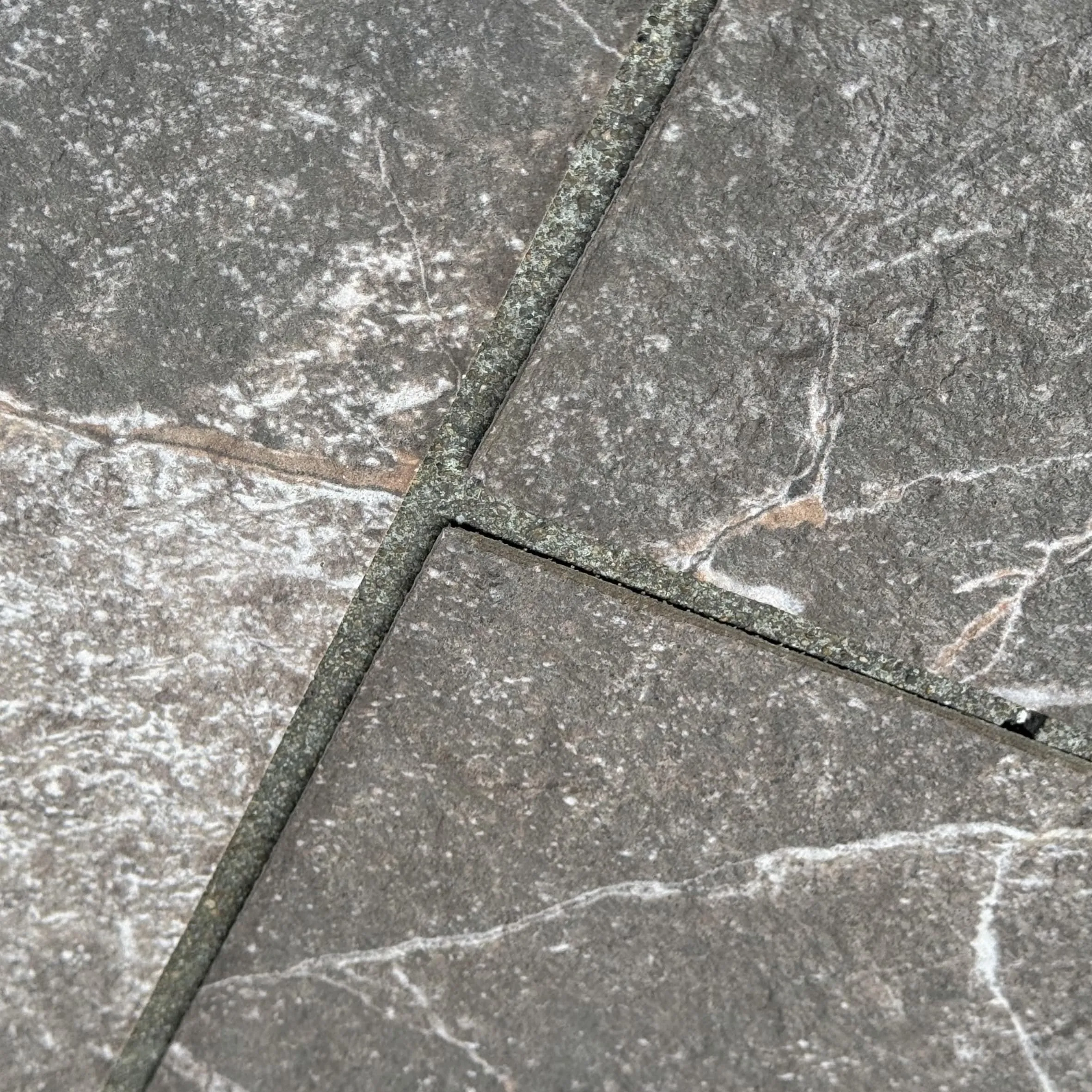
To truly understand which material offers better design flexibility, let's break it down across key categories—texture, color, formability, application, and sustainability. We'll use a table to compare, then dive deeper into what these differences mean for real-world design.
| Feature | Granite Portoro | MCM (Including Flexible Stone & Project Board Series) |
|---|---|---|
| Texture Variety | Limited to natural veining (polished or honed finish only) | Extensive: starry, wave, woven, rough-hewn, metallic, concrete-like, and more (e.g., travertine (starry green), wave panel, weaving (khaki)) |
| Color Options | Fixed (black base with gold veins) | Broad spectrum: lunar peak silvery/golden/black, starry red/orange/blue, lime stone (beige), rusty red, and custom hues |
| Formability | Rigid; cannot bend or curve without cracking | Highly flexible; can be curved, cut into complex shapes, or formed into 3D designs |
| Weight | Heavy (80-100+ kg per sqm) | Lightweight (3-5 kg per sqm) |
| Application Versatility | Best for floors, countertops, and low-height walls (requires reinforcement) | Exteriors, interiors, ceilings, furniture, accent walls, 3D art, and high-rise cladding |
| Sustainability | Resource-intensive (quarrying, transportation, and waste) | Eco-friendly (uses recycled materials, low VOCs, and minimal waste in production) |
Granite Portoro's texture is its calling card, but it's a one-trick pony. You can choose between a glossy polished finish (which highlights the gold veins) or a honed (matte) finish, but that's it. MCM, by contrast, is a texture playground. Take the MCM project board series: there's the rough, organic feel of pine bark board, the smooth, metallic sheen of foamed aluminium alloy board (vintage gold), and the tactile, woven texture of weaving (jacinth)—a material that looks like fabric but is durable enough for walls. Even within a single "stone" type, like travertine, MCM offers variations: travertine (starry green) has a pitted, porous surface dotted with glittering particles, while linear travertine (claybank) features subtle, horizontal striations. For designers, this means endless opportunities to layer textures and create depth in a space.
Granite Portoro's color palette is iconic, but it's also fixed. If your project calls for soft neutrals, bold pastels, or vibrant hues, you're out of luck. MCM, however, embraces color diversity. The lunar peak series alone offers silvery, golden, and black options, each with a pearlescent finish that shifts in different lighting. For something more playful, there's travertine (starry red)—a warm, terracotta base with flecks of red and gold—or gobi panel, which mimics the muted, earthy tones of desert stone. Even classic colors get a twist: lime stone (beige) in MCM isn't just a flat tan; it has subtle veining and texture that adds interest without overwhelming a space.
Here's where MCM truly shines. Imagine designing a curved accent wall in a boutique hotel. With Granite Portoro, you'd need to cut the stone into small, wedge-shaped pieces and painstakingly grout them together, resulting in visible seams that break the flow. With MCM flexible stone, you can wrap a single, continuous panel around the curve, creating a seamless, sculptural effect. The same goes for 3D applications: MCM's lightweight composition allows it to be formed into wave panels that protrude from a wall, or semicircle boards arranged in a geometric pattern—details that would be nearly impossible (or prohibitively expensive) with natural stone.
Granite Portoro is a rockstar in traditional settings—think a grand foyer with a polished floor or a kitchen island with a thick, slab countertop. But its weight limits its reach. MCM, on the other hand, goes where natural stone can't. Want to clad the exterior of a high-rise apartment building? MCM's lightweight panels reduce the load on the structure, making it feasible. Dream of a ceiling in a restaurant covered in wood grain board for a cozy, cabin-like feel? MCM's lightness means no need for heavy-duty ceiling supports. Even furniture gets a upgrade: a coffee table with a top made of boulder slab (vintage silver) MCM looks like solid stone but is easy to move and won't scratch floors.
In today's design world, sustainability isn't just a buzzword—it's a priority. Granite Portoro, like all natural stone, requires extensive quarrying, which can disrupt ecosystems and consume large amounts of water and energy. MCM, by contrast, is engineered to be eco-friendly. Many MCM products use recycled materials (like reclaimed stone powder or recycled polymers) and require less energy to produce than quarried stone. They're also lightweight, reducing carbon emissions during transportation. For designers working on LEED-certified projects or clients who prioritize green building, MCM offers a flexible, stylish alternative that aligns with sustainability goals.
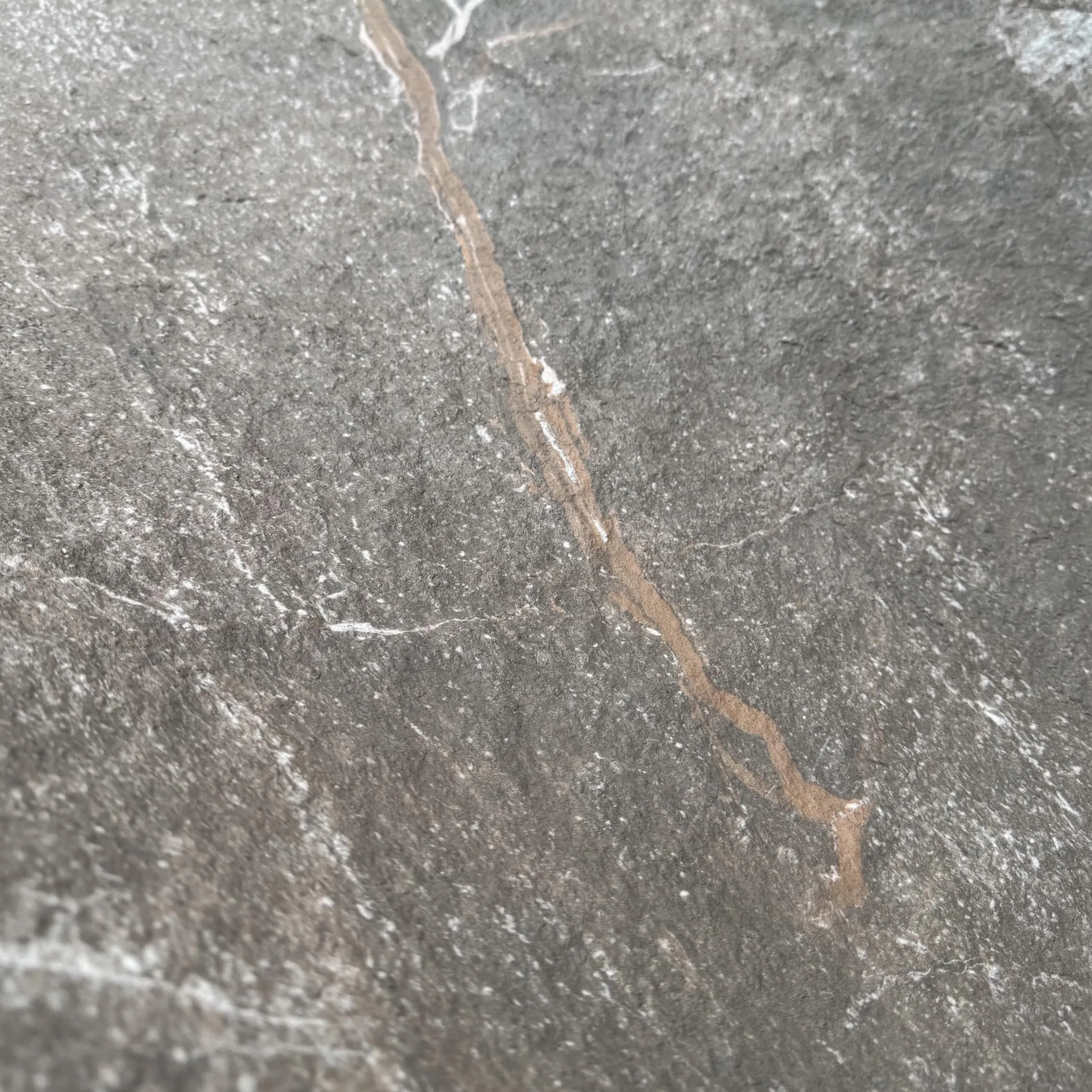
Of course, design flexibility isn't the only factor—context matters. Granite Portoro still has a place in projects where tradition and timeless elegance are non-negotiable. For example, a historic mansion restoration might call for Granite Portoro floors to maintain architectural integrity, or a luxury jewelry store might use it for countertops to convey exclusivity. In these cases, its limited flexibility is a trade-off for its iconic status.
But for modern, forward-thinking projects, MCM is hard to beat. Take a contemporary art gallery: the curator wants a wall that complements the artwork without stealing focus. MCM's fair-faced concrete panels offer a sleek, minimalist backdrop, while a nearby accent wall clad in travertine (starry orange) adds a pop of color to highlight specific pieces. Or consider a residential project: a homeowner wants an outdoor kitchen with a rustic vibe but lives in a hurricane-prone area. MCM's rust board granite looks like weathered metal but is lightweight and wind-resistant, making it both safe and stylish.
Even commercial spaces benefit from MCM's adaptability. A coffee shop aiming for a cozy, bohemian feel could use weaving (khaki) panels on the walls, paired with bamboo mat board ceilings, creating a warm, inviting atmosphere. A tech startup might opt for the industrial-chic look of foamed aluminium alloy board (vintage silver) on its reception desk, balancing modernity with texture.
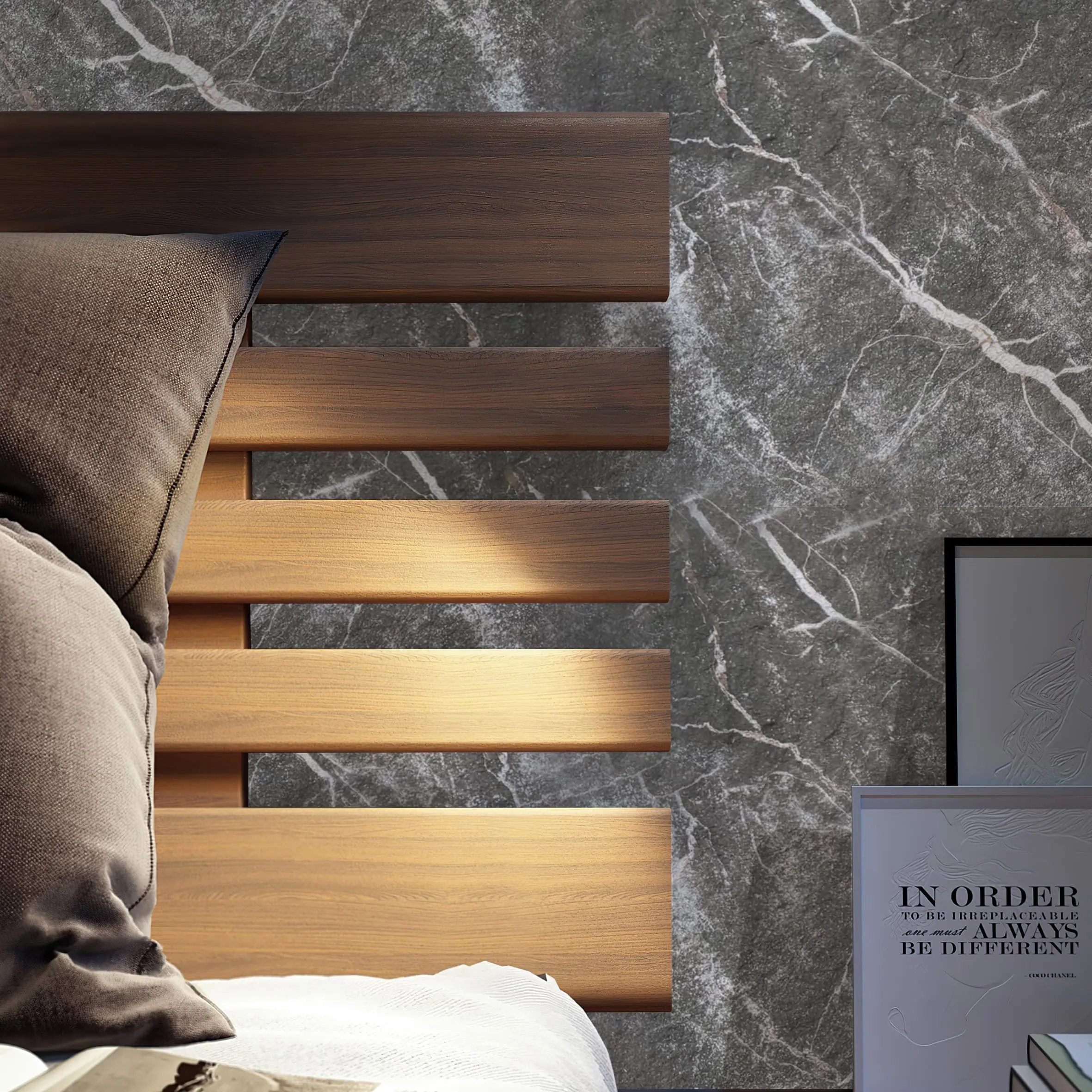
Granite Portoro is a timeless beauty, but when it comes to design flexibility, MCM—with its MCM flexible stone and project board series—emerges as the clear winner. Its ability to mimic natural materials while offering endless texture, color, and form options makes it a dream for designers who refuse to be boxed in by tradition. Whether you're creating a sculptural accent wall, a lightweight exterior cladding, or a cozy interior with layered textures, MCM adapts to your vision, not the other way around.
That said, design is subjective. If your project calls for the drama of Granite Portoro's black-and-gold veins and you have the budget and structural support, go for it. But if you want to push boundaries, experiment with color and texture, and create spaces that feel truly unique, MCM is the material of the future—one that proves flexibility and beauty can go hand in hand.
At the end of the day, the best material is the one that helps you tell your project's story. And with MCM, the story can be as creative, versatile, and bold as you are.
Recommend Products












