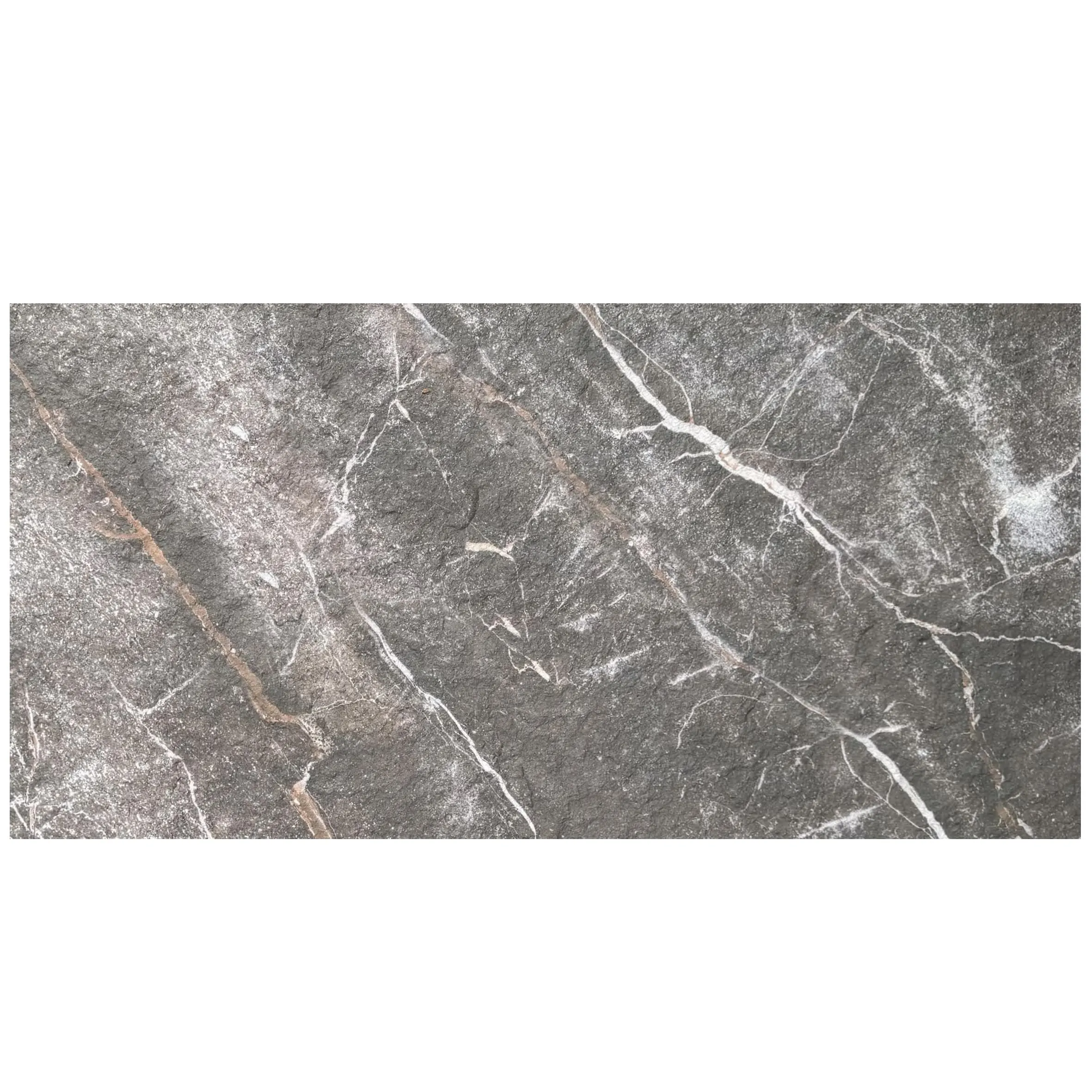
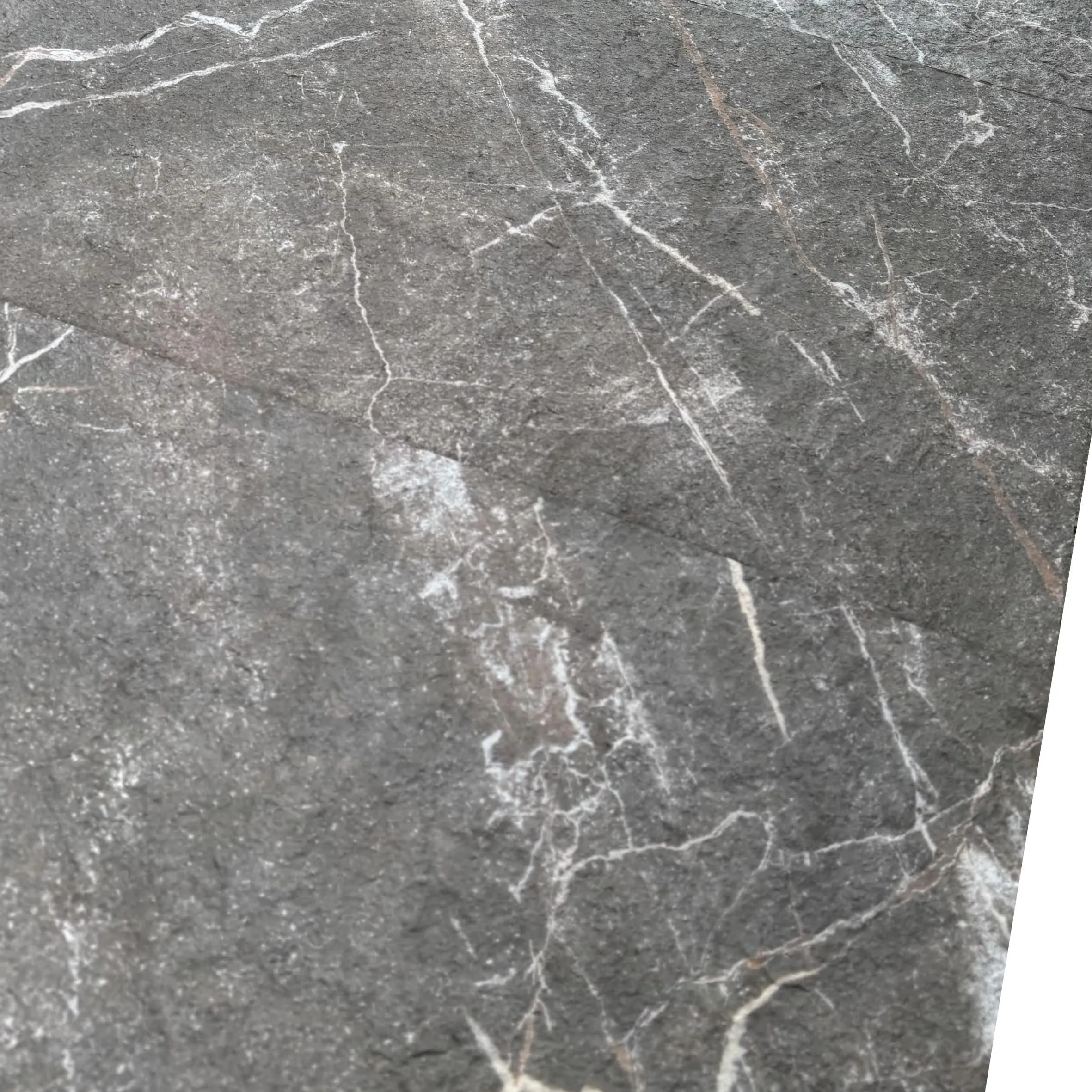
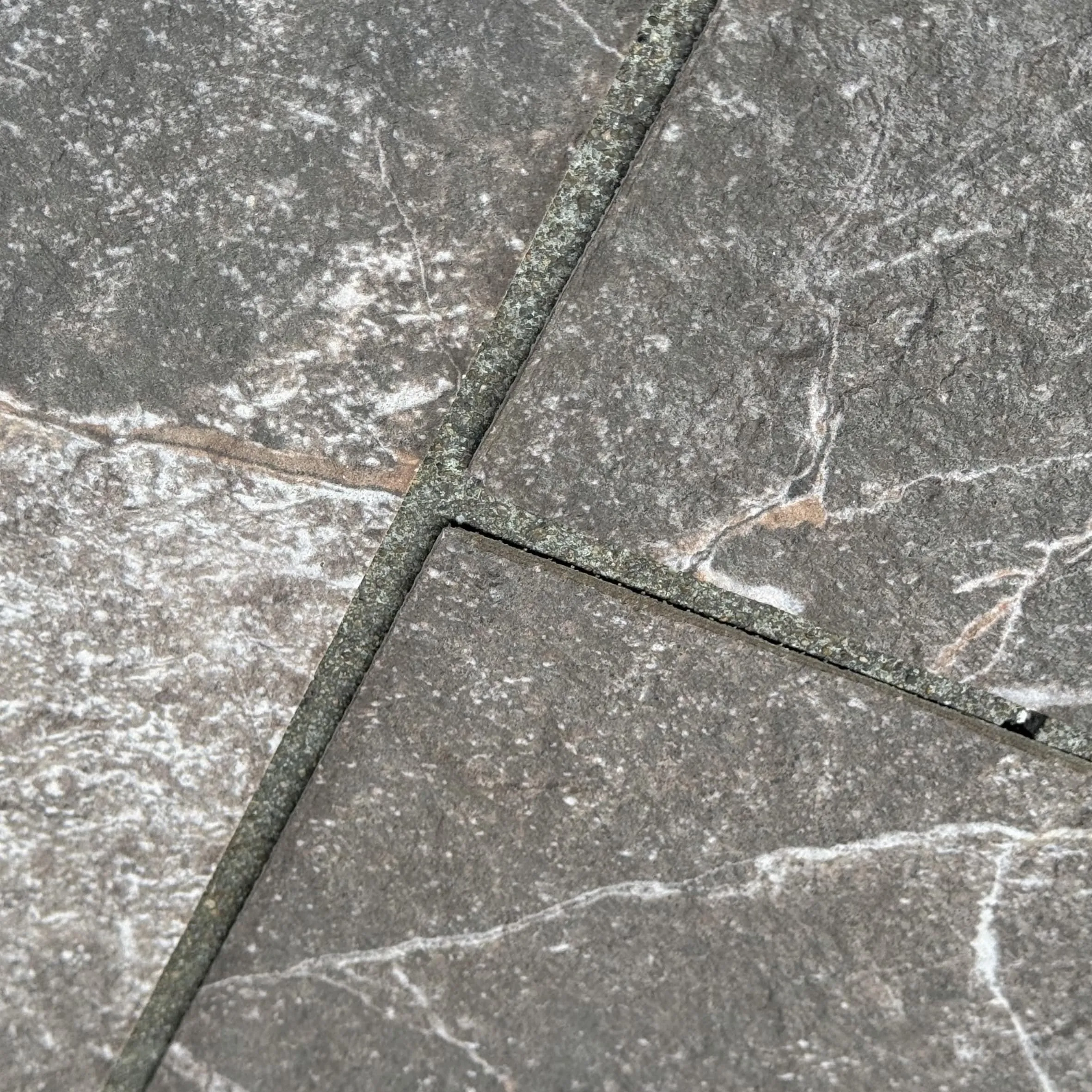
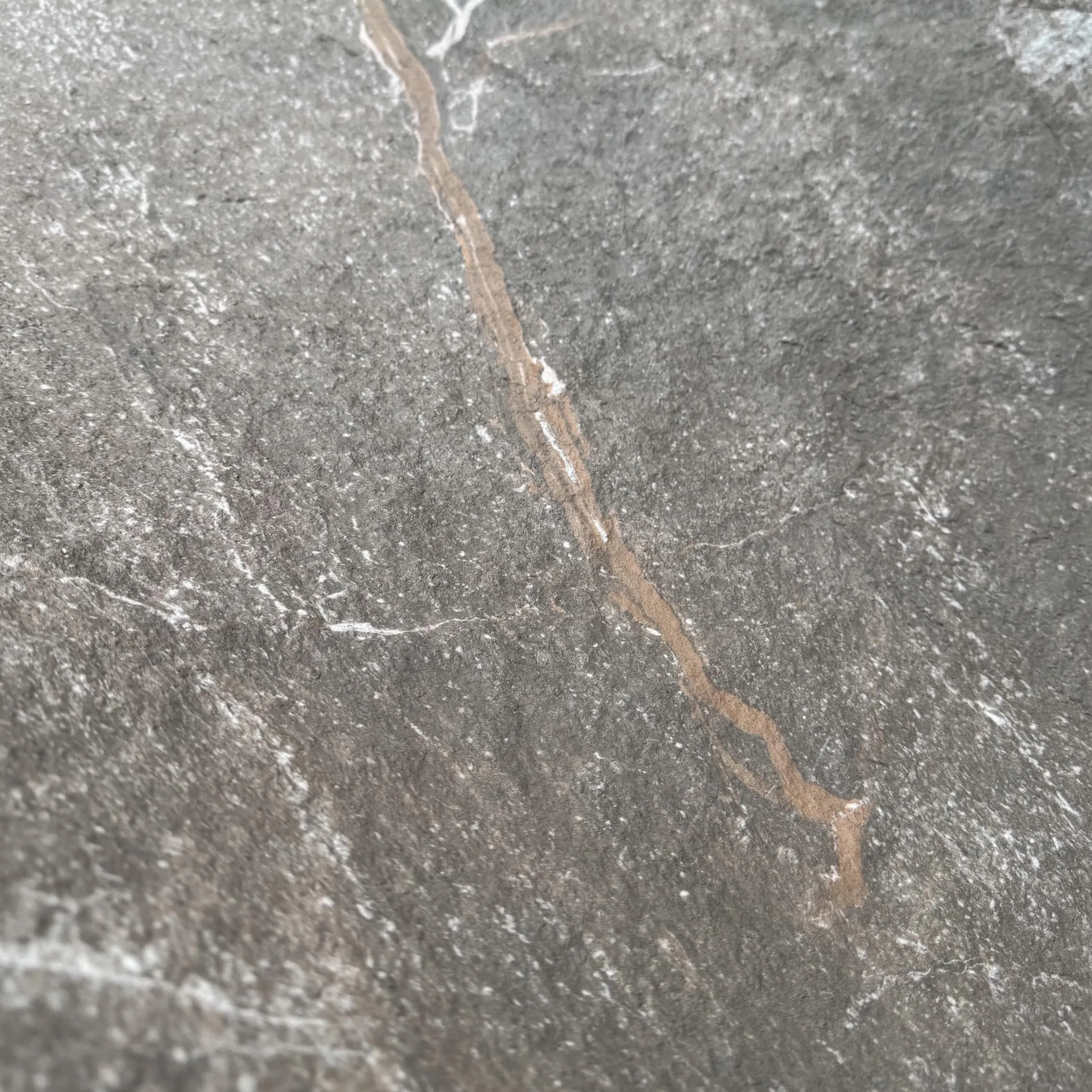
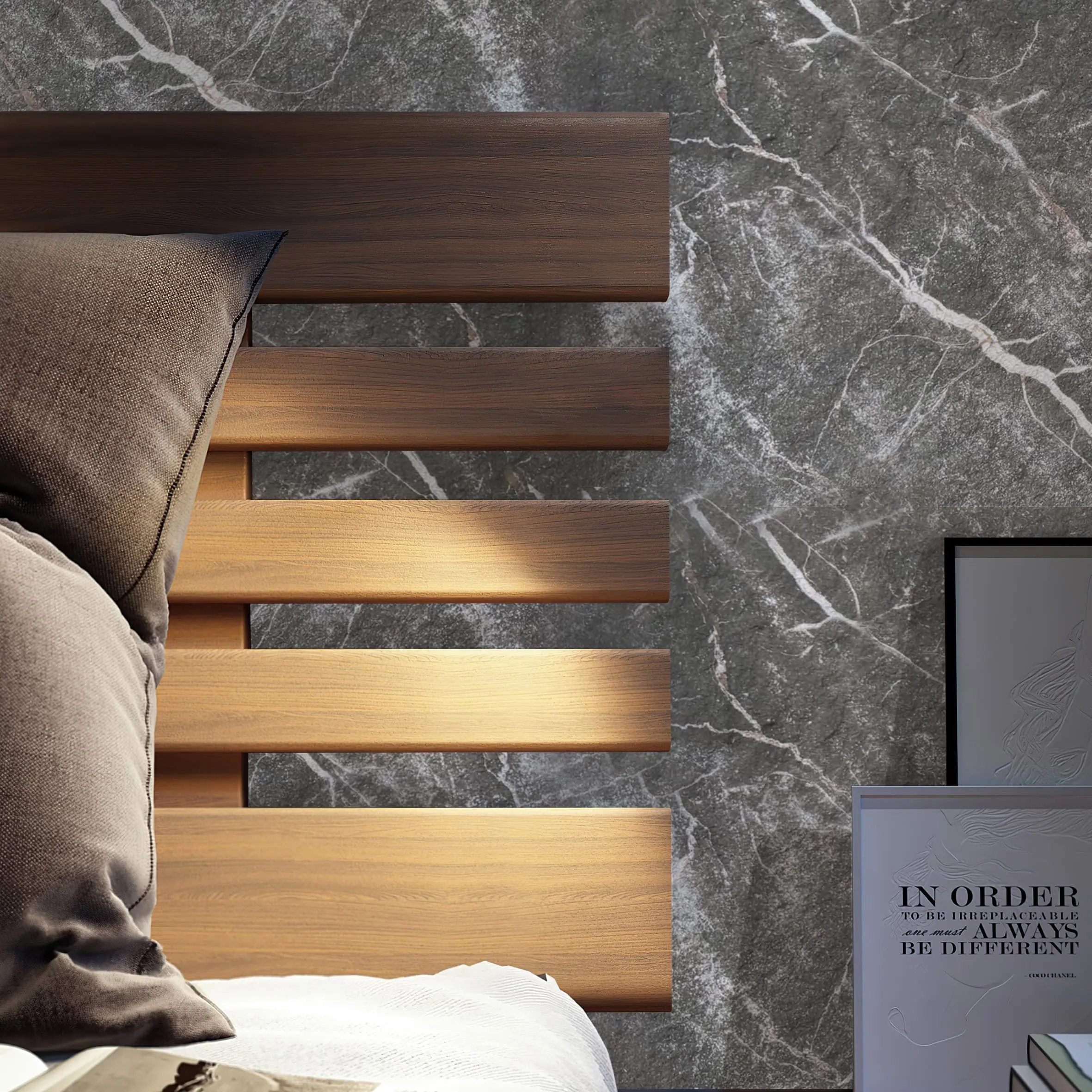
MCM—short for Modified Composite Material—isn't new, but its approach to cutting is. Unlike traditional stone, MCM products like
MCM flexible stone
and the
MCM big slab board series
are engineered to be both durable and adaptable. But the real magic? It's in the precision cutting process. Imagine a system that treats each slab like a puzzle, using digital scans and computer algorithms to map out the most efficient way to cut panels, edges, and accents—minimizing gaps, maximizing usable surface area, and reducing breakage to almost zero.
Here's how it works: First, a high-resolution scanner maps the entire surface of the MCM slab, noting any subtle variations (though with MCM, consistency is far higher than natural stone). Then, specialized software overlays the project's design specs—wall dimensions, countertop curves, accent pieces—and calculates the optimal cutting pattern. Think of it like Tetris: the software rotates and arranges the required pieces to fit the slab like a glove, leaving little to no leftover material. Finally, CNC machines with diamond-tipped blades execute the cuts with pinpoint accuracy, down to fractions of a millimeter. No shaky hands, no guesswork, no "oops" moments.
The result? Waste rates plummet. For MCM's
Granite Portoro-inspired products, waste typically hovers around
5-8%
—a fraction of traditional methods. And because
MCM flexible stone
bends without breaking, even the trickiest cuts (think curved walls or custom archways) are possible without cracking. "We recently did a hotel lobby with a circular reception desk," says Priya, an architect who specializes in sustainable design. "With natural
Granite Portoro, we would have needed to cut 10 small, curved pieces and hope they matched. With MCM's big slab board series, we used one large, flexible slab that wrapped around the desk in one piece. Zero waste, zero seams, and the client couldn't tell the difference from real stone."