
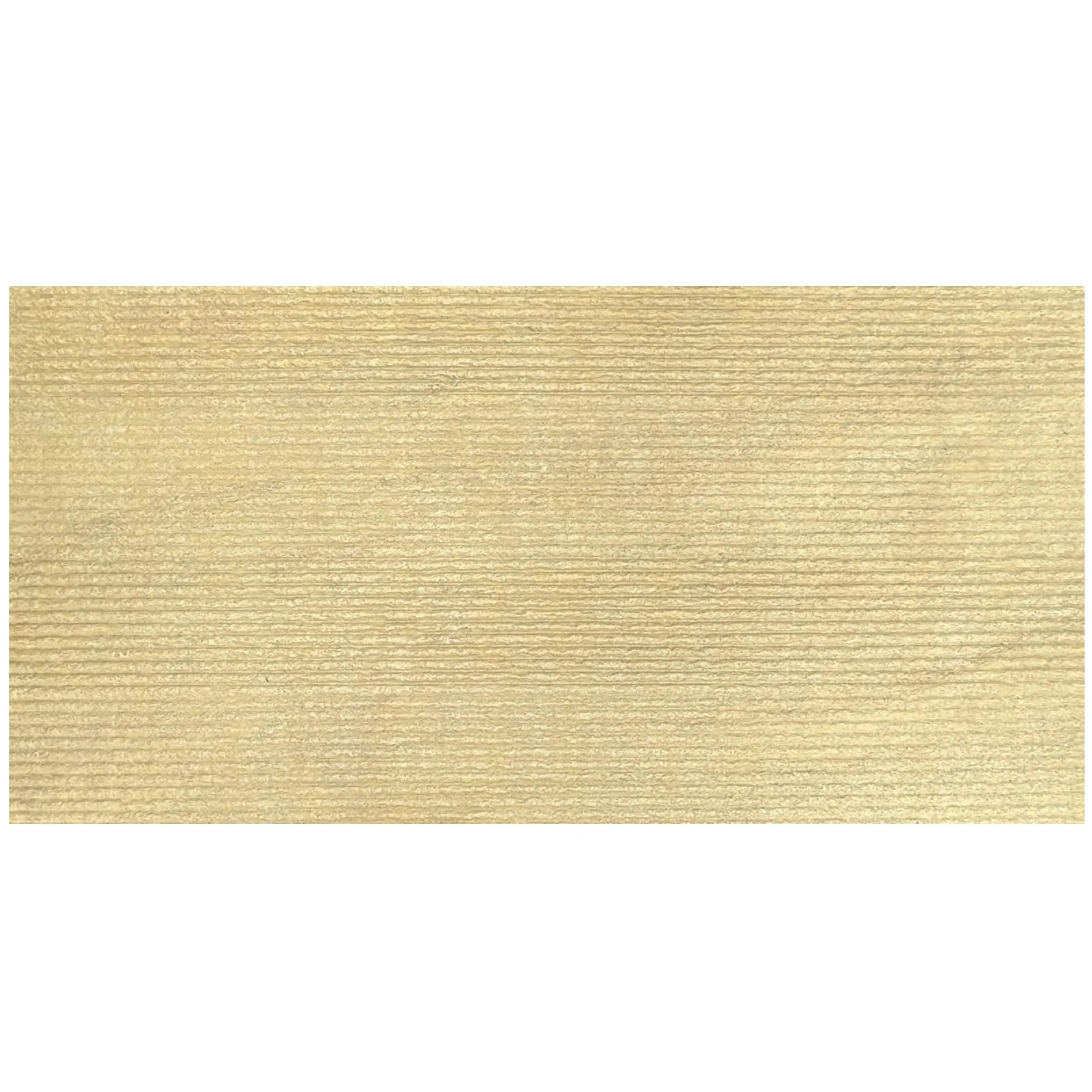
In the evolving landscape of urban design, mixed-use projects have emerged as the heartbeat of modern cities. Blending residential, commercial, retail, and public spaces into cohesive ecosystems, these developments thrive on balance—between functionality and beauty, privacy and community, tradition and innovation. At the core of this balance lies a critical choice: the materials that shape their walls, floors, facades, and plazas. Today, we explore two standout materials—Gravel Omani Stone and MCM Flexible Stone—and how their unique strengths, when paired, create spaces that feel both grounded and forward-thinking. Along the way, we'll dive into other complementary materials like MCM Big Slab Board Series, Travertine (Starry Blue), and Fair-Faced Concrete, uncovering how they elevate mixed-use design from ordinary to extraordinary.
Mixed-use projects are more than just buildings; they're microcosms of urban life. A single development might house a family in a rooftop apartment, a café where neighbors meet for morning coffee, a co-working space buzzing with entrepreneurs, and a public plaza where kids play and adults unwind. For such spaces to succeed, the materials used must work overtime: they need to withstand heavy foot traffic, resist weathering, offer acoustic comfort, and—perhaps most importantly—evoke emotion. A cold, sterile lobby might deter residents; a fragile facade could hike maintenance costs for retailers. The right materials don't just fill space—they shape experience .
Enter the challenge: how to select materials that check all these boxes while maintaining aesthetic harmony. This is where the pairing of natural stone and engineered composites shines. Gravel Omani Stone, with its earthy warmth and timeless appeal, and MCM Flexible Stone, a marvel of modern material science, exemplify this synergy. Let's start with the natural wonder: Gravel Omani Stone.
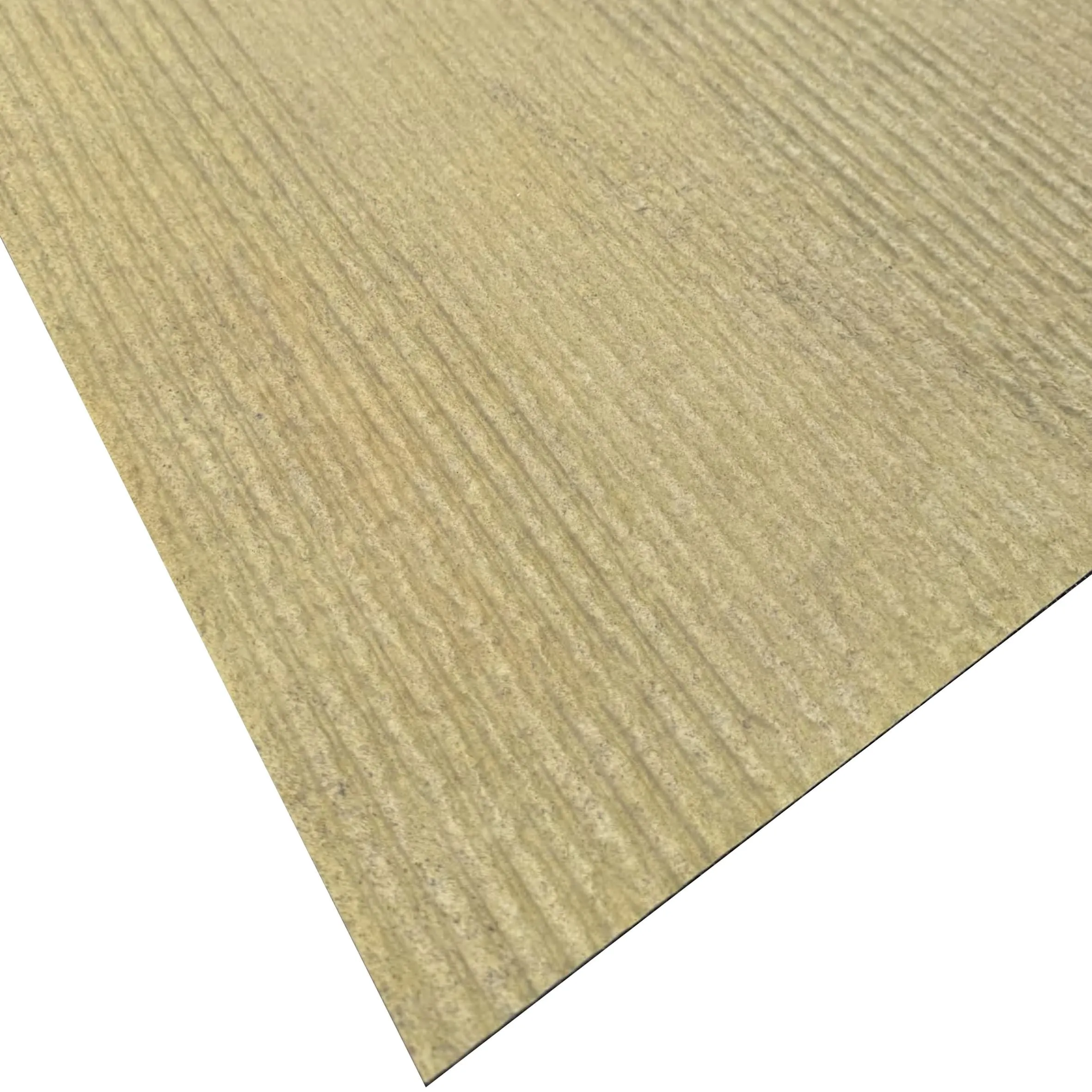
Picture this: a sunlit plaza in the heart of a mixed-use development. The ground beneath your feet is textured, warm, and slightly rough—a surface that feels intentional, like it's been shaped by centuries of wind and sand. That's Gravel Omani Stone, a material rooted in the rugged landscapes of Oman. Quarried from the country's desert regions, this stone carries the character of its origin: golden-beige hues with flecks of amber and gray, a granular texture that adds depth, and a durability forged by the harsh desert climate.
First, its aesthetic versatility. Unlike uniform synthetic materials, Gravel Omani Stone is a product of nature—no two slabs are identical. This uniqueness adds visual interest to large spaces, like retail corridors or public squares, where repetition might feel monotonous. Imagine a coffee shop with a Gravel Omani countertop: the stone's natural variations become a conversation starter, turning a functional surface into a focal point.
Durability is another feather in its cap. In mixed-use projects, high-traffic areas like lobbies, elevator banks, and outdoor walkways demand materials that can handle daily wear and tear. Gravel Omani Stone, dense and resistant to scratches and stains, holds up beautifully over time. It's also weather-resistant, making it ideal for outdoor applications—think a rooftop terrace where residents gather for sunset, or a pedestrian walkway that stays slip-free even in rain.
But perhaps its greatest strength is its ability to evoke warmth. In a world dominated by sleek glass and steel, natural stone adds a tactile, human element. A residential lobby clad in Gravel Omani Stone feels inviting, like stepping into a space that values comfort as much as style. For developers aiming to foster community, this emotional connection is invaluable.
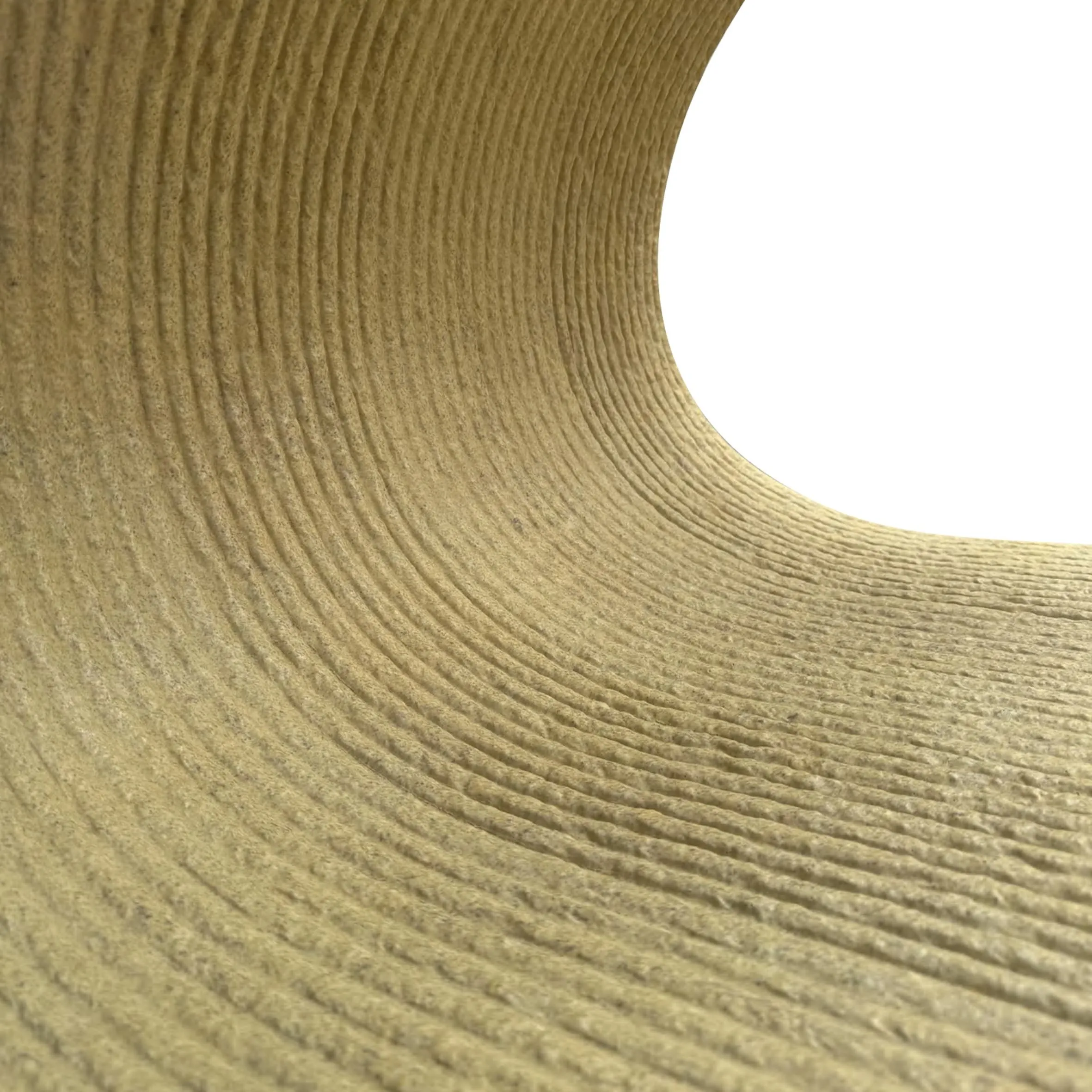
If Gravel Omani Stone is the soul of tradition, MCM Flexible Stone is the spirit of innovation. Short for Modified Composite Material, MCM is a cutting-edge engineered material that marries the best of natural minerals and modern polymers. The result? A lightweight, flexible, and highly durable cladding solution that mimics the look of natural stone, wood, or metal—without the weight or maintenance headaches.
At its core, MCM is a sandwich of layers: a mineral-rich core (often containing stone powder or fiber) bonded to a reinforced polymer backing. This construction gives it two game-changing properties: flexibility and lightness. Unlike rigid natural stone slabs, MCM can bend and curve, adapting to architectural shapes that would be impossible with traditional materials. And at just 3-5mm thick, it's significantly lighter than natural stone, reducing structural load and installation time—a boon for high-rise mixed-use projects where every pound counts.
Let's start with installation efficiency. In fast-paced development timelines, delays can cost millions. MCM panels are easy to transport, cut, and install—contractors can cover large facade areas in days, not weeks. For a mixed-use project with tight deadlines, this speed is a lifesaver.
Then there's design freedom. Architects often dream of curved facades, undulating walls, or intricate patterns—but traditional materials like brick or stone make these visions costly or impossible. MCM Flexible Stone bends to the architect's will. Imagine a residential tower with a wave-like facade, clad in MCM that mimics the look of Travertine (Starry Blue)—a material we'll explore later. The result is a building that stands out in the skyline, its curves softening the urban grid.
Durability isn't an afterthought, either. MCM is resistant to fading, moisture, and impact, making it ideal for exterior cladding. In a mixed-use development with retail on the ground floor and apartments above, the facade takes a beating—rain, wind, even the occasional stray shopping cart. MCM holds strong, ensuring the building looks fresh for decades.
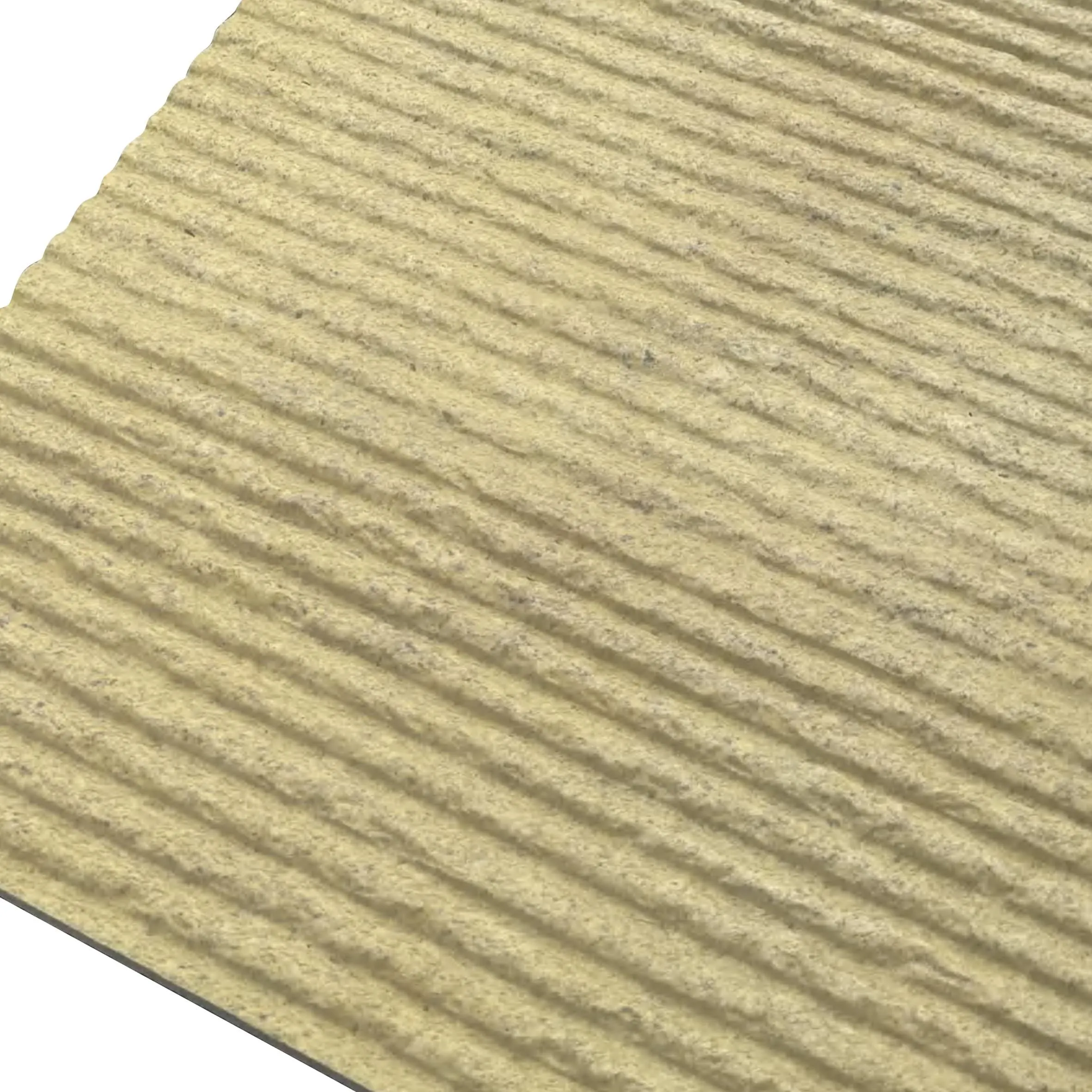
Now, the magic happens when Gravel Omani Stone and MCM Flexible Stone come together. They're like two musicians in a duet—each has a distinct voice, but together, they create something richer than either could alone. Let's break down why this pairing works so well.
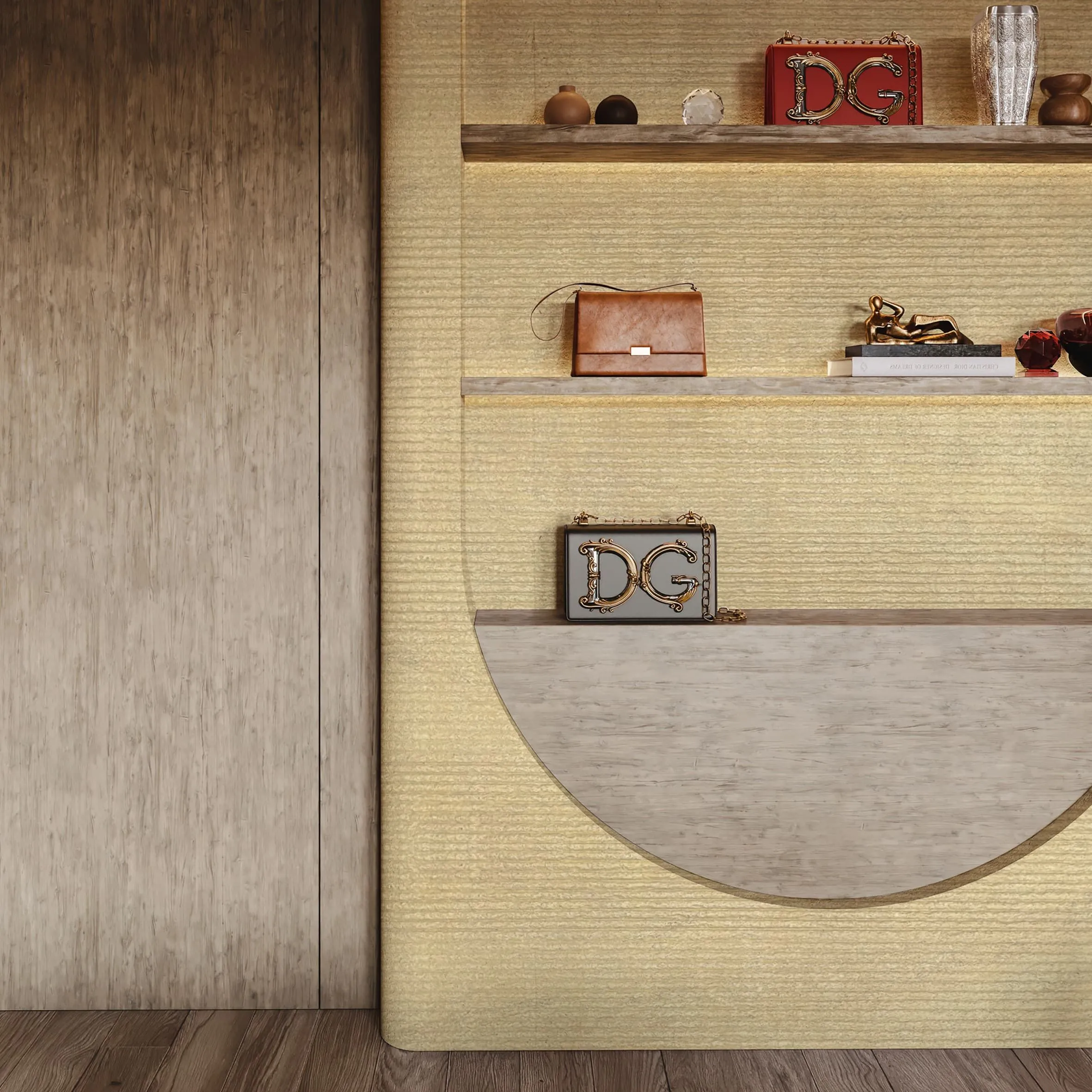
Gravel Omani Stone's rough, granular texture contrasts beautifully with MCM's smooth, consistent finish. Imagine a lobby where the lower half of the walls is clad in MCM (mimicking sleek marble), while the upper half features a Gravel Omani accent wall. The contrast draws the eye upward, making the space feel larger, while the stone adds warmth to balance the coolness of the composite. It's a dance of opposites that feels intentional, not chaotic.
In high-traffic areas, like a retail atrium, pairing Gravel Omani flooring (durable and slip-resistant) with MCM ceiling panels (lightweight and easy to install) creates a space that's both practical and stunning. The stone handles foot traffic, while the MCM panels reduce acoustic echo, making the area feel more intimate despite its size.
Natural stone like Gravel Omani can be pricey, especially for large-scale projects. MCM offers a budget-friendly alternative for areas where the "look" of stone is desired but the cost isn't feasible. For example, a developer might use Gravel Omani for the lobby's focal wall and MCM for the surrounding corridors, achieving a cohesive aesthetic without overspending.
While Gravel Omani Stone and MCM Flexible Stone form a strong foundation, mixed-use projects thrive on diversity. Let's explore other materials that complement this pair, adding layers of texture, color, and functionality.
For spaces that demand grandeur—like a hotel lobby or a corporate entrance—the MCM Big Slab Board Series delivers. These oversized panels (often up to 1200x2400mm) minimize visible seams, creating a seamless, monolithic look. Imagine a conference center within a mixed-use development, its walls clad in MCM Big Slab mimicking the look of polished concrete. The large format makes the space feel expansive, while the material's durability ensures it stands up to heavy use.
Travertine is a classic natural stone, but the Starry Blue variant is anything but ordinary. With its deep blue base and flecks of gold and silver (reminiscent of a night sky), it adds drama to any space. In a mixed-use project, Travertine (Starry Blue) could shine as a feature wall in a rooftop bar, where patrons sip cocktails under "starlight," or as a backsplash in a high-end restaurant, turning a functional kitchen wall into a work of art. Paired with Gravel Omani Stone's earthy tones, it creates a striking contrast—grounded yet celestial.
Fair-Faced Concrete, with its raw, unpolished finish, is a favorite for modern industrial design. Unlike gray concrete of the past, today's Fair-Faced Concrete comes in warm tones and can be mixed with aggregates for texture. In a mixed-use development, it could clad a parking garage exterior, softening the structure's utilitarian feel, or line the walls of a co-working space, where its understated look lets art and furniture take center stage. When paired with Gravel Omani Stone, it balances the stone's warmth with a cool, contemporary edge.
| Material | Core Characteristics | Aesthetic Appeal | Primary Applications | Key Advantages |
|---|---|---|---|---|
| Gravel Omani Stone | Natural, granular texture; warm beige/amber hues; durable and weather-resistant. | Earthy, organic, timeless. | Flooring, countertops, outdoor plazas, accent walls. | Unique visual variation; high durability; evokes warmth. |
| MCM Flexible Stone | Engineered composite; lightweight, flexible, mimics natural materials. | Sleek, consistent, customizable (stone, wood, metal looks). | Facades, interior walls, curved surfaces. | Design flexibility; easy installation; cost-effective. |
| MCM Big Slab Board Series | Oversized MCM panels; seamless, monolithic appearance. | Grand, expansive, modern. | Hotel lobbies, conference centers, large feature walls. | Minimizes seams; creates visual impact; lightweight for large areas. |
| Travertine (Starry Blue) | Natural stone; deep blue base with gold/silver flecks; porous texture. | Dramatic, celestial, luxurious. | Feature walls, backsplashes, high-end retail. | Unique coloration; adds focal interest; pairs well with neutral tones. |
| Fair-Faced Concrete | Raw, unpolished concrete; warm gray/brown tones; can include aggregates. | Industrial, understated, modern. | Exterior cladding, co-working spaces, parking garages. | Durable; low maintenance; complements both natural and engineered materials. |
To see these materials in action, let's look at the Riverfront District—a mixed-use development in a mid-sized city, blending 200 residential units, 50,000 sq. ft. of retail, a 100-room hotel, and a 2-acre public park. The design team, tasked with creating a space that felt both urban and welcoming, turned to Gravel Omani Stone, MCM Flexible Stone, and their complementary counterparts.
The Public Plaza: The heart of the development, the plaza features Gravel Omani Stone paving, its earthy tones tying into the nearby river's natural landscape. MCM Flexible Stone, mimicking the look of weathered wood, lines the seating walls, adding warmth and reducing maintenance (unlike real wood, MCM won't rot or warp). Fair-Faced Concrete benches, with their industrial edge, complement the stone and wood-like MCM, creating a space that's equal parts durable and inviting.
The Hotel Lobby: Here, the MCM Big Slab Board Series takes center stage, with walls clad in oversized panels mimicking white marble. A Gravel Omani Stone reception desk anchors the space, its texture softening the slab's sleekness. Travertine (Starry Blue) accents the ceiling, its blue hues echoing the river outside, turning the lobby into a visual journey from earth to sky.
Residential Tower Facade: The tower's lower levels feature MCM Flexible Stone in a warm beige tone, blending with the retail streetscape. Upper levels switch to MCM Big Slab in a lighter shade, reducing the building's visual weight. Gravel Omani Stone accents the balconies, adding depth and a tactile element for residents to enjoy.
The result? A development where materials work in harmony, creating spaces that feel cohesive yet distinct. Residents love the warmth of the stone; retailers appreciate the durability of MCM; and visitors rave about the plaza's inviting atmosphere. It's a testament to the power of choosing complementary materials.
Mixed-use projects are about more than bricks and mortar—they're about building communities. The materials we choose shape how people live, work, and connect within these spaces. Gravel Omani Stone, with its timeless warmth, and MCM Flexible Stone, with its innovative flexibility, form a partnership that balances nature and technology, tradition and progress. When paired with materials like MCM Big Slab Board Series, Travertine (Starry Blue), and Fair-Faced Concrete, they create a palette that's as functional as it is beautiful.
As developers and designers continue to push the boundaries of urban living, the key will be to prioritize materials that don't just serve a purpose, but tell a story. A story of a space that values the past while embracing the future, that's durable enough for daily life yet beautiful enough to inspire. In Gravel Omani Stone and MCM Flexible Stone, we've found two materials ready to tell that story—one grain, one panel, one community at a time.
Recommend Products












