
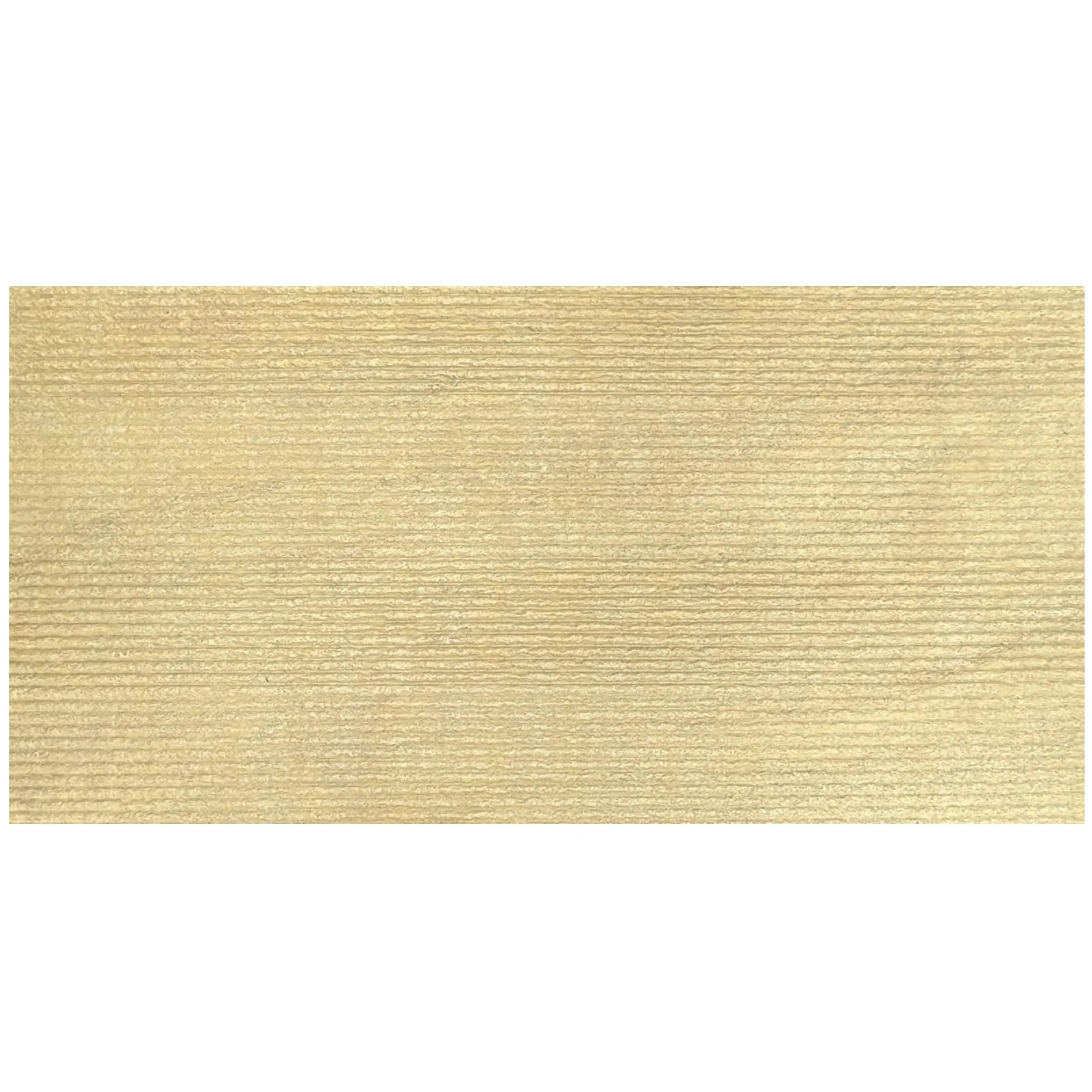
In the world of architecture, the balance between tradition and innovation has always been a delicate dance. For centuries, builders relied on the earth's natural offerings—stone, wood, clay—to craft structures that told stories of culture and resilience. Today, that narrative is evolving. As smart buildings rise, equipped with sensors, energy-efficient systems, and adaptive designs, the materials that clothe these structures are no longer just about strength or beauty. They're about harmony: blending the warmth of the past with the precision of the future. Among these materials, Gravel Omani Stone stands out as a bridge between heritage and technology, while modern composites like MCM Flexible Stone and cutting-edge series such as Lunar Peak and Foamed Aluminium Alloy Board redefine what's possible when tradition meets 3D printing, IoT, and sustainable engineering.
To understand the allure of Gravel Omani Stone, one must first picture the landscapes that birthed it. Quarried from the rugged terrains of Oman, this stone carries the of millennia—each grain, a story of wind, water, and time. Its surface, dotted with pebbles and sediment, evokes the quiet grandeur of desert plains and ancient trade routes, making it a favorite for architects seeking to infuse spaces with a sense of history. But what makes it more than just a relic of the past? Its adaptability to modern smart building needs.
Unlike some traditional stones that are heavy and rigid, Gravel Omani Stone offers a unique combination of durability and workability. Its natural composition resists weathering, making it ideal for exterior cladding in regions with extreme temperatures—from the scorching heat of the Middle East to the freezing winters of northern Europe. For smart buildings, this translates to reduced maintenance costs and longer lifespans, a critical factor in sustainable design. Moreover, its porous texture can be engineered to work with rainwater harvesting systems: when used in facades, it subtly channels water into collection tanks, supporting green building initiatives without sacrificing aesthetics.
Architects and designers also prize Gravel Omani Stone for its thermal properties. In smart homes and offices, where temperature regulation is key to energy efficiency, the stone acts as a natural insulator, reducing reliance on HVAC systems. Imagine a commercial complex where the exterior walls, clad in Gravel Omani Stone, keep interiors cool during summer and warm in winter—all while its earthy tones create a welcoming contrast to sleek glass and steel. It's a material that doesn't just look rooted in tradition; it performs in service of modern life.
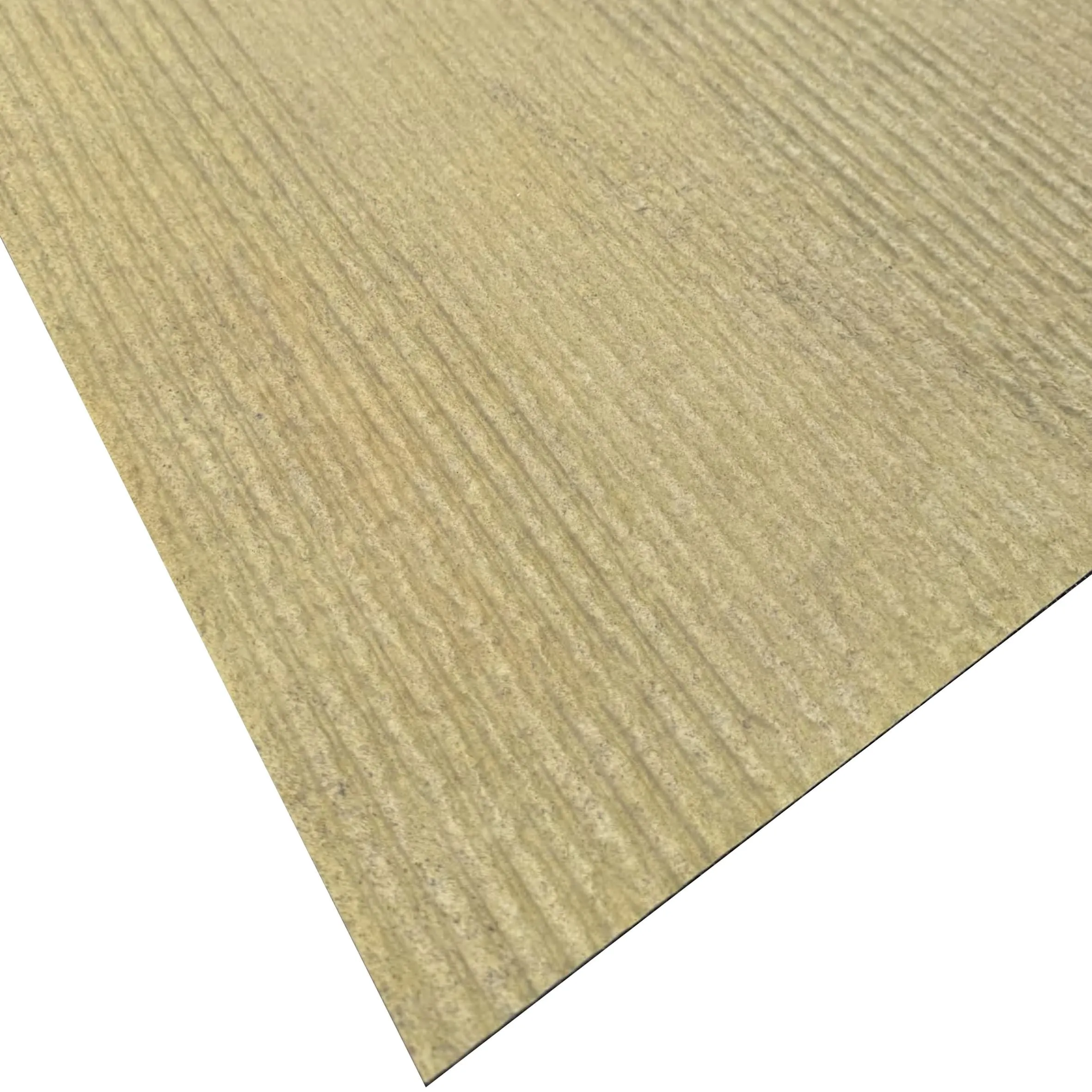
If Gravel Omani Stone represents the past meeting the present, MCM Flexible Stone is the present reimagining the future. MCM, or Modified Composite Material, is a revolutionary category of building materials designed to combine the best of natural stone with the flexibility of modern composites. Think of it as stone with a "second skin"—thin, lightweight, and adaptable enough to curve around architectural details, wrap columns, or even be used in 3D-printed designs. For smart buildings, this flexibility is game-changing.
Traditional stone cladding often requires heavy structural support, limiting where and how it can be used. MCM Flexible Stone, by contrast, weighs up to 80% less than natural stone slabs, making it suitable for high-rise facades, interior accent walls, and even temporary installations. This lightness also reduces the carbon footprint of construction, as less energy is needed for transportation and installation—a key consideration for eco-conscious smart buildings. But its benefits don't stop there.
MCM Flexible Stone is engineered to be weather-resistant, fire-retardant, and resistant to fading, ensuring that smart buildings maintain their aesthetic appeal for decades. What truly sets it apart, though, is its compatibility with smart technology integration. Imagine a hotel lobby where MCM Flexible Stone cladding hides embedded sensors that monitor foot traffic, adjusting lighting and temperature in real time. Or a residential building where the stone facade, treated with a special coating, acts as a passive air purifier, filtering pollutants as part of the building's IoT-driven environmental system. It's a material that doesn't just cover surfaces; it becomes an active participant in the building's intelligence.
Take the example of a recent project in Dubai: a mixed-use tower where the architects wanted to blend the warmth of natural stone with the sleekness of modern design. They chose MCM Flexible Stone in a travertine (vintage gold) finish for the exterior, pairing it with glass panels embedded with solar cells. The result? A building that shimmers in the sun, its stone cladding flexing gently around curved corners, while its lightweight nature allowed for the addition of rooftop gardens—another smart feature that reduces urban heat island effect. MCM Flexible Stone didn't just make the design possible; it made it better .
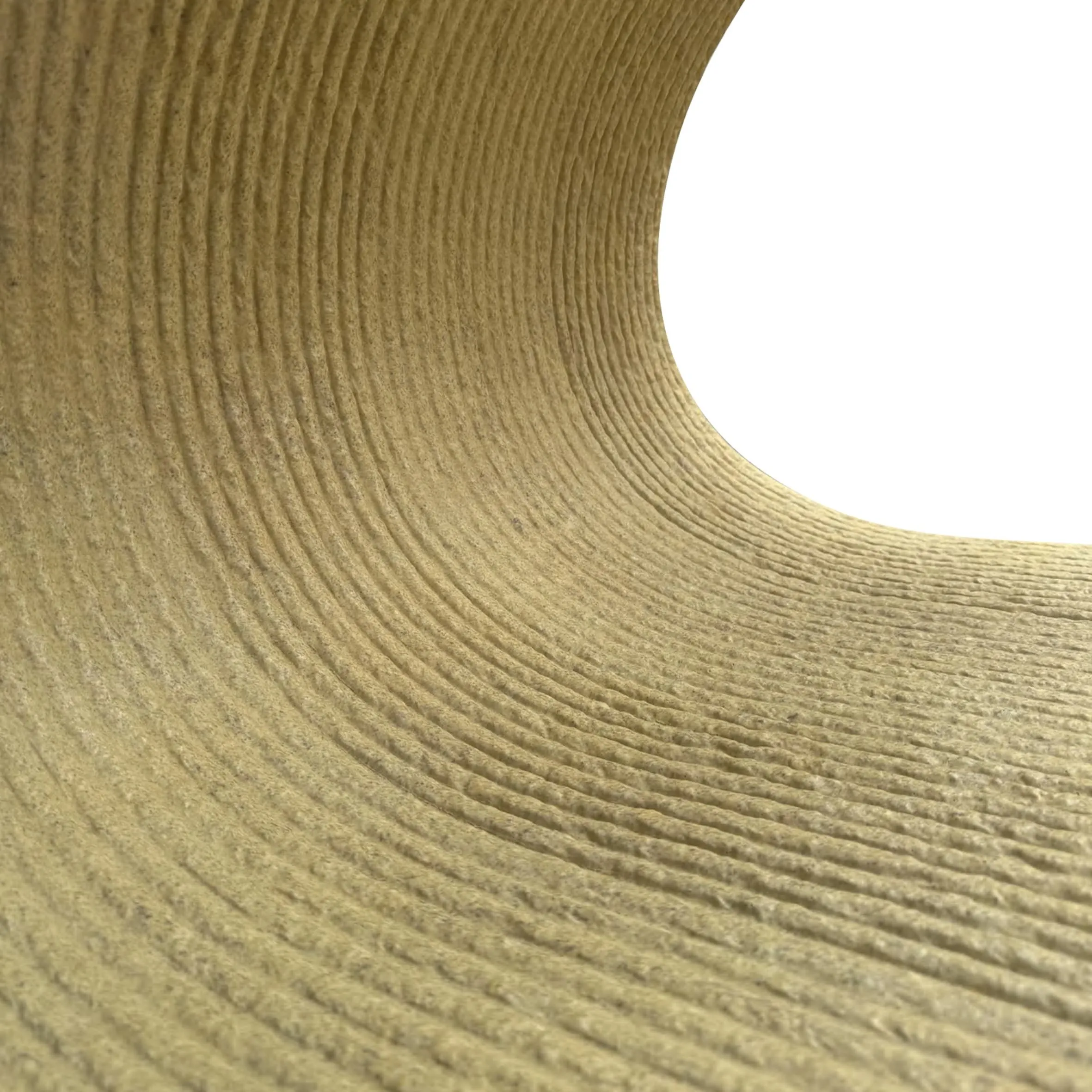
If MCM Flexible Stone is the canvas, MCM 3D Printing Series is the brush that allows architects to paint with unprecedented precision. 3D printing has revolutionized industries from healthcare to automotive, and construction is no exception. With MCM 3D Printing Series, the focus is on creating custom building components—from intricate facade panels to decorative moldings—that are both functional and artistically unique. For smart buildings, this means faster construction times, reduced waste, and the ability to tailor materials to specific technical needs.
Traditional stone cutting is a labor-intensive process, often resulting in material waste as artisans carve away excess stone to achieve a desired shape. 3D printing with MCM materials, however, builds components layer by layer, using only the exact amount of material needed. This not only cuts down on waste but also allows for complex geometries that would be impossible with traditional methods. Imagine a smart home where the interior wall panels, 3D-printed using MCM 3D Printing Series, feature built-in cable management channels—eliminating the need for unsightly exposed wires while keeping the space clutter-free. Or a museum facade with 3D-printed MCM panels that mimic the texture of historical pathfinders stone , paying homage to heritage while incorporating LED strips that light up at night, controlled via a smartphone app.
Sustainability is another key advantage of the MCM 3D Printing Series. The materials used are often recycled or sourced from renewable resources, aligning with the green goals of modern smart buildings. Additionally, 3D printing reduces the need for on-site labor, minimizing disruption to surrounding communities and lowering the carbon emissions associated with transportation of pre-cut materials. It's a process that doesn't just build structures; it builds a more sustainable future.
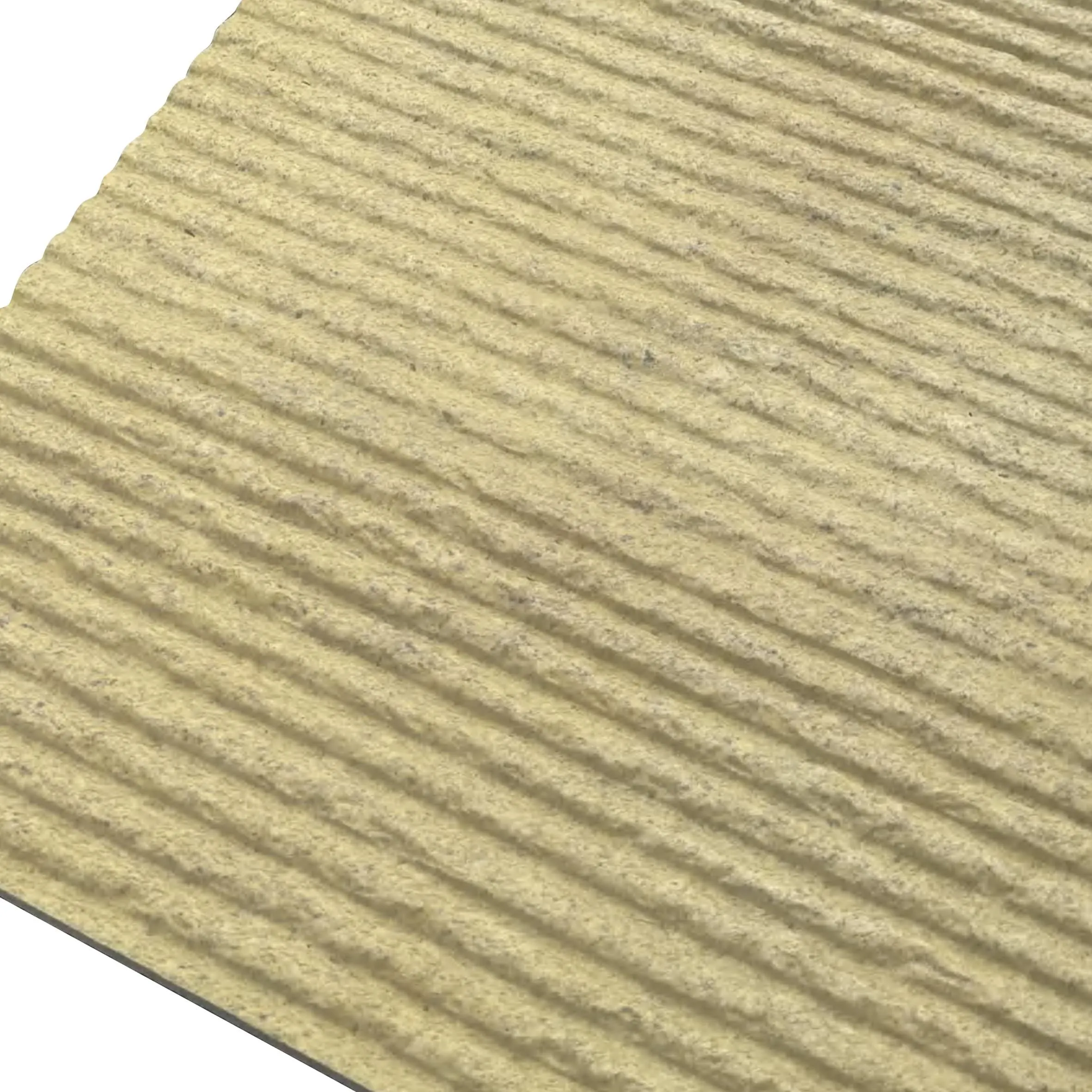
For architects seeking materials that evoke the awe of the cosmos, Lunar Peak Series delivers. Available in silvery , golden , and black variants, these materials draw inspiration from the moon's surface—cratered, iridescent, and otherworldly. But beyond their striking appearance, they're engineered to meet the demands of smart building systems, making them a favorite for high-end commercial and residential projects.
Lunar Peak Silvery, with its metallic sheen, reflects sunlight, reducing heat absorption and lowering cooling costs in smart buildings. In office towers, this means less strain on air conditioning systems, translating to lower energy bills and a smaller carbon footprint. Lunar Peak Golden, on the other hand, adds warmth to interior spaces, creating a cozy atmosphere in smart homes where lighting and temperature are adjusted automatically based on occupancy. And Lunar Peak Black, with its deep, matte finish, is often used in accent walls paired with smart mirrors or touch-sensitive control panels, blending seamlessly with IoT devices.
One notable project featuring the Lunar Peak Series is a tech hub in Singapore, where the facade combines Lunar Peak Silvery panels with solar cells. The panels' reflective surface maximizes sunlight absorption for the solar cells, while their durability ensures they withstand Singapore's heavy rainfall. Inside, Lunar Peak Golden cladding lines the atriums, paired with sensors that adjust lighting to complement the panels' natural glow—creating a space that feels both futuristic and inviting. It's a testament to how materials can be both visually stunning and technically advanced.
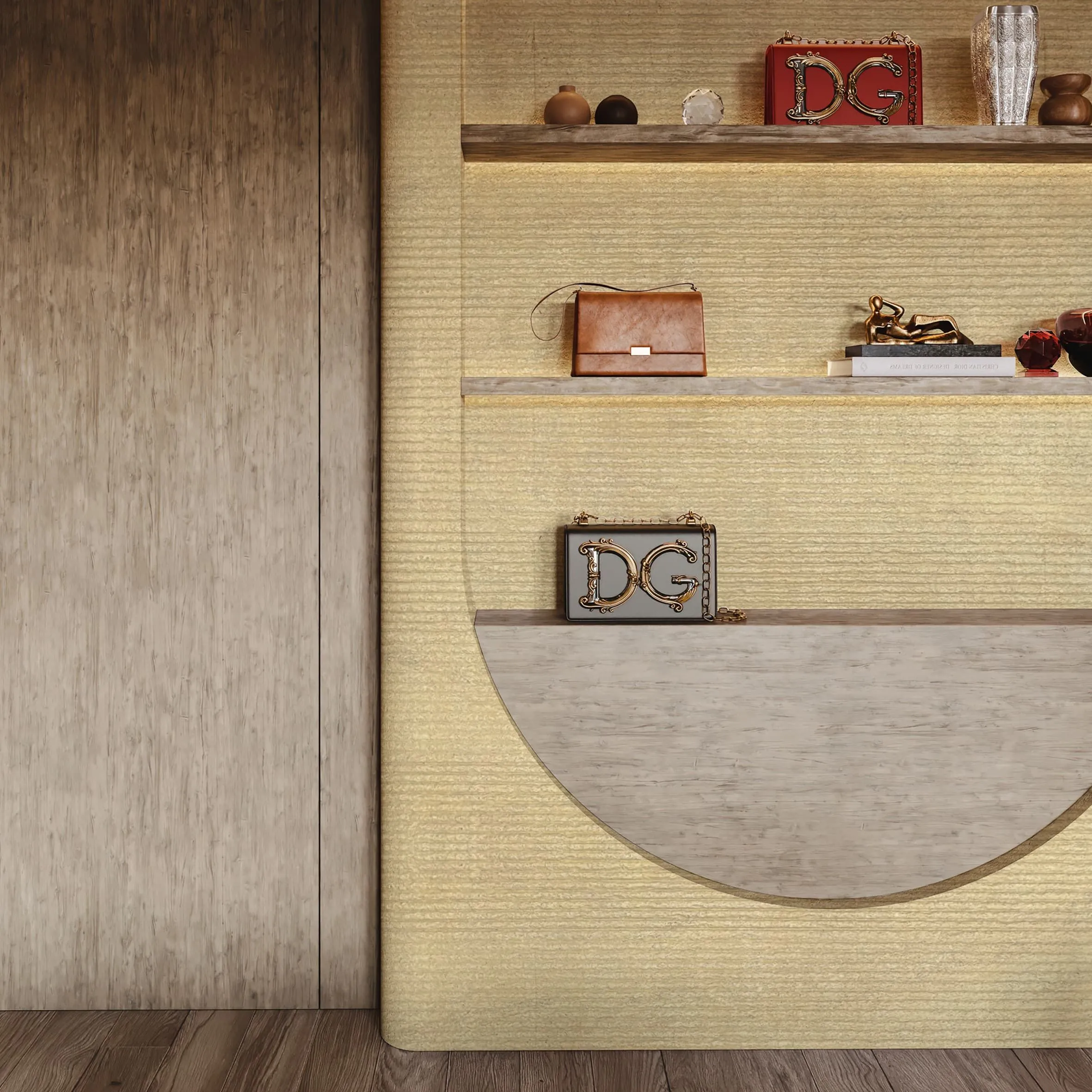
When it comes to blending strength, lightness, and style, Foamed Aluminium Alloy Board stands in a league of its own. Available in vintage silver , vintage gold , and gold variants, this material is a favorite for architects designing smart buildings that prioritize both aesthetics and functionality. Foamed aluminium is created by injecting gas into molten aluminium, resulting in a material that's 70% lighter than solid aluminium but just as strong. For smart buildings, this means endless possibilities—from lightweight facades to acoustic insulation.
Acoustic performance is a key feature of Foamed Aluminium Alloy Board. In open-plan offices, where noise can hinder productivity, the material's porous structure absorbs sound, creating quieter, more focused workspaces. Pair this with smart sound systems that adjust volume based on occupancy, and you have a space that adapts to the needs of its users. For example, a co-working space in Berlin uses Foamed Aluminium Alloy Board (vintage silver) for ceiling panels, which work in tandem with sensors to detect noise levels and trigger soft background music when the space gets too loud—all without human intervention.
The material's metallic finish also adds a touch of luxury to smart homes and retail spaces. Imagine a boutique hotel where the reception desk is clad in Foamed Aluminium Alloy Board (vintage gold), its warm tones complementing smart mirrors that display guest information upon arrival. Or a smart kitchen where the backsplash, made of Foamed Aluminium Alloy Board (gold), is heat-resistant and easy to clean—perfect for busy households. It's a material that doesn't just serve a purpose; it elevates the everyday.
| Material | Key Characteristics | Smart Building Integration | Sustainability |
|---|---|---|---|
| Gravel Omani Stone | Natural texture, durable, weather-resistant | Thermal insulation, rainwater harvesting | Locally sourced, long lifespan |
| MCM Flexible Stone | Lightweight, flexible, fire-retardant | Compatible with sensors, IoT systems | Recyclable materials, low carbon footprint |
| Lunar Peak Silvery | Reflective, durable, aesthetic appeal | Solar panel integration, LED lighting | Energy-efficient, low maintenance |
| Foamed Aluminium Alloy Board (vintage gold) | Lightweight, acoustic insulation, metallic finish | Sound sensors, heat resistance | Recyclable aluminium, energy-efficient production |
As we look to the future of smart building design, materials like Gravel Omani Stone, MCM Flexible Stone, Lunar Peak Series, and Foamed Aluminium Alloy Board remind us that innovation doesn't have to erase the past. Instead, it can honor it—reimagining traditional materials through the lens of technology, and creating new materials that carry the warmth of heritage while embracing the efficiency of the future.
In a world where buildings are becoming more connected, more sustainable, and more attuned to human needs, the materials we choose matter. They're not just the skin of our structures; they're the storytellers. Gravel Omani Stone tells of ancient deserts and resilient communities. MCM Flexible Stone speaks of adaptability and progress. Lunar Peak Series whispers of the cosmos and human ambition. Foamed Aluminium Alloy Board sings of innovation and elegance. Together, they form a chorus that celebrates both where we've been and where we're going.
So, the next time you walk into a smart building—whether it's a sleek office tower, a cozy home, or a bustling retail space—take a moment to look at the walls, the floors, the facades. Behind every texture, every color, every curve, there's a material working tirelessly to blend tradition and tech. And in that blend, we find not just better buildings, but a better way of living: rooted in the past, reaching for the future.
Recommend Products












