
How a Timeless Material is Paving the Way for Greener Construction
In the sun-baked landscapes of Oman, where ancient deserts meet modern cities, a humble material has been shaping architecture for centuries: Gravel Omani Stone. Its warm, earthy tones and rugged texture tell stories of tradition, but today, it's also becoming a symbol of something new—hope for a construction industry that respects the planet. As builders and homeowners alike wake up to the urgency of sustainability, materials like Gravel Omani Stone are no longer just about beauty; they're about responsibility. And at the center of that responsibility? Water—the lifeblood of our planet, and a resource all too often overlooked in the rush to build.
This article isn't just about a stone. It's about the people who quarry it, the communities that depend on its water sources, and the architects who are reimagining how we build without depleting our most precious resource. It's a story of innovation rooted in tradition, and how even the oldest materials can teach us new lessons about living in harmony with nature.
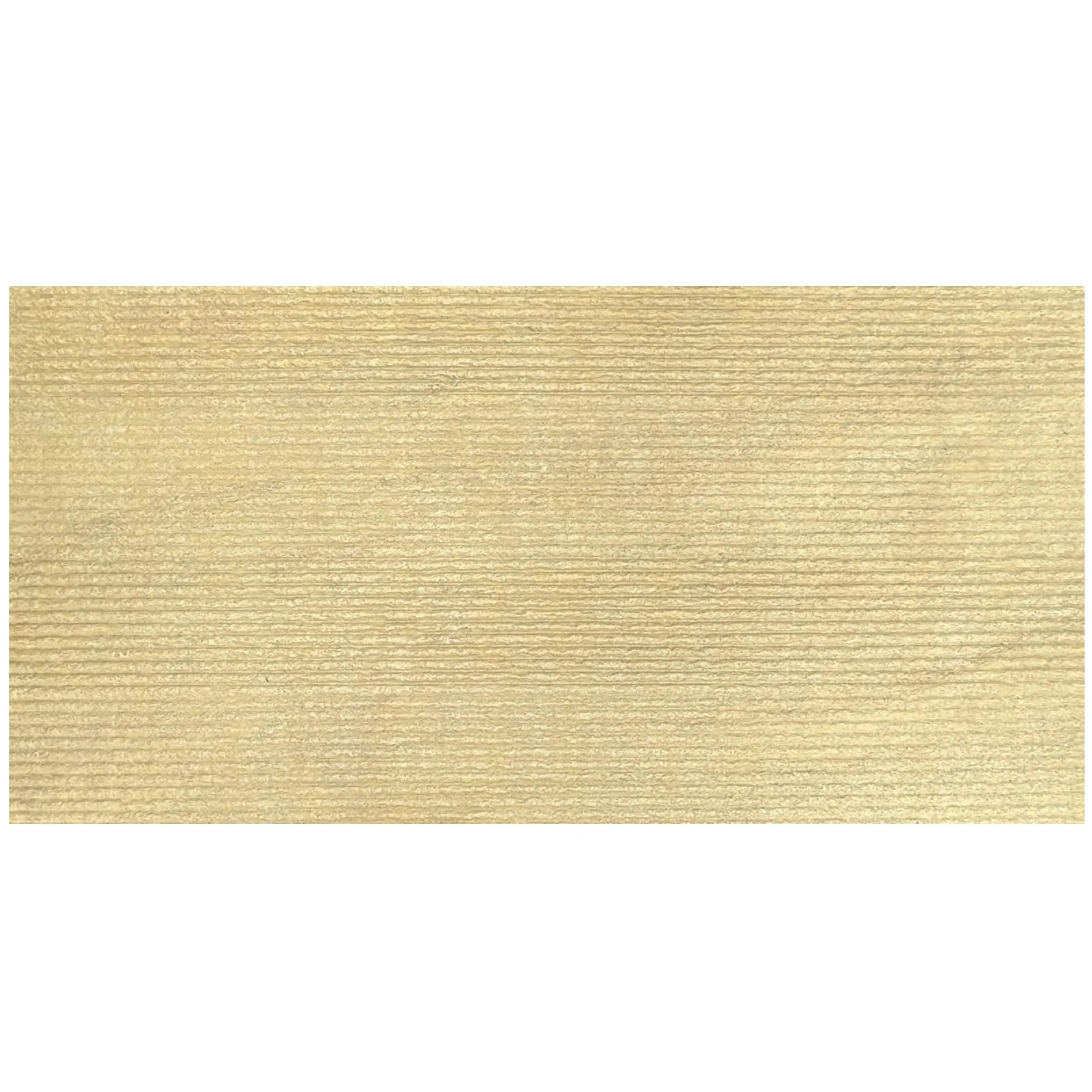
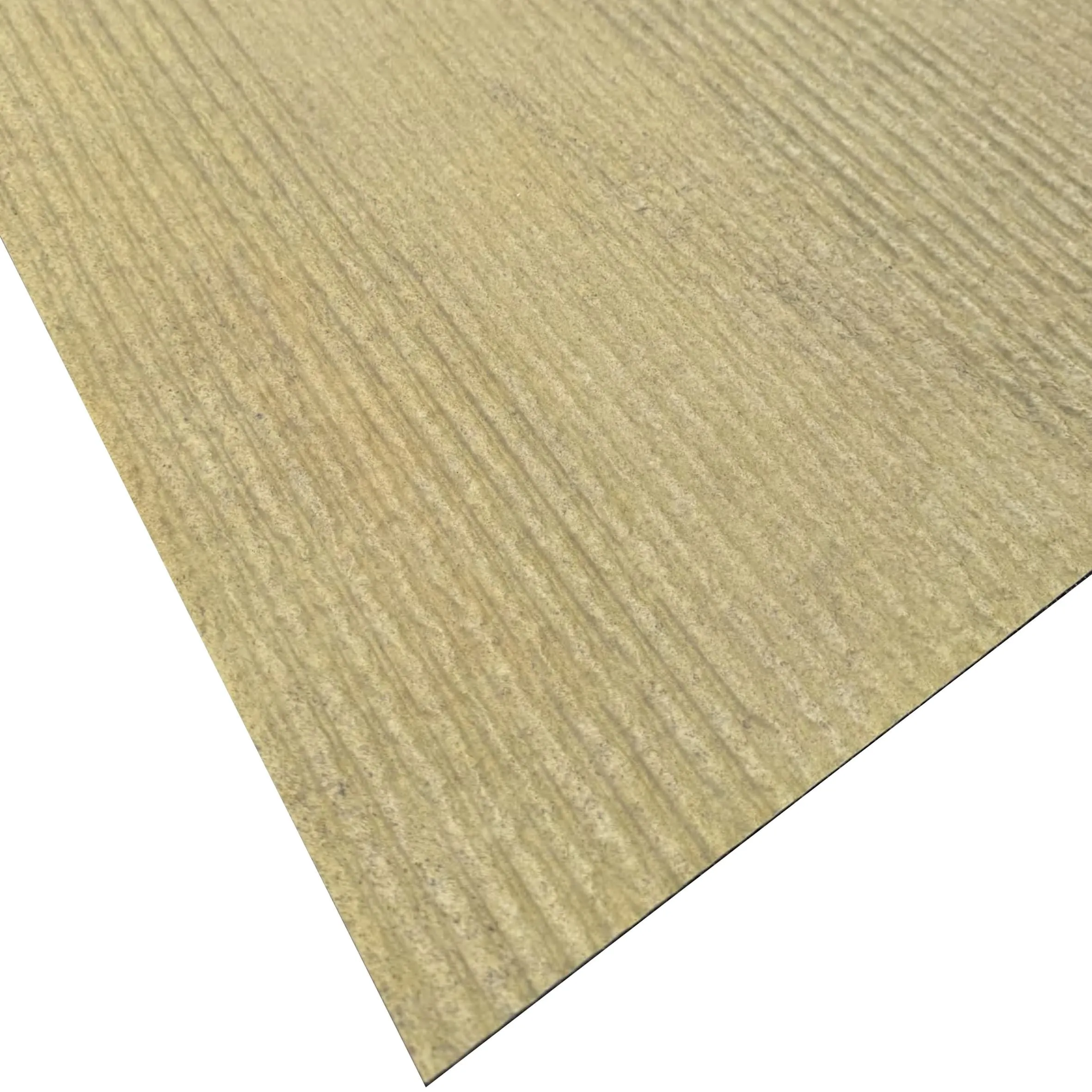
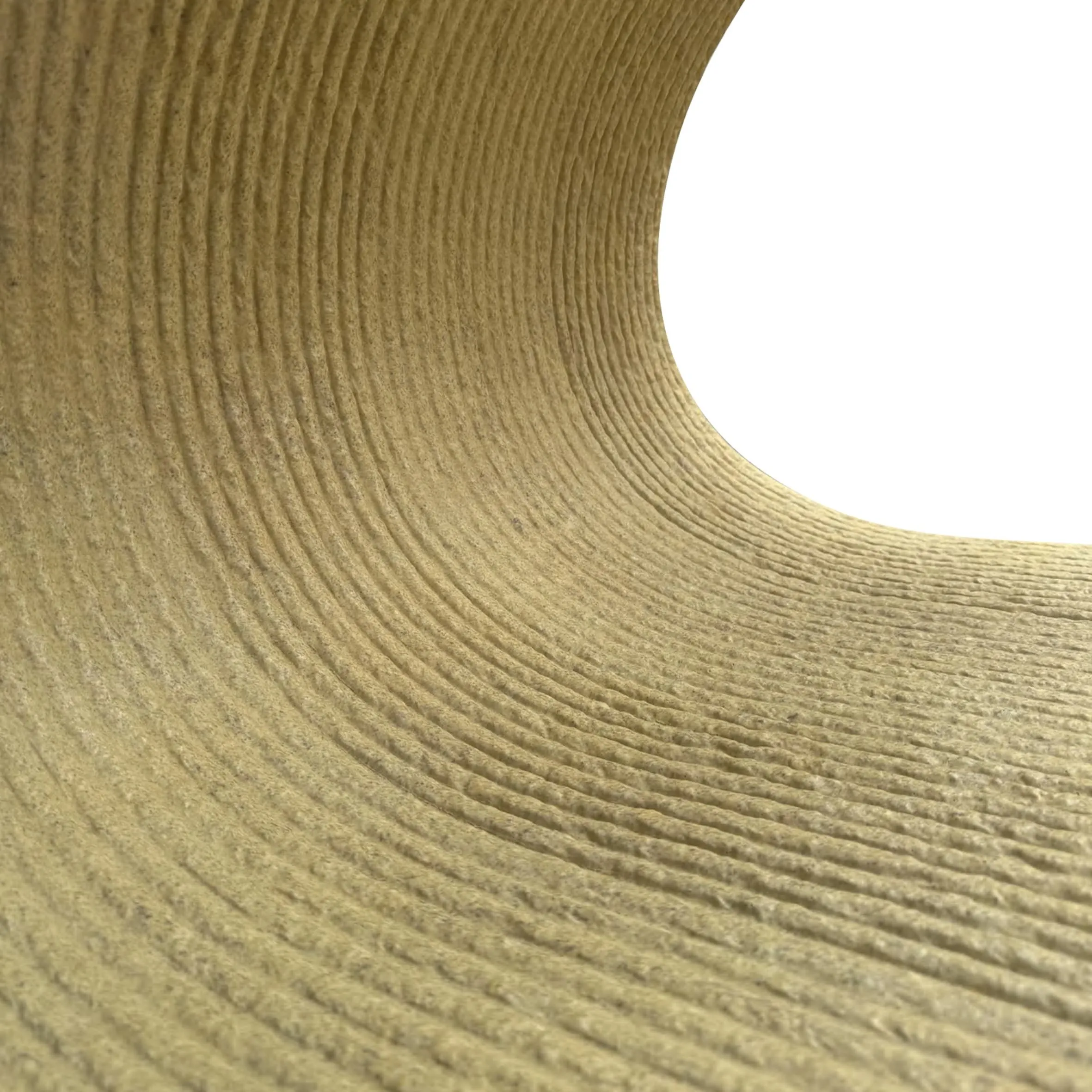
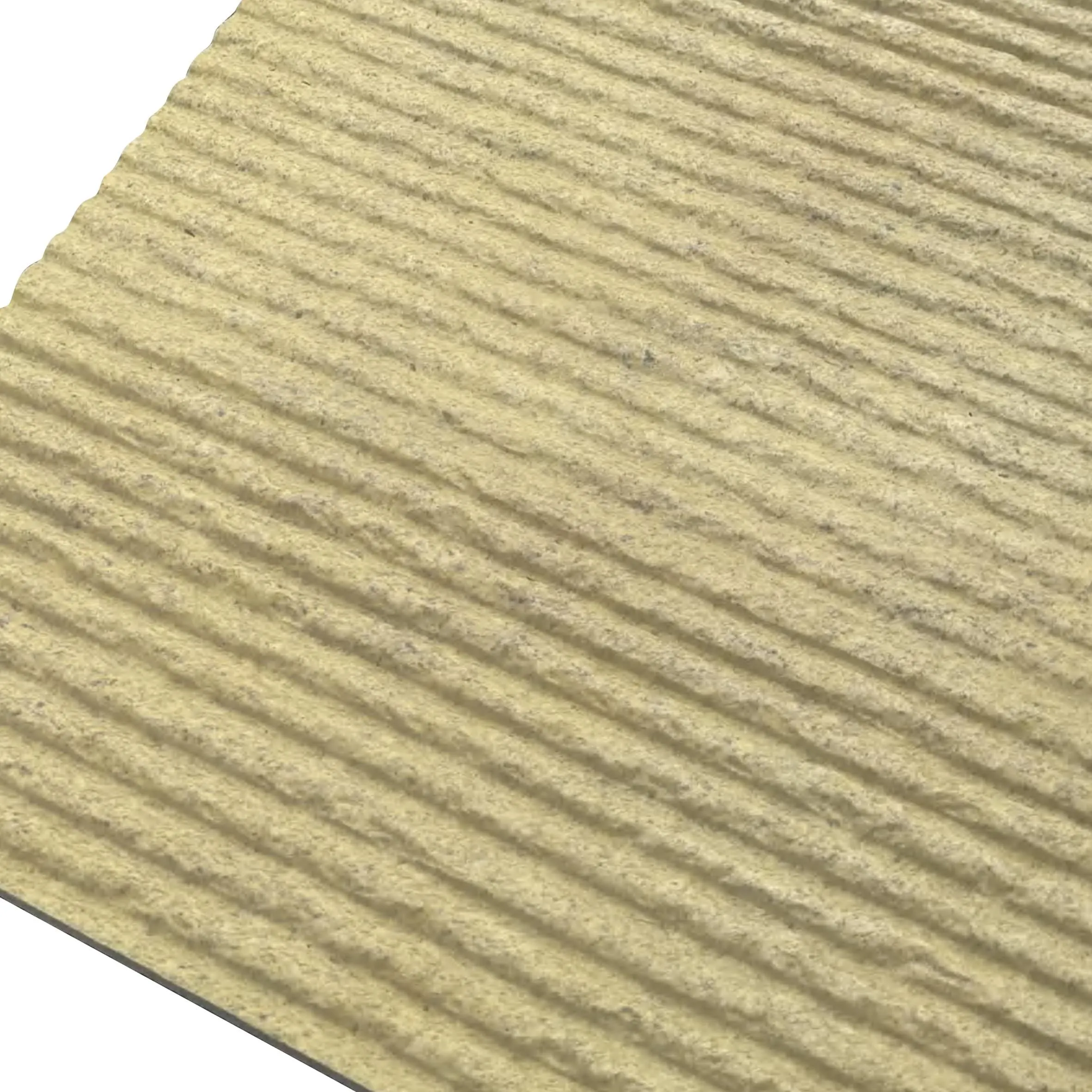
To understand why Gravel Omani Stone matters, you first have to hold it. Run your hand over its surface, and you'll feel the crunch of tiny pebbles embedded in a matrix of natural cement—a texture that feels both ancient and alive. Mined from Oman's rocky hillsides, this stone has been used for everything from fortress walls to modern villas, prized for its durability and ability to blend with desert landscapes. But what makes it truly special, especially today, is its potential to be quarried in ways that honor the environment.
"It's not just a material; it's part of our heritage," says Fatima Al-Mansoori, an architect based in Muscat who specializes in sustainable design. "When I specify Gravel Omani Stone for a project, I'm not just choosing a finish—I'm choosing to support local quarries that are finally prioritizing water conservation. That matters, especially here, where water is scarcer than oil."
Traditional quarrying methods, however, haven't always been kind to the land. For decades, quarries relied on high-pressure water jets to cut stone, a process that could consume thousands of liters of water per day. Runoff from these sites often carried sediment into nearby wadis (dry riverbeds), disrupting fragile ecosystems. But in recent years, a handful of forward-thinking quarries have begun to change the game—proving that even a material as old as Gravel Omani Stone can lead the charge for sustainability.
Step inside Al-Hajar Quarry, a family-owned operation nestled in Oman's Hajar Mountains, and you'll see the future of stone harvesting in action. Here, the sound of water pumps has been replaced by the hum of electric saws, and instead of open pits, you'll find covered storage areas where rainwater is collected in large tanks. "Ten years ago, we were using 50,000 liters of groundwater a day just to cut stone," says Salem Al-Badi, the quarry's manager, gesturing to a row of solar-powered pumps. "Now? We use less than 5,000—most of it rainwater we've saved."
So what changed? Al-Hajar, like a growing number of quarries, adopted closed-loop water systems. Instead of letting water run off after cutting, it's filtered, treated, and reused—over and over. "It's like a bucket that never empties," Al-Badi explains with a smile. "We still need some fresh water, but nowhere near as much. And the best part? Our stone quality is better. Dry cutting with diamond blades gives a cleaner edge, and the stone stays stronger because it's not saturated with water during processing."
Another game-changer? Dry cutting technology. Traditional wet cutting used water to cool blades and reduce dust, but modern saws with carbide-tipped blades can cut through Gravel Omani Stone with minimal heat, eliminating the need for constant water. "At first, the workers were skeptical," admits Al-Badi. "They thought the blades would wear out faster. But now, they love it—no more slipping on wet floors, and the dust is controlled with air filters instead of water. It's safer, too."
These practices aren't just good for the environment—they're good for business. Al-Hajar's water bills have dropped by 70%, and demand for their "eco-stone" has surged among architects like Al-Mansoori, who prioritize sustainability in their projects. "Clients don't just ask for 'green materials' anymore," she says. "They want to know the story behind the stone—how it was quarried, how much water was used. Gravel Omani Stone from places like Al-Hajar checks all those boxes."
Oman isn't the only place where water conservation in quarrying is critical. Globally, the construction industry accounts for nearly 15% of all freshwater withdrawals, according to the United Nations. In water-scarce regions like the Middle East, that number is even higher. "Every liter saved in a quarry is a liter that stays in a wadi, or a well, or a farmer's field," says Dr. Kareem Hassan, an environmental scientist at the Sultan Qaboos University. "Gravel Omani Stone quarries that adopt these practices aren't just helping themselves—they're helping entire communities."
Take the case of Wadi Al-Muaydin, a once-dry riverbed near Al-Hajar Quarry that now flows seasonally, thanks to reduced water extraction. "Five years ago, this wadi was just rocks and dust," says local farmer Ahmed Al-Zadjali, who grows date palms downstream. "Now, when it rains, the water stays longer. My trees are healthier, and the birds have come back. You don't realize how much a quarry affects you until it stops wasting water."
But the impact goes beyond local ecosystems. Water-wise quarrying also reduces carbon footprints. "Pumping groundwater requires energy—usually from fossil fuels," Dr. Hassan explains. "When quarries use less water, they use less energy. Al-Hajar, for example, cut their carbon emissions by 30% just by switching to closed-loop systems and solar power. That's a win for the planet, no matter where you live."
Did You Know? A single medium-sized quarry using traditional methods can consume up to 1 million liters of water per month. By adopting closed-loop systems and dry cutting, that number can drop to as little as 100,000 liters—saving enough water to supply 50 households for a year.
Gravel Omani Stone isn't the only eco-friendly material making waves in construction. From MCM flexible stone to fair-faced concrete, builders now have more sustainable options than ever. But how do they compare when it comes to water conservation? Let's take a closer look:
| Material | Water Usage (per ton quarried/manufactured) | Sustainability Edge | Best For |
|---|---|---|---|
| Gravel Omani Stone (Eco-Quarried) | 500-1,000 liters | Closed-loop water systems, dry cutting, local sourcing | Exterior cladding, pathways, accent walls |
| MCM Flexible Stone | 300-600 liters | Lightweight (reduces transport emissions), minimal waste | Curved surfaces, interior design, retrofits |
| Fair-Faced Concrete | 800-1,200 liters | Requires no additional finishing (saves energy/water) | Industrial-chic interiors, structural elements |
| Travertine (Starry Blue) | 1,200-1,800 liters* | Natural porosity reduces need for sealants | Decorative flooring, feature walls |
| Foamed Aluminium Alloy Board (Vintage Silver) | 200-400 liters | Recyclable, energy-efficient manufacturing | Modern exteriors, lightweight cladding |
*Note: Travertine water usage varies by quarry; some eco-certified operations use closed-loop systems to reduce this number.
"Gravel Omani Stone holds its own, especially when you factor in local sourcing," says Al-Mansoori, comparing the table. "MCM flexible stone is great for lightweight projects, but there's something irreplaceable about natural stone. And when it's quarried like Al-Hajar does it? It's hard to beat."

As the world grapples with climate change, the demand for sustainable building materials is only growing. Gravel Omani Stone, with its blend of tradition and innovation, is poised to lead the way—but it's not alone. Quarries across the globe are adopting water-wise practices, and architects are increasingly prioritizing materials with low environmental footprints.
"The next frontier? Carbon-neutral quarrying," Dr. Hassan predicts. "Imagine a quarry that runs entirely on solar power, uses 100% recycled water, and even captures carbon dioxide during stone processing. It's not science fiction—it's already happening in parts of Europe, and I bet we'll see it here in Oman within the decade."
For Fatima Al-Mansoori, the future is personal. "I design homes that will stand for 100 years," she says, looking out at a model of her latest project—a villa clad in Gravel Omani Stone from Al-Hajar Quarry. "I want those homes to tell a story of responsibility, not just beauty. When someone walks through the front door, I want them to feel that the stone beneath their feet was harvested with care for the planet. That's the legacy we owe to the next generation."
Back at Al-Hajar Quarry, Salem Al-Badi watches as a truck loaded with eco-stone pulls away, bound for a school in Muscat. "That stone will be part of a classroom where kids learn about sustainability," he says with pride. "Who knows? Maybe one of them will grow up to invent an even better way to quarry stone. But for now, we're doing our part—one drop of water saved at a time."
Gravel Omani Stone is more than a building material. It's a reminder that progress doesn't have to mean sacrificing the past—or the planet. From the quarries of Oman to construction sites around the world, the shift to water-wise practices is proof that every industry, no matter how traditional, can evolve. And as consumers, architects, and builders, we hold the power to accelerate that change—one choice, one project, one stone at a time.
So the next time you walk into a building, take a moment to look at the walls, the floors, the surfaces that surround you. Ask: What story do these materials tell? Were they harvested with respect for water, for land, for the people who brought them to life? In the end, the most beautiful buildings aren't just those that catch the eye—they're those that nourish the earth, too. And in that, Gravel Omani Stone is leading by example.
Recommend Products












