
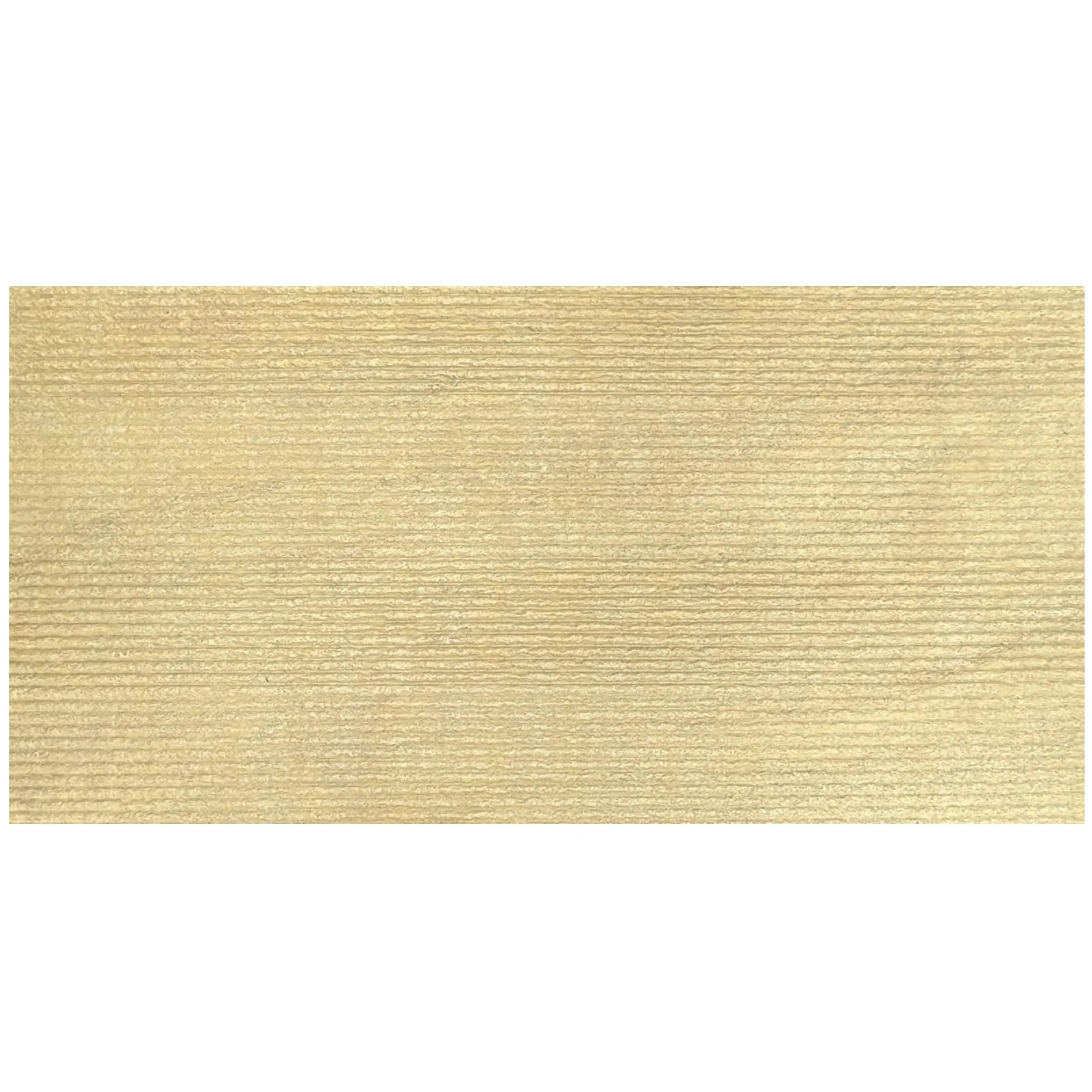
Walk into any modern construction site, and you'll likely be surrounded by a symphony of materials—each with its own story, strengths, and secrets. Today, let's zoom in on one that's been turning heads in architectural circles: Gravel Omani Stone. Hailing from the sun-baked quarries of Oman, this stone is celebrated for its warm, earthy tones and unique texture, making it a favorite for facades, flooring, and even landscaping features. But in an era where "sustainability" isn't just a buzzword but a critical decision-maker, there's a bigger question lingering: What's the carbon footprint of this beloved material? And how does it stack up against other options in the market?
Whether you're an architect drafting plans for a net-zero office building, a homeowner sprucing up your backyard, or a builder trying to balance durability with eco-responsibility, understanding the environmental impact of materials like Gravel Omani Stone is key. Let's dive in—no jargon, no fluff, just the real talk about how this stone's lifecycle affects our planet, and what it means for the future of green building.
First, let's get on the same page: What is a carbon footprint, anyway? Put simply, it's the total amount of greenhouse gases—mostly carbon dioxide (CO₂)—released into the atmosphere over a material's entire lifecycle. For construction materials, that lifecycle spans from the moment the raw material is extracted from the earth to the day it's demolished or recycled. Think of it as a material's "environmental resume"—and these days, clients, regulators, and even consumers are reading it closely.
The construction industry is a major player here. According to the United Nations Environment Programme, buildings and construction account for nearly 40% of global CO₂ emissions. That's more than cars, planes, and ships combined. So, when architects and builders choose materials like Gravel Omani Stone, they're not just picking something that looks good—they're casting a vote for the kind of planet we want to live on. A lower carbon footprint? That's a vote for cleaner air, stable climates, and communities that thrive without sacrificing future generations.
But here's the catch: Measuring carbon footprint isn't always straightforward. A material might shine in one stage (say, low processing emissions) but falter in another (like long-distance shipping). That's why we need to look at the whole picture—a lifecycle assessment (LCA)—to really understand a material's impact. And that's exactly what we're going to do with Gravel Omani Stone.
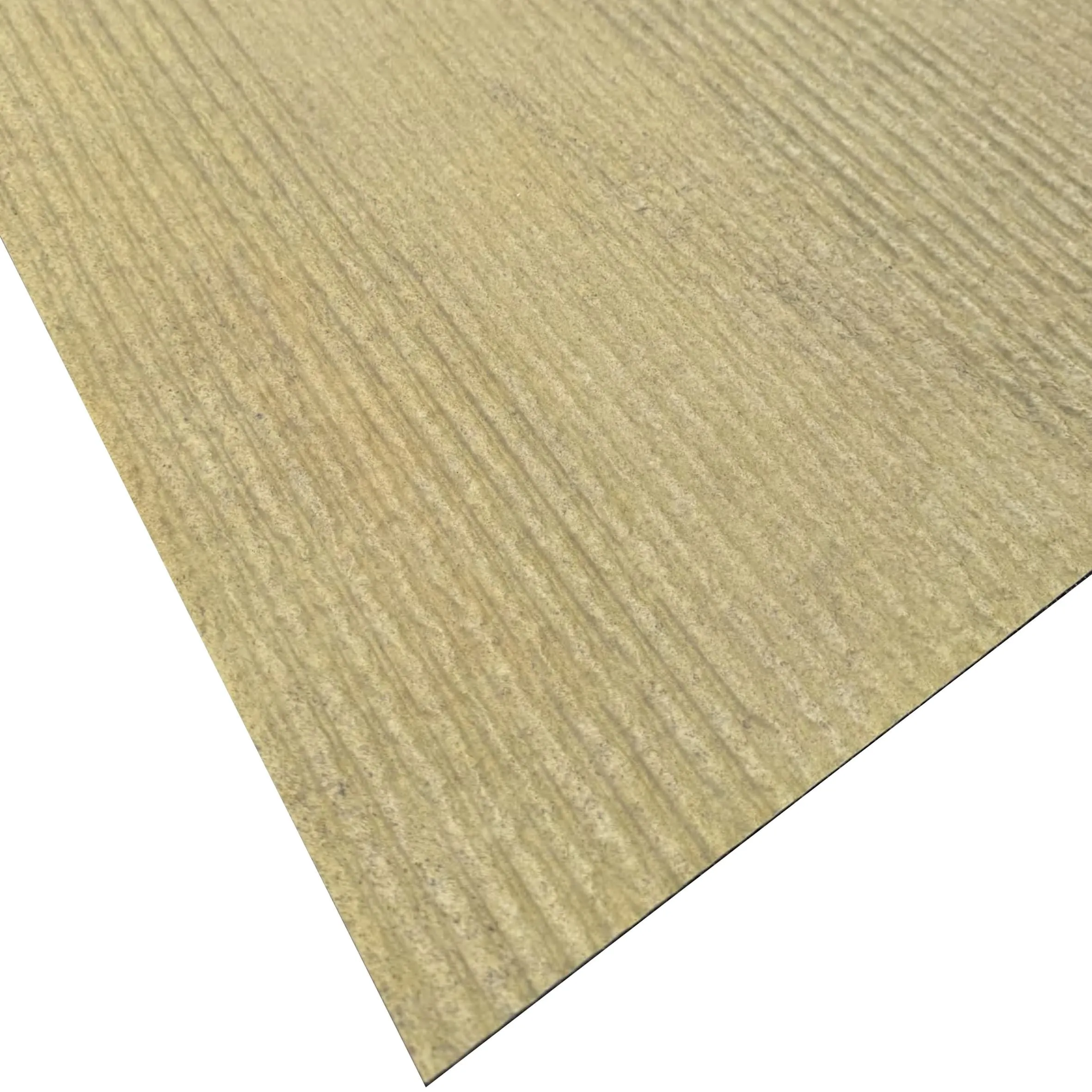
Let's break down Gravel Omani Stone's journey step by step. Each phase tells a part of the carbon story, and each offers opportunities to reduce its environmental footprint.
It all starts in Oman's quarries, where massive blocks of Gravel Omani Stone are extracted from the ground. Quarrying is energy-intensive work—think diesel-powered excavators, drills, and loaders. These machines burn fossil fuels, releasing CO₂ into the air. Then there's the matter of land use: Quarries can disrupt local ecosystems if not managed carefully, though many modern operations now prioritize reclamation (restoring the land post-extraction) to mitigate this.
But here's a glimmer of hope: Some Omani quarries are starting to switch to electric machinery, powered by solar panels installed right on-site. Imagine a quarry where the sun, which beats down relentlessly in Oman, fuels the very tools that dig the stone. That's not just a pipe dream—it's happening. One quarry in the Al Hajar Mountains recently reported cutting its extraction emissions by 35% after making the switch. Small changes, big impact.
Once the raw stone is extracted, it's transported to processing facilities to be cut, shaped, and finished. This is where Gravel Omani Stone gets its signature look—whether it's a smooth polish for a luxury hotel lobby or a rough, natural texture for a residential facade. But cutting stone requires diamond-tipped saws and grinders, which guzzle electricity. If that electricity comes from coal-fired power plants, the carbon tally climbs. If it's from renewables? The footprint shrinks.
Waste is another factor here. Cutting stone generates dust and offcuts—some of which can be repurposed (think gravel for roads or aggregate for concrete), but much of it ends up in landfills. Innovators are finding new uses for this waste: One Omani company now turns stone dust into eco-friendly tiles, diverting 20,000 tons of waste from landfills annually. It's a reminder that sustainability often starts with seeing "trash" as treasure.
Gravel Omani Stone is a global player. It's shipped to construction sites in Europe, Asia, the Middle East, and beyond. And shipping—especially over long distances—leaves a significant carbon trail. A cargo ship carrying stone from Oman to London, for example, burns heavy fuel oil, releasing CO₂ and other pollutants. The farther the stone travels, the higher its transport emissions.
But here's the flip side: Local materials aren't always greener. If a region lacks high-quality stone, importing Gravel Omani Stone might still be better than using a locally available material with a sky-high processing footprint. It's all about balance. Some builders are now prioritizing "local-first" sourcing when possible—opting for Gravel Omani Stone for projects in the Middle East, where transport distances are shorter, and choosing alternatives like MCM flexible stone for far-flung sites. MCM flexible stone, a lightweight composite material, is easier to ship and often has lower overall emissions, making it a popular choice for global projects.
Once the stone arrives on-site, it's time to install it. This phase's carbon footprint depends on the tools used (electric vs. gas-powered), the adhesives or mortar (some release volatile organic compounds, or VOCs), and even the labor practices (do workers commute via public transit or gas-guzzling trucks?). For Gravel Omani Stone, which is heavier than materials like MCM flexible stone or foamed aluminium alloy board, installation might require more heavy lifting—think cranes or forklifts. These machines add to the emissions, though modern construction sites are increasingly using hybrid or electric equipment to cut this down.
Buildings don't last forever, and neither does the stone in them. When a structure is demolished, Gravel Omani Stone faces one of two fates: landfill or recycling. If it's landfilled, it contributes to methane emissions as it breaks down (though stone decomposes slowly, so this is minimal compared to organic waste). If it's recycled, it can be crushed into aggregate for new construction or repurposed as decorative stone. The good news? Stone is highly recyclable—unlike some synthetic materials that degrade or release toxins when processed. Many demolition companies now prioritize "deconstruction" over demolition, carefully removing stone to be reused, which slashes emissions by avoiding the need for new extraction.
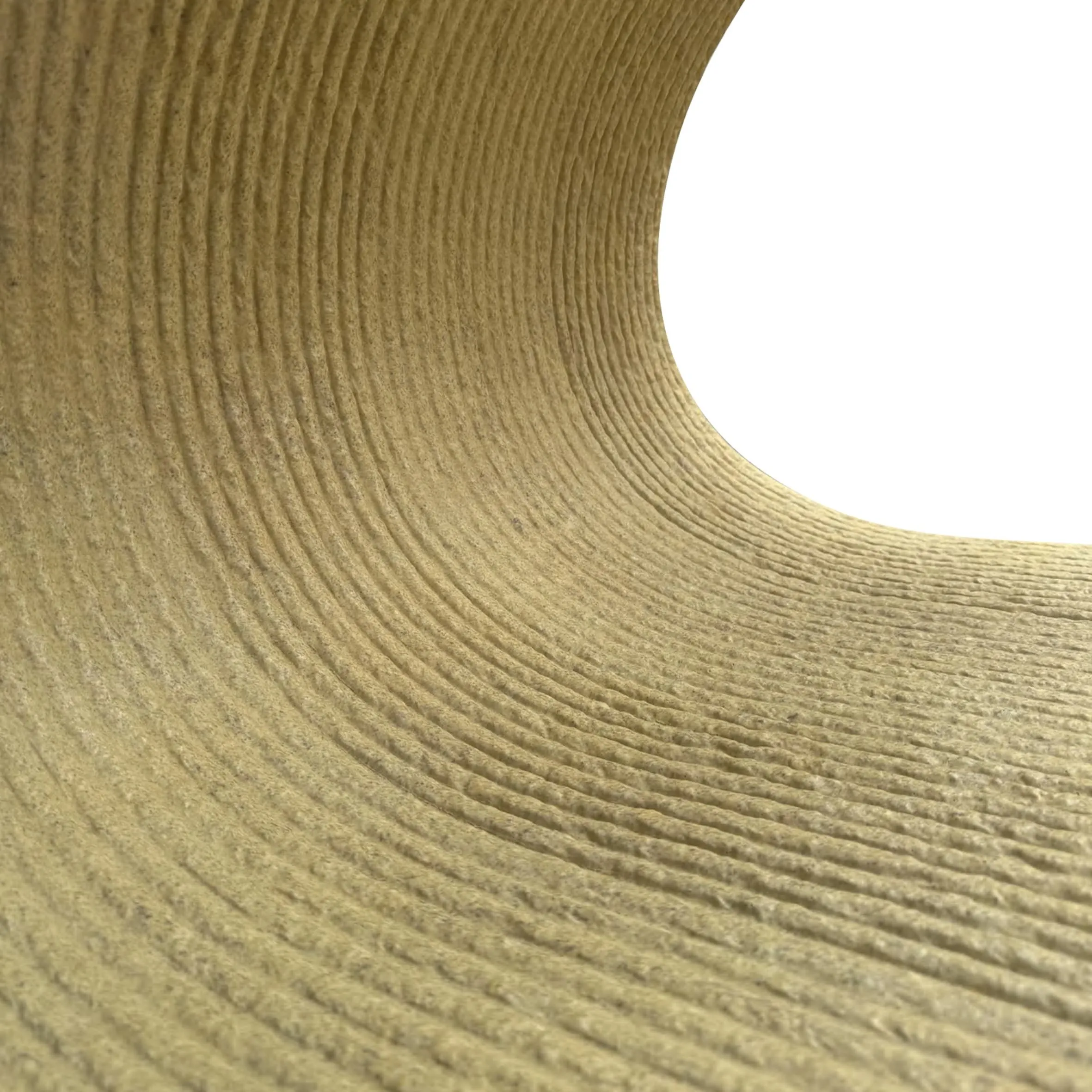
Talking about carbon footprint in a vacuum only tells half the story. To really understand Gravel Omani Stone's impact, we need to compare it to other popular construction materials. Let's pit it against three contenders: MCM flexible stone, foamed aluminium alloy board, and fair-faced concrete. These are all widely used in facades and cladding, so the match-up is fair game.
| Material | Extraction Emissions (kg CO₂e/tonne) | Processing Emissions (kg CO₂e/tonne) | Transport (Global Avg., kg CO₂e/tonne) | Total Lifecycle (Estimated, kg CO₂e/tonne) |
|---|---|---|---|---|
| Gravel Omani Stone | 80–120 | 150–200 | 100–180 | 450–650 |
| MCM Flexible Stone | 40–60 | 90–120 | 60–90 | 250–350 |
| Foamed Aluminium Alloy Board | 200–250 | 500–600 | 80–120 | 900–1,100 |
| Fair-Faced Concrete | 30–50 | 250–300 | 40–70 | 400–550 |
*Estimates based on industry data and lifecycle assessments; values vary by region, energy source, and production methods.
Let's unpack this. Gravel Omani Stone falls somewhere in the middle. Its total lifecycle emissions (450–650 kg CO₂e/tonne) are higher than MCM flexible stone (250–350) but lower than foamed aluminium alloy board (900–1,100). It's roughly on par with fair-faced concrete (400–550), though concrete's emissions can spike if it uses high-carbon cement.
What's driving these differences? MCM flexible stone, for example, is a composite material made with natural stone particles and a lightweight backing. It requires less energy to extract (since it uses recycled stone dust) and process, and its light weight cuts transport and installation emissions. Foamed aluminium alloy board, on the other hand, has sky-high processing emissions because aluminium production is energy-intensive (think electrolysis, which often relies on coal power). Fair-faced concrete benefits from low extraction emissions but suffers from cement production—a major CO₂ source (cement manufacturing alone accounts for 8% of global emissions).
So, if Gravel Omani Stone isn't the lowest emitter, why choose it? Aesthetics play a big role. Architects love its natural texture and warmth, which can't be replicated by synthetic materials. It's also incredibly durable—lasting 50+ years with minimal maintenance, which reduces the need for replacement (and thus re-extraction). And when sourced locally or from quarries using renewable energy, its footprint shrinks even further. It's a reminder that sustainability isn't just about numbers—it's about balancing impact, longevity, and beauty.
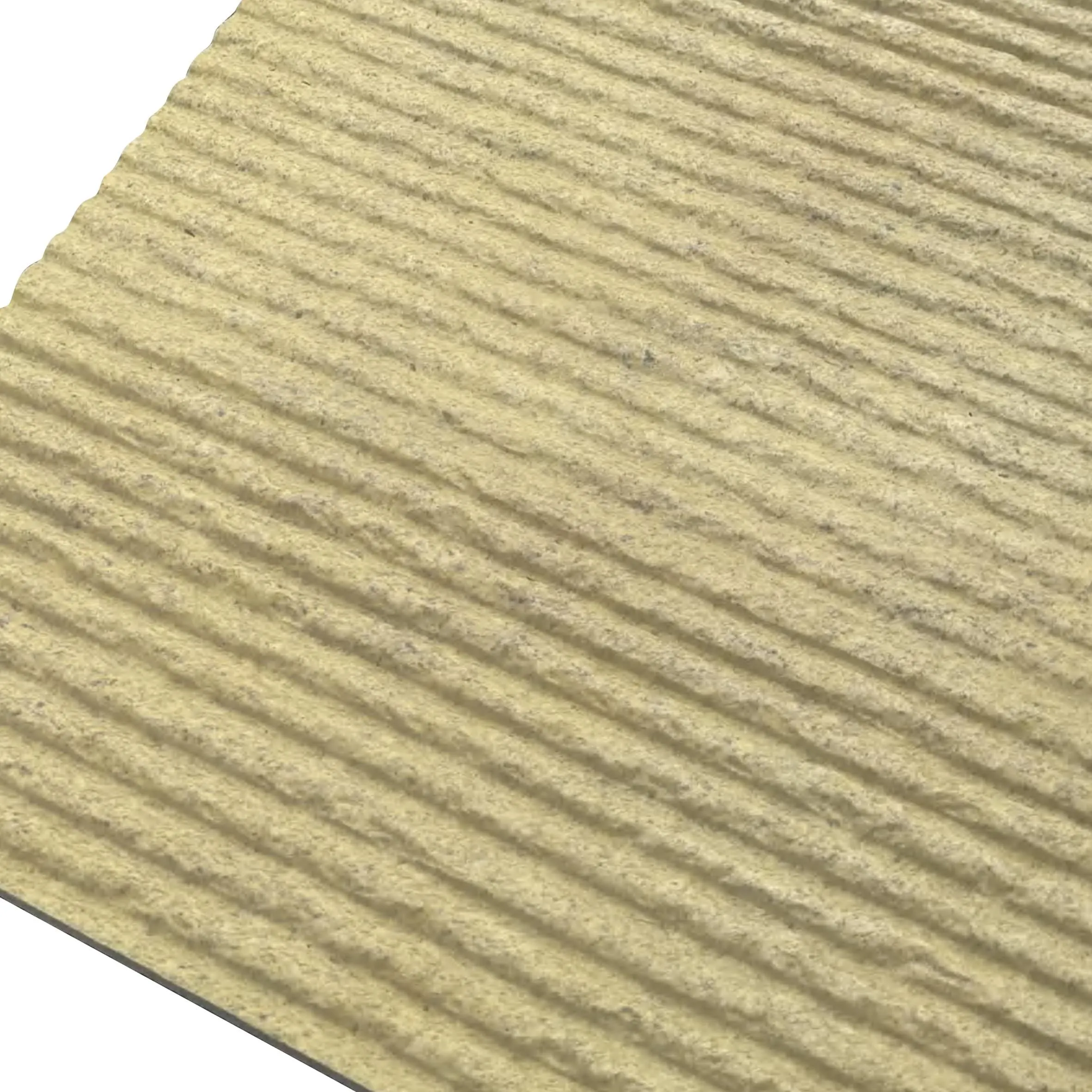
The construction industry isn't sitting idle when it comes to sustainability—and Gravel Omani Stone producers are no exception. From quarry to client, there are countless efforts underway to shrink this stone's carbon footprint. Let's highlight a few that stand out.
Oman's sunny climate is a goldmine for solar power, and quarries are starting to tap into it. One major producer in Salalah installed a 5 MW solar farm to power its extraction and processing machinery, reducing reliance on diesel and grid electricity (which in Oman still comes mostly from natural gas). The result? A 28% drop in overall emissions from their operations. Wind power is also on the rise, with a quarry in the Al Batinah region adding wind turbines to supplement solar, ensuring round-the-clock renewable energy.
Stone processing uses a lot of water—for cooling saws, cleaning dust, and finishing surfaces. In arid Oman, water is a precious resource, so companies are getting creative. One facility now recycles 95% of its water using filtration systems, reducing freshwater intake by 1.2 million liters annually. They've also switched to dry-cutting technologies where possible, which eliminates water use entirely (though this increases dust, so they pair it with high-efficiency dust collectors to protect workers' health).
Even with renewable energy and water recycling, some emissions are unavoidable. That's where carbon offsetting comes in. Several Gravel Omani Stone producers now partner with reforestation projects in Oman and beyond. For every tonne of CO₂ emitted, they fund the planting of trees (which absorb CO₂ as they grow) or invest in renewable energy projects in developing countries. One producer even offers clients a "carbon-neutral stone" option, where the cost of offsets is included in the material price—giving builders an easy way to market their projects as eco-friendly.
Trust is key in sustainability, so producers are seeking third-party certifications to back up their claims. The Leadership in Energy and Environmental Design (LEED) certification, for example, recognizes materials with low lifecycle emissions, and Gravel Omani Stone from sustainable quarries often qualifies for LEED points. Producers are also publishing detailed environmental product declarations (EPDs)—documents that lay out a material's carbon footprint, water use, and waste generation for buyers to review. It's transparency that helps architects and builders make informed choices.
For all the progress, there are still hurdles to overcome. Let's be honest: sustainability isn't always easy, and Gravel Omani Stone faces its share of challenges.
Renewable energy, water recycling, and carbon offsets all cost money—and those costs often get passed on to buyers. A tonne of sustainably sourced Gravel Omani Stone can be 10–15% more expensive than stone from conventional quarries. For budget-conscious builders or clients who prioritize upfront costs over long-term impact, this can be a dealbreaker. It's a classic "pay now or pay later" scenario: spending more upfront on low-carbon stone saves money (and emissions) down the line, but not everyone can afford to wait.
While some quarries are going solar, many smaller operations can't afford the upfront investment in panels or wind turbines. In remote areas of Oman, grid infrastructure is spotty, making it hard to switch from diesel. Until renewable energy becomes more accessible and affordable, these quarries will struggle to reduce emissions.
As we discussed earlier, shipping Gravel Omani Stone worldwide adds emissions. While local sourcing helps, some projects demand the unique look of Omani stone, so shipping is unavoidable. Innovations like slow-steaming (slowing cargo ships to reduce fuel use) or using biofuels can cut emissions, but these are still niche practices. The global supply chain is a complex beast, and untangling its carbon knots will take time.
While countries like the EU have strict emissions regulations for construction materials, many regions still lack clear standards. Without mandates or incentives to reduce carbon footprints, some producers see little reason to invest in sustainability. It's a case where policy needs to catch up with technology—and consumer demand—to drive change.
So, what's the verdict on Gravel Omani Stone's carbon footprint? It's not perfect—but no material is. Its impact depends on how it's sourced, processed, transported, and recycled. When paired with renewable energy, local sourcing, and recycling programs, it can be a relatively low-carbon choice, especially compared to energy-heavy alternatives like foamed aluminium alloy board. And its durability and beauty make it a timeless option that reduces long-term emissions by avoiding frequent replacements.
But the real takeaway here isn't just about one stone. It's about a shift in how we think about construction materials. We're moving beyond "this vs. that" debates to a more holistic view—one that considers lifecycle, durability, recyclability, and community impact. Gravel Omani Stone is part of this shift, and as producers, architects, and clients demand more sustainability, its footprint will only shrink.
Imagine a future where every construction project starts with a lifecycle assessment, where quarries are powered by the sun and wind, and where "carbon-neutral stone" is the norm, not the exception. It's not a fantasy—it's already unfolding. And Gravel Omani Stone, with its rich texture and evolving sustainability story, is right there in the mix.
So, the next time you see a building clad in warm, earthy stone, take a moment to wonder: What's its carbon footprint? And how can we make sure that future stones—whether Gravel Omani or otherwise—leave a lighter mark on our planet. After all, the best buildings aren't just made of stone—they're built on a foundation of care for the earth and the people who call it home.
Recommend Products












