
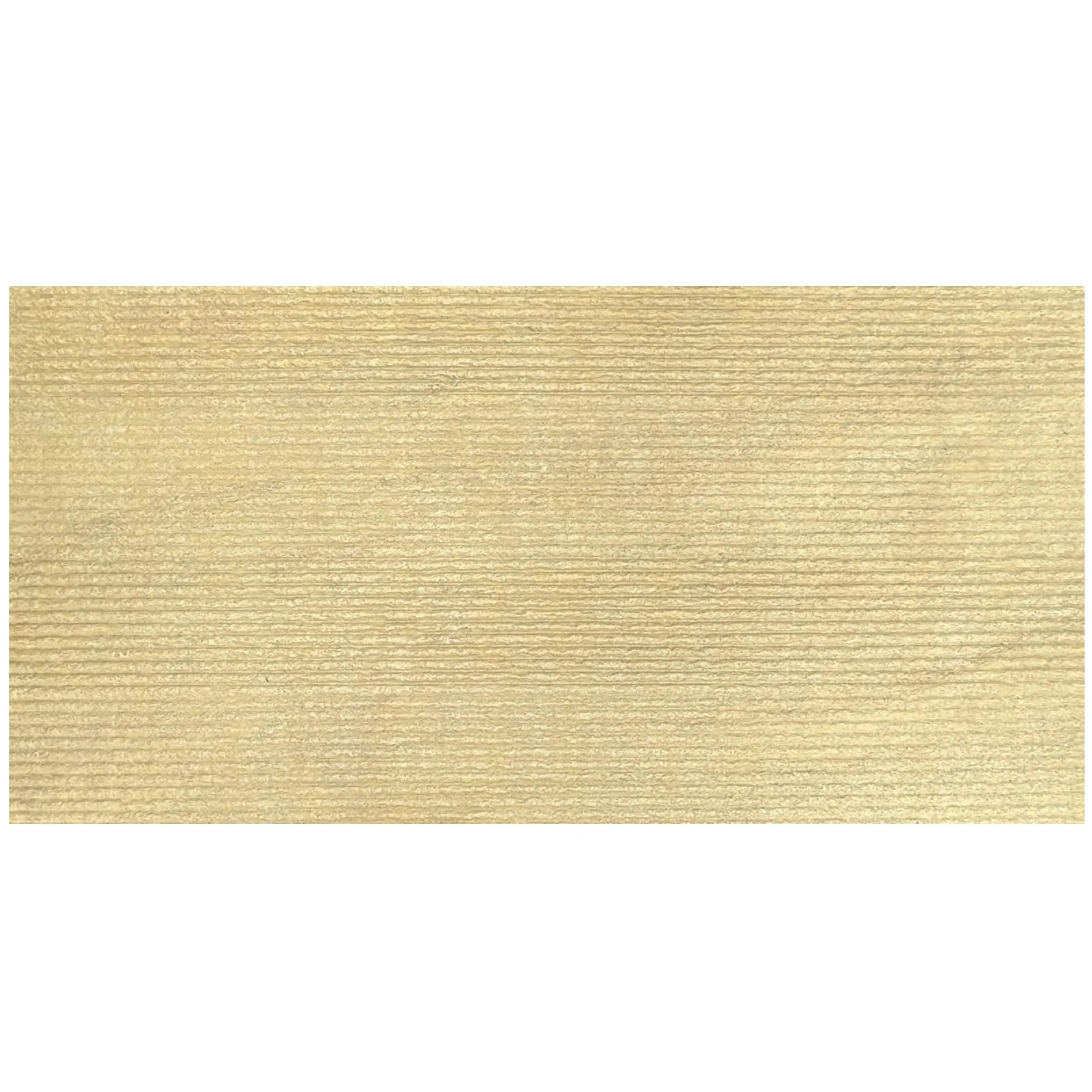
A deep dive into the pricing, trends, and allure of one of design's most sought-after natural stones
If you've flipped through a high-end design magazine or scrolled through luxury home tours online lately, there's a good chance you've encountered a material that feels both grounded and ethereal: Gravel Omani Stone. Originating from the arid, sun-baked landscapes of Oman, this stone isn't just a building material—it's a piece of the desert's soul, captured in stone. Picture this: tiny, smooth gravel fragments embedded in a creamy, earthy matrix, ranging from soft beiges to warm terracottas, with hints of gold that catch the light like desert sand at sunset. It's no wonder architects and designers can't get enough of it.
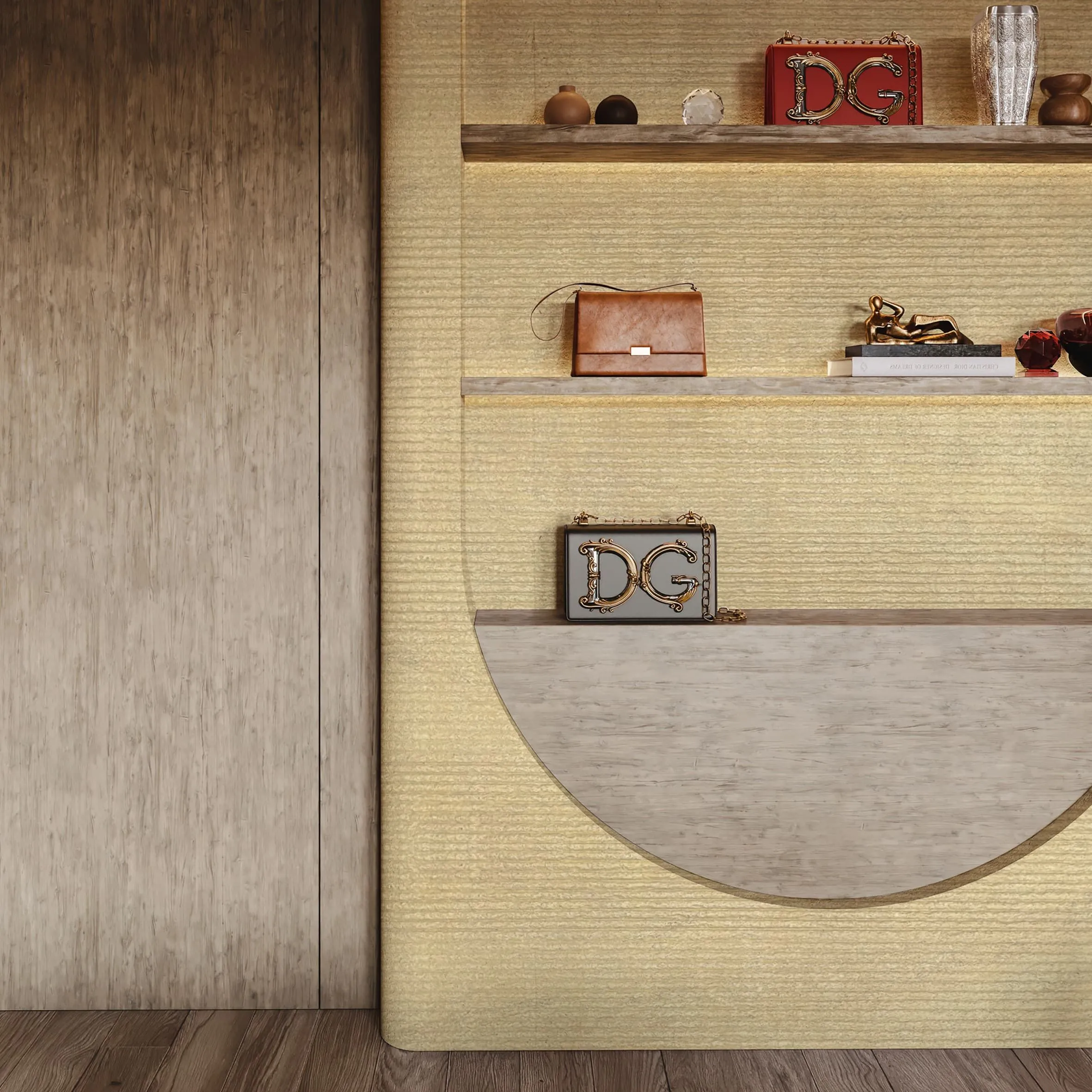
But what really sets Gravel Omani Stone apart? Unlike polished marbles or uniform concrete, it wears its texture proudly. Run your hand over it, and you'll feel the subtle crunch of gravel against the smoother base—a tactile experience that adds depth to any space. It's versatile, too: slap it on a restaurant wall for a rustic-chic vibe, use it as a backsplash in a minimalist kitchen, or clad an entire facade to make a commercial building feel rooted in nature. In 2025, as more projects lean into "biophilic design" (that's just a fancy term for bringing the outdoors in), Gravel Omani Stone has become more than a trend—it's a statement.
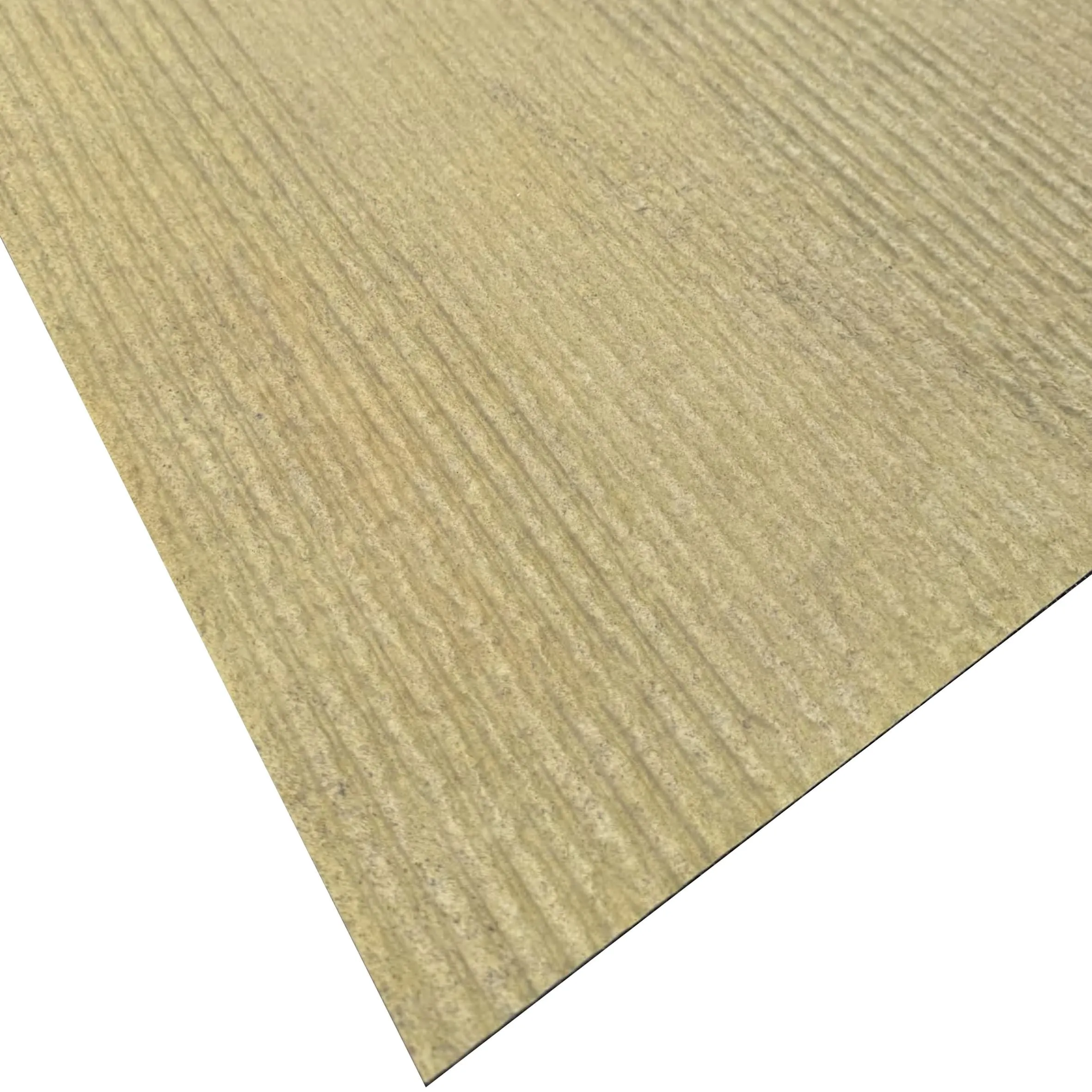
Let's get technical for a second, but don't worry—I'll keep it human. Gravel Omani Stone isn't just pretty; it's practical. It's porous enough to breathe (great for areas with humidity) but dense enough to stand up to heavy foot traffic, making it a favorite for both floors and walls. Its natural color palette—think desert neutrals with occasional pops of rust or sand—means it plays well with other materials, too. Pair it with warm woods, sleek metals, or even bold tiles, and it somehow ties everything together without stealing the show.
And let's not forget the "story factor." In an era where clients crave authenticity, Gravel Omani Stone comes with a narrative. Each slab carries the (that's "mark" in Arabic) of Oman's geology—formed over centuries by mineral deposits and desert winds. Designers love this because it turns a wall or floor into a conversation starter: "Did you know this stone is from Oman? The gravel bits are actually ancient riverbed sediment…" Suddenly, a bathroom renovation feels like a piece of world history.
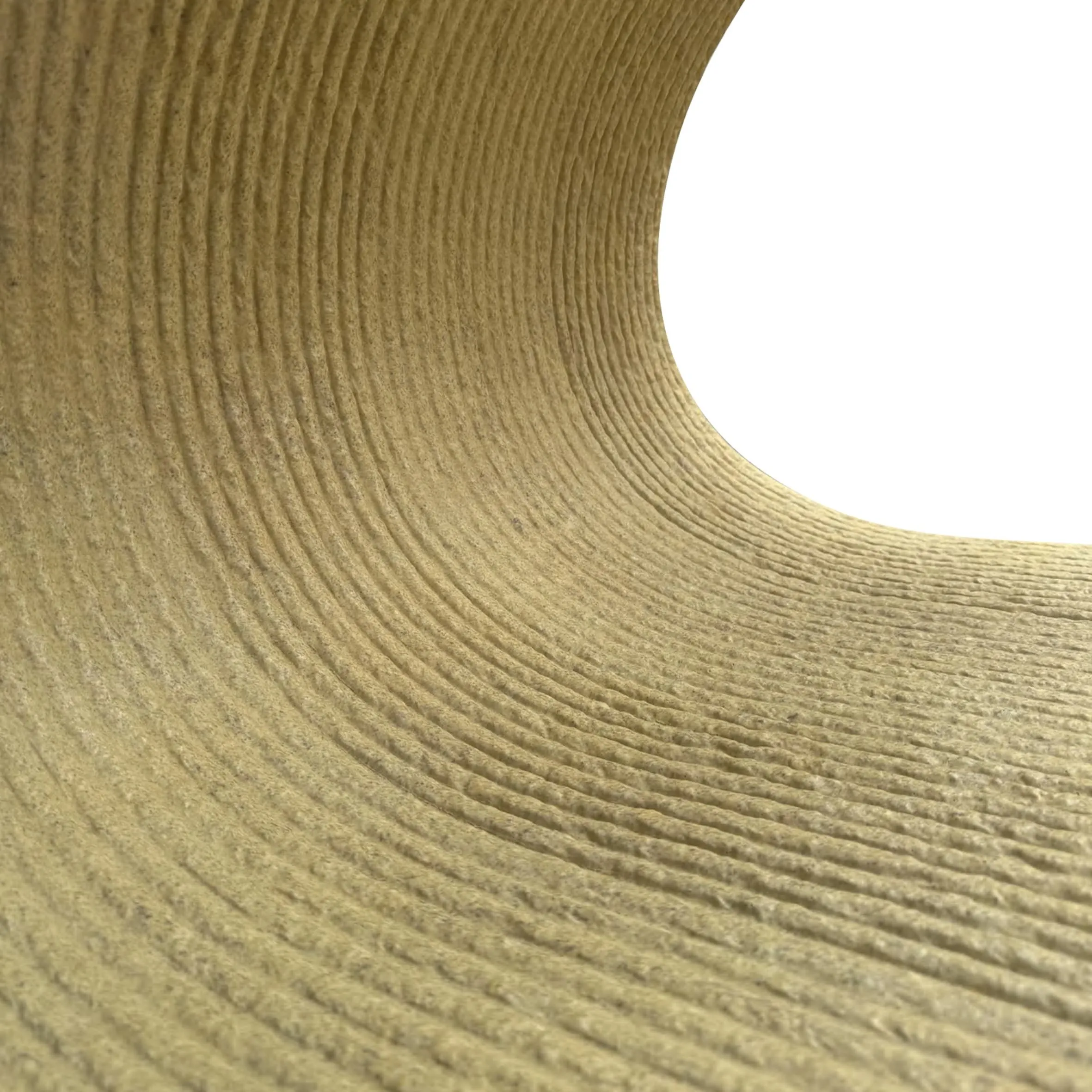
Let's cut to the chase: You're here for the numbers. But before we talk dollars per square meter, let's understand why Gravel Omani Stone isn't exactly budget-friendly. It's a natural stone, yes, but its journey from Oman's quarries to your living room involves a lot of hands, hard work, and logistical hurdles. Let's break it down.
Oman's landscape is stunning, but it's not easy to mine. Gravel Omani Stone is often found in remote desert regions, which means getting equipment and labor to the sites is no small feat. Add to that strict environmental regulations (Oman takes desert conservation seriously) and rising labor costs, and extraction alone accounts for a chunk of the price. Quarry workers don't just dig—they carefully extract slabs to avoid cracking the delicate gravel matrix, which takes time and skill. You're not just paying for stone; you're paying for precision.
Once extracted, the stone heads to processing facilities, where it's cleaned, cut into slabs, and finished. Here's where choices matter: A "natural" finish (no polishing, just a sealed surface) costs less than a "honed" or "polished" finish, which requires extra grinding and buffing. Most designers opt for the natural look to preserve the gravel texture, but even then, sorting through slabs to find consistent color and gravel distribution adds time—and time, as they say, is money.
Oman isn't exactly next door to everywhere. If you're in Europe, North America, or Asia, that stone has to hop on a ship, endure weeks at sea, and then navigate import taxes and customs. In 2025, shipping costs are still recovering from post-pandemic disruptions, and fuel prices? Let's just say they're not helping. A slab that costs $50 to extract might double in price by the time it reaches a warehouse in New York or London.
Here's the elephant in the room: Gravel Omani Stone is hot right now. Luxury hotels in Dubai, boutique restaurants in Paris, and high-end homes in California are all clamoring for it. When demand outpaces supply (and Oman's quarries can only produce so much), prices tick up. It's basic economics, but it's felt acutely when you're budgeting for a project. In 2025, we're seeing a 15-20% price increase compared to 2023, and that trend doesn't seem to be slowing down.
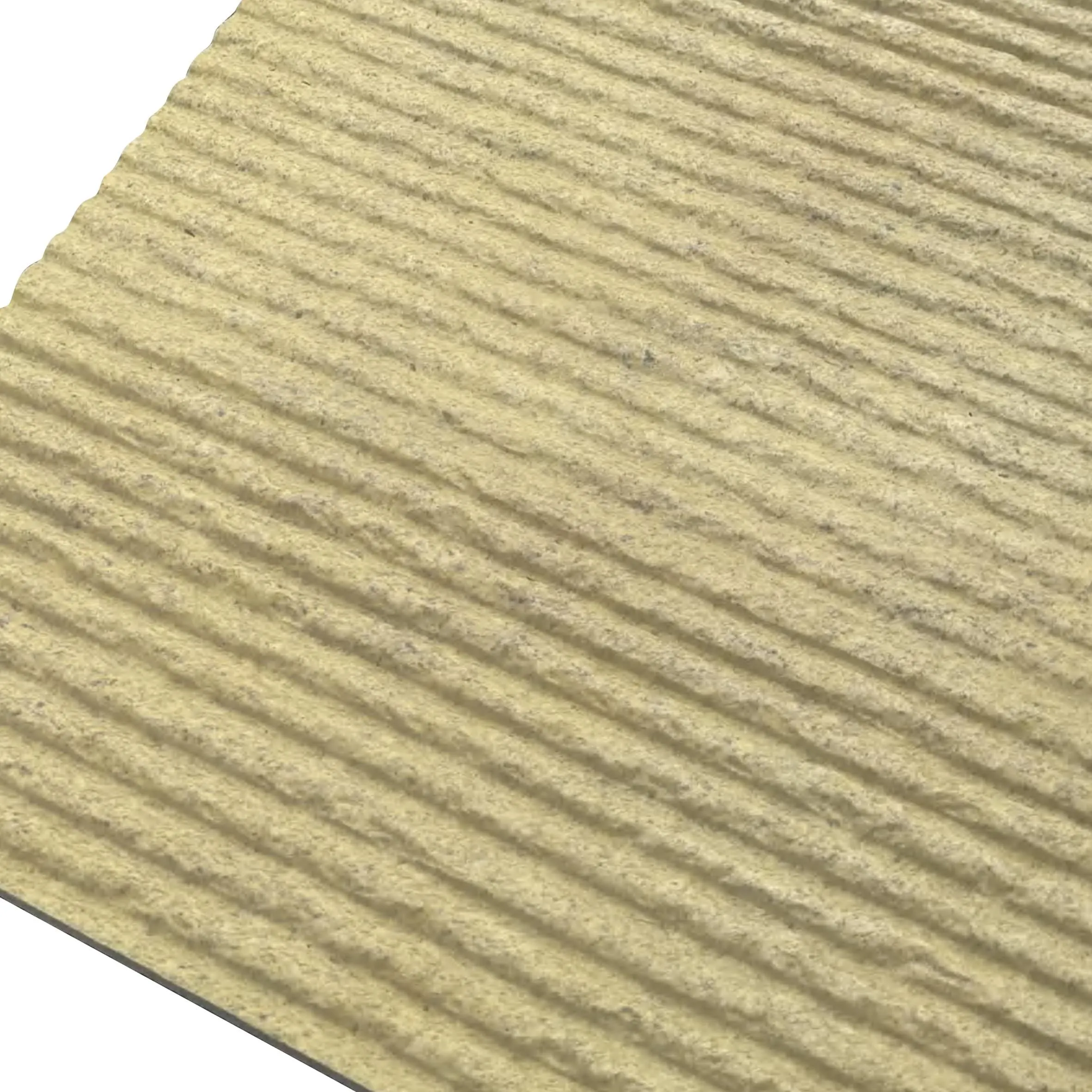
Okay, let's talk numbers. Gravel Omani Stone pricing varies wildly depending on where you are, the finish, and the supplier. To give you a realistic range, we've compiled data from suppliers across four major regions. Note: These are average costs for mid-grade, natural-finish slabs (excluding installation, which can add $30-$50 per square meter).
| Region | Average Cost (USD/sqm) | Price Range (USD/sqm) | Key Price Drivers |
|---|---|---|---|
| Middle East (Oman, UAE, Saudi Arabia) | $85 | $70 – $100 | Local supply, lower shipping, high demand for luxury projects |
| Europe (UK, France, Italy) | $110 | $95 – $130 | Import taxes, premium on "exotic" natural stone, strong design sector |
| North America (US, Canada) | $125 | $105 – $150 | Long shipping routes, high construction activity in luxury real estate |
| Asia Pacific (Australia, Singapore, India) | $100 | $85 – $120 | Mixed demand (booming in Australia, steady in India) |
*Prices as of Q2 2025, sourced from global stone suppliers and industry reports.
So, what's the takeaway? If you're in the Middle East, you're in luck—proximity to the source keeps prices relatively low. If you're in North America, expect to pay a premium for that desert vibe. And remember: These are base prices. Fancy finishes (like a polished top layer) or custom cuts can add $20-$40 per square meter. Some suppliers even charge extra for "premium" slabs with more uniform gravel distribution—because in design, consistency is king (or queen).
You're probably wondering: Is Gravel Omani Stone worth the splurge, or can I get a similar look for less? Let's compare it to two popular alternatives: Travertine (a classic natural stone) and Fair-faced Concrete (a modern, industrial favorite).
| Material | 2025 Cost (USD/sqm) | Key Look & Feel | Best For | Durability |
|---|---|---|---|---|
| Gravel Omani Stone | $85 – $150 | Rough gravel texture, earthy neutrals, warm undertones | Luxury interiors, feature walls, high-end facades | High (resistant to scratches, moderate heat) |
| Travertine (Vintage Silver) | $70 – $110 | Smooth with subtle pitting, cool silver-gray tones | Modern kitchens, bathrooms, outdoor patios | Medium (prone to staining if unsealed) |
| Fair-faced Concrete | $40 – $75 | Uniform, matte, industrial gray | Minimalist interiors, commercial spaces, budget projects | Very high (resistant to water, fire, heavy use) |
See the pattern? Gravel Omani Stone sits at the premium end, but it offers something Travertine and concrete can't: that unique, textured "story." Travertine is lovely, but its pitted surface can feel generic compared to Gravel Omani's gravel-speckled matrix. Fair-faced Concrete is durable and affordable, but it lacks the warmth of natural stone. For designers chasing "soul" in a space, the extra cost is often justified.
Design trends come and go, but Gravel Omani Stone is sticking around—and 2025 is shaping up to be its biggest year yet. Here's why:
People are tired of sterile, tech-driven spaces. Post-pandemic, we're craving connection—to nature, to history, to something "real." Gravel Omani Stone delivers that. It's not a digital render or a synthetic material; it's a piece of the earth. Designers are using it in offices to reduce stress, in hospitals to promote healing, and in homes to create "calm zones."
Sure, natural stone extraction has an environmental footprint, but Gravel Omani Stone is often quarried using eco-friendly practices (Oman's strict regulations help here). Plus, it's long-lasting—decades, if properly maintained—meaning less waste over time. Compare that to synthetic materials that need replacing every 10-15 years, and suddenly, the upfront cost feels like an investment in the planet.
It's worth mentioning MCM Flexible Stone here—a newer composite material that mimics natural stone but with a thinner, lighter profile. Priced around $50-$80 per square meter, it's cheaper than Gravel Omani Stone and easier to install. But here's the catch: It's not "real." For clients who want authenticity, MCM Flexible Stone feels like a compromise. Think of it this way: MCM is the fast fashion of stone; Gravel Omani is the designer label with heritage.
Not all spaces are created equal, and neither are stone applications. Here's a quick guide to where Gravel Omani Stone shines—and where it might not be the best fit.
So, will Gravel Omani Stone prices keep rising? Most industry experts think yes—but moderately. Here's why:
Supply Chain Stabilization: After years of post-pandemic delays, shipping routes are smoothing out, which could ease transportation costs by 5-10% by late 2025.
New Quarries: Oman is opening a few new, more accessible quarries, which might increase supply and slightly lower extraction costs.
Competition from Tech: Advances in printing technology (hello, 3D art concrete boards) could offer cheaper "faux" alternatives, but they're unlikely to dethrone natural stone for luxury projects.
Bottom line: If you're planning a project in 2026, expect prices to creep up by 3-5%—still a solid investment for a material that adds timeless value.
At the end of the day, Gravel Omani Stone isn't just a material—it's a choice. It's for designers and homeowners who value authenticity, texture, and the story behind their spaces. Yes, it costs more than concrete or even travertine, but it delivers something money can't always buy: a connection to nature and history.
So, should you splurge? If you're working on a project where aesthetics and longevity matter most—say, a forever home or a boutique hotel that wants to stand out—absolutely. If you're on a tight budget or need something purely functional, there are cheaper options. But remember: Trends fade, but natural stone? It ages like fine wine.
As one Dubai-based architect put it: "Gravel Omani Stone isn't just about the look. It's about how a space feels. When you walk into a room with that stone, you don't just see it—you feel grounded. And in a world that's always rushing, that's priceless."
Recommend Products












