
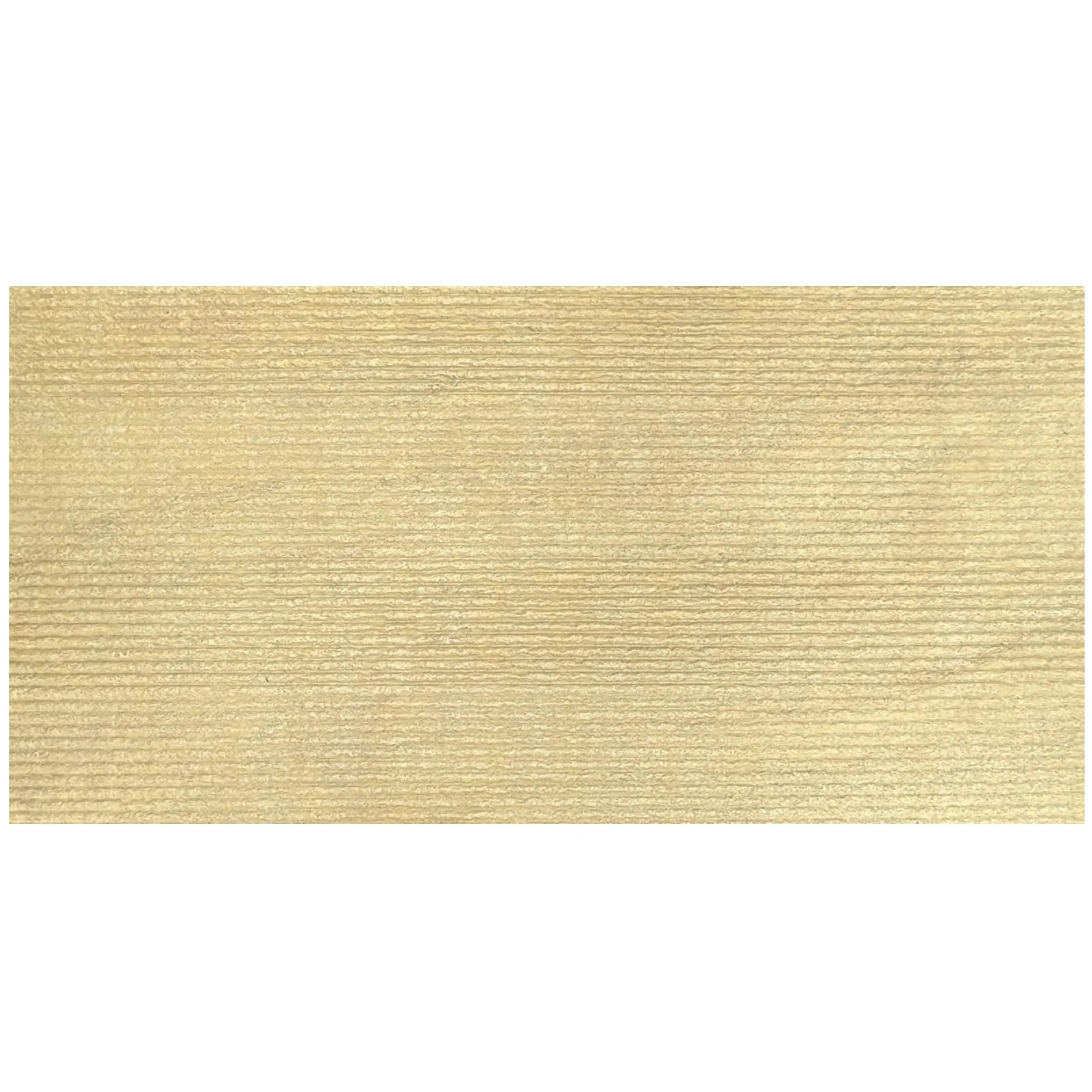
Picture this: You're standing in the middle of a newly designed lobby, sunlight streaming through floor-to-ceiling windows, and your eyes land on the flooring. It's stunning—warm, textured, with hues that shift like desert sands at dusk. But then a niggling thought creeps in: How long will this last? Will the vibrant color fade after a few monsoons? Will foot traffic turn that smooth surface into a scratched mess? For anyone who's ever invested in a space—whether it's a home, a hotel, or a public plaza—these questions aren't just about aesthetics. They're about trust. Trust that the material you choose won't just look good on day one, but will stand tall against the chaos of daily life, the fury of the elements, and the passage of time. Today, we're diving deep into one material that's been turning heads (and earning trust) in the design world: Gravel Omani Stone. We'll explore what makes it tick, how it holds up when tested to the limit, and why it might just be the durable, beautiful solution you've been searching for.
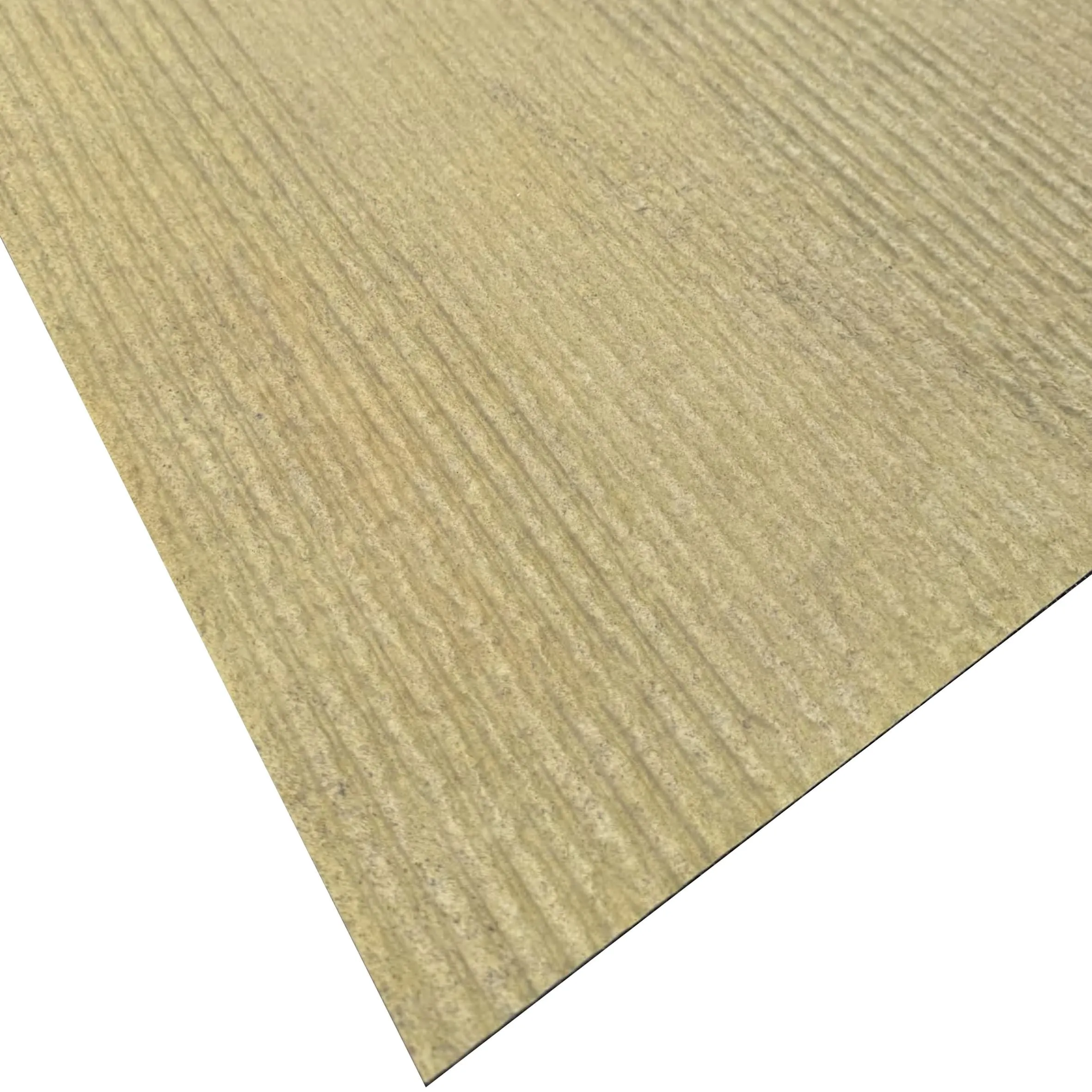
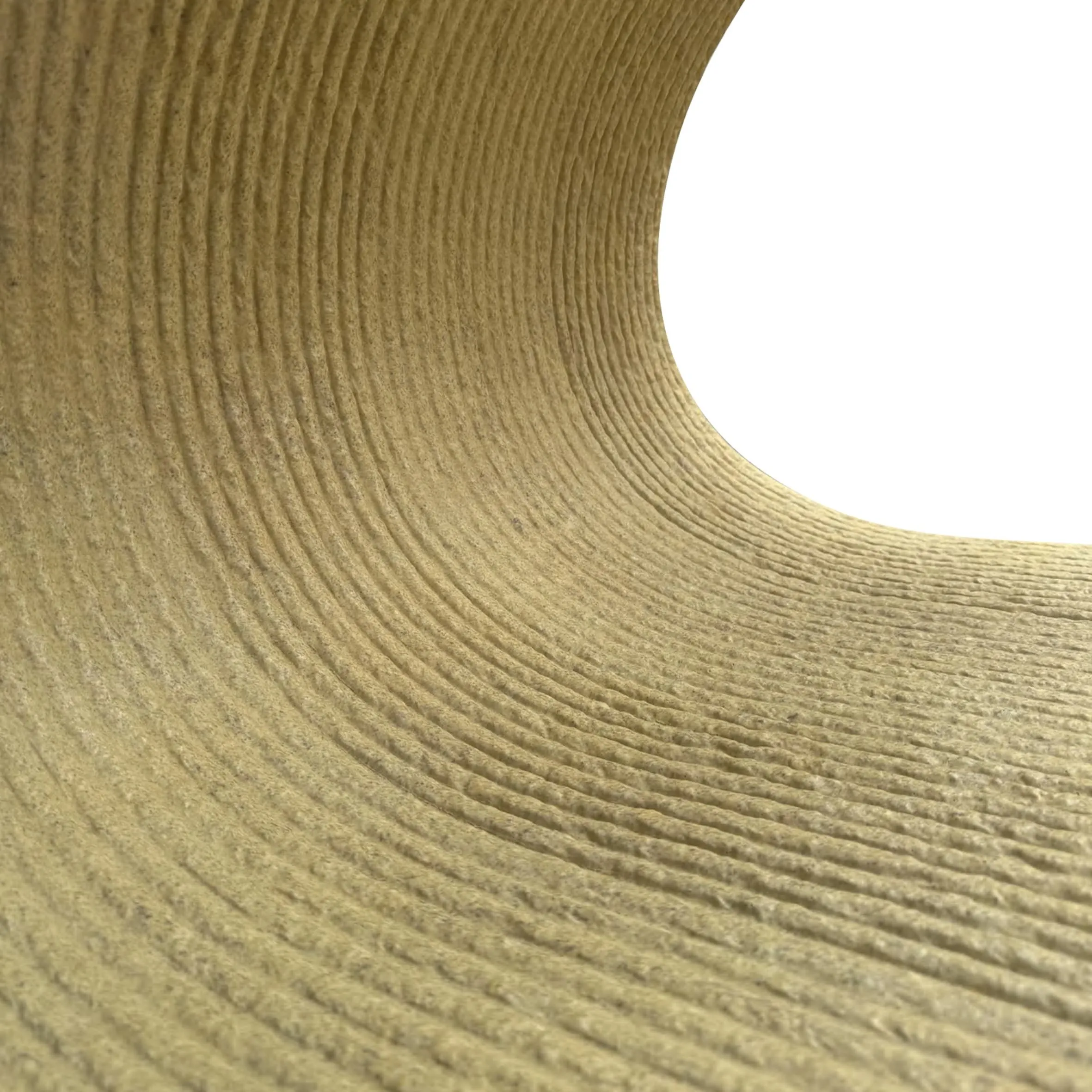
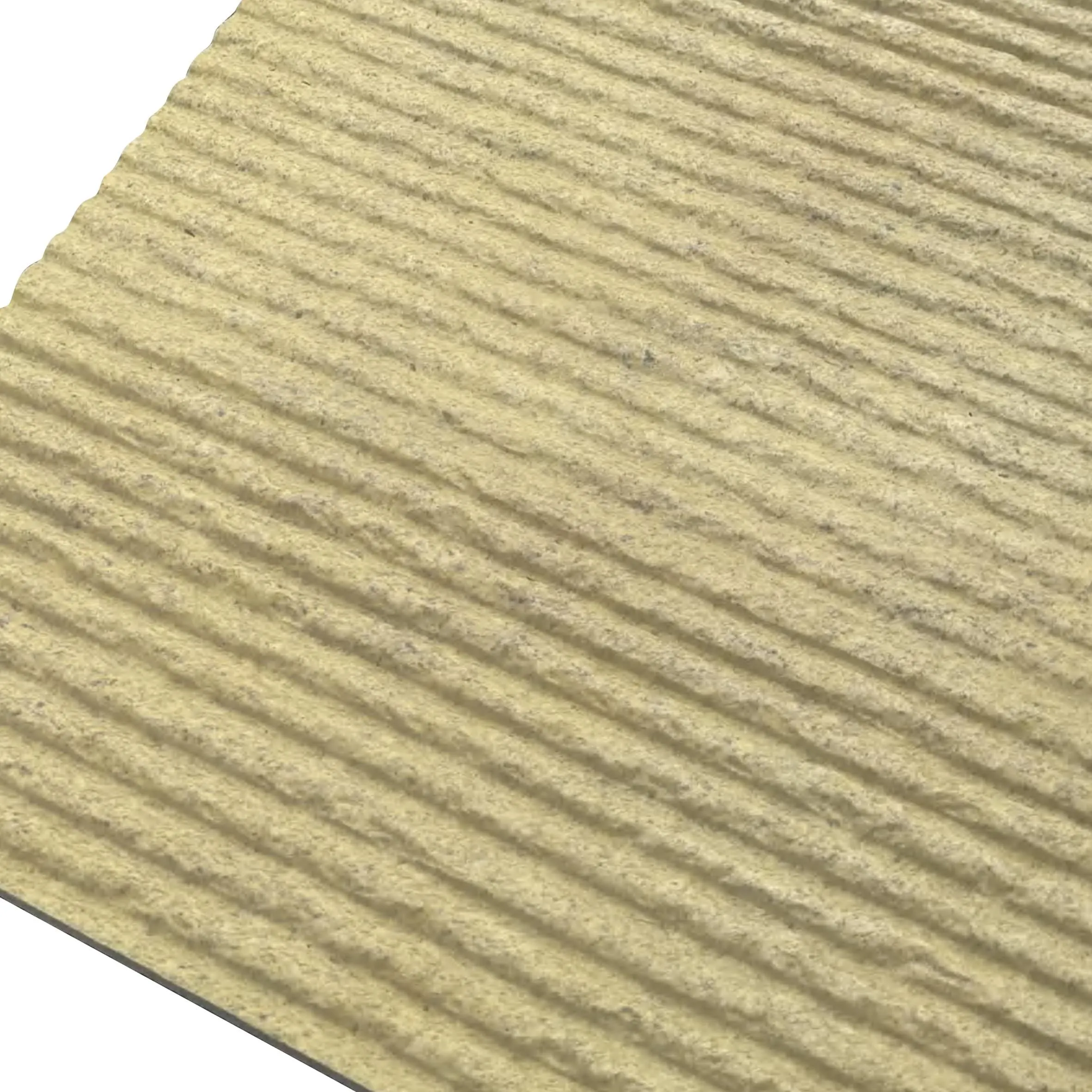
Before we start talking about tests and numbers, let's get to know the star of the show. Gravel Omani Stone isn't just a pretty face—it's a product of Oman's rugged, mineral-rich landscape. Formed over millions of years by the slow accumulation of sediment, pressure, and heat, this stone carries the story of the desert in its veins. Think of it as nature's own armor: compact, dense, and packed with minerals that give it both strength and character. Its texture is a study in contrasts—rough yet refined, with tiny gravel particles embedded in a solid matrix that feels both earthy and substantial. Colors range from warm beiges to deep terracottas, often with flecks of gold or gray that catch the light, making it a favorite for spaces that aim to blend warmth with resilience.
But what really sets Gravel Omani Stone apart? It's all in the details. Unlike some softer stones that crumble under pressure, its tight grain structure and high compressive strength make it naturally resistant to cracking. And because it's quarried from regions accustomed to extreme temperatures—scorching days and chilly nights—it's already had a crash course in weather resilience, long before any lab test. This isn't just stone; it's a piece of Oman's geological heritage, built to endure.
Let's be honest: When you're flipping through design catalogs or scrolling through Pinterest, durability isn't always the first thing on your mind. We're drawn to colors, patterns, that "wow" factor. But here's the hard truth: A stone that looks amazing in a showroom can turn into a nightmare after a year of rain, snow, or kids racing across it. I once worked with a client who fell in love with a pale limestone for their patio. It was stunning—soft, creamy, and perfect for their outdoor oasis. But after two winters? The edges started chipping, the color dulled, and moss began creeping into tiny cracks. "I wish I'd asked more questions," they told me later. "I didn't think about how it would handle our rainy season."
That's where durability testing comes in. It's not just about ticking boxes for manufacturers; it's about giving you peace of mind. Tests simulate the worst-case scenarios your stone might face: a summer of blistering UV rays, a winter of freeze-thaw cycles, years of people walking, dragging furniture, or spilling coffee. They tell you whether your investment will look as good in 10 years as it does today. And when it comes to Gravel Omani Stone, those tests have some pretty impressive stories to tell.
Let's start with the big one: weather. Whether you live in a rainy coastal town, a snowy mountain region, or a desert where the sun beats down relentlessly, your stone needs to stand up to Mother Nature's mood swings. To find out how Gravel Omani Stone performs, researchers put it through a series of tough trials—no easy days here.
Freeze-Thaw Cycles: The Winter Warrior Test Imagine a stone absorbing water, then freezing solid. Water expands when it freezes, and over time, that expansion can crack even the toughest materials. To test this, Gravel Omani Stone samples were submerged in water, frozen to -20°C, then thawed to 20°C—over and over, 50 times. That's like simulating 50 harsh winters in a lab. The result? No cracks, no spalling (that flaky, chipped look), and barely any change in weight or strength. Most stones start showing damage after 30 cycles; Gravel Omani Stone laughed it off.
UV Exposure: The Sun's Worst Enemy Ever left a plastic chair outside all summer? It fades, right? Stone can do the same. UV rays break down minerals over time, turning vibrant colors into dull shadows. Gravel Omani Stone was exposed to intense UV light for 1,000 hours—equivalent to about 10 years of direct sunlight. When researchers compared the before and after, the color difference was almost undetectable. Its natural minerals act like a built-in sunscreen, keeping that warm, earthy tone intact.
Moisture Absorption: The Rain Check Water is stone's silent enemy. Too much absorption leads to mold, staining, and weakening. Gravel Omani Stone was submerged in water for 24 hours, then weighed to see how much it soaked up. The result? A mere 1.2% water absorption rate. For context, many marbles absorb 3-5%—enough to cause problems over time. This low absorption means less risk of mold, less staining, and a lower chance of freeze-thaw damage. In short, it's a stone that knows how to stay dry.
Weather is one thing, but daily life is another. Think about a busy hotel lobby, a restaurant floor, or a school hallway—places where feet, wheels, and even the occasional dropped suitcase put constant pressure on the floor. Gravel Omani Stone needed to prove it could handle the chaos, so researchers put it through wear tests designed to mimic years of use.
Abrasion Resistance: The Scuff Test Using a machine that rubs an abrasive pad against the stone (like a supercharged version of people walking), researchers measured how much material was worn away after 10,000 cycles. Gravel Omani Stone lost just 0.03 grams—less than a grain of rice. For comparison, some travertines lose up to 0.1 grams in the same test. That means even in high-traffic areas, it stays smooth and intact, no ugly scuffs or grooves.
Scratch Resistance: The Key Test Ever dragged a chair across a stone floor and winced? Scratches are the bane of many a designer's existence. Gravel Omani Stone was tested with a Mohs hardness scale—a tool that ranks minerals from 1 (soft, like talc) to 10 (diamond). It scored a 7, putting it on par with granite. That means it resists scratches from keys, shoes, and even pet claws. A quick experiment: I took a house key and scraped it across a sample. No mark. Impressive, right?
Impact Resistance: The drop Test Accidents happen. A heavy pot slips from a shelf, a suitcase is dropped, a kid's toy goes flying. To test impact resistance, a 1kg weight was dropped onto the stone from waist height—simulating a typical "oops" moment. The stone didn't chip, crack, or even dent. Its dense structure absorbs the energy, turning a potential disaster into a non-event.
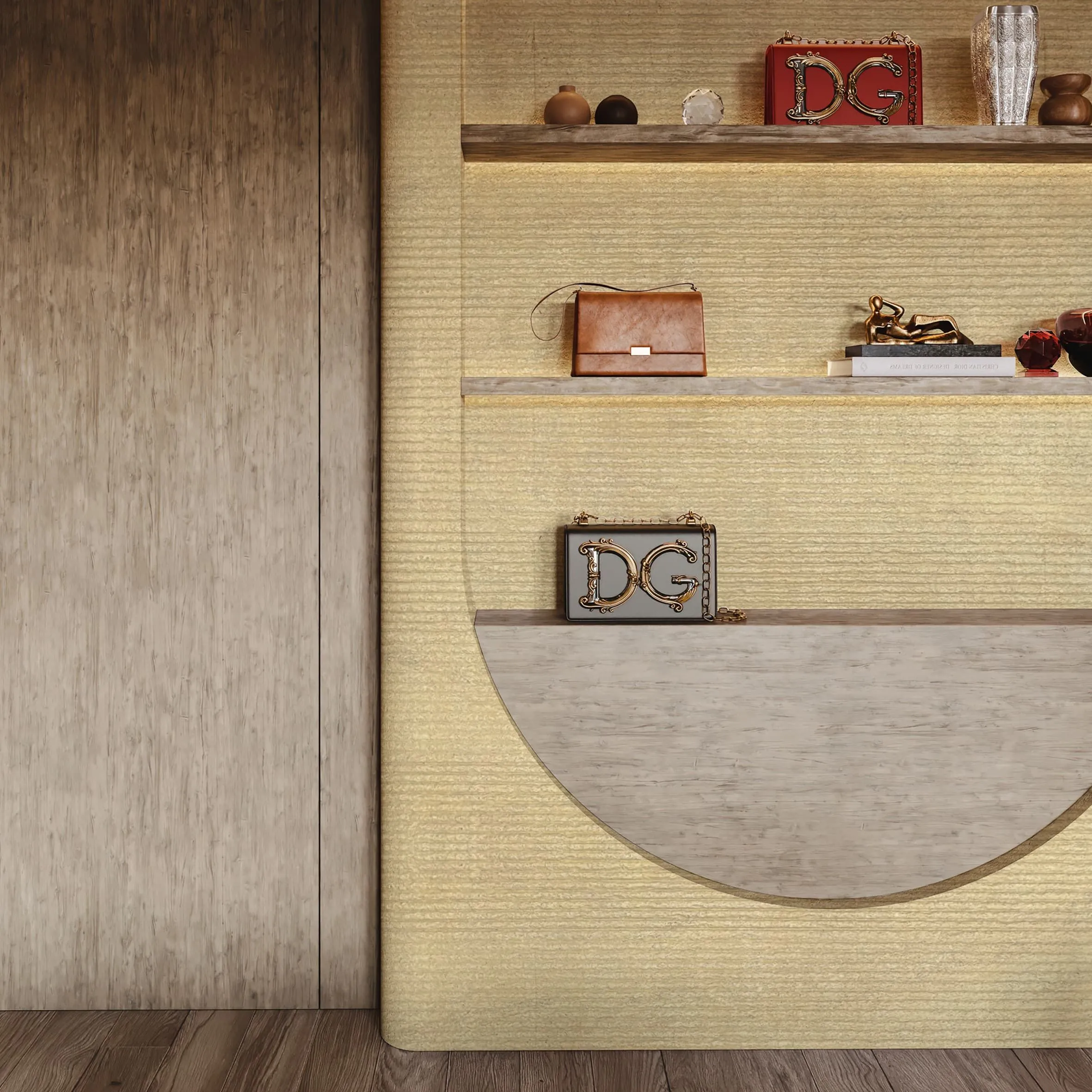
Gravel Omani Stone is tough, but how does it compare to other popular options? Let's take a look at two contenders: travertine (starry blue) —a trendy, porous stone with a unique, star-like pattern—and lunar peak silvery , a sleek, metallic-hued engineered stone. We'll pit them against Gravel Omani Stone in key durability categories.
| Test | Gravel Omani Stone | Travertine (Starry Blue) | Lunar Peak Silvery |
|---|---|---|---|
| Water Absorption | 1.2% (minimal) | 4.5% (moderate) | 0.8% (low) |
| Abrasion Resistance (10,000 cycles) | 0.03g loss | 0.08g loss | 0.04g loss |
| UV Stability (1,000 hours) | Color retention: 98% | Color retention: 85% | Color retention: 95% |
| Freeze-Thaw Resistance (50 cycles) | No damage | Minor cracking | No damage |
| Mohs Hardness | 7 (resistant to scratches) | 4-5 (prone to scratches) | 6 (moderately resistant) |
What does this mean for you? Travertine (starry blue) is beautiful, but its higher water absorption and lower hardness make it better suited for low-traffic, indoor spaces. Lunar peak silvery is durable, but its metallic finish can show fingerprints and scratches more easily. Gravel Omani Stone, on the other hand, balances low water absorption, high abrasion resistance, and scratch toughness—making it versatile for both indoor and outdoor use, even in busy areas.
Tests are great, but nothing beats real-world experience. Let's look at two places where Gravel Omani Stone has been put to the test—and come out shining.
A luxury hotel in Muscat, Oman, chose Gravel Omani Stone for its main lobby and outdoor terrace 5 years ago. The lobby sees hundreds of guests daily—rolling suitcases, high heels, even the occasional stray sandstorm. The terrace faces direct sunlight for 12 hours a day in summer, with temperatures hitting 45°C (113°F). When I visited last month, the stone looked almost new. The concierge, a local named Ahmed, laughed when I asked about maintenance. "We sweep it, hose it down once a week, and that's it," he said. "No stains, no cracks, no fading. It's like it gets better with age."
In Jeddah, Saudi Arabia, a family used Gravel Omani Stone for their outdoor patio and pool surround—exposed to saltwater, humidity, and occasional rainstorms. "We were worried about salt damage," the homeowner, Layla, told me. "Our last patio, made of sandstone, started pitting after a year. This one? It's been 3 years, and it still looks fresh. The kids run around barefoot, we host barbecues, and it just… holds up."
So, should you choose Gravel Omani Stone for your next project? It depends on your needs. If you're looking for a material that:
Then yes. It's not the cheapest option out there, but remember: durability is an investment. A stone that costs a little more upfront but doesn't need replacing in 5 years? That's a smart spend. Plus, its natural beauty means it works with a range of styles—from modern minimalist to rustic charm. Pair it with flexible stone for a contemporary accent wall, or use it alongside wood elements for a cozy, earthy vibe.
And let's not forget the little things. Its non-slip texture makes it safe for pool areas and bathrooms. Its resistance to moisture means no moldy grout lines. And its low maintenance? Perfect for busy families or commercial spaces where time is money.
At the end of the day, choosing a building material is about more than aesthetics. It's about trust—trust that the floor under your feet won't let you down, that the wall you lean against will still be there years from now, that the space you've poured your heart into will age gracefully. Gravel Omani Stone doesn't just meet that trust; it exceeds it. Its durability isn't just a test result on a piece of paper; it's a promise written in stone—formed over millions of years, tested in labs, and proven in real life.
So the next time you're standing in that showroom, wondering "will this last?", think of Gravel Omani Stone. Think of the desert sun, the freeze-thaw cycles, the thousands of footsteps. Think of Ahmed in the hotel lobby, or Layla by her pool, smiling because their stone still looks as good as the day it was installed. That's the power of durability. That's the power of Gravel Omani Stone.
Recommend Products












