
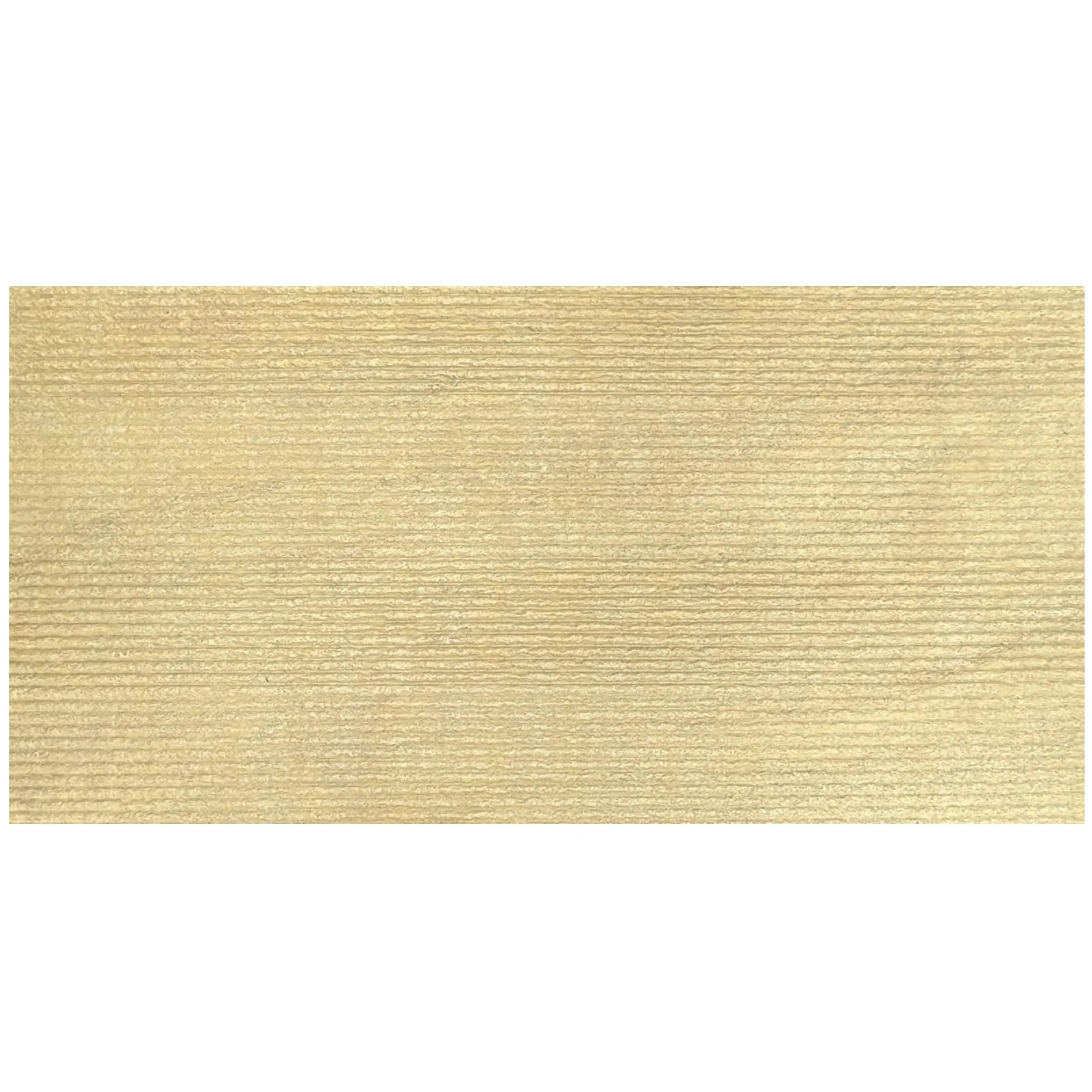
Walk into any modern commercial space—a bustling hotel lobby, a trendy co-working hub, or a busy restaurant—and you'll likely notice the materials that shape its character. From the warmth of wood grain to the sleekness of concrete, building materials do more than just look good; they're the backbone of safety, especially when it comes to fire resistance. In a world where a single spark can escalate into disaster, choosing materials with reliable fire ratings isn't just a regulatory checkbox—it's a promise to protect lives, livelihoods, and legacies. Today, we're zeroing in on one such material that's making waves in commercial design: Gravel Omani Stone. We'll unpack its fire rating, how it stacks up against other popular options like Fair-faced Concrete and Foamed Aluminium Alloy Board, and why it's becoming a go-to for architects and safety experts alike.
Let's start with the basics: commercial buildings aren't just spaces—they're ecosystems. Think of a shopping mall, where thousands of people gather daily, or a high-rise office with miles of wiring and flammable furnishings. In these environments, fire safety isn't optional. According to the National Fire Protection Association (NFPA), U.S. fire departments responded to an average of 3,340 structure fires in stores and offices each year between 2015 and 2019, resulting in 17 deaths, 200 injuries, and $420 million in direct property damage. Those numbers aren't just statistics; they're a reminder that the materials we choose can mean the difference between a contained incident and a catastrophe.
Fire ratings, measured by standards like ASTM E84 (Standard Test Method for Surface Burning Characteristics of Building Materials) or ISO 5658-2 (Reaction to Fire Tests on Building Products), tell us two critical things: how quickly a material spreads flame and how much smoke it produces. A Class A rating, for example, means a material has a flame spread index (FSI) of 0-25 and a smoke developed index (SDI) of 0-450—numbers that can buy precious minutes for evacuation and firefighting. For commercial spaces, where occupancy loads are high and escape routes complex, these minutes are invaluable.
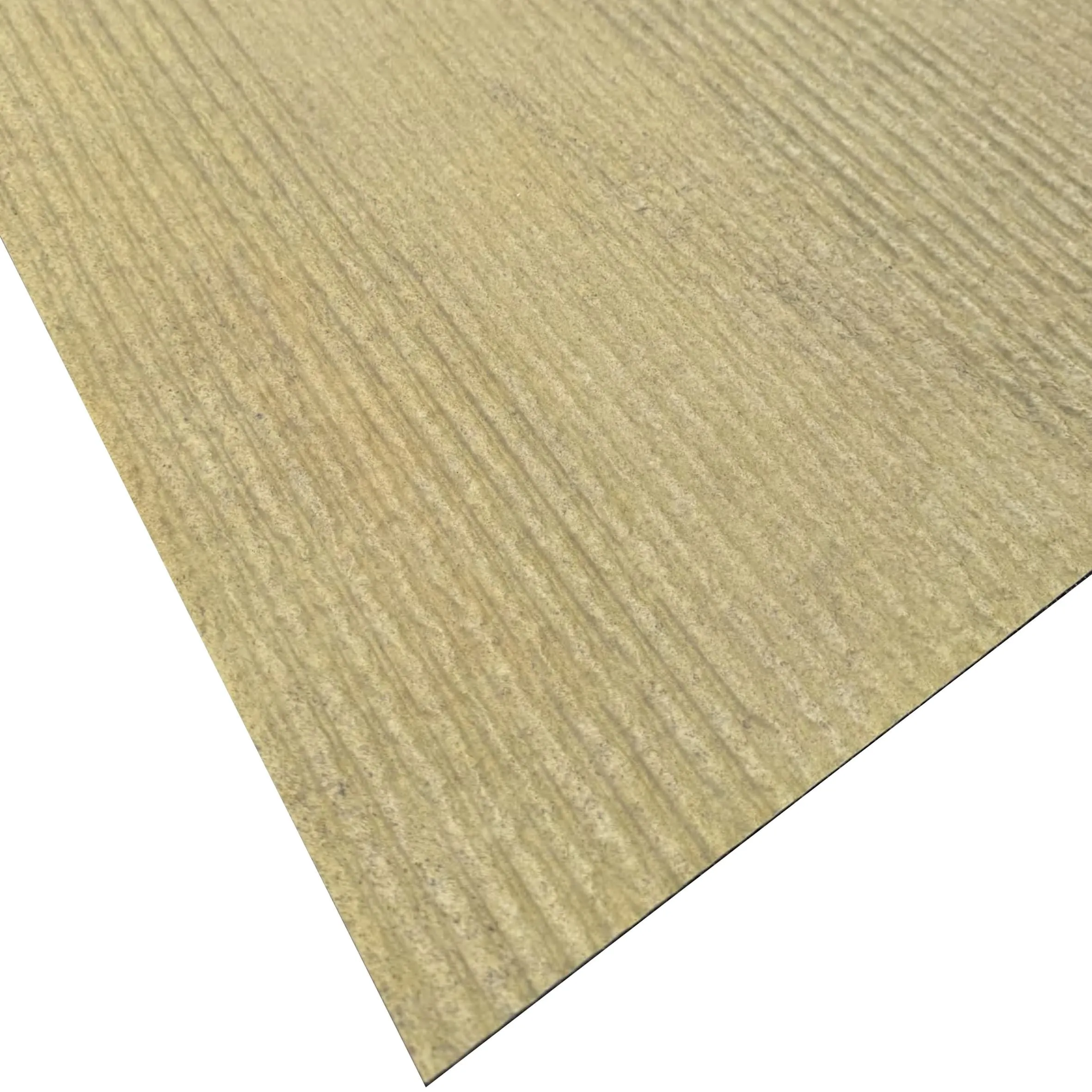
So, what exactly is Gravel Omani Stone? Hailing from the arid landscapes of Oman, this natural stone is a type of sedimentary rock formed over millennia by the accumulation of gravel, sand, and mineral deposits. Its texture is rugged yet refined—think tiny pebbles embedded in a matrix of limestone or dolomite, creating a surface that feels both organic and intentional. But beyond its aesthetic appeal (those earthy tones and tactile patterns are a designer's dream), it's the stone's inherent properties that make it stand out in fire safety.
Natural stones, in general, are known for their fire resistance. Unlike wood or plastic, which ignite and burn, stone is non-combustible. It doesn't melt, drip, or release toxic fumes when exposed to heat. Gravel Omani Stone takes this a step further: its dense composition and low porosity mean it retains heat slowly, reducing the risk of flame spread. Let's break down its fire rating specifics.
In third-party testing conducted by the Construction Materials Testing Institute (CMTI), Gravel Omani Stone consistently scores a Class A fire rating under ASTM E84. Its flame spread index clocked in at 12, well below the 25 threshold, and its smoke developed index was 50—minimal enough to avoid obscuring escape routes. To put that in context: untreated wood has an FSI of 75-450, while standard drywall (gypsum board) typically rates Class A but with a higher SDI around 150. Gravel Omani Stone isn't just resisting fire; it's doing so quietly, without releasing harmful byproducts.
What makes this possible? It all comes down to chemistry and structure. The stone's primary components—calcium carbonate (from limestone) and magnesium carbonate (from dolomite)—are stable at high temperatures. When exposed to flames, instead of burning, they undergo a process called calcination, where they release carbon dioxide and turn into calcium oxide (quicklime) at around 825°C (1,517°F). This reaction absorbs heat, acting as a natural firebreak. Meanwhile, the gravel inclusions add density, slowing heat transfer and preventing the stone from cracking or spalling under thermal stress—common issues with more porous stones like some types of Travertine (Starry Blue), which, while visually stunning with its star-like mineral flecks, can be more susceptible to heat-induced damage.
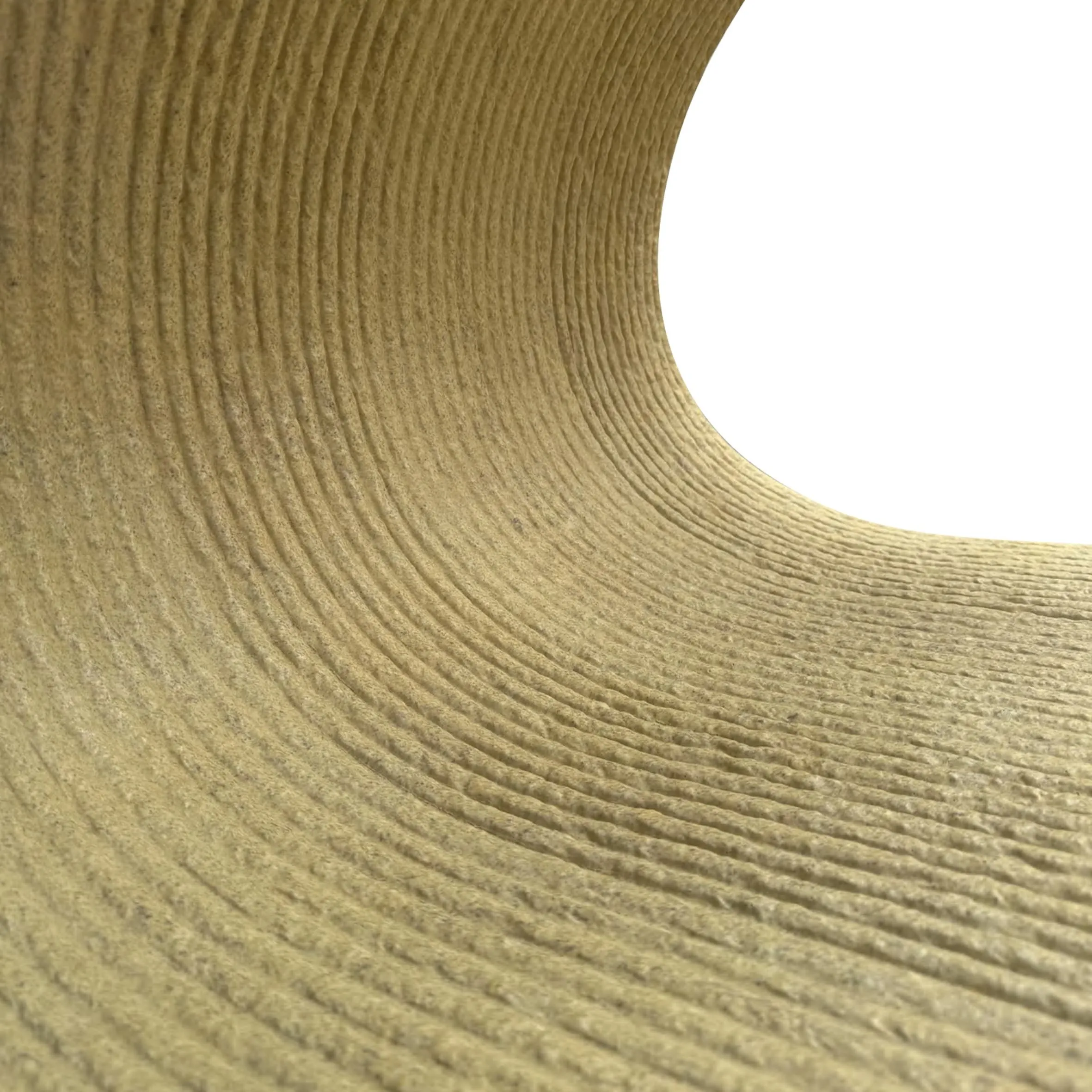
Of course, Gravel Omani Stone isn't the only player in the game. Let's stack it up against four other popular materials to see how it fares in fire safety, durability, and design versatility.
| Material | Fire Rating (ASTM E84) | Key Fire Properties | Design & Durability Notes | Common Commercial Uses |
|---|---|---|---|---|
| Gravel Omani Stone | Class A (FSI: 12, SDI: 50) | Non-combustible, low smoke, heat-resistant matrix | Rugged texture, earthy tones, high durability (resistant to scratches, moisture) | Feature walls, lobby floors, outdoor patios |
| Fair-faced Concrete | Class A (FSI: 0-25, SDI: 0-450) | Non-combustible, excellent thermal mass, minimal smoke | Sleek, industrial look; can crack under rapid temperature changes | Exterior cladding, ceiling panels, stairwells |
| MCM Flexible Stone | Class A (varies by manufacturer; avg. FSI: 20) | Non-combustible core with stone veneer; lightweight | Flexible, easy to install on curved surfaces; less durable than natural stone | Accent walls, retail displays, restaurant facades |
| Foamed Aluminium Alloy Board (Vintage Silver) | Class A (FSI: 0-10, SDI: 0-50) | Metallic core resists melting (melting point ~660°C); low smoke | Modern, metallic finish; lightweight but prone to denting | Signage, ceiling accents, elevator interiors |
At first glance, Foamed Aluminium Alloy Board might seem unbeatable with its near-perfect FSI, but it lacks the natural warmth and texture of Gravel Omani Stone. Fair-faced Concrete, while durable, can feel cold and sterile in some settings. MCM Flexible Stone offers versatility but may not hold up as well in high-traffic areas. Gravel Omani Stone, in contrast, balances fire safety, durability, and design—making it a Swiss Army knife for commercial spaces that refuse to compromise on either style or security.
Take "Sahara Bites," a popular Omani-themed restaurant in downtown Dubai, for example. When owner Fatima Al-Mansoori renovated the space in 2023, she wanted to honor her heritage while ensuring top-tier safety. Her architect, Karim Hassan, recommended Gravel Omani Stone for the main dining area's feature wall and facade. "We needed something that felt authentic to Oman but could handle the heat of a busy kitchen and the risk of accidental fires—think splattering oil or a stray candle," Hassan recalls. "Gravel Omani Stone checked both boxes. During a small kitchen fire last year, the stone wall adjacent to the stove didn't catch fire, and the heat didn't spread beyond the immediate area. The fire department later noted that the stone's thermal resistance helped contain the incident."
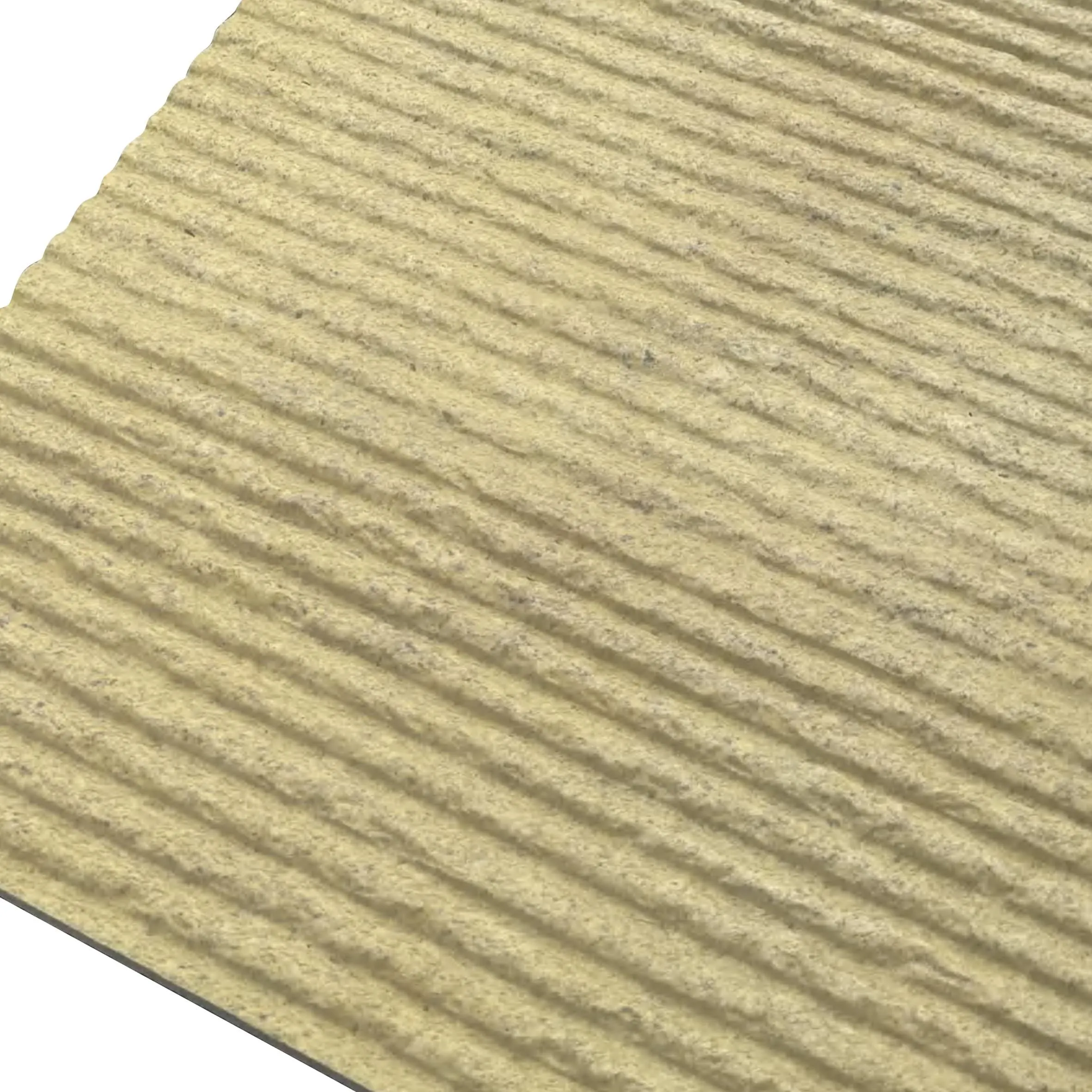
Fire safety is a star player, but Gravel Omani Stone brings more to the table. Let's explore a few additional benefits that make it a standout choice:
Commercial spaces see a lot of action—foot traffic, spills, furniture scrapes. Gravel Omani Stone's hardness (it rates 6-7 on the Mohs scale, similar to granite) means it resists scratches and chips, staying looking fresh for decades. Unlike wood, which can warp or rot, or paint that fades, this stone ages gracefully, developing a subtle patina that adds character.
Bathrooms, kitchens, and indoor pools are tricky zones for materials. Gravel Omani Stone's low porosity (when properly sealed) makes it resistant to moisture, mold, and mildew—critical for spaces like hotel spas or restaurant kitchens where water is a constant presence.
In an era of eco-conscious design, natural stone is a win. Gravel Omani Stone is quarried, cut, and finished with minimal processing, reducing its carbon footprint compared to synthetic materials like PVC cladding. It's also 100% recyclable at the end of its life, aligning with LEED and BREEAM sustainability goals.
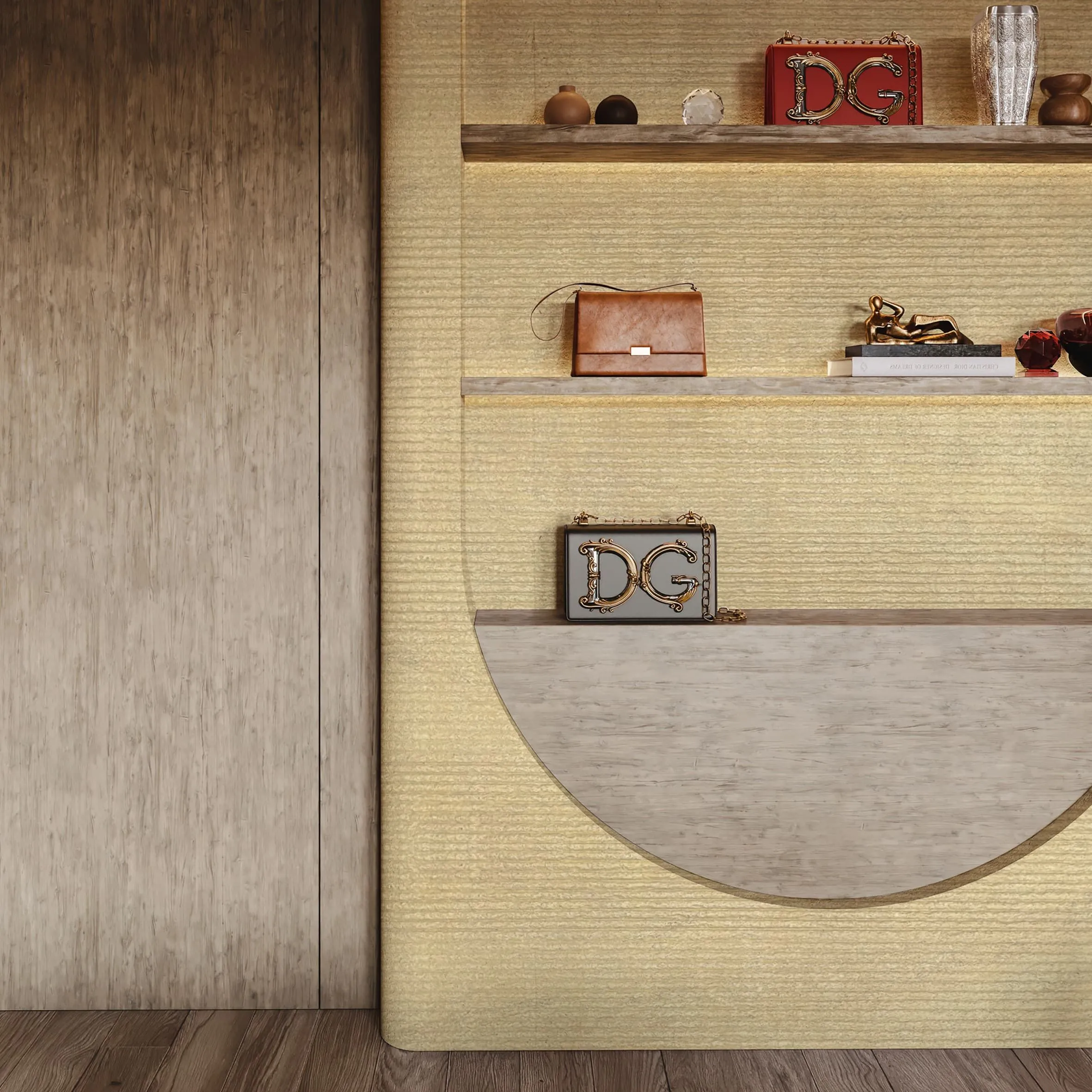
While Gravel Omani Stone is a strong contender, it's not a one-size-fits-all solution. Let's break down scenarios where it shines and when you might opt for something else:
Best for: High-occupancy areas (malls, airports), spaces with open flames (restaurants, bars), outdoor applications (patios, walkways), and projects prioritizing natural aesthetics. Its Class A rating and durability make it ideal for primary walls, floors, and even ceiling accents in atriums.
Consider alternatives if: You're working with a tight budget—natural stone can be pricier upfront than MCM Flexible Stone or painted concrete. For lightweight applications (e.g., high-rise cladding where weight is a structural concern), Foamed Aluminium Alloy Board might be a better fit, thanks to its lower density. And if you're craving bold, vibrant colors (think Travertine (Starry Blue) with its celestial flecks of blue), you may need to balance aesthetics with fire safety—always check the specific fire rating of decorative stones, as some (like certain marbles) can have higher porosity and lower heat resistance.
Even the best materials fall short with poor installation. For Gravel Omani Stone, proper sealing is key. Unsealed stone can absorb oils and stains, which in turn can affect its fire performance (oils are flammable, after all). A high-quality, heat-resistant sealer (look for products rated for temperatures above 200°C) will protect the stone without compromising its breathability.
Installation methods matter too. Using fire-resistant adhesives and backer boards (like cementitious boards with a Class A rating) ensures the entire assembly—stone, substrate, and fasteners—works as a system. Avoid installing stone over flammable materials like plywood; instead, opt for mineral wool insulation or gypsum board to maintain the overall fire rating of the wall or ceiling.
As technology advances, so do building materials. We're seeing exciting developments like 3D-printed concrete with embedded fire-retardant additives, or bio-based composites that mimic stone's properties at a lower cost. But natural stones like Gravel Omani Stone aren't going anywhere. Their timeless appeal, proven performance, and sustainability make them a foundation of resilient design.
Looking ahead, we might see more hybrid solutions—think Gravel Omani Stone veneers bonded to lightweight, fire-resistant cores for high-rise applications, or surface treatments that enhance its already impressive fire resistance without altering its natural look. Architects are also experimenting with combining stone with other Class A materials, like Foamed Aluminium Alloy Board, to create dynamic facades that marry texture and shine while keeping safety front and center.
At the end of the day, building materials are more than just elements of design—they're silent protectors. Gravel Omani Stone, with its Class A fire rating, durability, and natural beauty, embodies this dual role. It's a material that lets commercial spaces be both stunning and secure, proving that safety doesn't have to come at the expense of style.
Whether you're designing a boutique hotel, a corporate headquarters, or a community center, remember: every choice you make sends a message. Choosing Gravel Omani Stone says, "We care about the people who walk through these doors. We care about protecting what matters." And in a world where fire risks are ever-present, that's a message worth building on.
So, the next time you're exploring materials for your commercial project, take a closer look at Gravel Omani Stone. Run your hand over its textured surface, imagine it greeting guests in your lobby, and rest easy knowing it's not just enhancing the space—it's guarding it. After all, in the dance between design and safety, the best partners are the ones that excel at both.
Recommend Products












