
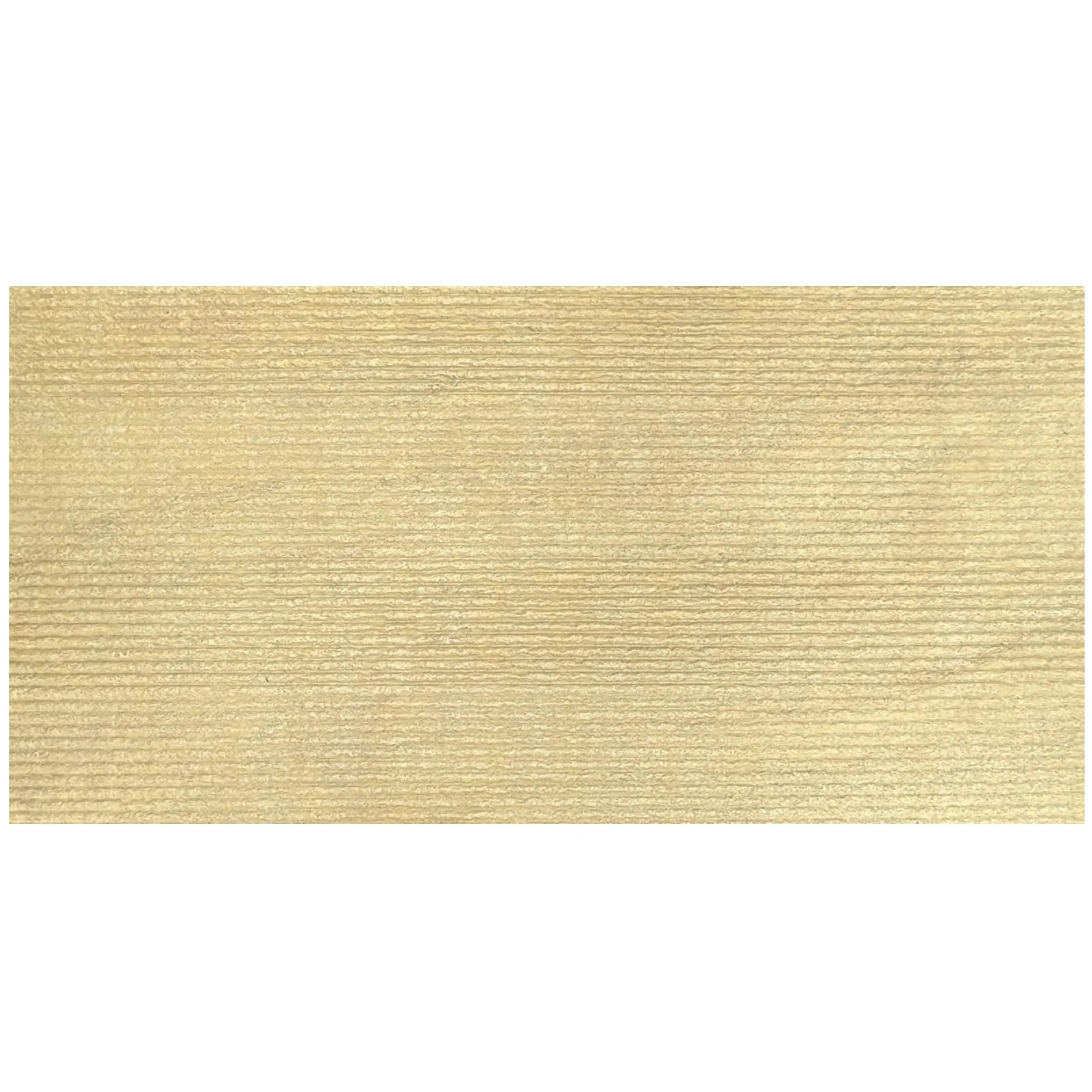
Walk into any busy commercial space—a bustling shopping mall, a packed restaurant, or a sleek office building—and you'll probably notice the design details: the lighting, the layout, the color schemes. What you might not immediately think about, though, is one of the most critical elements of any building's design: fire safety. For business owners, facility managers, and architects, fire protection isn't just a box to check; it's a responsibility to the people who use the space every day. And when it comes to choosing materials that can stand up to fire while still looking great, one option is gaining attention for all the right reasons: Gravel Omani Stone. Let's dive into why this natural material is becoming a go-to choice for commercial buildings where safety and style can't be compromised.
Fire is an unforgiving threat, and in commercial buildings, the risks are amplified by high occupancy, complex layouts, and often, a mix of electrical systems, cooking equipment, and flammable materials. According to the National Fire Protection Association (NFPA), U.S. fire departments responded to an average of 3,340 structure fires in stores and offices each year between 2016 and 2020, resulting in 11 deaths, 100 injuries, and $423 million in direct property damage. Those numbers are a stark reminder: the materials we build with can mean the difference between a small incident and a catastrophic loss.
But fire safety isn't just about putting out fires—it's about preventing them from spreading in the first place. That's where building materials play a starring role. Materials that are fire-resistant can slow the spread of flames, limit heat transfer, and reduce the release of toxic smoke, giving occupants more time to evacuate and firefighters a better chance to contain the blaze. And in a world where commercial spaces also need to be visually appealing to attract customers or impress clients, finding materials that balance safety and aesthetics can feel like a challenge. Enter Gravel Omani Stone.
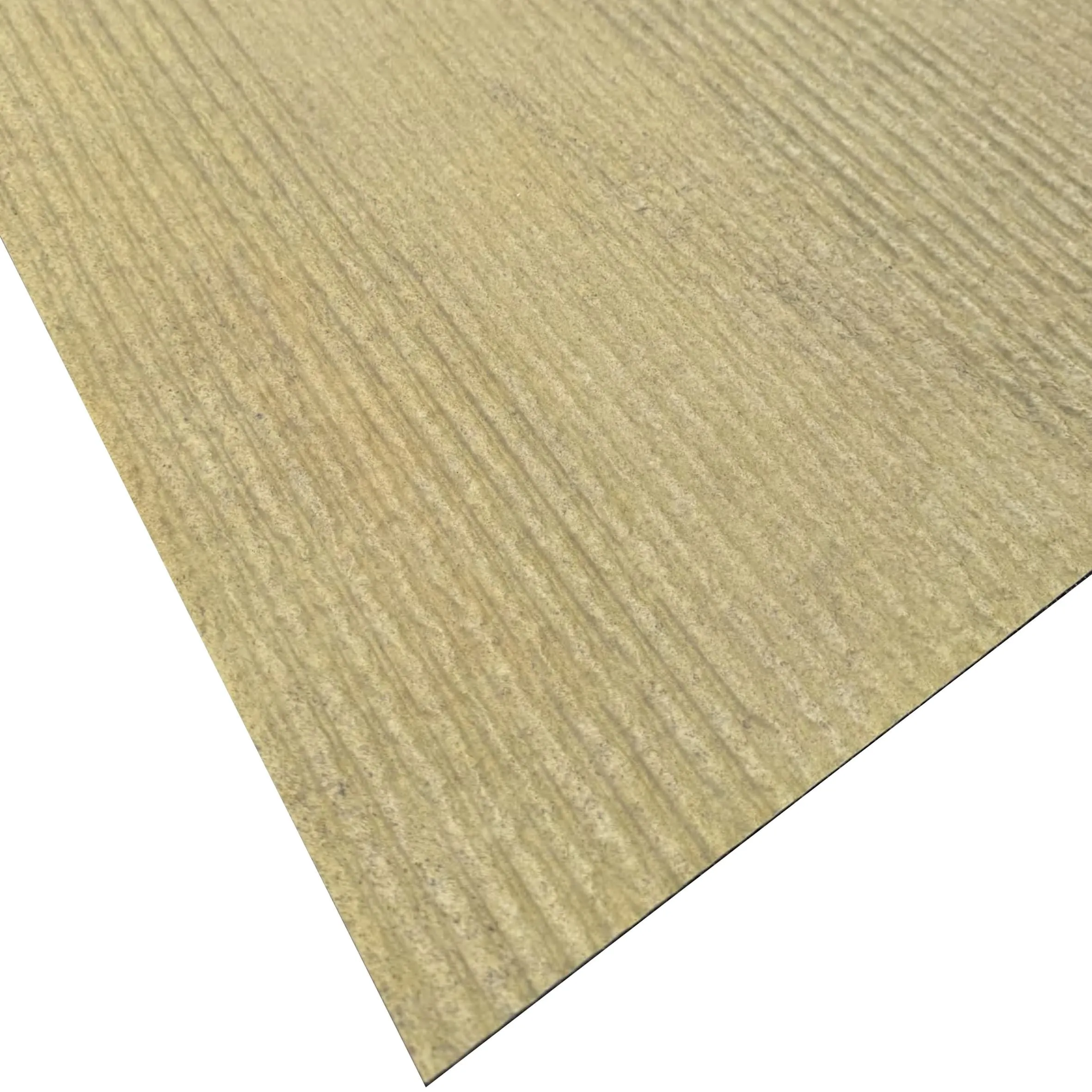
First things first: What exactly is Gravel Omani Stone? Hailing from the rocky landscapes of Oman, this natural stone is quarried from deposits that have been formed over millions of years, shaped by geological forces into a material with a distinct, textured appearance—think tiny, smooth gravel embedded in a solid stone matrix, giving it a unique, earthy look that adds depth and character to any space. But its beauty is just the surface; beneath that rugged exterior lies a set of properties that make it a standout in fire resistance.
Unlike synthetic materials or even some natural stones, Gravel Omani Stone has a composition that naturally resists combustion. It's rich in minerals like silica and calcium carbonate, which have high melting points and don't ignite easily. When exposed to high temperatures—like those from a fire—it doesn't catch fire, melt, or drip. Instead, it acts as a barrier, insulating the underlying structure and slowing the spread of heat. This is a game-changer for commercial buildings, where every second counts during an emergency.
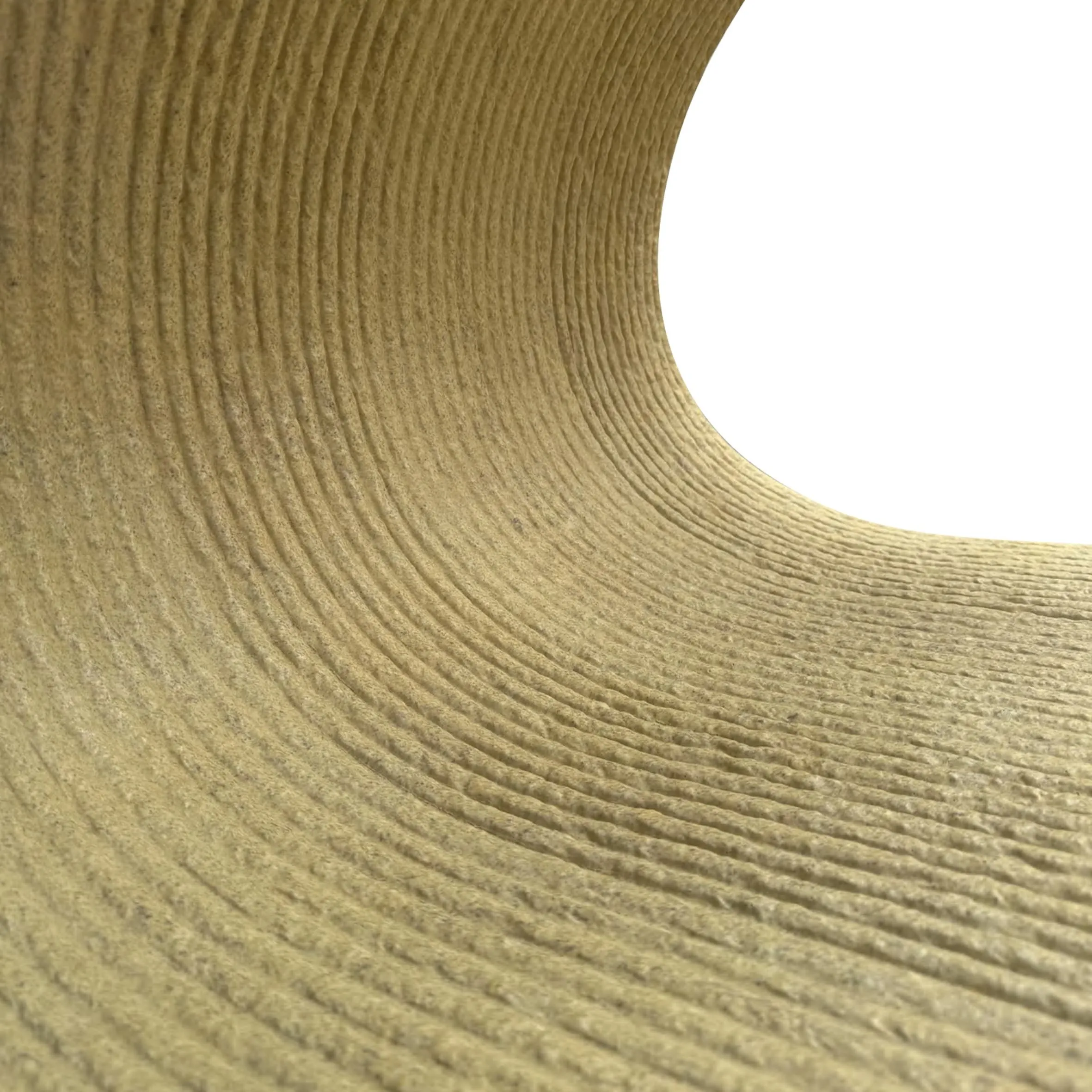
To understand why Gravel Omani Stone is so effective at resisting fire, let's break down what happens when a material is exposed to flames. Most building materials fall into one of several fire-resistance classes, determined by tests like ASTM E119, which measures how long a material can withstand fire before failing (i.e., allowing flames or excessive heat to pass through). Gravel Omani Stone consistently ranks high in these tests, often earning a Class A fire rating—the highest possible, meaning it's non-combustible and provides the best protection against fire spread.
But numbers aside, real-world performance matters. Imagine a scenario where a small electrical fire breaks out in a retail store's stockroom. If the walls are clad in a flammable material, the fire could spread quickly, engulfing the space in minutes. But with Gravel Omani Stone cladding, the stone would absorb the heat, prevent the flames from spreading to adjacent areas, and even retain its structural integrity. That delay could be the difference between a contained incident and a full-blown disaster.
Another key factor is smoke production. Many materials, when burned, release toxic gases like carbon monoxide or hydrogen cyanide, which are often more deadly than the flames themselves. Gravel Omani Stone, being non-combustible, doesn't release any toxic smoke when exposed to fire. This is crucial for occupant safety, as it means the air remains clearer longer, reducing the risk of smoke inhalation during evacuation.
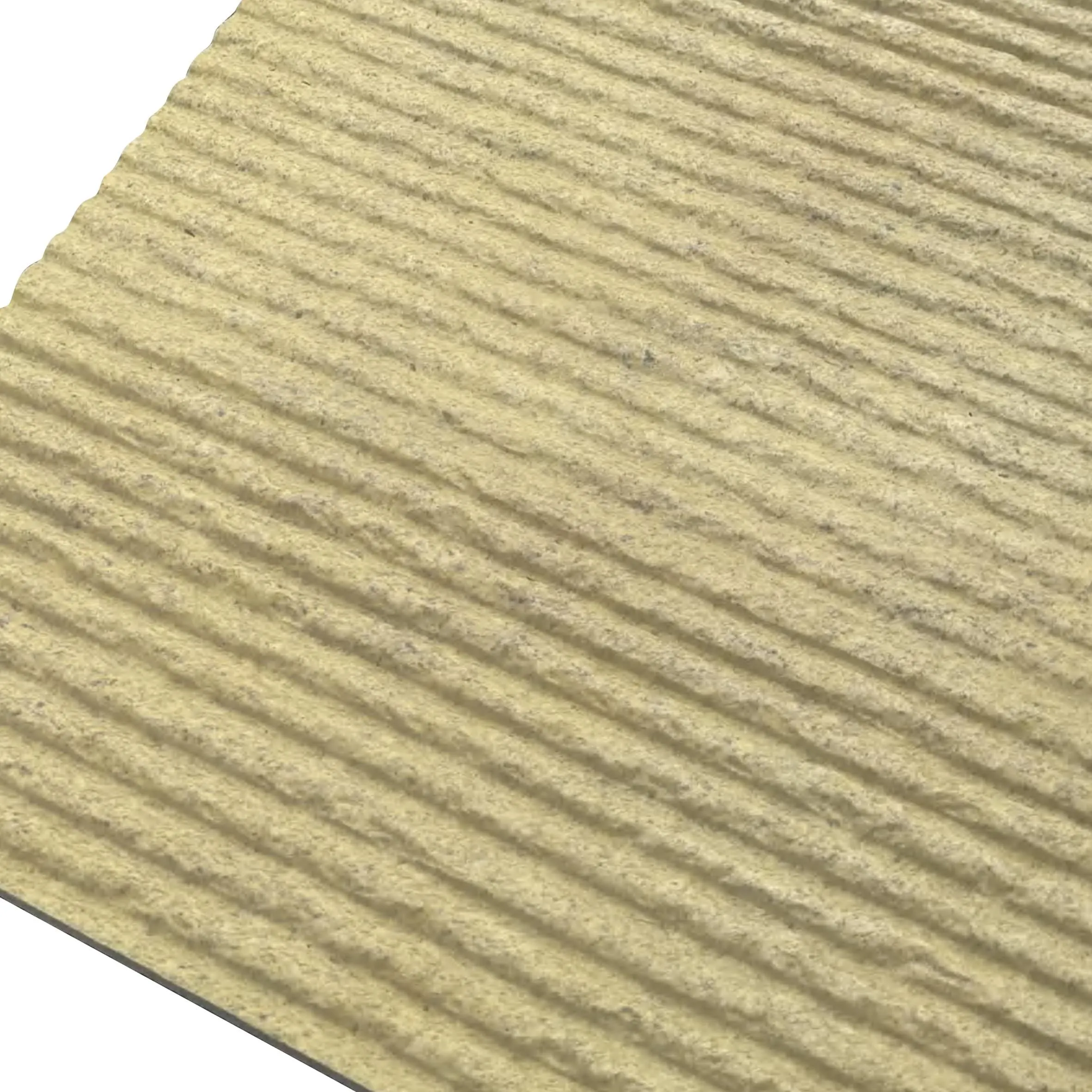
Of course, Gravel Omani Stone isn't the only option for fire-resistant building materials. Let's see how it stacks up against two popular alternatives: fair-faced concrete and MCM flexible stone. The table below compares them across key metrics, from fire resistance to aesthetics.
| Material | Fire Resistance Rating | Max Temperature Resistance | Durability | Aesthetic Versatility | Sustainability |
|---|---|---|---|---|---|
| Gravel Omani Stone | Class A (Non-combustible) | Up to 1,200°C (2,192°F) | High (resists wear, weathering, and chemical damage) | Excellent (textured, earthy finish; works with modern, rustic, and industrial designs) | High (natural, locally sourced in Oman; low carbon footprint) |
| Fair-Faced Concrete | Class A (Non-combustible) | Up to 600°C (1,112°F) before spalling* | High (but prone to cracking over time if not sealed) | Moderate (minimalist, industrial look; limited color options) | Moderate (requires energy-intensive production; can be recycled) |
| MCM Flexible Stone | Class B (Limited combustibility) | Up to 500°C (932°F) before deforming | Moderate (flexible but less impact-resistant than natural stone) | High (comes in various colors and patterns; lightweight for easy installation) | Moderate (synthetic components; some brands use recycled materials) |
*Spalling: the process where concrete cracks and breaks apart due to rapid temperature changes, reducing its fire resistance.
As the table shows, Gravel Omani Stone holds its own against these alternatives. While fair-faced concrete also has a Class A rating, it can start to degrade at lower temperatures, and its aesthetic is more limited. MCM flexible stone, on the other hand, offers design flexibility but falls short in fire resistance and durability. Gravel Omani Stone, with its high temperature resistance, natural durability, and timeless look, strikes a rare balance.
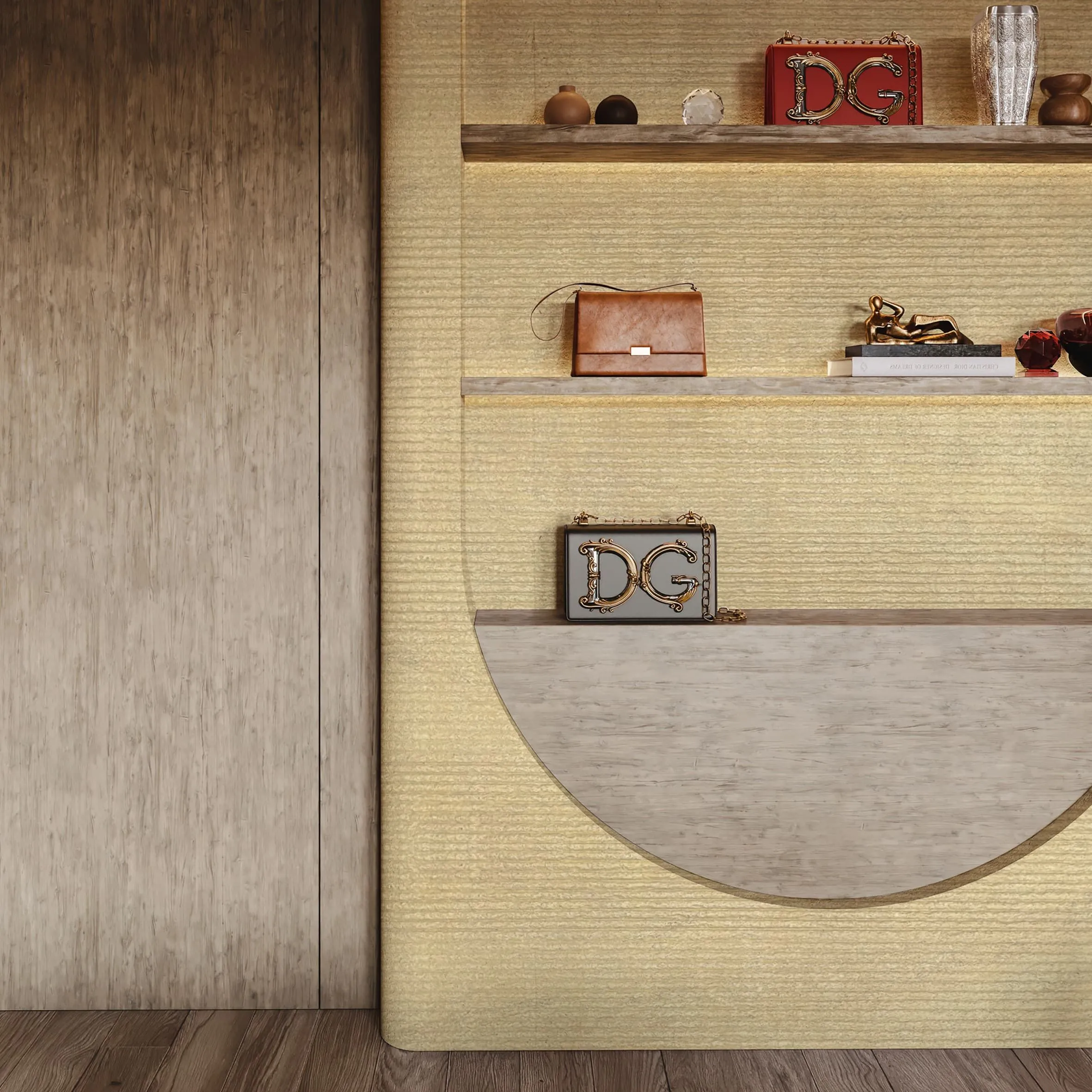
So, where exactly can you use Gravel Omani Stone in a commercial building? The short answer: almost anywhere. Its versatility makes it suitable for both interior and exterior applications, from accent walls to flooring to exterior cladding. Let's look at a few examples:
Retail Spaces: Imagine a high-end boutique with a feature wall made of Gravel Omani Stone. Not only does it add a luxurious, organic touch that elevates the shopping experience, but it also provides fire protection for the back-of-house areas where stock and electrical systems are stored. The stone's neutral tones (think warm beiges, soft grays, and earthy browns) pair well with modern or bohemian decor, making it a designer favorite.
Restaurants and Cafes: Kitchens are hotspots for fire risk, with stoves, ovens, and electrical appliances. Using Gravel Omani Stone for backsplashes or kitchen walls creates a barrier between cooking equipment and flammable materials like wooden cabinets. Plus, its textured surface is easy to clean—resistant to grease and stains—making it practical for busy food service environments.
Offices and Co-Working Spaces: In open-concept offices, where fire can spread quickly across large areas, Gravel Omani Stone can be used to create partition walls or column cladding. These elements not only divide the space aesthetically but also act as fire breaks, limiting the spread of flames and smoke. And for reception areas, a Gravel Omani Stone wall makes a strong first impression, signaling that the company values both safety and design.
Hotels and Hospitality: Hotels have a duty to protect guests, many of whom may be unfamiliar with evacuation routes. Using Gravel Omani Stone in lobbies, corridors, or guest room walls adds an extra layer of safety. For example, a hotel in Dubai recently incorporated the stone into its exterior cladding, not only enhancing its desert-inspired design but also ensuring compliance with strict local fire codes.
While fire resistance is Gravel Omani Stone's standout feature, it offers plenty more benefits that make it a smart choice for commercial buildings. Let's explore a few:
Sustainability: In an era where green building materials are increasingly important, Gravel Omani Stone checks the box. As a natural, locally quarried material, it has a low carbon footprint compared to synthetic alternatives like vinyl or fiber cement. It's also durable, meaning it won't need to be replaced frequently, reducing waste over time. For businesses aiming for LEED certification or other green building standards, this is a big plus.
Durability: Commercial spaces see a lot of foot traffic, spills, and general wear and tear. Gravel Omani Stone is built to last. It resists scratches, dents, and stains, and it can withstand harsh weather conditions when used outdoors. Unlike wood, it doesn't rot or warp; unlike paint, it doesn't fade or peel. This translates to lower maintenance costs over the life of the building—a win for budget-conscious facility managers.
Aesthetic Appeal: Let's not forget: commercial buildings need to look good. Gravel Omani Stone's unique texture and natural variation make it a design asset, not just a safety tool. No two pieces are exactly alike, so each installation has a one-of-a-kind look. Whether paired with modern glass and steel or rustic wood and brick, it adds warmth and character that synthetic materials can't replicate.
Compliance and Peace of Mind: Building codes are getting stricter, and for good reason. Using Gravel Omani Stone can help commercial property owners stay ahead of regulations, avoiding fines and ensuring their space is safe for occupants. And beyond compliance, there's the peace of mind that comes with knowing you've invested in a material that prioritizes safety—something that's invaluable for any business owner.
Of course, even the best material is only as good as its installation. To get the most out of Gravel Omani Stone, it's important to work with a reputable commercial building material supplier who understands the stone's properties and can ensure proper handling and installation. Look for suppliers with experience in fire-resistant materials and a track record of delivering quality products. They can help you choose the right finish, thickness, and installation method for your specific needs—whether it's a small accent wall or a full exterior cladding project.
In a market flooded with "new and improved" building materials, Gravel Omani Stone stands out as a timeless choice. It's not a passing trend; it's a material rooted in nature, refined by science, and proven in real-world applications. For commercial building owners and designers who refuse to compromise on safety or style, it offers the best of both worlds: a material that protects lives, enhances aesthetics, and contributes to sustainable building practices.
So, the next time you're planning a commercial project, ask yourself: What's more important than the safety of the people who will use that space? Gravel Omani Stone doesn't just answer that question—it embodies it. It's a reminder that in building design, we don't have to choose between form and function. With the right materials, we can have both.
In the end, fire safety isn't optional—it's essential. And Gravel Omani Stone is more than just a material; it's a commitment to that essential. For commercial buildings that aim to be safe, beautiful, and built to last, it's not just a good choice. It's the smart one.
Recommend Products












