
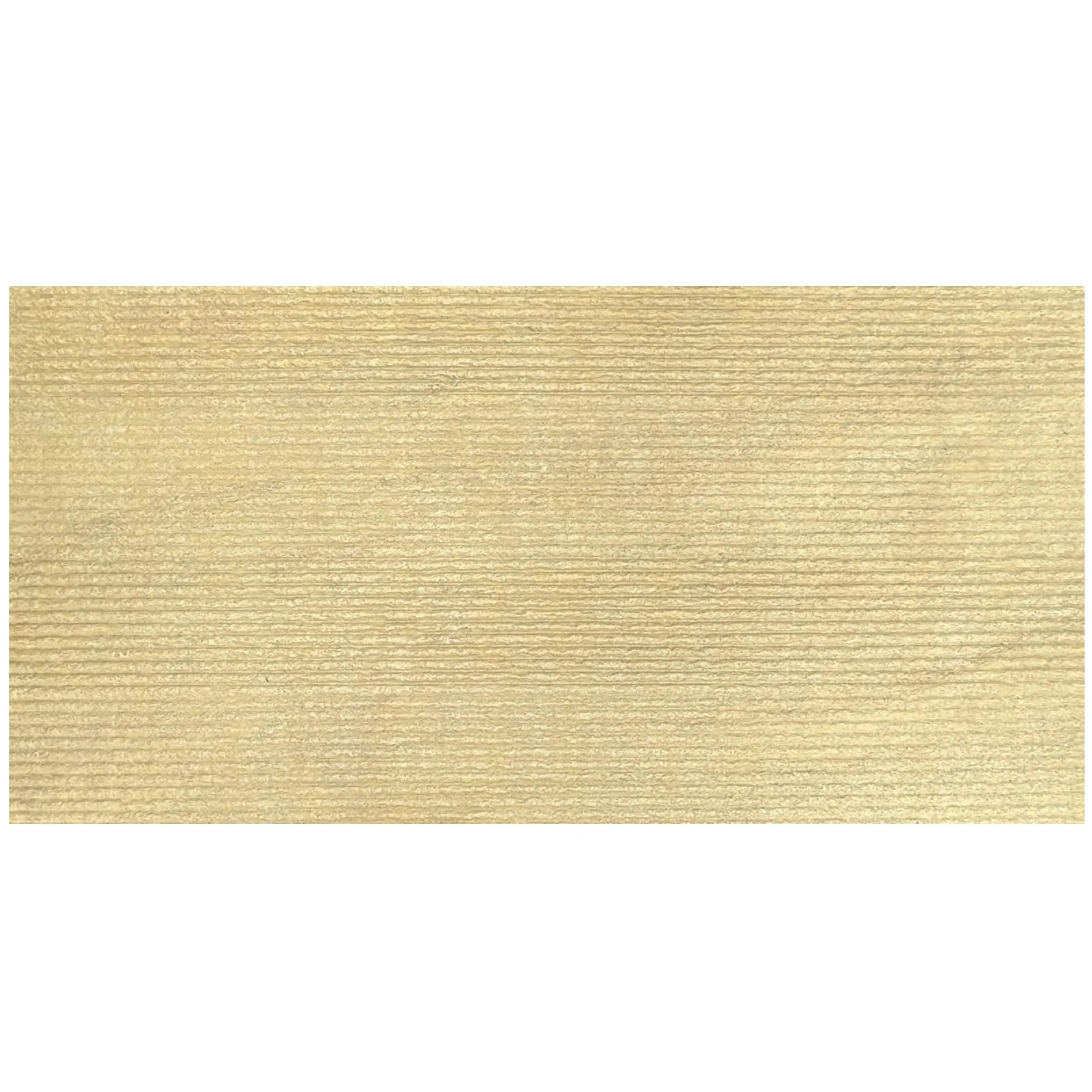
There's something deeply satisfying about stepping into an outdoor space that feels intentional—where every texture, color, and material seems to tell a story. It's not just about plants or furniture; it's about the ground beneath your feet, the surfaces that frame the greenery, and the way light dances off different finishes. For years, landscaping has leaned on familiar materials: brick, generic gravel, maybe some concrete. But what if there was a material that could elevate those spaces from "nice" to "unforgettable"? Enter Gravel Omani Stone—a natural wonder that's quietly redefining how we think about outdoor design.
You might have heard of Omani stone in the context of luxury interiors or high-end building facades, but its true magic shines when it's used outdoors. Unlike the sharp, uniform pebbles you find in standard garden centers, Gravel Omani Stone carries the warmth of its desert origins. Each piece is a little different—some smooth from years of wind and water, others with subtle ridges that catch the light like tiny mirrors. It's not just gravel; it's a collection of nature's own artworks, brought together to transform patios, paths, and gardens into something that feels both timeless and alive.
Let's start with the basics: where does this stone come from? As the name suggests, it hails from Oman, a country known for its dramatic desert landscapes and rich geological history. The stone is quarried from ancient riverbeds and wadis, where centuries of erosion have (smoothed) it into rounded, tactile pebbles. What sets it apart from other gravels is its unique color palette: warm beiges and soft golds, with hints of terracotta and even the occasional streak of charcoal. It's earthy without being dull, vibrant without being overwhelming—like bringing a piece of the Omani desert into your own backyard.
But it's not just about looks. Gravel Omani Stone is surprisingly durable. Unlike crushed stone, which can break down over time and leave dust, these pebbles hold their shape. They're resistant to weathering, too—rain, sun, and even frost don't fade their color or chip their edges. And because they're natural, they drain beautifully, making them ideal for areas prone to pooling water. Walk on them barefoot, and you'll notice another detail: they're cool to the touch, even on hot summer days. No more burning feet when you step outside for your morning coffee.
Pro Tip: Run your hand through a bag of Gravel Omani Stone, and you'll feel the difference immediately. It's not gritty or sharp; it's smooth, almost buttery. That texture isn't just pleasant—it's practical, too. Kids can play on it without scraped knees, and pets won't hesitate to pad across it. It's a material that's as kind to the touch as it is to the eye.
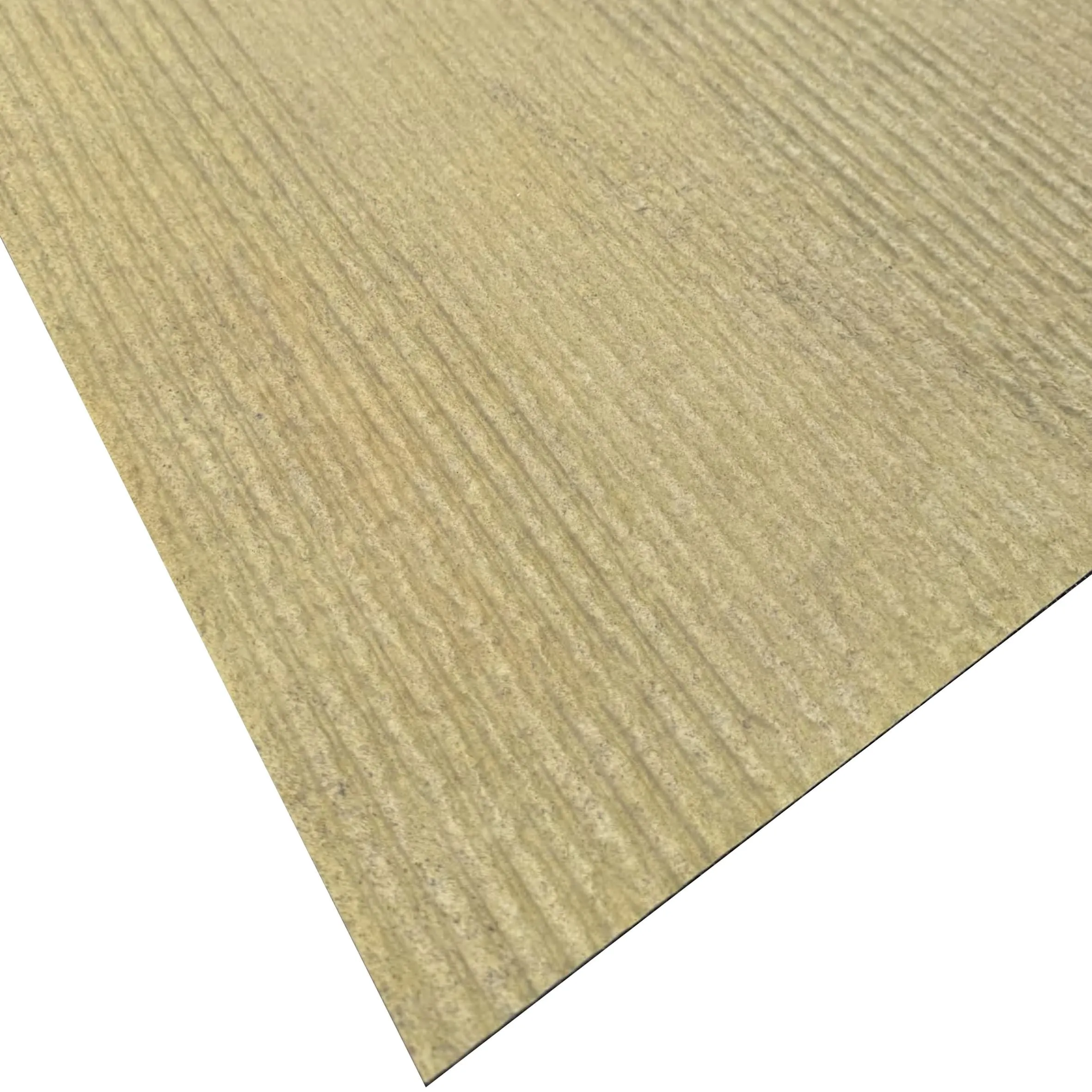
When most people think of gravel in landscaping, they picture straight, utilitarian paths. But Gravel Omani Stone isn't limited to "getting from A to B." It's a versatile material that can take on roles you might never have considered. Let's break down some of the most inspiring ways designers are using it today.
Imagine (oops—scratch that) step into a suburban backyard where the main patio isn't concrete or wood, but a sea of Gravel Omani Stone. The pebbles are raked into gentle waves, creating a sense of movement even when everything else is still. Around the edges, low-slung planters overflow with lavender and succulents, their greenery popping against the stone's warm tones. A wooden bench sits off to one side, its legs sinking slightly into the gravel, as if it's been there for decades. This isn't just a patio; it's a retreat.
One of the best things about Gravel Omani Stone in residential settings is how it softens hard edges. If you have a modern home with clean lines and lots of glass, the stone adds organic texture without clashing. It works equally well with cottage-style gardens, where its earthy colors complement blooming roses and ivy-covered walls. And because it's permeable, it helps with drainage—no more soggy lawns after rain, or puddles that linger for days.
Another unexpected use? Garden beds. Instead of mulch, try lining the base of your flower beds with a layer of Gravel Omani Stone. It suppresses weeds (no more endless pulling!), retains moisture in the soil, and adds a polished look. Plus, when you water your plants, the stone glistens, turning a routine chore into a mini light show.
Restaurants, hotels, and office parks are catching on to Gravel Omani Stone's appeal, too. Think about it: when you walk up to a boutique hotel, the first thing you notice is the entrance. If it's a standard concrete walkway, you might not give it a second thought. But if that walkway is paved with Gravel Omani Stone, bordered by low hedges and dotted with lanterns that cast warm glows over the pebbles? Suddenly, you're not just arriving—you're experiencing the space.
Cafés with outdoor seating are using the stone to define "zones." A Gravel Omani Stone patio area feels more intimate than a concrete slab; the soft crunch underfoot drowns out street noise, and the natural colors make the space feel cozier, even on a busy city block. Office courtyards, too, are swapping sterile concrete for this stone. Employees stepping outside for a break aren't met with cold, hard surfaces—they're met with something that feels connected to nature, reducing stress and boosting creativity.
Public spaces need materials that can handle heavy foot traffic, harsh weather, and minimal maintenance. Gravel Omani Stone checks all those boxes. In city parks, it's being used for winding paths that lead to playgrounds or picnic areas. Unlike asphalt, which can crack and fade, the stone holds up to rain, snow, and sun—its colors only deepening with time. And because it's natural, it blends seamlessly with the surrounding trees and grass, creating a path that feels like it was always meant to be there.
One park in Dubai even used Gravel Omani Stone to create a "sensory garden" for children. The smooth, rounded pebbles are safe for little hands to touch, and their varying sizes encourage kids to explore through texture. It's a reminder that landscaping isn't just about looks—it's about creating spaces that engage all our senses.
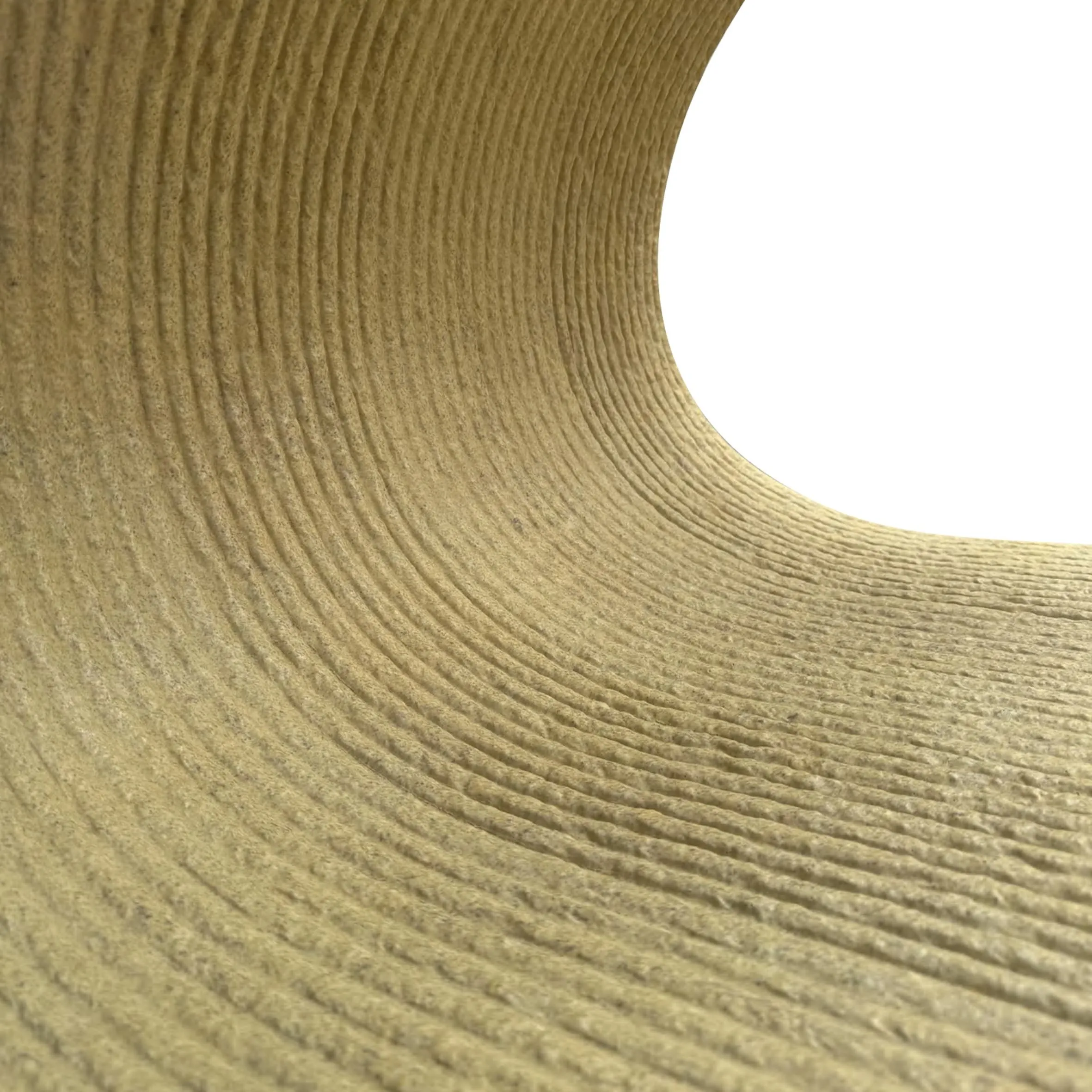
No landscaping material exists in a vacuum. The best outdoor spaces are those where different textures and colors work together to create harmony. Gravel Omani Stone plays well with others, but there are a few materials that stand out as perfect partners. Let's take a closer look at how it complements some unexpected choices.
Designer Insight: "The key to pairing materials is contrast and balance," says Layla Hassan, a landscape architect based in Abu Dhabi. "Gravel Omani Stone has such a warm, organic texture that it pairs beautifully with cooler, more structured materials. Think of it as the 'soft' in a 'soft meets hard' dynamic—it keeps things from feeling too rigid."
| Material | Texture | Best For | Durability | Maintenance |
|---|---|---|---|---|
| Gravel Omani Stone | Round, smooth pebbles with subtle ridges; warm beige/gold tones | Paths, patios, garden beds, water features | High (resistant to weather, erosion, and foot traffic) | Low (occasional raking to maintain shape; no sealing needed) |
| Fair-Faced Concrete | Smooth, matte, and uniform; gray or off-white | Modern patios, outdoor kitchen countertops | Very high (resistant to cracks, stains) | Medium (seal every 2-3 years to prevent discoloration) |
| Wood Grain Board | Warm, linear texture with visible wood knots and grains | Decks, benches, pergola flooring | Medium (prone to warping in high moisture; needs treatment) | High (annual staining/sealing; occasional sanding) |
| Travertine (Starry Blue) | Porous, with natural pits and veins; deep blue with shimmering flecks | Accent walls, water feature surrounds | Medium-High (porous, so needs sealing to prevent staining) | Medium (seal yearly; avoid harsh cleaners) |
| Lunar Peak Silvery | Metallic, slightly rough surface; silvery-gray with subtle sparkle | Modern garden edging, light fixtures, planter borders | Very high (resistant to rust, fading, and scratches) | Low (wipe clean with water; no sealing needed) |
Take fair-faced concrete , for example. Its cool, industrial vibe contrasts beautifully with Gravel Omani Stone's warmth. Imagine a concrete patio with a border of the stone, or a fire pit surrounded by concrete blocks and filled with the pebbles. The combination feels modern but not cold—like a city loft with a potted plant in the corner.
Then there's wood grain board . If you have a wooden deck, try using Gravel Omani Stone for the area around it. The stone's earthy tones complement the wood's warmth, and the contrast in texture (smooth wood vs. rounded stone) adds visual interest. It's like pairing a cozy sweater with a pair of well-worn boots—comfortable and stylish.
For something more dramatic, consider travertine (starry blue) . This deep blue stone, with its flecks of shimmer, makes a striking accent next to Gravel Omani Stone's golds and beiges. Use it for a small water feature—say, a shallow fountain where the starry blue travertine forms the basin, and Gravel Omani Stone lines the surrounding area. When the water ripples, the blue shimmers, and the gold stone catches the light—it's like having a little piece of the night sky in your backyard.
And let's not forget lunar peak silvery , a metallic-finish stone that adds a touch of modern glamour. Use it for edging along a Gravel Omani Stone path: the silvery-gray metal-like surface frames the warm pebbles, creating a look that's both elegant and grounded. It's perfect for contemporary homes where you want to balance sleek design with natural elements.
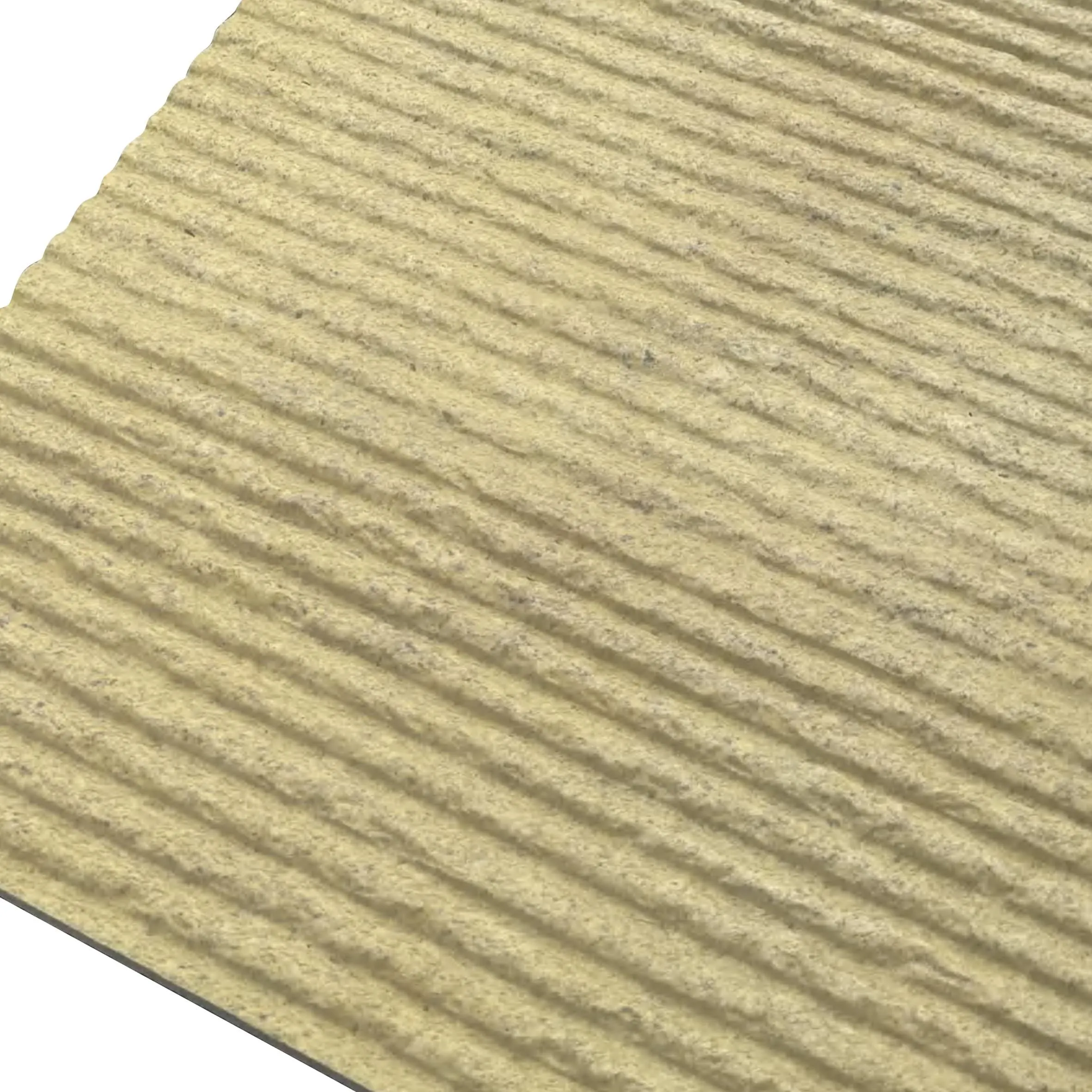
In a world where "fast design" is becoming more common, it's refreshing to find a material that's built to last. Gravel Omani Stone is quarried responsibly in Oman, with strict regulations to ensure minimal environmental impact. Unlike synthetic materials, which rely on fossil fuels to produce, the stone is a byproduct of nature—no chemicals, no harsh processing, just stone that's been shaped by the earth itself.
Durability-wise, it's hard to beat. I spoke with a landscaper in Riyadh who installed Gravel Omani Stone in a client's garden over ten years ago. "I went back to visit last month, and it looked almost the same as the day we put it down," he told me. "The color had mellowed a bit—gotten richer, actually—and there were no cracks or potholes. The client had never sealed it or done any major maintenance, just raked it once a year to keep the paths neat. That's the kind of material you can invest in and forget about."
And because it's permeable, it helps with water conservation. In areas prone to drought, like the American Southwest or parts of the Middle East, using Gravel Omani Stone instead of concrete or asphalt means rainwater can seep into the ground, recharging aquifers and reducing runoff. It's a small choice, but it adds up—especially in communities where water is scarce.
So, how do you get started with Gravel Omani Stone? It's easier than you might think. Most landscaping suppliers now carry it, though you might need to order in advance if you're in a region where it's less common. Start small: maybe a path from your driveway to your front door, or a small patio area by your back door. Play with different depths—2-3 inches for paths, 4-5 inches for patios—to see what feels right underfoot.
Don't be afraid to mix and match. Pair it with plants that have bold foliage (like elephant ears or bird of paradise) to create contrast, or use it alongside softer materials like wood or fabric to add warmth. And remember: landscaping is personal. There's no "right" way to use Gravel Omani Stone—just the way that makes your outdoor space feel like an extension of your home.
At the end of the day, Gravel Omani Stone isn't just about landscaping. It's about creating spaces that feel meaningful. When you walk on it, you're walking on stone that's been shaped by thousands of years of wind and water. You're connecting with a place—Oman—and a history that's older than any building or garden. It's a reminder that the best design isn't just about how something looks; it's about how it makes you feel.
So, the next time you're planning an outdoor project, think beyond the usual suspects. Think about the crunch of stone underfoot, the way light plays on rounded edges, and the warmth of a material that feels like it belongs. Think about Gravel Omani Stone—and get ready to fall in love with your outdoor space all over again.
Recommend Products












