
Walk into any sports facility—whether it's a bustling community gym, a school's multi-purpose court, or a professional stadium—and one thing becomes immediately clear: the floor takes a beating. From the constant thud of sneakers during a basketball game to the scuffing of weights in a fitness center, from the sprinting feet of track athletes to the sliding tackles on a soccer field, high-traffic sports areas demand materials that don't just exist —they endure . But durability alone isn't enough. These spaces also need to prioritize safety, aesthetics, and long-term practicality. Enter Gravel Omani Stone: a material that's quietly redefining what it means to build surfaces that can keep up with the chaos of athletic activity.
Let's start with the basics: sports facilities are not gentle environments. A typical gymnasium might see hundreds of users daily, each bringing their own wear and tear. Add in heavy equipment, spilled water bottles, sweat, and the occasional dropped dumbbell, and you've got a recipe for surface degradation. Traditional materials often struggle here. Fair-faced concrete, for example, is tough but can crack under repeated impact. Polish concrete, while sleek, becomes dangerously slippery when wet. Even wood grain board, with its warm aesthetic, tends to warp or scratch over time in humid or high-moisture settings. So what makes Gravel Omani Stone different? Let's dig in.
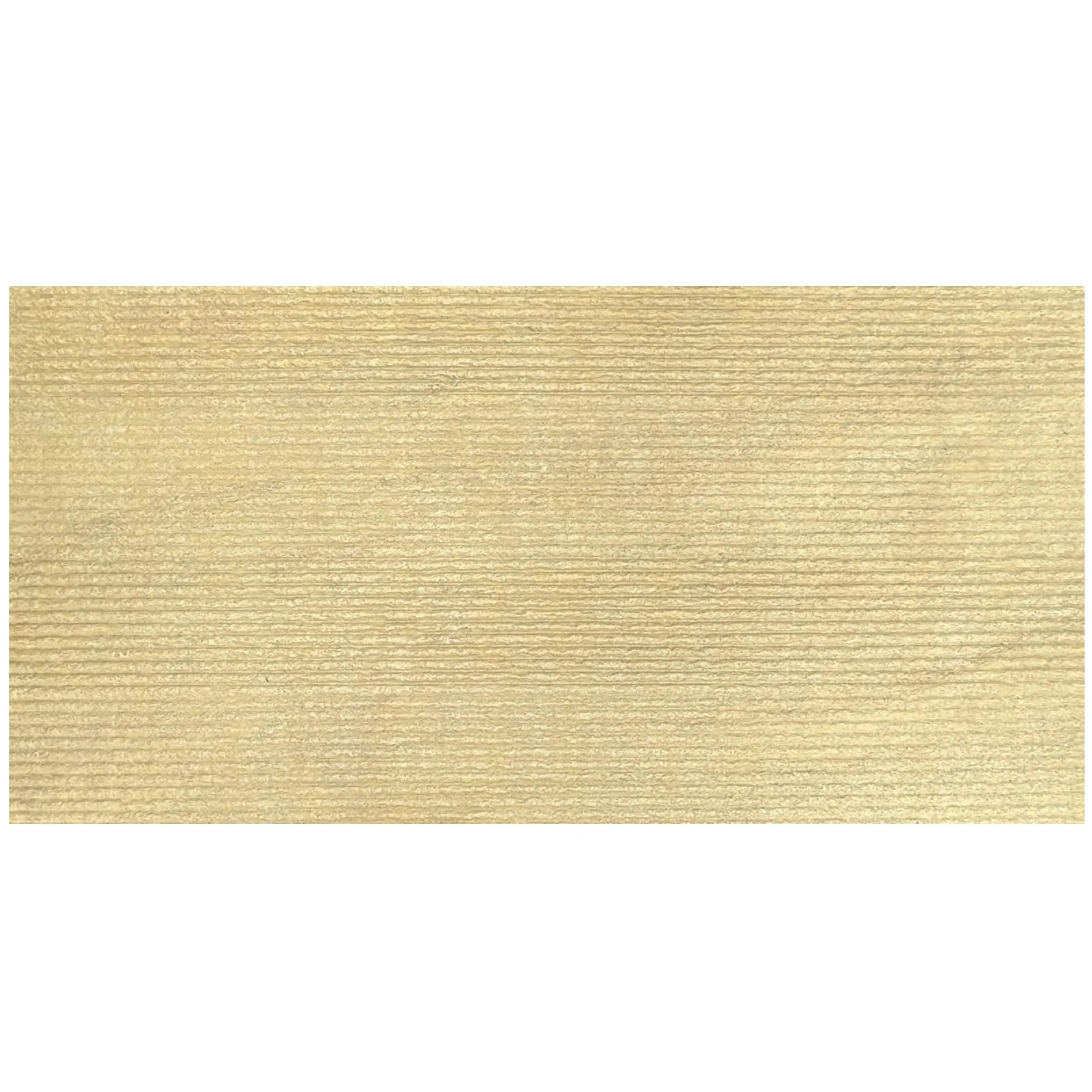
Originating from the arid landscapes of Oman, Gravel Omani Stone is a composite material that blends natural gravel aggregates with a specialized binding agent, creating a surface that's both rugged and refined. Picture this: tiny, weathered pebbles—each with its own unique shape and texture—compressed and bonded into a solid slab. The result is a material that's inherently resistant to abrasion, thanks to the gravel's natural hardness, while the binding agent adds flexibility, preventing the brittleness that plagues materials like fair-faced concrete.
But it's not just about the ingredients. What truly sets Gravel Omani Stone apart is its structure. Unlike uniform materials such as polish concrete, which has a smooth, non-porous surface, Gravel Omani Stone's textured finish provides two key benefits: enhanced traction and impact absorption. Those tiny gravel particles create micro-grooves that grip shoes, even when the surface is damp—critical for preventing slips during a rainy outdoor practice or a sweaty indoor workout. And because the material has a slight give (unlike the rigidity of concrete), it cushions falls, reducing the risk of injury when an athlete takes a tumble.
Let's talk numbers. In lab tests, Gravel Omani Stone has shown impressive results: a compressive strength of over 40 MPa (megapascals), which means it can withstand pressure equivalent to 400 kilograms per square centimeter—more than enough to handle the weight of a 200kg bench press or a crowd of jumping fans. Its abrasion resistance is equally noteworthy: when subjected to the Taber Abrasion Test (a standard measure of wear), it loses less than 0.1 grams of material after 10,000 cycles—compare that to wood grain board, which might lose 0.5 grams or more under the same conditions.
But numbers only tell part of the story. Real-world performance is where Gravel Omani Stone truly shines. Take, for example, a school in Muscat that installed Gravel Omani Stone in its gymnasium five years ago. The facility hosts daily basketball practice, weekly assemblies, and even the occasional rock concert (yes, really). Today, the floor still looks nearly new. There are no visible cracks, no deep scratches, and the traction remains consistent. "We used to resurface our old wood grain board every two years," says the school's facilities manager. "With Gravel Omani Stone, we haven't had to do a thing beyond regular cleaning. It's been a game-changer for our budget—and our peace of mind."
Another example: a fitness center in Dubai that replaced its polish concrete floors with Gravel Omani Stone in 2020. "We were tired of putting up 'Wet Floor' signs every time someone spilled water," explains the gym's owner. "Polish concrete was a nightmare when it rained or when people came in from the pool. Now, even with sweat dripping off the treadmills, the floor stays grippy. And the best part? The dumbbells we drop? They leave zero marks. Zero."
In sports, accidents happen. But the right surface can turn a potentially serious injury into a minor stumble. Gravel Omani Stone's textured surface isn't just about durability—it's about safety. Let's compare it to other common materials:
| Material | Slip Resistance (Dry) | Slip Resistance (Wet) | Impact Absorption | Maintenance for Safety |
|---|---|---|---|---|
| Gravel Omani Stone | High (textured surface) | High (micro-grooves retain grip) | Moderate (flexible binding reduces shock) | Low (no need for anti-slip coatings) |
| Fair-Faced Concrete | Moderate | Low (smooth surface becomes slippery) | Low (rigid; transfers impact to body) | High (requires periodic sealing to prevent cracking) |
| Polish Concrete | Moderate | Very Low (extremely smooth when wet) | Low (hard, unforgiving surface) | High (needs regular re-polishing; anti-slip treatments) |
| Wood Grain Board | High (natural texture) | Moderate (can warp, creating uneven surfaces) | High (natural give) | Very High (needs refinishing, moisture control) |
Notice the pattern? Gravel Omani Stone strikes a balance that's hard to find. Its slip resistance, even when wet, is a lifesaver in spaces like locker rooms or poolside areas. Its impact absorption means that a player landing hard after a jump shot is less likely to tweak an ankle or jar a knee. And because it doesn't require constant treatments or coatings to maintain these properties, it stays safe over time —not just on day one.
Safety also extends to chemical resistance. Sports facilities are full of harsh substances: chlorine from pools, cleaning agents, sweat, and even sports drinks (which are notoriously acidic). Gravel Omani Stone's non-porous surface resists staining and chemical damage, unlike lime stone(beige), which can etch when exposed to acids. A quick wipe with a mild detergent is usually all it takes to clean up a spill, preventing long-term discoloration or degradation.
Let's be honest: no one wants to train or play in a space that feels cold and industrial. Aesthetics matter—they boost morale, create a welcoming atmosphere, and even influence performance. Gravel Omani Stone might be tough, but it's also surprisingly versatile in the looks department.
Available in a range of earthy tones—from warm beiges that evoke desert landscapes to deeper grays and browns—Gravel Omani Stone can complement any design scheme. Unlike the uniform, almost clinical look of polish concrete, its natural gravel aggregates add visual interest, with each slab having a unique pattern. It's the kind of material that can make a high school gym feel cozy or a professional stadium feel sophisticated.
Take, for instance, a community center in Abu Dhabi that chose Gravel Omani Stone for its multi-use hall. The designers wanted a space that could transition from a yoga class to a youth basketball league to a town hall meeting. The stone's neutral beige hue (reminiscent of lime stone(beige) but with more depth) provided a calm backdrop, while its texture added warmth. "People comment on how 'inviting' the space feels," says the center's director. "They don't realize it's the same material that's handling the chaos of 50 kids running around during summer camp. It's like having the best of both worlds: beauty and brawn."
Even in outdoor settings, Gravel Omani Stone holds its own. Its natural color palette blends seamlessly with landscaping, making it a popular choice for outdoor tracks, tennis courts, and walking paths. Unlike wood grain board, which fades or warps in sunlight, or fair-faced concrete, which can discolor over time, Gravel Omani Stone retains its appearance for years, even under harsh UV exposure.
Durability, safety, and aesthetics are all well and good, but if a material is a nightmare to install or maintain, it's unlikely to catch on. Fortunately, Gravel Omani Stone scores high here too.
Installation is relatively straightforward. Unlike traditional stone slabs, which are heavy and require specialized equipment to transport and lay, Gravel Omani Stone is often pre-cast into modular panels. These panels are lighter, easier to handle, and can be installed quickly, reducing downtime for the facility. For large projects, like a stadium concourse, this means faster completion times and lower labor costs compared to laying individual tiles or pouring and finishing fair-faced concrete.
Maintenance is where Gravel Omani Stone really shines for busy facility managers. Unlike wood grain board, which needs regular sanding and refinishing, or polish concrete, which requires periodic re-polishing, Gravel Omani Stone is low-maintenance. A weekly sweep and damp mop are usually sufficient to keep it clean. For deeper cleaning, a pressure washer can be used without damaging the surface. And because it's resistant to scratches and stains, there's no need for expensive sealants or coatings—saving both time and money in the long run.
Consider the case of a university sports complex in Riyadh. Before switching to Gravel Omani Stone, their main gym required monthly buffing (for the polish concrete floors) and quarterly repairs (for cracked fair-faced concrete in the weight room). The annual maintenance budget for flooring was over $20,000. After installing Gravel Omani Stone, that number dropped to under $5,000. "We used to have a full-time crew just maintaining the floors," says the complex's operations manager. "Now, they're free to focus on other tasks. It's been a huge efficiency boost."
In 2019, Rivertown Sports Center—a mid-sized facility in Oman—was facing a crisis. Their 10-year-old gymnasium floor, made of wood grain board, was showing serious signs of wear: warped planks, deep scratches, and even a few soft spots that posed a tripping hazard. The facility manager, Ahmed, was stuck between a rock and a hard place: replacing the wood would cost tens of thousands of dollars, but keeping it posed safety risks.
After researching options, Ahmed's team settled on Gravel Omani Stone. "We were skeptical at first," he admits. "We'd heard horror stories about other 'durable' materials that didn't live up to the hype. But the supplier showed us test results and photos of other installations, and we decided to take the plunge."
The installation took just three days (compared to the two weeks quoted for wood replacement). Since then, the gym has hosted everything from basketball tournaments to martial arts classes to dance recitals. "It's been four years, and the floor looks like it was installed yesterday," Ahmed says. "We've had zero injuries related to slipping or tripping. The kids love running on it—it's not as hard as concrete, so it feels better on their feet. And the best part? We haven't spent a dime on maintenance beyond regular cleaning."
Ahmed even noticed an unexpected benefit: increased usage. "People comment on how nice the gym looks now," he says. "We've seen a 20% uptick in memberships since the renovation. Turns out, a great floor doesn't just last—it attracts people, too."
Sports facilities are investments—investments in community health, youth development, and athletic excellence. To protect that investment, the materials used must be up to the task. Gravel Omani Stone isn't just a flooring option; it's a long-term strategy for building spaces that can handle the chaos of sports while keeping people safe, happy, and coming back for more.
It outperforms traditional materials like fair-faced concrete and polish concrete in durability and safety. It's more practical than wood grain board, with lower maintenance and longer lifespans. And it adds aesthetic value that elevates the entire space. For anyone building or renovating a high-traffic sports area, the question isn't if Gravel Omani Stone is a good choice—it's why wouldn't you choose it ?
At the end of the day, sports are about resilience—both in the athletes and in the spaces they use. Gravel Omani Stone embodies that resilience. It's a material that doesn't just keep up with the game—it outlasts it.
Recommend Products












