
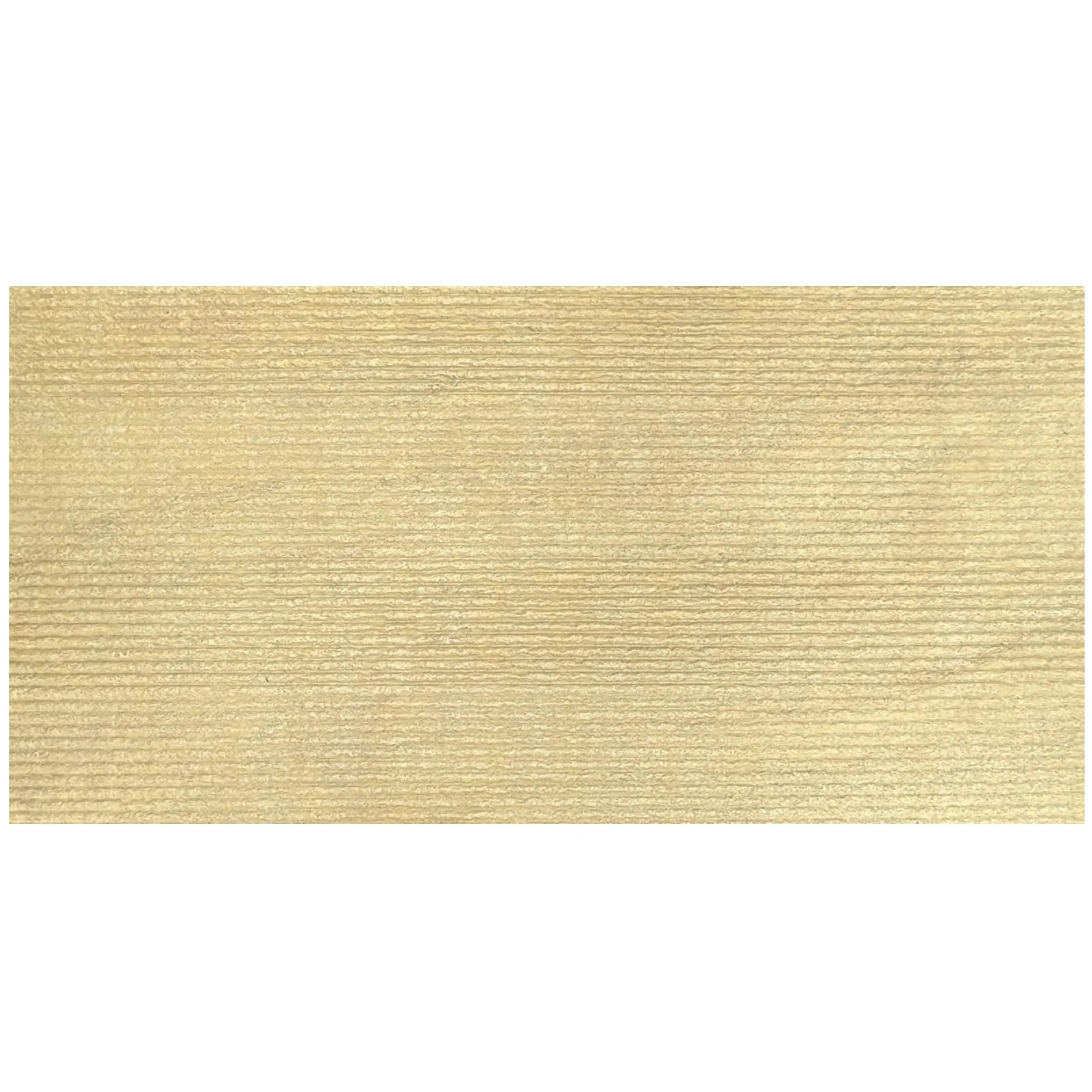
Walk into a boutique hotel in Muscat, and you might find walls clad in a material that feels both ancient and alive—Gravel Omani Stone. Its surface, a tapestry of sandy beige interspersed with glints of quartz and feldspar, tells a story written in sediment and time. But what makes this stone so distinct? The answer lies deep in the earth, where geology acts as both sculptor and storyteller. In this article, we'll journey into the heart of Oman's landscapes to uncover how Gravel Omani Stone forms, explore its one-of-a-kind traits, and see how it stacks up against other geological wonders like Travertine (Starry Blue), Lunar Peak Silvery, and even modern materials like Fair-Faced Concrete. Along the way, we'll discover why architects and designers around the world are falling for materials that carry the earth's own fingerprint.
Gravel Omani Stone isn't just a building material—it's a snapshot of Oman's geological past. To understand it, let's rewind millions of years to the Arabian Peninsula's coastal plains. Here, ancient rivers carried sediment—sand, silt, and pebbles—down from the Hajar Mountains, depositing it in shallow marine environments. Over time, layer upon layer of this sediment built up, compressed by the weight of overlying rock and cemented by minerals like calcite and silica, which seeped through the pores. This slow, patient process turned loose sediment into solid rock: Gravel Omani Stone.
What makes this stone special? Look closely, and you'll notice its "gravelly" texture—small pebbles (sometimes the size of a fingernail) embedded in a finer matrix. These pebbles are fragments of older rocks, eroded from the mountains and carried downstream, each one a tiny time capsule. The matrix, often a warm beige or soft cream, gets its color from iron oxides, which tint the sediment like a watercolor wash. And if you hold a slab up to the light, you might catch flashes of quartz—minerals that crystallized as groundwater percolated through the rock, adding a subtle sparkle that feels almost intentional, as if the earth itself wanted to add a finishing touch.
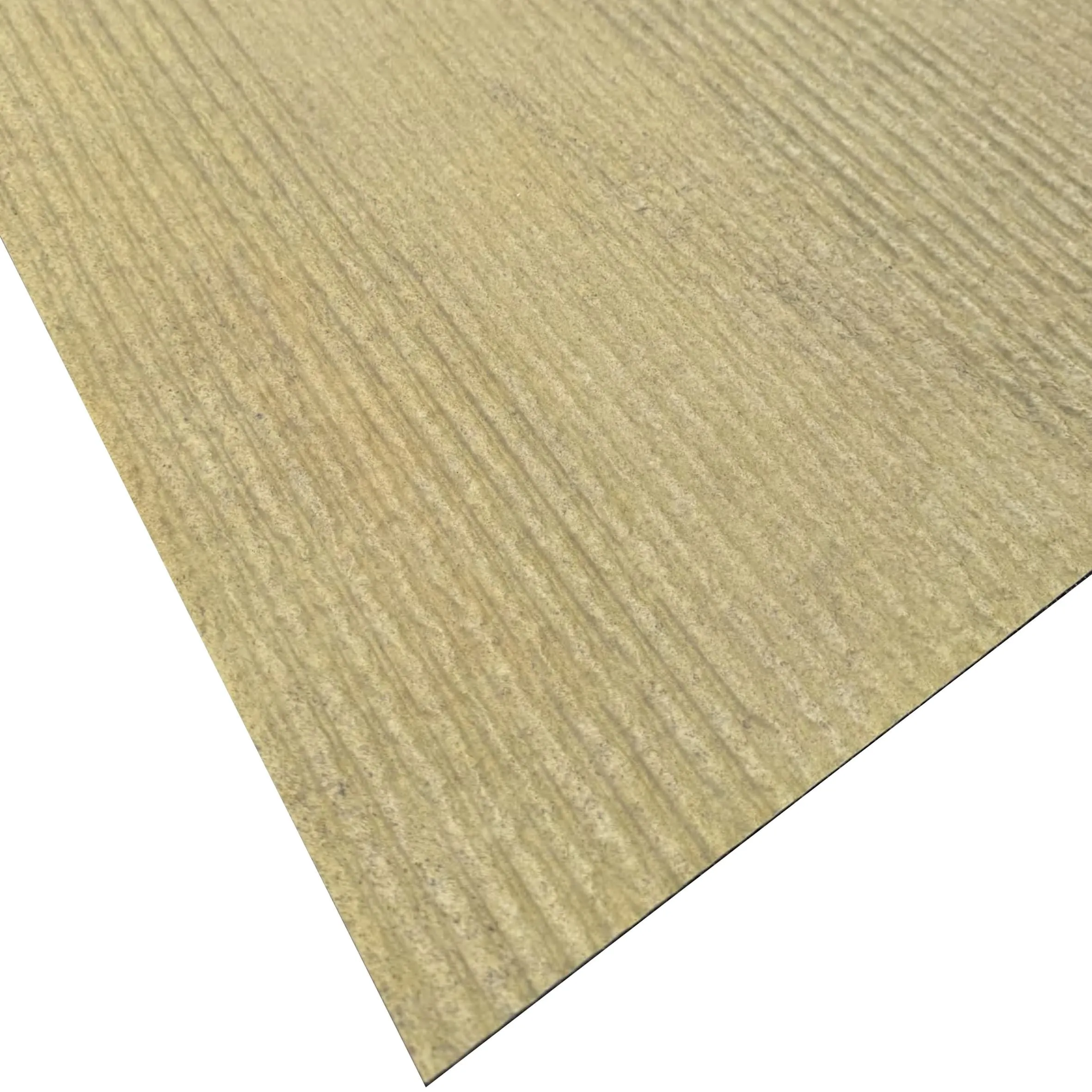
Gravel Omani Stone's beauty isn't an accident—it's the result of specific geological conditions. Take its texture, for example: the size and distribution of those embedded pebbles depend on how fast the ancient rivers flowed. Faster currents carried larger pebbles, while slower ones left behind finer sediment, creating a mix that feels both varied and balanced. Then there's color: in areas where the sediment had more organic matter, the stone might lean toward a deeper taupe; in iron-rich zones, it warms to a honeyed gold. No two quarries yield exactly the same stone, because no two patches of ancient riverbed were identical.
Compare this to Travertine (Starry Blue) , another geological marvel, and you'll see how different processes create wildly different aesthetics. Travertine forms in hot springs, where mineral-rich water cools and deposits calcium carbonate. The "starry" effect? Tiny air bubbles trapped during formation, which reflect light like distant stars. In Starry Blue Travertine, copper minerals in the spring water tint the stone a dreamy blue-gray, turning each slab into a night sky. It's a far cry from Gravel Omani's earthy warmth, but equally captivating—proof that geology's palette is endless.
Then there's Lunar Peak Silvery , a material that feels like it belongs on another world. Unlike Gravel Omani's sedimentary roots, Lunar Peak forms from volcanic activity: magma cools rapidly, creating a stone with a smooth, almost metallic surface. The "silvery" sheen comes from mica minerals, which align like tiny mirrors, giving the stone a cool, celestial glow. It's a stark contrast to Gravel Omani's rustic charm, but both share one thing: they're products of the earth's restless energy, shaped by time and natural forces.
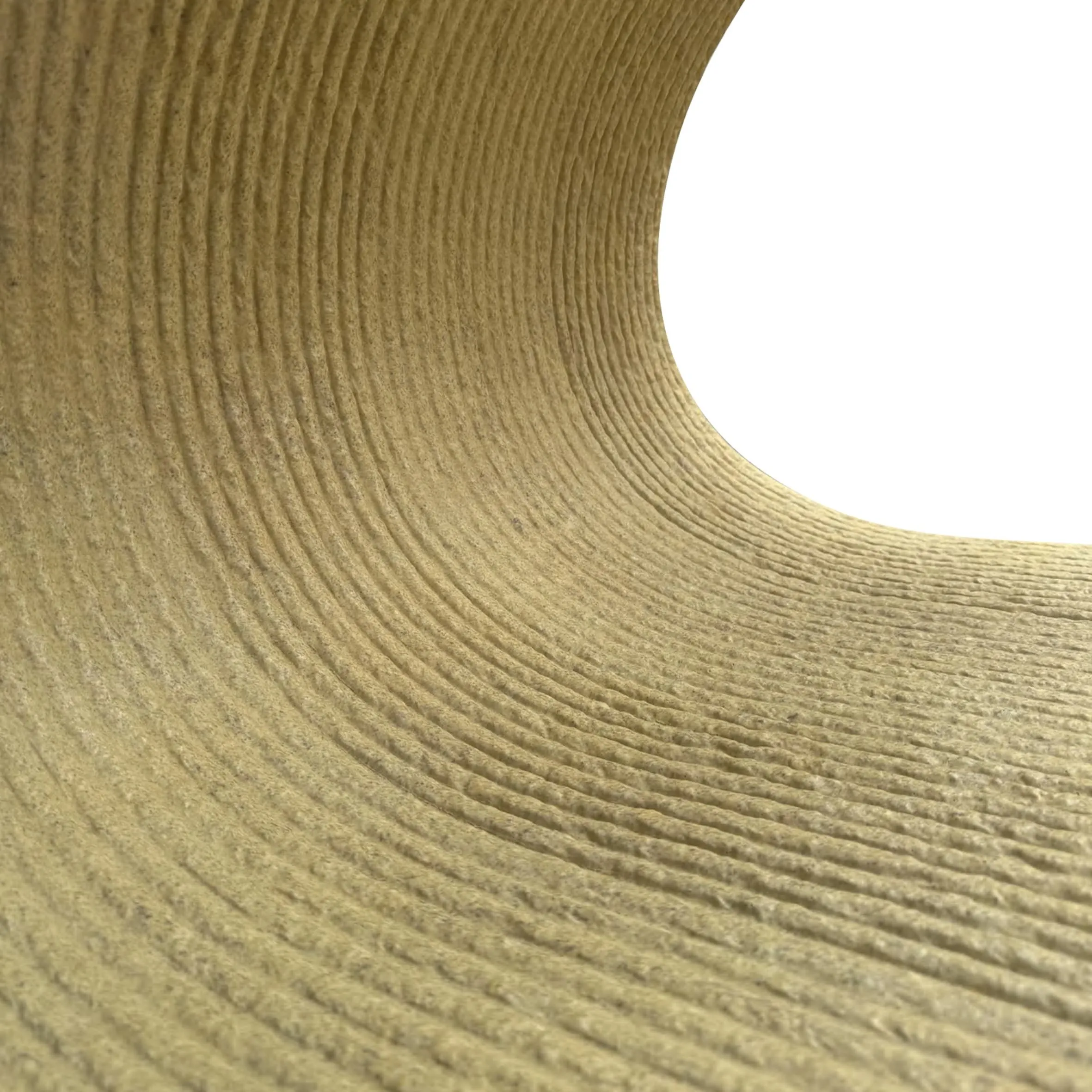
Gravel Omani Stone isn't just beautiful—it's practical, too. Its density and compressive strength make it ideal for cladding, flooring, and even countertops. In Oman, it's been used for centuries in traditional architecture, from fortress walls to village homes, where its durability stands up to the harsh desert climate. Today, it's finding new life in modern design: think minimalist restaurants with feature walls that bring a touch of the outdoors in, or luxury villas where floors made of Gravel Omani Stone feel cool underfoot on hot days.
But what about when architects crave something more uniform? That's where materials like Fair-Faced Concrete come in. Fair-Faced Concrete is a modern favorite, prized for its sleek, industrial look—no frills, just the raw beauty of poured concrete. It's consistent, customizable, and perfect for contemporary spaces. Yet, for all its appeal, it lacks the character of Gravel Omani Stone. There's no story in its smooth surface, no echoes of ancient rivers or mountain erosion. It's a reminder that while modern materials offer precision, natural stones offer soul.
| Material | Geological Origin | Key Traits | Best For |
|---|---|---|---|
| Gravel Omani Stone | Ancient river sediment, cemented over millions of years | Gravelly texture, warm beige/cream color, quartz sparkle | Feature walls, flooring, traditional & luxury architecture |
| Travertine (Starry Blue) | Hot spring deposits of calcium carbonate | Blue-gray hue, air bubble "stars," porous texture | Accent walls, backsplashes, spa interiors |
| Lunar Peak Silvery | Rapidly cooled volcanic magma | Smooth, metallic surface, silvery sheen from mica | Modern exteriors, high-end retail spaces |
| Fair-Faced Concrete | Man-made: cement, aggregates, water | Sleek, uniform, industrial aesthetic | Contemporary buildings, minimalist interiors |
| Bali Stone | Coral reef deposits, fossilized over time | Pale pink/peach, fossilized coral patterns, porous | Tropical-themed resorts, outdoor patios |
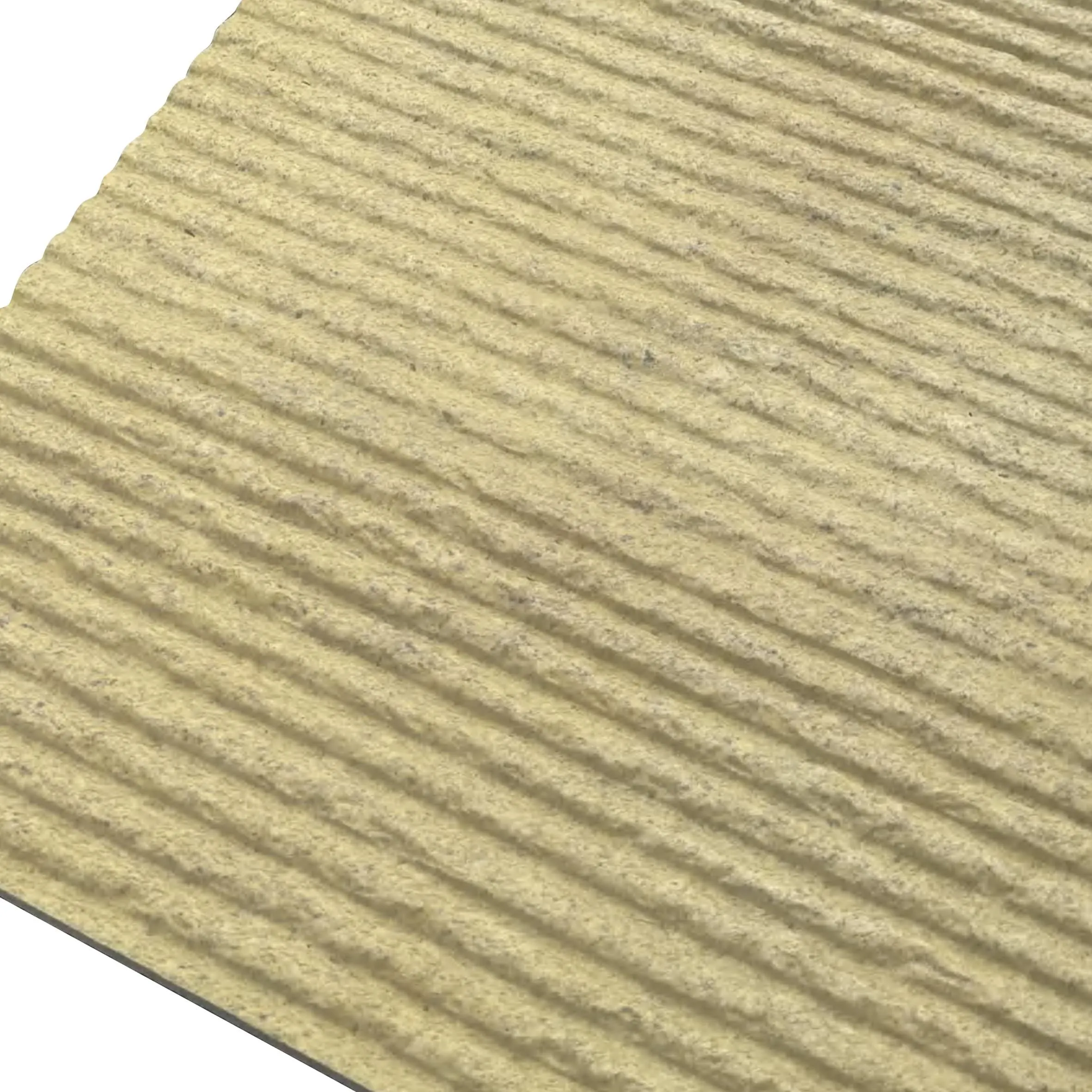
Materials like Gravel Omani Stone aren't just about looks—they carry cultural significance, too. In Oman, using local stone is a nod to heritage; it connects modern buildings to the country's Bedouin roots, where homes were built with whatever the land provided. Walk through the old souks of Nizwa, and you'll see Gravel Omani Stone in the walls of forts and mosques, a silent witness to centuries of history. It's a material that tells a story of resilience, of people living in harmony with their environment.
The same can be said for Bali Stone , a coral-based stone used in traditional Balinese architecture. Like Gravel Omani, it's a product of its landscape—formed from ancient reefs that once thrived in Indonesia's warm seas. Today, it's used in villas and temples, its soft pink hue and fossilized coral patterns a reminder of Bali's relationship with the ocean. These stones aren't just building materials; they're cultural touchstones, linking past and present.
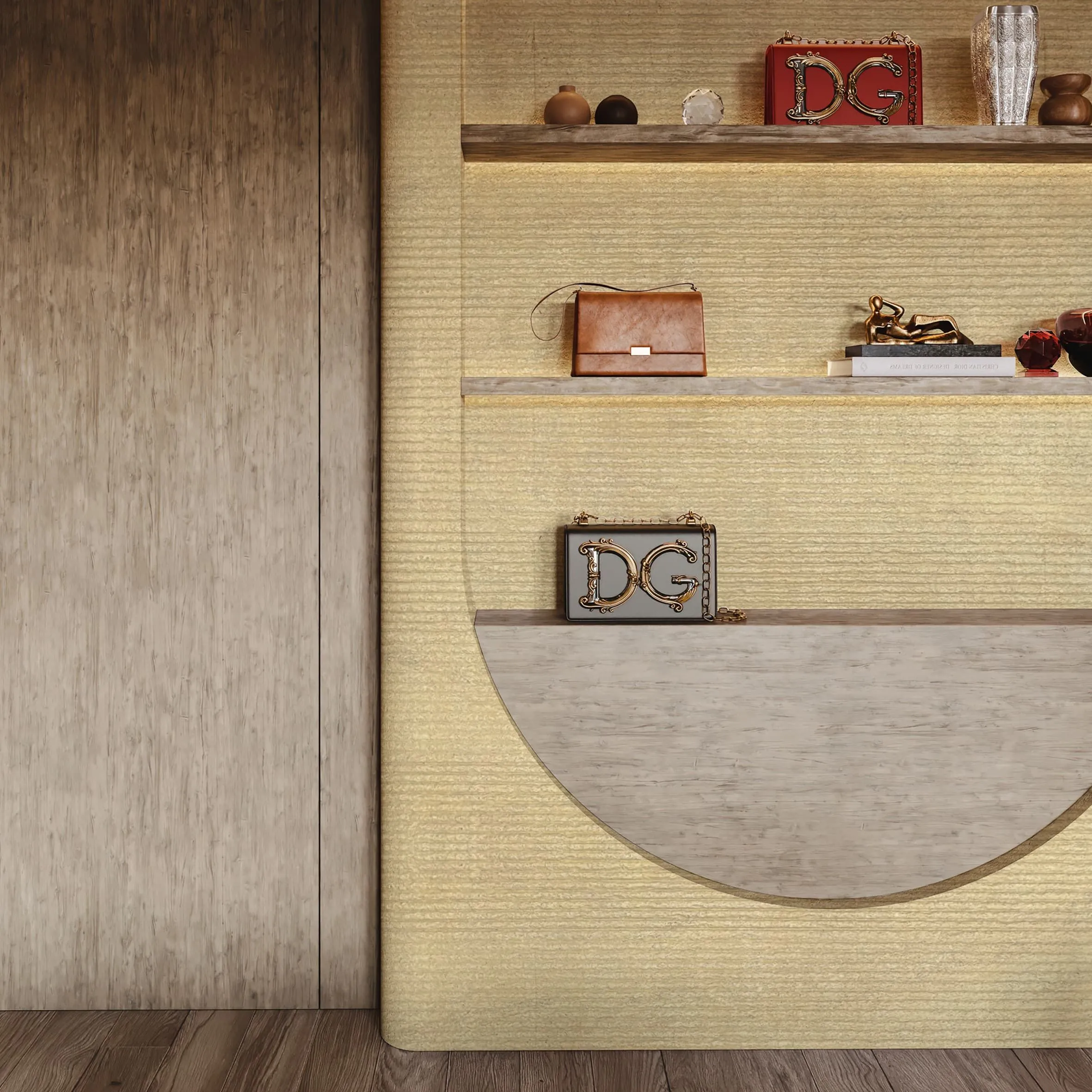
In a world of mass-produced materials, there's something deeply satisfying about a slab of Gravel Omani Stone. It's imperfect, in the best way—no two pieces are the same, each bearing the marks of its geological journey. When you run your hand over it, you're touching millions of years of earth history: rivers that flowed, mountains that eroded, minerals that crystallized. It's a connection to something bigger than ourselves, a reminder that the planet has been creating beauty long before we came along.
So the next time you see a building clad in natural stone—whether it's Gravel Omani's earthy warmth, Travertine (Starry Blue)'s celestial glow, or Lunar Peak Silvery's otherworldly shine—take a moment to appreciate the geology behind it. It's not just a wall or a floor; it's a masterpiece crafted by time, pressure, and the earth's own creative force. And in a fast-paced world, that's a beauty worth slowing down for.
Recommend Products












