
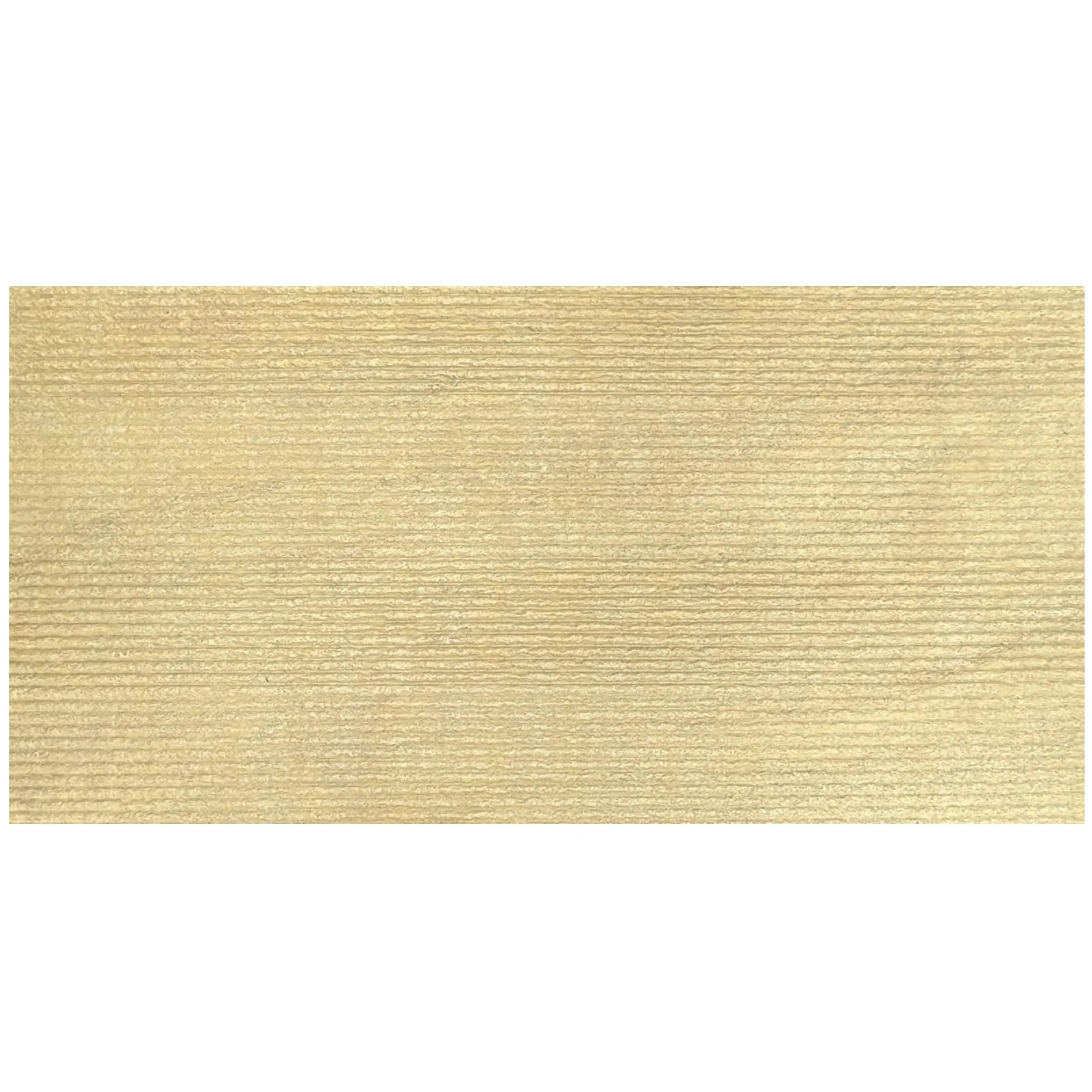
Walk through the lobby of a contemporary hotel, and you might pause at the wall—rough yet refined, with a texture that feels both ancient and modern. Run a hand over it, and you'll notice tiny gravel inclusions that catch the light, like scattered stars in a desert sky. Chances are, that wall is clad in Gravel Omani Stone. This unique material has been turning heads in architecture and design circles, not just for its striking aesthetic, but for its surprising durability. But what exactly makes it stand out? To answer that, we need to dig into two key questions: How hard is Gravel Omani Stone, and how does that hardness translate to real-world use? In this article, we'll explore its Mohs hardness rating, compare it to other popular building stones, and uncover why it's becoming a go-to choice for designers and builders alike.
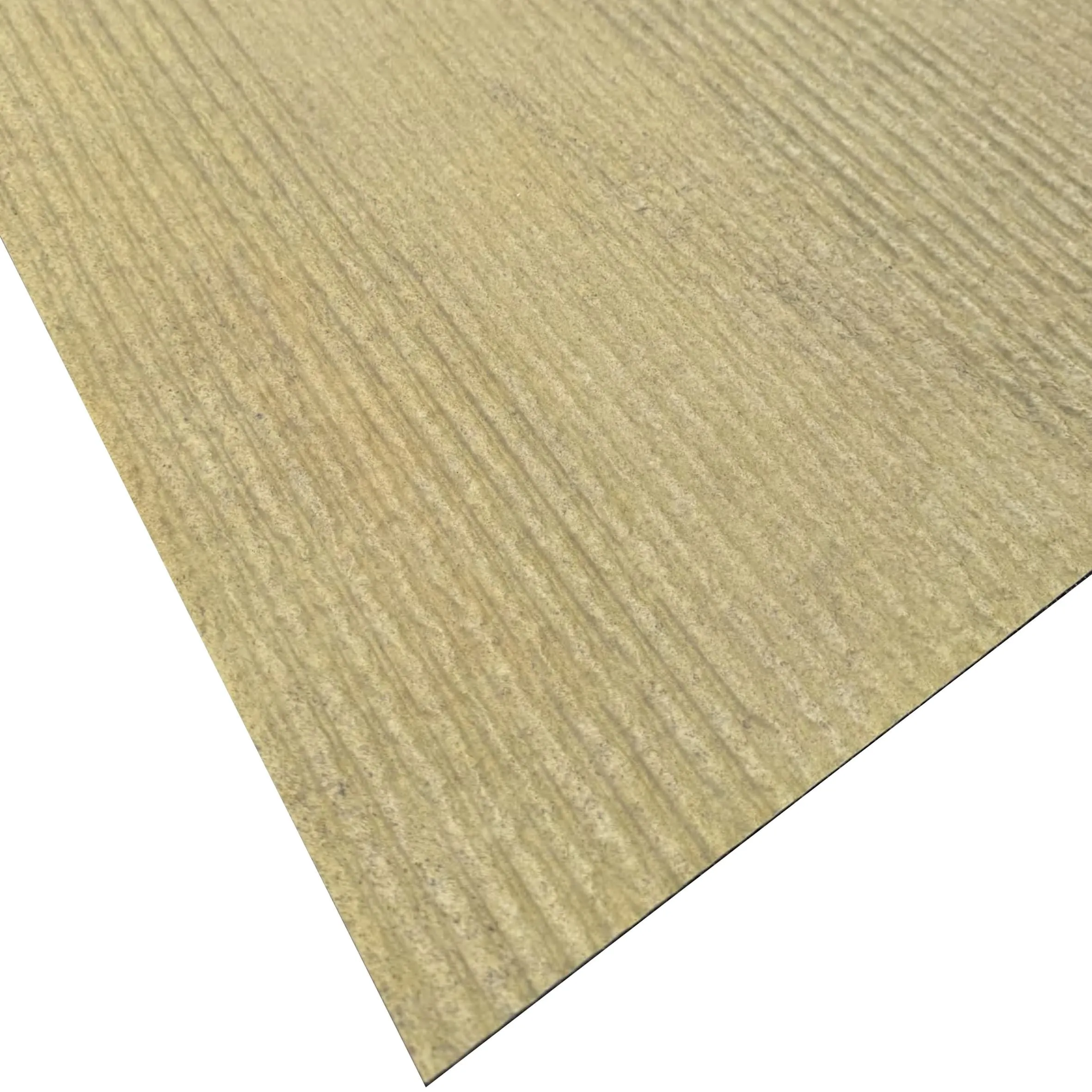
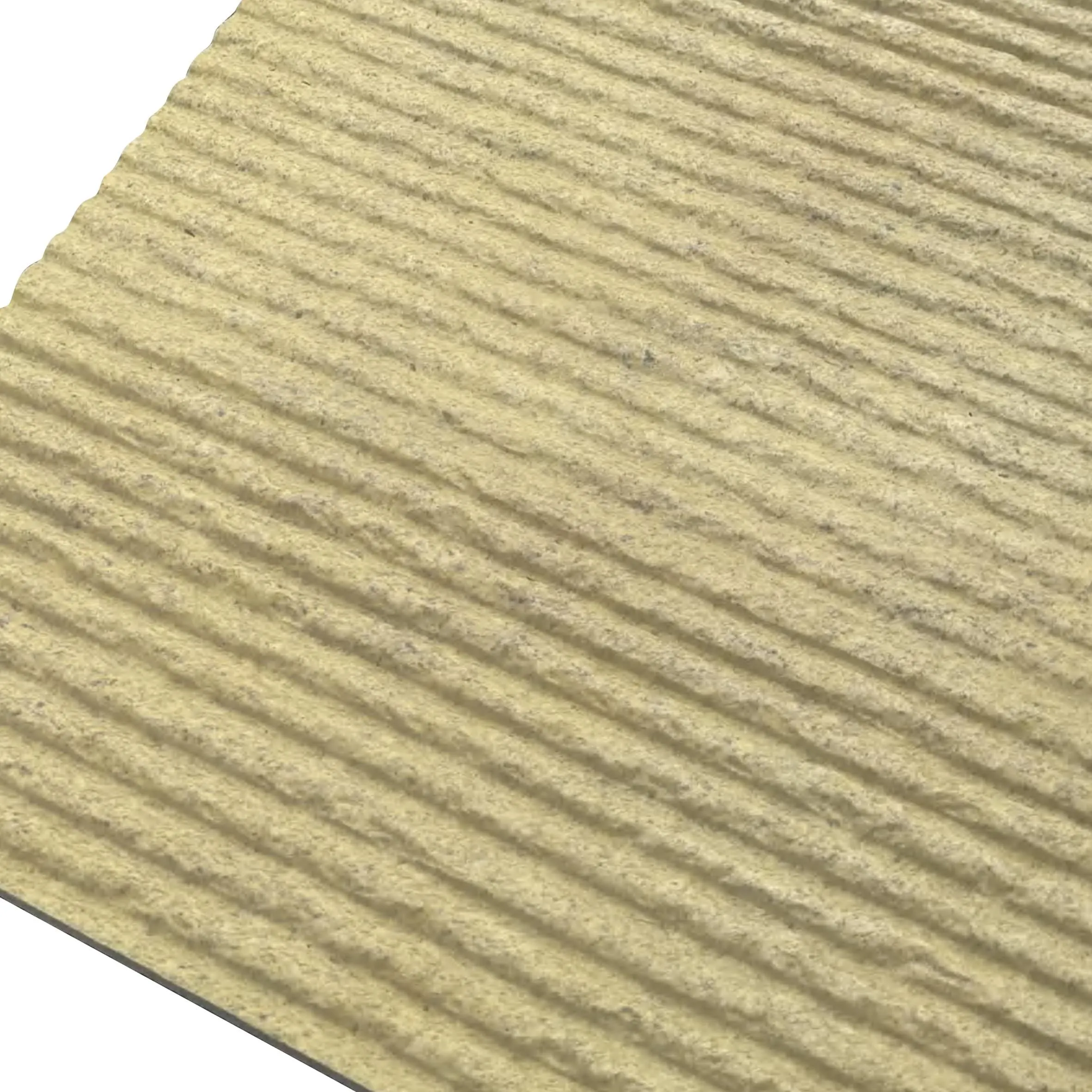
First things first: Let's get to know Gravel Omani Stone. As the name suggests, it hails from Oman, a country known for its rich geological diversity—from vast deserts to rugged mountains. Formed over millions of years by the compression of sedimentary materials, including sand, gravel, and mineral-rich clays, this stone carries the story of the earth in its layers. Visually, it's a stunner: earthy tones dominate, ranging from warm terracottas to deep rusty reds, with flecks of gold, gray, and even hints of cloud-dragon patterns (a nod to its mineral composition). The surface, often left in a natural or lightly honed finish, has a tactile quality that invites touch—a far cry from the cold smoothness of polished marble.
But Gravel Omani Stone isn't just about looks. Unlike some decorative stones that prioritize beauty over function, it's engineered to be tough. Quarried in large blocks, it's then cut into slabs or shaped into tiles, making it versatile for various applications. Think of it as the "workhorse with style" of the stone world—equally at home on a skyscraper facade as it is on a backyard patio.
To talk about a stone's durability, we can't avoid the Mohs Hardness Scale. Developed in 1812 by German geologist Friedrich Mohs, this scale measures a mineral's resistance to scratching, ranking it from 1 (softest) to 10 (hardest). Talc, the softest, sits at 1—you can scratch it with a fingernail. Diamond, the hardest, is a 10, able to scratch all other minerals. For building materials, Mohs rating is crucial: a higher number means the stone is more resistant to daily wear, scratches, and weathering. For example, granite (6-7 on the scale) is a popular kitchen countertop choice because it stands up to knives and spills, while marble (3-4) is softer, requiring more care to avoid etching.
But here's the thing: Mohs is a relative scale, not absolute. A stone with a rating of 5 isn't twice as hard as one with a 2. Instead, it means it can scratch any stone with a lower number and be scratched by those with a higher one. So, when we talk about Gravel Omani Stone's Mohs rating, we're really asking: How well will it hold up against the scrapes of daily life, the elements, and the test of time?
So, where does Gravel Omani Stone fall on the Mohs scale? After testing samples from Omani quarries, geologists and material scientists typically place it between 4 and 5. Let's break that down. A Mohs rating of 4 means it can be scratched by a steel nail (which has a hardness of about 5.5), but it will scratch materials like fluorite (4) or calcite (3). A rating of 5 means it resists scratches from a copper penny (3.5) but can be marked by a knife blade (5.5-6). For context, this puts Gravel Omani Stone in the same range as travertine (3-4) and some types of masonry stone (4-5), but slightly harder than fair-faced concrete (3-4).
How is this determined? Testing involves the "scratch test": a mineral of known hardness is dragged across the stone's surface. If it leaves a mark, the stone is softer than that mineral; if not, it's harder. For Gravel Omani Stone, tests with a fluorite (4) tool leave no scratch, but aapatite (5) tool does—hence the 4-5 range. What gives it this mid-range hardness? Its composition: the gravel inclusions (often quartz, which has a Mohs rating of 7) add strength, while the surrounding matrix (a mix of calcite and clay minerals) keeps it from being as hard as granite (6-7). This balance is key—it's hard enough for practical use but not so hard that it's difficult to cut or shape.
A stone's Mohs rating isn't just a number—it dictates how and where it can be used. Gravel Omani Stone's 4-5 rating makes it surprisingly versatile, bridging the gap between soft, decorative stones and ultra-hard, industrial ones. Let's explore its most common applications:
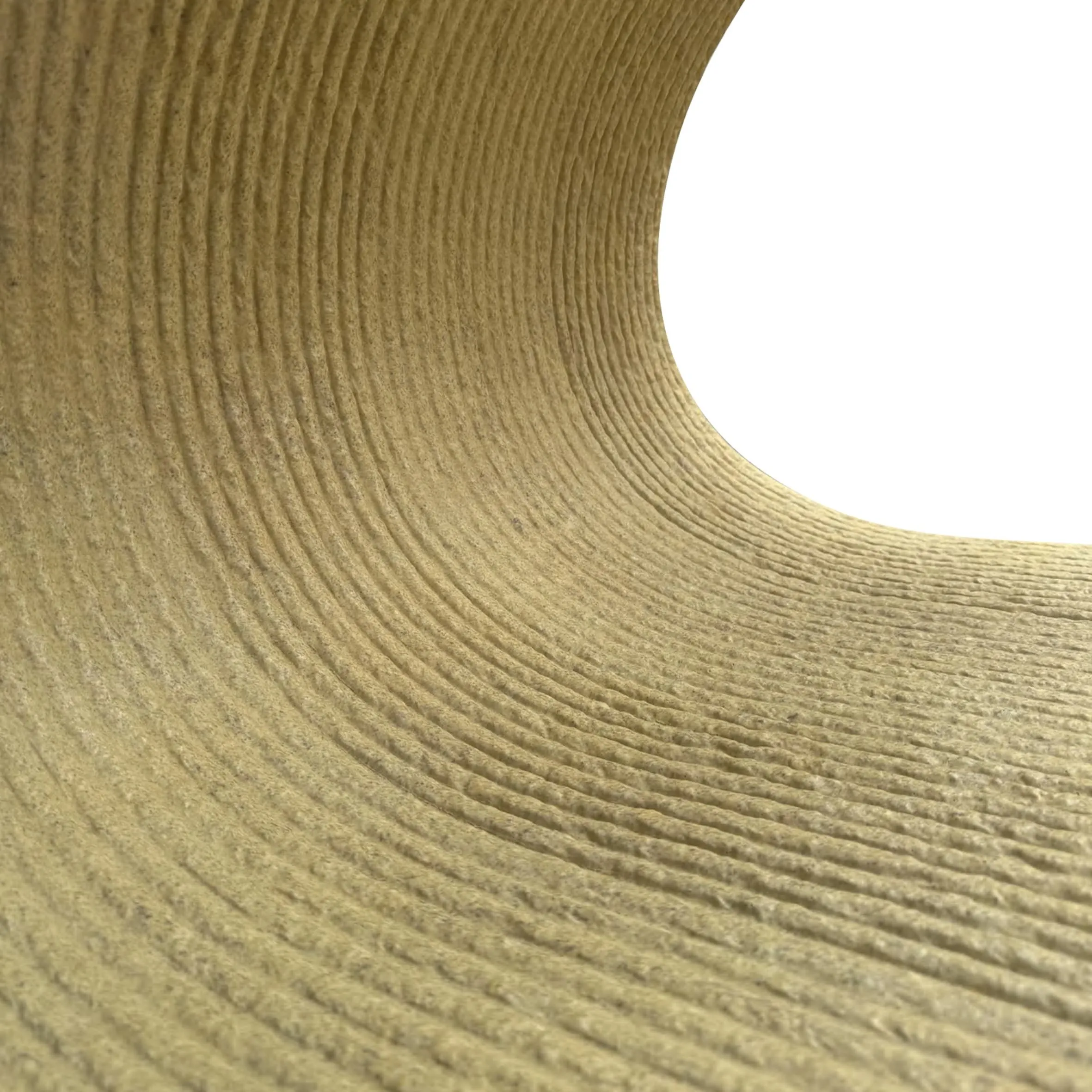
Modern architects love Gravel Omani Stone for exterior cladding. Its mid-range hardness means it can withstand rain, wind, and temperature fluctuations without chipping or fading quickly. In Dubai's Business Bay, for example, a recent office complex used Gravel Omani Stone panels alongside flexible stone cladding panels to create a facade that looks both solid and lightweight. The stone's natural texture adds depth, while its earthy tones complement the city's desert surroundings. Unlike softer stones like marble, it doesn't require frequent sealing to resist weathering, making it a low-maintenance choice for high-rise buildings.
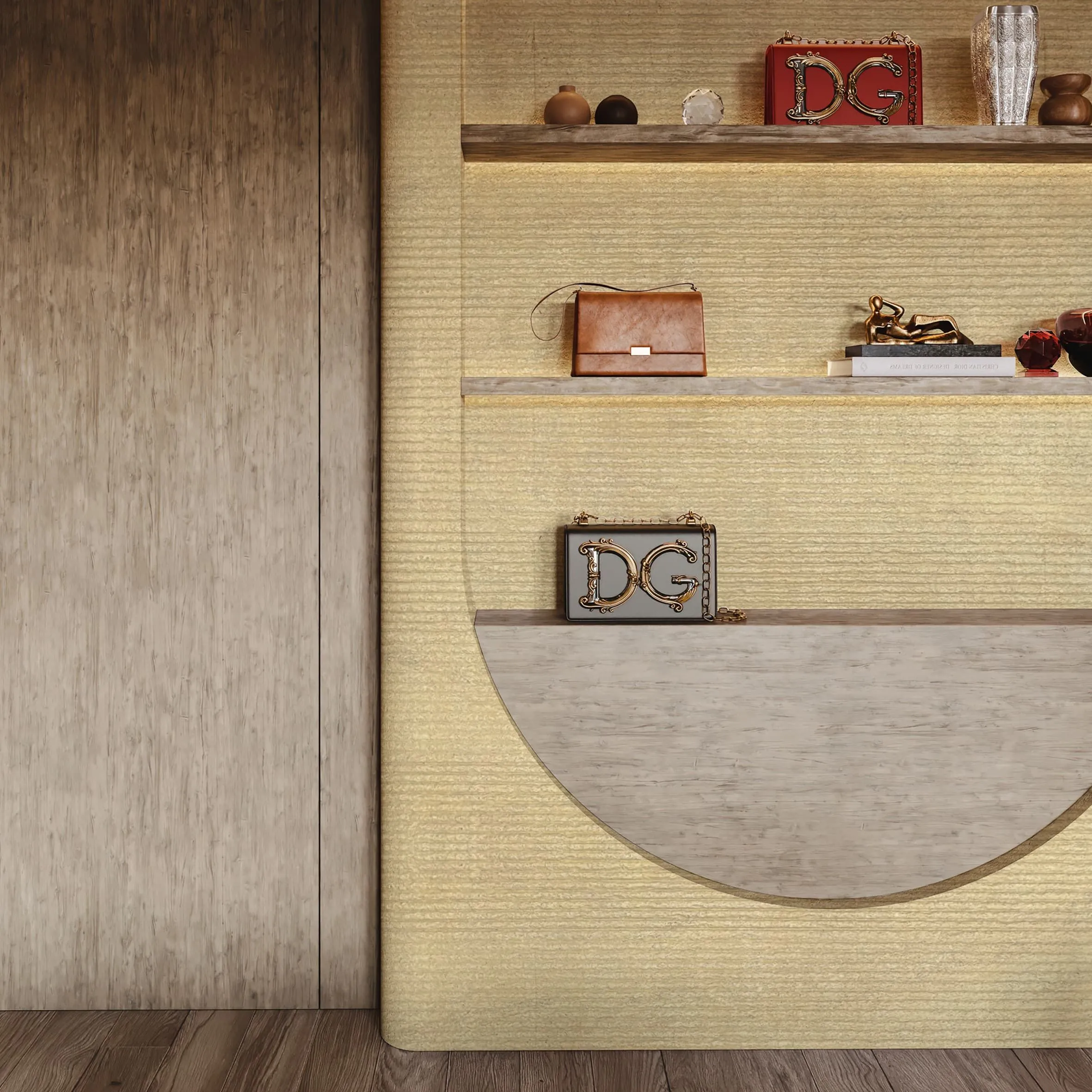
Inside, Gravel Omani Stone shines in spaces where aesthetics meet daily use. Think restaurant walls, hotel lobbies, or residential feature walls. Its 4-5 hardness means it can handle the occasional bump from a chair or a stray toy without showing damage. Homeowners in Oman often use it for fireplace surrounds—the stone's heat resistance (another bonus of its composition) and rustic charm create a cozy focal point. It's also a favorite for accent floors in entryways, where its texture provides grip (reducing slips) and its hardness resists scuffs from shoes.
Outdoors, Gravel Omani Stone is a star. Patios, walkways, and garden paths benefit from its scratch resistance and non-slip surface. In Muscat, many luxury resorts use it for pool decks—the stone stays cool underfoot even in the hot sun, and its natural color hides water spots. Landscapers also love it for retaining walls; its weight and interlocking texture (when cut into irregular shapes) create stable structures that resist erosion. Compared to softer stones like limestone (3-4), it holds up better against foot traffic and garden tools, making it ideal for high-use outdoor areas.
Oman's rich history means many restoration projects seek materials that blend old and new. Gravel Omani Stone, with its natural, timeworn look, is often used to repair or replicate traditional masonry in forts, mosques, and heritage sites. Its hardness ensures these repairs last, while its appearance matches the original stone, preserving cultural integrity. For example, in the restoration of Nizwa Fort, builders used Gravel Omani Stone to replace damaged masonry, ensuring the fort's walls remain strong for generations to come.
To truly appreciate Gravel Omani Stone, it helps to see how it stacks up against other popular options. Let's compare its Mohs hardness, key characteristics, and best uses:
| Material | Mohs Hardness | Key Characteristics | Best Uses |
|---|---|---|---|
| Gravel Omani Stone | 4-5 | Earthy tones, gravel inclusions, moderate porosity | Facades, interior walls, patios, heritage restoration |
| Travertine | 3-4 | Porous, layered texture, neutral colors | Floors, countertops (with sealing), decorative accents |
| Masonry Stone | 4-5 | Dense, varied textures, often quarried locally | Walls, foundations, outdoor fireplaces |
| Fair-Faced Concrete | 3-4 | Uniform, industrial look, high compressive strength | Structural elements, modern facades, floors |
What stands out? Gravel Omani Stone offers the same hardness as traditional masonry stone but with a more unique aesthetic—those gravel inclusions add visual interest that plain masonry can't match. Compared to travertine, it's slightly harder and less porous, making it better for outdoor use. And against fair-faced concrete, it brings warmth and natural texture, softening industrial designs.
Beyond its Mohs rating, Gravel Omani Stone has other perks that make it a top choice:
Even with a Mohs rating of 4-5, Gravel Omani Stone needs a little love to stay in top shape. Here's how to care for it:
Sealing: While less porous than travertine, it still benefits from a penetrating sealer every 2-3 years, especially for outdoor use or high-moisture areas like bathrooms. This prevents stains from oil, dirt, or water.
Cleaning: Stick to mild, pH-neutral cleaners—avoid harsh chemicals like bleach or vinegar, which can damage the stone's surface. A soft brush or cloth works best to avoid scratching.
Repairing Scratches: Minor scratches can often be buffed out with a stone polish. For deeper ones, a professional can refinish the surface to restore its original texture.
Outdoor Care: Sweep away debris regularly to prevent scratches from gravel or leaves. In snowy climates, use calcium chloride (not salt) to melt ice, as salt can discolor the stone.
Gravel Omani Stone's Mohs rating of 4-5 tells only part of the story. Yes, it's hard enough to stand up to the demands of architecture and design, but its real magic lies in the balance it strikes—tough yet tactile, durable yet distinctive. Whether you're an architect designing a landmark building, a homeowner dreaming of a cozy patio, or a preservationist restoring a historic site, this stone offers something rare: the ability to blend strength with soul.
As we've explored, its mid-range hardness makes it versatile, its natural beauty makes it memorable, and its practicality makes it reliable. In a world of mass-produced materials, Gravel Omani Stone reminds us that the best building materials aren't just about numbers on a scale—they're about the stories they tell and the connections they create. So, the next time you encounter a wall that feels like a piece of the earth itself, take a moment to appreciate it. Chances are, it's Gravel Omani Stone—and it's built to last.
Recommend Products












