
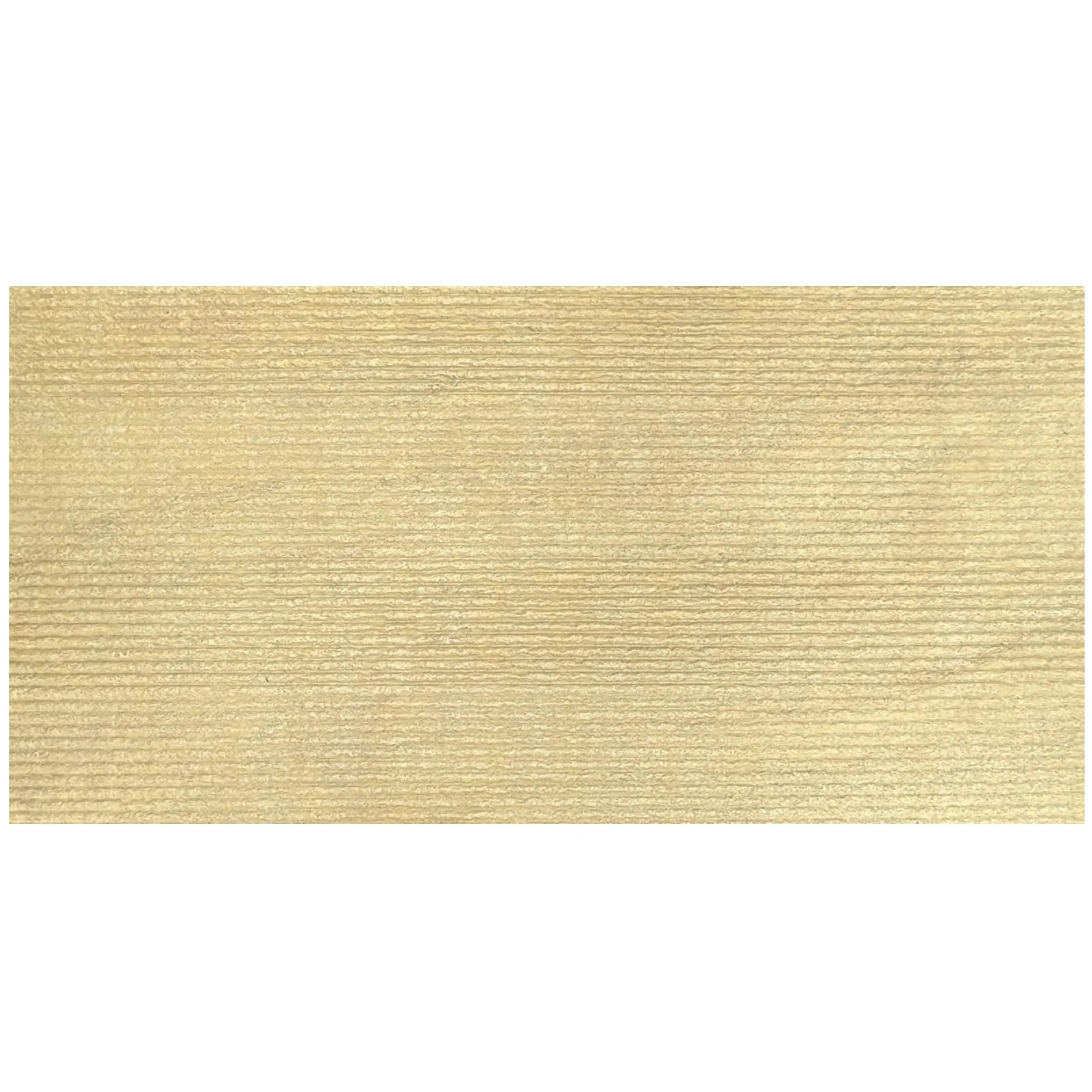
Where stone becomes story, and history walks beneath our feet
Deep in the rugged landscapes of Oman, where the Hajar Mountains meet the golden expanse of the desert, there lies a material as old as time itself—Gravel Omani Stone. It's not just rock; it's a living chronicle of the earth's patience, shaped by centuries of wind, rain, and the slow, steady pulse of geological time. Run your hand over its surface, and you'll feel the grit of ancient sand, the smoothness of water-worn pebbles, and the quiet resilience that has made it the backbone of Arabian architecture for millennia.
Formed from sedimentary deposits laid down in prehistoric seas, Gravel Omani Stone is a mosaic of pebbles, sand, and mineral binders, fused together by pressure and time. Its color shifts like the desert sky—warm beiges and soft golds under the midday sun, deepening to honeyed browns at dusk, and taking on a silvery glow when the moon rises. Unlike sleek marble or uniform concrete, it wears its imperfections proudly: a chip here from a sandstorm, a darker vein there where iron oxides seeped in, a pockmark left by a fossilized shell. These aren't flaws; they're signatures, each stone a unique chapter in Oman's geological biography.
But what truly sets Gravel Omani Stone apart is its texture—the way it feels underfoot, the sound it makes when raindrops hit it, the way it holds heat during the day and releases it gently at night, turning courtyards into warm retreats long after the sun has set. It's a stone that interacts with its environment, breathing in the desert air and exhaling character. No wonder, then, that for centuries, Arabian builders have turned to it not just for strength, but for soul.
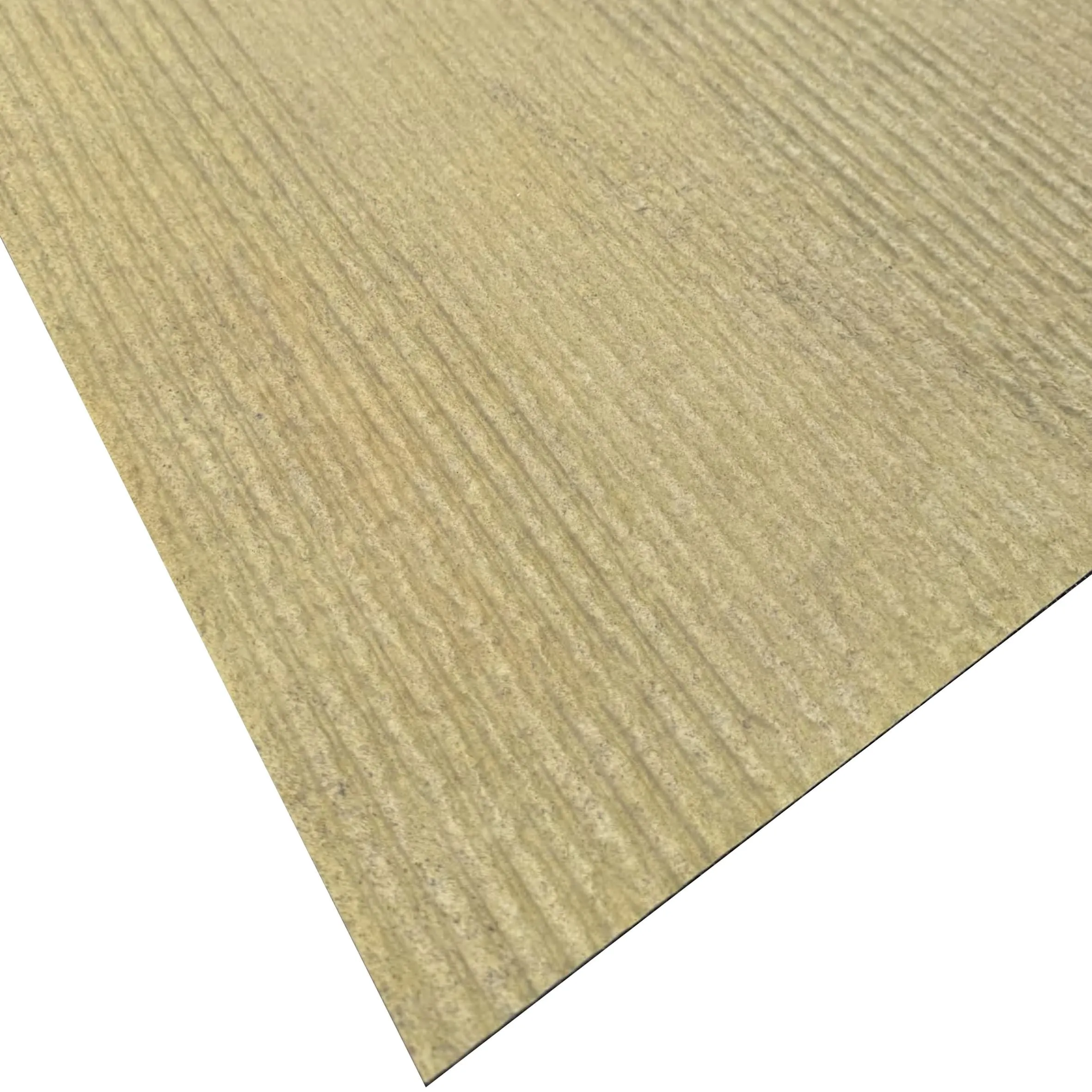
To walk through an ancient Omani fort is to walk on Gravel Omani Stone. From the towering walls of Nizwa Fort, with its massive round towers and labyrinthine passageways, to the sun-dappled courtyards of Jabrin Castle, where stone steps curve like frozen waves, this material has been the architect's silent partner for over a thousand years. But how did a stone from the desert become the cornerstone of kingdoms?
In the days before modern machinery, quarrying Gravel Omani Stone was a labor of love—and of survival. Teams of craftsmen would venture into the mountains, following veins of stone that had been exposed by erosion, their knowledge passed down from father to son like a sacred trust. Using little more than iron chisels, wooden mallets, and sheer determination, they'd split the stone along natural fault lines, shaping blocks that could weigh hundreds of pounds. Then, using ropes and camels, they'd transport these behemoths to building sites, a journey that might take days under the scorching sun. It was backbreaking work, but the craftsmen saw themselves not just as laborers, but as stewards of a legacy. "The stone chooses us," an old Omani mason once told me. "We don't shape it—we help it reveal itself."
In the hands of these artisans, Gravel Omani Stone became more than a building material; it became a language. In the souks of Muscat, for example, merchants would build their shops with thick Gravel Omani Stone walls to keep out the heat, their facades decorated with intricate carvings—geometric patterns, palm leaves, verses from the Quran—all chiseled into the stone's surface. The stone's porous nature allowed for these details to age gracefully, the carvings softening over time but never losing their meaning. And in the forts, where defense was paramount, the stone's density made it nearly impenetrable, while its rough texture provided grip for soldiers climbing the walls during battles.
Perhaps the most poignant example of Gravel Omani Stone's historical role is in the "historical pathfinders stone" structures—ancient waystations and marker stones that dotted the desert, guiding travelers across vast, featureless landscapes. These simple piles of Gravel Omani Stone weren't just (lùbiāo—road signs); they were lifelines, telling stories of water sources, safe campsites, and dangers to avoid. To touch one is to touch the hands of those who came before, to feel the weight of their hope and their fear as they crossed the desert. In this way, Gravel Omani Stone isn't just part of architecture—it's part of the very fabric of Arabian identity.
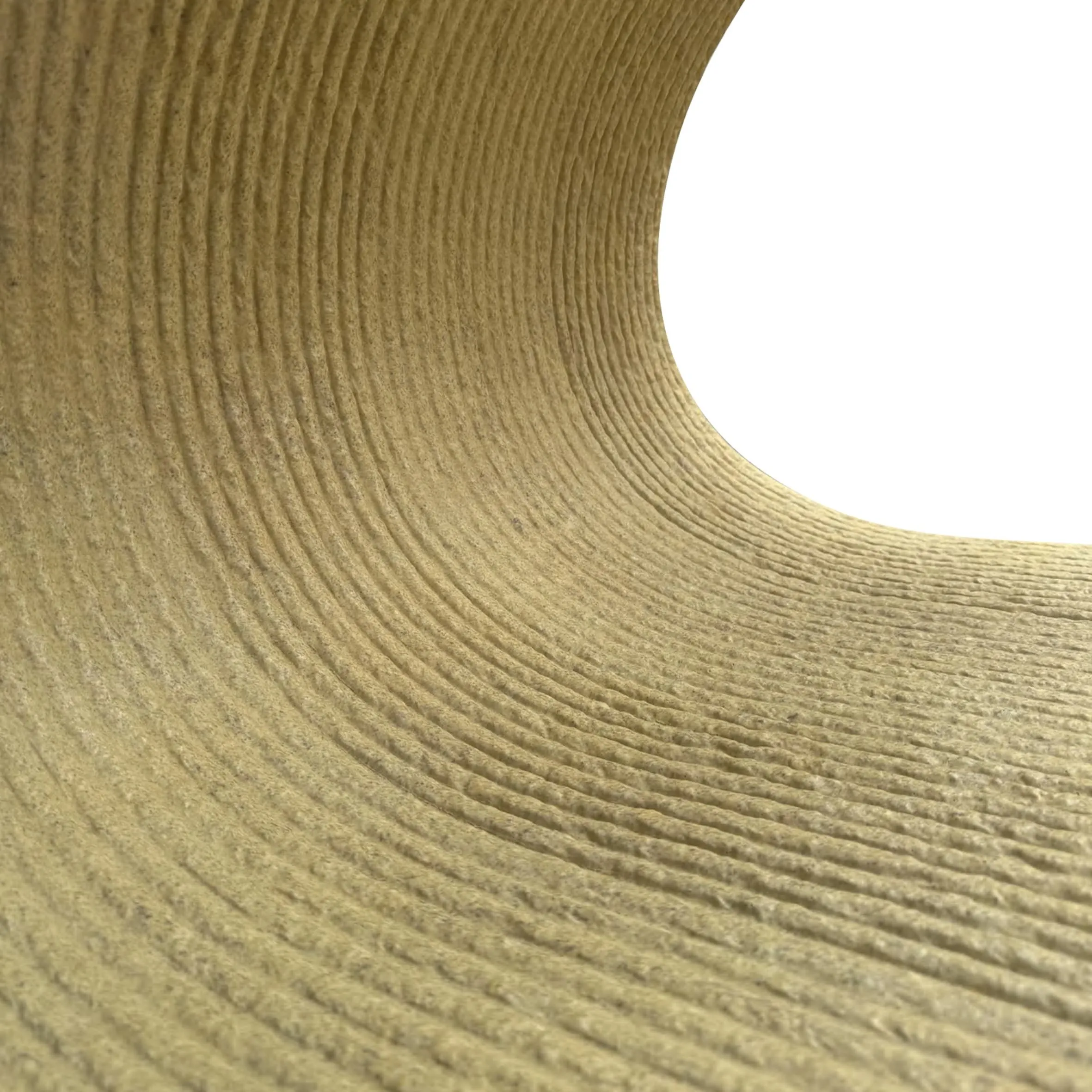
Gravel Omani Stone is not alone in its role as a keeper of history. Across the Arabian Peninsula and beyond, stones like "masonry stone" and "historical pathfinders stone" have shaped architectural traditions, each with its own voice. Let's take a closer look at how these materials compare, and why Gravel Omani Stone remains a standout in the pantheon of building materials.
| Stone Type | Origin & Formation | Historical Use | Cultural Significance |
|---|---|---|---|
| Gravel Omani Stone | Sedimentary deposits in Oman's Hajar Mountains, formed from ancient sea beds and fused by pressure. | Forts, souks, palaces, and waystations; valued for durability and thermal properties. | Symbol of resilience and heritage; linked to Omani identity and desert survival. |
| Historical Pathfinders Stone | Varied sedimentary and igneous stones, often found in desert regions across the Middle East. | Waymarkers, boundary stones, and small shrines; used to guide travelers and mark sacred sites. | Represents community and shared knowledge; a "pathfinder" for both physical and spiritual journeys. |
| Masonry Stone | Broad category including limestone, sandstone, and granite, quarried globally. | Foundations, walls, and structural elements in civilizations worldwide, from Roman aqueducts to Arabian forts. | Symbol of human ingenuity; the "bones" of civilization, supporting communities for millennia. |
What emerges from this comparison is clear: while "masonry stone" is the workhorse of architecture and "historical pathfinders stone" is the guide, Gravel Omani Stone is the storyteller. It doesn't just support buildings—it supports narratives, connecting the past to the present in a way few materials can.
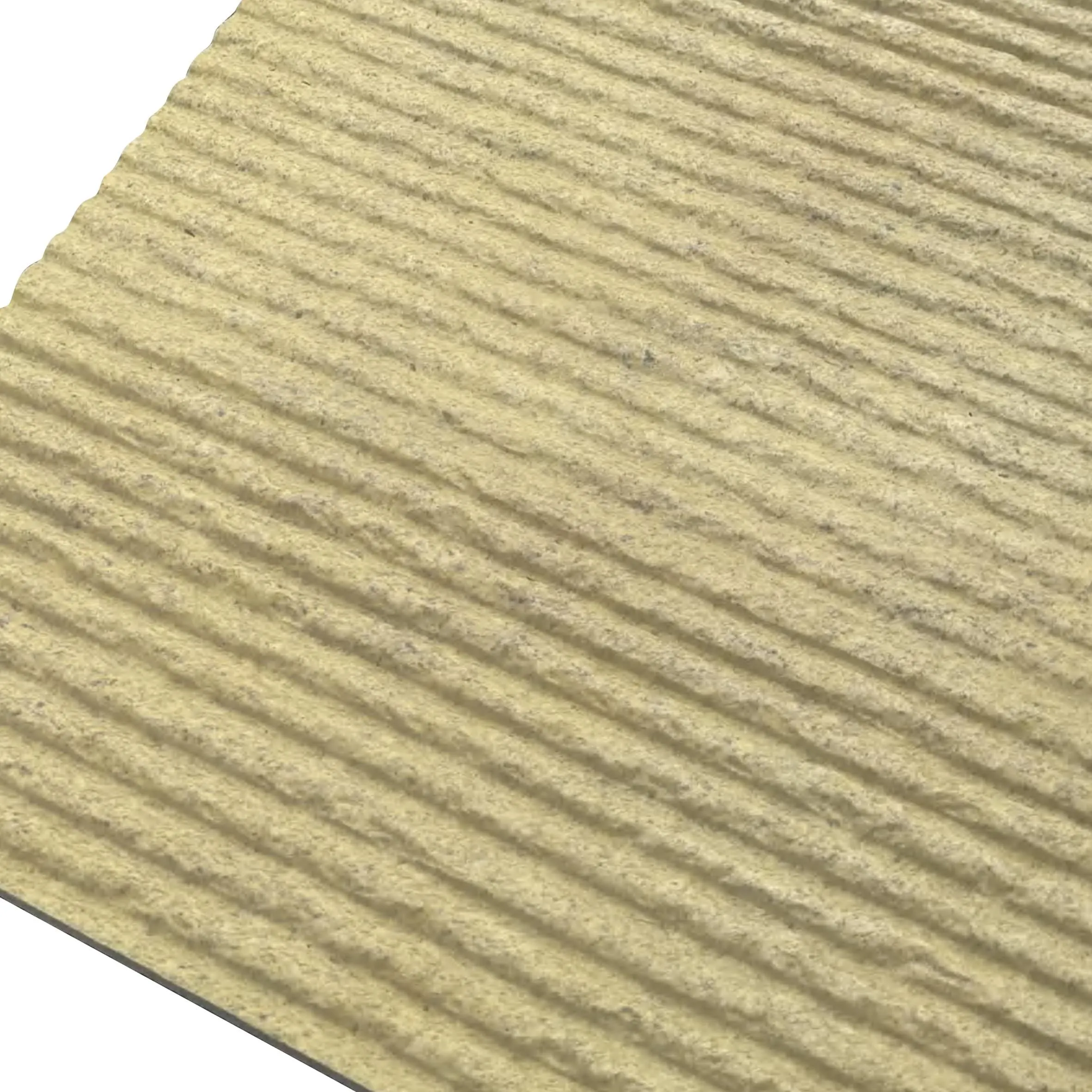
In a world of glass skyscrapers and carbon-fiber structures, you might think a stone as old-fashioned as Gravel Omani Stone would fade into obscurity. But you'd be wrong. Today, architects and designers across the Middle East—and beyond—are rediscovering its magic, blending it with modern materials to create spaces that honor the past while embracing the future.
Take, for example, the new cultural center in downtown Muscat, where the facade is clad in panels of Gravel Omani Stone, each one quarried from the same mountains that supplied Nizwa Fort centuries ago. The stone's rough texture contrasts beautifully with the building's sleek glass windows, creating a dialogue between tradition and innovation. Inside, the floors are laid with large slabs of the stone, their warmth underfoot a welcome respite from the air-conditioned cool. "We wanted visitors to feel grounded, to connect with Oman's history as soon as they walk in," says the center's lead architect. "Gravel Omani Stone does that—it's not just a surface; it's an experience."
Even in residential design, Gravel Omani Stone is making a comeback. Modern Omani homes often feature courtyard walls built from the stone, their porous surface helping to regulate temperature—absorbing heat during the day and releasing it at night, reducing the need for air conditioning. And in gardens, small gravel paths made from crushed Gravel Omani Stone crunch underfoot, evoking the sound of ancient desert trails. It's a way for families to stay connected to their roots, even in a world of smartphones and fast-paced living.
But perhaps the most heartening trend is the revival of traditional stonemasonry. Young Omanis are apprenticing with master craftsmen, learning to quarry, shape, and lay Gravel Omani Stone using the same techniques their ancestors did. "My grandfather was a stonemason," says 28-year-old Ahmed, who works on restoration projects in Nizwa. "He used to tell me, 'The stone teaches you patience.' Now, when I'm chiseling a block, I feel like I'm talking to him. It's not just a job—it's a legacy."

Gravel Omani Stone is more than a building material; it's a bridge between generations. In Oman, it's common to hear stories of grandfathers and grandsons working side by side to build a home, the older man showing the younger how to select the perfect stone, how to set it in mortar so it will stand for a hundred years. These aren't just lessons in construction; they're lessons in love—in caring for something that will outlive you, in leaving a mark on the world that says, "I was here."
It's also a stone of community. In small villages, quarries were often communal spaces, where men would gather to work, share stories, and solve problems. The stone they extracted wasn't just for individual homes; it was for the mosque, the school, the village well. In this way, Gravel Omani Stone built more than buildings—it built bonds. Even today, when a village needs to repair its mosque, the community comes together to quarry and lay the stone, just as their ancestors did. It's a reminder that some things—solidarity, pride, respect for tradition—are as enduring as the stone itself.
And let's not forget the sensory legacy. The smell of Gravel Omani Stone after rain—a rich, earthy aroma, like wet soil and ancient history mixed together
Where every grain tells a story, and stone becomes a bridge between past and present
Deep within Oman's Hajar Mountains, where jagged peaks pierce the sky and wadi beds snake through arid valleys, lies a material forged by time itself—Gravel Omani Stone. It is not merely rock but a masterpiece of natural artistry, born from the slow dance of geology: ancient seas retreating, leaving behind layers of sand and pebbles; rivers carrying sediment to settle in quiet basins; pressure and mineral-rich groundwater binding these fragments into a stone as unique as a fingerprint.
Run your palm across its surface, and you'll feel the grit of weathered pebbles, each one a tiny time capsule—quartz crystals that once sparkled in prehistoric streams, feldspar fragments worn smooth by wind, even fossilized shells half-buried like secrets. Its color palette mirrors the desert's mood: honeyed gold when kissed by midday sun, warm terracotta at dawn, and a soft, silvery beige under moonlight. Unlike polished marble or uniform concrete, it wears age like a badge of honor—scratches from sandstorms, dark veins of iron oxide, pits where water once bubbled through. These "flaws" are its language, each imperfection a verse in the poem of its creation.
What truly makes Gravel Omani Stone extraordinary is its tactile poetry. Step barefoot on a sun-warmed slab, and you'll feel its gentle heat seep into your soles, a comforting embrace after the chill of desert nights. Listen as raindrops drum on its surface—the sound is not sharp, but a muted, musical patter, as if the stone itself is humming. It breathes, too: porous enough to absorb moisture, releasing it slowly to cool courtyards and soften the harshness of arid days. In Oman's unforgiving climate, this stone is not just a building material—it's a collaborator, working with nature to create spaces that feel alive.
Long before steel girders and concrete mixers, Arabian builders turned to Gravel Omani Stone as their most trusted ally. It was not just a material but a partner in survival, shaping everything from defensive forts to bustling souks, and even the humble homes where families gathered to share meals and stories.
Oman's iconic forts—Nizwa, Jabrin, Rustaq—stand tall today because of Gravel Omani Stone. Quarried from nearby mountains, these massive blocks (some weighing over a ton) were shaped with copper chisels and mallets, then stacked without mortar (a technique called "dry stone masonry") to create walls 3-5 meters thick. The stone's density made it nearly impenetrable to enemy attacks, while its rough surface prevented ladders from gaining traction.
Inside, the stone's thermal properties worked wonders: cool in summer, warm in winter, turning dark, windowless chambers into comfortable living spaces. Even the fort's wells were lined with Gravel Omani Stone, their porous walls filtering sediment to keep water clean—a testament to the stone's (duōgōngnéngxìng—versatility).
In Oman's ancient souks—labyrinthine markets where spices, textiles, and stories changed hands—Gravel Omani Stone formed the very ground beneath traders' feet. Paved with irregular slabs, the stone absorbed the cacophony of haggling voices and the clatter of copper pots, creating a warm, resonant acoustic that made the space feel alive. Its non-slip surface was a boon during rare rainstorms, preventing slips as merchants rushed to cover their wares.
Shopkeepers favored the stone for their facades, too. Its porous nature allowed for intricate carvings—geometric patterns, verses from the Quran, even depictions of date palms and camels—that aged gracefully, the details softening over time but never fading. A merchant's shop wasn't just a place to sell goods; it was a canvas, and Gravel Omani Stone was the paint.
Beyond cities and forts, Gravel Omani Stone played a quieter but equally vital role: as "historical pathfinders stone." These simple cairns—piles of unshaped Gravel Omani Stone—dotted the desert, marking water holes, safe campsites, and dangerous dunes. For Bedouin travelers, they were more than (lùbiāo—signposts); they were lifelines, woven into the oral traditions that guided generations across the Empty Quarter. A single stone stacked atop another might mean "water ahead," while three stones in a line warned of quicksand. To this day, Bedouin elders can read these stone messages, a language written in gravel and time.
Behind every Gravel Omani Stone structure lies a story of human skill—craftsmen who saw not just rock, but potential. These were not mere laborers; they were artists, engineers, and historians, passing down their knowledge through apprenticeships that lasted decades.
Master masons knew that quarrying Gravel Omani Stone was as much about intuition as strength. They would "listen" to the mountain, tapping stones to detect hidden cracks, studying the direction of veins to find the cleanest splits. A skilled quarryman could split a block with just three blows of his mallet: the first to "wake" the stone, the second to guide it, the third to free it. "The stone tells you where to strike," said 82-year-old Salim, a retired mason from Nizwa, his hands still calloused from decades of work. "You just have to be quiet enough to hear."
Once quarried, stones were transported by camel or donkey, a journey that could take days. In some cases, they were rolled down mountainsides on beds of palm fronds, a heart-stopping descent that tested both the stone's strength and the men's nerves.
For centuries, stonemasonry was a family trade, passed from father to son (and occasionally daughter). Apprentices began at age 10, fetching tools and mixing mortar before graduating to shaping small stones. By 18, they might work on decorative carvings; by 30, they could oversee an entire wall. "I learned to carve geometric patterns by copying my father's work," says Fatima, one of Oman's few female masons today. "He'd say, 'The stone remembers the hands that touch it.' Now, when I work on a restoration project, I like to think my grandchildren will feel my hands in the stone, too."
Gravel Omani Stone's porous surface made it ideal for carving, and craftsmen used this to great effect. Souk walls featured hajjar al-nur (light stone) carvings—intricate latticework that let in air and light while maintaining privacy. Fort gates often bore the khamsa (hand of Fatima), a protective symbol, or verses from the Quran, their letters chiseled deep enough to withstand centuries of sand and wind.
Even simple homes had their marks: a palm leaf carved above the door to invoke fertility, a crescent moon to honor the night, or a single dot—a reminder of God's watchful eye.
In an age of glass, steel, and 3D-printed buildings, one might expect Gravel Omani Stone to fade into obscurity. But instead, it is experiencing a renaissance—championed by architects and homeowners who crave authenticity in a world of mass-produced materials.
Contemporary Omani buildings are embracing Gravel Omani Stone as a link to heritage. The Sultan Qaboos Grand Mosque in Muscat uses it for its outer courtyards, where massive slabs create a seamless transition from the mosque's white marble interiors to the desert beyond. In Dubai, a luxury hotel features a facade of Gravel Omani Stone panels, their rough texture contrasting with sleek glass to evoke "desert meets metropolis."
Even eco-friendly designs favor the stone: its thermal mass reduces reliance on air conditioning, while its natural composition makes it fully recyclable. "Why use synthetic materials when nature gave us something this perfect?" asks architect Amina Al-Mansoori, who specializes in sustainable design. "Gravel Omani Stone isn't just green—it's timeless."
Across Oman, restoration projects are using Gravel Omani Stone to revive crumbling forts and souks. In Bahla Fort, a UNESCO World Heritage Site, masons are replacing damaged stones with blocks quarried from the original 13th-century source. "We don't just want to fix the walls—we want to honor the masons who built them," says project manager Khalid Al-Harthy. "That means using the same tools, the same techniques, and the same stone."
These projects are also reviving traditional skills. Young Omanis are apprenticing with master masons, learning to split stone without power tools and lay dry stone walls that "breathe." For 22-year-old Laila, who works on the Nizwa Fort restoration, it's personal: "My great-grandfather helped build this fort. Now I'm helping save it. When I touch the stone, I feel like I'm shaking his hand."
Today, Gravel Omani Stone is not just for grand buildings. It lines garden paths, clads fireplace surrounds, and even tops kitchen countertops. In Muscat's trendy cafes, tables made from polished Gravel Omani Stone are Instagram favorites, their unique patterns sparking conversations about heritage. And in homes, families gather on stone floors that still hold the warmth of the day, just as their ancestors did centuries ago. In this way, Gravel Omani Stone remains not just a part of architecture—but a part of life.
Gravel Omani Stone's longevity is about more than durability. It endures because it speaks to something universal: our longing to connect with the past, to build things that outlive us, to find beauty in imperfection. It is a stone that tells stories—not just of kings and battles, but of ordinary people: the quarryman who rose before dawn to select the perfect block, the mother who sang lullabies while her children played on stone floors, the traveler who found hope in a cairn of gravel.
In a world that often values speed over substance, Gravel Omani Stone is a reminder that some of the best things take time—to form, to craft, to appreciate. It is a stone that ages gracefully, growing more beautiful with each passing year, a mirror for the communities that build with it. As the Omani proverb says, "Stone remembers what the wind forgets." And Gravel Omani Stone remembers everything: the laughter of souks, the silence of deserts, the dreams of those who shaped it.
So the next time you walk on a stone path in Oman, pause for a moment. Listen to the crunch of gravel underfoot. Feel the warmth of the stone beneath you. You are not just walking on rock—you are walking on history. And that, perhaps, is the greatest magic of Gravel Omani Stone: it turns the past into a place we can all touch.
Recommend Products












