
Educational facilities are more than just buildings—they're vibrant hubs where curiosity is sparked, friendships are formed, and futures are shaped. From the chaos of elementary school hallways during recess to the steady buzz of high school students rushing between classes, these spaces see an incredible amount of activity. And at the heart of it all? The materials that make up their floors, walls, and outdoor areas. High-traffic zones like cafeterias, main hallways, playgrounds, and auditoriums need to stand up to constant foot traffic, spills, scuffs from backpacks, and even the occasional rogue basketball. For facility managers and architects, choosing the right surface material isn't just about aesthetics—it's about investing in something that can keep up with the energy of learning. That's where Gravel Omani Stone comes in.
Let's paint a picture: It's a typical Tuesday morning at Riverview Middle School. The first bell rings, and 800 students flood the hallways, backpacks slamming against lockers, sneakers skidding on the floor as they race to class. In the cafeteria, 300 kids pile in for lunch, spilling milk, dropping pizza crusts, and dragging chairs across the floor. After school, the playground becomes a war zone of running, jumping, and the inevitable scraped knee (and maybe a stray soccer ball bouncing off the wall). By Friday, the floors are covered in scuff marks, the walls have smudges, and that "new building shine" from the summer renovation is already starting to fade.
This isn't just a Riverview problem—it's universal. Traditional materials like standard (ceramic tiles) or vinyl often can't keep up. They scratch easily, stain permanently, and crack under heavy furniture or constant foot traffic. Outdoor areas, like walkways between buildings or playground perimeters, face even more: rain, UV rays, and extreme temperature swings that cause materials to expand and contract, leading to gaps and erosion. Over time, these issues mean frequent repairs, unexpected costs, and a space that starts to feel worn down—hardly the inspiring environment we want for students.
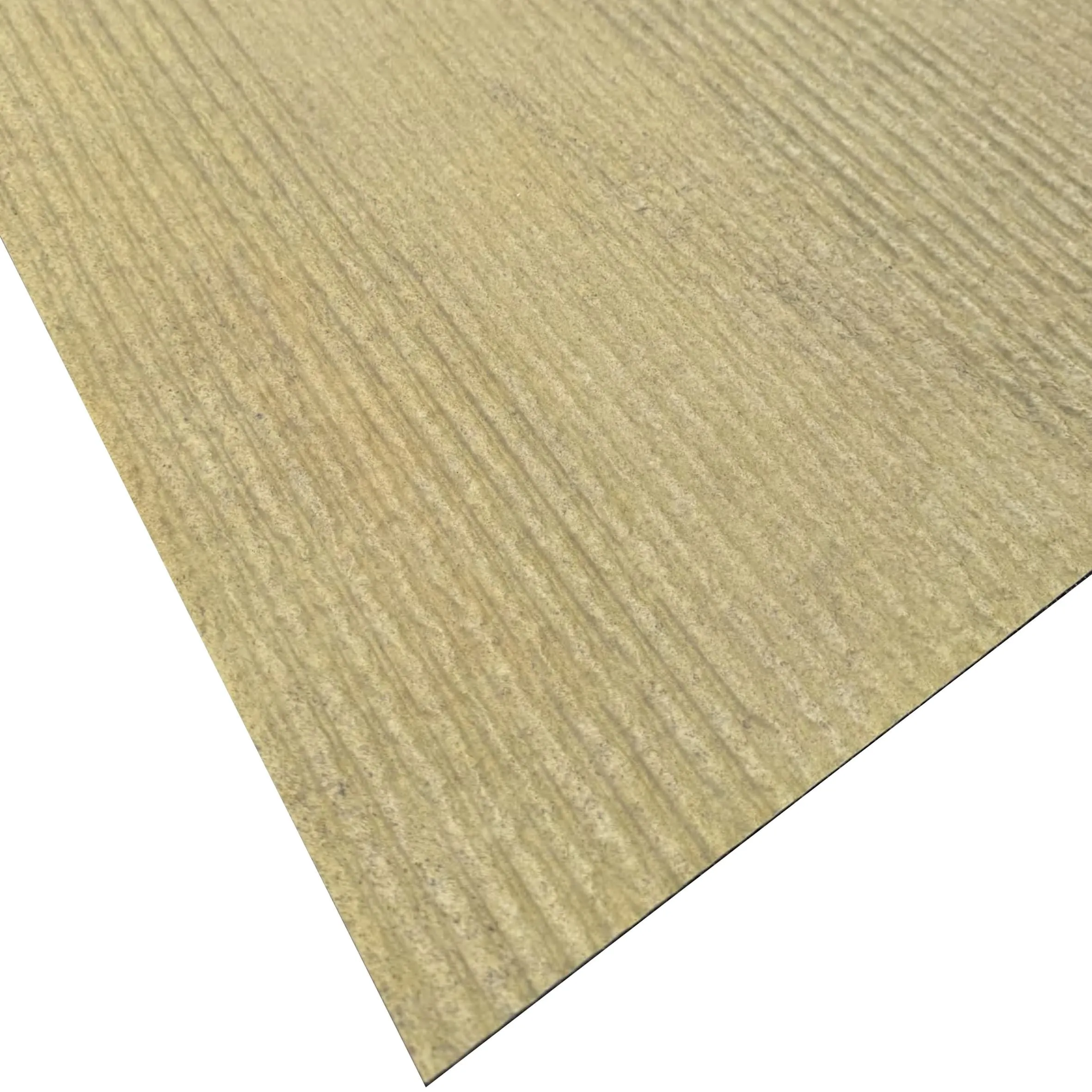
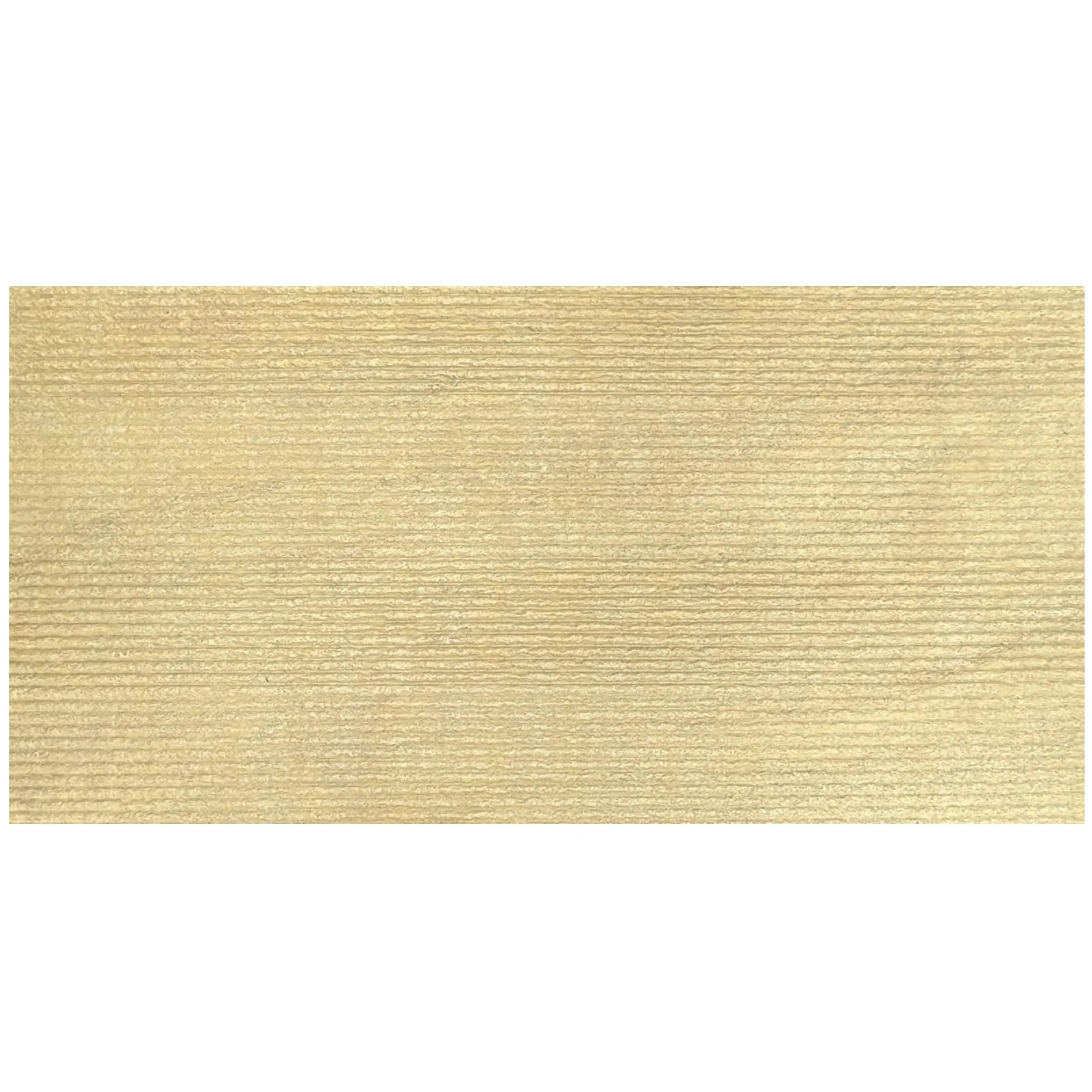
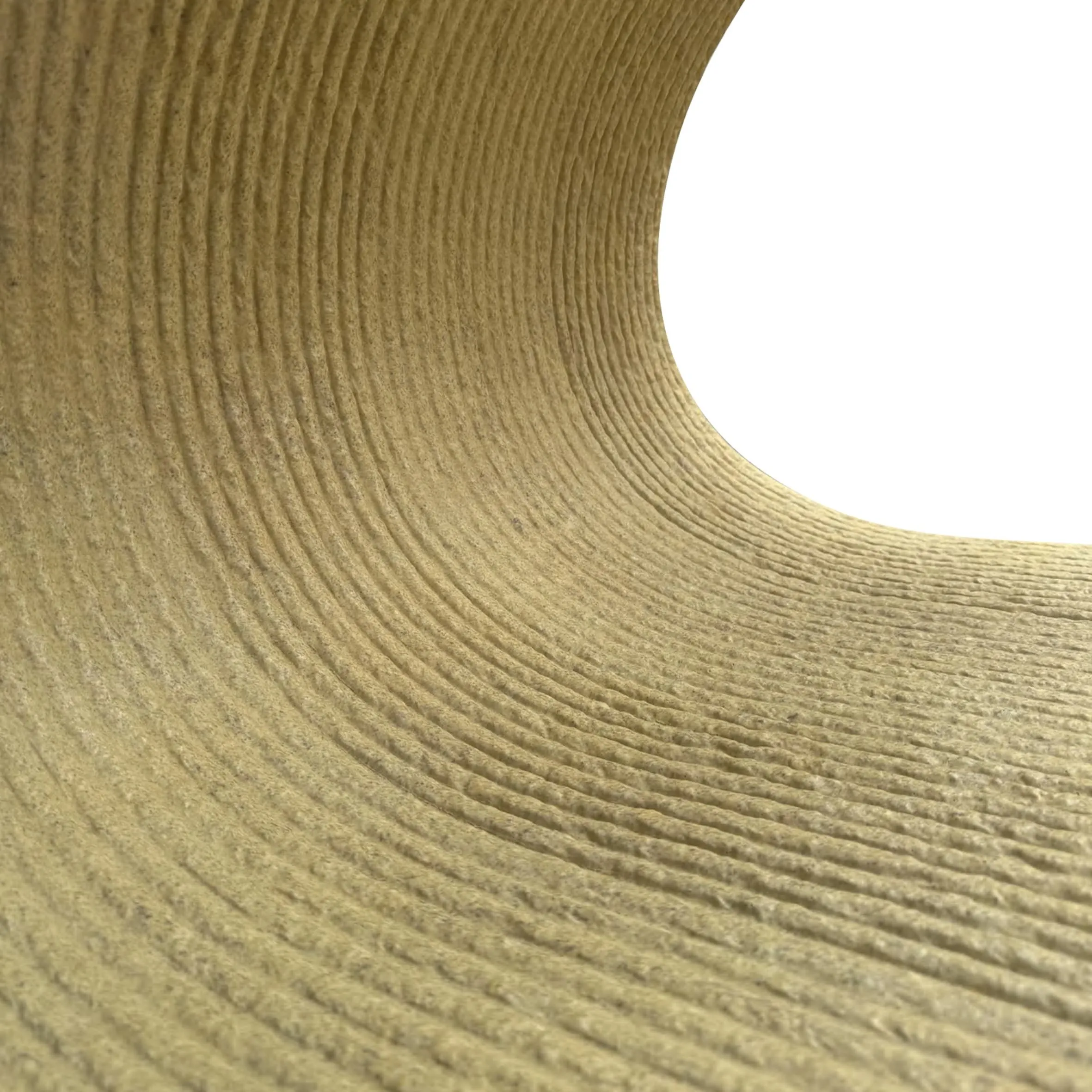
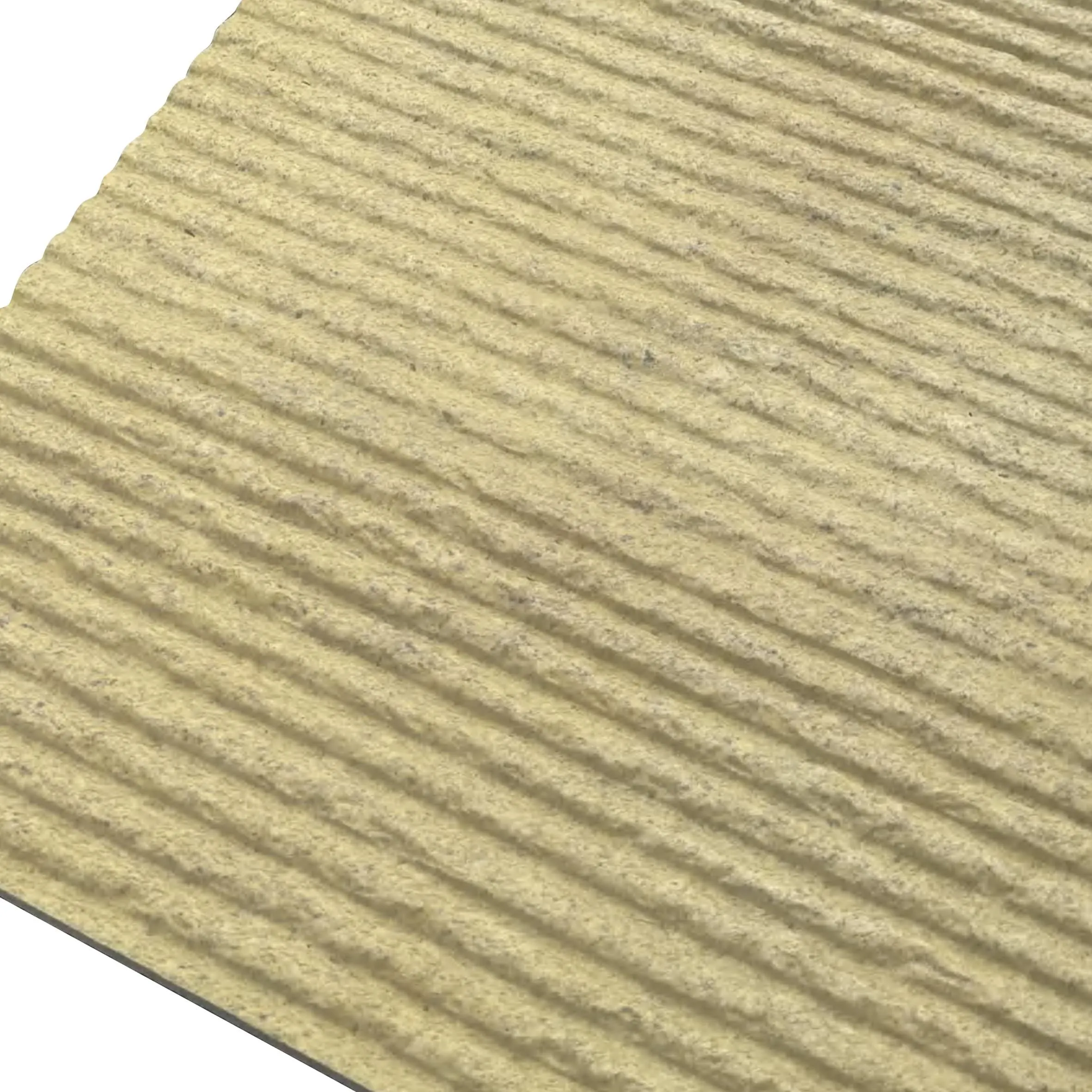
Gravel Omani Stone isn't your average building material. Hailing from the rocky landscapes of Oman, it's a natural composite stone formed over centuries, where rounded gravel fragments are fused together by a dense, mineral-rich matrix. Think of it as nature's version of reinforced concrete—only far more beautiful. The result is a surface that's as tough as it is visually striking: tiny pebbles of varying sizes and earthy hues (soft beiges, warm browns, and subtle grays) are embedded in a smooth, durable base, creating a texture that feels both organic and robust.
But what really sets it apart? Let's talk science. Gravel Omani Stone has a Mohs hardness rating of 7—for context, that's harder than most marbles and even some granites. That means it resists scratches from backpack zippers, chair legs, and the occasional dropped textbook. Its density is another win: at around 2.6 g/cm³, it's less porous than traditional travertine, so spills (think juice boxes, paint from art class, or even motor oil from the auto shop) don't seep in and cause stains. And unlike materials that become slippery when wet, its textured surface provides excellent grip—critical for areas like cafeteria floors or outdoor walkways that might get rained on.
So, why is Gravel Omani Stone becoming a go-to for schools and universities? Let's break it down with the things that matter most to those running educational spaces:
In a school, "durable" isn't just a buzzword—it's a necessity. Gravel Omani Stone doesn't just survive daily life; it thrives. Take the example of Westside Elementary in Abu Dhabi, which renovated its main hallway and cafeteria with Gravel Omani Stone three years ago. "Before, we were replacing hallway tiles every six months—they'd crack under the strollers from the after-school program, and the cafeteria floors looked like a permanent Jackson Pollock painting from spills," says Fatima Al-Mansoori, the school's facility manager. "Now? I walk down that hallway, and it still looks like we installed it last month. The kids run, the chairs scrape, and it just… doesn't care. It's like having a floor that's built with the same resilience as the students using it."
Teachers don't have time to worry about floor stains, and custodians shouldn't have to spend hours scrubbing. Gravel Omani Stone makes their lives easier. A quick sweep to remove dust and a mop with mild detergent is usually all it takes to keep it clean. Unlike porous materials like regular travertine, which need regular sealing to prevent stains, Gravel Omani Stone's tight matrix means sealing is only needed every 3–5 years (and even then, it's a simple process). "We used to have a full-time custodian just for the cafeteria floors—now, that same person handles three other areas too," Al-Mansoori adds. "It's saved us time and money, which we've been able to put back into classroom supplies. Win-win."
Schools shouldn't feel cold or industrial—they should feel inviting, like a second home. Gravel Omani Stone's natural texture and earthy tones (think warm beiges with flecks of cream and taupe) do exactly that. It softens the harsh lines of modern school architecture, creating spaces that feel grounded and calm. "We wanted our new science wing to feel both professional and approachable," says architect Lina Hassan, who designed the space for Dubai International Academy. "Gravel Omani Stone on the floors and accent walls does that. It's sophisticated enough for lab spaces but has this organic warmth that makes students feel comfortable—like they're learning in a space that cares about them."
Slip-and-fall accidents are a top concern in schools, especially in areas like cafeterias, kitchens, and outdoor playgrounds. Gravel Omani Stone's textured surface provides excellent traction, even when wet. In fact, it meets the ASTM E303 standard for slip resistance, which is the benchmark for commercial spaces. "Last winter, we had a big rainstorm, and our outdoor walkway—paved with Gravel Omani Stone—stayed completely non-slip," says Hassan. "No slips, no falls, no frantic calls to the nurse's office. That peace of mind is priceless."
One of the best things about Gravel Omani Stone is its versatility. It looks just as good in a bright, sunlit classroom as it does in a shaded outdoor courtyard. Some schools use it for playground borders, where it resists chipping from swings and climbing equipment. Others install it in auditorium aisles, where it muffles footstep noise (no more cringe-worthy squeaks during school plays). And because it's resistant to UV rays, it doesn't fade in direct sunlight—perfect for outdoor amphitheaters or covered walkways.
Gravel Omani Stone isn't the only player in the game—so how does it compare to other popular materials for high-traffic areas? Let's take a look at a few common alternatives:
| Material | Durability | Maintenance | Aesthetics | Best For |
|---|---|---|---|---|
| Gravel Omani Stone | High (resists scratches, chips, UV fade) | Low (sweep + damp mop; seal every 3–5 years) | Earthy, textured, warm tones; blends with natural and modern designs | Hallways, cafeterias, playgrounds, outdoor walkways |
| Fair-faced Concrete | Medium-High (prone to staining; cracks over time) | Medium (seal yearly; stains hard to remove) | Industrial, minimalist; limited color options | Warehouses, workshop floors |
| Travertine (Starry Blue) | Medium (porous; scratches easily) | High (seal every 6–12 months; stains absorb quickly) | Vibrant, unique star-like patterns; bold visual impact | Accent walls, low-traffic classrooms |
| Lunar Peak Silvery | High (resistant to wear; metallic finish resists fading) | Medium (fingerprints show easily; needs regular polishing) | Sleek, modern silvery sheen; futuristic vibe | STEM labs, exhibition areas |
As the table shows, Gravel Omani Stone balances durability, low maintenance, and aesthetics in a way that's hard to beat—especially for spaces that need to be both functional and inspiring. While materials like Lunar Peak Silvery offer a modern look, they require more upkeep, and Travertine (Starry Blue), though stunning, isn't built for the chaos of a middle school cafeteria.
These days, schools aren't just focused on durability—they're also thinking about their environmental footprint. Gravel Omani Stone checks that box, too. It's a natural material, quarried using eco-friendly practices that minimize habitat disruption. Because it's so durable, it lasts for decades, reducing the need for frequent replacements (and the waste that comes with them). And unlike synthetic materials like vinyl, which release VOCs (volatile organic compounds) into the air, Gravel Omani Stone is non-toxic—important for indoor air quality in classrooms where kids spend hours each day.
Then there's the cost factor. While Gravel Omani Stone might have a higher upfront cost than standard, its long lifespan and low maintenance mean it's actually more affordable over time. "We did the math," says Al-Mansoori from Westside Elementary. "Replacing hallway tiles every six months cost us around $15,000 a year. The Gravel Omani Stone installation was $45,000, but we haven't spent a cent on repairs in three years. By year four, we'll have saved money—and the floors still look great."
At the end of the day, educational facilities are about growth—for students, for teachers, and for the communities they serve. Gravel Omani Stone isn't just a floor or a wall material; it's a foundation for that growth. It's there when a kindergartener takes their first steps into school, when a high school senior walks across the stage at graduation, and when generations of students pass through those hallways, leaving their mark (without leaving a mark on the floors).
So, if you're an architect designing a new school, a facility manager tired of constant repairs, or a parent who wants their child's learning environment to be safe and inspiring, consider Gravel Omani Stone. It's not just a material—it's a partner in creating spaces that can keep up with the energy of education. After all, our schools deserve materials that are as resilient, adaptable, and full of potential as the students who walk through their doors.
Recommend Products












